One of the regular themes here at Mountain Journal is the threats posed to mountain environments by climate change (also called global heating). Climate change is already impacting all ecosystems in the mountains, and we have been seeing declining snow pack since at least 1957. Longer droughts, more intense fires, warmer temperatures, species moving to higher elevations. The impacts are quantifiable and incredibly depressing.
While this information is readily available, there is a strange denial that exists in large parts of the outdoors and mountain communities and certainly in the snow industry. And many others, who are willing to acknowledge what is happening, seem unwilling to commit either time or money to reduce the impacts of climate change. When we have a normal(ish) sort of winter as we experienced in 2025, the snow and mainstream media herald it as a ‘bumper’ winter.
I understand that denial is the easiest option.
But as we know, denial of a problem never makes the problem go away. Lately I have been overwhelmed by the scale of ecological collapse that is happening across the world. Sure there is good work happening everywhere, but the pace of action is moving at a glacial pace. After four years of hard campaigning, we recently managed to convince the Victorian government to launch an investigation into the health of snow gum woodlands and forests so it could determine the scale of the risks these communities face. FOUR YEARS! Across the alps, dieback and fire threaten millions of hectares of alpine ash and snow gum. Meanwhile in lutruwita/ Tasmania the ancient remnants of Gondwanic vegetation also face collapse due to climate impacts.
Knowing what we know, how do we even function as if its all ok? In a piece from MJ called Managing the Grief, we point out that:
Grief can be incredibly isolating. I am reminded of the famous quote from land ecologist Aldo Leopold who once said ‘one of the penalties of an ecological education is that one lives alone in a world of wounds’. Once you see the tear in the fabric, the scribbling of the dieback on the tree trunk, the endless lines of grey dead trunks, there is no going back to being oblivious to the reality of the collapse happening around us.
So. The work goes on. Those of us who are engaged continue to do what we do. We try not to be nagging tedious bores because we know that just turns people off. But we do lie awake sometimes and wonder what we can do to shake people into action. How we can be more effective. How to turn the passion for the outdoors into an unstoppable force for change. Apparently 1.2 million Australians enjoy snow sports. Imagine what would happen if they all stepped up.
Meanwhile back in the real world, the unravelling continues. If you acknowledge this stuff its easy to be dismissed as being ‘negative’. I prefer to see it as being brave enough to look both out the window to what is happening in the bigger world while also gazing in the mirror to better understand our role in the unravelling and what we might do to slow it.
Here are some of the things keeping me awake.
Watching the Oregon ash vanish
Native to northeastern Asia, the emerald ash borer (EAB) was first found in the United States in Michigan in the early 2000s, after ash trees there began dying for no apparent reason. By the time researchers identified the insects as the cause, they’d already spread across much of the state. Over the next two decades, the beetles continued to spread through the Midwest and East Coast, killing more than 100 million ash trees and becoming the nation’s most destructive forest pest. Story here.
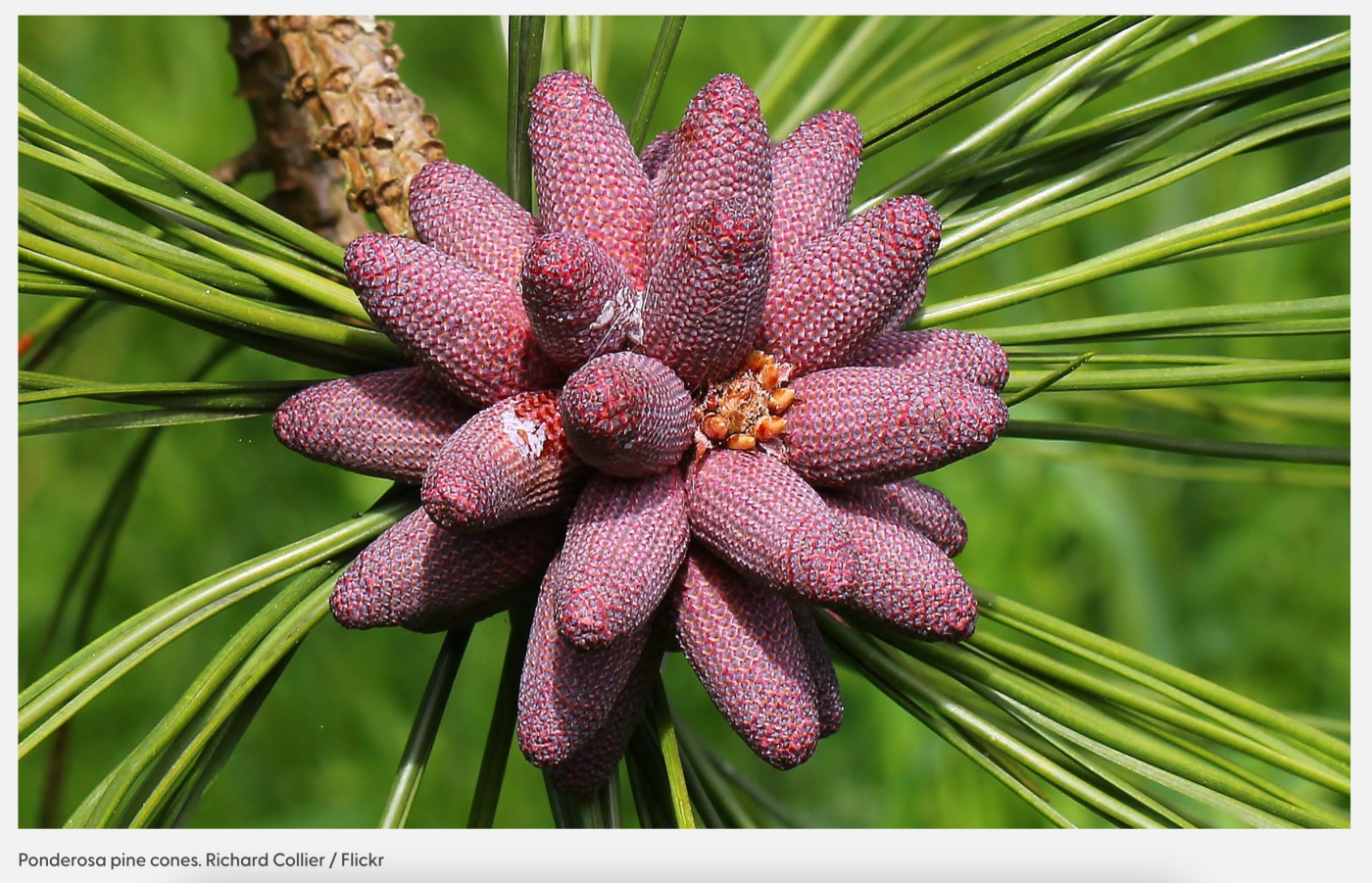
An elegy for ponderosa pines in a changing west
Starved of water and then taken down by insects and disease, or burned away for good by repeated, abnormally intense wildfires, much of what is now ponderosa forest is turning fast into permanent grass and shrublands. In the Sierras alone, over the past twenty years about two hundred million conifers have been lost, a great many of which were ponderosa. In some places, they won’t be coming back. “Even under the most optimistic estimates of natural regeneration,” writes a team of researchers in Fire Ecology, “large high-severity fire patches are likely to remain without forest cover for many decades to centuries.” This long, enchanted sweep of the Southwest, then, is well on its way to becoming one of the first post-climate change landscapes in America. Story here.
Whitebark pine
A new study, led by federal agencies in collaboration with the University of Colorado Denver, shows that the whitebark pine tree—an iconic, high-elevation tree that stretches from California’s Sierra Nevada through the Cascades and Rockies and into Canada—could lose as much as 80 percent of its habitat to climate change in the next 25 years.
The loss could have a cascade of effects, impacting wildlife and people. (Story here).
The steady loss of the Miena cider gum
The Miena cider gum is an iconic frost tolerant eucalypt found only around the edges of frosty low-lying areas within a 20 kilometre radius of Miena, a small village on the shores of the Great Lake in lutruwita/ Tasmania.
There are only a small amount of Miena cider gum stands left. The fires in 2019 severely impacted the health of these subpopulations, with only one stand remaining in reasonable health.
The report on the 2024-25 census of Miena cider gums in the Central Highlands has recently been released, and the results are sobering. We recorded 1,650 mature trees, down from 2,838 in 2010, and found that only around 1 in 10 are in good health. The area the occupy has shrunk from about 1,620 hectares to 450 – an 84% loss. (More info here).
We are locked into a lifetime of climate change. In fact several generations of it. But every action now reduces the impact later on – on us, our children, and the earth that we share. Understanding that can give us the beginning of a pathway to encounter, process, and ultimately manage our grief so that we can be effective in our work and at peace with ourselves. There is no ‘cure’ for this grief (only the false option of denial). But turning our grief work into a part of our activism offers a pathway to be effective in our actions and more at peace within ourselves.
As always, action is the antidote to despair. Here are some ideas on getting active.
And here is our rescue plan for the snow gums.




 Mountain Journal
Leave a comment