Search

Mountain Journal

Environment, news, culture from the Australian Alps

Tag

books

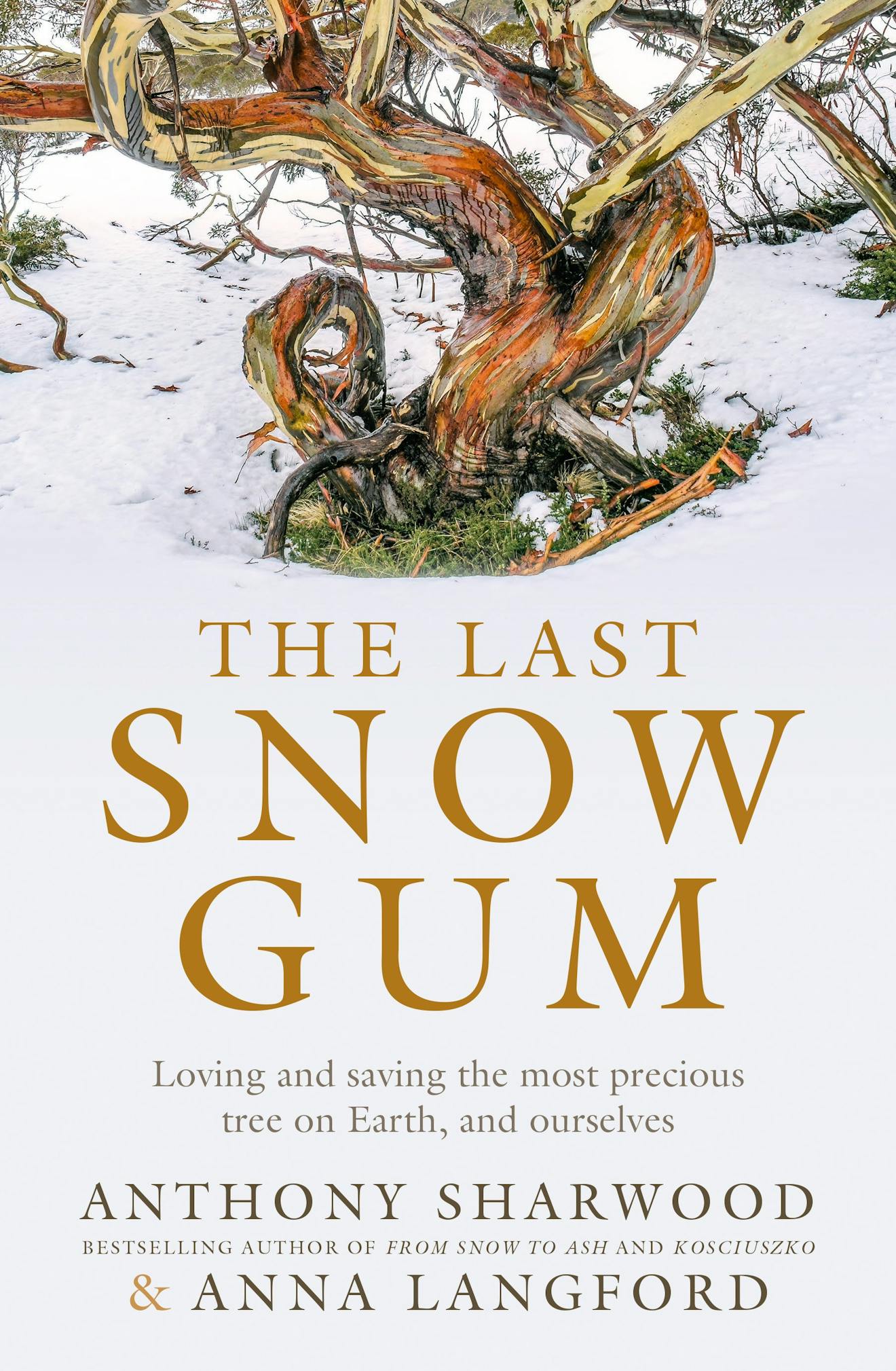
Review: The Last Snow Gum

Where do I even start with a book like this? The Last Snow Gum. The Last. If you read Mountain Journal, you will know that a key preoccupation here is the threat to, and loss of, snow gums. I’ve spent a big chunk of the last six years working to gain protection for snow gum forests which are starting to collapse before our eyes. ‘Collapse’ means that, in many areas, the trees are dying, and the scale of the death is so intense that there are no new forests emerging. What were stunning twisting forests and woodlands are turning into wastelands of highly flammable dead timber, scrub and grass. This is happening right now, yet most people who know the mountains and visit regularly refuse to do anything about it. The ski resorts and the mountains more broadly are full of people who can see, who have time and disposable income, but they have chosen to turn a blind eye and ignore the obvious.

After 6 plus years of work, a revolving set of new environment ministers, dozens of mainstream media stories, endless lobbying and surveys, guided walks, forums and report writing, we are getting somewhere. But a little bit of political movement is not the same as real action to counter an existential threat.

Me getting angry or sad or shrill or ranty doesn’t actually change anything. So I try to hold onto my Reasonable Voice even as I watch the snow gums die in front of us. Watching an ecosystem die in real time is hard work and wears on the soul.

But these forests still feed me. The silence, the raucous noise of ravens sweeping through the trees, the sunsets, the impossible beauty of fresh snow on an old dry hot continent. Yes it’s a word that gets thrown around, but snow gums are iconic. I would also say they are charming, charismatic, solemn, stoic, stubborn and delightful.

Which brings me back to this book, released in bookstores nationwide this week. At its heart, it is a long and detailed love song for this wonderful tree. It really does weave the loss and the beauty together into a compelling story. If you have ever spent time in the Australian mountains I would say that you need to read it, as the knowledge you gain will deepen your connection to these wonderful trees and the mountain country they inhabit. There are no ranty activists here, just people who love the mountains and the snow gums, and faced with the facts,  the book is considered but alarmed.
Continue reading “Review: The Last Snow Gum” →

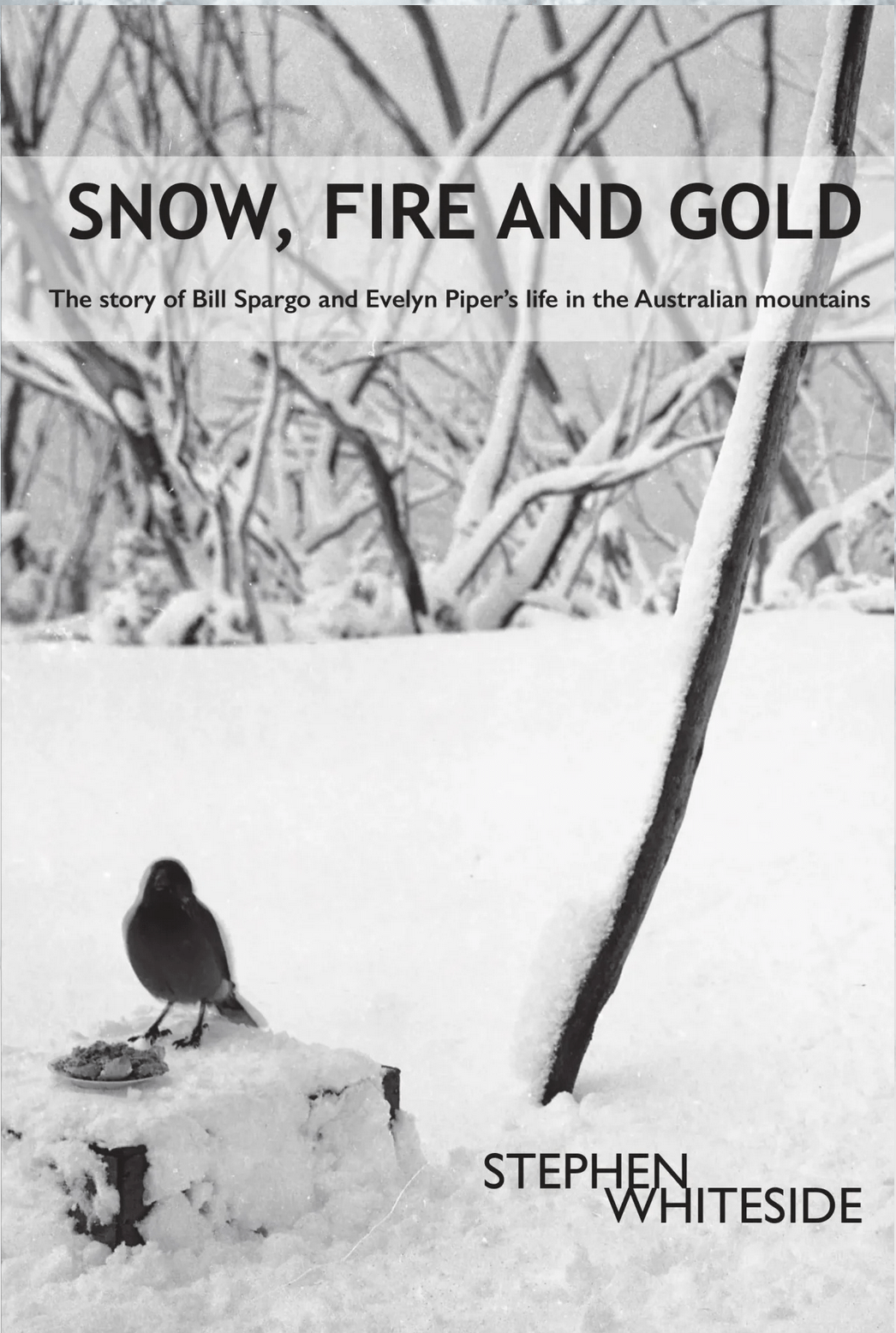
Review: Snow, Fire and Gold

We often see mountain environments as being wilderness: remote and wild country with few signs of human impact or habitation. But, of course, the mountains are a peopled landscape, rich in memory, history and personal stories. Many First Nations stories are now gone, lost with the people who were murdered or displaced. The cattle grazing families who followed occupation tend to dominate popular culture when it comes to the mountains, and most of the others barely get a mention. But there were generations of explorers, miners, loggers, skiers and hikers, hydro workers and road builders, people who built the ski resorts or managed to farm in the higher areas who have also left rich stories. Snow, Fire and Gold written by Stephen Whiteside is a wonderful book about Bill Spargo and Evelyn Piper and their long connection to each other and the mountains around Hotham.

One obvious sign of the human story of the Alps are the huts that dot the landscape. These include old cattle family huts, cabins attached to fire towers, huts connected with government agencies, the hydro schemes, recreation groups, or public infrastructure. They all tell a story of what happened before, or about our enduring connection to place. A rare few hold cultural treasures that speak to other times – the informal museum in the hut at Twilight Tarn in Mt Field national park in lutruwita/ Tasmania is one that comes to mind. Most of these huts were seasonal residences or provided short term shelter for workers or travellers. A rare few were long term homes for people. Spargos is one of these.

You can read the review here.

Finding the Centre.

It’s a perfect autumn morning in Pretty Valley. The grass and tents are frosted with ice, the air is cold and invigorating, the silence immense. Sitting and waiting for the sunlight to spread across the plains from the hills to the west, it feels so silent you can hear the earth itself humming. In the shallow valley below, white mists form above the marshy landscape and braided waterways, rising until they meet a temperature inversion, which creates a ceiling effect that stops further upward movement. The flat topped mists then flow slowly towards the south east. Finally, the sun starts to warm my back. The air fills with bird call, the parrots sweep through, chitting as they fly past. After a cold night, it seems like everyone and everything is glad to be alive this morning.

Continue reading “Finding the Centre.” →

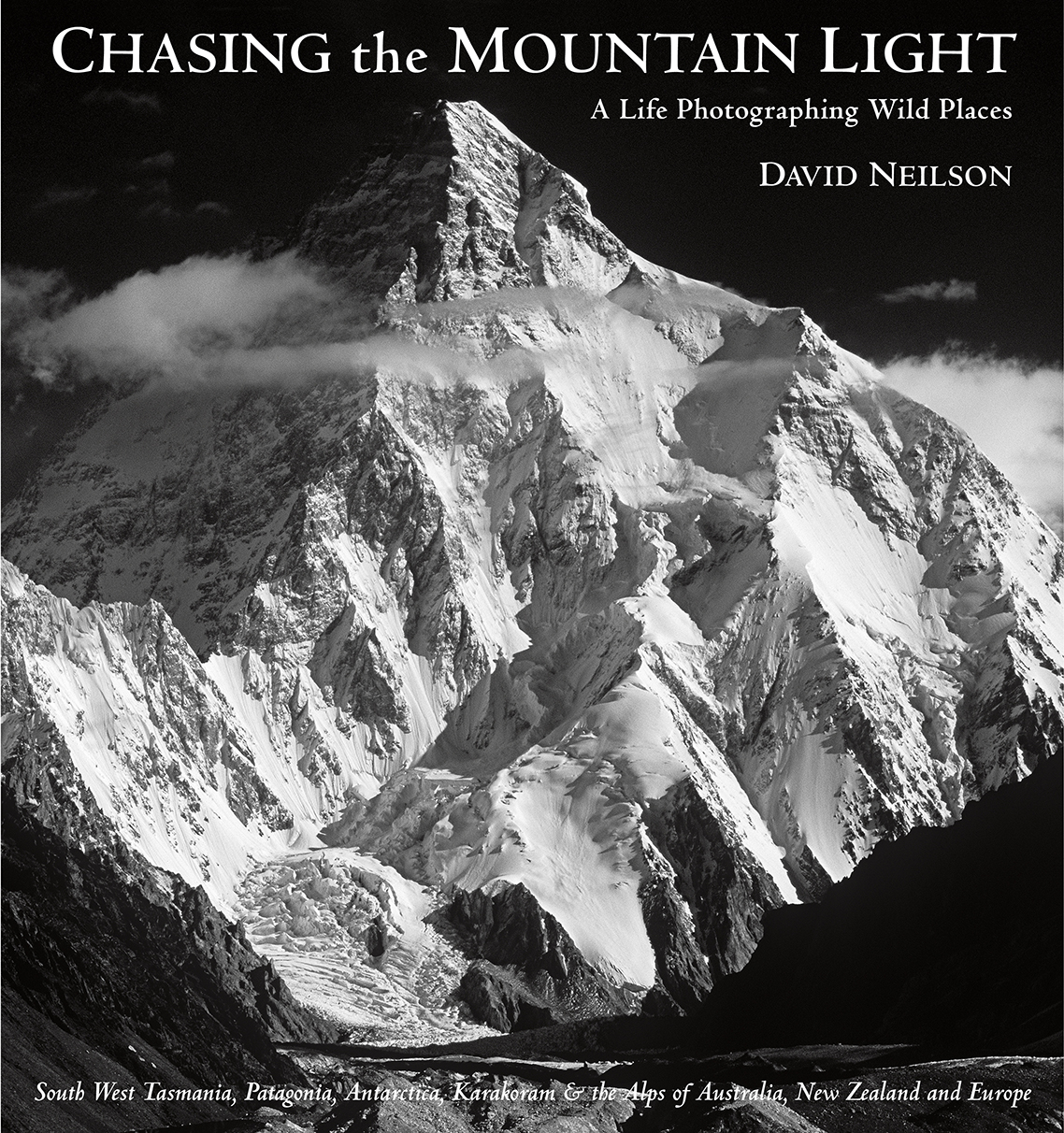
CHASING the MOUNTAIN LIGHT: A Life Photographing Wild Places

All landscapes have appeal. Some are easier to love than others. Many Australians love the beach and coastlines. Some love the desert, or wetlands, rainforests or the tall Ash forests. Some people have more obscure tastes – mangroves or mulga or gibber plains. But many of us love the mountains. And some of us express this love through writing, film, poetry, photography or other forms of communication. A new book called Chasing the Mountain Light delves deep into love of the mountains through the medium of images and writing.

The subititle of the book explains it perfectly: ‘A life photographing wild places’. The work of David Neilson, it is a glorious coffee table sized book featuring wonderful black and white images from south western lutruwita/ Tasmania, Patagonia, Karakoram and the Alps of Australia, New Zealand and Europe and other ranges such as the Andes.

Continue reading “CHASING the MOUNTAIN LIGHT: A Life Photographing Wild Places” →

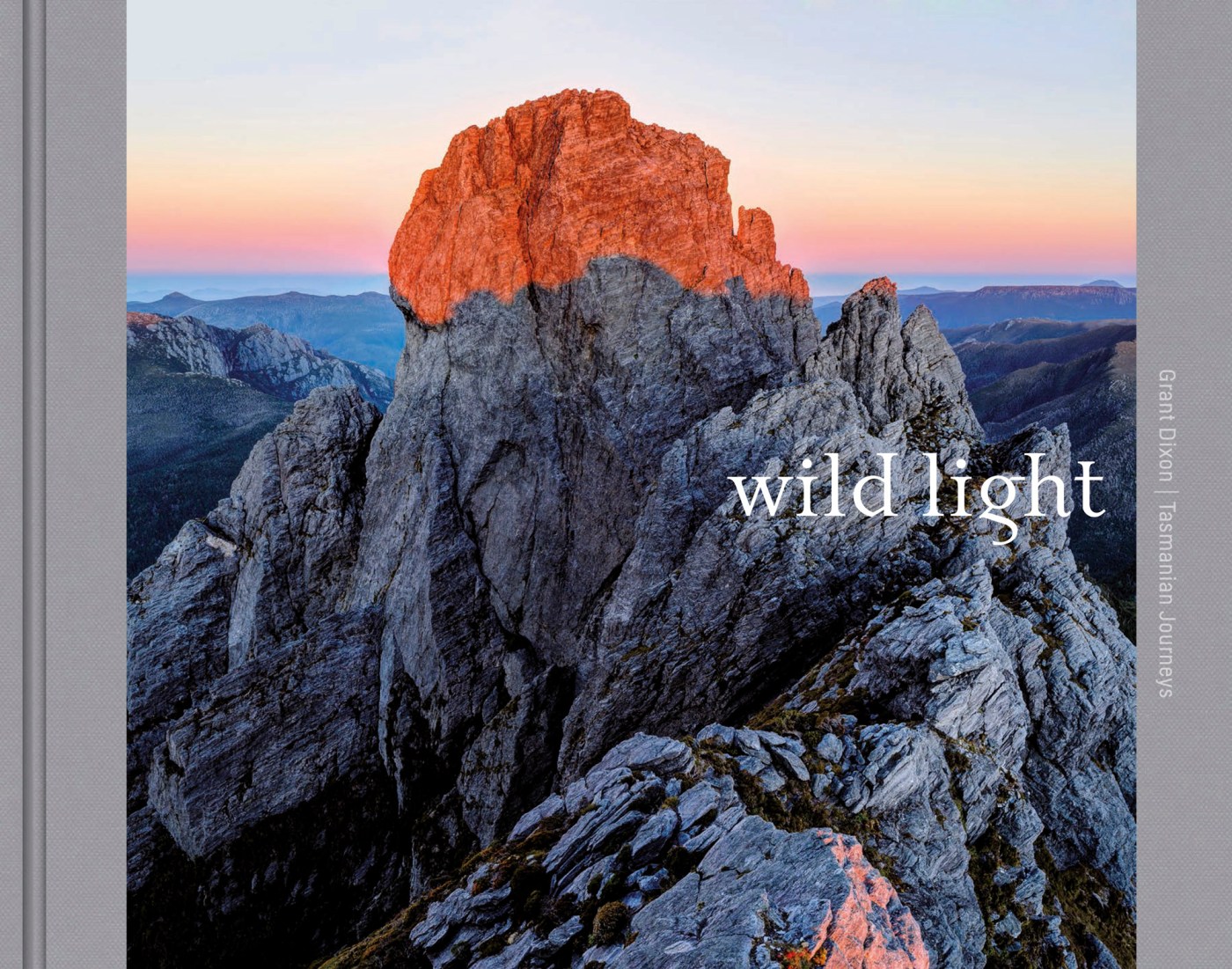
New book ‘WILD LIGHT’ will show case Tasmania’s landscapes

Well known Tasmanian landscape photographer Grant Dixon self-published his book WINTER LIGHT, featuring the Tasmanian mountain landscape in the winter of 2020. This book was generously-described by Paul Hoelen, NZIPP Grand Master of Photography, as possessing “some of the most exquisitely perfect production qualities I have ever seen in a landscape photography book”. Winter Light is now out of print, but Grant was inspired and encouraged to work on a second book of similar quality drawing on his other Tasmanian material.

Grant has recently announced the publication of this new book, WILD LIGHT, and it can be pre-ordered now at the pre-publication price of $85 (RRP will be $95), and he is relying on such pre-orders to make publication viable. The book will be available in November 2022.

Continue reading “New book ‘WILD LIGHT’ will show case Tasmania’s landscapes” →

The literature of the high country

Barry Lopez was a wonderful author who focused on exploring the relationship between human cultures and nature. He passed away in 2020. His famous work Arctic Dreams was the first of his books that I discovered, and I have enjoyed his essays for many years. I am currently working through Embrace Fearlessly the Burning World, which was published shortly after he died. It is a luminescent collection of essays and one really stood out for me: Out West. He embarks on a long road trip to try and connect with the western plains of the USA. As he leaves, he loads up the many books that reflect on, or are based in, the areas he would be visiting. There are many famous names and books on the list, from Wallace Stegner, Ansel Adams to Cormac McCartney. He reflects on how history is recorded, how land and place is captured in literature and art, and how our understanding of the past shifts according to the dominant narratives of our time.

That, of course, got me thinking about the books I would have with me as I started a long road trip of our mountains. This is the start of a fairly Victorian-centric list.

Continue reading “The literature of the high country” →

WINTER LIGHT: the Tasmanian mountains in winter

Well known Tasmanian landscape photographer Grant Dixon is launching a new book. Grant has been exploring the Tasmanian wilderness for some 40 years and undertaking trips to the mountains in winter for much of that time, capturing images featuring both grand vistas and intimate details of the winter landscape.

Grant says ‘I’m publishing a high quality, hard cover photographic book in the Tasmanian tradition of fine art productions and of using photography to activate awareness of the environment. The book features 89 images, captured over several decades, of the Tasmanian mountain landscape in winter’.

In his foreword, writer and photographer David Neilson states, “this exceptional collection of alpine images clearly reveals Grant’s outstanding artistic vision. ….. The human spirit desperately needs wilderness and Grant’s photos speak to us passionately of that need.“

Grant has organised a pre order crowd fund to print the book. You can buy a copy of the book, please check here for details, and collect in Hobart, or have it posted to you. There are some great images and calendar on offer for people who are able to contribute more.

Continue reading “WINTER LIGHT: the Tasmanian mountains in winter” →

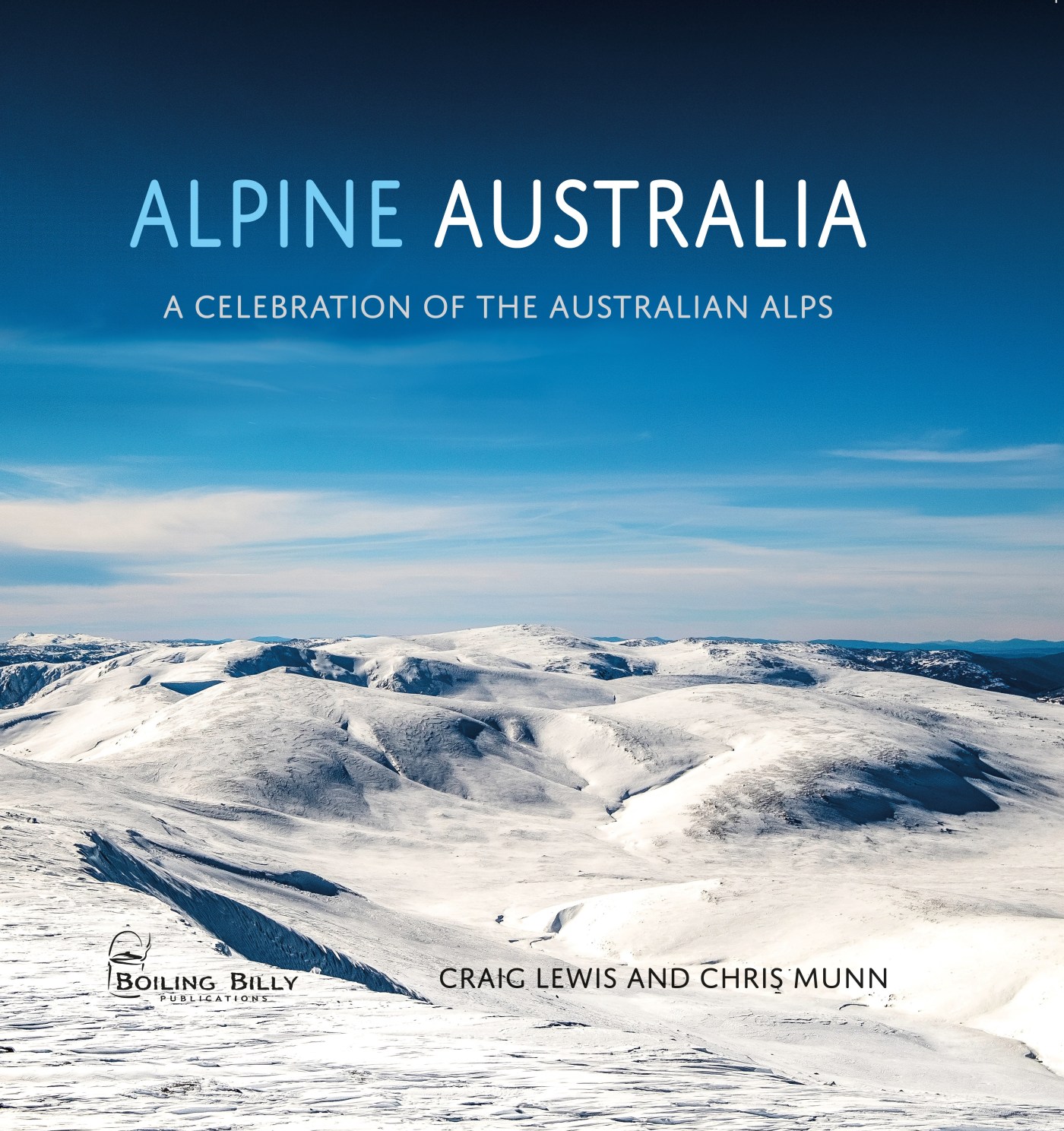
Alpine Australia – A celebration of the Australian Alps

This recently released book features 150 images from across the Australian Alps. The publishers describe it as a ‘coffee table pictorial (which aims to) bring this magnificent region to a wider audience.’

Although I haven’t seen the book yet, the excerts below look gorgeous. You can find it in bookstores or online.

Continue reading “Alpine Australia – A celebration of the Australian Alps” →

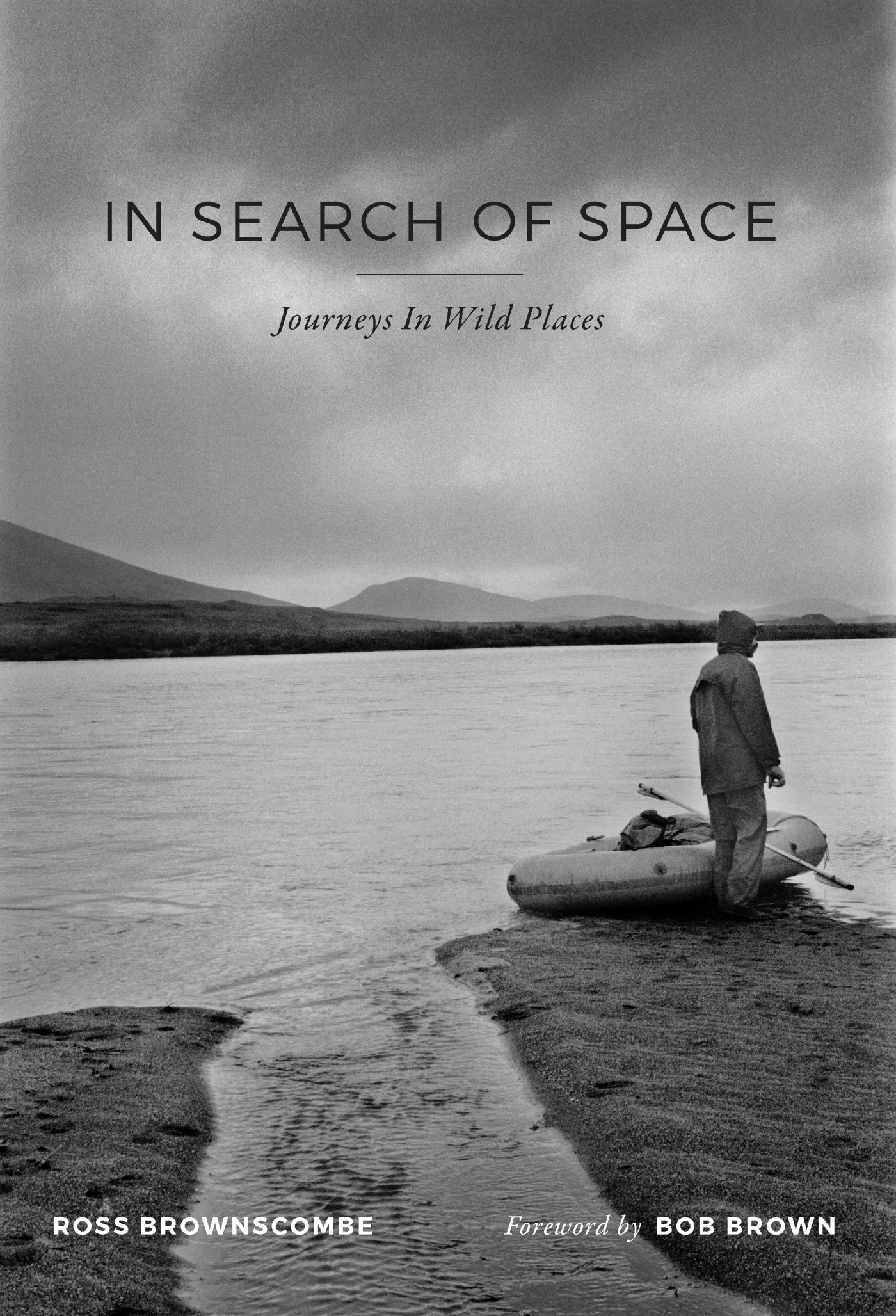
In Search of Space, Journeys in Wild Places

In the introduction to In Search of Space, Journeys in Wild Places, Ross Brownscombe points out that ‘nature writing’ which ‘explores the poetry and magic of wild places’ has not developed into a strong tradition in Australia. Compared to North America and the UK this is certainly correct, and true writers in this genre are few and far between.

This book is a great addition to the library of nature writing that Australia has produced. There is a review here.

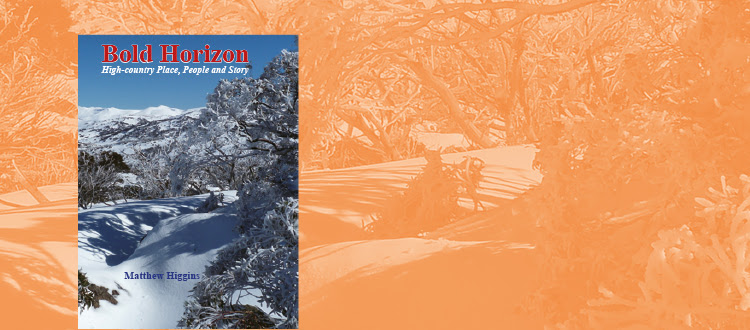
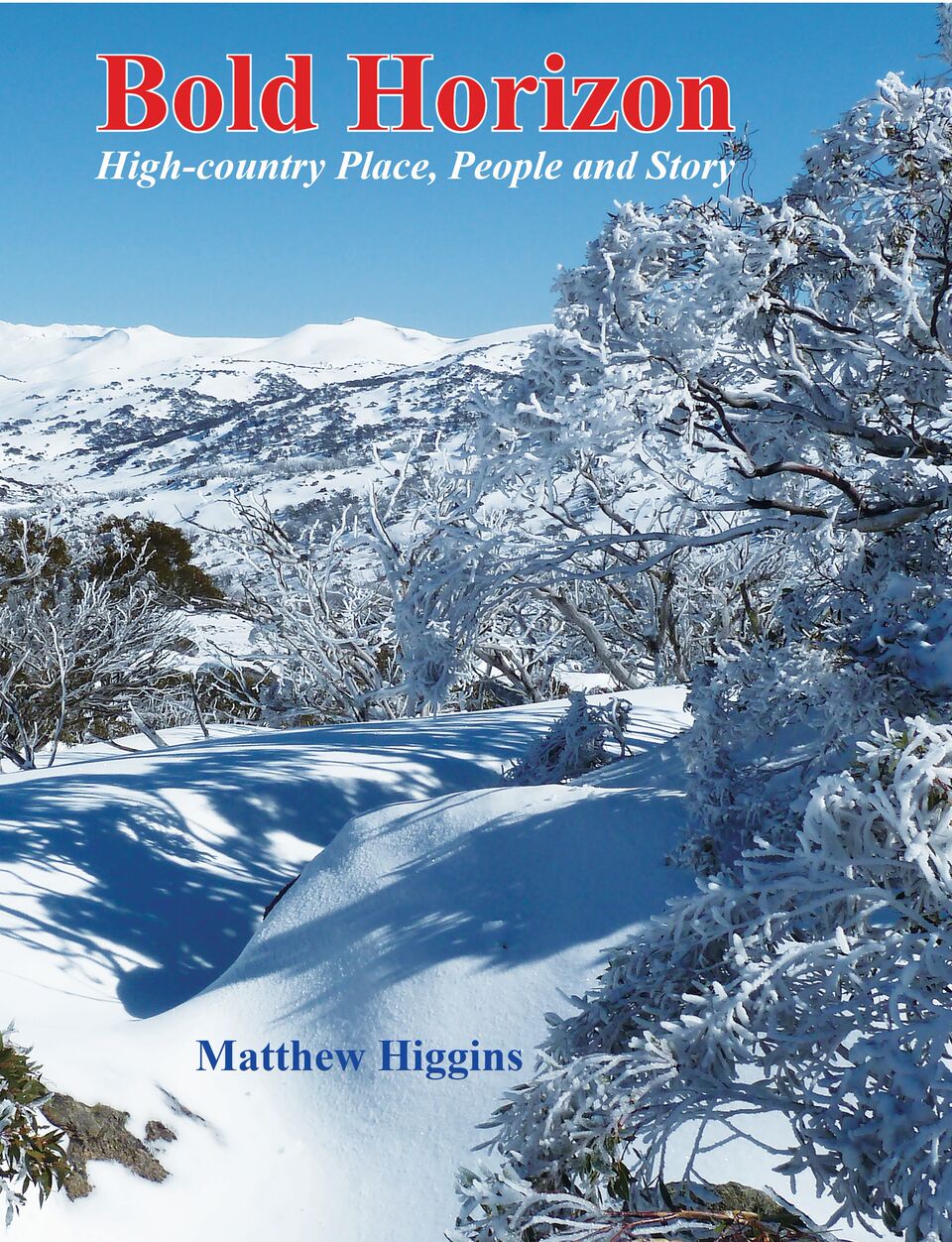
Book Launch of Bold Horizon

High-country Place, People and Story
by Matthew Higgins

Canberra, April 11.

What is it like in Australia’s high country? Matthew Higgins takes readers into this challenging environment to tell a unique story through words and pictures. Starting with his own experience, Higgins then profiles a range of mountain people from stockmen to Indigenous park rangers to tourism operators and more — each touched by this picturesque, bold landscape in different ways.

Continue reading “Book Launch of Bold Horizon” →

Bold Horizon: High-country Place, People and Story

A new book on the Australian Alps will be released in April.

“Matthew Higgins traces the mountain experience in a rich variety of ways. Firstly he talks of his own times in the alps as a bushwalker, cross-country skier, historian, and oral-history interviewer. Then, he profiles a range of people who have worked, lived, or played in the mountains: stockmen, skiers, Indigenous parks officers, rangers, brumby runners, foresters, authors, tourism operators, and others’.

Continue reading “Bold Horizon: High-country Place, People and Story” →

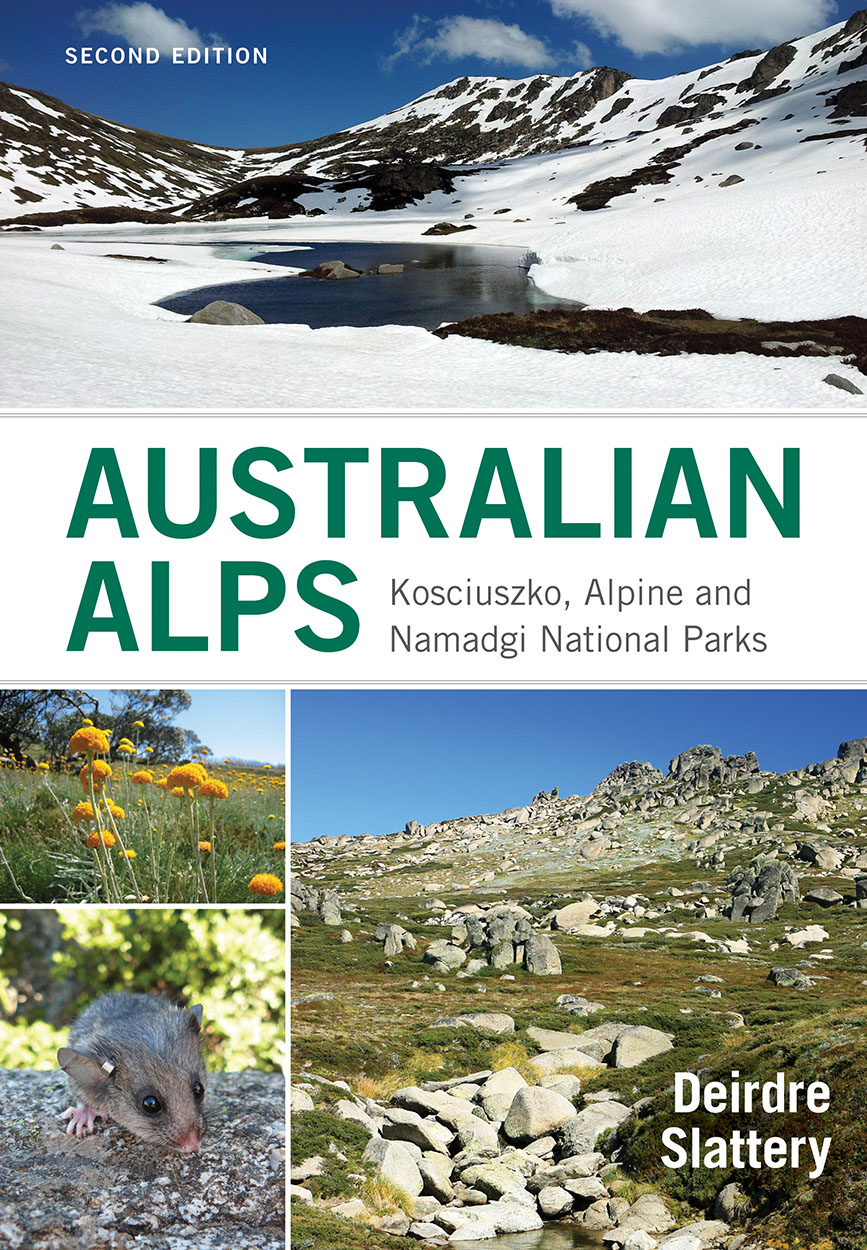
Australian Alps Book: Kosciuszko, Alpine and Namadgi National Parks

By Deirdre Slattery, published December 2015

The following comes from the Australian Alps website.

This new updated version of the original book published in 1998 is a must for students, agency staff, alpine history buffs, adventurers, naturalists and anyone one who has a love and passion for the Australian Alps. 

A fascinating guide to Kosciuszko, Alpine and Namadgi National Parks, it introduces the reader to Australia’s highest mountains, their climate, geology and soils, plants and animals and their human history. It traces the long-running conflicts between successive users of the mountains and explores the difficulties in managing the land for nature conservation. Published by CSIRO, copies of the book may be attained via the web-link at  http://www.publish.csiro.au/pid/7282.htm

A review of the book can be found here.

Blog at WordPress.com.

Up ↑