Search

Mountain Journal

Environment, news, culture from the Australian Alps

The Backcountry Film Festival is back. DEC 3 – 13

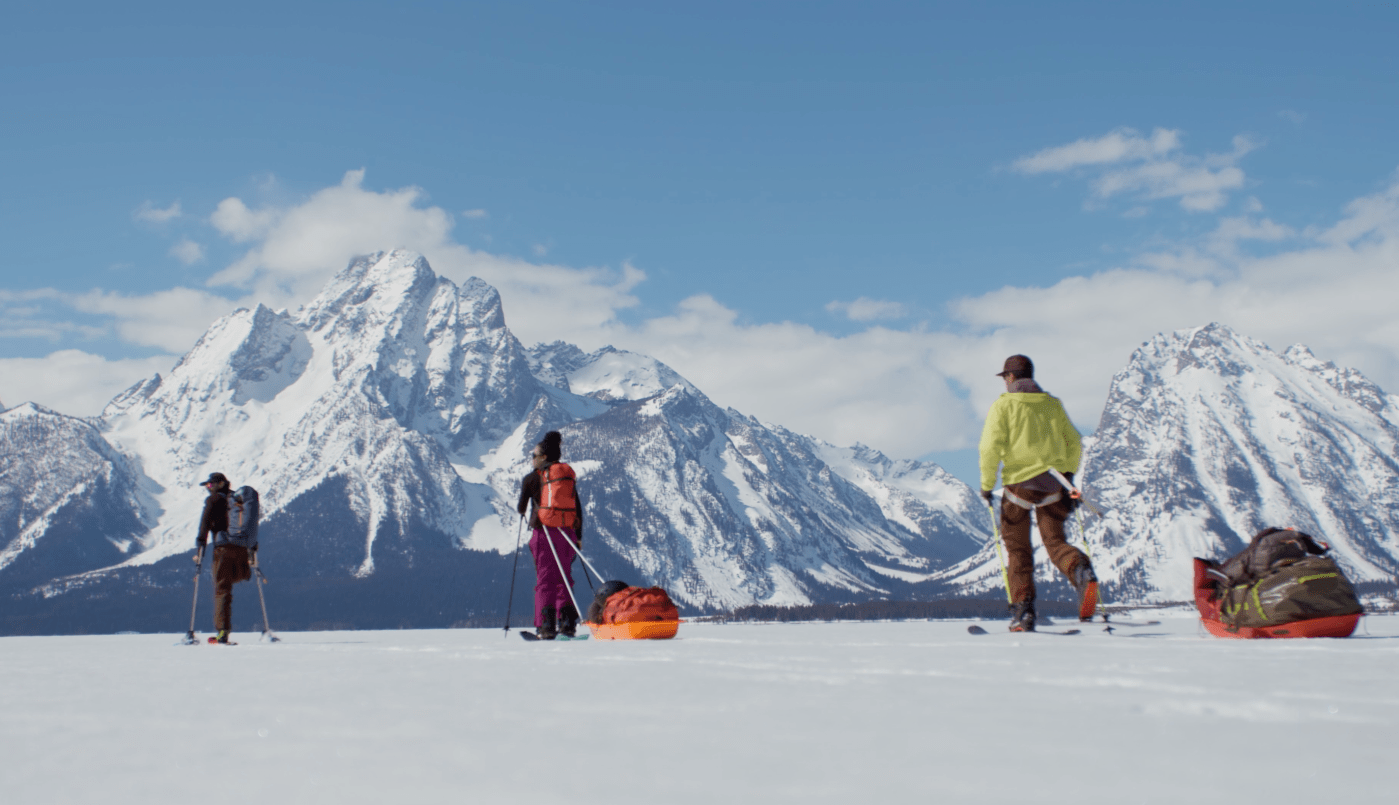
Presented by Winter Wildlands Alliance each year, the Backcountry Film Festival screens stories of outdoor stewardship, grassroots policy and advocacy work, backcountry adventure, and snow cinema by human-powered advocates, athletes, activists, and outdoor enthusiasts.

The 2022 season festival will run early, from DEC 3 – 13, 2021 and features 14 films over two hours.

The festival is shown around the world. In Victoria, Friends of the Earth is the local host.

Due to the difficulty of finding a suitable cheap venue, this year we are screening the festival as an online event.

Continue reading “The Backcountry Film Festival is back. DEC 3 – 13”

Victorian feral horse plan a win for Alpine National Park

After public consultation, the Protection of the Alpine National Park – Feral Horse Action Plan 2021 has now been released. This is the Victorian Government’s new plan to ‘improve the management of feral horses and reduce the damage they cause to vulnerable natural and Aboriginal cultural values in the Alpine National Park’.

Unlike NSW, which continues to be beholden to demands from some to keep feral horses in the Snowy Mountain national park, Victoria has taken a stronger position.

Continue reading “Victorian feral horse plan a win for Alpine National Park”

Climate action: It’s now or never

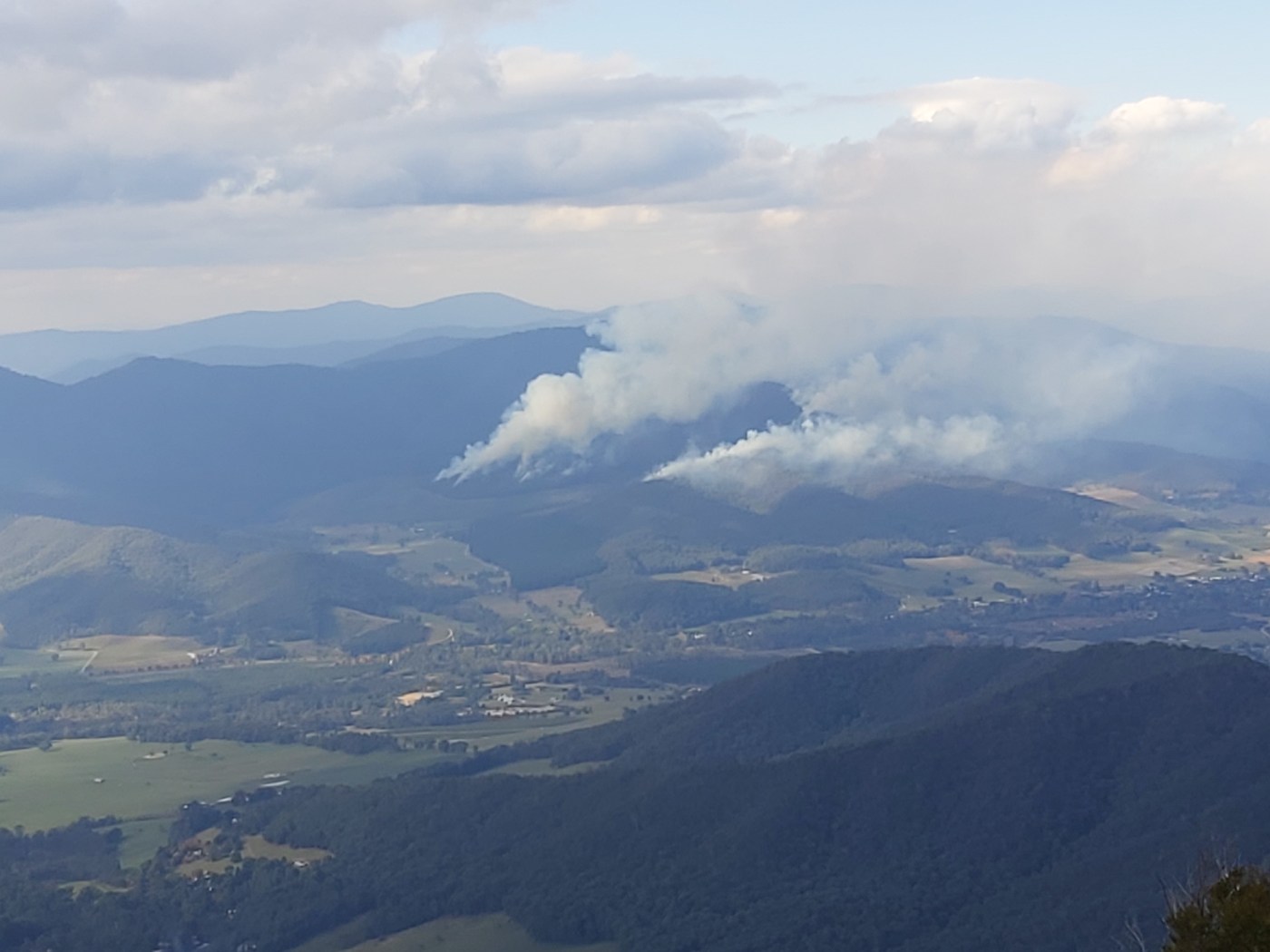
We know that the mountains we love are under threat from global warming. Longer fire seasons, less water in the rivers, loss of winter snow. With average global warming of slightly more than 1oC already, we can see what that is doing to snow falls and fire seasons.

With the COP26 climate talks about to get underway in Glasgow, we have a hugely important moment, where we can decide to turn around global warming. If we can’t muster the political will to act decisively, the consequences will be devastating.

Continue reading “Climate action: It’s now or never”

North East Catchment Management Authority – another year of looking after the Alps

The North East Catchment Management Authority (NECMA) manages the integrated planning framework for land, water and biodiversity management in North East Victoria.

North east Victoria is gorgeous and contains some of our most beautiful mountains. While it comprises only 2% of the geographic area of the Murray-Darling Basin it contributes 38% of the total water in the Murray-Darling system. This high-quality water resource supports users across south-eastern Australia and needs to be protected.

NECMA has just released its annual report for 2020/21 (available here) and it has some interesting updates on projects happening across the mountains.

Continue reading “North East Catchment Management Authority – another year of looking after the Alps”

‘Wildfires, deforestation and global heating turn 10 Unesco forests into carbon sources’

A recent report looked into the impacts of climate change and other human activity on protected areas. It was pretty much as you would expect – these areas, protected because of their special values, are now at risk. According to various media stories (for instance this one in The Guardian) ‘Forests in at least 10 Unesco world heritage sites have become net sources of carbon since the turn of the millennium due to wildfires, deforestation and global heating’.

While this report takes a global perspective, it does contain details on two Australian systems – the Greater Blue Mountains Area and Tasmanian World Heritage Area – there are also some details relevant more broadly to protected areas in mountain areas of south eastern Australia.

Continue reading “‘Wildfires, deforestation and global heating turn 10 Unesco forests into carbon sources’”

Progress on a fire management plan for the TAS World Heritage Area

The Tasmanian Wilderness World Heritage Area (TWWHA) is one of the largest conservation areas in Australia, covering 15,800 km², or almost 25% of lutruwita/ Tasmania. It contains huge areas of wild landscape.

Sadly, fire is a huge threat to many vegetation communities in the TWWHA which are fire sensitive, particularly in the context of a changing climate.

We know that climate change fueled fire regimes threaten the TWWHA. For instance, the amount of vegetation burnt by fires caused by lightning strikes in Tasmania’s world heritage area has increased dramatically this century, according to research led by the University of Tasmania.

Following public consultation in 2020, plans for managing fire in the TWWHA are being developed. The Tasmanian National Parks Association (TNPA) says ‘we are pleased to see belated progress towards the development of a Fire Management Plan for the TWWHA’.

Continue reading “Progress on a fire management plan for the TAS World Heritage Area”

Mt Hotham recycled glass program nominated for Premier’s Sustainability Award

Mount Hotham Resort Management Board (MHARMB) has a number of great environmental initiatives. The long program to restore the population of Mountain Pygmy Possum on the mountain is probably the best known.

Now, MHARMB’s innovative treatment and re-use of recycled glass has been recognised in the 2021 Premier’s Sustainability Awards, with the organisation announced as a finalist in the “Waste Reduction and the Circular Economy” category.

Continue reading “Mt Hotham recycled glass program nominated for Premier’s Sustainability Award”

Launch of ‘Where the Water Starts’

The film Where The Water Starts aims to reveal how the fragile alpine region of the Snowy Mountains, particularly Kosciuszko National Park, is seen by a number of Indigenous and non-Indigenous people who were born or live in the southern mountains area, or who care deeply about it.

The launch of this important film will happen on Thursday October 28th at 6.30pm followed by Q&A with

  • Richard Swain, Indigenous Ambassador with the Invasive Species Council,
  • Professor David Watson, Environmental Scientist, and
  • the filmmakers, Mandy King & Fabio Cavadini

Continue reading “Launch of ‘Where the Water Starts’”

Alpine Ash recovery program not yet ready for mega fires

After the 2019–20 Victorian fire season, the Inspector-General for Emergency Management (IGEM) was charged with ‘investigating Victoria’s preparedness for the fire season, response to fires in large parts of Victoria’s North East, Gippsland, and Alpine regions, and will review relief and recovery efforts’. It has now released its second report, which looks at recovery efforts since the fires (available here).

It makes a series of observations and recommendations relating to the recovery of the environment after the fires. One is especially significant for the future of the Alpine Ash.

Continue reading “Alpine Ash recovery program not yet ready for mega fires”

Giving back to the Alps

Most of Australia’s High Country is now protected in parks. While there are significant pressures on many of these – for instance plans for a major expansion of commercial development in Kosciuszko national park, and tourism development in wild areas in lutruwita/ Tasmania – there is also the existential threat posed by climate change.

On a day to day basis our parks are generally underfunded and so the Parks Services struggle to deal with invasive species and the impacts of tourism. We need to increase funding across the board for our parks services.

There are also many options to directly support the ecological integrity of our mountain areas through hands on volunteer work. As author Alice Walker puts it nicely, ‘Activism is my rent for living on the planet’, and there are many ways to get involved in hands on efforts in and around the Alps. Here are a few ideas.

Continue reading “Giving back to the Alps”

Tourism & outdoor industry stands up for forests

The forests of north east Tasmania are like nowhere else on Earth. From the glacial refugia forests of the Blue Tier holding the tallest flowering plants on earth, to the Gondwanic remnant forests around the Blue Derby mountain bike trails, these forests are under increasing threat from logging.

The campaign to protect these forests in recent times has been driven by locals involved in ecotourism and outdoor adventures like mountain bike riding. It has been a great example of people standing up for the places that they love.

Last week, more than 160 other tourism bodies, signed an open letter to the State Premier, the Minister for Tourism, Hospitality and Events and the Minister for Climate Change regarding the economic and environmental implications of logging carbon-rich Gondwana remnant forests in the North-East of Tasmania. These forests are within proximity of the world-famous Blue Derby bike tracks.

Continue reading “Tourism & outdoor industry stands up for forests”

Chasing Giant Trees in lutruwita/ Tasmania

Carl Hansen and Jan Corigliano report on a recent mission to catalogue newly discovered forest giants.

This story first appeared in the Mountain Journal print magazine for 2021 (available here).

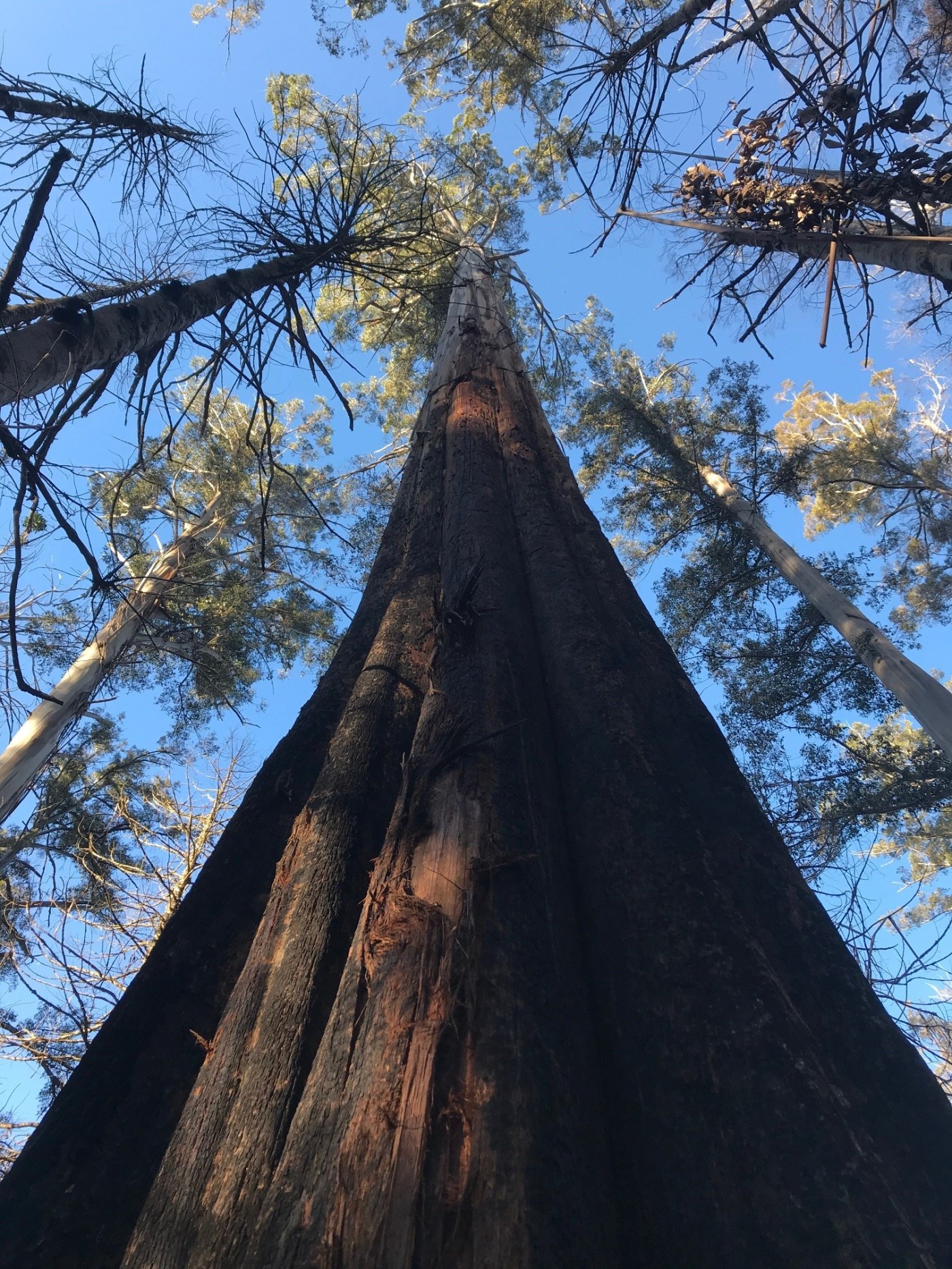
The tallest and biggest living things in the world are trees. While the biggest and tallest are the well-known Coast Redwoods of California, the towering Mountain Ash (Eucalpytus Regnans) of Victoria and Tasmania have largely escaped the limelight, despite being the tallest trees in the southern hemisphere.

In the Tasmanian Wilderness World Heritage Area, to the west of the Florentine River in the vicinity of McLeod’s Creek, grows a patch of extremely tall forest unmatched in extent and integrity in Australia. Remote, rugged and barely visited by Europeans, it contains 29 LiDAR-identified “‘hits’ over 85 meters tall. In recent years, the advent of LiDAR (a 3D scan of tree heights from a small plane) has uncovered many previously undiscovered giant trees. But what’s shown on LiDAR doesn’t always stack up with what’s on the ground, so ground surveys must be done in order to see how big the trees really are.

Continue reading “Chasing Giant Trees in lutruwita/ Tasmania”

Blog at WordPress.com.

Up ↑