Search

Mountain Journal

Environment, news, culture from the Australian Alps

7 peaks ride

Its October, so its ‘officially’ road riding season. While there are endless riding opportunities across the entire Australian Alps, the ‘iconic’ series of rides in Victoria is called the 7 Peaks Ride.  It’s designed as an ‘at-your-own pace’ cycling challenge which runs from October to April.

The rides take you to the top of the seven Victorian Alpine Resorts, each one ranging from 6 to 40 kilometres in length.

The idea is that you register online and track each ride using the 7 Rides app. You can find out more and register here. Of course you can get out there and do the rides. Either way its epic, with a total distance of just over 450 kilometres.

Walk the Border, ACT

Almost every community environmental organisation struggles to get the funds they need to do their work effectively. We’re always looking for new ideas for fundraising, and this ‘walk the border’ idea stands out as a great initiative. It’s a fundraiser for the Conservation Council ACT Region and also a walk through some wonderful country.

It’s a 21 day journey along the 300 kilometre border of the ACT. The organisers say ‘The route will take in some of the ACT’s roughest and most beautiful country, including the source of the ACT’s water supply’. The walkers are currently about half way through the walk.

You can find full details on the walk below (including details on donating or joining the walk).

Continue reading “Walk the Border, ACT”

Make the season last

Its always a delight to have snow in October.

There’s so much snow out there still. As Bruce Easton from Wilderness Sports noted today, there’s still plenty of snow on the Main Range and ‘it’s not going anywhere’ quickly (his shop in Jindabyne is still open for ski hire). It’s the same in the High Country of Victoria.

I’m planning to get out into it this weekend. I hope you are too. I’d love to see your photos from your late season trips. Please post pics on the MJ facebook page or email to cam.walker@foe.org.au

Have fun out there.

An update on logging at Toolangi

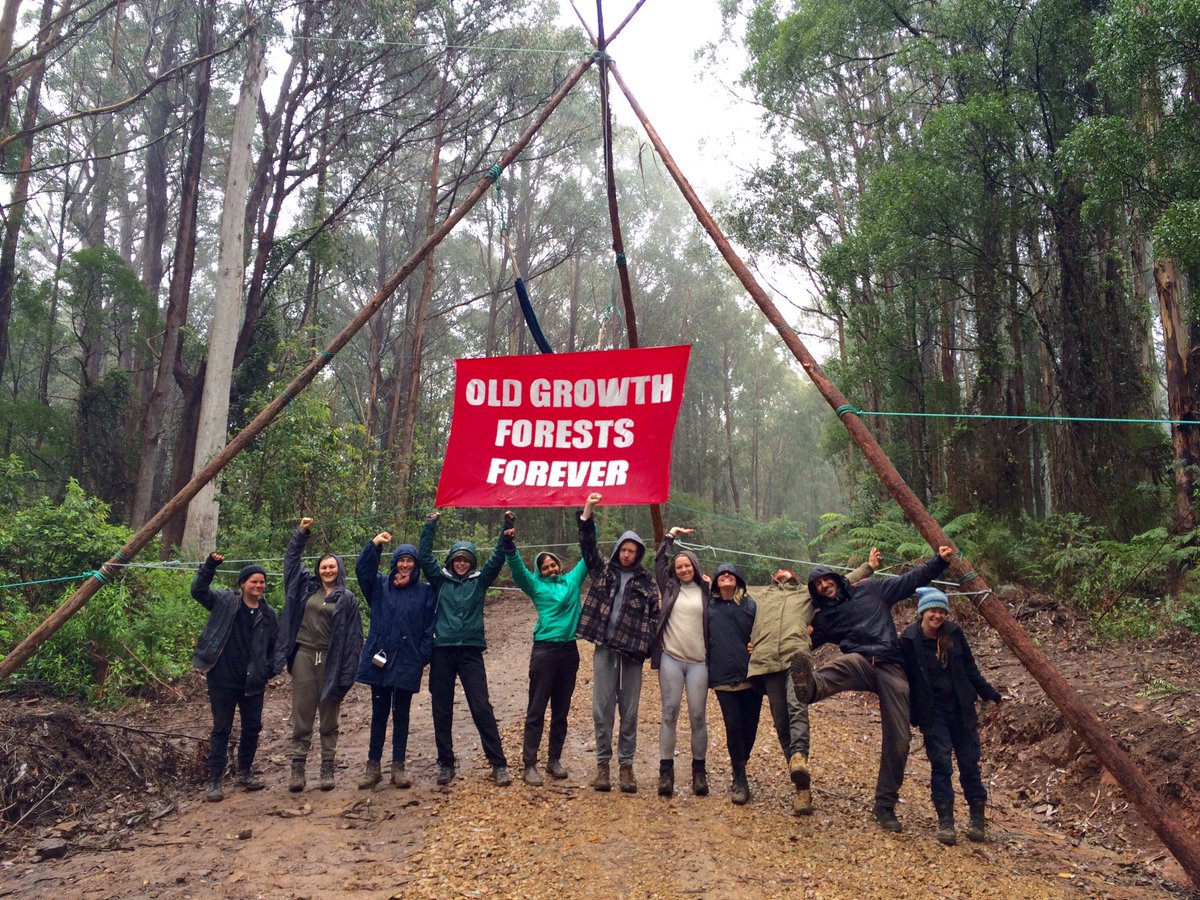
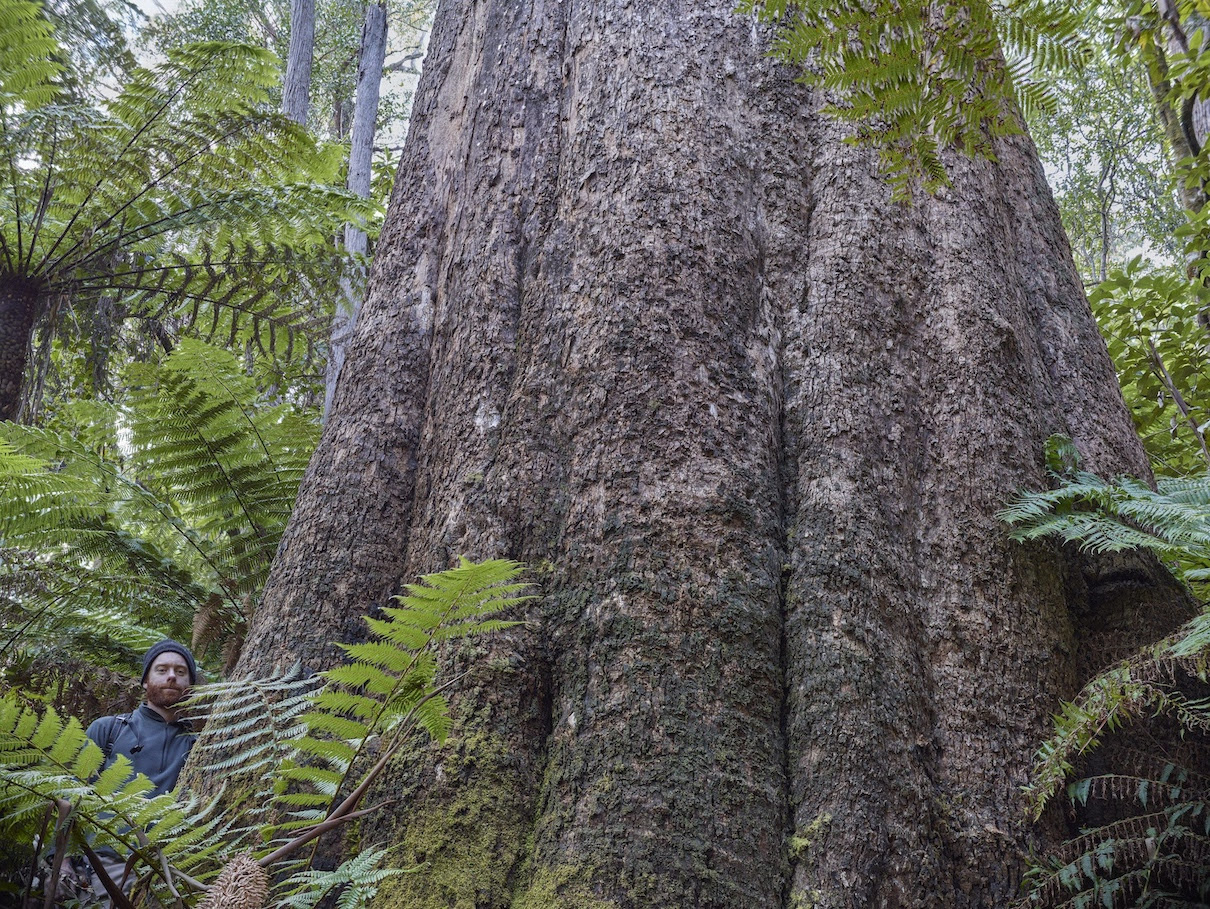
Earlier this year we reported on logging that was planned for an area near Toolangi, just north of Healesville. The Tanglefoot picnic ground is the gateway to the amazing Kalatha Giant which is 300- 400 years old, and the start of the wonderful and popular Myrtle Gully Walking Track . Its accessibility and rich ecology has led to it being visited by many thousands of tourists each year. Despite strong local opposition, the logging has been allowed to proceed.

Logging can now be seen from Tanglefoot picnic ground in Toolangi.

Please take action

Local campaigners, the Knitting Nannas of Toolangi, have put out a call asking concerned people to call Daniel Andrews. You can ask to leave a short message for the premier, and then explain that you’re upset that this logging is proceeding, that it will impact on threatened species, tourist income, and local recreation opportunities.
The office phone number is (03) 96515000.

Forrest Shearer on climate activism. The first step is showing up.

It’s almost mid October and there’s still plenty of snow out there. The end of the season seems to go on and on. It’s been one of those amazing winters we will talk about for years.

On my local community facebook page, the climate deniers are banging on about how it’s been cold so that ‘proves’ climate change isn’t real, etc. But standing here in mid spring we’re clearly looking to a long hot summer. There are already fires in NSW and Gippsland, and in Queensland consumers are being warned not to set their air conditioners too low for fear of triggering blackouts if we crank up the air con during the expected heatwaves. The Bureau of Meteorology cautions that the dry weather that is happening across much of the continent is expected to continue for the foreseeable future.

A good winter always feels like a dream. Where there is no drought, no fire, just the endless hope that the next storm front will be better than the last, and that urgent need to get out amongst it. Spring brings home the reality of our warming earth. Yes, fire and drought have long been a feature of our landscape (well at least for the last 65 million years or so). But when the Europeans arrived in the headwaters of the Australian Alps there was regular winter snow in places like Harrietville. Already, in a century or so, snow is a fleeting visitor in the sub alpine valleys.

The fact is the world is warming up, and the best available science says humans are the cause of it. So, to truly love our winter landscapes we need to turn that love into visible work: we need to do everything in our power to slow climate change if we are to have a hope of avoiding the worst of what’s coming (of course we have already locked in decades, if not centuries of warming and changed weather but it’s not too late to act).

As a campaigner with an environmental group, I spend much of my time working on climate change and I know so many inspiring people in the movement. As a skier, climber, hiker and very part time MTB rider, I often feel like there are very few inspirations in the Australian outdoor scene who are doing the same work. Sure there are some people who use their profile for the greater good (rugby player David Pocock comes to mind) and some fantastic skiers who do the same – especially local women Nat Segal and Anna Segal.

But generally you have to look overseas for further inspiration. Forrest Shearer is one of those who is really stepping up and putting his shoulder to the campaign wheel (while still getting in 200 days of riding a year!)

Continue reading “Forrest Shearer on climate activism. The first step is showing up.”

Alpine Tasmania

If you love the natural environment of Tasmania you need to subscribe to Tasmanian Geographic (TG), an online journal covering “exploration, research,science outreach, adventure & expedition journalism, educational mapmaking, documentary filmmaking, ecological & experiential & educational tourism, historical musings, museum studies, project updates, and more”.

In their most recent edition, there is an announcement about a book on the alpine environment of this island paradise.

Continue reading “Alpine Tasmania”

End of the ski season. Happy New Year

I don’t know about you, but I’m at my best in mid winter. My brain works better, I feel more cheerful, I want to be out amongst it. I crave altitude, snow, rock, ice, and being above tree line.

I always get a bit sad at the end of winter. One way to deal with the sadness is to embrace it, so I try to make sure I’m at Hotham for closing weekend. There’s something so final about last day of the season. As services wind down, the lifts stop spinning, the bus does its last lap of the village, and Dinner Plain and Hotham empty out, I feel like winter is finally over. I’m ready to move on into the next season. Traditional New Years Eve happens in the middle of summer, just after Christmas madness, with hot weather stretching out for months on either side. I find it hard to feel like the year is over as the land just feels the same, caught in the summer doldrums. Whereas end of winter is a physical event. For me, the day after snow season ends is New Years Day, it marks a clear end of one part of the year, and I feel like I can step fully into spring.

Happy New Year, everyone. Only 234 sleeps til winter!

Continue reading “End of the ski season. Happy New Year”

Winter 2017. (Almost) done.

Wow. What a winter. Some forecasters were predicting a ‘slightly better than average’ season, and opening weekend saw skiable snow in the resorts, but then things slowed down for several weeks until we started to get serious snowfalls in July. We had four epic storm fronts during the season, variously called The Blizard of Oz, Snowaggedon 2.0, etc, with the best snowpack in September for 17 years. Most resorts extended their season a week until October 8, and there is still many weeks’ worth of skiing in many parts of the backcountry.

As the season winds down, like most snow addicts I’m already thinking about next year. Personally I had an awesome winter, with a highlight being a road trip from the Snowies to Mt Hotham. But I did a lot of ‘weekend warrior’ drives and now that the snow frenzy is dissipating, I feel like I’ve woken up after a big bender with a hangover and a slight sense of guilt…

Continue reading “Winter 2017. (Almost) done.”

Spring splitboarding mission to the western faces

This great story about a late season trip to the western slopes of the Snowy Mountains comes from Main Range Backcountry.

Antony von Chrismar goes on a Spring splitboarding mission to the western faces after getting back from a European summer.

Continue reading “Spring splitboarding mission to the western faces”

The Alpine Challenge

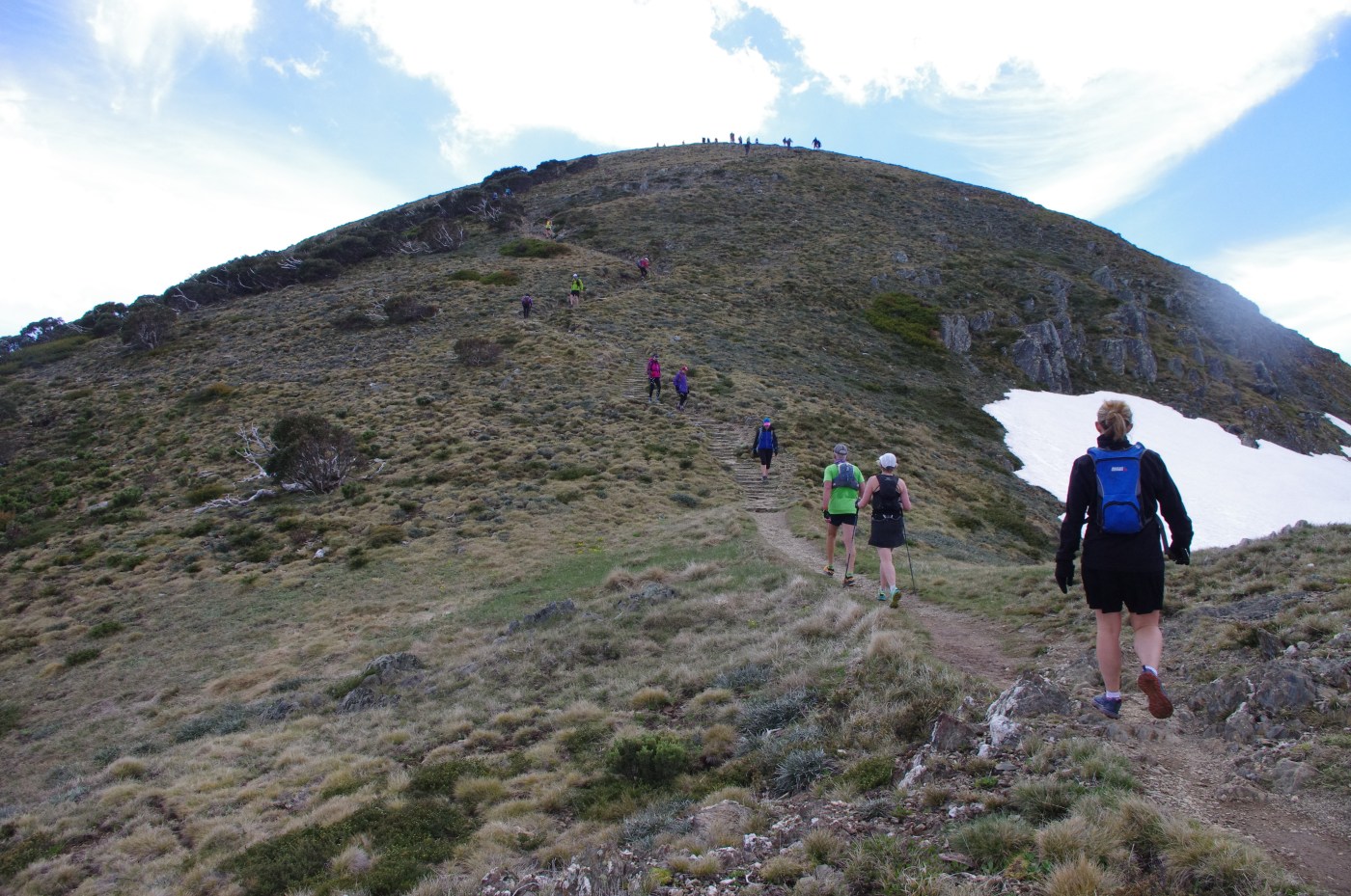
This looks epic. A 160 km mountain run that takes in six major peaks in north east Victoria. (There are a number of shorter courses as well, of 100, 60 and 36 kilometres).

“The Alpine Challenge is without doubt the toughest, most challenging, most spectacular and rewarding mountain trail run in Australia—if not the southern hemisphere over four distances. The 100 mile (160 km) course takes in 6 major climbs with 7,600 m of ascent and descent including Mt Feathertop, Mt Hotham, Mt McKay, Spion Kopje, Mt Nelse and Victoria’s highest mountain, Mt Bogong plus five river crossings. The 100 km involves over 4,000 m of ascent and descent and the 60 km course over 2,000 m of ascent and descent, whilst for those undertaking the 36 km run you will have over 1,300 m of ascent”.

Key Information

Date: Saturday 25 November–Monday 27 November 2017

Location: Alpine National Park, Victoria, Australia

Start/Finish: Slalom Plaza, Falls Creek

Full details here.

1,700 years of climate history in Tasmania’s King Billy Pine

This is a fantastic story. Anyone who has walked in the mountains of central and western Tasmania is probably familiar with the King Billy Pine (Athrotaxis selaginoides). Individual trees can live for more than 1,00 years. It is one of the conifers that are endemic to Tasmania and exists only within a very limited range of habitat. Fire threatens the species (one third of its habitat was burnt in the twentieth century), and climate change is expected to increase the severity of fire seasons in future.

The following article outlines a research project that used core samples from King Billy trees to develop a better understanding of climate in Tasmania in previous centuries. It is available here.

Continue reading “1,700 years of climate history in Tasmania’s King Billy Pine”

Fears over Snowy River’s health without independent monitor

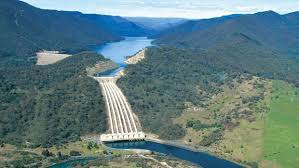
The Snowy Mountains scheme, built between 1949 and 1974, diverts the water of the Snowy River and some of its tributaries, much of which originally flowed southeast onto the river flats of East Gippsland, inland to the Murray and Murrumbidgee Rivers irrigation areas. This has caused the health of the Snowy to decline dramatically.

Following long running campaigns, the Snowy Water Inquiry was established in January 1998. The Inquiry recommended an increase to 15% of natural flows. In 2000, Victoria and NSW agreed to a long-term target of 28%, requiring A$375 million of investment to offset losses to inland irrigators. It has been hoped that this increase in flow will help the health of the river system improve.

However there have been ongoing fears that the flows are not being properly managed in a way that will maximise environmental benefits. In 2013, the NSW Government abolished the Snowy’s scientific monitor and a replacement body, announced in 2014, has not yet been established. As pointed out recently by ecologists, without an independent monitor, there is a risk that the health of the river will go backwards.

Continue reading “Fears over Snowy River’s health without independent monitor”

Blog at WordPress.com.

Up ↑