Search

Mountain Journal

Environment, news, culture from the Australian Alps

Month

March 2022

Climate change driven fire threatens Tasmania’s forests

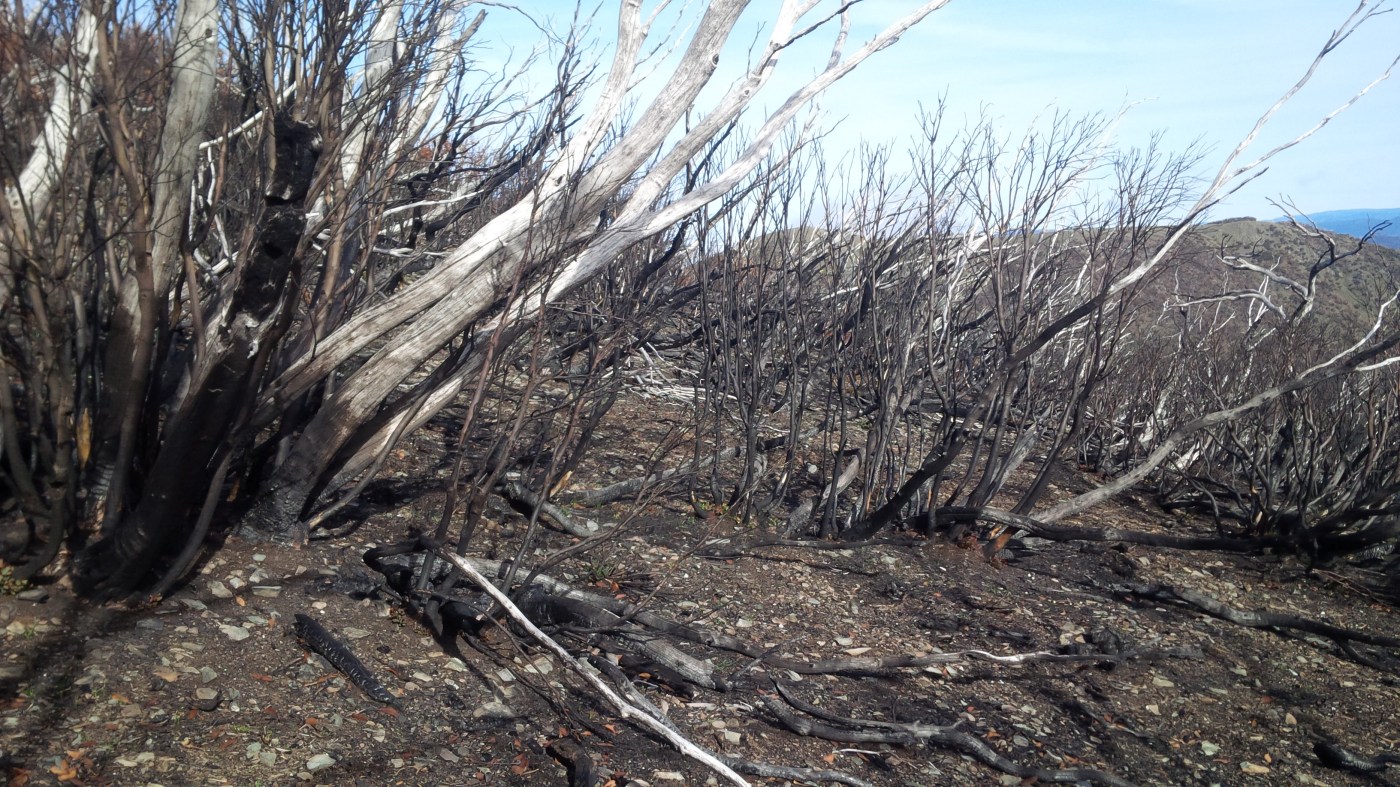
While the summer of 2021/22 has been a mild fire season in the east of the country, there have been a small number of significant fires in lutruwita/ Tasmania that have threatened World Heritage Areas (including one that threatened an incredibly significant Huon pine forest). This is because the west of that state has been experiencing a prolonged and extreme drought, with some areas receiving their lowest rainfall on record.

As reported recently in The Conversation, “this drought fits an observed drying trend across the state, which will worsen due to climate change. This is very bad news for the ancient wilderness in the state’s World Heritage Area, where the lineage of some tree species stretch back 150 million years to the supercontinent Gondwana’.

The drying trend has seen a steady increase in bushfires ignited by lightning, imperilling the survival of Tasmania’s Gondwanan legacy, and raising profound fire management challenges.’ Continue reading “Climate change driven fire threatens Tasmania’s forests”
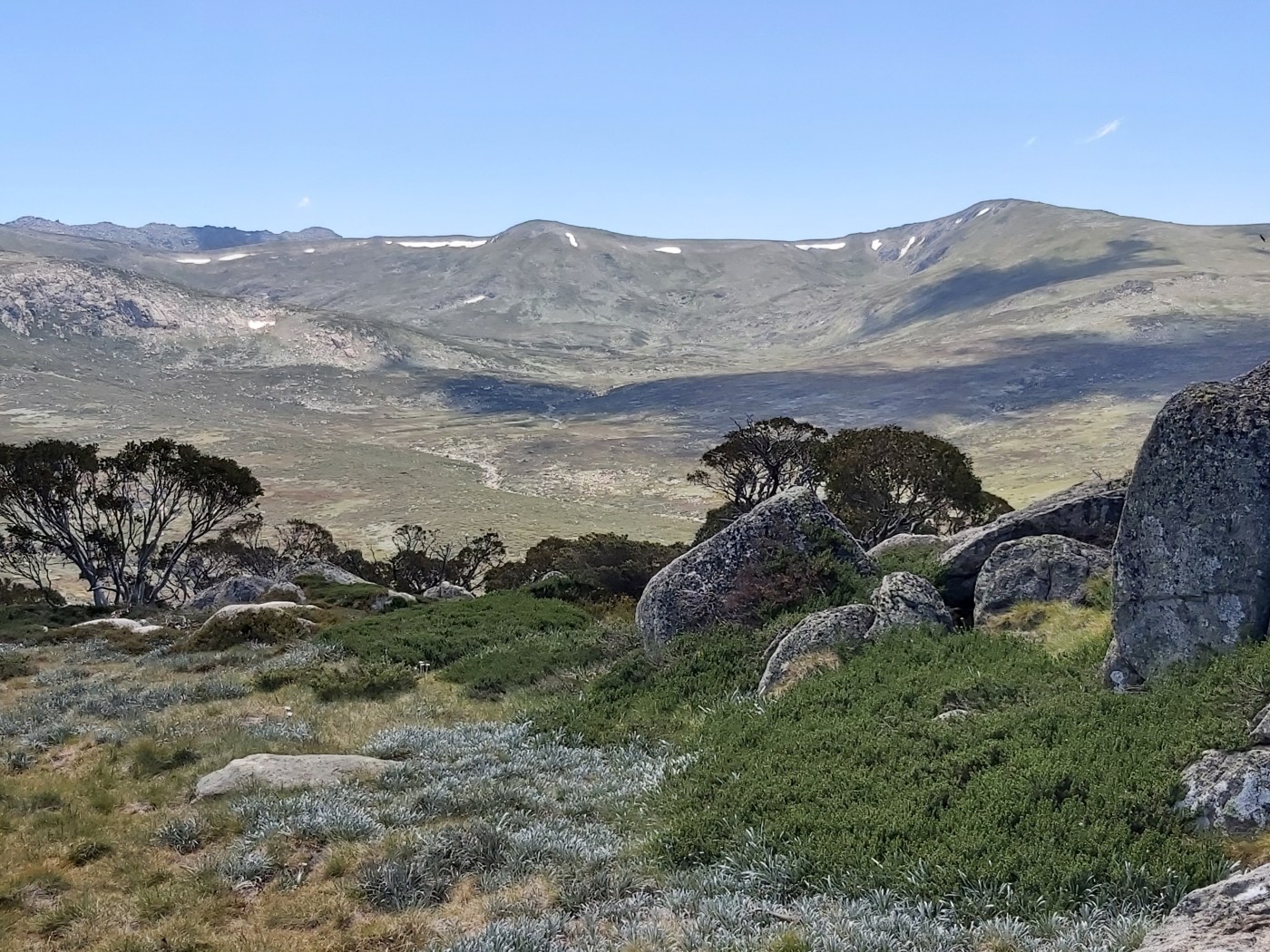
Alpine plants are on the move

We know that climate change poses an existential threat to the mountains that we know and love.

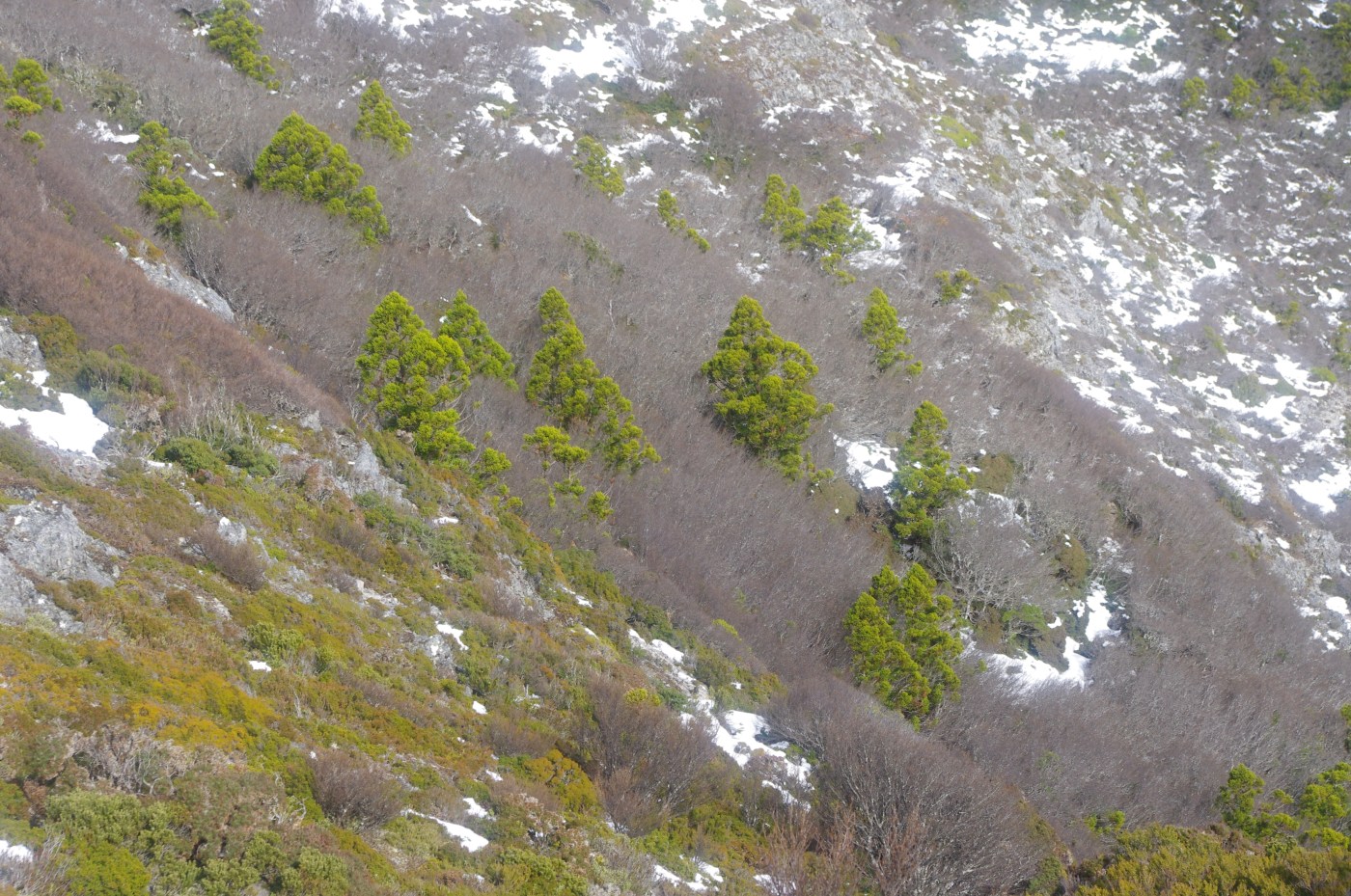
A new study, looking at 36 species of alpine plants, looks at one aspect of the changes that are already underway. It shows that ‘elevational shifts’ are occurring rapidly in the Australian alpine zone. Plants are moving higher (a number are also moving downslope) to find optimal conditions to grow. The authors of the report Alpine plants are on the move: Quantifying distribution shifts of Australian alpine plants through time say that ‘this may allow species to persist under climate change. However, if current warming trends continue, several species within the Australian alpine zone will likely run out of suitable habitat within a century’.

Continue reading “Alpine plants are on the move”

Guided walk to the Little Dargo River

The fires of 2019/20 burnt huge areas of north eastern Victoria. The remaining unburnt forests are more important than ever. One of these areas lies in the headwaters of the Little Dargo River, just south of Mt Hotham. It is a pristine area, without roads, and containing mature forest, much of it dominated by Alpine Ash. It is an area of state forest that lies right next to the Alpine National Park.

The state government logging agency, VicForests, intends to log a total of 11 “coupes”, or sections, of mature forest in the upper Little Dargo River, probably this spring. These coupes are located in a series of clusters, where separate sections of bush will be harvested, creating a large zone of cleared land over time. Extensive roading networks will be needed to access the coupes.

One coupe has already been logged. The remaining coupes have not yet been scheduled for harvesting. There is still time to stop this ecological disaster – if we act now.

Join us for a walk to experience the beauty that is the Little Dargo.

Sunday April 24, 10 am – 3pm.

Continue reading “Guided walk to the Little Dargo River”

Tasmanian Wilderness Guides Association calls for halt on developments within World Heritage Areas

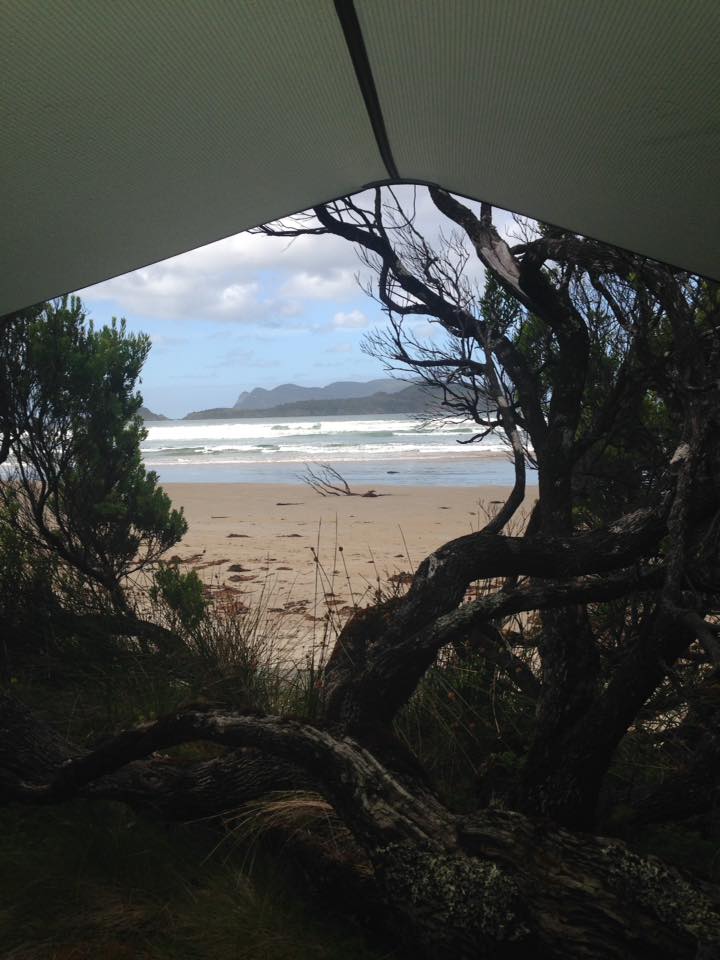
The South Coast Track travels 85k m from Melaleuca to Cockle Creek along the coastline of south western lutruwita/ Tasmania. It traverses wild beaches and mountains and feels like one of the most remote places on earth. The landscape that the track passes through is a part of the massive Tasmanian Wilderness World Heritage Area (TWWHA) that protects most of the south west of the state.

As part of the state government’s agenda to see more private development within World Heritage and national parks, a seven-day guided walk has been proposed for the South Coast Track, which would include six walkers’ privately operated huts built.

Continue reading “Tasmanian Wilderness Guides Association calls for halt on developments within World Heritage Areas”

‘Giving back to the mountains’. A call out for content

The winter 2022 edition of Mountain Journal magazine will be published as a collaboration with Mandy Lamont of Lamont Magazine, and will be distributed across southern capital cities and mountain towns in early winter. We welcome contributions to the 2022 edition. You can find a pdf of the 2021 edition here.

The theme this year is ‘giving back to the mountains’. We are looking to feature short profiles (400 – 600 words) of people who are doing great things in the hills – ecological restoration, volunteering, campaigning, building community. If you know of people with a connection to the mountains of south eastern Australia or lutruwita/ Tasmania, who would be good to profile, please get in touch (or please feel free to send a story for inclusion).

In particular we would love to hear from firefighters – career or volunteer – who have been involved in firefighting in the mountains.

Continue reading “‘Giving back to the mountains’. A call out for content”

IPCC report points to collapse of Alpine Ash and Snowgum woodland

The IPCC WGII Sixth Assessment Report has just been released (and is available here).

The take home message is:

Further climate change is inevitable, with the rate and magnitude of impact largely dependent on the emission reduction pathways that we choose. Time is running out if we want to act.

The final sentence of new IPCC report is: “The scientific evidence is unequivocal: climate change is a threat to human well-being and the health of the planet. Any further delay in concerted global action will miss a brief and rapidly closing window to secure a liveable future.”

The Chapter on Australasia (available here) has a considerable amount of detail on likely impacts on mountain areas of south eastern Australia and lutruwita/ Tasmania. Some of these are summarised below. It looks at both observed impacts and predicted future impacts (applying a level of certainty to each of these).

Continue reading “IPCC report points to collapse of Alpine Ash and Snowgum woodland”

Blog at WordPress.com.

Up ↑