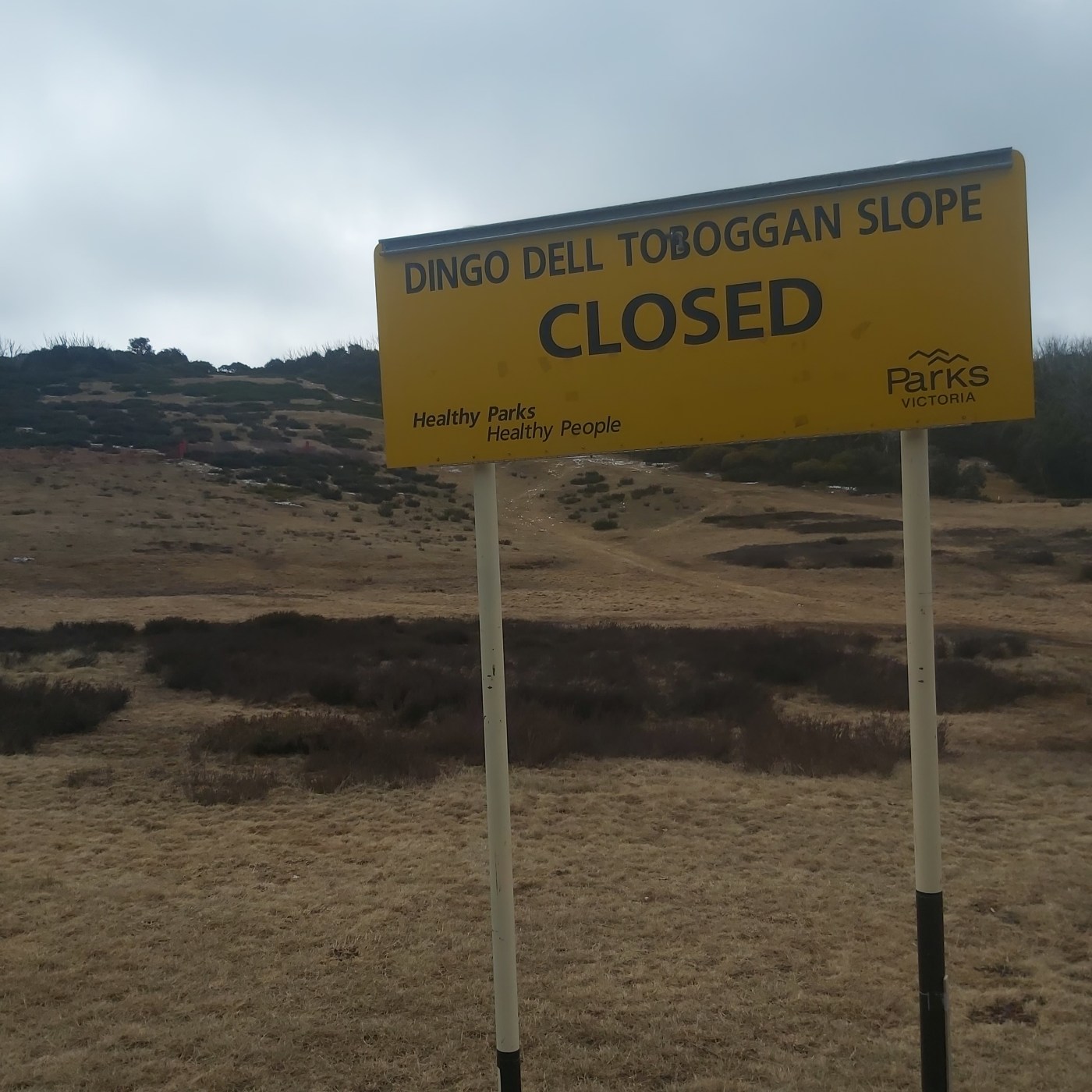
We know that climate change is reducing the overall amount of snow we receive in Australia. The snow pack has been in decline since at least 1957. We also know that the loss of snow is being felt especially at lower elevations.
This is certainly being experienced this winter, where places like Tasmania and lower resorts like Mt Selwyn have had almost no snow.
As was noted recently in a story by Eliza Kloser for ABC:
It is the peak of the ski season, but bare mountains with small white patches are all the eye can see on Ben Lomond in Tasmania.
The record high temperatures this winter have resulted in the lack of snow all over Australia, with the mainland alpine resorts pumping snow machines to cover ski runs.
The main mountain for skiing in Tasmania hasn’t operated ski lifts for weeks, despite it being peak season.
Manager of the Ben Lomond Ski Lifts, Ben Mock, said it was the worst snow cover he had seen in 40 years.
“I haven’t seen a season like this in quite a long time,” he said.
“We’ve had quite a bit of rain, which has taken out our snow pack all over the mountain.
Karen Davis, a volunteer with the Southern Tasmania Ski Association, has been skiing on Mount Mawson since the 1960s.
Ms Davis fears that the mountain she grew up on is being forever changed.
“I think climate change is going to take skiing away from us,” she said.
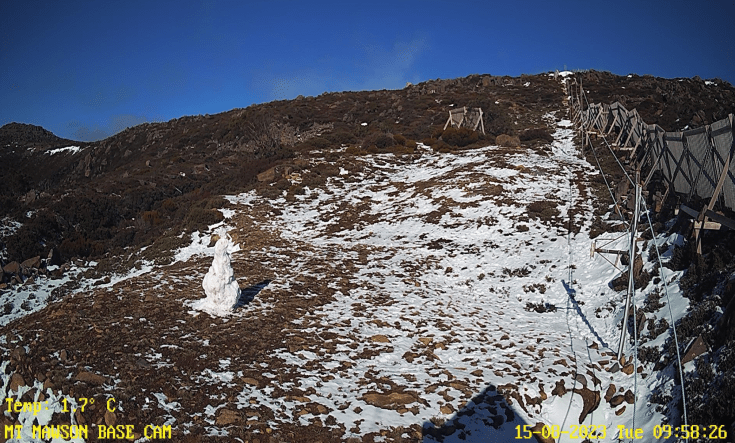
ABOVE: the snow cam at Mt Mawson (Mt Field NP, August 15, 2023)
The new normal
Sadly, what has been experienced this winter is fairly typical of what we can expect in coming years.
Based on available data about snow pack, Terry Giesecke suggests that:
“There has been a downwards trend (in snow pack in Australia) from 1957 to 1989. It then goes up dramatically for about four years, before resuming a downwards path”. This research suggests that the increase in snow depth between 1990 and 1994 could have been due to global cooling which occurred as a result of major volcanic activity in the Philippines in 1991. Using data collected up until 2016, it also notes:
“There is evidence of further decline in the first 16 years of the 21st century.”
The take home message is that, overall, snowpack has been declining for decades and unabated climate change will make that worse.
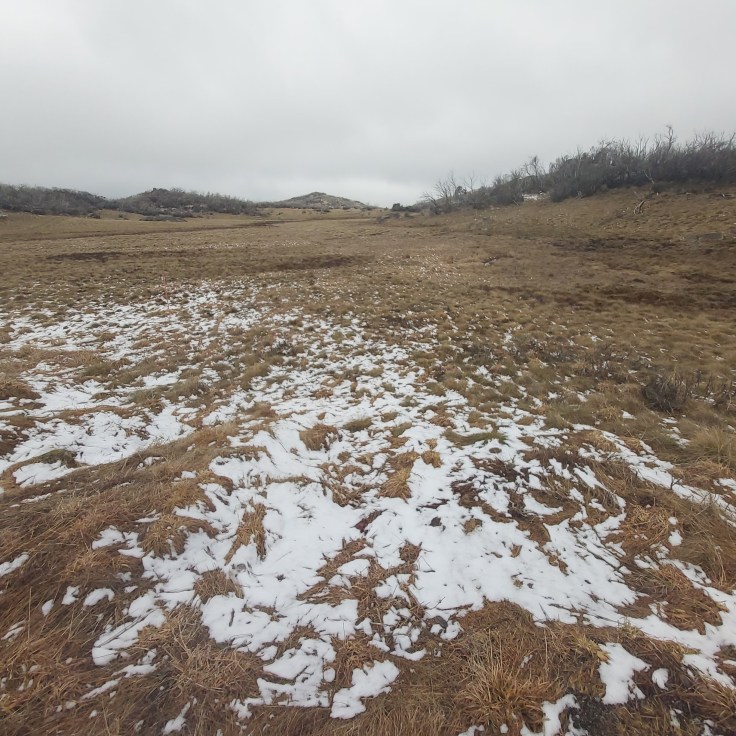
ABOVE: Cresta Valley, Buffalo plateau, August 12, 2023
Lower mountains to become unviable first
The overall loss of snowpack also means that lower elevation resorts and destinations – such as Donna Buang, Lake Mountain and Mt Buffalo in Victoria, Selwyn in NSW, and Mt Mawson and Ben Lomond in lutruwita/ Tasmania will become non viable as snow destinations. This will bring (and, in some instances, is already bringing) significant economic impacts on nearby towns that rely on winter tourism.
This loss of snowpack also impacts on the higher elevations. For instance, this winter areas at Mt Hotham such as the Blue Ribbon and Orchard areas have often been closed due to rain impact, meaning that skiers and riders are pushed together on smaller areas of terrain. This reduces the enjoyment of the experience for many people (and possibly increases the number of collision related injuries).
As coastal communities grapple with storm surge and many parts of Australia deal with heightened flood risk, what are the plans for ‘staged retreat’ from the snow areas that become non viable? Sure, resorts tend to just try and build up the ‘green season’ options for when there is no snow, talk up snow making, and Opening Weekend festivities have become more about parties than skiing/ riding, but at what point do we, as a community and an industry, accept what is going on and take collective action?
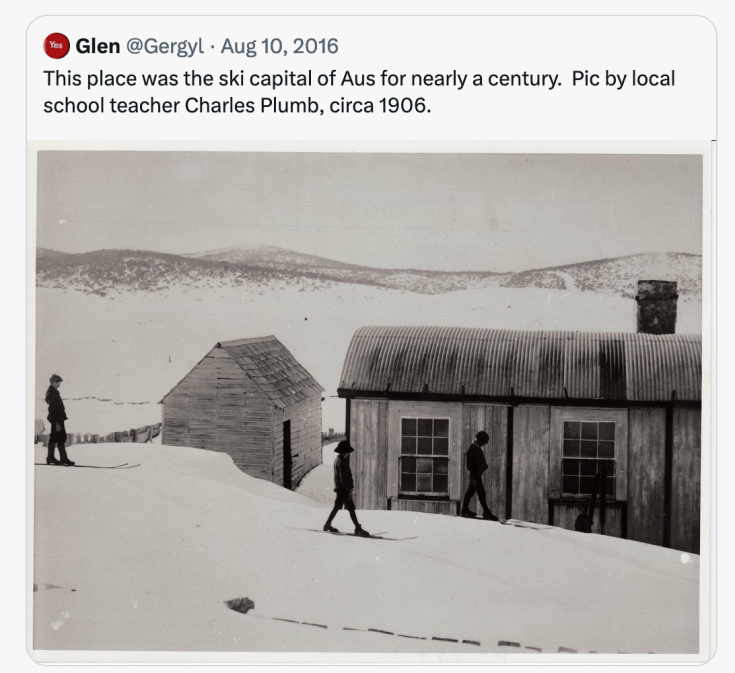
ABOVE: Kiandra, Snowy Mountains. ‘This area was the ski capital of Australia for 100 years. No one would dream of trying to ski there now, there’s no snow’.
Source: https://twitter.com/Gergyl/status/1707150975243526588
BELOW: ice skating at Lake Catani. The last time this was possible was 1973.
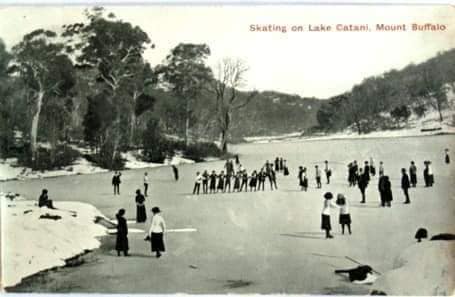
Source: http://www.alpinehistory.com.au/mt-buffalo.html
Action is always the antidote to despair
Check here for some links on getting active, tackling climate change, and supporting local environmental and climate action groups.





 Mountain Journal
Leave a comment