We know that there is growing pressure to increase our fleet of large firebombers. There are Large Air Tankers (LATs) and ‘Type 1’ helicopters which can carry large loads of water/ retardant and which can have a big impact in terms of slowing fires so ground crews can then fight them.
Australia generally needs 6 or 7 LATs in an average summer, and only two of these are located here year round (and only one is actually owned locally, by the NSW Rural Fire Service). The others are leased in from the northern hemisphere for the fire season. As climate change causes fire seasons to become longer in both hemispheres, relying on leasing them becomes a riskier and more expensive proposition.
That has led to proposals to buy our own national fleet of LATs. This was recommended by the Bushfire Royal Commission into the 2019/20 Black Summer. The Commission recommended ‘The development of a modest Australian-based and registered national fleet of VLAT/LAT [Very large Airtanker/Large Air Tanker] aircraft and Type-1 helicopters, jointly funded by the Australian, state and territory governments, will enhance Australia’s bushfire resilience’.
It has also prompted conversations about whether we can repurpose aircraft that are already owned by the Australian Defence Force that are nearing the end of their military working life which could be re-purposed to become firebombers (there are some notes here about converting Lockheed Orion planes from the RAAF into firefighting aircraft, with a variety of views about the viability of this proposal).
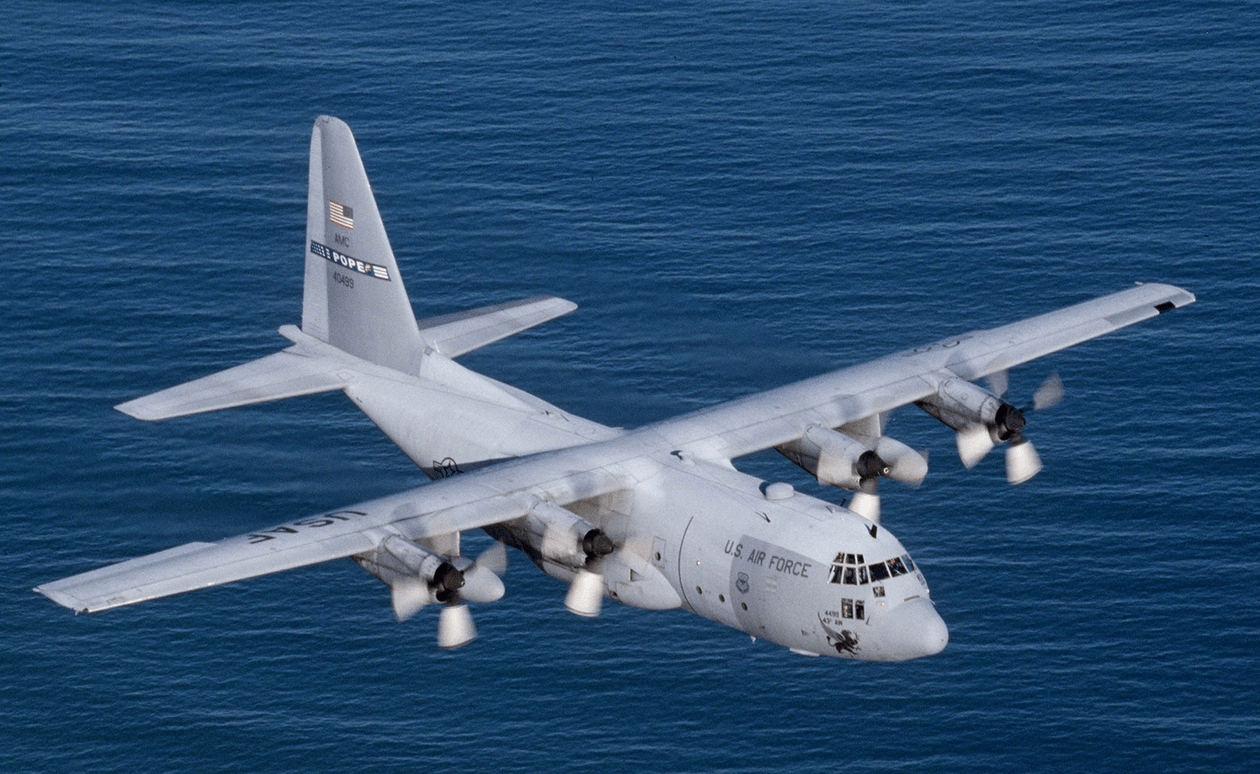
Even in North America (where we lease our LATs from) there is increasing competition between agencies and states to access large firefighting aircraft. In an announcement (published by Hotshot Wake Up, a podcast that covers all things fire based in the USA) it has been noted that California has acquired 7 publicly owned C-130 planes, which are being transferred from the Coast Guard and which will be retrofitted to be able to be used to fight fires. The announcement states that they will also be used for ‘search and rescue, and emergency operations related to wildfires’.
Surely this is an indicator of options the Australian government could be pursuing here to build the number of publicly owned large air tankers.
Report from the Hotshot Wake Up:
California’s wildfire aviation program just got a massive upgrade. The State has successfully acquired SEVEN C-130 aircraft for wildfire suppression efforts. These aircraft will be transferred from the Coast Guard to Cal FIRE, and the first platform should be ready for the 2024 season.
These aircraft can drop 3,000 gallons of water or retardant in just 5 seconds and have a payload three times the size of current Cal FIRE aviation platforms. With the already growing aviation program in the State of California, night flight Chinooks, drones, and more, California is building a wildfire Air Force that would rival many European countries’ actual military aviation.
This type of aviation transfer was recommended by the Wildland Fire Mitigation and Management Commission Aerial Equipment Strategy Report, which was published in January of this year.
The 52-page report had numerous recommendations, including military aviation transfers, staffing, drone system transfers, aviation part acquisitions, and overall national wildfire aviation policy. This may just be the start of what’s to come.
The press release from the California Forestry Association explains the process:
Today, Congress passed a critical issue of importance for California into law: authorizing the expedited transfer of seven C-130 aircraft from the United States Coast Guard to CAL FIRE for wildfire suppression, search and rescue, and emergency operations related to wildfires.
From a retardant delivery perspective, a single C-130 delivers over three times more than the S-2T Airtankers currently in use by CAL FIRE. In service for more than 60 years, the C-130 is a workhorse of military aircraft, used for troop transportation, medical evacuation, search and rescue, weather reconnaissance and many other functions. Similar C-130s are already in use and have demonstrated their superior capability to drop 3,000 gallons (weighing 28,000 pounds) in less than five seconds.
“This transfer of critical aircraft to the State of California will surely save lives, improve air quality, protect forestlands, and reduce carbon emissions,” said Matt Dias, President and CEO of Calforests. “Adding seven C-130s to California’s aerial firefighting force is a truly remarkable advancement. We must continue to prioritize forest management and wildfire prevention, but vigorous and efficient suppression forces are needed in trying times as well. The force multiplier offered by the addition of these airframes to fire suppression forces is critical. Today is a huge step in that direction.”
“The addition of the C-130s will undoubtedly enhance the state’s aerial firefighting capabilities,” said Joe Tyler, Director and Fire Chief of CAL FIRE. According to Chief Tyler, “These critical assets will aid in reducing the loss of life and property while protecting our natural resources and private timberlands. I look forward to these aircraft joining CAL FIRE’s world-renowned aerial firefighting force.”
“Between earthquakes, wildfires and other natural disasters, California is one of the most costly and challenging states for property insurers and owners. While we may not be able to prevent earthquakes, we do have the tools to combat the most destructive wildfires. Transferring these C-130s from the Coast Guard to CAL FIRE is a huge step forward in the state’s ever-vigilant battle against these fires,” said Rex Frazier, President of Personal Insurance Federation of California.
Once the President signs the bill into law, the planes will be transferred, and the State and contractor will enter into a contract for the work. The first of the seven planes will likely be ready in time for the 2024 fire year, adding immediate value to California’s firefighting capabilities.
A note from the author: I don’t pretend to know much about aerial firefighting and am certainly not an expert, but I have followed this issue for years with great interest. While the federal government has done a good job of ensuring a second LAT is available in Australia year round, it still seems essential to me that we increase the publicly owned fleet to at least 6, and we should be open to all options, including the possibility of transferring military planes to fire fighting operations.





 Mountain Journal
Leave a comment