
Hilary McAllister describes the development and role of the trail running group For Wild Places.
Activism and the outdoors are two pursuits that, in recent years, have evolved into a symbiotic relationship. As history would have us believe, activism is a pursuit of the immensely passionate. Dedicated souls who shun societal expectations, choosing to reside in remote, sometimes damp, forest camps, utilising our scarcest resource – time – to protect wild places under threat.
Growing up in an average, rural family, this path to activism felt out of reach to me, too extreme for my somewhat beige sensibility. But along with descriptors such as accident-prone, nomad and feminist, activist has made its way onto my bio and into my way of life.
Despite what the self-help industry would have you believe, this change in attitude and direction wasn’t the result of an inspiring quote or epiphany. A series of seemingly innocuous opportunities led to a new life direction and the creation of For Wild Places.
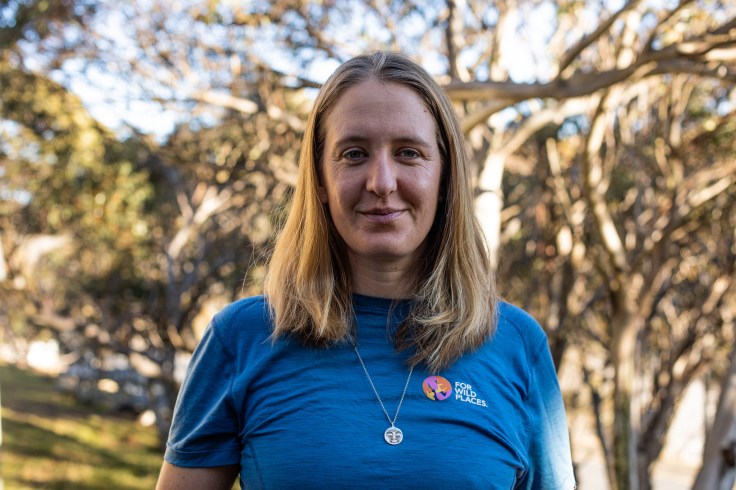
Fast forward to 2020, when early whispers of coronavirus sent ripples through the events industry, and overnight, I became an unemployed events designer. Like many of us, I thought this COVID thing would blow over, so I saw this opportunity to take some time to reflect on my life. I felt disheartened by the wasteful nature of events and lived for weekends when I could escape the city and lose myself in nature.
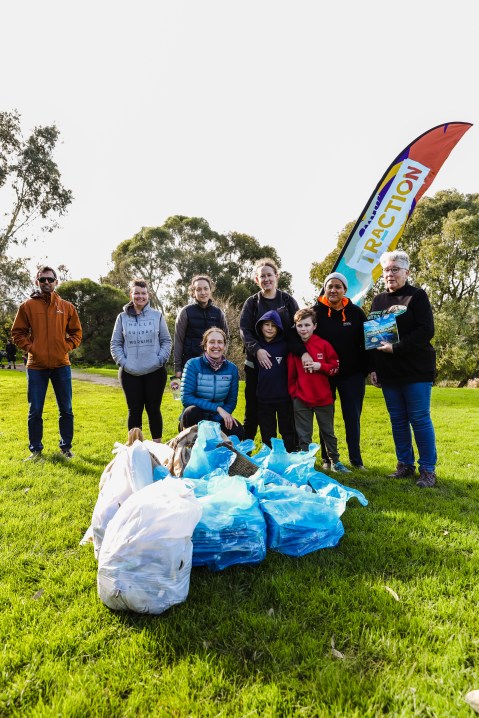
I’d recently discovered the sport of trail running, something I’d been accidentally doing for years but was totally new to me as a form of organised recreation. Along the way, I discovered takayna Trail, an ultramarathon the Bob Brown Foundation organise to raise funds to protect Takayna/Tarkine from native forest logging. I’d always wanted to visit this stunning part of lutruwita, so I signed myself up for the 65 kilometre race and threw myself into training.
In a remote nook of Tasmania, a group of like-minded runners of all abilities and experiences came together to awkwardly touch elbows and run to save a rainforest. After decades of being crap at organised sports, I’d finally found my community; nature-loving, passionate, outdoors people who took on new challenges not because they wanted to conquer a mountain or assert dominance over nature, but because they wanted to be amongst it and protect it for generations to come.
I returned to Victoria into lockdown, feeling both buoyed by this collective experience and frustrated by the uncertainty ahead. But just a few weeks later, I was invited to join a group of takanya Trail runners, sponsors and organisers to see how we could grow this concept of sports activism. Fighting imposter syndrome, I threw myself into it, making up for my lack of experience in the trail and ultra world with enthusiasm and a willingness to help wherever possible.
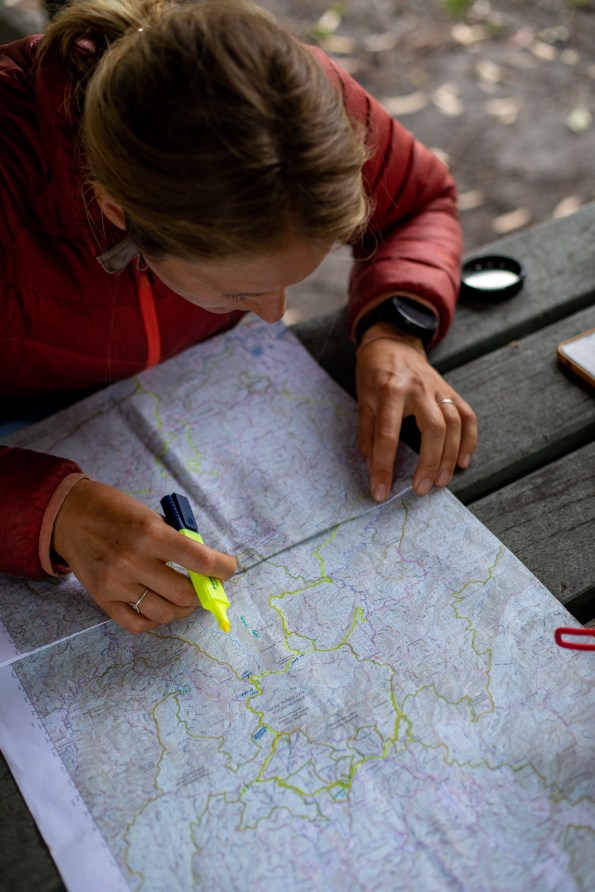
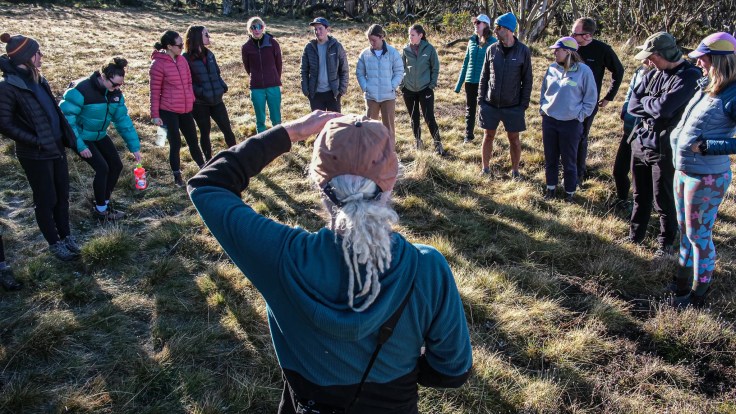
Four years later, For Wild Places has grown into a community of over a thousand people, is a registered charity and has raised over $100k to support wild places under threat. Our mission is to make trail running a meaningful expression of environmental activism so that together, we can help our wild places survive and thrive. Over the years, this has evolved into hosting camps, ultramarathons and TRACTION (Trail Action) events. We interact with our growing community through a weekly newsletter, monthly Trail Chat and social media, where we platform people and campaigns that share our vision for a healthy, thriving future for all.
We work to stay resilient and optimistic and keep pushing forward each day, week, month and year. We need more funds, resources and time, but gradually, we are bringing more trail runners, skiers, hikers, bikers and climbers along with us. Along the way, I have learnt to embrace the activist side of myself, both in the traditional sense of physically standing up for what I believe in, and in the modern sense of quiet protest through divesting, engaging in politics and living by my values. Because there is an activist in all of us, and right now, our wild places need us to stand up for them – for our future and theirs.
For further information, check the FWP website:





 Mountain Journal
Leave a comment