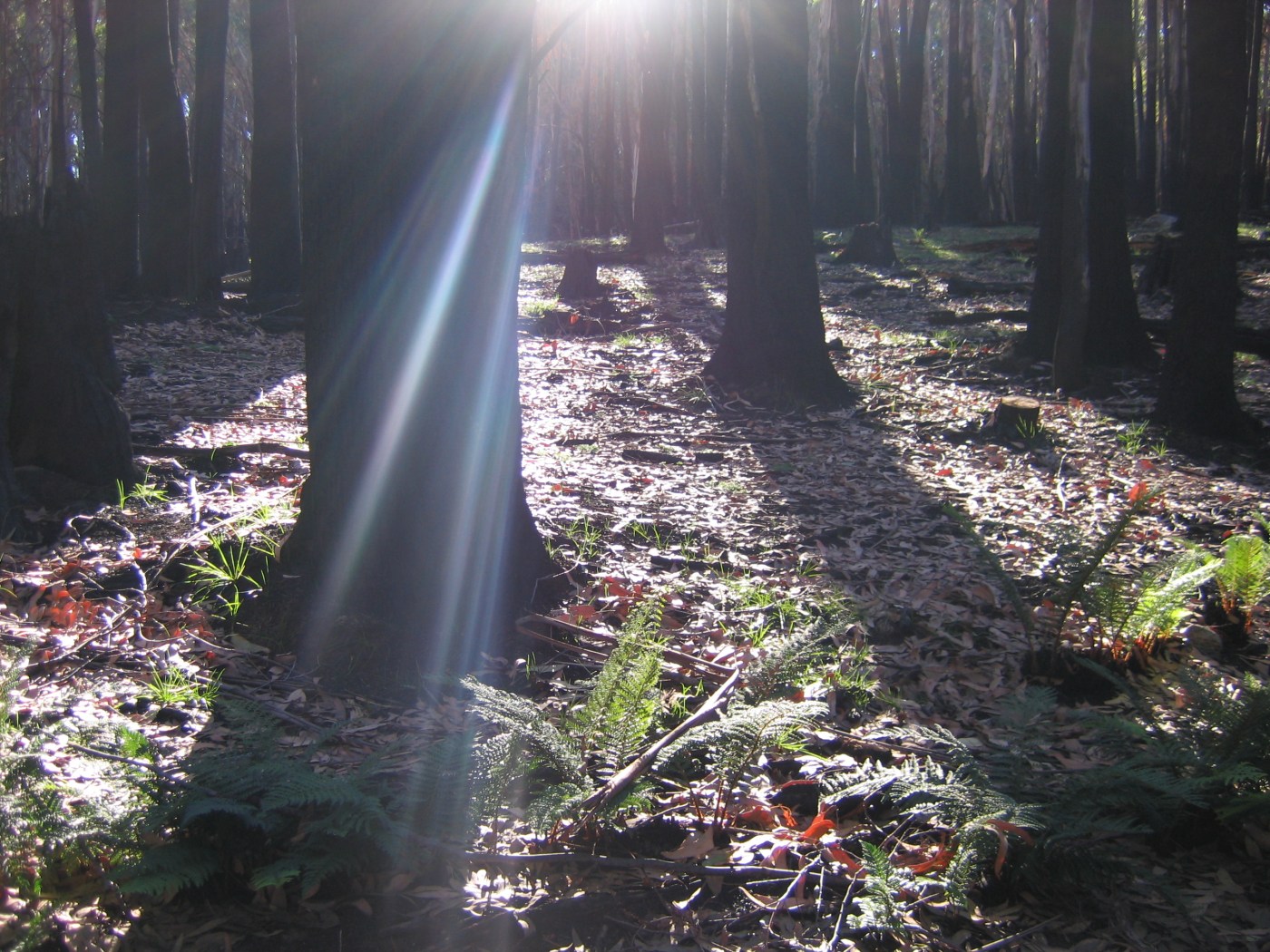
Recently a friend sent me a copy of a DVD called Dancing and the Devil Fire. It was made after the terrible fires that happened in the Alps over the summer of 2002/3, when an estimated 1.7 million hectares of forest and high country was burnt.
In the aftermath of the fires, an extensive program was established to better understand the archaeological history of indigenous settlement in the high country. Many First Nations people were involved in the surveys that followed. What they found re-wrote mainstream understanding of Indigenous occupation of the high country.
In the summer of 2003, the Australian Alps experienced their largest bushfires in over 60 years, with an estimated 1.73 million hectares burning. The bushfires burnt across extensive areas of Victoria, New South Wales (NSW), and the Australian Capital Territory (ACT). The fires exposed many areas which then allowed traditional owners and non indigenous archaeologists to find many thousands of artifacts. They found hundreds of cultural sites and thousands of individual artifacts. Items included grinding stones, stone axe heads, spear heads, old campsites and cave shelters. Old hearths from campsites were carbon dated, and many stones that had been used as tools were found far from their point of origin, demonstrating the movement of people into the high country. As one person involved in the survey said at the time, these artifacts show that the high country is a Cultural Landscape.
The wildfires, which stripped the ground of vegetation across huge areas, allowed this rich cultural heritage to be re-discovered. It greatly increased our understanding of the scale of human inhabitation in the mountains and adjacent valley areas. It underscored the fact that, pre colonisation, traditional owners from north and south of the great divide would journey to the mountains and stayed there for long period, often from November until March or even longer. As noted in the film, ‘it’s a pattern that evolved over thousands of years’. Being in the open high country meant that people were in ‘protection zones’ during bushfire season. ‘Ceremonies were the building blocks of the culture’ in the mountains, and included annual events. ‘It was the spiritual journey (into the mountains) that mattered.’
A number of the participants discussed the powerful spiritual aspects of the archaeological work. And, ‘from a spiritual perspective, those ancestors are still watching over the land today’.
It also became apparent that fire fighting efforts can have a very destructive impact on cultural sites. Bulldozers are often used to cut fire breaks and these will often follow ridge lines, which are areas that were often traditionally used as settlement sites.
Following this work, there has been a higher mainstream awareness of the long First Nation connection to the high country and greater direct Indigenous involvement in land management (for instance the co-management of sections of the Alpine National Park by GunaiKurnai). The Australian Alps National Parks sponsored a gathering of Aboriginal traditional owners (Aboriginal people with traditional connections to the Alps) at Dinner Plain in 2005.
It is easy to forget that the Alps are a cultural landscape in the way the rest of the continent is. As the Victorian government considers ‘what next’ for native forests in the north east of the state now that logging has ended on public lands, it is essential that we listen closely to the aspirations of First Nations people with connection to the high country.
The Recovery Story – a report on the 2003 Alpine Fires can be found here.
Briefer – Aboriginal people and the Australian Alps. Available here.
Aboriginal artifacts, and what to do if you find them available here.




 Mountain Journal
Leave a comment