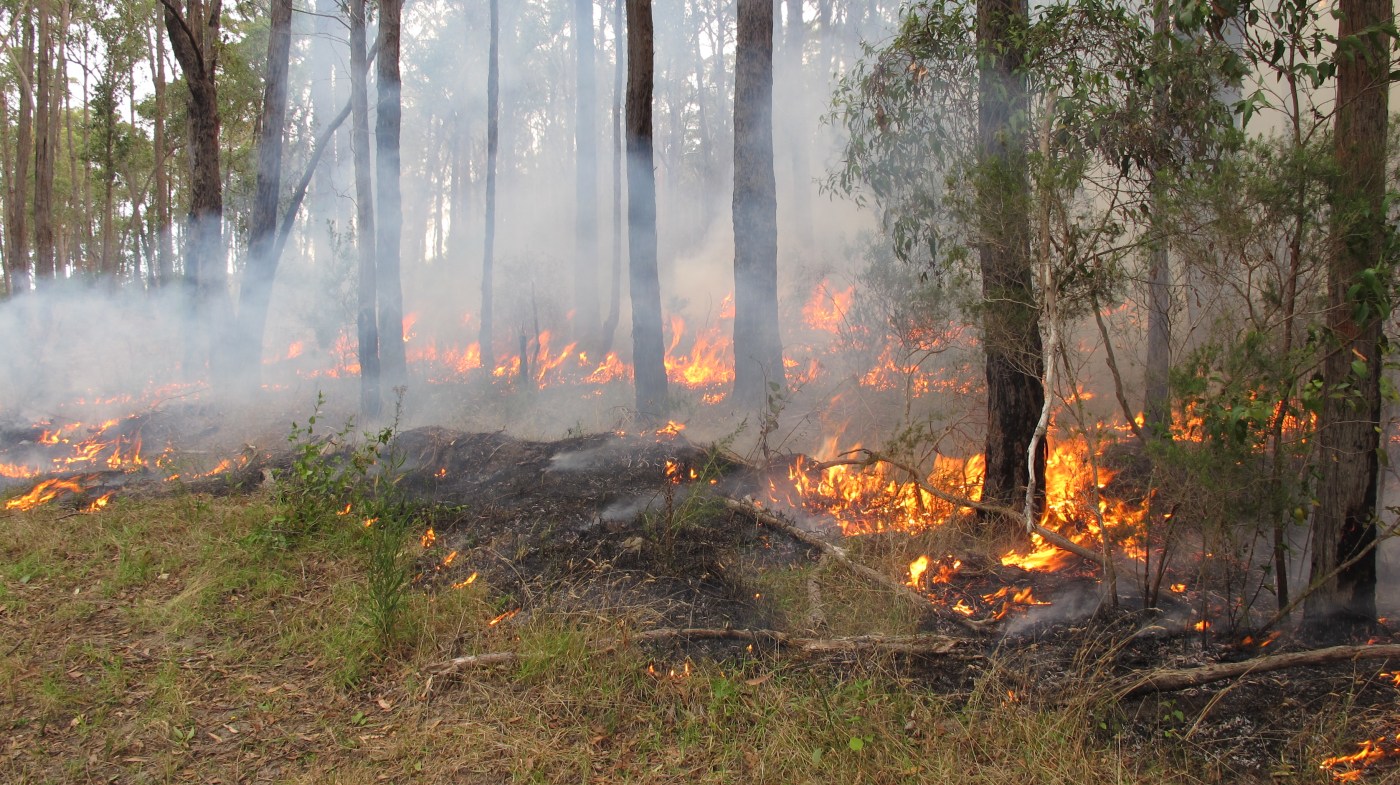
This is not ‘new’ news. But it does add to the conversation that is underway about the role of prescribed burning (also called planned burning and fuel reduction burning) in terms of reducing fire risk.
A new study examining plant and animal species after the Black Summer fire season has found greater biodiversity loss in areas that have been subject to frequent burning. Six ecosystems were considered, including alpine, wetland, rainforests and dry and wet eucalypt forest.
Sites with three or more fires in the 40 years leading up to the 2019–20 Black Summer were far more negatively impacted than previously unburnt areas or sites that had burnt once during that time.
This phenomena has been widely documented previously – for instance through the work of Phillip Zylstra from Curtain University.
As Phil notes, ‘My research contradicts one of the central assumptions in Australian fire management – that forest simply accumulates fuel over time and becomes increasingly flammable’.
‘Fires in the Australian Alps National Parks have been smaller and less severe in long-unburnt forests. This finding applies regardless of forest type in the Alps.’
Yet many land agencies see fuel reduction burning as their best chance to reduce the intensity of fire should an area be subjected to wildfire after the fuel reduction.
The Study lead author of the new report is Don Driscoll, a terrestrial ecologist from Deakin University.
The study suggested that intermediate fire intervals, between 11 and 20 years, created the least disruption for biodiversity. Long intervals between burns were also needed to provide species’ refuges.
Professor Driscoll said having unburnt areas around a site that been burnt also limited the negative biodiversity impacts of a fire.
He also noted the study found slightly fewer negative impacts to biodiversity within nature reserves and national parks, but not state forests that still included recreational and logging uses.
The findings clash with current practices for reducing bushfire risk to people and property, which vary across the country but include smaller six- and eight-year intervals.
Professor Driscoll said he thought there were implications for fire management out of the study.
The Victorian Forest Alliance has recently released a set of fact sheets which criticises the state’s current reliance on planned burning to reduce fire risk.
You can find the fact sheets here.
You can read a story on the new report here on the ABC.




 Mountain Journal
Leave a comment