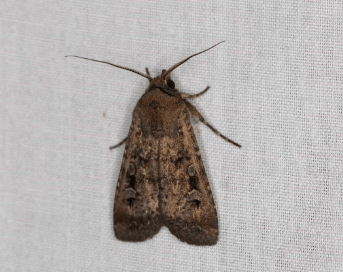
Bogong Moths are an important and iconic species. After Bogong Moth numbers crashed by an estimated 99.5% in 2017-18, these small but mighty moths were sadly listed as Endangered by the IUCN in 2021. Bogong Moths are found in every Australian state and territory except for the Northern Territory. They are even sometimes found in Aotearoa New Zealand! Beginning in spring each year, Bogong Moths make an epic migration towards alpine regions in Victoria and New South Wales, where Critically Endangered Mountain Pygmy-possums are waking from their hibernation. Bogong Moths are a crucial spring food source for Mountain Pygmy-possums and declines in Bogong Moth numbers are an urgent threat to the possums’ survival.
Moth Tracker is a citizen science initiative which aims to gather data on the Bogong Moth’s annual migration. Submitting a moth sighting on the Moth Tracker website is quick and easy.
For the 7th year running, Zoos Victoria’s Moth Tracker citizen science initiative is encouraging Australians to log their Bogong Moth sightings on the Moth Tracker website to help both these Endangered moths and the Critically Endangered Mountain Pygmy-possum. Through Moth Tracker, we gather data on the dates, locations and numbers of Bogong Moths travelling during the annual migration periods.
This campaign runs from 1 September – 31 December 2025. This is an annual campaign during the Bogong Moth’s spring migration, however, Bogong Moths also make an equally impressive return migration in autumn, and the Moth Tracker website is active for sighting submissions year-round.
If you see a Bogong Moth, upload the photo and location to @ZoosVictoria’s Moth Tracker. This will help scientists better understand if the moths will make it to the alpine mountains this year. Learn more here.
Zoos Victoria don’t collect the contact details of people submitting Moth Tracker sightings, only their name. Submitting a photo will help to change the future of Bogong Moths and the Mountain Pygmy-possums that rely on them.
HEADER IMAGE: A Bogong Moth. Image: Lyn, via Moth Tracker




 Mountain Journal
Leave a comment