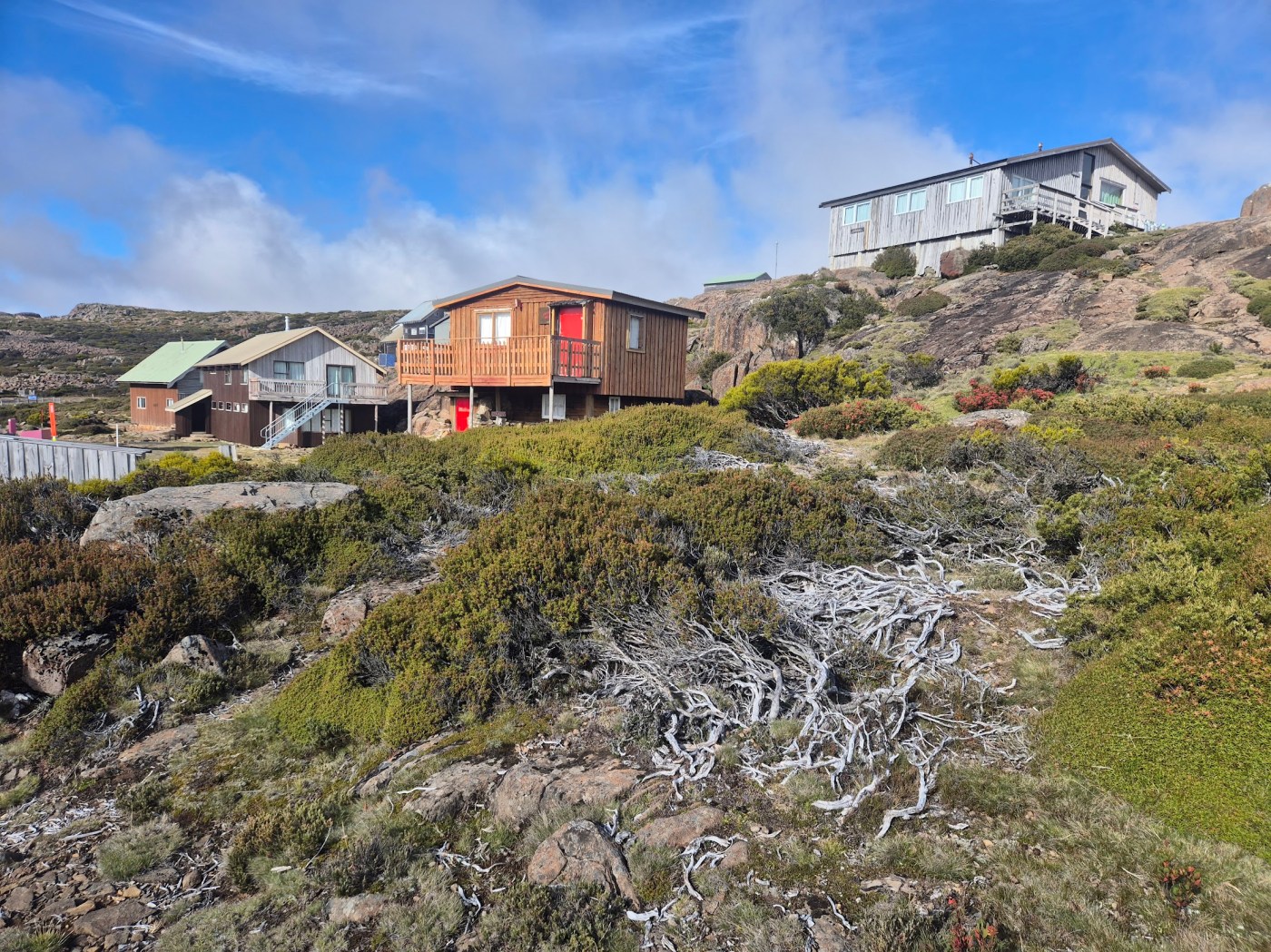
Ben Lomond is an important destination for those seeking winter recreational opportunities in lutruwita/ Tasmania (it is the main focus of downhill skiing in the state, which commenced there in the early 1930’s).
While most visitation currently happens during winter, there are also plans to expand visitation during the warmer months. The Tasmanian government is about to write the park’s first new management plan in almost 30 years and will consider environmental and commercial uses for the park.
In keeping with state government plans to continue to increase visitor numbers in national parks, a key consideration in the preparation of a new management plan will be ‘the opportunity for Ben Lomond National Park to become an important year-round destination’.
The ski field operator wants more snow guns to make the ski field more viable more often through winter, but this will need new build dams and other water infrastructure, which need the Parks minister’s sign off and which is opposed by environmentalists.
As the Parks Service website notes:
The ski slopes (at Ben Lomond) are relatively small and marginal, with limited gentle smooth terrain suited to beginner, novice and low intermediate skier. Natural obstacles abound. Although visitors come for a variety of recreational, social and educational activities, skiing and snowboarding are still the main focus and most visitation occurs during the snow season.
An updated management plan is required to reflect the changes over the last 35 years; to incorporate new information on the natural and cultural values; and provide a vision for the next 10 years. The updated plan will help to protect and present the important natural and cultural values of Ben Lomond, while providing sustainable and appropriate recreation opportunities.
Snow making upgrades: What cost?
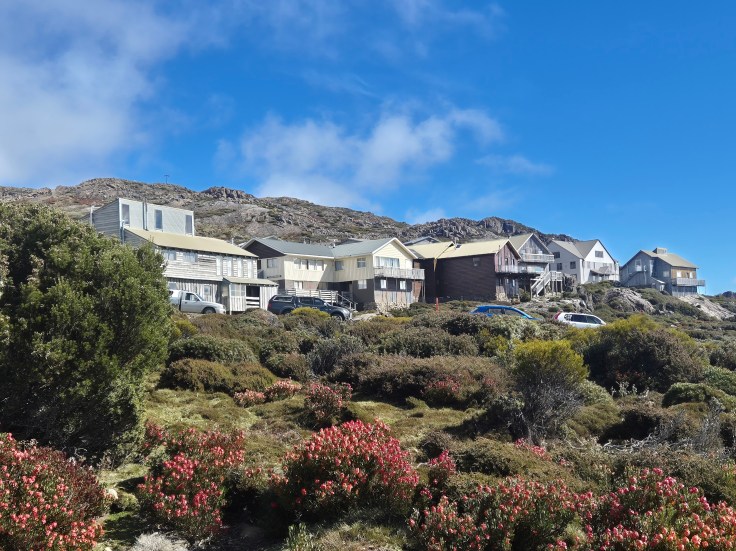
Previously, a study commissioned by the Tasmanian government found that the power and water required for artificial snow on the state’s only commercial ski field would not be economically viable. Any dams would have environmental impact on what is a small area of alpine terrain. For instance, at Mt Buller resort in Victoria, the controversial Water Storage Project was funded by the state government after several years of study and strong opposition from ecologists. The Mt Buller Water Storage Project built a 100 megalitre storage facility to provide water for drinking, firefighting and snowmaking. It involved the destruction of about 5 hectares of treeless alpine native vegetation, mostly an ecosystem called ‘alpine grassy heathland’. As a relatively small area of elevated land, it is very hard to justify any further impact on the alpine landscape of the Ben Lomond plateau.
Ben Lomond management says that additional snow machines that were installed two years ago sent tourism ‘soaring’. Ben Lomond Alpine Resort plans to invest between $500,000 and $1 million next season, by doubling rental equipment and buying at least two more snow guns. However, their plans hinge on securing better access to water through new storage infrastructure, such as tanks, pumps and dams.
The Tasmanian government will consult stakeholders about the new Ben Lomond Management Plan over the coming months.
The Tasmanian National Parks Association, is ‘firmly against the idea of adding more snow machines’, believing that it would mean too much power and water use, and extra infrastructure.
As climate change continues to shorten the ski season, there will also be additional pressures on alpine systems, which also makes it hard to justify any increase in the footprint of the resort through dam building.




 Mountain Journal
Leave a comment