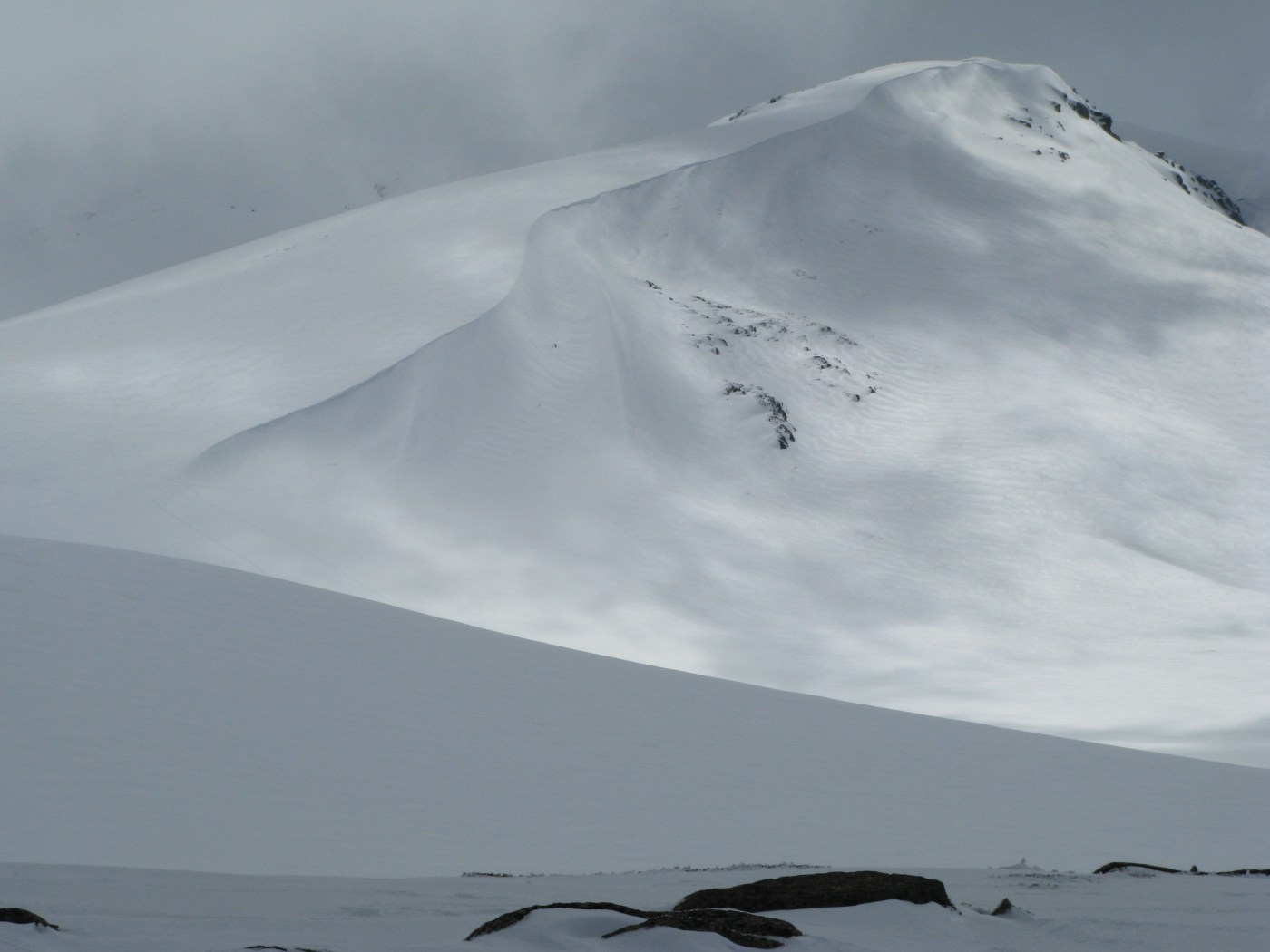
The 2026 edition of Mountain Journal magazine will be out next month. The theme is Our mountains are changing, are we ready. In this first installment from the magazine, Dave Herring reflects on a good life in the outdoors.
Dave was lucky enough to have a childhood where the Main Range of the Snowy Mountains was just up the road. From his early discovery of the magic of snow, Dave has pursued a lifetime of skiing and touring in mountains around the world.
Growing up in the high country around Batlow on the north end of the Main Range in the 1960s and ‘70s was an absolute privilege. Riding horses wherever we wanted, fishing in mountain streams and learning to ski on a rope tow at Kiandra, run at that time by the Myer family from Tumut. We travelled in convoy up Talbingo Mountain, helping each other around the steep switchbacks through the slushy mud on unsealed roads just to ski on a 100m rope tow at Kiandra. When the weather dictated, we camped on the floor of what was originally the Kiandra Hotel with staff and others trapped by the elements. My dad put the skinniest tyres he could buy on our old Cortina as it helped with traction when 4×4 was not yet a thing.
At an elevation of only 775m we had snow around our house in Batlow a few times a year. Talbingo Mountain tops out at about 1,300m and the high plains around Long Plain and Yarrangobilly rise slowly to Kiandra at 1,400m. Snow used to be consistent at this elevation and my parents told stories of skiing down Bullocks Hill near Long Plain and being ferried in turn back up the road by car.
Yes, there were still good and bad seasons in terms of snow depth, but consistent enough to convince the Myers there was merit in developing Mt Selwyn ski resort in the late 70s with an elevation of only 1,480m.
Yep wooden skis, leather boots, woollen clothes and gloves that were wet in half an hour and worn out on the rope tow in days. Cold, wet and tired. It did not matter.
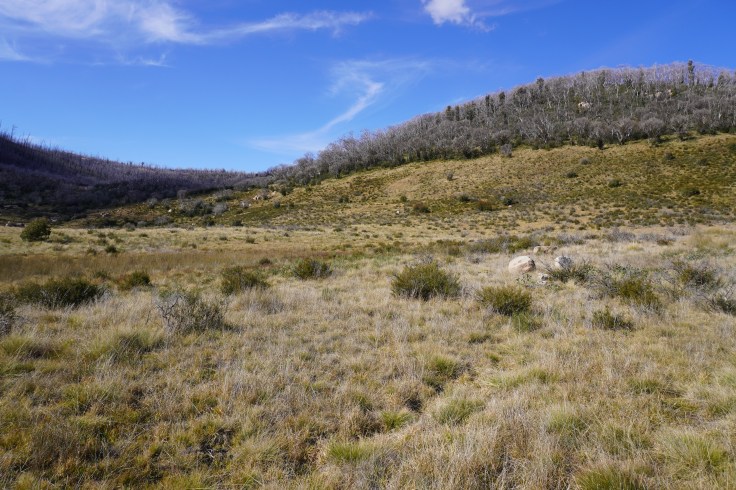
At the turn of 20th century records show that there were permanent snow drifts on the south side of Kosciuszko. Yet today except for during mid winter storm cycles Kiandra does not hold snow and Selwyn relies on snow making to stay open. Selwyn is still a great resource for families to avoid the maxed out larger resorts of Perisher and Thredbo. With Thredbo’s base elevation the same as Kiandra it too is heavily reliant on snow making during poor seasons.
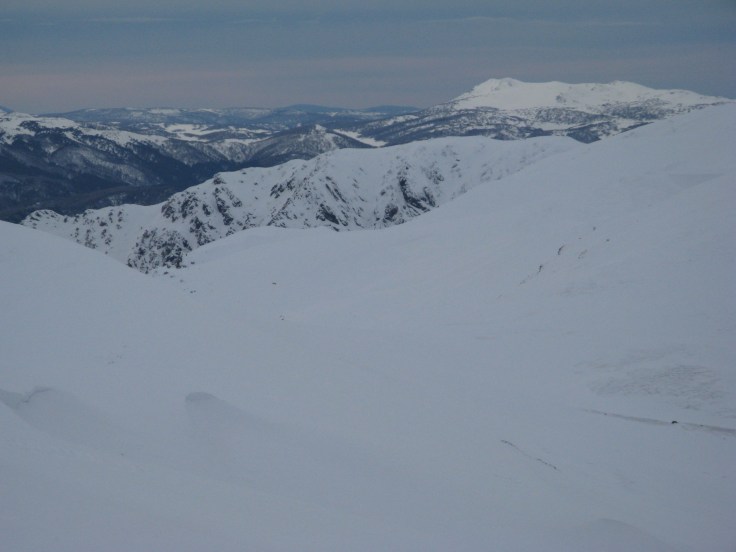
After a couple of lean snow years, 2025 saw a return to average snow amounts recorded at Spencers Creek by Snowy Hydro. What was concerning however was the elevation of the snow line, which remained high resulting in good snow up high on the range and a lack of snow at lower elevations like Thredbo base. These changes in snow levels have been driven home to me over the past few years, dismantling my attempts to do the iconic K to K (Kosciusko to Kiandra) tour, with the northern end of the traverse rarely holding enough snow except during or immediately after a storm. My solo effort to reach Mt Jagungal via Cessjacks Hut in September 2025 also failed due to lack of snow. I could have got there by staying high from Munyang, but work commitments limited my time and bush bashing was not what I was after.
Rising snow levels and the corresponding rise in average temperatures has fuelled many changes. Not being able to ski everywhere I want is a first world problem. But more importantly the increase in fewer but more dramatic storm events interspersed with significant warmings, compromises our safety in the backcountry and puts pressure on business and resources. Besides how climate change affects our business and our time in the mountains personally, the drain on nature, the plight of snow gums, the changing ecology of the high country and the impact on the livelihood of those that choose to live in the mountains is at a critical point. The fact that on my watch the changes have been so dramatic haunts me. I fear we have passed the tipping point and we are facing the reality that rising temperatures and snow levels do not go well with sustaining a ski industry in Australia. Let’s hope I am wrong.
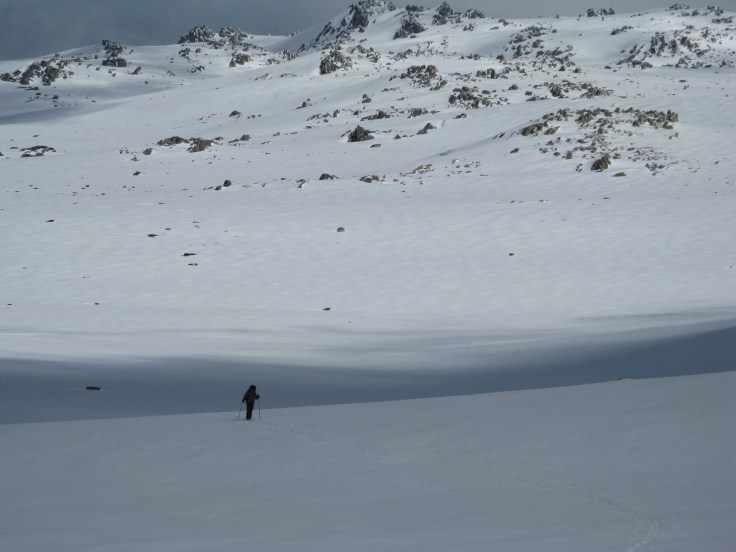
With his partner Pieta, Dave trains people in backcountry and avalanche safety through their business Alpine Access Australia.




 Mountain Journal
February 4, 2026 at 9:52 am
Good read. Thanks Cam.
Kind regards,
Laurence J. McDonald Photographer | Landscapes | Art | Portraits | Weddings
Mornington Peninsula and Melbourne, Victoria Laurence James Photography +61 (0) 409-590-305
laurencephotography.com.au https://www.laurencephotography.com.au/
Facebook https://www.facebook.com/LaurenceJMcdonaldPhotography Instagram – Personal https://www.instagram.com/laurencejamesphotography/ Instagram – Weddings https://www.instagram.com/laurencejamesweddings/
ABN: 25434930528
>