Search

Mountain Journal

Environment, news, culture from the Australian Alps

Author

Cam Walker

I work with Friends of the Earth, and live in Castlemaine in Central Victoria, Australia. Activist, mountain enthusiast, telemark skier, volunteer firefighter.

Backcountry film festival showing in Canberra

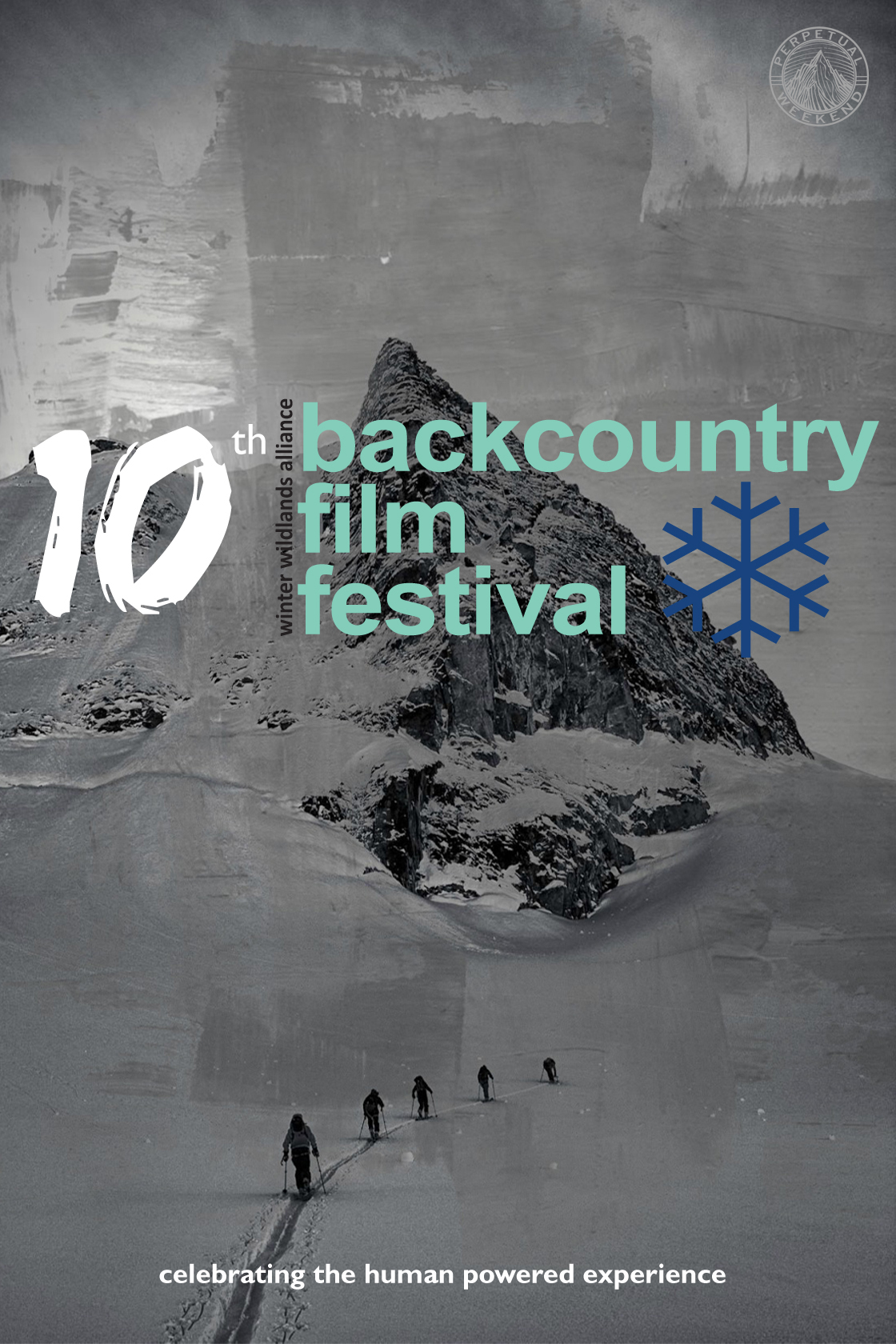
The ANU Mountaineering Club is hosting the Backcountry Film Festival.

Thursday, 23 July 2015 – 6:30pm to 8:30pm

A chance to get together and more importantly fire up the stoke for the ski season. We’ll be showing the Backcountry Film Festival put together by the Winter Wildlands Alliance.

The screening will be in the Haydon Allen Tank on ANU, starting at 6:30pm, Thursday 23 July.

We ask for a $5 entry donation from members and $10 from non-members with proceeds going to the Australian Himalayan Foundation.

Further information available here.

For details on the films, check here.

Three Tassie eco-tourism projects approved

In theory, new eco tourism projects are a good idea, and will get more people out into wild environments in a way that doesn’t damage the environment. But when it comes to the current Tasmanian government, I wouldn’t trust them as far as I could throw them.

The following comes from The Great Walks website.

Three eco-tourism projects have been given the green light to operate in Tasmania as part of the Government’s bid to open up the state’s national parks to eco-tourism.

Continue reading “Three Tassie eco-tourism projects approved”

Feral cattle cull in Snowy River National Park

Having seen cattle within various sections of the Alpine National Park over the years I have wondered whether they are cattle that have not been collected when herds have been removed, or whether its been illegal grazing. The comments in this story from Kath Sullivan in The Weekly Times are interesting. A farmer says of cattle found within a national park “I can’t lay claim to them because they’re not earmarked, but I can claim an interest in them”.

SHOOTERS will be choppered into the Snowy River National Park, in East Gippsland, to destroy feral cattle.

Parks Victoria district manager Will McCutcheon said 10 cattle remained in the park.Parks Victoria had recent success with helicopters used to locate the cattle and drop skilled shooters into remote, rugged sites, where access has been an issue,” he said. “With another helicopter operation we hope to remove the last of the cattle over the next few weeks.”

Gordon Moon, a farmer at Black Mountain in East Gippsland, was “devastated” to learn of the cull. His family owned a cattle-grazing lease in the park before cattle grazing in national parks was banned. When asked if the cattle could be his, Mr Moon said: “I can’t lay claim to them because they’re not earmarked, but I can claim an interest in them.

I’d think it’d be costing squillions to cull them.”

Victorian National Parks Association spokesman Phil Ingamells said: “They (cattle) are not meant to be there.”

Climbing The Sentinel – from the west

Photo:The Sentinel, by James Morrow, OZBC.net

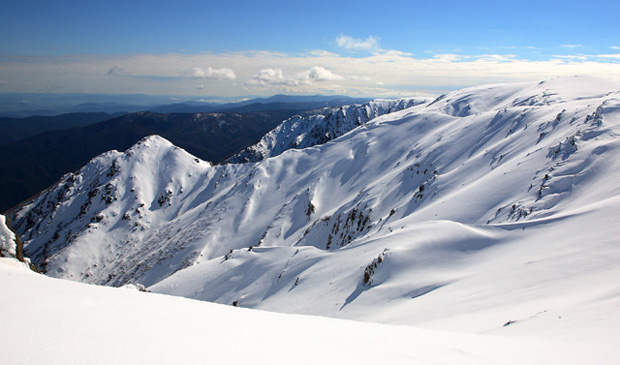
The western slopes of the Main Range in the Snowy Mountains are the premier backcountry ski and boarding destination in Australia.

And while people have been riding out there since at least the 1940s, the slopes have been getting a lot of coverage in recent years.

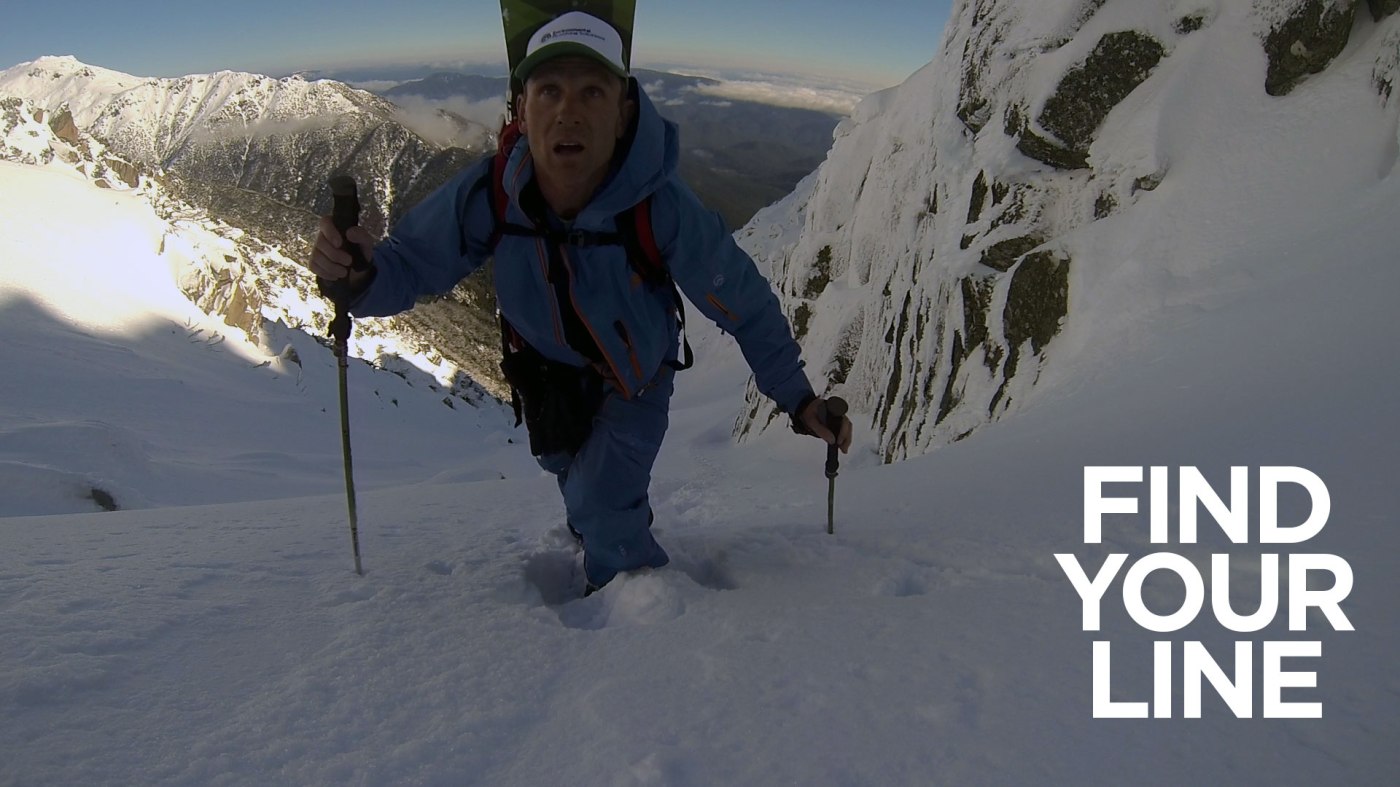
While the classic book is still Skiing the Western Faces of Kosciusko, by Alan Andrews, there are lots of other reports and even films coming out about skiing and boarding these impressive slopes. John Blankenstein has written a number of great trip reports from the Slopes, and Nic Rivers recently released a short film, called Find Your Line, of John snow boarding Watsons Crag.

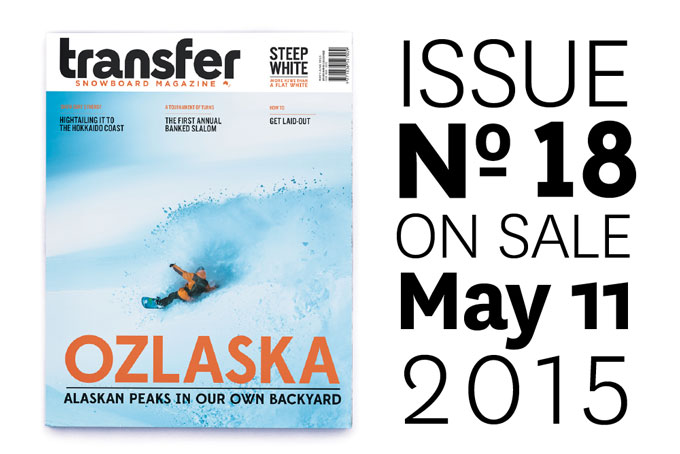
There’s a brilliant front cover story in the current edition of Transfer magazine, the upcoming Roof of Oz film project, and a number of other magazines have covered the western faces. Stephen Curtains classic telemark film, Winter Dreaming, has a lot of action from Little Austria and other sections of the Slopes.

No matter which way you get to the western slopes, the main drop of mountains from Abbott Peak to about Mt Tate, you’re in a for a few hours of work. The shortest routes are from the top station at Thredbo or via Perisher to Charlotte Pass. You can also skin up via a number of routes from Guthega or, if you’re hard core, Dead Horse Gap.

But who would think of climbing from the west side? The views from The Alpine Way (the road between Thredbo and Khancoban) are some of the best alpine vistas in the whole country, but the slopes of the western faces sit so far above the road that they feel like they’re on another planet.

Enter Jack Skilbeck.

Continue reading “Climbing The Sentinel – from the west”

Backcountry film festival showing in Sydney

Patagonia is hosting a showing of the Backcountry film festival, at 6pm on wednesday June 3.

At the Patagonia store. 93 Bathurst Street, Sydney.

We will be showing all nine films (full list here).

This is a free event. You’d be most welcome to make a donation, which will go to the Friends of the Earth climate campaign.

There is a facebook page for the event available here.

Ozlaska

Backcountry is the new black.

In the last few years, all things backcountry have come in from the fringe, and are now ubiquitous, featuring in films, magazines, books, and gear. I assume that for most people its slightly voyeuristic. People like to read about the amazing runs on offer in the backcountry without necessarily actually getting out there themselves. But there certainly is a new generation of skiers and boarders heading out for an adventure, and BC specific gear is one of the growth areas in the snow equipment industry.

Here in Australia, attention has tended to focus on two of our most spectacular BC destinations: Mt Bogong in Victoria, and the western slopes of the Main Range of the Snowy Mountains (yes, there is lots more on offer, often harder to access and perhaps less iconic. Then there’s Tasmania, which has some insanely good terrain on the rare occasion that it actually comes into shape for riding. But that’s another story).

Continue reading “Ozlaska”

Ski Guides (ski touring) course

The following comes from Stephen Curtain.

Ski Guides (ski touring) course

Outcome: to begin to guide clients on day ski tours—away from patrolled areas—in Kosciuszko’s backcountry area in the Australian Alps.

Provider: Outdoor Recreation at TAFE WESTERN—Lithgow campus

Dates: 8-day course over two blocks:

7–10 Aug 2015 (Fri, Sat, Sun,Mon) and 28–31 Aug 2015.

Continue reading “Ski Guides (ski touring) course”

Find Your Line

Few people are aware that backcountry Australia hides some big-mountain slopes, even less are willing to journey there for it. Yet the western slopes of the Snowy Mountains has some grand terrain for backcountry skiing and boarding.

Season 2014 delivers conditions of a decade for one splitboarder.

We are delighted to be showing this 8 minute film by Nicolas Rivers during the backcountry film festival this year.

This thursday May 21, RMIT in Melbourne.

Full details on location and the nine other films available here.

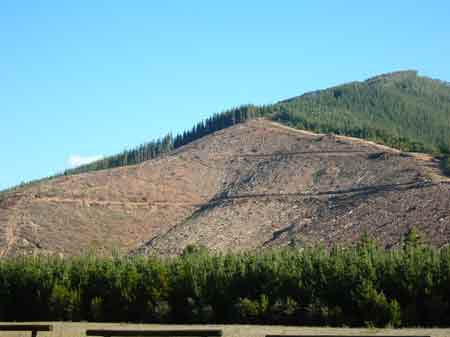
Aerial spraying of herbicides in the Ovens Valley

Information session

Bright aerial spraying.

This forum will be an opportunity for residents to hear about the impacts of aerial spraying of the herbicides Clopyralid, Glyphosate and Metsulfuron Methyl in the plantations around Bright and surrounding townships.

Saturday May 16, 4.30pm

Bright Elderly Citizens Club, Cobden street, Bright.

Guest speaker: Anthony Amis, Friends of the Earth.

For further information, please check the Bright Community aerial spraying concerns facebook page.

https://www.facebook.com/groups/811651055586061/

Background information available here.

Mountain music

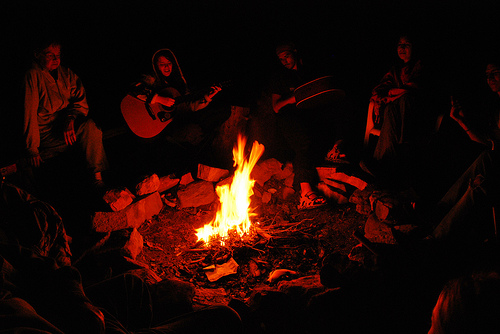
Many years ago, I spent a slightly surreal weekend on the Howqua River in north east Victoria, where, as luck would have it, there was both a mountain cattleman’s gathering and a big enclave of environmental activists holding campaign workshops. Our camps squeezed closer together as the crowds packed in along Sheepyard Flat, and the initial distrust dissolved on the second or third night as we found some common cause in shared music around the fire.

It was one of those nights to remember. I recall that we got on famously, that many songs were traded, and various social lubricants were consumed. What I most remember was the music.

Music is one of those things that defines culture. Any authentic culture has its own music, songs that grow from who its people are and how they live, and also the place they live in. There’s nothing wrong with playing other people’s songs, but almost everything I heard that night was from somewhere else.

Read the story here.

Lake Mountain needs new ski patrollers

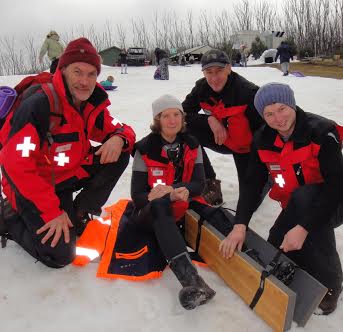
With the snow season just around the corner, Lake Mountain Ski Patrol (LMSP) is recruiting additional volunteers to help look after the thousands of weekend day trippers who head to the resort each winter for some fun in the snow.

To be well prepared for the season, the patrol’s 2015 training weekend will be held at Lake Mountain on the weekend of June 13 and 14 and prospective volunteers are invited to attend. Continue reading “Lake Mountain needs new ski patrollers”

Wild dog attacks. Farmers ask for more trappers.

Wild dogs are a huge problem in farming areas around the mountains in north east Victoria. They also prey heavily on native fauna. The issue of dog control has risen again recently in Victoria because of claims that there are fewer people employed to control population numbers.

According to a report in The Weekly Times (29/4/15):

“The Victorian Government employs 18 dog trappers, 10 in Gippsland and eight across the North East.

The Victorian Farmers Federation says that five years ago there were 25 trappers for the same area.

But the community engagement officer for the Government’s wild dog program, Barry Davies, said there were now “five or six casual wild dog controllers, two contractors and 25 field services officers who are trained to various deg­rees, some capable of trapping dogs.”

The full article, by journalist Kath Sullivan can be found here. It highlights the impacts on farmers and animals as a result of dog attacks on stock.

There are, of course, a number of ways of dealing with the problem. Trapping and shooting is a traditional method. Is funding for dog-proof fencing an option in key farming areas around the high country national parks? Some farmers use Maremmas (is a breed of livestock guardian dog indigenous to central Italy), while others bait.

There is also some question about whether the government will allocate more resources to employ additional hunters in the state budget, due to be released in early May.


Blog at WordPress.com.

Up ↑