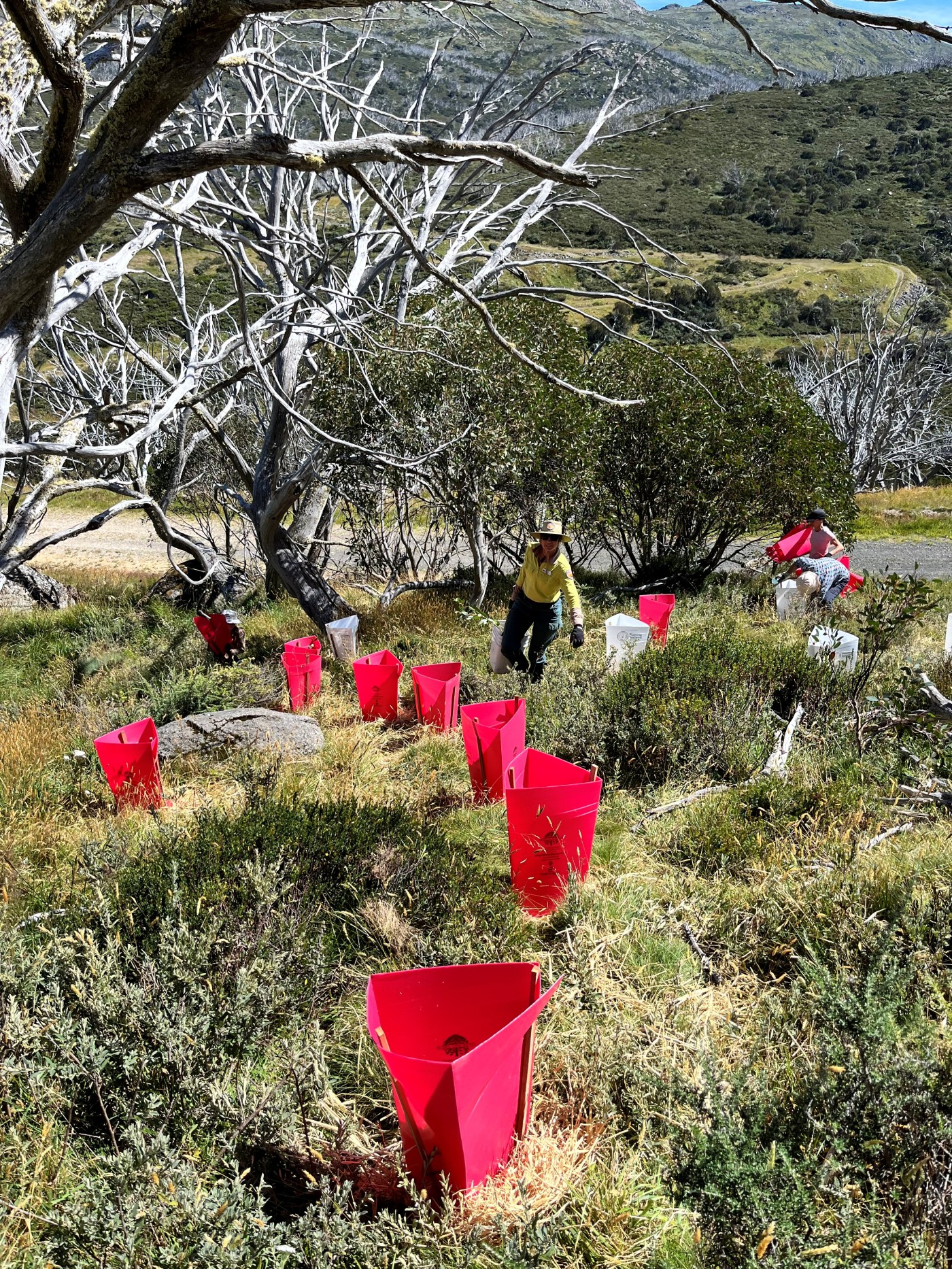
As part of the 2nd snow gum summit, which will happen in Jindabyne over the weekend of March 14 and 15, 2026 (details here) Friends of the Earth is hosting a range of events in the Snowy Mountains area on Monday March 16.
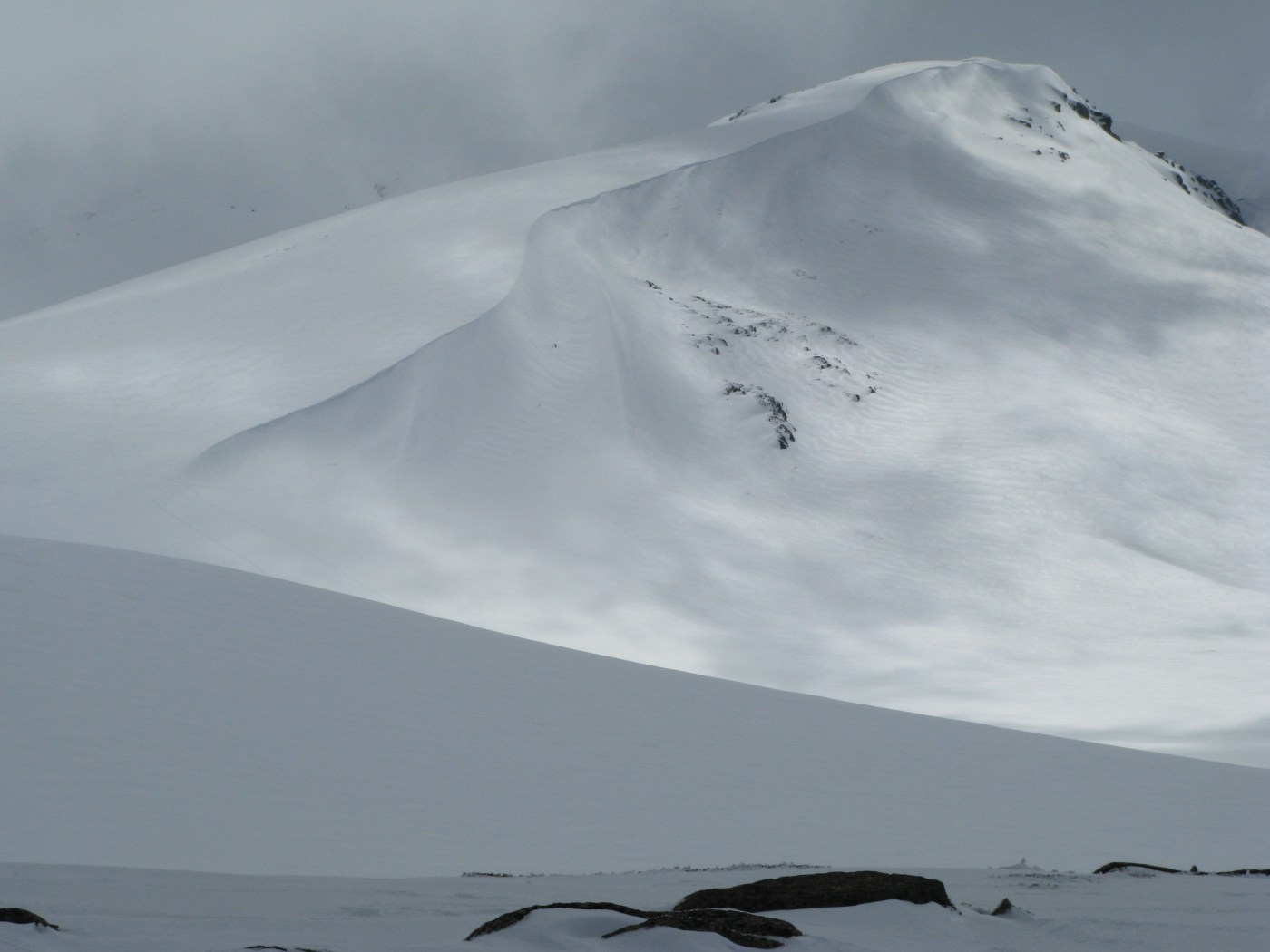
The 2026 edition of Mountain Journal magazine will be out next month. The theme is Our mountains are changing, are we ready. In this first installment from the magazine, Dave Herring reflects on a good life in the outdoors.
Dave was lucky enough to have a childhood where the Main Range of the Snowy Mountains was just up the road. From his early discovery of the magic of snow, Dave has pursued a lifetime of skiing and touring in mountains around the world.
Growing up in the high country around Batlow on the north end of the Main Range in the 1960s and ‘70s was an absolute privilege. Riding horses wherever we wanted, fishing in mountain streams and learning to ski on a rope tow at Kiandra, run at that time by the Myer family from Tumut. We travelled in convoy up Talbingo Mountain, helping each other around the steep switchbacks through the slushy mud on unsealed roads just to ski on a 100m rope tow at Kiandra. When the weather dictated, we camped on the floor of what was originally the Kiandra Hotel with staff and others trapped by the elements. My dad put the skinniest tyres he could buy on our old Cortina as it helped with traction when 4×4 was not yet a thing.
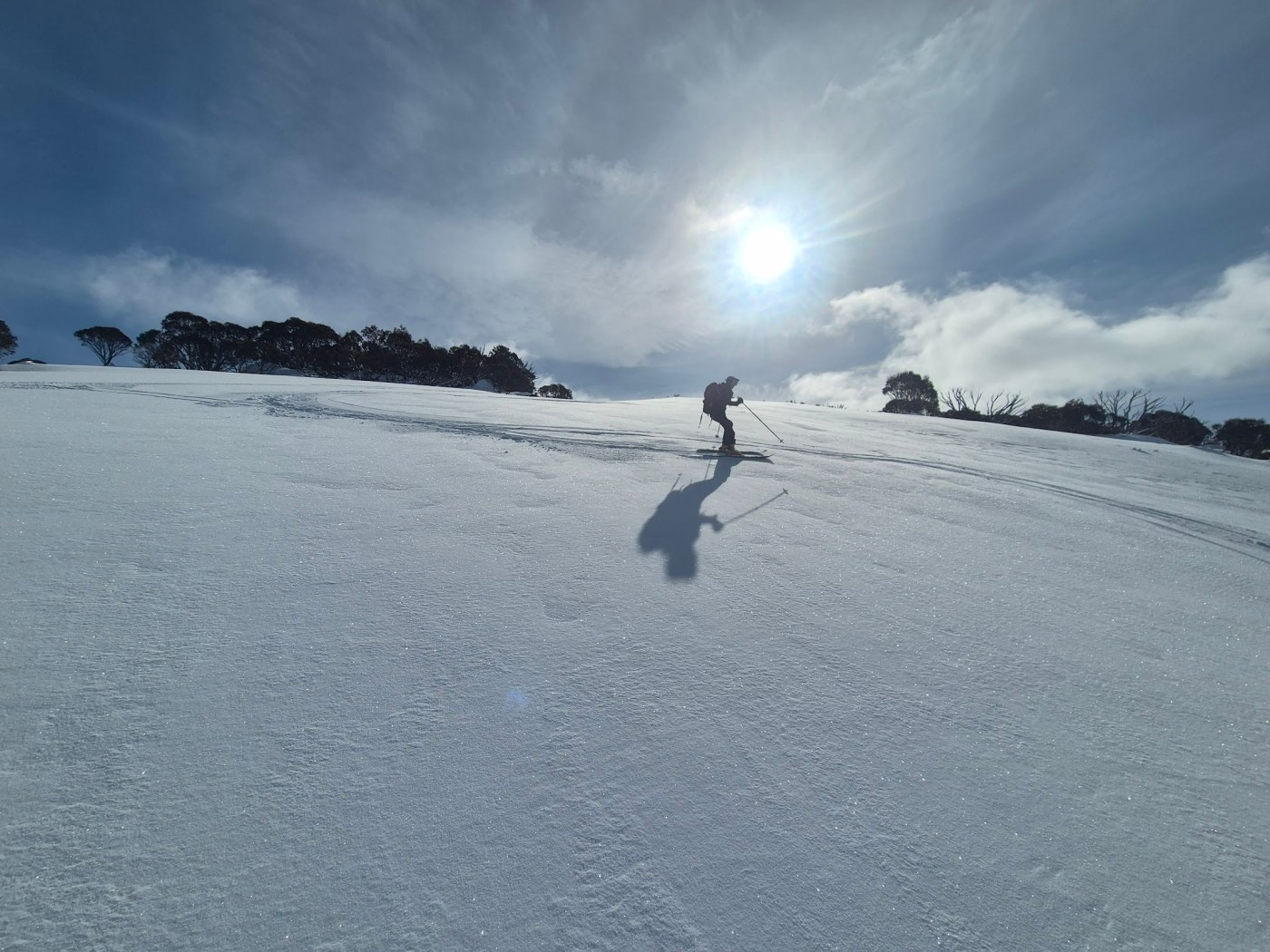
When it’s blindingly hot outside, it must be time to think about winter and watch some backcountry films. That also means we are thinking about prep for the 2026 Backcountry Film Festival, which will happen in Naarm/ Melbourne this autumn.
The Backcountry Film Festival is presented by Winter Wildlands Alliance (WWA) and celebrates the power and spirit of humans in winter. More than 100 local groups host screenings, mostly in the USA, and the only Australian screening happens in Melbourne.
While we don’t have a date locked in as yet, it will be hosted again locally by RMIT Outdoors Club (ROC) and Friends of the Earth.
While we have a full program of films we will be screening in the program developed by WWA (which features 10 films), we do like to also show a local film. If you have a BC skiing/ riding / touring film that you have produced, we would love to hear from you.
Continue reading “Do you have a backcountry film for the 2026 BC film festival?”

Friends of the Earth will be hosting the 2nd snow gum summit in mid March. You can read a report on the first summit, which happened at Dinner Plain in Victoria in February 2025.
It will take place over the weekend of March 14 and 15 on Ngarigo Country in Jindabyne. The Summit will bring people together from across the Australian Alps bioregion spanning Victoria, NSW and the ACT, to address the threats facing these iconic landscapes we all know and love.
There will also be some day walks on the Monday March 16 – details to be announced shortly.
We are delighted to be able to announce the line up of confirmed speakers. They include:
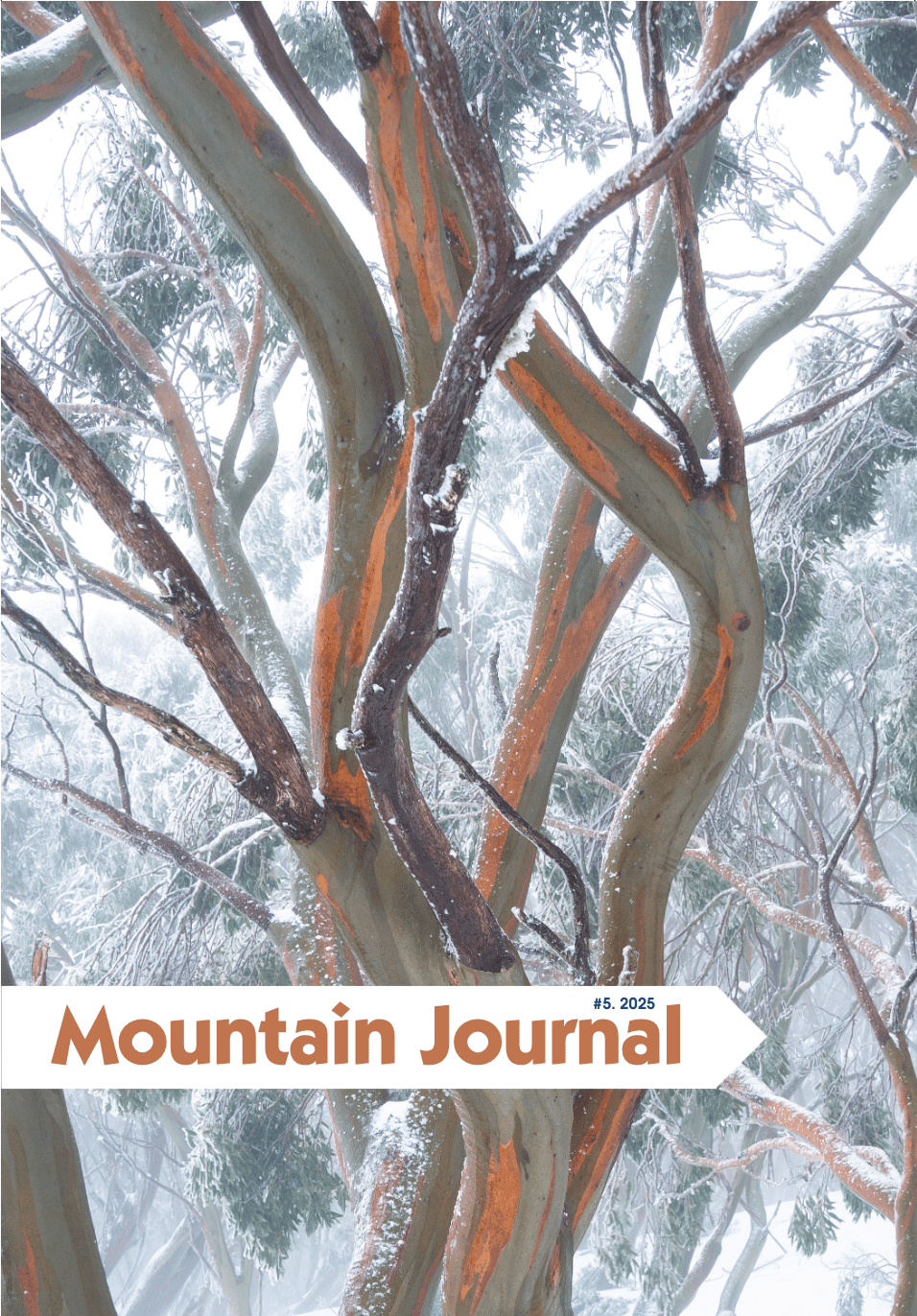
The annual Mountain Journal magazine is in the final stages of editing and hopefully will be out in time for the snow gum summit, which will happen in March in Jindabyne. Then we will start distributing it across mountain and valley towns between Melbourne and Canberra.
We are stoked by the articles and images that have been contributed. The theme is ‘the mountains are changing, are we ready?’ (details here). We are covering the good and the bad, the environmental, cultural and political changes.
There are stories from many well known mountain folks, including Bridie Lawson, Caro Ryan, Darren Edwards, Dave Herring, Elyse Kochman, Grant Dixon, James McCormack, Jean-François Rupp, Kelly van den Berg, Lily Begg, Linda Groom, Mick Webster, Pauline Dowling, Peter Campbell, Rolf Schonfeld, Sam Beaver and Stephen Whiteside.
This is one last appeal to see if anyone is willing to assist us in printing the magazine.
One of the most insidious ‘invaders’ trying to change our Alpine areas (for the worse) is the generically named ‘Hawkweed’. In fact there are three species in this family of European daisies, spreading around on the Victorian Bogong High Plains and also in Kosciuszko NP in NSW. All three have hairy rosette leaves, bright daisy-like flowers over summer (two bright yellow (King Devil and Mouse Ear) and one orange (Orange!), and are the ‘perfect’ weed, spreading by releasing thousands of seeds into the winds and also creeping along with above-ground stolons (horizontal stems) like strawberries, and springing up with new plants from sub-surface roots. It also spreads chemicals that inhibit native competitors. If any, or all of these pests escape from the High Plains to settled areas we will have a major weed problem in farming and grazing lands, as has happened in New Zealand and North America.
The following is a report from Mick Webster.
Continue reading “Volunteers re-invigorate a program to find and eliminate a pest daisy in the Alps”
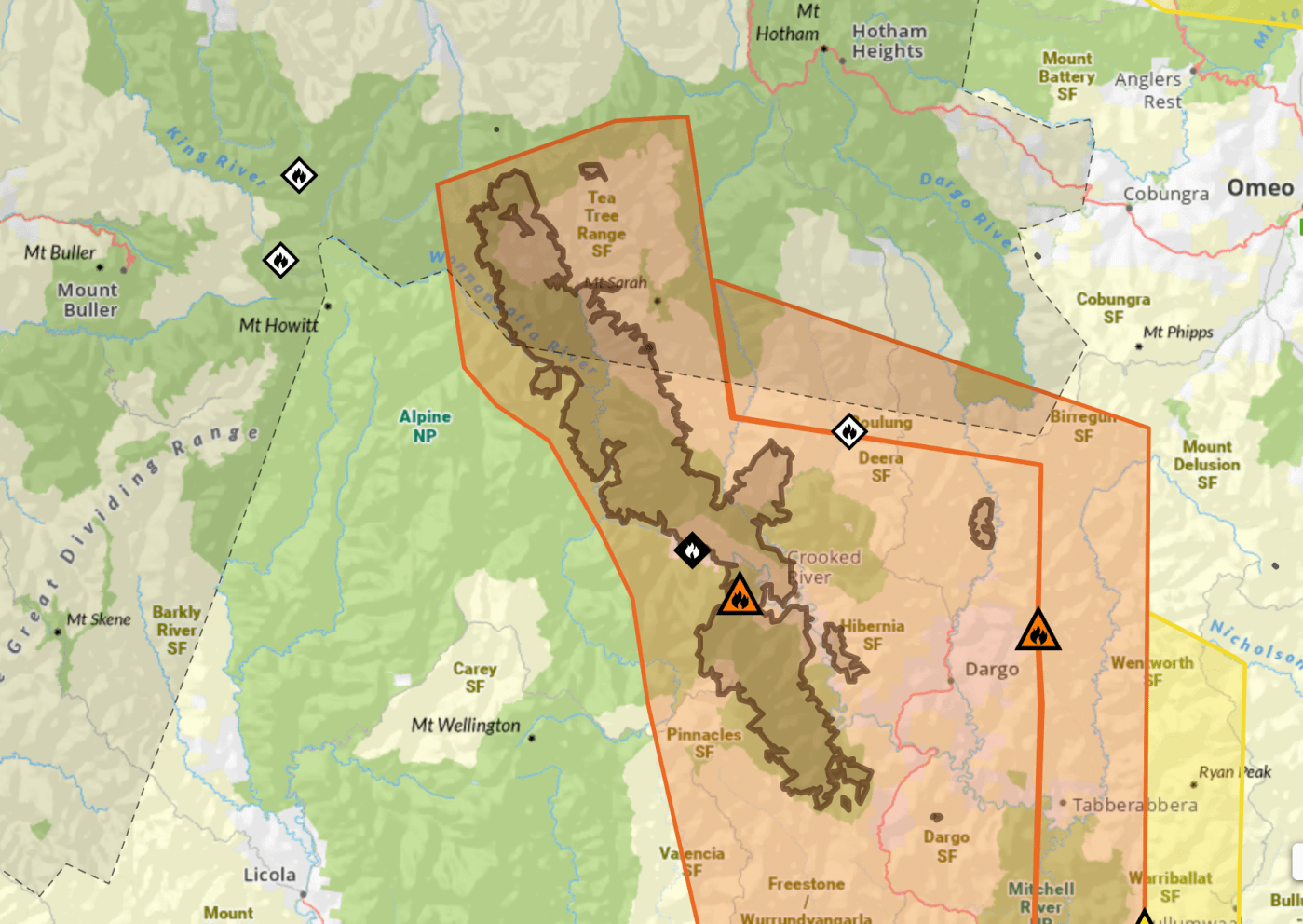
As Victoria braced for the potential of catastrophic fire conditions on Friday January 9, 2026, much of the attention of media and community was understandably on the fires that were already threatening towns, farms and other human assets, especially the big fires around Walwa and Longwood.
Meanwhile, multiple fires were starting due to lightning in the high country. Some, such as near Mt Howitt and on the Bogong High Plains, were contained fairly quickly. However, one has gone on to burn a significant section of the high country. The Dargo – Wonnangatta Complex (also marked as the Mt Darling – Cynthia Range fire) is not yet under control. A Complex is named where there are multiple fires in close proximity, which can then be managed by a single incident team.
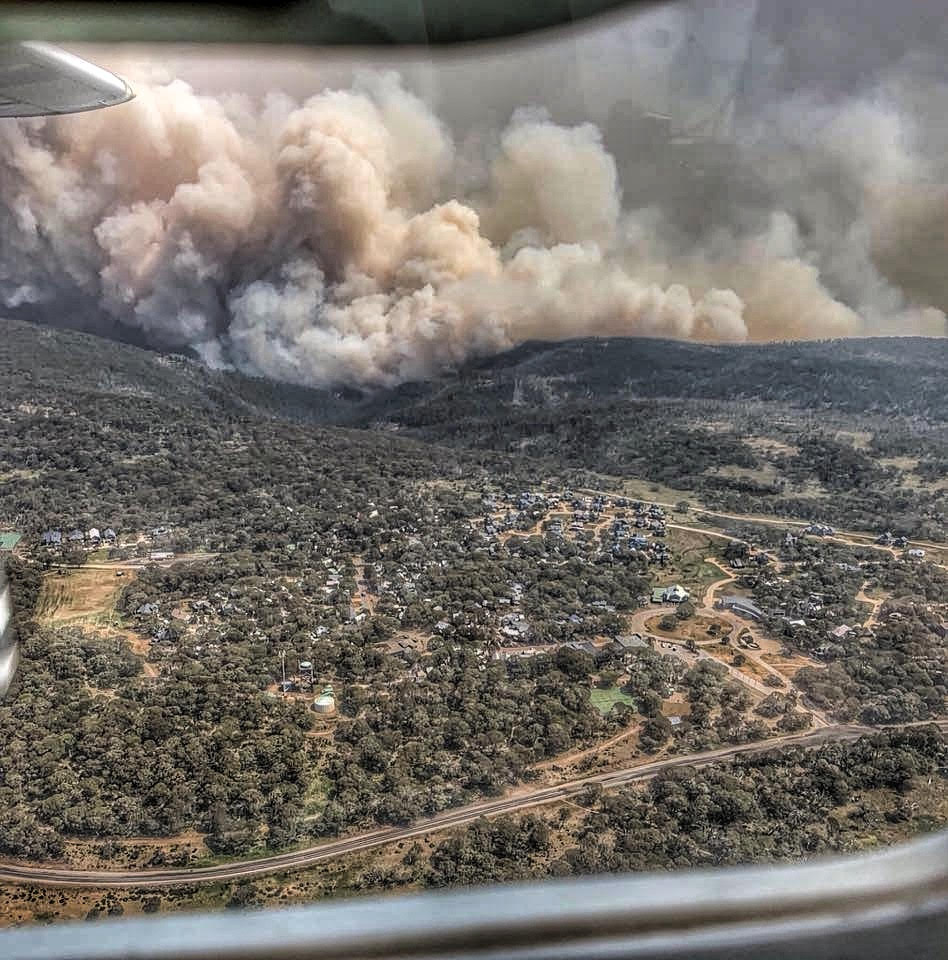
Do you remember how intense Black Summer was? With much of Gippsland already on fire, on December 31, 2019, a dry lightning storm passed across the high country of north eastern Victoria and East Gippsland, starting hundreds of new fires. Forest Fire Management Victoria (FFMV) crews and aircraft swung into action, and did their best to quell the many small fires that were slowly consuming individual trees.
As a volunteer with the Mt Hotham – Dinner Plain fire brigade, I headed up the hill as the area was evacuated. There were four fires around Dinner Plain, all small and slowly consuming the unfortunate trees that had been hit by lightning.
Memory can be a strange thing. Special and significant moments, experiences and events lodge in our mind and when something triggers their presence they can feel as clear and fresh as the moment you experienced them for the first time. They can be cornerstones around which you build your life, those memories of the moments and times and events that give life meaning and joy, or which strip away the day-to-dayness of ‘normal’ life to reveal a truth.
The dilemma, of course, is when we extrapolate or equate a personal memory or experience with what is happening in the real world. ‘FeelPinons’ drive a lot of the debate in the online world and anecdotes can get confused with data and trends.
So, there was a strange debate about last winter. Forecasts were for a late start to winter and the likelihood of warmer than average temperatures. But by the time June arrived, we were blessed with wonderful and repeat snow storms that delivered the goods. After a couple of very mediocre winters everyone needed a good winter. It was good for resort and valley town businesses and workers and it was wonderful for the spirits of everyone who craves the cold and deep snow pack. And it dragged on in the best possible way, with lines in the backcountry until late in spring.
In that blurring of memory and data, of lived experience and the need for the media to run hyperbolic headlines about ‘the best winter in years’, its hard to actually say if it was a ‘great’ winter or an ’average’ one.
You can read the full reflection here.
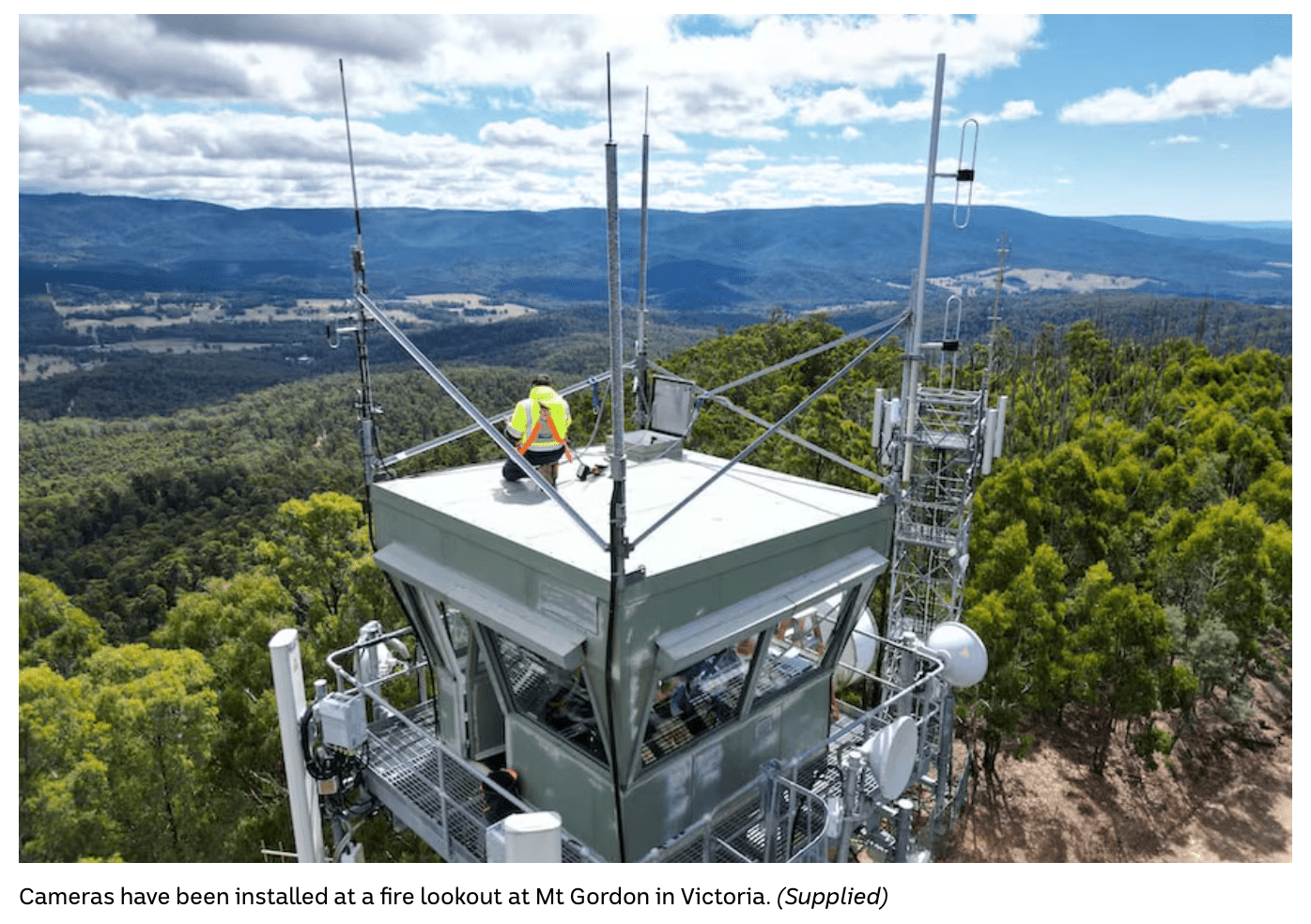
Whether it is in a national park or other public land, a paddock or a house fire, one of the most important aspects of stopping fires is to get on to them quickly. The sooner that firefighters arrive, the smaller the fire will be and the easier it is to contain. In Victoria, one of the ways we try to keep fires small during high fire danger days is by launching aircraft as soon as a fire is detected. Often aircraft can then get on scene and start to contain the fire before local brigades arrive. This system (called pre-determined dispatch or PDD) was developed as part of the response to the Victorian Bushfire Royal Commission (VBRC), and was based on a model used in a number of other states. Under PDD, fire fighting aircraft are mobilised as soon as a call out occurs for local fire brigades with a trigger needed to authorise the launch of aircraft.
Other ways we get onto fires quickly includes things like deploying remote area firefighters onto new start fires, inserting rappel crews from helicopters, and sending multiple vehicles at the same time to ensure there are enough resources to tackle the fire. We use real time analysis of satellite images and on some days put aircraft up for surveillance (rather than firefighting) purposes. There is lots of chatter about using drones that could carry water or fire retardant that could be sent to put out small new start fires. And of course, we have traditionally relied on staffed fire lookout towers to spot fires while they are small.
In recent years Artificial Intelligence (AI) has been billed as being a new option for spotting new start fires quickly.

The theme for the 2026 edition of Mountain Journal magazine will be on ‘our changing mountains‘, which hopes to delve in to some of the many changes that are obvious to anyone who visits the high country on a regular basis.
In the first installment / teaser for the 2026 edition, Stephen Whiteside reflects on a trip up Mt Bogong in 1976 and a recent return to the mountain, and what has changed and what has stayed the same.

The awful fires of Black Summer linger in our memory. The land slowly recovers. Since then, things have been fairly quiet in recent summers in the mountains of the mainland high country. With the first mountain fire of the season now contained, and vast areas of fire damaged forests in recovery from previous fires, it is essential that with any new start fire the authorities:
- Get on to new start fires as rapidly as possible
- Escalate the availability of resources to contain the fire, rather than ‘letting it burn’
- Ensure that fire management plans highlight the need to exclude fire from fire sensitive or recovering areas and the protection of ecological as well as human assets.


 Mountain Journal
Recent Comments