Search

Mountain Journal

Environment, news, culture from the Australian Alps

Plibersek puts NSW on notice over feral horse numbers

In the long running campaign to have the NSW government do something about the huge number of feral horses that are causing damage in the Kosciuszko National Park, recent efforts to reduce horse numbers has been welcomed by environmentalists.

Figures announced by the NSW government on 29th January show that 3,530 feral horses have been removed from Kosciuszko since the Plan’s commencement – by re-homing, removal to knackery, aerial and ground shooting, and shooting in yards. However, the Federal Environment Minister Tanya Plibersek has announced that she may intervene to ensure a ‘zero-tolerance approach’ to feral horses in the park if the environmental impacts remain too high.

Continue reading “Plibersek puts NSW on notice over feral horse numbers”

An important meeting about the future of kunanyi/ Mt Wellington

There has been a long and spirited campaign against the proposal from The Mt Wellington Cableway Company (MWCC) to build a commercial centre on the summit of kunanyi/Mt Wellington, an aerial tramway up the face of the mountain, and associated infrastructure and works (background information available here). Now, with a state election coming up soon, Residents Opposed to the Cable Car are urging locals in nipaluna/ Hobart to attend an important public meeting.

Continue reading “An important meeting about the future of kunanyi/ Mt Wellington”

‘Long-unburnt snow gum forests are now exceedingly rare’.

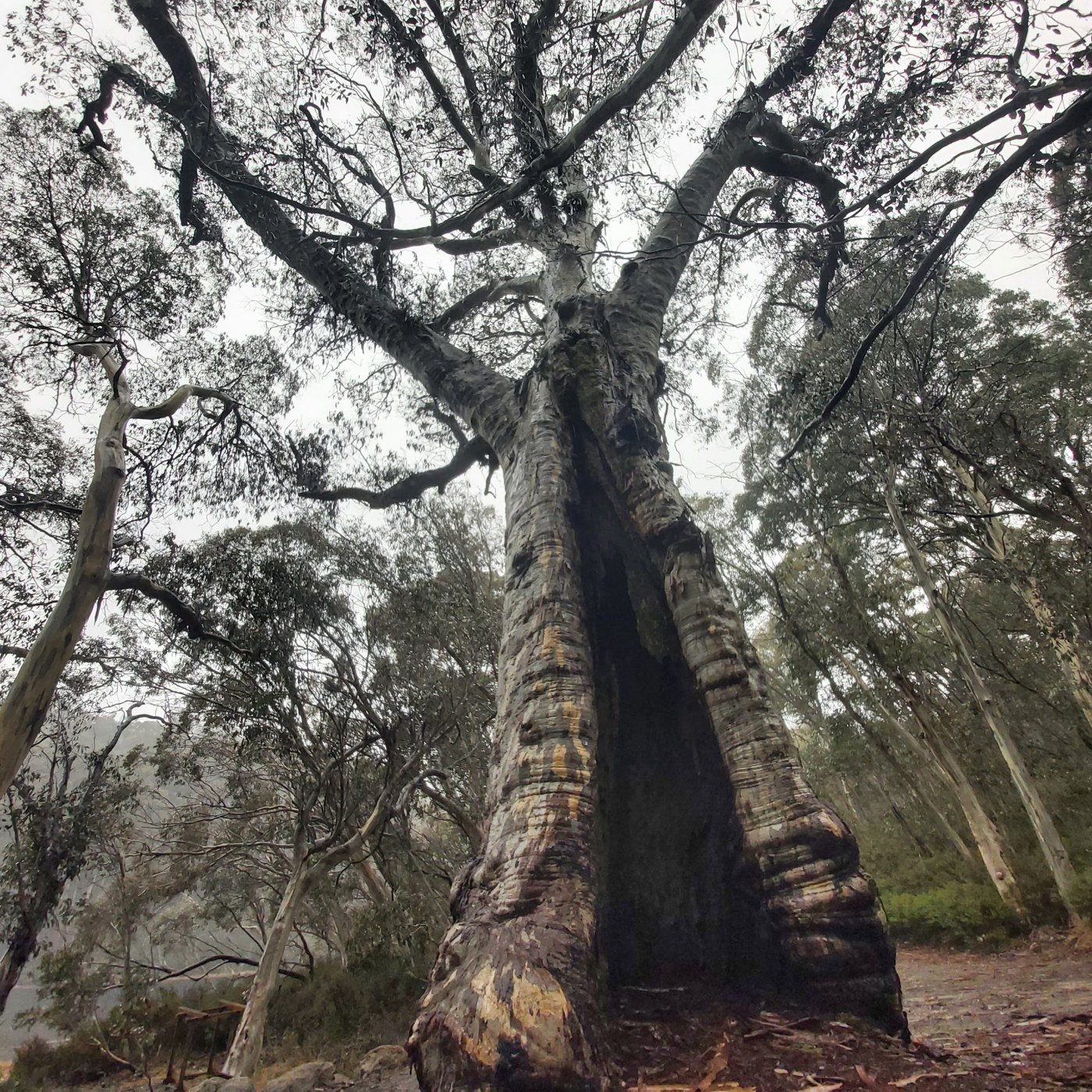
Across the mountains of south eastern Australia, climate change is already driving profound change. In many places in the high country of NSW and Victoria, snow gum forests are facing a double sided threat: dieback, caused by a native beetle is killing individual trees, and climate change driven fire regimes are devastating vast areas of forest. Climate change, drought, insects and soil microbes are all thought to contribute to dieback. The spread and impacts of the beetle appear to be super charged by climate change (more beetles are surviving because of milder winters and more mortality of water stressed trees in summer).

More frequent and intense wild fire also poses an existential threat to the survival of snow gum woodlands and forests. A new report reveals the scale of the fire impact on these forests in the Victorian high country.

In the paper ‘Long-unburnt stands of snow gum (Eucalyptus pauciflora Sieber ex Spreng) are exceedingly rare in the Victorian Alps: implications for their conservation and management’, John Morgan, Michael Shackleton and Zac Walker from the Research Centre for Applied Alpine Ecology at La Trobe University highlight that ‘Long-unburnt snow gum forests (now) comprise less than 1% of snow gum forests in the Victorian Alps. We identify where long-unburnt snow gum stands persist in the Victorian Alps and outline why management intervention is necessary to protect unburnt refuges and, more broadly, to allow mature/adult stands (such as occur on the Baw Baw Plateau) to develop into future old forests’.

Continue reading “‘Long-unburnt snow gum forests are now exceedingly rare’.”

‘Lets be really intentional about the stories we choose to perpetuate within our sport’

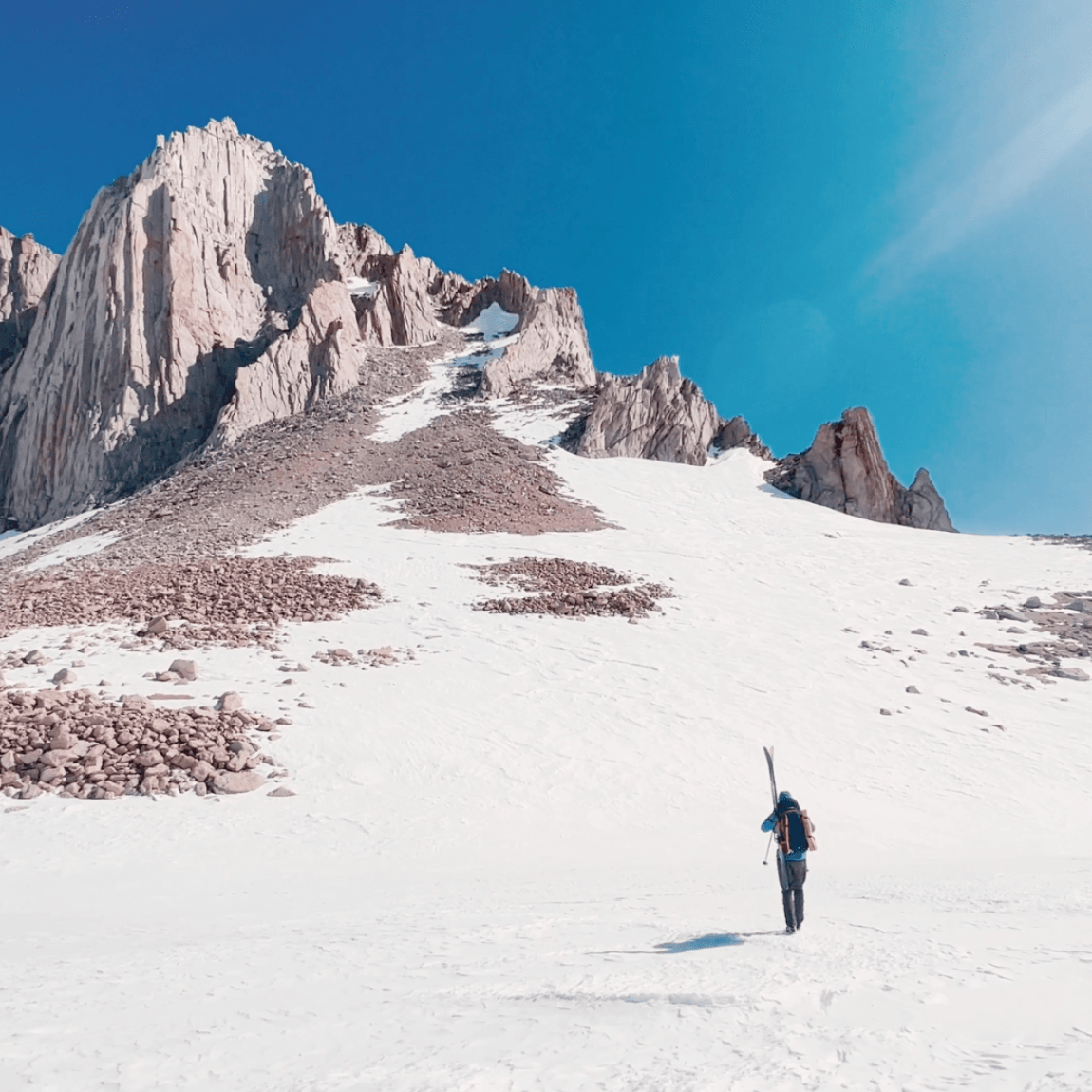
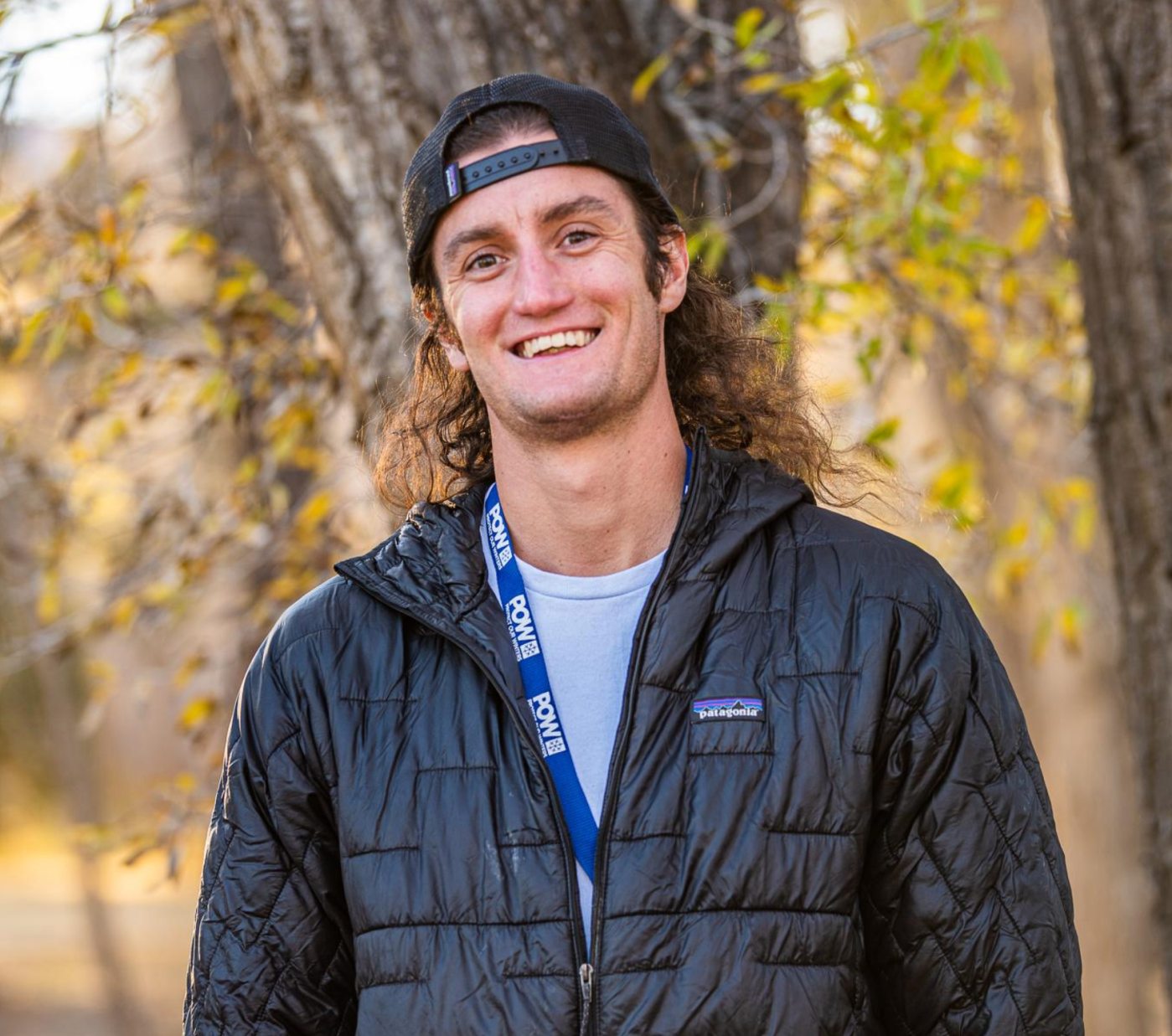
Connor Ryan is a Hunkpapa Lakota skier based in Colorado. Prominent for his work with Natives Outdoors and his film Spirit of the Peaks (and more recently his series called the New Radical), he is a strong native voice in what is still largely a community dominated by Anglo people.

Recently while speaking at a conference organised by the Winter Wildlands Alliance he was asked for his thoughts about how environmental advocates can become better story tellers.

His response really resonated with me.

Continue reading “‘Lets be really intentional about the stories we choose to perpetuate within our sport’”

Profile: Hilary McAllister from For Wild Places

Hilary McAllister describes the development and role of the trail running group For Wild Places.

Activism and the outdoors are two pursuits that, in recent years, have evolved into a symbiotic relationship.  As history would have us believe, activism is a pursuit of the immensely passionate. Dedicated souls who shun societal expectations, choosing to reside in remote, sometimes damp, forest camps, utilising our scarcest resource – time – to protect wild places under threat.

Growing up in an average, rural family, this path to activism felt out of reach to me, too extreme for my somewhat beige sensibility. But along with descriptors such as accident-prone, nomad and feminist, activist has made its way onto my bio and into my way of life.

Continue reading “Profile: Hilary McAllister from For Wild Places”

Lake Malbena update: Aboriginal cultural heritage assessment required

On 13 November 2023 Minister Plibersek issued yet another Extension of Time for her decision on federal approval of the controversial standing camp proposal on Halls Island on the Central Plateau in lutruwita/ Tasmania. You can read about the proposal here.

However, unlike the previous extensions this one includes a request for further information, including “a thorough Aboriginal cultural heritage assessment report”.

Continue reading “Lake Malbena update: Aboriginal cultural heritage assessment required”

Control of Kosciusko’s feral horses makes progress

The summer of 2023/2024 has been an eventful time in the campaign to remove feral horses from Kosciuszko National Park. Figures announced by the NSW government on 29th January show that 3,530 feral horses have been removed from Kosciuszko since the Plan’s commencement – by re-homing, removal to knackery, aerial and ground shooting, and shooting in yards. The biggest contributor to the removal total was ground shooting (1,022 horses) followed by re-homing (866 horses) and aerial shooting (822). The proportion of aerial shooting is likely to increase in coming months; the method was not approved by the NSW government until October 2023, after a consultation process.

Continue reading “Control of Kosciusko’s feral horses makes progress”

Logging impacts mountain areas in southern lutruwita/ Tasmania

Liam Oakwood reports on the scale of logging in areas next to mountain ranges in southern lutruwita/ Tasmania. As he notes: ‘In the shadow of the mountain ranges of the deep South a steady defence of life on Earth is being mounted’.

Continue reading “Logging impacts mountain areas in southern lutruwita/ Tasmania”

2024 is a pivotal year in determining Lake Pedder’s future

In 1972 the original Lake Pedder was flooded to create an auxiliary Hydro storage impoundment, sparking national outcry and international criticism. Since the controversial flooding, there have been growing calls to restore the original Lake. Hence the present-day human-made Pedder Impoundment is contained within the Tasmanian Wilderness World Heritage Area (TWWHA) boundaries, with the intent of eventual restoration. That time has come.

2024 is shaping up to be a pivotal year in determining Lake Pedder’s future. A federal government decision will be made in the coming 12 to 18 months; to either set about planning the restoration of Lake Pedder or invest in massive high-risk dam works that will maintain the flooding of Pedder for another 40 to 50 years.

Continue reading “2024 is a pivotal year in determining Lake Pedder’s future”

The Hills Sisters Ski the AAWT

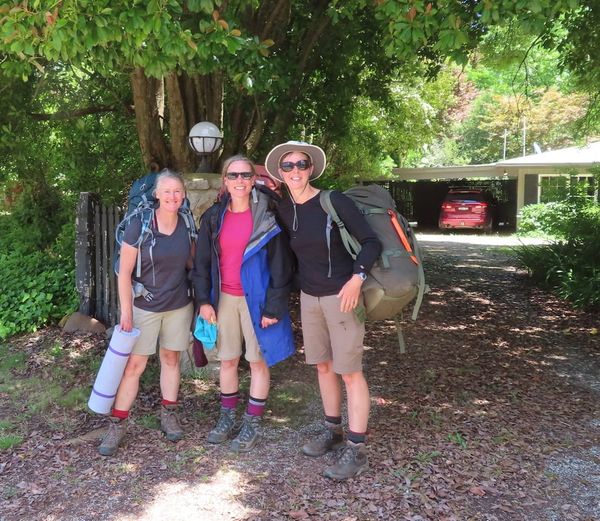
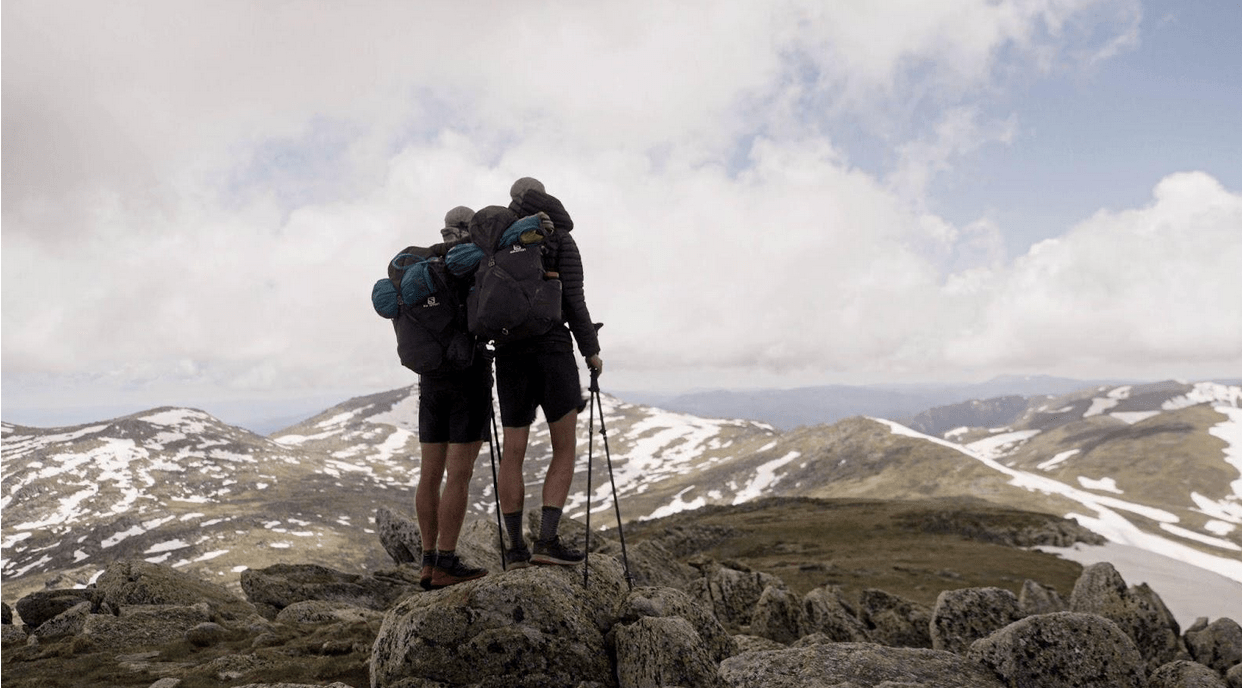
The Australian Alps Walking Track (AAWT) is the premier long distance walking track through the Australian mountains. It starts in Walhalla in Victoria, crosses the Victorian Alps and the Snowy Mountains and goes almost to the outskirts of Canberra. It is 650 to 704km in length, with an epic 28,000 metres of elevation gain during the length of the walk.

Marita Hills recounts her winter journey along the AAWT with her sister Angela.

Continue reading “The Hills Sisters Ski the AAWT”

A solo journey on the AAWT in support of mental health

Elise Marcianti reflects on a 300 km solo journey from Kosci to Bright along the Australian Alps Walking Track (AAWT). Her journey – done as a fund raiser for mental health campaign Moving For The Mind –   started with an ultra in Kosciuszko then hiking down to Bright, drawing illustrations of the mountain huts along the way.

Continue reading “A solo journey on the AAWT in support of mental health”

Now is the time to speak up against commercial development in the Alpine national park

The Falls to Hotham Alpine Crossing (FHAC) is a 37km hike located in the Alpine National Park in north eastern Victoria. The hike generally is done as a 3 day trip, and links the resort towns of Falls Creek and Mt Hotham (starting and finishing slightly outside each town). It is hugely popular.

The creation of the walk, which simply connected existing tracks was a smart way to create an ‘iconic’ walk without much in the way of infrastructure (there are camping platforms at the two suggested overnight sites).

However, like other state governments, the Victorian government has been focused on encouraging private commercial development within national parks, including within the Alpine National Park. The Falls to Hotham Alpine Crossing Master Plan proposes an ‘improved’ option for the FHAC which would make it a 57-kilometre, multi-day route which will take in the Diamantina Spur and Razorback as well as the Bogong High Plains.

Continue reading “Now is the time to speak up against commercial development in the Alpine national park”

Blog at WordPress.com.

Up ↑