Search

Mountain Journal

Environment, news, culture from the Australian Alps

The Ash Forest Restoration Project

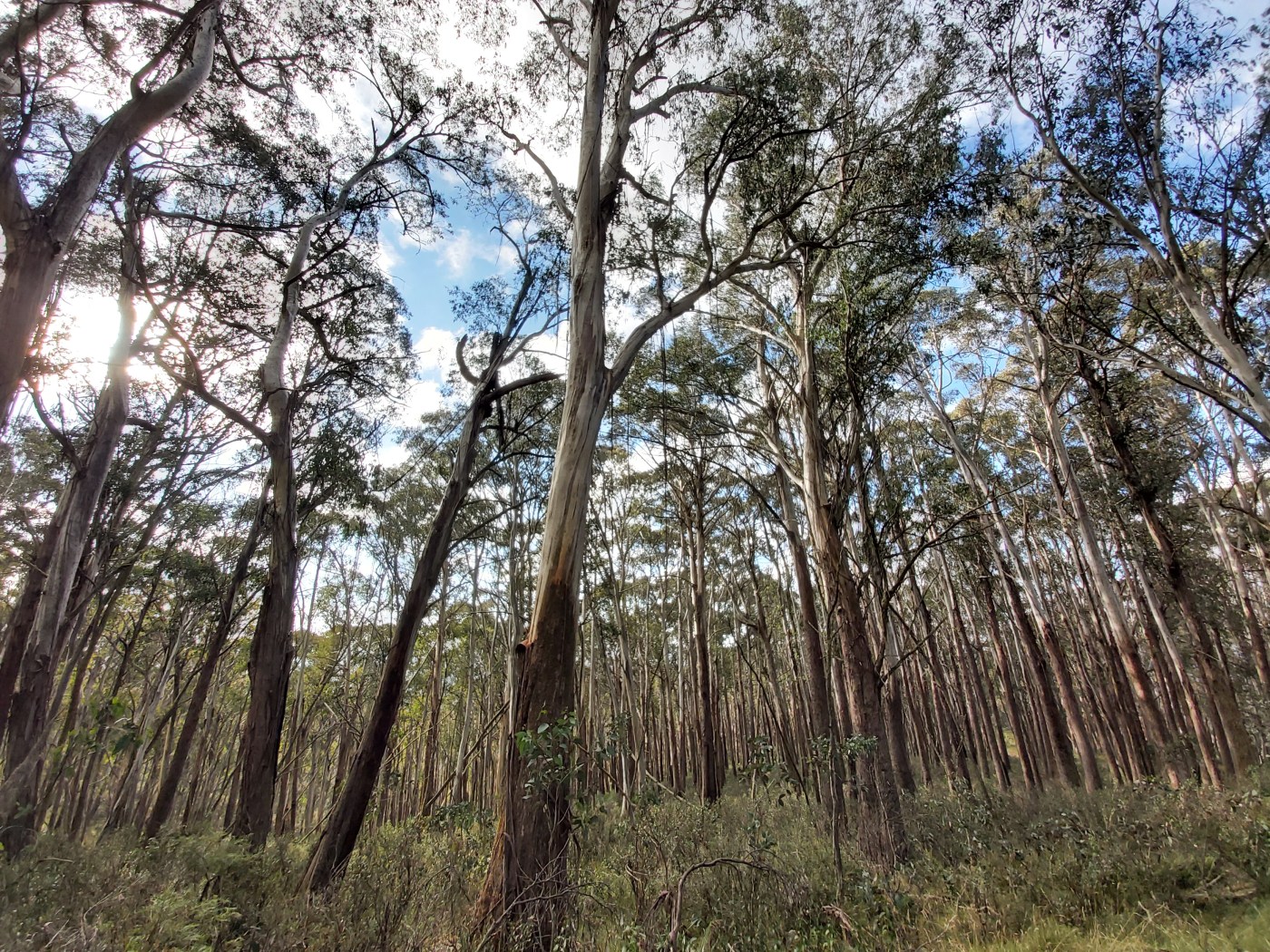
‘Ash forests’ – forest comprised of Mountain Ash, Alpine Ash, or sometimes both – are some of the most iconic forest types in Victoria, or even the world. Covering around 500,000 ha of Victoria and stretching from the Otways to the north-eastern boundary with NSW, few who spend time in these forests – like driving along the Black Spur north-east of Melbourne – are left unimpressed by these tall trees. They are also home to species like the Leadbeater’s Possum and Greater Glider.

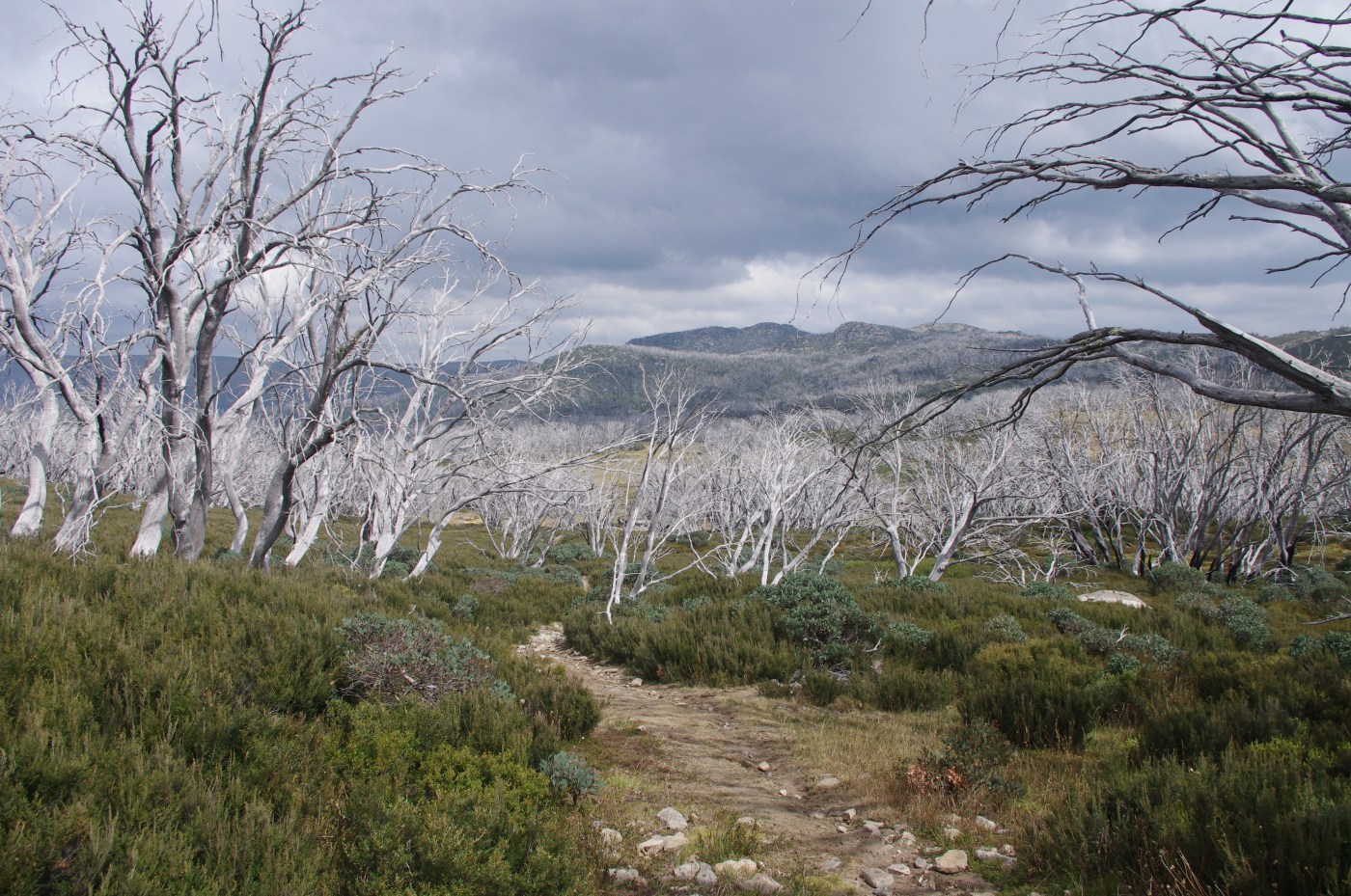
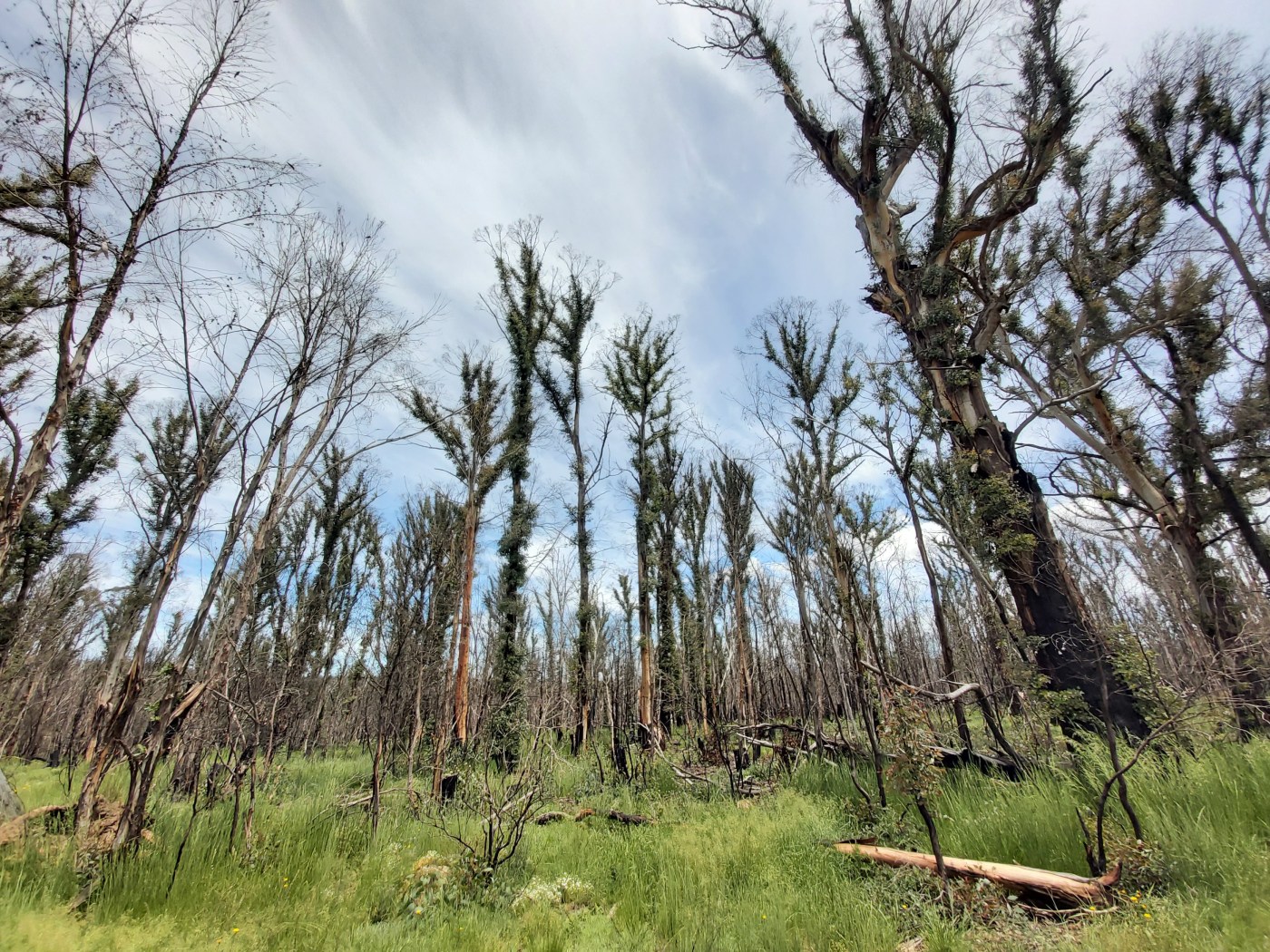
These forests have a complex relationship with fire: these forests can live with some fire – but not too much. Scientifically known as ‘obligate seeders’, after severe bushfire, ash forests are killed, but prolifically regenerates from canopy stored seed. The important point here is that these slowly regenerating forests cannot produce seed for 20 years after they regenerate from fire. This means they are highly vulnerable to shortened fire intervals – the exact challenge that land managers in Victoria are facing with climate change.

Once a mountain ash or alpine ash forest has burnt numerous times, it may eventually fail to regenerate, which can lead to population collapse and a change of ecosystem type. This sounds simple, but ecologically, this is dramatic. A tall forest – high in carbon stocks and habitat – changes rapidly to a short shrubland or grassland.

Continue reading “The Ash Forest Restoration Project”

The elephant in the room

The Pacific Crest Trail (PCT) is a 4,200 kilometre track that runs from Mexico to Canada. Since Cheryl Strayed published her bestselling book about hiking the PCT, Wild (adapted into a movie starring Reese Witherspoon in 2014), it has become arguably the world’s best known long distance walking track. The dream of doing a long long walk through wild terrain is a dream for many people.

However:

‘Wildfires now regularly close vast sections of the trail in the late summer, and water sources in the desert and high Sierras are drying up, making remote regions virtually impassable. Hiking the trail end-to-end in one year, a bucket-list item for many long-distance backpackers, is now “almost impossible” due to climate change.’

There are many reports that numbers of walkers are down due to the current season and there being too much snow in long sections of the higher mountain areas of the route.

Wherever we are, whatever mountain range we are in, the reality of climate change gets ever harder to ignore.

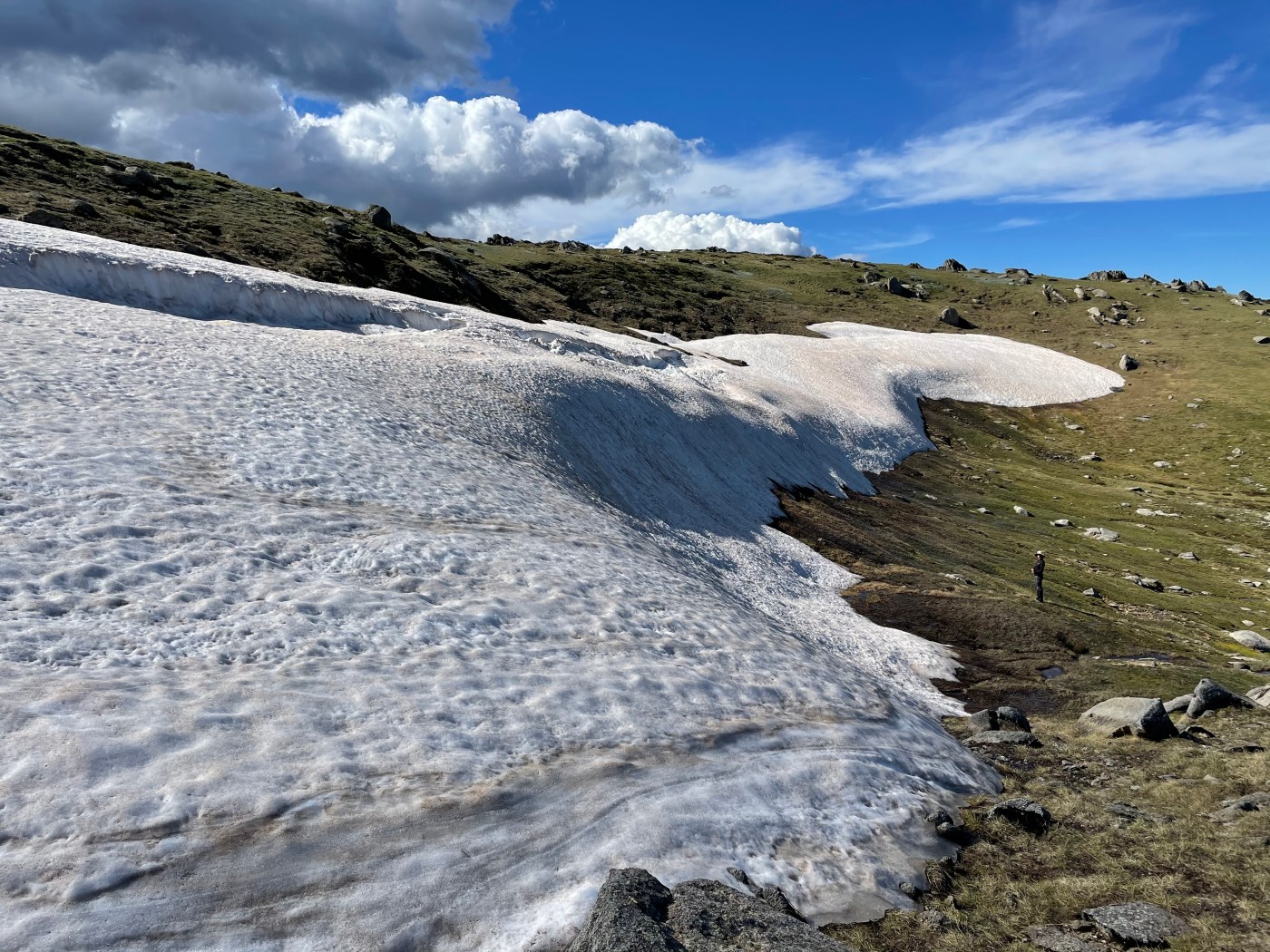
Here is Australia, we have a different problem: lack of snow.

Continue reading “The elephant in the room”

VIC backcountry festival powers ahead despite low snow

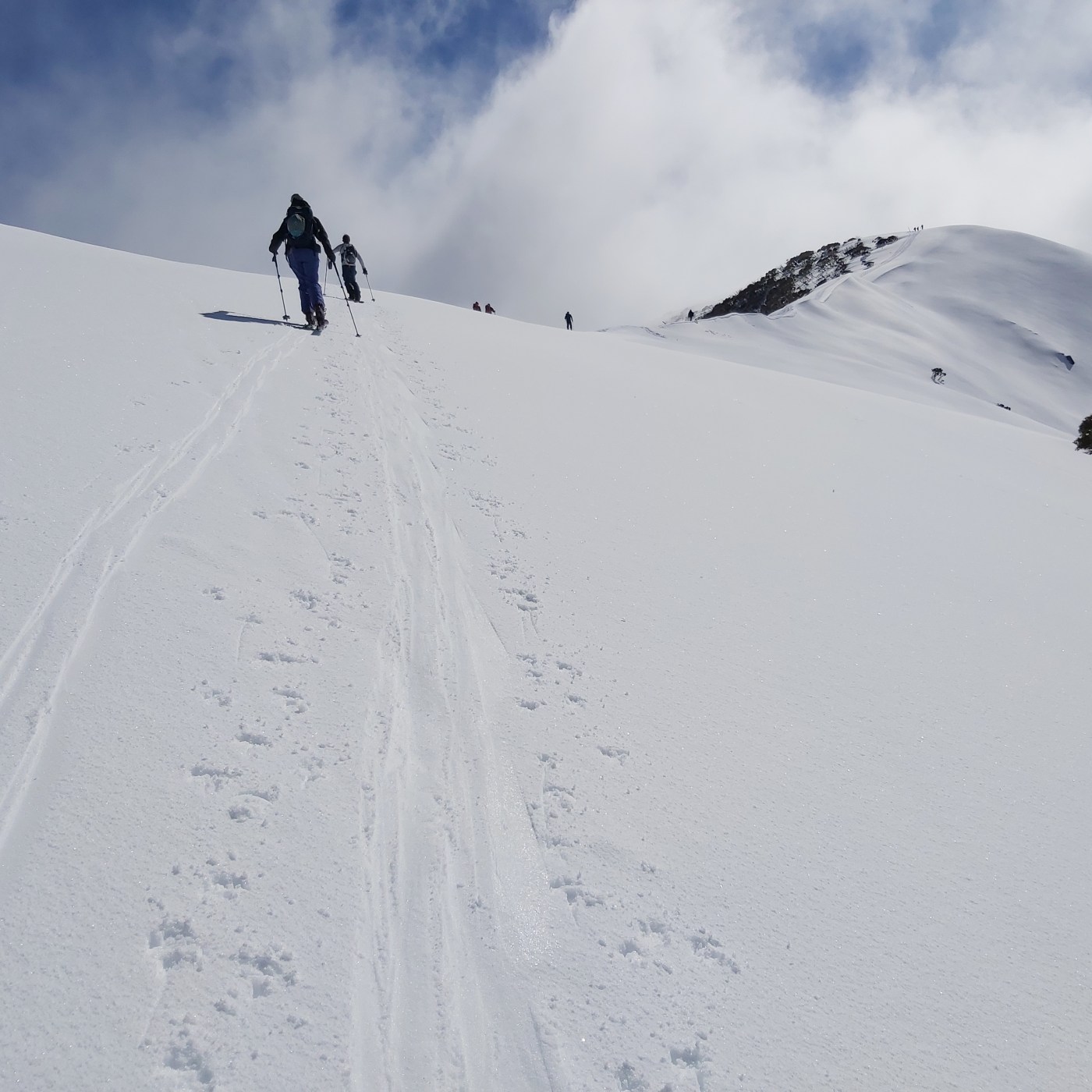
Despite sad snow conditions, the 6th Victorian backcountry festival will happen over three days in early September.

It will happen in and around the Mt Hotham resort, with all the usual components of the festival that we love – the tours, workshops, repair café, demo village, speakers program and outdoor bar. This year we have two festival hubs – The General, plus the Last Run Bar.

Please register for the festival here (you need to register to be able to book tours). Check below for full details.

Continue reading “VIC backcountry festival powers ahead despite low snow”

Save the Snowies!

The NSW government is one step away from allowing aerial control of feral horses in Kosciuszko National Park. After years of delay, and continued growth in horse populations, this is huge news and a crucial step for our threatened native wildlife and the fragile alpine ecosystems they call home.

Continue reading “Save the Snowies!”

Forum: Mobilising the outdoors community

The Victorian backcountry festival will be happening soon at Mt Hotham (September 1, 2, 3). Now in its 6th year, the festival offers tours, workshops, a demo village, ski in outdoor bar on a hilltop, repair cafe, avalanche safety courses, an opening night party, films and a speakers program.

You can register for the festival here. The full program will be posted on the backcountry festival home page shortly.

As part of the speakers program, there will be a great event at The General in Mt Hotham village, with presentations on how to turn concern for the mountains into meaningful action.

Continue reading “Forum: Mobilising the outdoors community”

Maisie Fawcett and her eternal legacy for Australian science

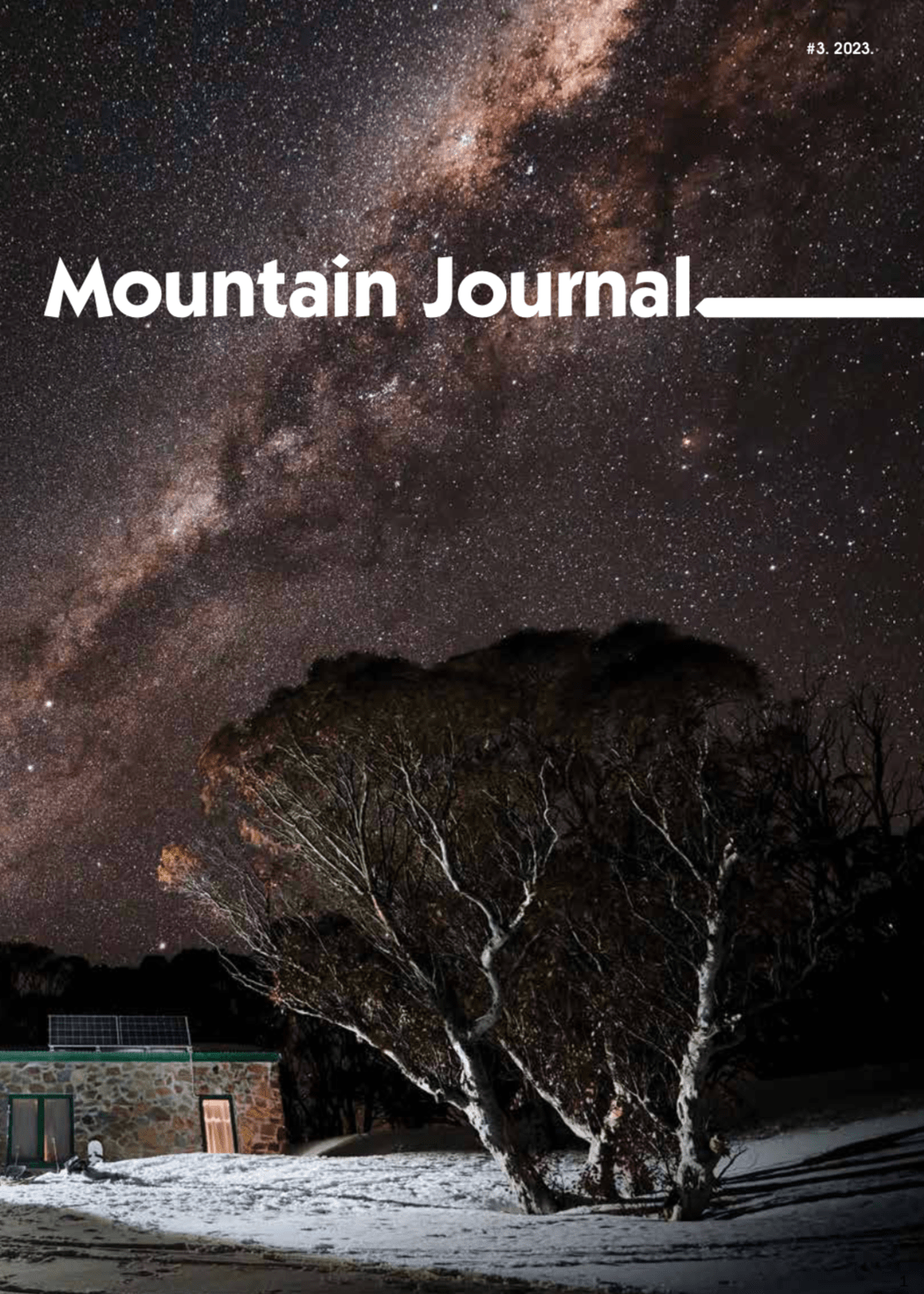
In the 2023 print edition of Mountain Journal (available as a pdf here), we acknowledged the legacy of Maisie Fawcett. Maisie was an ecological pioneer who is remembered for her ground breaking work in the Victorian high country. In this story from Karina Miotto, Latrobe University, Maisie’s legacy is considered in the broader context of her work as a woman operating in a time where society – and science – were heavily dominated by men.

A quiet achievement took place last summer in the Victorian Alps. Scientists gathered to re-measure botanical plots first set up more than 75 years ago by one of the pioneering women in science. This is the story of that woman.

Continue reading “Maisie Fawcett and her eternal legacy for Australian science”

Lower elevation resorts rapidly becoming non viable under climate change impacts

We know that climate change is reducing the overall amount of snow we receive in Australia. The snow pack has been in decline since at least 1957. We also know that the loss of snow is being felt especially at lower elevations.

This is certainly being experienced this winter, where places like Tasmania and lower resorts like Mt Selwyn have had almost no snow.

Continue reading “Lower elevation resorts rapidly becoming non viable under climate change impacts”

This is what climate change looks like

Australia has always experienced erratic weather and climate extremes. But, as demonstrated in this cartoon from National Oceanic and Atmospheric Administration (NOAA), human induced climate change is now ‘super charging’ those natural cycles.

So, when we get an El Nino pattern, it is hotter and drier than it would have been otherwise. Same with the wetter conditions that come with a La Nina event.

Continue reading “This is what climate change looks like”

Last minute logging still possible at Mt Stirling?

The announcement that native forest logging will end in eastern Victoria on January 1, 2024 is great news for the forests of the high country.

We wrote a brief piece explaining the implications of the announcement here.

As we noted in that story, this means the state will be spared another six years of intensive logging and allow us to start the generations long work of restoring a landscape that has been deeply impacted by intensive logging and repeat fires in recent decades.

However, significant areas of the high country are still included in an updated Timber Release Plan (TRP) which could be logged before the January 1 cutoff date.

We are watching a number of key areas, including Mt Stirling, the headwaters of the Little Dargo, and Mt Wills area to ensure that no last minute ‘cut and run’ logging occurs.

It is good to note that Alpine Resorts Victoria is saying that proposed logging at Mt Stirling ‘may not proceed given the cessation of logging by January 1, 2024’.

Screen Shot 2023-07-26 at 11.06.43 am

The road to the planned coupes on Mt Stirling will be closed until the end of winter. But if you are up in the mountains, please keep an eye open for any last minute logging. And let us know if you see anything: cam.walker@foe.org.au

There are details on our core areas of concern here.

Backcountry Festival early bird Registrations open

Now in it’s 6th year, the Victorian backcountry festival will happen at Mt Hotham again over the first weekend of September.

The three day event (September 1, 2, 3) features the normal program that we all love – guided tours, workshops, a speakers program, demo village, repair cafe, and the saki in outdoor bar on a mountain top.

The festival is 100% volunteer run and the committee is working hard to deliver another great event.

Registration for the festival is now open, with an early bird rate of $40 for the weekend. This covers basic and very important costs like insurance for the festival. Registering will mean you receive details of the tour program when it is announced. Registrations after July will be $50, so get in now and save.

You can register here.

https://events.humanitix.com/2023-victorian-backcountry-festival-early-bird-tickets


Post fire recovery of Pencil Pines at Lake Mackenzie

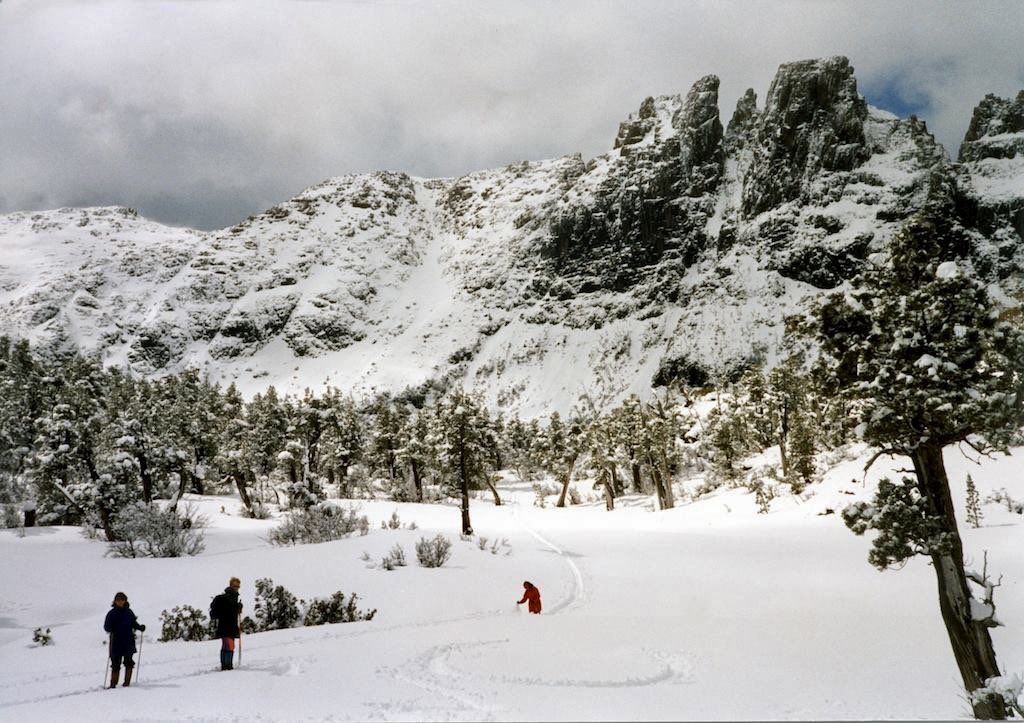
Back in 2016, lightning storms ignited a number of fires in central and western lutruwita/ Tasmania, which turned into large scale events that ‘threatened the core refugia of Gondwanan vegetation, particularly the largest stands of the endemic conifer Athrotaxis cupressoides’ (Pencil Pines). Pencil Pines are already limited to very small areas of Tasmania. Burnt Pencil Pines are unlikely to recover ‘given their slow growth, limited seedling establishment and projections of increased fire weather and lightning ignitions associated with drier soils.’

Although the climate of western Tasmania has not changed very much, as yet, as a result of global warming, the incidence of dry lightning strikes has increased markedly from last century to the present. Therefore these type of lightning caused fires are expected to increase. This could put the very survival of Pencil Pine communities at risk.

One of the fires that created greatest concern started near Lake Mackenzie, on the north western end of the Central Plateau. Significant areas of Pencil Pines were burnt.

With scattered groves of Pines burnt, and unlikely to recover without some form of intervention, what are our options?

Seven years on from the fires, research from the University of Tasmania, shows what is being done to assist recovery.

Continue reading “Post fire recovery of Pencil Pines at Lake Mackenzie”

New video celebrates alpine peatland protection

North East Victoria is home to more than 2,000 hectares of Alpine Peatlands, an endangered ecological community listed under the Environment Protection and Biodiversity Conservation Act (1999).

Alpine Peatlands, or Alpine Sphagnum Bogs and Associated Fens, are a priority ecological community for the North East Catchment Management Authority (CMA) supported through a five-year project to protect and enhance these unique environments.

This five-year, cross-regional project is coordinated by the Victorian Alpine Peatlands Project Coordinating Committee (VAPCC) and delivered in collaboration across three CMA regions (North East, East Gippsland and West Gippsland) with Parks Victoria. This project is funded by the Australian Government’s National Landcare Program.

Now a new video has been released at https://youtu.be/QmyxVs7lXHA, developed by North East CMA to mark completion of the Cross Regional Victorian Alpine Peatlands Protection Project. Partners in the video are Parks Victoria, East Gippsland CMA, West Gippsland CMA and Gunaikurnai Land and Waters Aboriginal Corporation.

Continue reading “New video celebrates alpine peatland protection”

Blog at WordPress.com.

Up ↑