Search

Mountain Journal

Environment, news, culture from the Australian Alps

Climate change overwhelms the benefits of prescribed burning

We know that climate change is making our fire seasons longer and more intense. This brings up a range of problems and questions, including the need to increase ground and air capacity to fight fire, how we sustain volunteer and career firefighters through longer summers, how we grapple with the chance that we will get less support from overseas in coming years, and how we manage our landscapes and live in forested areas in a way that allows us to minimise the impacts of fire.


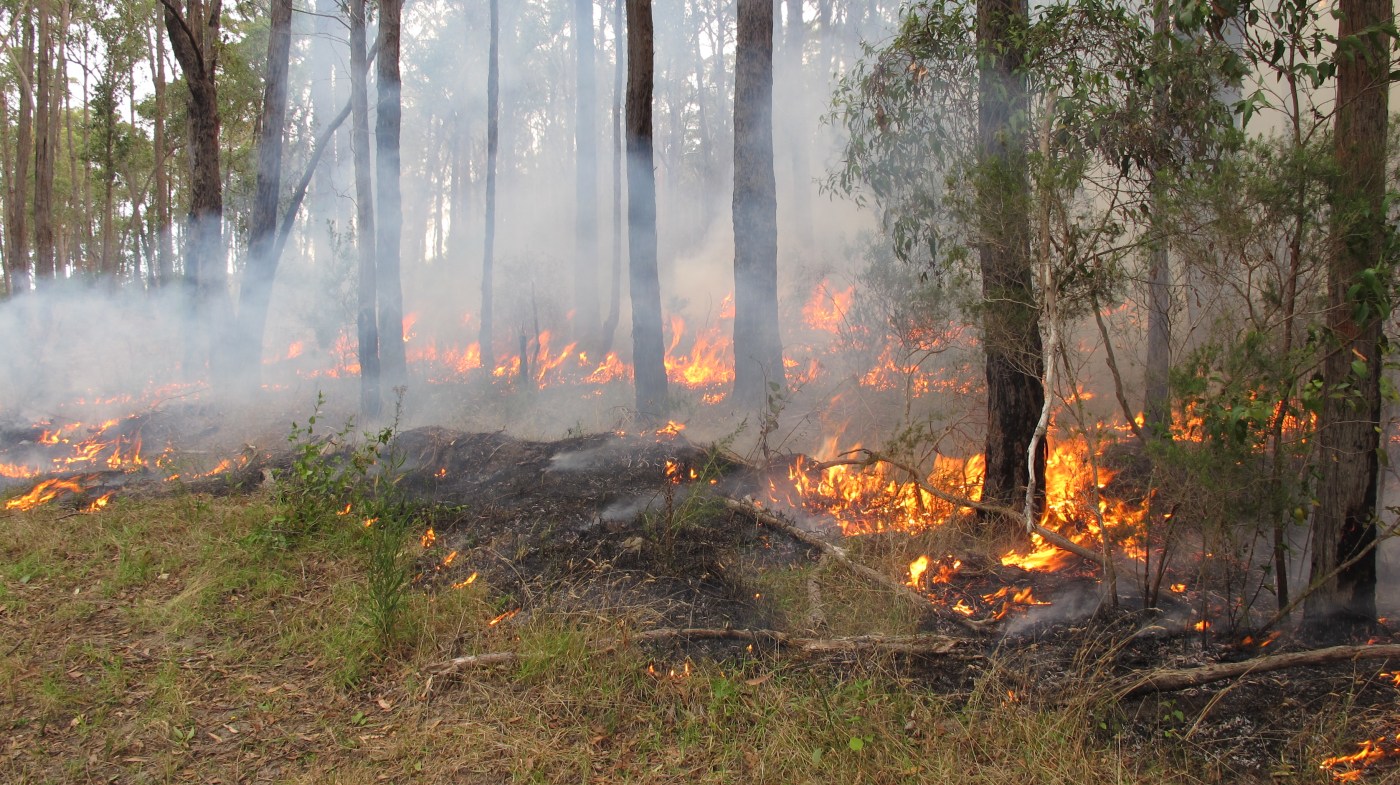
One of the tools we use to manage the intensity of fire is prescribed (or hazard or fuel reduction) burning. While Australia is a continent adapted to fire, there are ecological impacts, potentially both positive and negative, attached to fuel reduction operations.


New research says that the value of prescribed burning is declining as climate change drives more intense fire behaviour.

Continue reading “Climate change overwhelms the benefits of prescribed burning”
Falls to Hotham Crossing: Visual Impact Assessment released

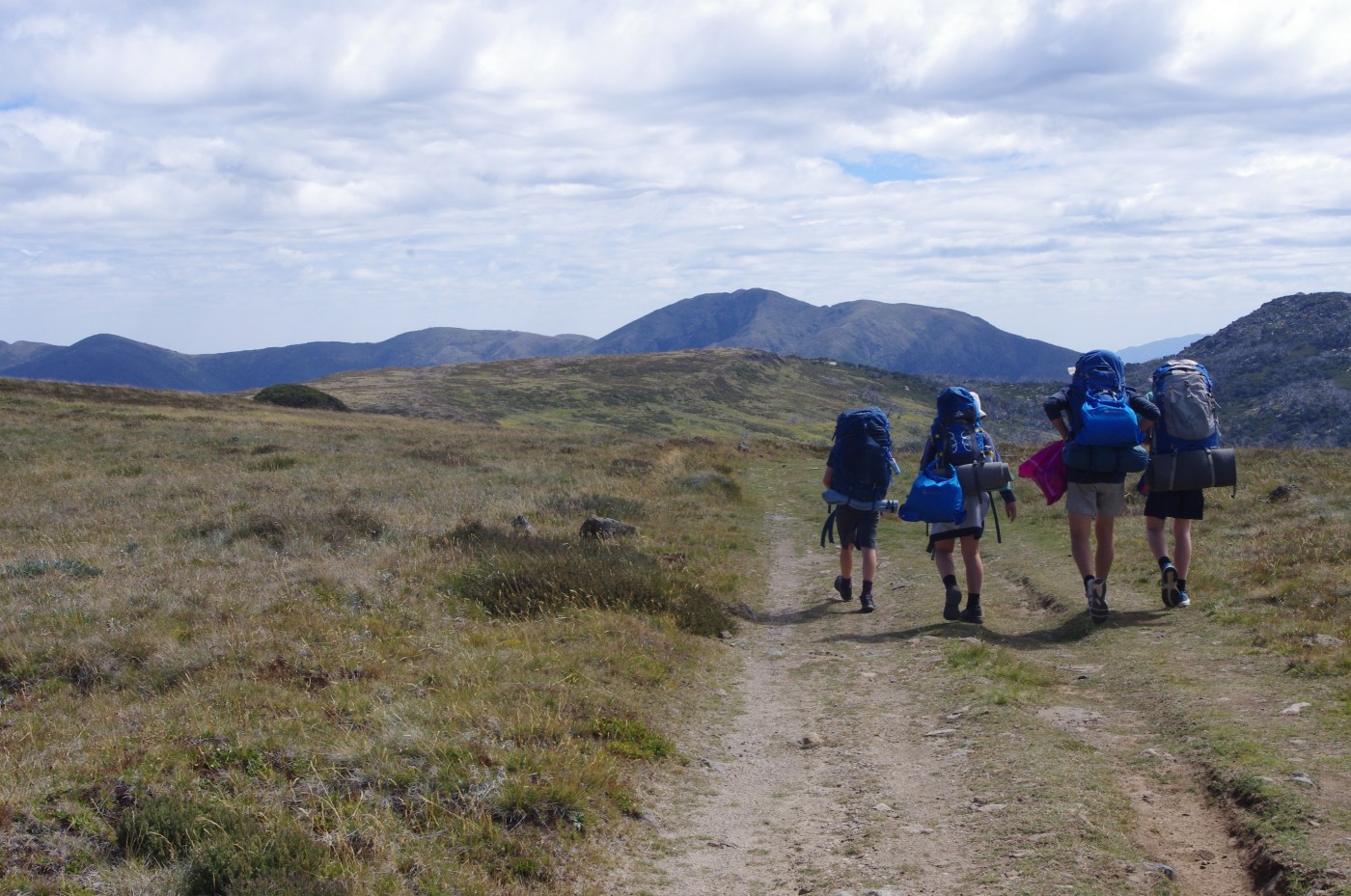
The Falls to Hotham Alpine Crossing is a popular 3 day walk across the Bogong High Plains. It has two designated campsites that you need to book. For many years the Victorian government has been pursuing the further development of the walk, with a diversion to Mt Feathertop. This would turn it into a five-day 57-kilometre walk. Many people have expressed concern that the proposal includes a commercial aspect, with four campsites with structures included as part of the plan, which would be run by a commercial operator. PV say that ‘walkers will still be able to camp in other locations along the track and complete the crossing for free if they don’t want to use the new overnight facilities’.

Community consultation was undertaken between 2016 and 2018 to create the Master Plan. Parks Victoria have just made two announcements about the project:

  • That K2LD Architects have been appointed to create designs for the project.
  • They have also released the Landscape and Visual Impact Assessment. PV say ‘This assessment is a detailed independent assessment of the visual impacts of the project on the landscape. In particular, it considers impacts of roofed accommodation’.

Continue reading “Falls to Hotham Crossing: Visual Impact Assessment released”

The elders among the devastation

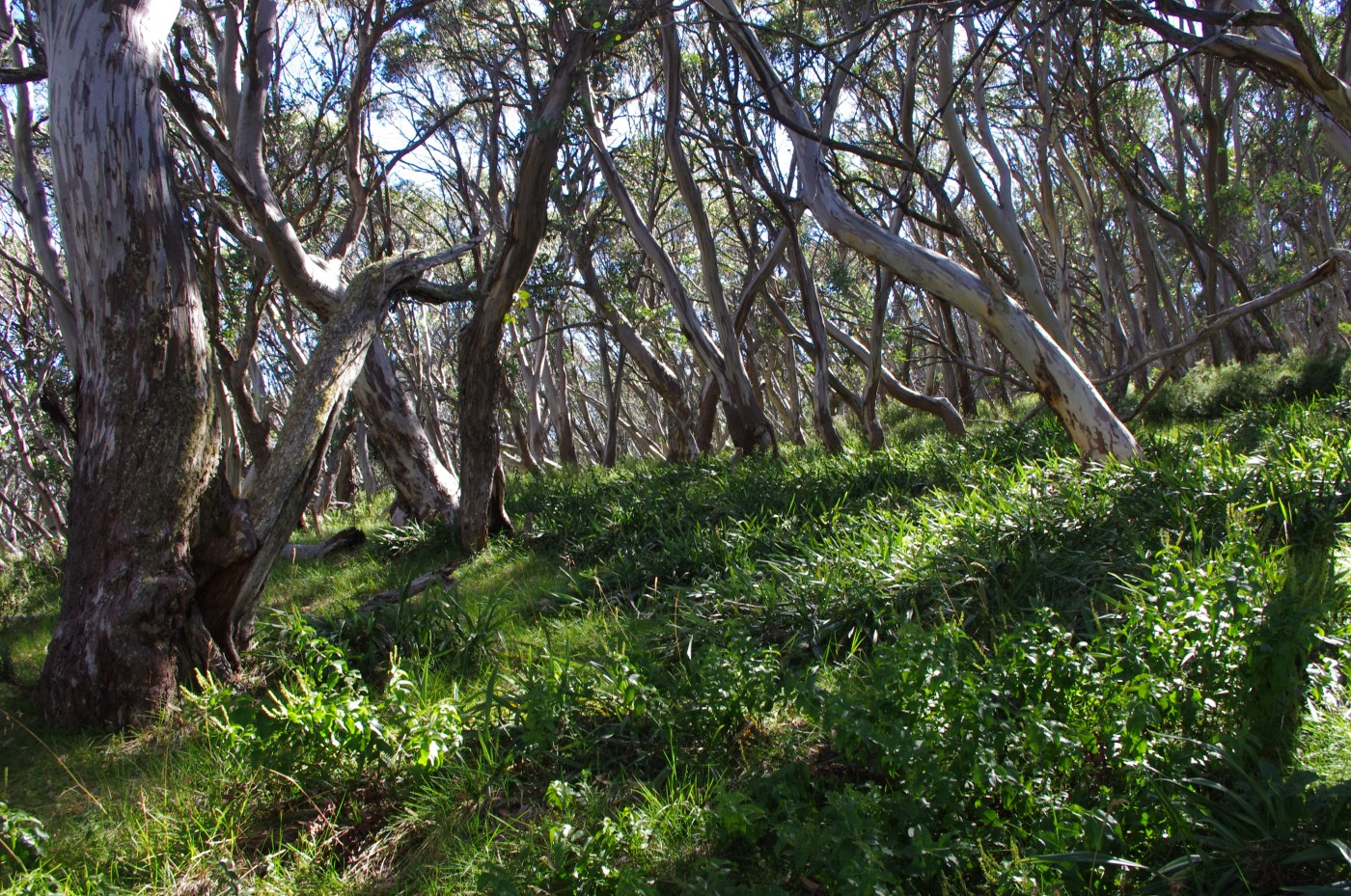
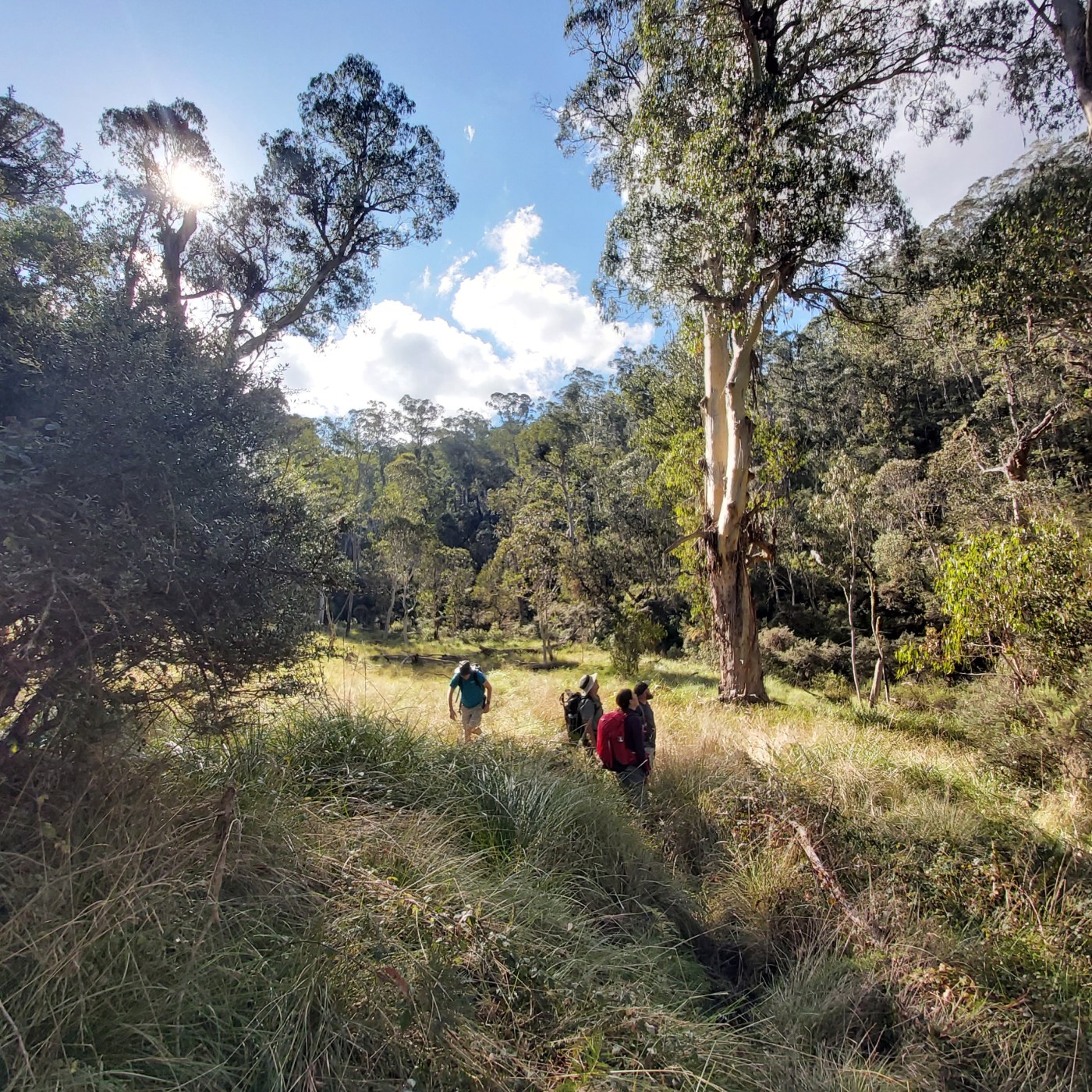
If you visit this website often you will be familiar with the depressing stories about the decline of the wonderful snow gum. Between dieback and more intense fire seasons, the iconic tree of the high country is in decline.

In recent decades, wildfire has been devastating huge areas of the Snow Gum forests, with significant fires in the Victorian High Country in 1998, 2002/3, 2006/7, 2013 and 2019/20. More than 90% of Snow Gum habitat has been burnt at least once in the last 20 years.

The species can survive fire. However, climate change driven fire seasons are leading to more frequent fire, which is causing more death of trees and changes to forest structure. In some instances, localised collapse of Snow Gum woodlands is now being observed. If you’re interested in the detail of this, check these articles.

But we still have a lot of amazing older and mixed age snow gum forests. And in the depressing reality of the 21st century, it’s good to celebrate and love the places that are still intact. Please share your favourite spots.

Continue reading “The elders among the devastation”

The literature of the high country

Barry Lopez was a wonderful author who focused on exploring the relationship between human cultures and nature. He passed away in 2020. His famous work Arctic Dreams was the first of his books that I discovered, and I have enjoyed his essays for many years. I am currently working through Embrace Fearlessly the Burning World, which was published shortly after he died. It is a luminescent collection of essays and one really stood out for me: Out West. He embarks on a long road trip to try and connect with the western plains of the USA. As he leaves, he loads up the many books that reflect on, or are based in, the areas he would be visiting. There are many famous names and books on the list, from Wallace Stegner, Ansel Adams to Cormac McCartney. He reflects on how history is recorded, how land and place is captured in literature and art, and how our understanding of the past shifts according to the dominant narratives of our time.

That, of course, got me thinking about the books I would have with me as I started a long road trip of our mountains. This is the start of a fairly Victorian-centric list.

Continue reading “The literature of the high country”

The Mountain Journal backstory

Mountain Journal started out in 2010. It was born out of an appreciation for the wonderful mountains that we have here in south eastern Australia and in lutruwita/ Tasmania. Inspired by the mountain culture of the Rocky Mountains and great magazines like Mountain Gazette, it eventually made it in to print (with two annual editions so far – 2021 and 2022).

Each autumn I write a reflection on the year that was. I’m always a bit shocked that another year has whizzed past and there are always lots of issues and campaigns to report on.

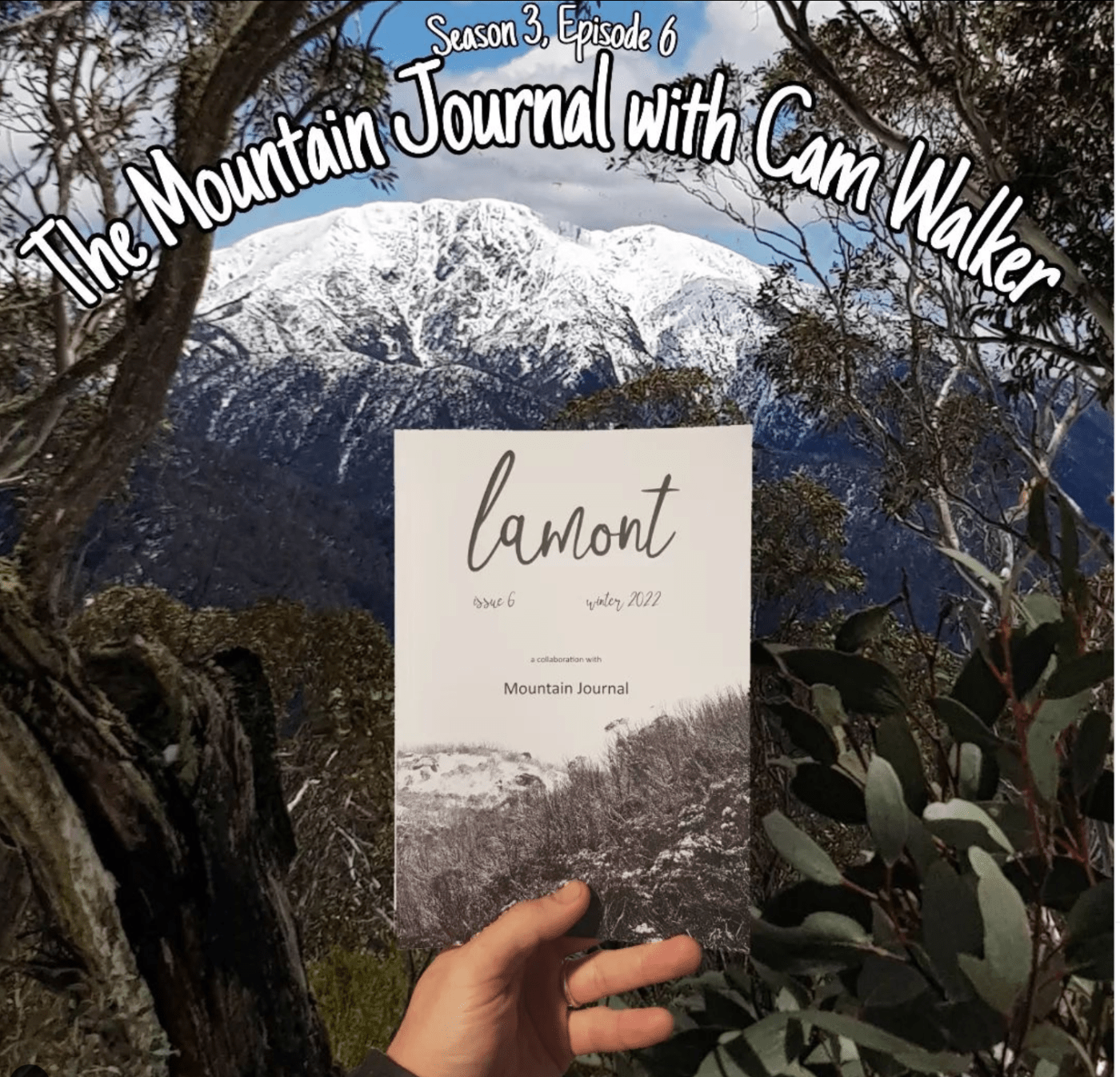
Recently I got a chance to talk with Rich and Morgs from the great local podcast Those Tele Guys, now in their third season. TTG ‘is a podcast made by a couple of telemark skiers from Downunder. The show will talk tele, investigate topical issues, share our love of Australian winters and have a good laugh’.

If you’re interested, you can find the chat here.

Is this what climate change looks like?

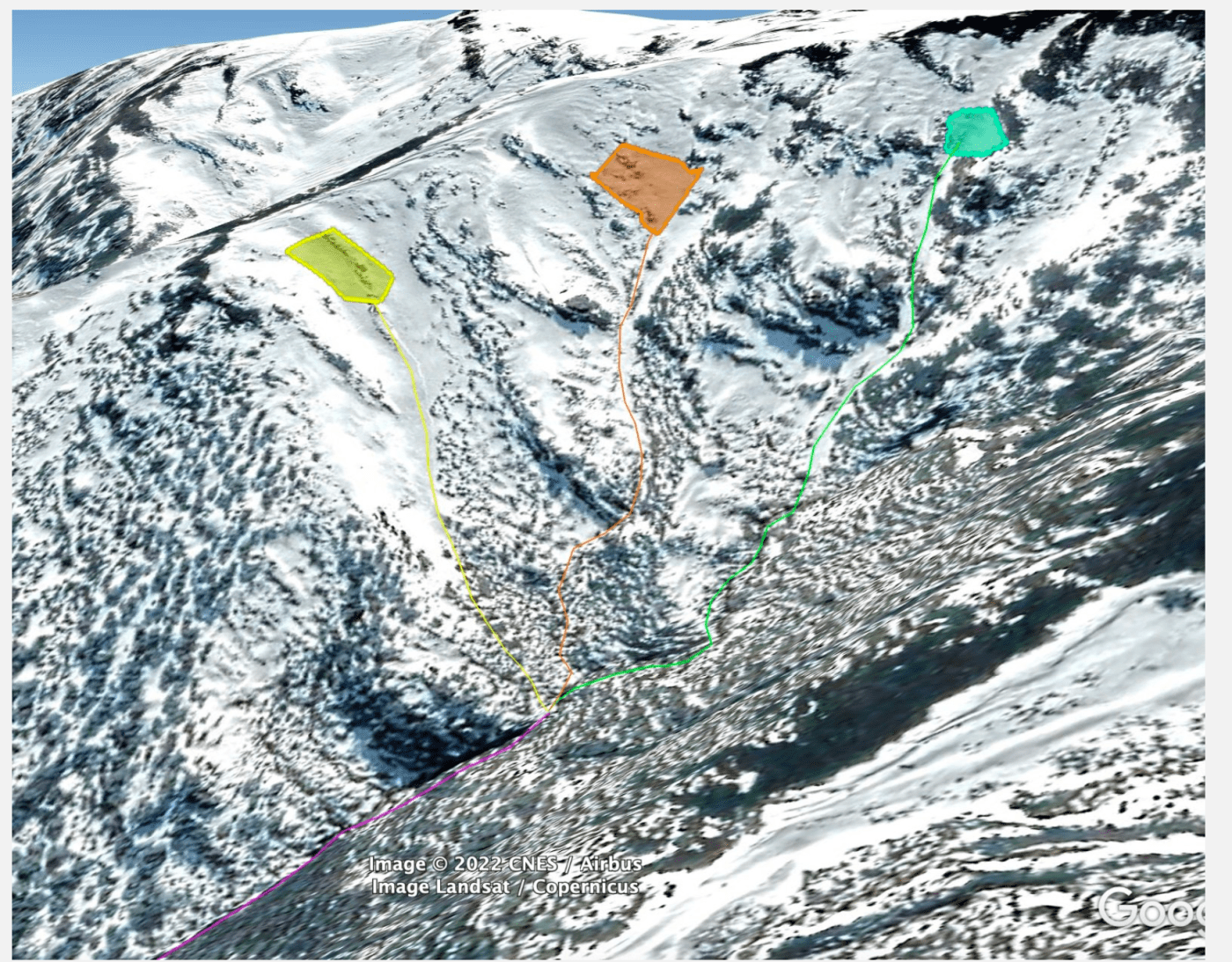
In recent days there have been several reports of large avalanches occurring on the western slopes of the Main Range of the Snowy Mountains, in places like Watsons Crag and the Sentinel Peak area. These highlight the risks of skiing and riding on these large and often steep slopes and act as a reminder that, yes, avalanches do occur in Australia.

They may also be pointing to something else. Is this part of the future of backcountry skiing and riding as climate change kicks in?

Continue reading “Is this what climate change looks like?”

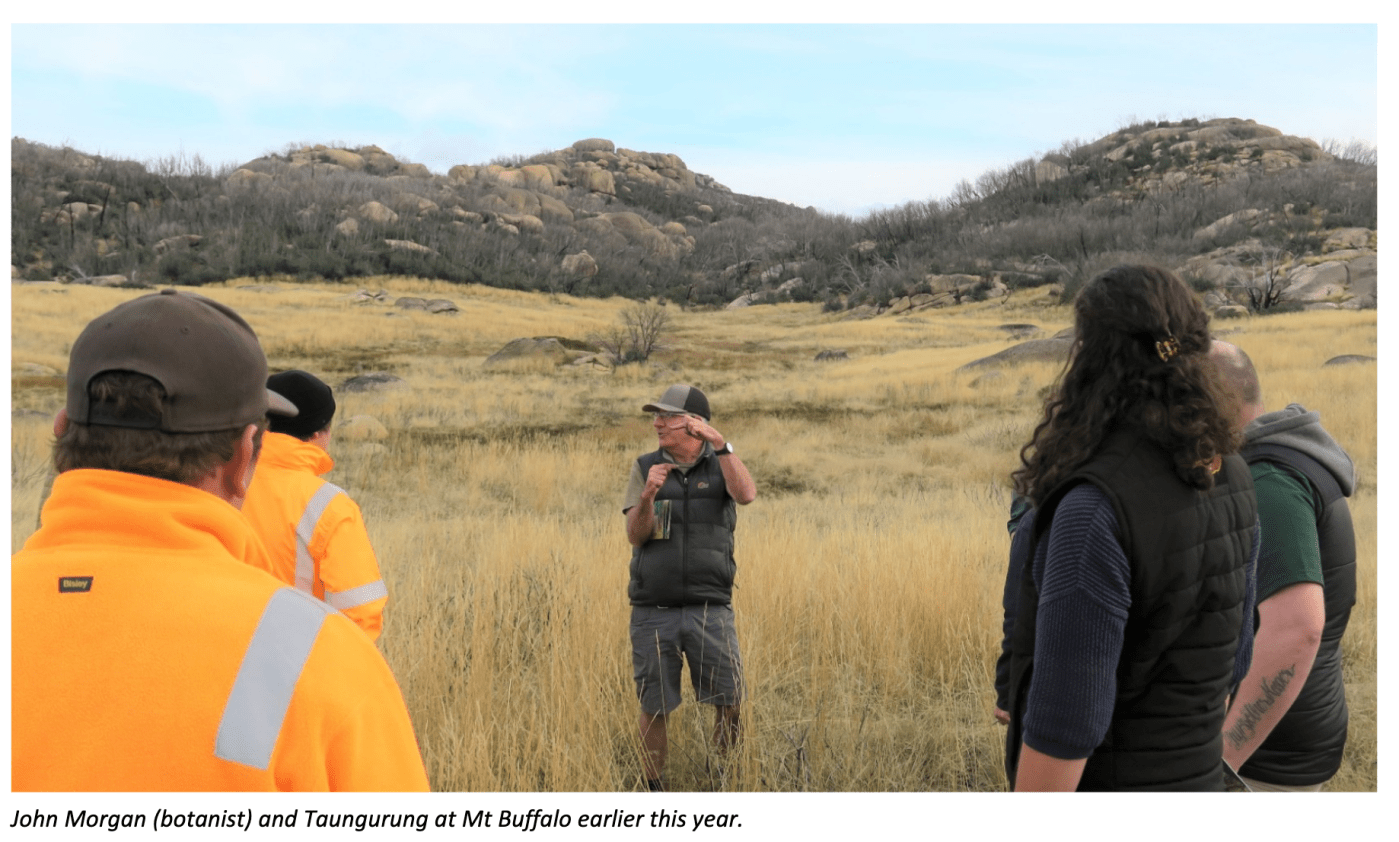
‘Working together to protect Taungurung country’

In 2018 the Victorian Government, the Taungurung Land and Waters Council Aboriginal Corporation (TLaWCAC), and the Taungurung Traditional Owner group signed a suite of agreements under the Traditional Owner Settlement Act 2010 (Vic), and related legislation.

The Recognition and Settlement Agreement has now come into effect. This means that ownership of nine Victorian parks and reserves, include Mt Buffalo National Park and a section of the Alpine National Park, and up to five surplus public land parcels have been transferred to the Taungurung Traditional Owner Group.

While members of other Aboriginal groups have also claimed native title in areas covered by the agreement and said they had been excluded from the agreement, Taungurung are currently increasing their involvement in a number of aspects of land management within the parks, including Buffalo national park.

Representatives of the Ngurai Illum Wurrung, Waywurru and Dhudhuroa people were among respondents who applied for a judicial review of the agreement process (details on that case available here).

The text below comes from North East Catchment Management Authority (CMA) and details recent activity on the Buffalo Plateau (original release available here).

Continue reading “‘Working together to protect Taungurung country’”

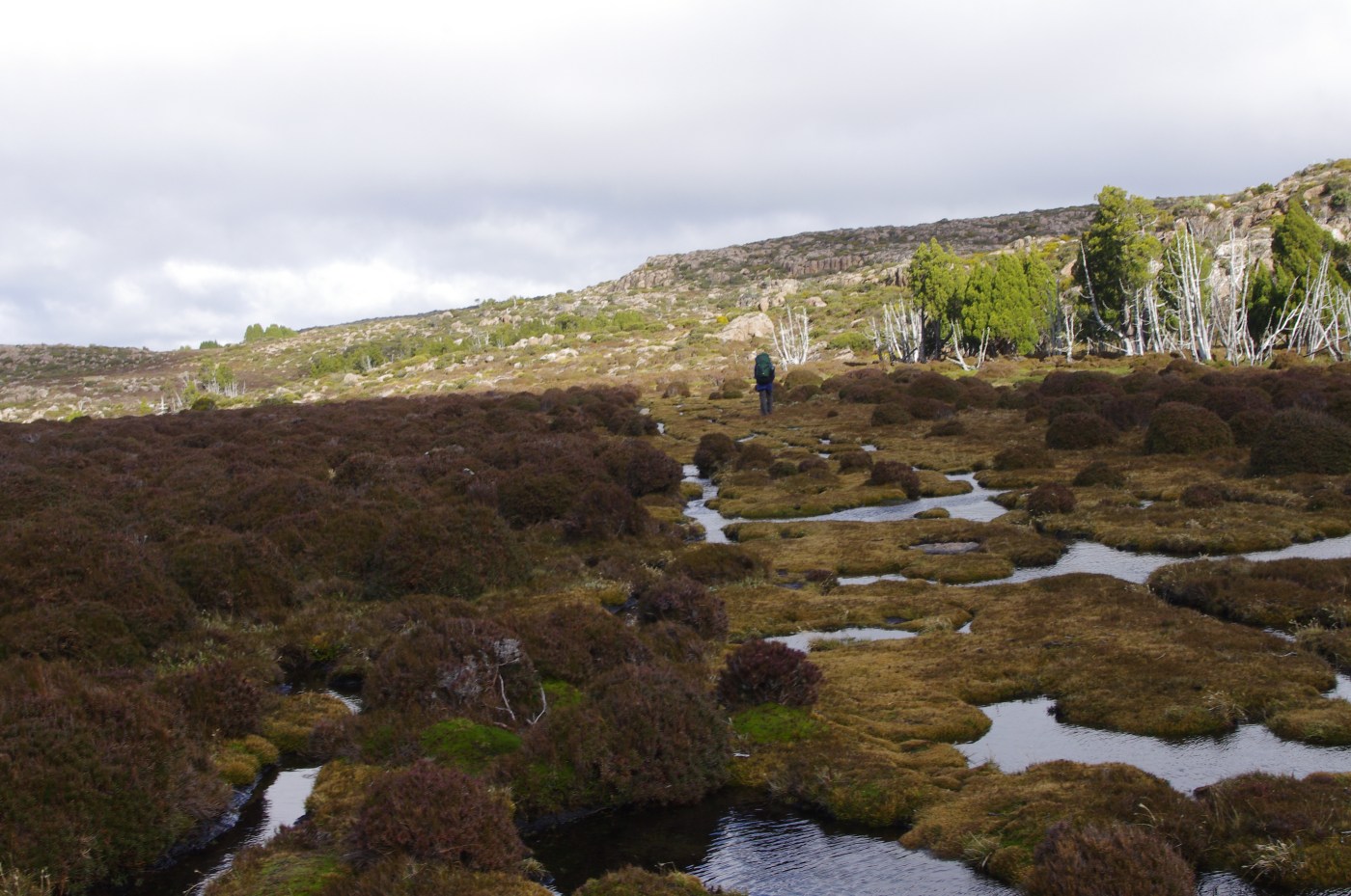
Tasmania’s south-west threatened by drought and fire

Mountain Journal has often reported on the threats to remnant ancient forests in lutruwita/ Tasmania. Vegetation that dates back to the time when Australia was a part of the Gondwana super continent remain in mountain and low land areas in the centre and west of the state, and are under threat from climate change driven fire regimes.

For instance, this story reports on the drying trend that has been noted in south western Tasmania which has seen a steady increase in bushfires ignited by lightning, threatening the survival of Tasmania’s Gondwanan legacy.

A recent story from Zoe Kean, published on the Tasmanian Inquirer website (available here) highlights the threats to these vegetation communities.

Continue reading “Tasmania’s south-west threatened by drought and fire”

This tax time can you support campaigns to protect our mountain environments?

Mountain Journal is one of my passions. Along with things like my involvement in the backcountry festival, Protect our Winters, and the Mt Hotham Dinner Plain CFA, there are many ways I try to share my love for the mountains. One of my other passions is my work as campaigns co-ordinator for environmental group Friends of the Earth (FoE). In the last few years FoE has started to do substantial work in support of mountain environments.

Continue reading “This tax time can you support campaigns to protect our mountain environments?”

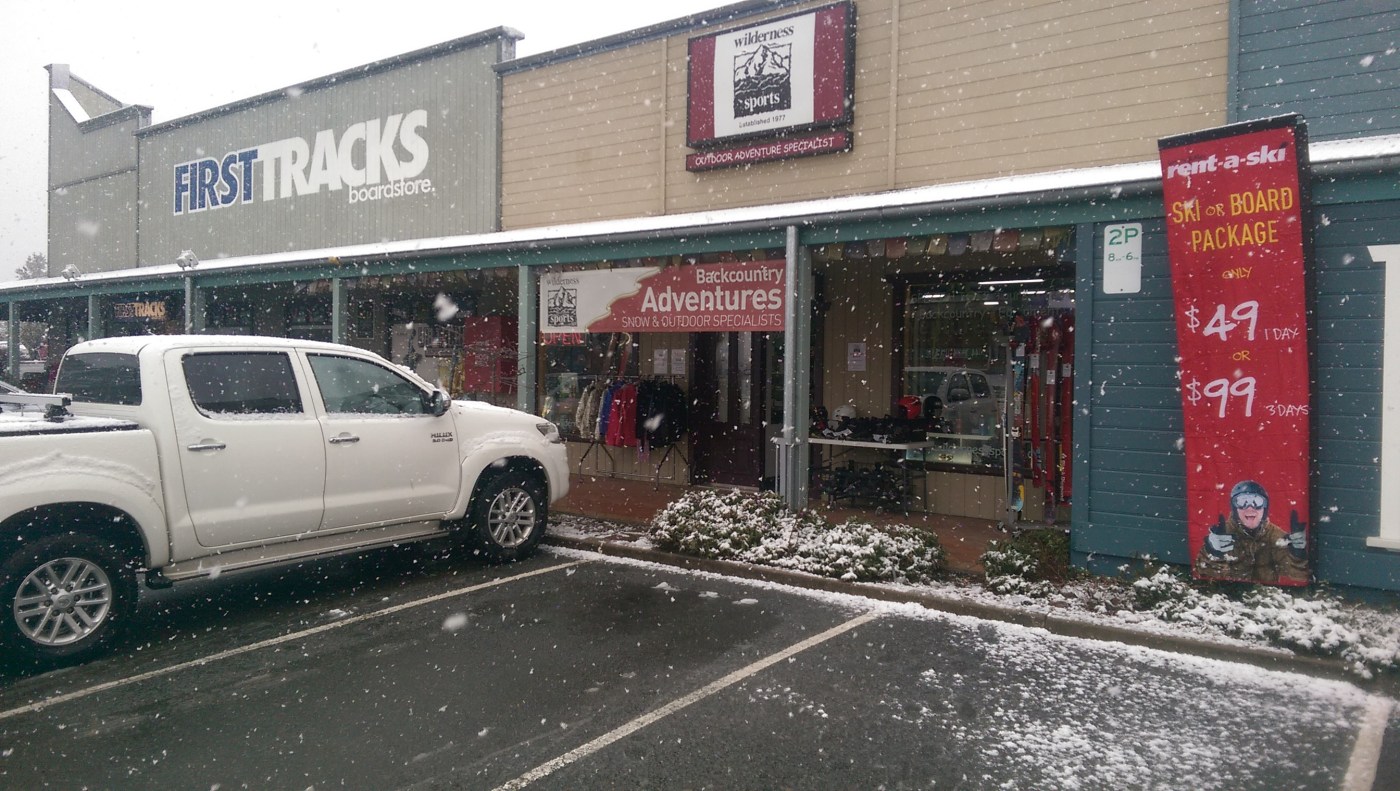
Local gear stores. If we don’t love them, we’ll lose them

Locally owned gear shops have long been a cornerstone of the outdoors community. But, faced with the rise in online shopping and the buying power and reach of large chain stores, it’s remarkable that there are still so many locally owned outdoor gear shops in and around the Australian Mountains.

Here are a few of them. If we don’t support them, we will lose them. And as we know, all these places offer local knowledge in a way that online stores can’t.

2023 note: this guide is a couple of years old. If you want to suggest any changes, please send me an email: cam.walker@foe.org.au

Continue reading “Local gear stores. If we don’t love them, we’ll lose them”

After two mild summers, burnt snow gum forests are recovering.

Over the past couple of years, various people have been tracking the localised loss of snow gums in the Victorian high country due to more frequent and intense fires. We know that snow gums are, like many Australian trees, fire adapted. But we also know that they enjoy a decent gap between fires and that with climate change already increasing the frequency and intensity of fires, that we are starting to see localised loss (‘collapse’) of these woodland communities.

Given my connection to the Mt Hotham/ Dinner Plain/ Dargo High Plains area, initial investigations started there. Sadly, there is no shortage of localised collapse in that area, where repeat fires have killed off both parent trees and seedling regrowth. But through advertising via Mountain Journal and the Snow Gum citizen science facebook page, we started to get reports from across the Victorian Alps, from Mt Clear in the ranges south west of Howitt to Mt Pinnibar, in the far north east of the state. Thanks to everyone who contributed content.

Having greater numbers of people looking has given a wider sense of where loss is happening. But it has also given us an understanding that, in many areas, the trees are now starting to come back.

This is wonderful news.

Continue reading “After two mild summers, burnt snow gum forests are recovering.”

After Opening Weekend – what next?

After an incredible start to winter, the Alps now have a solid base of snow across higher elevations. There has been some great falls in lutruwita/ Tasmania as well. Resorts have just had big opening weekends (the ‘best start in 22 years’ according to many sources), with some resorts in NSW experiencing partial closure of roads at peak times due to the number of people trying to get to the slopes. Even Ben Lomond in Tasmania had the lifts turning. The snow pack in the backcountry is starting to consolidate nicely.

Everywhere, accommodation was full, venues were cranking, and the slopes were full of people getting their snow legs back and enjoying the novelty of skiing and riding in June.

So what happens now?

Continue reading “After Opening Weekend – what next?”

Blog at WordPress.com.

Up ↑