Search

Mountain Journal

Environment, news, culture from the Australian Alps

Logging on the Dargo High Plains part of a much bigger problem

The state government logging agency, VicForests, intends to log a total of 11 “coupes”, or sections, of mature forest, dominated by Alpine Ash, in the headwaters of the Little Dargo River, an area of state forest that lies right next to the Alpine National Park. These coupes are located in a series of clusters, where separate sections of bush will be harvested, creating a large zone of cleared land over time. One coupe has already been logged. The remaining coupes have not yet been scheduled for harvesting, and are yet to be surveyed. There is still time to stop this ecological disaster – if we act now.

The Little Dargo is roughly 15 kilometres south of the Mt Hotham ski resort in the mountains of north eastern Victoria. Background on the logging can be found here.

Continue reading “Logging on the Dargo High Plains part of a much bigger problem”

Kooparoona Niara (Great Western Tiers) National Park Proposed

The most recent additions to the Tasmanian Wilderness World Heritage Area (TWWHA) in 2013 included thirty six thousand hectares of land previously allocated to forestry activities, a large number of small Regional Reserves and Conservation Areas, and some other tenures.

The state government is currently proposing that some (not all) of the forestry land be added to existing Regional Reserves and Conservation Areas. There is a chance for the community to provide input. The Tasmanian National Parks Association (TNPA) is calling on the state government to think big and establish the Kooparoona Niara (Great Western Tiers) National Park.

Continue reading “Kooparoona Niara (Great Western Tiers) National Park Proposed”

Fire, disaster, and the long road to recovery on the Toorongo plateau

If you’ve ever been to the Baw Baw ski village from Melbourne, you will have driven under the southern fall of the Toorongo Plateau. As you climb out of the Loch River valley into higher country around Icy Creek, a big bulky mountain looms over you. Heavily forested, the southern slopes of the plateau are impressive. The north side, hidden from view from the Baw Baw road, slopes gently away from the summit ridgeline towards the upper Yarra River valley. It is a ‘production’ forest, having been logged for many decades. It has also been hit by multiple fires, and this is some of the story of it’s recovery.

Continue reading “Fire, disaster, and the long road to recovery on the Toorongo plateau”

Parks Victoria releases feral horse action plan for comment

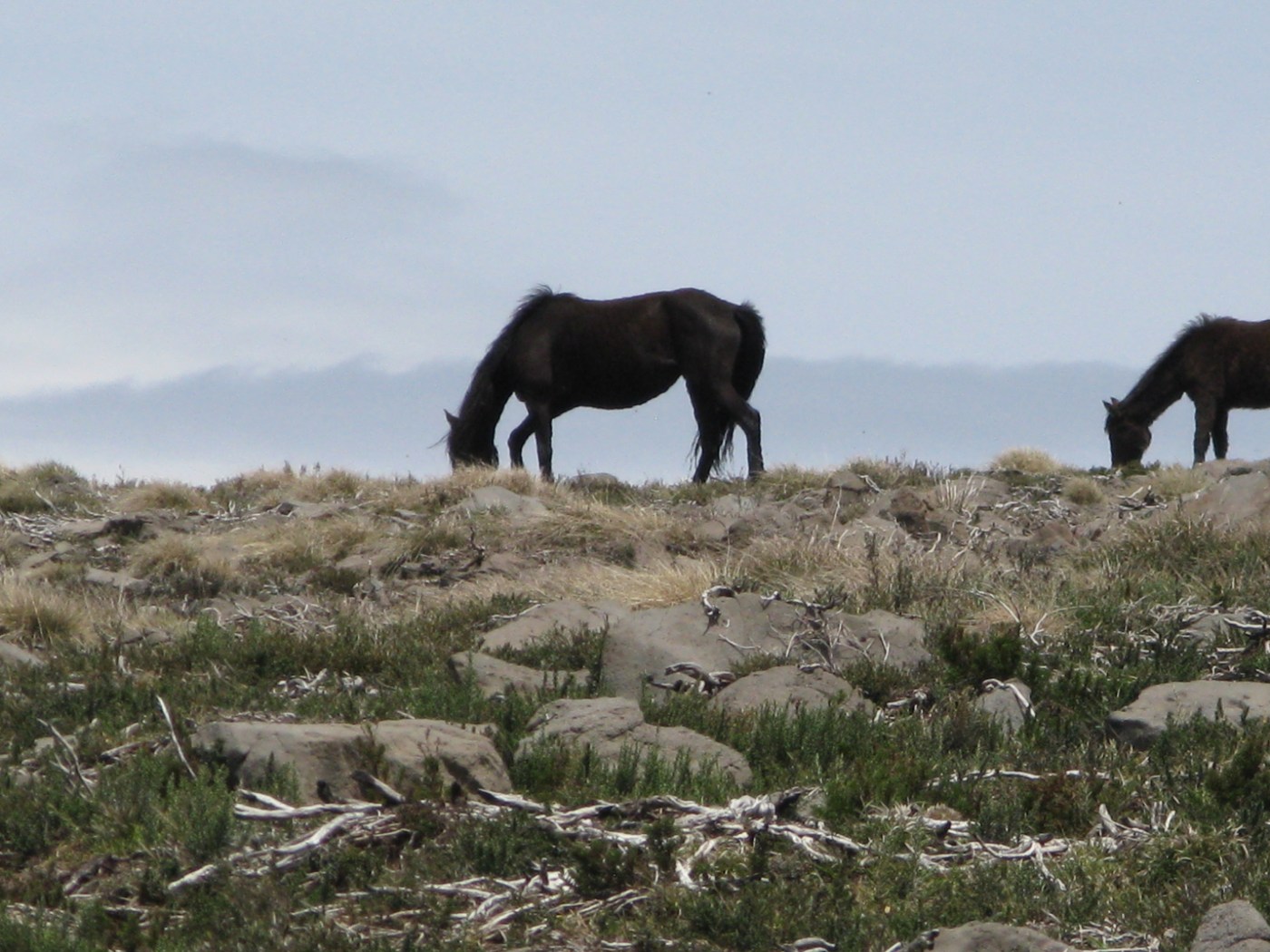
Parks Victoria (PV) have released an updated draft action plan outlining feral horse management intentions over the next ten years.

You have until Friday 23 April to provide comment on the plan.

Continue reading “Parks Victoria releases feral horse action plan for comment”

Across the Alps with Ferdinand von Mueller

Ferdinand von Mueller was Victoria’s first government botanist. He travelled extensively through the Australian Alps during the 1850s and collected more than 200 species of plants from the mountains, at least a. third of which had not been recorded before by Europeans.

I recently discovered an old report by Linden Gillbank, called Alpine Botanical Expeditions of Ferdinand Mueller (1991) and available here on the Royal Botanic Gardens website, which gives a fascinating insight into the mountains in the mid 19th century. As Linden notes, his letters and reports are very light on in terms of describing the routes he took and the people he travelled with, however they provide some beautiful descriptions of mountain landscapes and flora.

Continue reading “Across the Alps with Ferdinand von Mueller”

Are we losing the Snow Gum?

Today is National Eucalypt Day. #NationalEucalyptDay.

There are more than 700 species of this tree, which are found in, and often dominate, most ecosystems across the continent. Most species of Eucalyptus are native to Australia. Many of them are under threat, from over clearing, over burning and climate change. One of those at risk is the Snow Gum, the ubiquitous tree of the mountains in the south east corner of the country.

Continue reading “Are we losing the Snow Gum?”

Victoria’s alpine resort management boards to be merged into Alpine Resorts Victoria

The Andrews government has announced the establishment of a new management structure for Victoria’s alpine resorts.

Alpine Resorts Victoria – set to start work by July 2022 – is intended to ‘make Alpine Boards more efficient’. It will be created by merging Victoria’s four alpine resort management boards, and will govern Falls Creek, Mt Hotham, Mt Buller, Mt Stirling, Lake Mountain and Mt Baw Baw resorts.

Continue reading “Victoria’s alpine resort management boards to be merged into Alpine Resorts Victoria”

Backcountry festival 2021 screening as a virtual event

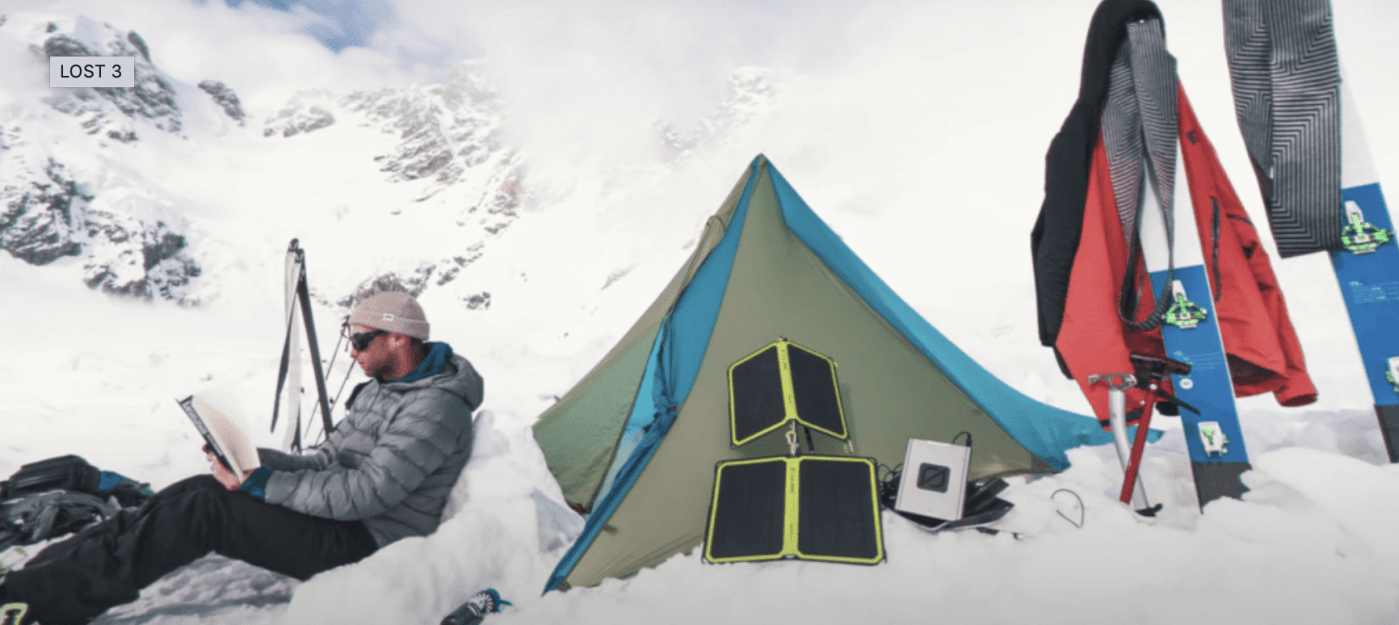
The Backcountry Film Festival is back for 2021! This annual, pre winter event features a range of backcountry and winter related films.

Because of the difficulty of finding a low cost, large venue in a time of covid restrictions, this year we are running it as a virtual screening.

Please join us for the 2021 screenings.

Continue reading “Backcountry festival 2021 screening as a virtual event”

Tracking Snow Gum decline

Alpine Ash is a quintessential tree of the higher foothill country of the Australian Alps. It is facing an existential threat from fire. It has had 84% of it’s range burnt since 2002. Fires have burnt 84% of the bioregion’s 355,727 hectares of alpine ash forest, with 65% burnt in 2002/03 in the north of the Alps, 30% burnt in 2006/2007 in the south, and a smaller area (2%) burnt in 2009. Four per cent of the forest area was burnt twice within five years. And last summer, additional areas were burnt in the east of the state. This has led to scientists warning that large sections of Alpine Ash forests are on the verge of collapse.

Snow gums are the classic alpine tree of the mainland, generally growing at heights between 1,300 and 1,800 metres asl. But wildfire has also been devastating large swathes of snow gum habitat, with significant fires in the Victorian High Country in 1998, 2002/3, 2006/7 and 2013. Much of Kosciuszko National Park was burnt in 2003. South Eastern Australia suffered from a drought that lasted more than a decade and this greatly increased the severity of the fires that have occurred since the turn of the 21st century. The result of the fires is that often the parent tree has been killed back to ground level, with subsequent re-shooting of leaves from lignotuber buds under the bark. In this way, individual trees can exist through various ‘lives’, often surviving multiple fires.

The Victorian government is now so concerned about the threat of fire on Alpine Ash communities that it has launched a seeding program to help the species survive.

As yet the government does not see the need to intervene in the same way with Snow Gums.

Continue reading “Tracking Snow Gum decline”

The Tabletop fire 14 months on

I’ve been back for another look at the Tabletop fire, which was started by a lightning strike on December 31, 2019. It went on to become an enormous blaze that threatened the village of Dinner Plain twice, and many houses in the Cobungra area. It also had significant ecological impacts, burning large areas that had been burnt previously, compounding the damage caused by earlier fires.

The most noticeable thing after a summer of growth (the last visit was pre summer – scroll down for images from November) was the incredible fields of tall grasses that now cover much of the burnt area. The growth has transformed the forest, and while it is lovely to look at, it hides the potential transformation of some of these forests away from snow gums to something else which is currently underway.

This is an update on my last visit in November 2020. The story is here.

Taungurung Indigenous Land Use Agreement in ‘Limbo’

An Indigenous Land Use Agreement (ILUA) between Taungurung Land and Waters Council and the State Government is in ‘legal limbo’ after the Federal Court found it was registered incorrectly.

The land use agreement was finalised in October 2018 as part of a broader settlement agreement largely under the auspices Victoria’s Traditional Owner Settlement Act 2010. The settlement agreement formally recognised the Taungurung people as the traditional owners of more than 20,000 square kilometres of land in north central Victoria from Kyneton in the west to Bright in the east. The agreement includes a number of national parks, including sections of the Alpine National Park and Buffalo National Park.

Federal Court proceedings concluded earlier this month, with Justice Debra Mortimer finding errors in the way the agreement was registered with the National Native Title Tribunal.

It is not yet clear whether this will impact on the agreements regarding the Alpine national parks.

Continue reading “Taungurung Indigenous Land Use Agreement in ‘Limbo’”

‘A dire wake-up call’

Leading scientists working across Australia and Antarctica have described 19 ecosystems that are collapsing due to the impact of humans and warned urgent action is required to prevent their complete loss.

groundbreaking report – the result of work by 38 scientists from 29 universities and government agencies – details the degradation of coral reefs, arid outback deserts, tropical savanna, the waterways of the Murray-Darling Basin, mangroves in the Gulf of Carpentaria, and forests stretching from the rainforests of the far north to Gondwana-era conifers in Tasmania.

The scientists recommended a new framework to try to prevent ecosystems collapsing completely that they called the “3As”. It would require a greater awareness of the value of ecosystems, better planning to anticipate risks and rapid action to reduce them.

The report is titled Combating ecosystem collapse from the tropics to the Antarctic.

What does this mean for mountain environments?

Continue reading “‘A dire wake-up call’”

Blog at WordPress.com.

Up ↑