Search

Mountain Journal

Environment, news, culture from the Australian Alps

How to make a submission to the Inquiry into Victoria’s fires

On 14 January 2020 the Andrews government announced an independent inquiry into the 2019-2020 Victorian fire season would be conducted by the Inspector-General for Emergency Management (IGEM).

Through this Inquiry, IGEM will ‘examine Victoria’s preparedness for the fire season, response to fires in large parts of Victoria’s North East, Gippsland, and Alpine regions, and will review relief and recovery efforts’.

There is still time to make a submission to this process.

Continue reading “How to make a submission to the Inquiry into Victoria’s fires”

Work starts on Snowy Hydro 2.0 ‘Segment Factory’

Back in 2017, the Federal Government announced a feasibility study into the possible expansion to the Snowy Hydro Scheme in the Snowy Mountains of NSW (‘Snowy Hydro 2.0’).  It was billed as being a circuit breaker in the ‘fossil fuels vs renewables’ energy debate because it would be renewable energy that will provide baseload capacity. The project would greatly enhance the pumped hydro capacity of the existing hydro scheme, meaning that water can be used multiple times to produce electricity.

While some environmentalists gave in principle support to the project, many wanted to see the details on what the physical environmental impacts of the project would be. Since then, as the environmental impacts of the project became more obvious, the movement became increasingly opposed.

Recently, a group of energy experts called on the state and federal governments to stop work on the Snowy Hydro 2.0 project.

It has also been reported that the next stage of the Snowy Hydro 2.0 expansion has been given the green light, with approval for construction of the project’s ‘Segment Factory’.

Work has now started on the facility: Snowy Hydro has already started clearing native bushland for the construction site at Lobs Hole in the heart of Kosciuszko National Park.

The NSW National Parks Association says ‘This is just the beginning. Snowy 2.0 will permanently destroy 1000’s of hectares of Kosciuszko, and dump 20 million tonnes of contaminated tunnel spoil, the equivalent of covering Sydney Harbour Bridge and its surrounds’.

The NSW Minister Planning, Rob Stokes, and NSW Minister for the Environment and Energy Matt Kean is expected to make their final decision on approvals for the project ‘any day’.

Check here for additional information on the project from the NSW National Parks Association (NSW NPA).

Take Action

The NSW NPA is asking people to send a letter to the NSW government urging them to not sign off on final environmental approvals.


Reseeding the Alpine Ash and Mountain Ash forests

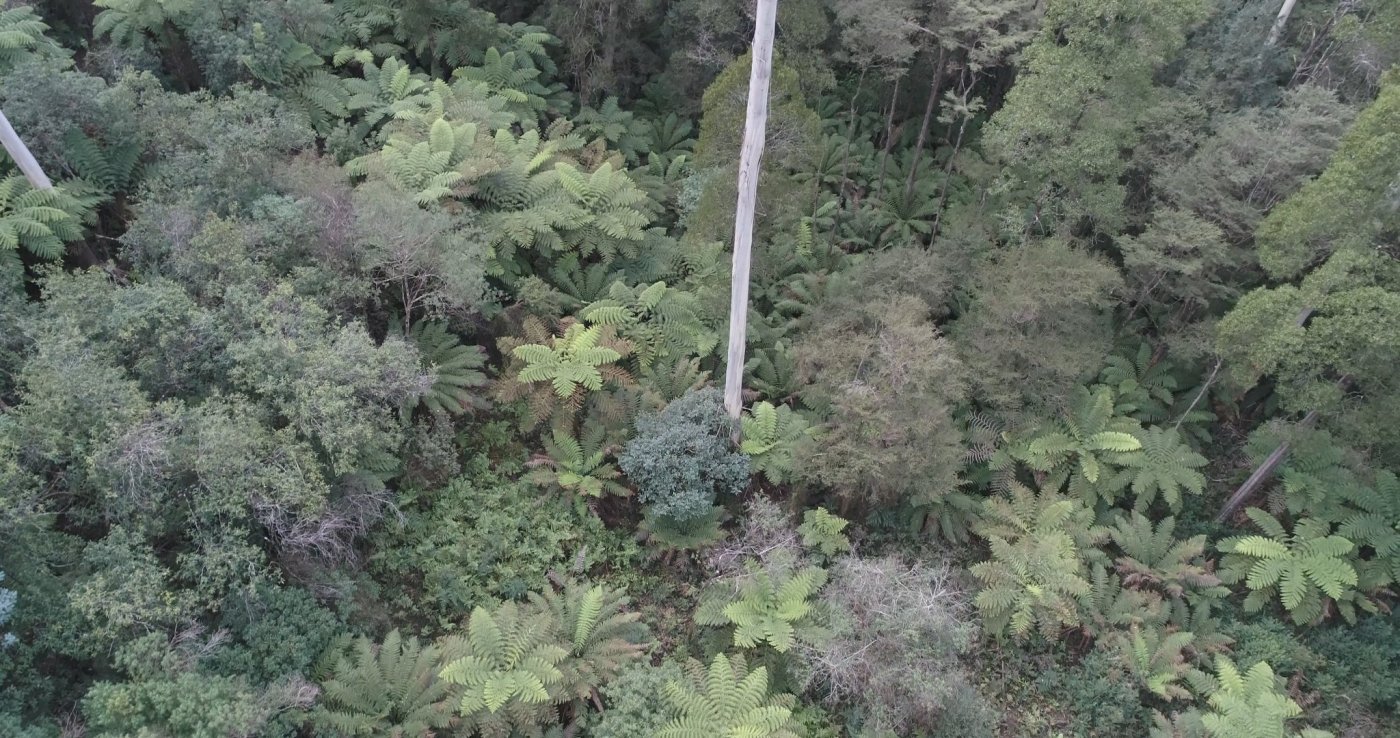
There is no doubt that our fire seasons are getting longer and more intense and this is starting to have potentially landscape changing impacts. There is concern that Alpine Ash forests could be wiped out in some areas where fire comes in multiple waves before the recovering trees can set seed. Parts of north eastern Victoria have been burnt three times in a decade. Mountain Ash forests face similar threats.

It is tragic that fires are so frequent and intense that we face the prospect of seeing these vegetation communities collapse. There are many ways we must respond: acting decisively on climate change, and protecting these forests from wildfire and over logging. Aerial seeding programs also aim to help these forests survive.

Continue reading “Reseeding the Alpine Ash and Mountain Ash forests”

Shared Firefighting in a hotter world

Australia just had its hottest, driest year on record, with fires starting in the winter months and burning in some places until early March. Much of the Alps, including the Snowy Mountains, Upper Murray, Eastern Alps and East Gippsland were burnt. Then, as we started to get on top of the worst of the fires, the mountains of the ACT went off, with enormous blazes that devastated the high country of Namadgi National Park.

Thousands of volunteer and career firefighters battled these blazes. As is normal practise, states helped each other out by sending teams and resources. My CFA brigade sent strike teams to NSW and then Mallacoota. By February we were asked to send teams to the ACT fires. We were fighting fires at home too, and we were all bloody glad when the rains came in mid February.

As fire seasons get longer because of climate change, the prospect of fighting local fires and also having to support other states for larger sections of the year is daunting for fire fighters. Helping each other out is second nature to firefighters, and a tradition we will maintain. But longer fire seasons does mean greater impact and time away from home and work for volunteers. It means greater expenditure on career firefighters. It means greater wear and tear on trucks and other equipment if they are being used for more of the year. It is also a problem for those who have to ensure we have adequate air support to be able to fight fires. Because many of the firefighting aircraft are leased, and shared around the world, as fire seasons get longer, there will be ever more demand, and greater cost, to secure the fleet we need.

A recent report in Bloomberg by By Mira Rojanasakul and Hayley Warren highlights the scale of the firefighting effort that happens, and the cost of keeping planes and helicopters on the fireground.

Continue reading “Shared Firefighting in a hotter world”

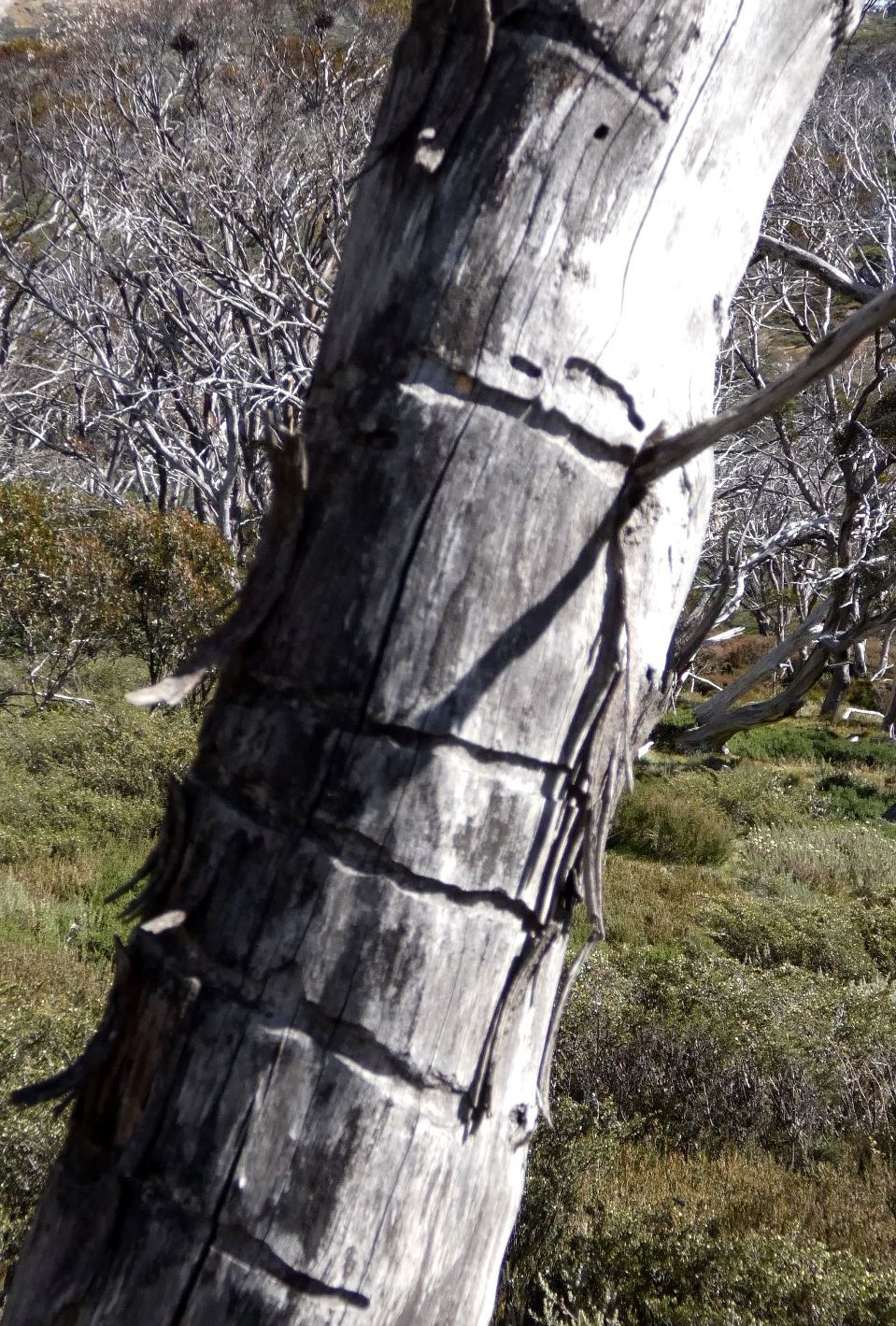
Fire impacts on the alpine treeline

Australia only has a tiny portion of it’s landmass which is sub alpine or alpine. We know that climate change is already impacting on mountain environments, and without meaningful action to reduce greenhouse emissions, this will only continue.

The true alpine zone, that area above the treeline, is tiny relative to the landmass. The tree line is the highest elevation that sustains tree growth and is around 1,800 metres above sea level in mountain areas on the mainland (lower in Tasmania). The tree line is mainly defined by the gradual disappearance of snow gums (Eucalyptus pauciflora), which are a type of Eucalyptus that can withstand the severe cold and dry conditions of the mountains. The tree line is defined by temperature, not altitude, which explains why Australia has a lower tree line than most other countries.

As the climate warms, it can be expected that snow gums will be able to colonise the open alpine terrain above. This will lead to the loss of the true alpine vegetation, as these communities are ‘pushed off the top’ of the mountains and replaced by snow gum woodland. New research sheds light on this process, and has shown the role that fire plays in how snow gums encroach of alpine zones.

A research paper titled ‘Alpine treeline ecotone stasis in the face of recent climate change and disturbance by fire’ (available here) and authored by Aviya Naccarella, John W. Morgan, Seraphina C. Cutler, and Susanna E. Venn considers the interaction between fire, climate change and the treeline. In short, and as you would expect, this research suggests that more frequent fire slows the rate of colonisation of trees above treeline.

Continue reading “Fire impacts on the alpine treeline”

Burning season in the Central Highlands

As post logging burns darken the sky across eastern Victoria, a growing number of community groups are mobilising to oppose the practise of the burns.

Post logging fires are different to fuel reduction burns. Post logging fires are meant to remove all the debris left behind from logging – the unwanted trees, the heads and branches, and the understory vegetation. Generally the waste is pushed into piles and burnt.

Continue reading “Burning season in the Central Highlands”

News from home

I feel lucky to be living in a small country town, with a Parks Vic reserve in the gully below us, and endless opportunities for walking and MTB riding. It’s been a mild and gorgeous autumn so far, with a good bit of rain. I’m keeping in touch with friends, family and workmates (although feel that I now spend most of my life in Zoom meetings) and I feel grateful to have a safe place to be during the pandemic.

But cabin fever is setting in. Its Easter, but we need to stay home and not travel for adventures (and the alpine parks are closed). We really don’t know what will happen with ski season – will it happen at all, or will it start late? (There are growing conversations about a ‘delayed’ ski season rather than an outright cancellation). Will the national parks be open if the resorts are closed? What about backcountry huts? So many unknowns. All we can do is wait. Be patient. Watch some films and read some stuff, and be kind to each other.

Continue reading “News from home”

Logging in a time of COVID-19

While we are all patiently sitting at home in order to do our bit and ‘flatten the curve’ of COVID-19 infections, logging continues at full speed in the forests of Victoria. And Tasmania has just signed over up to 356 000 hectares of forests that should be in reserves to now be available for logging.

Continue reading “Logging in a time of COVID-19”

Parks closed during COVID-19 shutdown

WED April 8: As part of the shutdown to help ‘flatten the curve’ and reduce the numbers of C-19 infections, a large number of areas in the High Country are being closed over Easter and beyond.

Government advice continues to be ‘If you can stay home, you must stay home’, meaning no travel for holidays, camping, etc.

VICTORIA

In Eastern Victoria
• Alpine National Park
• Baw Baw National Park
• Howqua Hills Historic Area
• Mount Buffalo National Park

Are all closed from midnight on April 8 ‘until further notice’. Further details here.

NSW

NPWS has closed all campgrounds, camping, on-park accommodation venues and visitor centres in Kosciuszko National Park until further notice.

This includes ‘wild and backcountry camping’ in all national parks.

In line with government restrictions on non-essential travel, the following iconic attractions in Kosciuszko National Park are closed for Easter:

  • The summit of Mount Kosciuszko
  • Thredbo Valley track
  • Kosciuszko Lookout
  • Cootapatamba Lookout

Further information here.

ACT

All visitor facilities within the ACT Parks and Conservation Service managed estate have been closed until further notice in response to a temporary shut-down of non-essential services across the ACT.

To stop the spread of COVID-19, the following facilities are closed to maintain social distancing measures:

  • Tidbinbilla Visitor Information Centre
  • Namadgi Visitor Information Centre
  • Woods Reserve
  • All ACT public campgrounds
  • All playgrounds managed by ACT Parks and Conservation Service

Tidbinbilla Nature Reserve will also be closed, along with Namadgi National Park, which remains closed due to safety reasons following the Orroral Valley bushfire

All other parks and reserves across the ACT will remain open providing the community access to nature for recreation, health and wellbeing. Park visitors must observe social distancing whilst visiting parks and reserves. This means keeping 1.5 metres from others, avoiding large groups of people, avoiding peak usage periods and practicing good hygiene always.

Further details here.

TASMANIA

In an effort to prevent the spread of COVID-19 and keep our community safe, the Tasmanian Parks and Wildlife Service (PWS) has closed all national parks and reserves to public recreational use.

The closure of parks and reserves was in line with Tasmanian and Federal government measures to discourage the community from undertaking non-essential travel during this time. These closures include Wellington Park.

This includes:

  • National Parks
  • State Reserves
  • Nature Reserves
  • Game Reserves
  • Conservation Areas
  • Nature Recreation Areas
  • Regional Reserves
  • Historic sites.

All activities including day or overnight walks, mountain biking, hunting, other recreational activities and camping are now closed to the public until further notice.

Further information.


A journey from the Headwaters

From the Great Forest National Park:

“There has been a little snow falling up on the Baw Baws recently. This tranquil spot called the montane fens is the headwaters of the largest water supply to Melbourne – the Thomson river. And over the next few days we’ll follow this river to your kitchen.

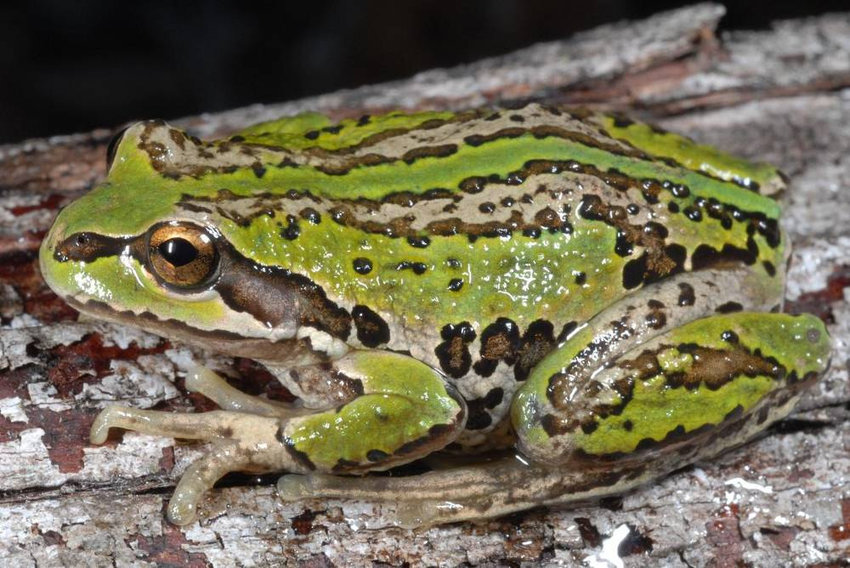
This relatively small stream emerges from a large soaking fen, alive with frogs and birds. But once upon a time this place wasn’t safe and was set to be logged. After a strong battle, in 2008, this unique ecosystem was finally recognised as a site of significance, named a ‘montane fen’ and logging was stopped from ring barking it’s surrounds due to the efforts of scientists and conservationists. This campaign took three years and in securing this spot we also saved the IUCN Red List of Threatened Species critically-endangered Baw Baw Frog.

We must give a big shout out to campaign and science leaders Professor Jean-Marc Hero, Dr Chris Taylor, Sarah Rees, @wilderness_aus, amphibian citizen-scientist David Black, Dr Greg Hollis and all the Zoos of Australia that backed the conservation efforts. Special thanks to folks that gathered on the steps of Parliament, signed petitions and wrote to MPs. Gratitude to Liberal ex-MP Phil Honeywood for raising it in parliament and thanks to Labor ex-MLC Gavin Jennings for delivering its final protection last year in a second conservation covenant under the Immediate Protection Areas.

You can walk the fens in a short circuit and there are some stunning picnic spots just waiting for you as soon as the lockdown is lifted”.

Photo: ChrisTaylor

https://www.facebook.com/ChrisTaylorEnviroPhotography/

You can follow the journey from the headwaters to the city via the Great Forest National Park facebook page in coming days.

You can find out more about the proposal for the Great Forest National Park here.

Snowy Hydro 2.0 gets approval for factory

Just a week or so after a group of energy experts called on the state and federal governments to stop work on the Snowy Hydro 2.0 project, it has been reported that the next stage of the Snowy Hydro 2.0 expansion has been given the green light, with approval for construction of the project’s ‘Segment Factory’.

Continue reading “Snowy Hydro 2.0 gets approval for factory”

Paradise at 12,000 feet

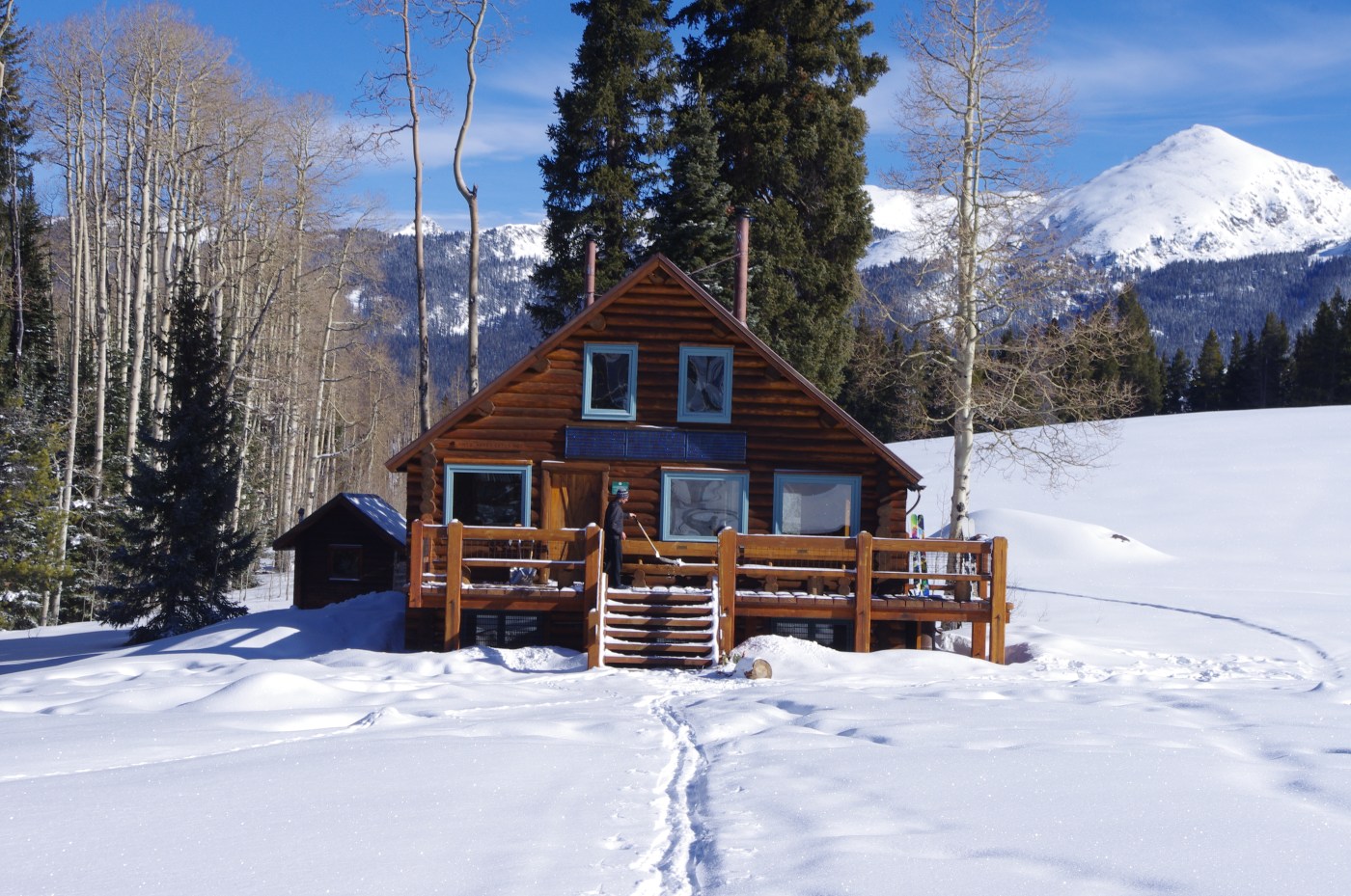
It was the end of day four on our 160 kilometre ski tour from the resort town of Aspen to Vail, in central Colorado. We’d had a brutal day, with an early start at 11,300 feet, a long descent off the edge of the Continental Divide, endless touring through deep fresh snow, and a final punishing two hour climb to Jackal hut. But tomorrow was the big day.

Perched on the edge of a meadow with jaw dropping views to Mt Elbert, the highest of Colorado’s 14K peaks, Jackal is a solid log cabin with a big front deck that is owned by the 10th Mountain Division Huts Association. On day five we left the hut just after dawn, shuffling through a dark spruce forest onto a long ridge that climbed towards the 12,000 foot mark. The plan was to take a high route over the mountains to our next destination – Shrine Mountain – rather than a lower and more complex trail below the treeline. I’d been struggling with the downhill sections, and was dreading the descent off the other side.

Continue reading “Paradise at 12,000 feet”

Blog at WordPress.com.

Up ↑