Search

Mountain Journal

Environment, news, culture from the Australian Alps

Research highlights the fire threat to King Billy Pine

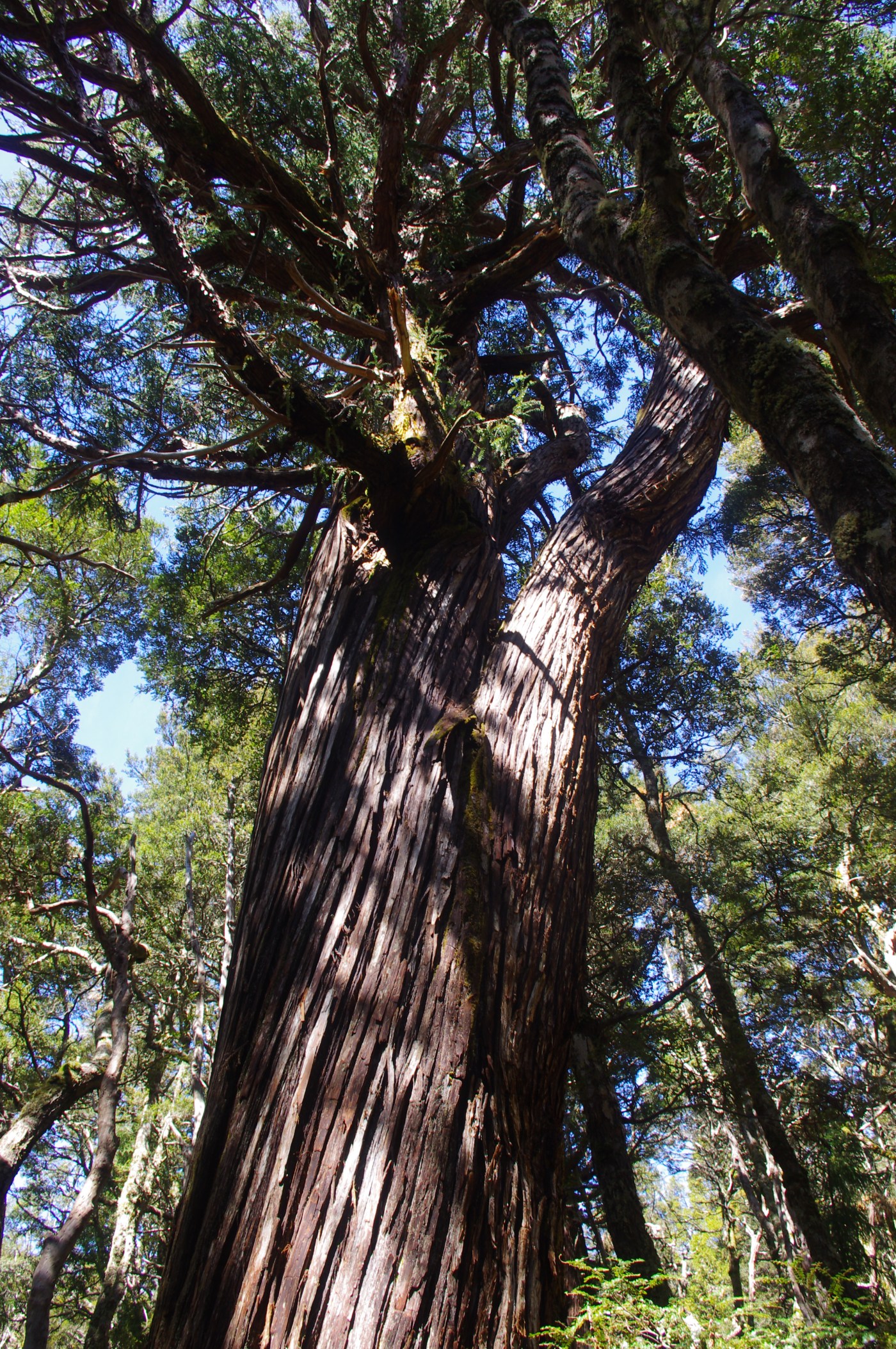
Tasmania is home to a treasure trove of ancient vegetation that emerged when Australia was part of the Gondwanda super continent. Most of the relict vegetation is not fire adapted (fire being a relatively recent arrival to Australia compared to Gondwanaland). Widespread wildfires in early 2016 caused devastating damage across large areas of the Tasmanian World Heritage Area, including significant sections of vegetation which is not fire adapted, such as Pencil Pine forests.

At the time, and in follow up investigations, it became clear that increased fire risk due to climate change posed an existential threat to these vegetation types. Now additional research has confirmed the trend towards more extreme fire seasons. It suggests that we reached a ‘tipping point’ sometime around the year 2000and that, since then, there has been an increase in the number of lightning-caused fires and an increase in the average size of the fires, “resulting in a marked increase in the area burnt”.

Research just released through the journal Global Change Biology, titled ‘Population collapse and retreat to fire refugia of the Tasmanian endemic conifer Athrotaxis selaginoides following the transition from Aboriginal to European fire management’ underscores the threat posed to these forest types.

Continue reading “Research highlights the fire threat to King Billy Pine”
Global warming played a ‘big role’ in generating heat waves that fueled the 2019-2020 fire season

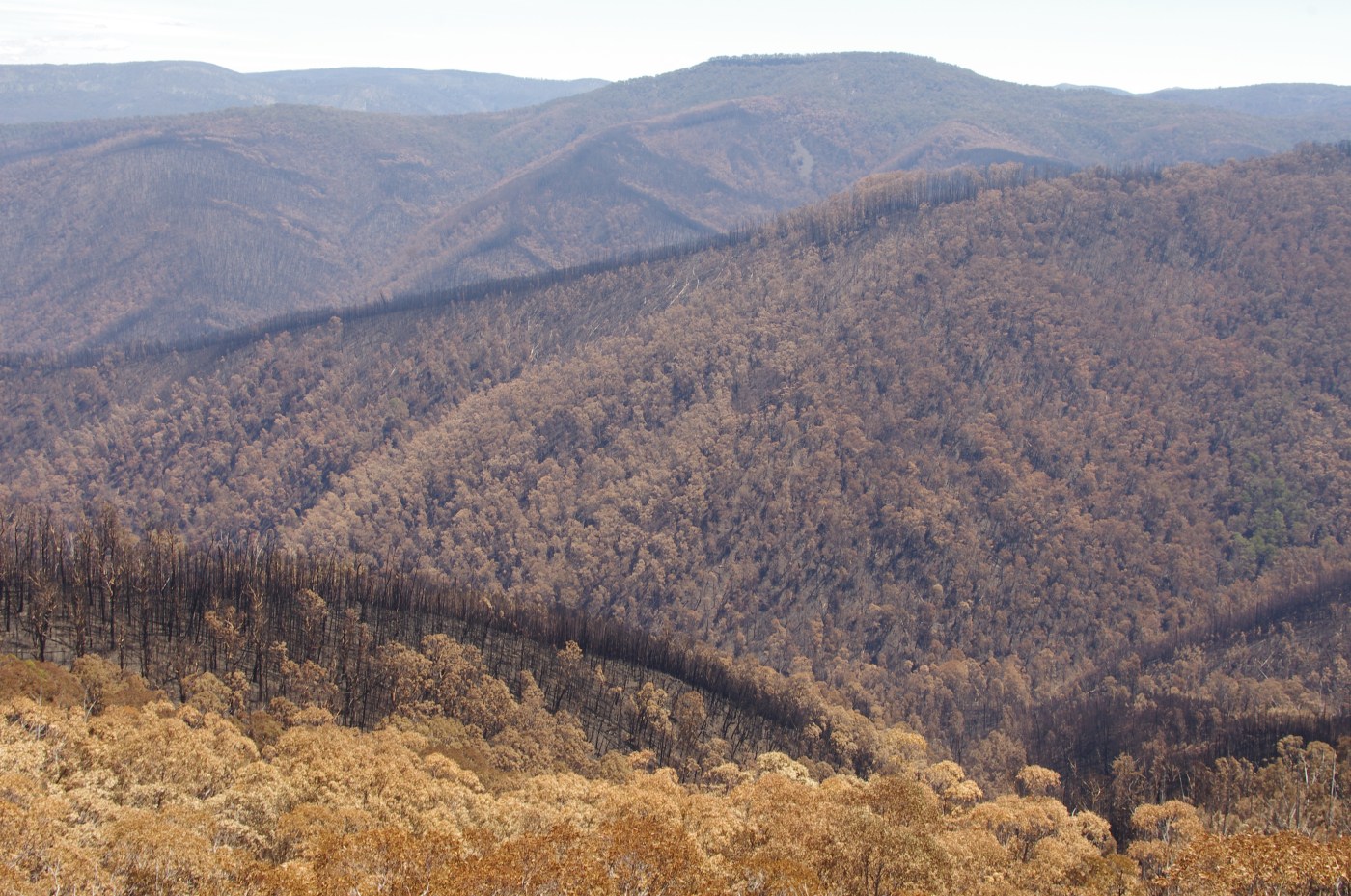
This summer’s fires had devastating impacts on landscapes and local economies.

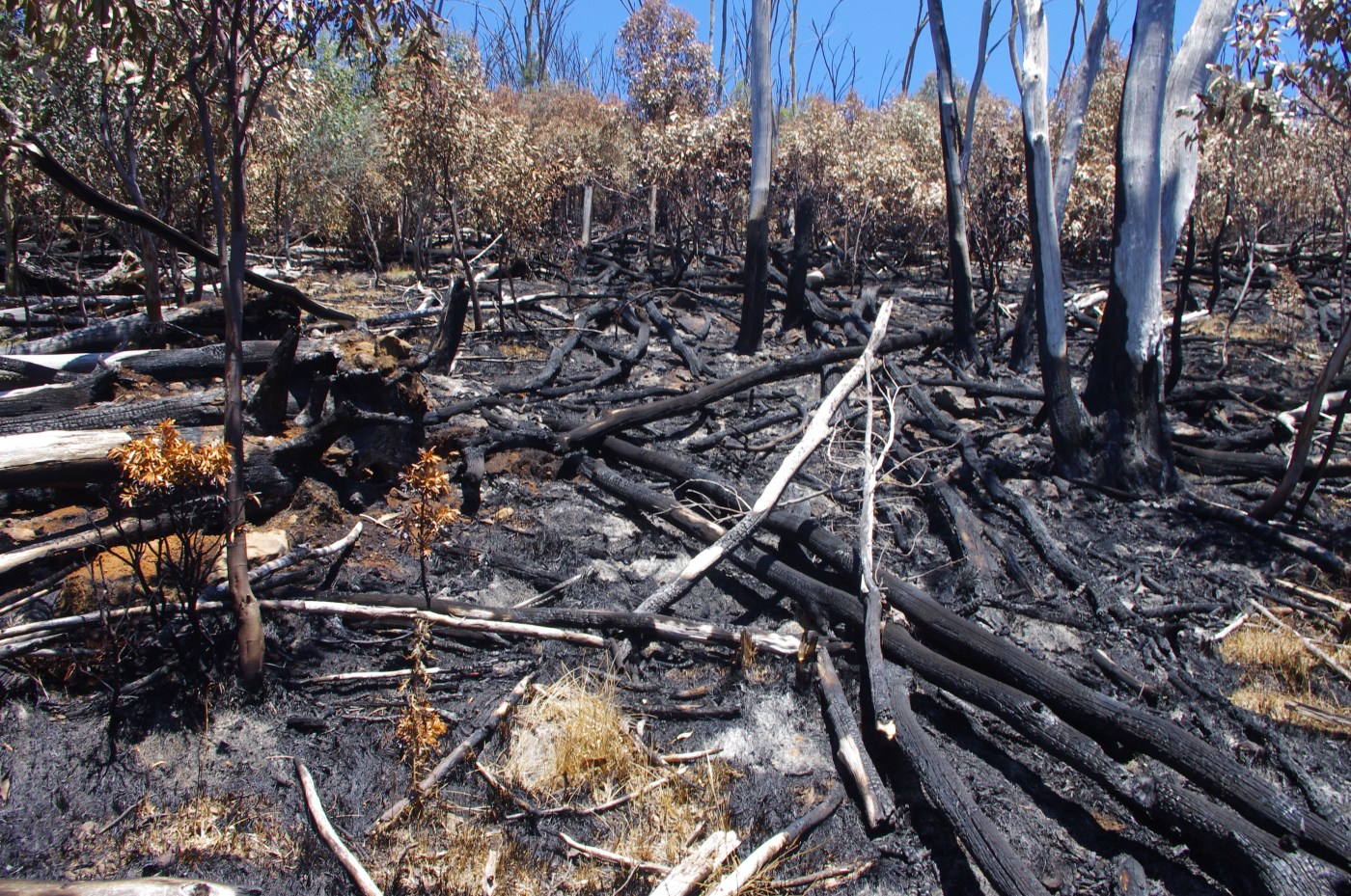
For the first time in eight months, all the NSW fires are out. The Namadgi fires are out, as are the fires in north east Victoria and East Gippsland. During the fires, there was an attempt by some groups to blame the fires on arson as a way of avoiding the conversation about climate change. There is the ongoing debate about the role of fuel reduction burning as a way to reduce the intensity of fire, plus the broader conversation about how we manage our forests and wild places, and whether salvage logging of burnt areas should be allowed.

Now, a ground-breaking report has shown that climate change was a ‘massive factor’ in the extreme fire conditions that devastated Australia this summer.

The report was prepared by World Weather Attribution (WWA), which ‘is an international effort to analyse and communicate the possible influence of climate change on extreme weather events, such as storms, extreme rainfall, heatwaves, cold spells, and droughts’.

Continue reading “Global warming played a ‘big role’ in generating heat waves that fueled the 2019-2020 fire season”

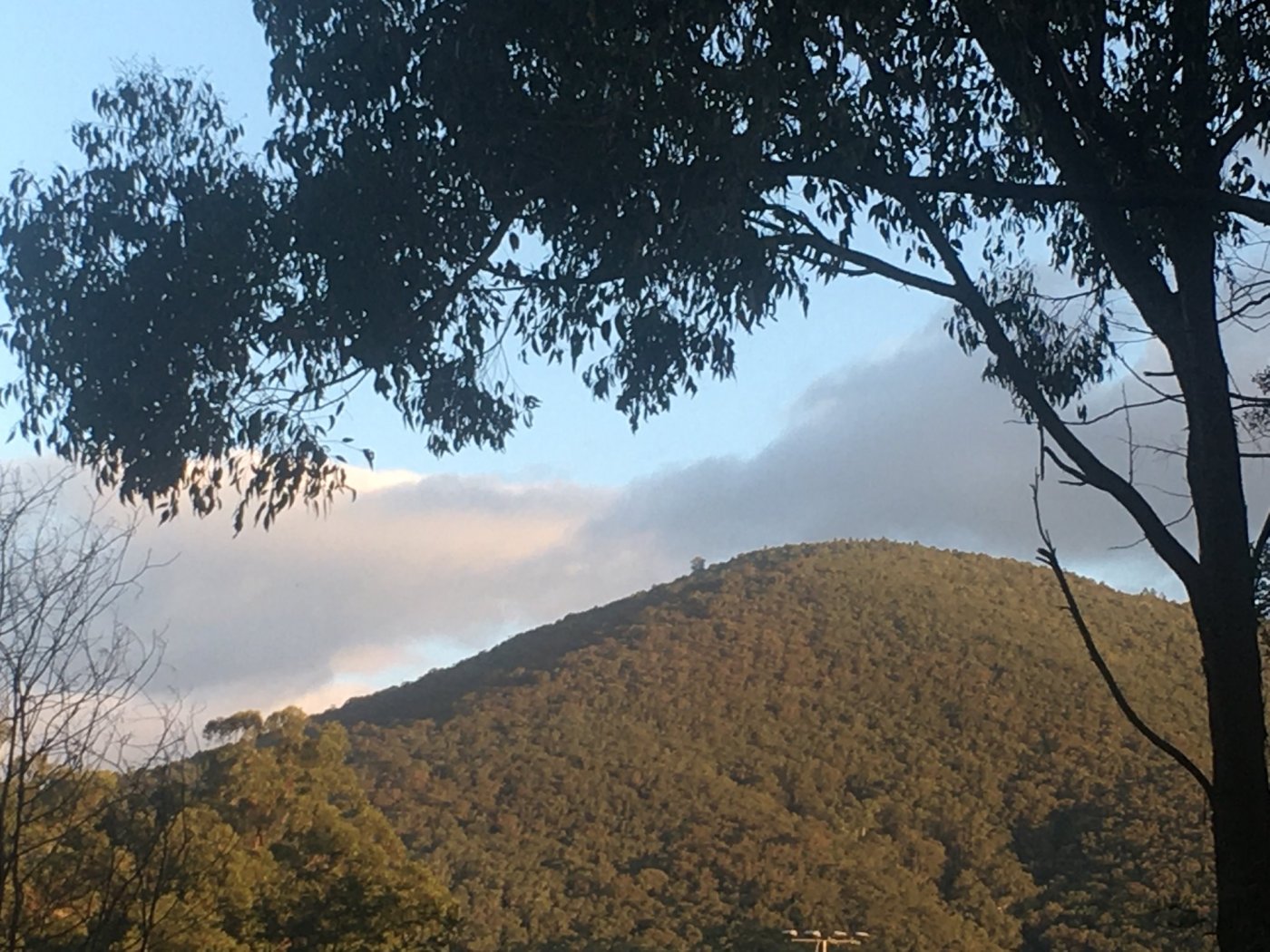
Walking the Mountains of Home – protect Mt Bride

Community members from Warburton are attempting to stop the proposed logging coupes on and surrounding Mt Bride.

They say that “logging this area will reduce water security as the proposed coupes are within water catchment areas and it has long been recognised that logging has a negative impact on water yield”. The mountain has great value to many locals for a range of reasons.

To highlight community concern about the imminent logging plans, they have organised a walk up the mountain which is open to all interested people. It will happen on March 21.

Continue reading “Walking the Mountains of Home – protect Mt Bride”

Protect the ‘Kalatha Giant’

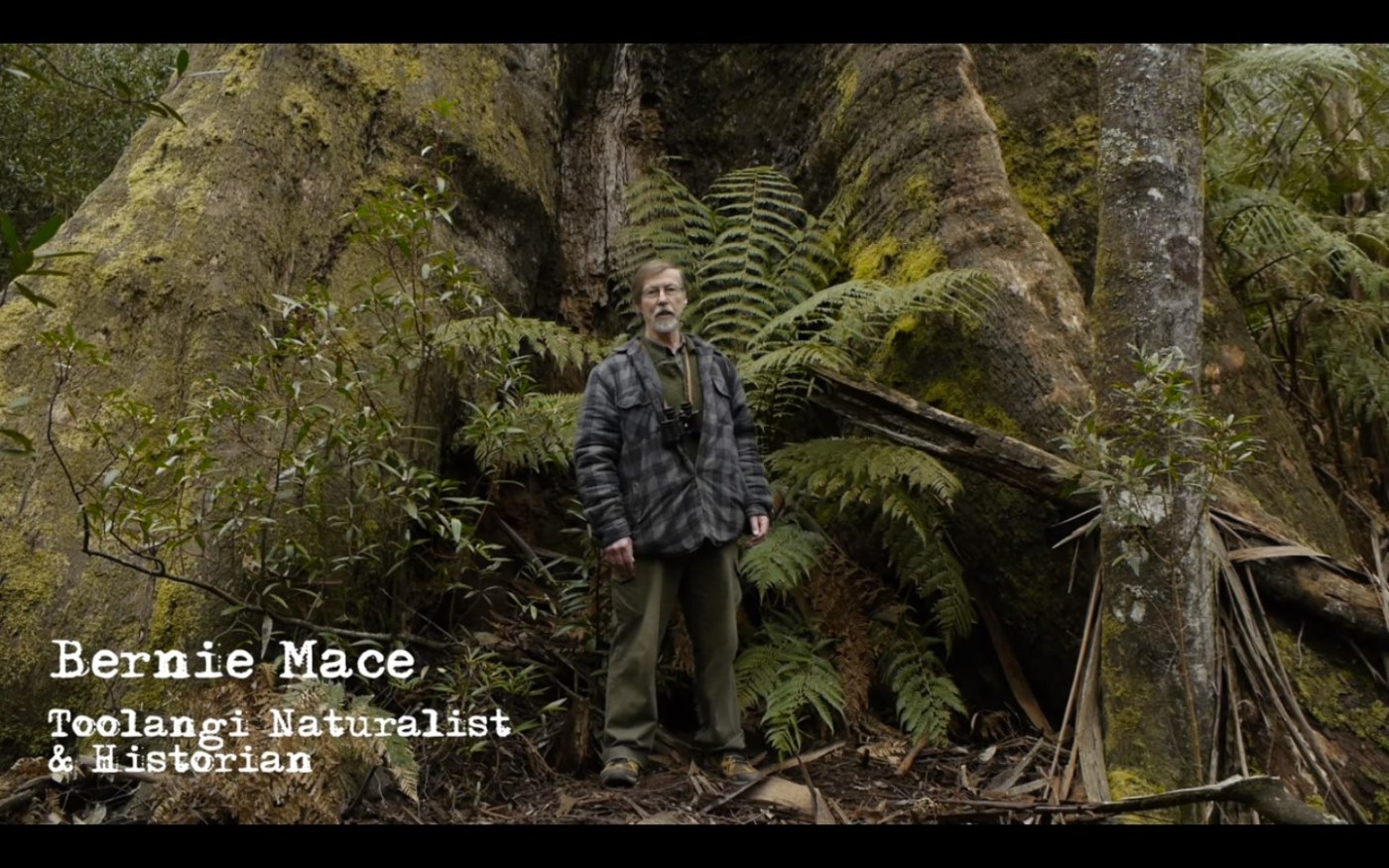
The Little Red Toolangi Treehouse (Mission Statement: “To raise awareness, educate and empower the public to respond to the commercial destruction of Australia’s native forests.”) has issued an urgent call for community members, especially Victorians, to contact the state environment minister to ask her to stop logging around an old growth mountain ash tree known as the Kalatha Giant. A community blockade has now started – scroll down for updates.

Continue reading “Protect the ‘Kalatha Giant’”

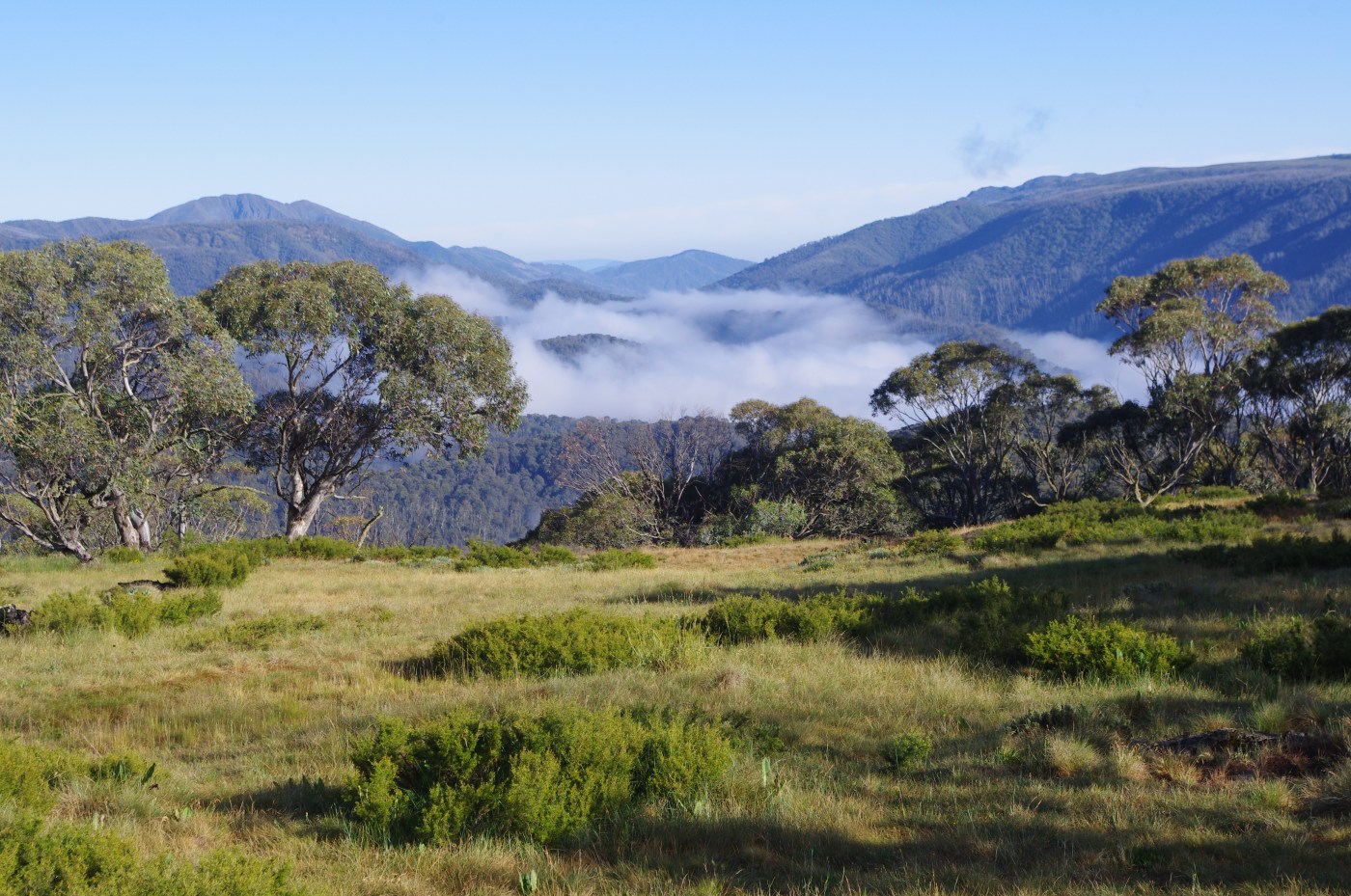
#RollOnBack to mountain towns this autumn

Finally, after affecting more than 1.5 million hectares of Victoria, all the fires are out. It’s the same story in NSW and the ACT and towns are fully ‘open for business’. Of course all mountain areas have suffered economically over summer, with lost business and less work. While some areas remain closed (for instance, significant sections of the Australian Alps Walking Track remain closed) the vast majority of mountains areas are getting on with life.

Now is the time to get out and visit mountain areas and spend up big, to help communities get back on their feet.

Continue reading “#RollOnBack to mountain towns this autumn”

Show your support for horse removal from the Snowy Mountains

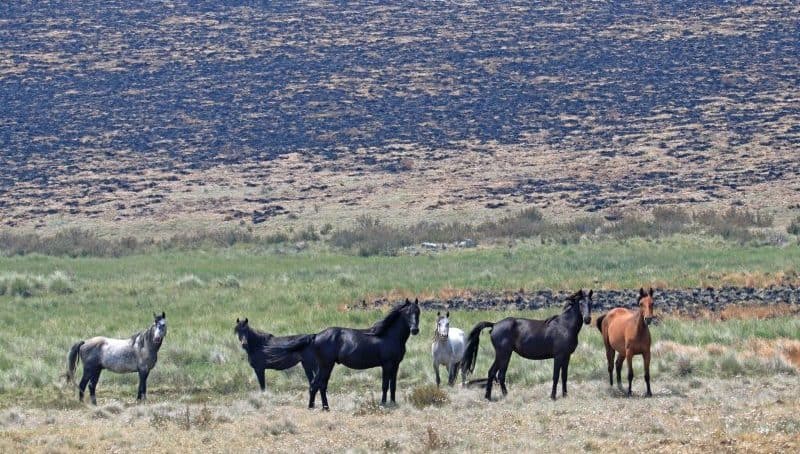
Following this summer’s fires, which burnt roughly 12% of the ‘Alpine Complex’ vegetation in the Snowy Mountains, there are growing concerns about the impact of wild horses on already fragile country that is now recovering from fire.

The current NSW government has continually failed to act to protect the NSW High Country, by refusing to support horse removal programs. But in a surprise move, the NSW environment minister, Matt Kean, recently announced that ‘about’ 4,000 feral horses will be removed from Kosciuszko national park as ‘part of an emergency response to protect the alpine ecosystem after large areas were devastated by bushfires’.

The move would be the largest removal of horses in the park’s history.

Continue reading “Show your support for horse removal from the Snowy Mountains”

Is road safety work also ‘logging by stealth’?

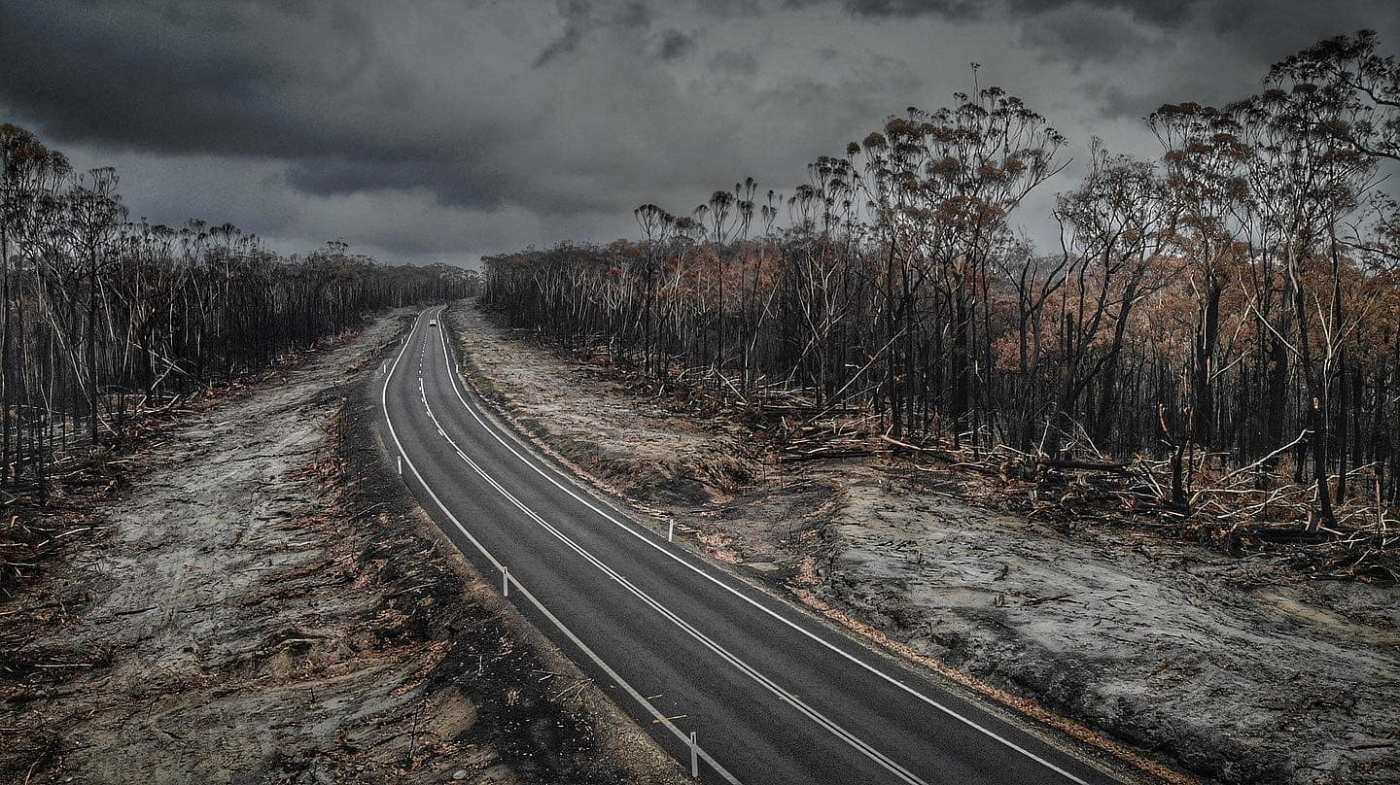
Following this summer’s devastating fires in East Gippsland, it has taken enormous effort by the authorities to get roads re-opened and made safe. Removal of many thousands of fire affected trees is essential for the safety of road users. However, the scale of the clear felling of large habitat trees occurring along thousands of kilometres of East Gippsland’s roads has disturbed many people.

Residents describe ‘unprecedented clearing’ occurring around Buchan, Black Mountain, Combienbar, Orbost, Goongerah, Cann River, Mallacoota, Cape Conran, state forests inland from Bairnsdale, along the Great Alpine Way and many other fire affected roads in East Gippsland.

Continue reading “Is road safety work also ‘logging by stealth’?”

Warburton residents call for halt to logging proposal on Mt Bride

Community members from Warburton are attempting to stop the proposed logging coupes on and surrounding Mt Bride.

They say that “logging this area will reduce water security as the proposed coupes are within water catchment areas and it has long been recognised that logging has a negative impact on water yield”.

They also say that the coupes will increase fire risk, “as the micro climatic conditions will dry out the understory and the regrowth saplings will create more fuel”.

Continue reading “Warburton residents call for halt to logging proposal on Mt Bride”

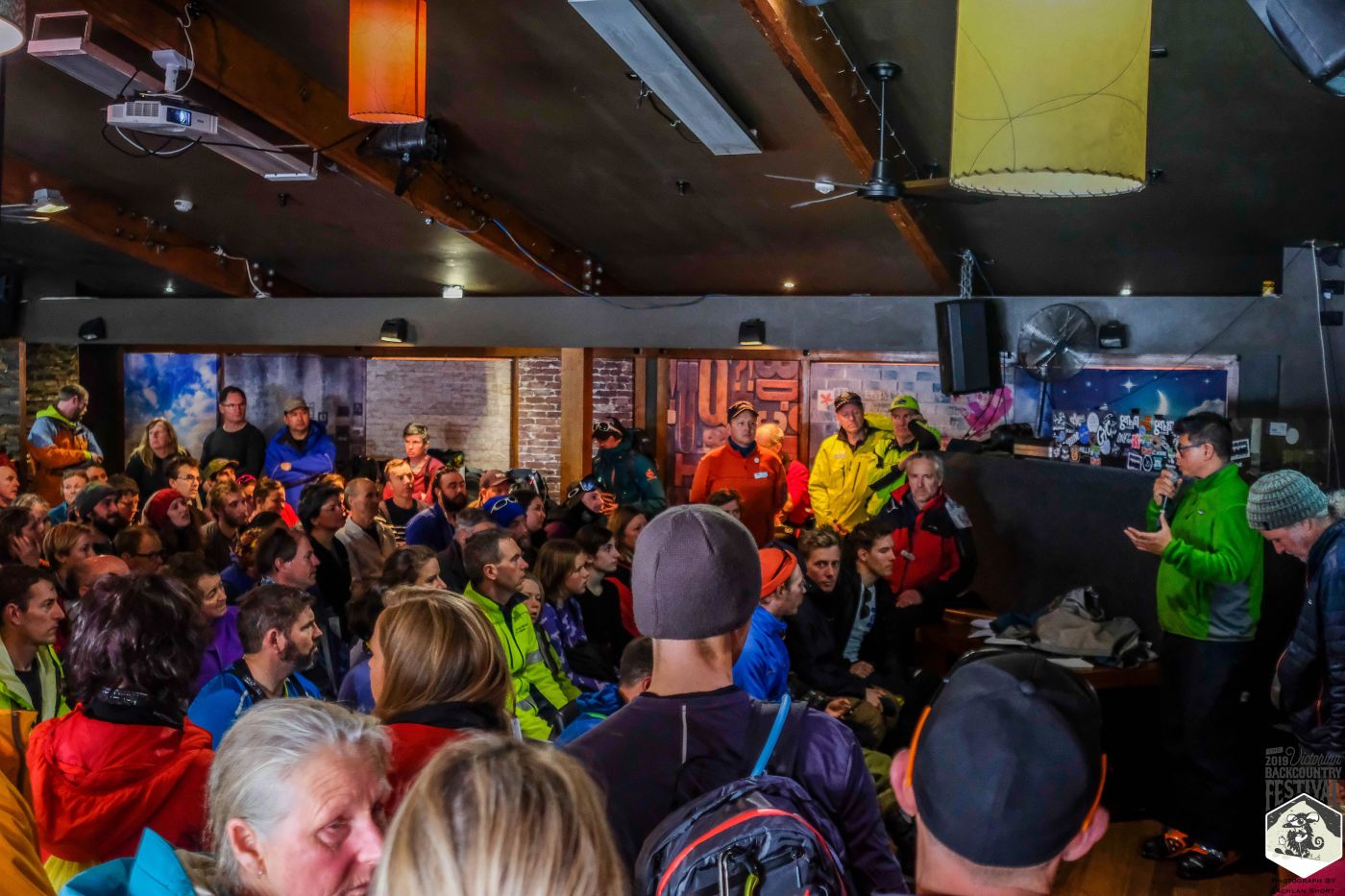
Backcountry festival 2020: planning & film night

As you will probably know, we have turned the 2020 Victorian backcountry festival into a three day event, from Friday – Sunday Sept 4, 5 and 6. Things will kick off on Friday morning so hopefully you can make a long weekend out of it. After receiving strong positive feedback, we will be running another guided trip straight after the festival, probably to Mt Bogong.

Quite a lot of people have expressed interest in getting involved in planning the 2020 festival.

So, if you’re in Melbourne, please come along to this BC Festival get together.

Wednesday March 4.

Continue reading “Backcountry festival 2020: planning & film night”

Does Victoria need a new remote area volunteer firefighting force?

On New Year’s Eve, December 31, 2019, a front brought a smattering of rain across the Victorian mountains, barely enough to damp down the dust. But the associated lightning storm started dozens of new fires in a long belt from Mt Buller to the NSW border.

Forest Fire Management crews swung into action and many of these were quickly put out. Aerial bombing dealt with others. But there were simply too many, and some grew into massive blazes, including the fires that went on to devastate the forests and landscapes of East Gippsland in coming weeks.

This raises the question: Do we need a new remote area volunteer firefighting force in Victoria who could help suppress lightning strike fires before they take off?

Continue reading “Does Victoria need a new remote area volunteer firefighting force?”

Picnic in the Park (Mirimbah, March 8)

We know how devastating this summer’s fires have been for the environment. They have also been terrible for most local economies. As areas have reopened, tourist trade is starting to pickup. Many areas are organising special events to attract visitors back. The Labour Day long weekend in early March will be a significant time for High Country communities.

As part of this, there will be a major ‘picnic in the park’ happening at Mirimbah, at the base of Mt Buller over that weekend.

Continue reading “Picnic in the Park (Mirimbah, March 8)”

Reclaim Malbena Hobart update

The long running attempt by developers to establish a helicopter accessed ‘eco lodge’ on Halls Island in Lake Malbena in Tasmania’s Central Plateau is part of a larger agenda to open up areas of wilderness and World Heritage to new commercial tourism operations.

In December 2019, the Resource Management and Planning Appeal Tribunal (RMPAT) overturned the Central Highlands Council’s decision to refuse a permit for helicopter-accessed visitor accommodation at Halls Island. There was then a challenge in the Supreme Court, followed by an appeal.

There is still a long way to go before the proposal can proceed, and the community campaign against the proposal keeps growing.

Hobart people are encouraged to attend a public meeting to hear about what’s happening and how to get involved in the campaign against this development. Wednesday February 12.

Continue reading “Reclaim Malbena Hobart update”

Blog at WordPress.com.

Up ↑