The Bogong to Hotham Rooftop Run is a 64km point to point ultra marathon from Mountain Creek to the summit of Mt Hotham.
It will be held on Sunday, 7 January 2018.
The Bogong to Hotham Rooftop Run is a 64km point to point ultra marathon from Mountain Creek to the summit of Mt Hotham.
It will be held on Sunday, 7 January 2018.

Mountain Journal has often reported on the proposal to build a cable car up kunanyi/ Mt Wellington in Hobart. With the recent passage of legislation which will facilitate the development, the campaign against the cable car is entering an important stage. There will be a public forum this Sunday calling on the government to stop the development.
This Sunday 26 November at 2pm.
Continue reading “Stop the privatisation of kunanyi /Mt Wellington: Community forum”
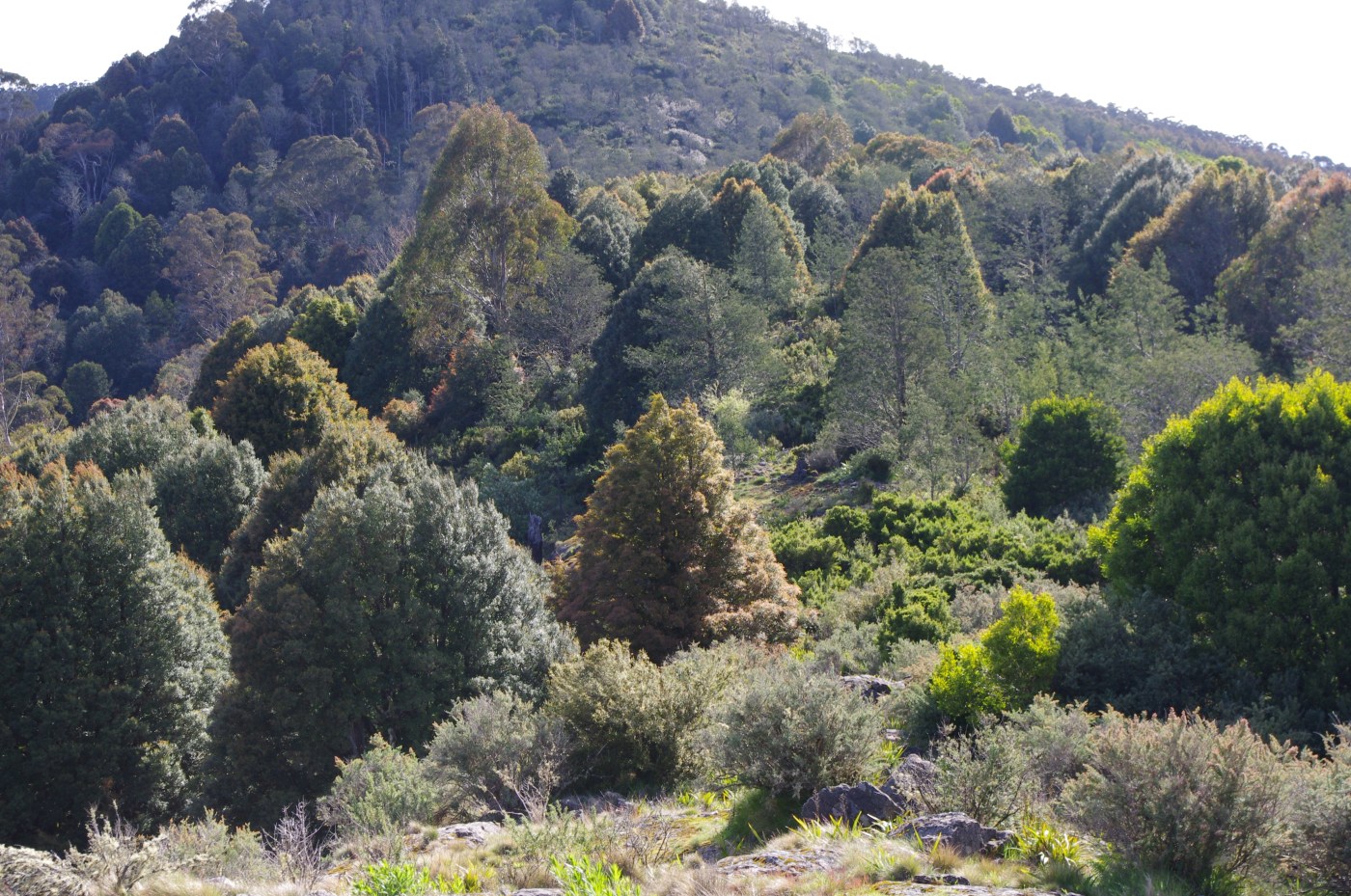
Mt Toorongo is a magical spot: it is a mountain in the Central Highlands to the east of Melbourne. If you drive to the Baw Baw ski village from Noojee, it is the steep dark mountain that fills the skyline above you as you head through the last of the farming country at Icy Creek.
Not many people go there. It’s a bit off the track, but is accessible quite easily via a number of dirt roads. As I understand the ecology of the mountain, it was burnt twice in close succession (in the 1920s and the infamous 1939 fires). So the eucalypt forest on the summit was replaced by a remarkable ‘cloud forest’ of what are normally understorey species. The summit itself is a long ridge which offers wonderful views of the Baw Baw Plateau, the Latrobe Valley and distant Strzelecki Ranges to the south.
Continue reading “Threatened species protected on Toorongo Plateau”

We all know that climate change poses a grave threat to the amount of snow we will be seeing in Australia in coming years. Historically, average snow depths in the Kosciuszko National Park have shown a downward trend over the last 60 years. Another detail in the story of overall decline in snow pack is the ever later arrival of reliable snow (for instance, how often do you get to ski or ride on ‘Opening’ weekend?).
New research from New Zealand/ Aotearoa collaborates the observation that winter is arriving later and leaving earlier.
Continue reading “New Zealand’s winter is shorter by a month over 100 years”
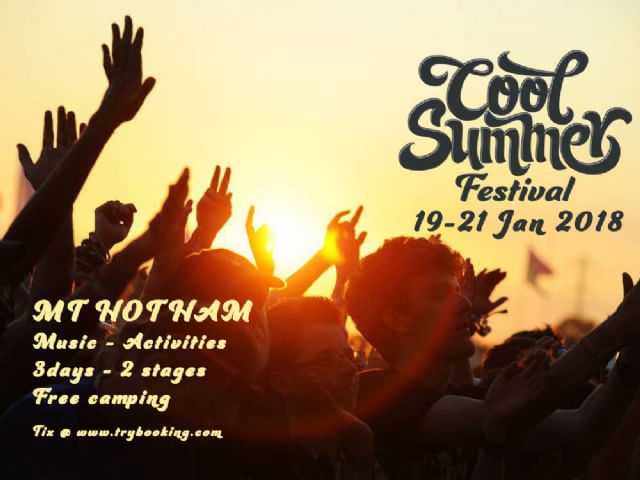
Mountain Journal often advertises high energy events like trail running, road riding, cross country races, etc. But summer is also a good time to relax, take it easy, and chill out with friends. Here are some listings for festivals, low key nature events, and social gatherings that are happening in the Alps over summer 2017/18.
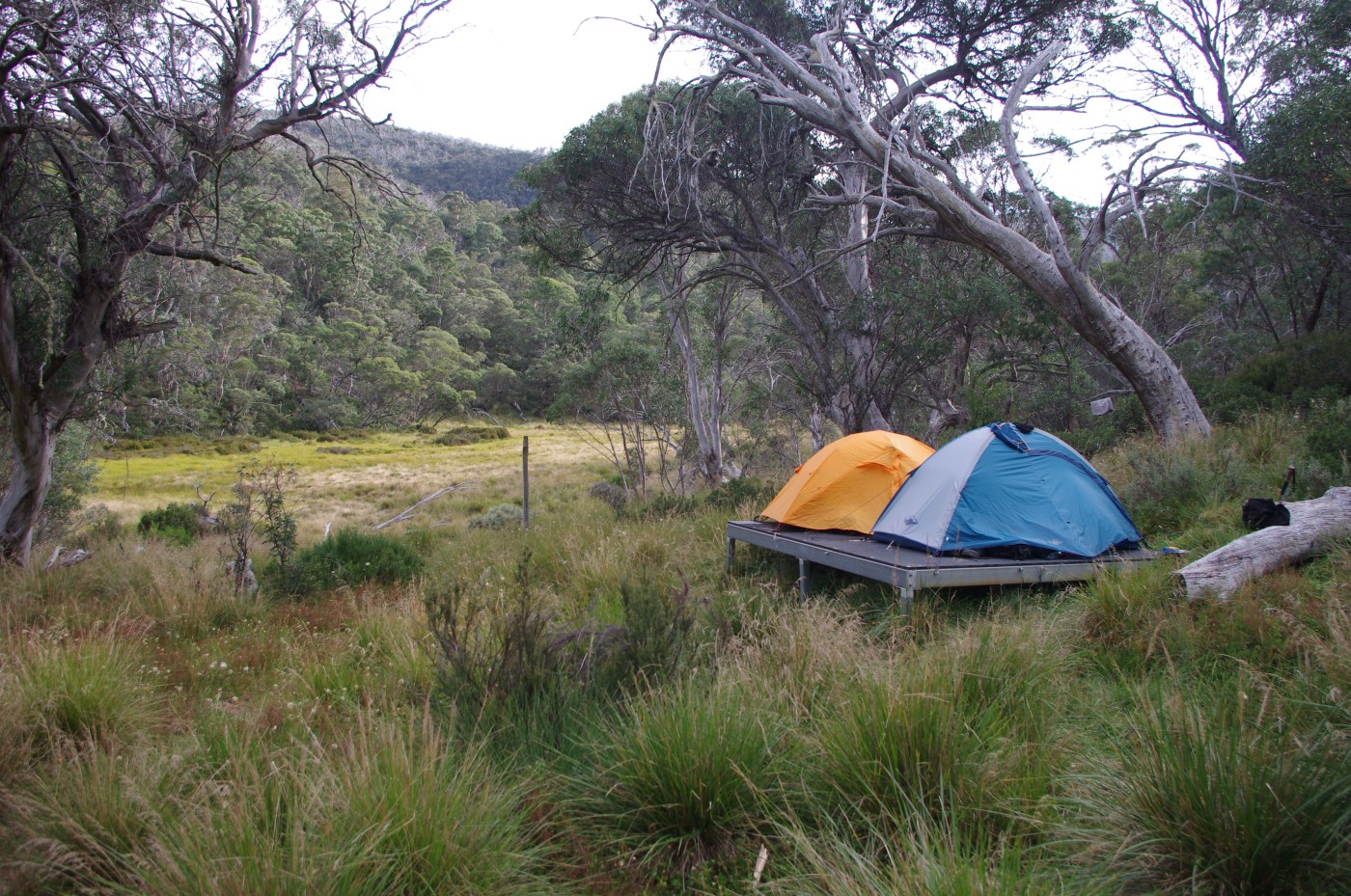
This is a great program: Parks Victoria (PV) Track Rangers are volunteers who walk and camp along popular tracks during peak holidays in order to provide a presence in key visitation areas and providing hikers with up-to-date park information.
If you have good experience in remote area walking plus appropriate skills and the right personality, it’s a great opportunity to be out in some fantastic country and contribute in a positive way to the management of some of the state’s best parks.
It involves a 4 to 6 day commitment. Full details below.
Continue reading “The Parks Victoria Volunteer Track Ranger Program”
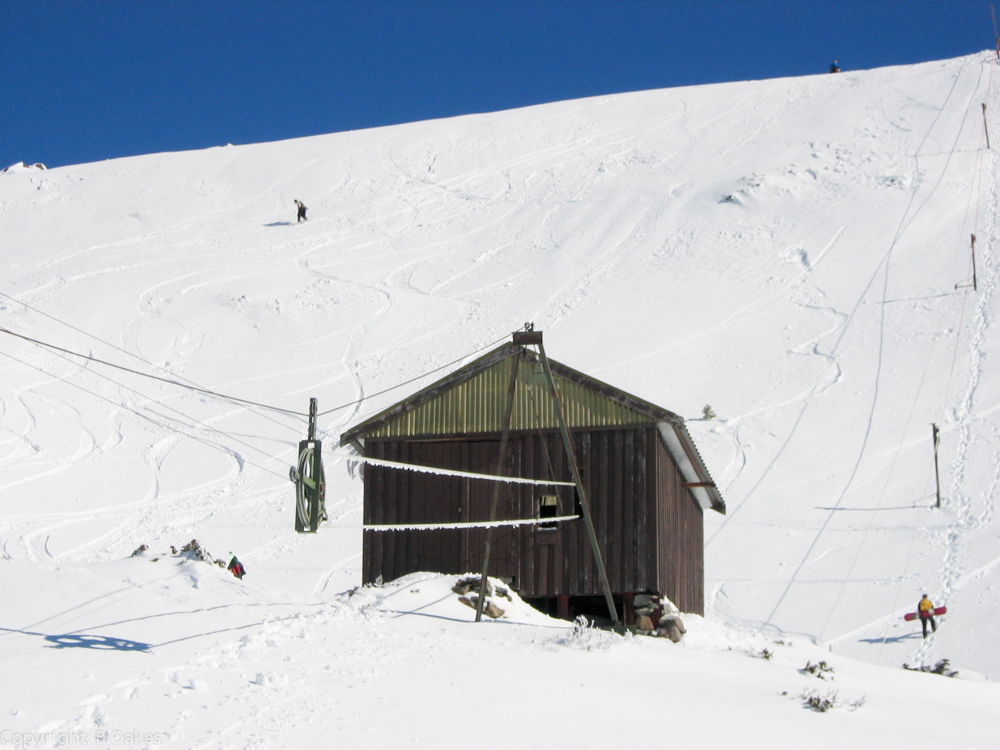
The Mt Mawson ski field in the Mt Field National Park is the southern most ski area in Australia. It’s a remarkable place, and while it’s of a low elevation, with very limited vertical terrain, and is subject to the notoriously fickle snow conditions to be found in Tasmania, it is a magical spot. It has several rope tows, and is a Club ski field composed of seven lodges, with no public accommodation. Its also a fairly solid 30 to 45 minute walk up the mountain to get to the ski field.
But like the surrounding ranges within the Mt Field national park, when its in condition its truly fantastic.
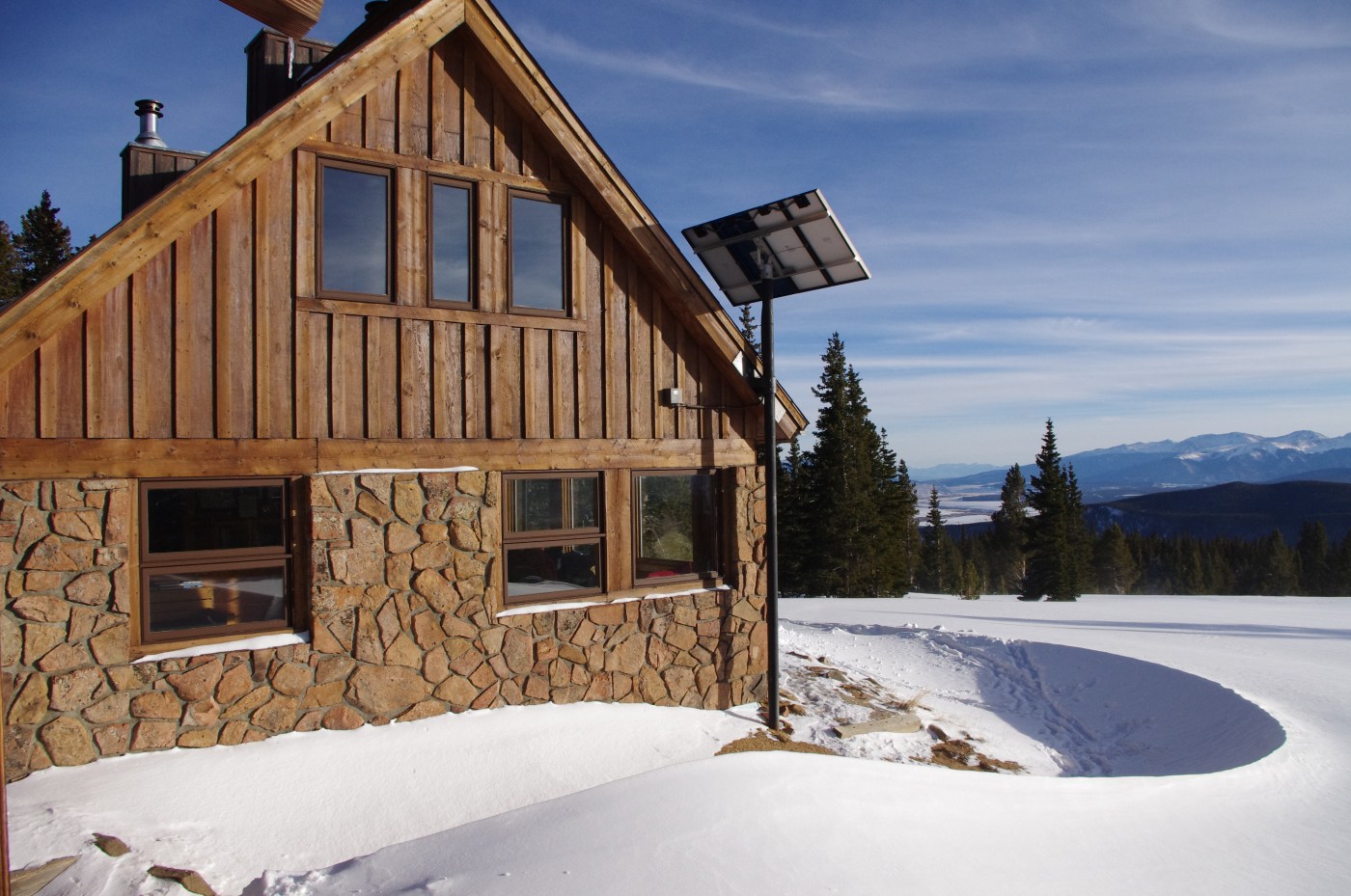
One of my key addictions in life is to the Rocky Mountains of Colorado. Wonderful mountains, fantastic snow, endless terrain, cool towns. And one of the best backcountry hut networks on the planet.
10th Mountain Huts is a non profit that owns and rents out backcountry cabins to skiers, hikers and mountain bikers (they also rent out a number of privately owned cabins). Most are fairly similar: they are based on a log construction and built on two levels, and they have everything you need for multiday trips: a kitchen with gas burners and all the gear you need to cook, a wood fired stove with large basin for melting snow, a small solar PV system for basic lighting, and even a small library (and mattresses – sheer luxury!). It means you can do multi day trips without the need for tents, stoves and fuel, and cooking gear. Many of the huts are above 11,000 feet asl, in mind blowingly gorgeous locations. And because you need to book them, you’re guaranteed of getting a bed.
Which, of course, gets me thinking about our hut system here in Australia. I’m not suggesting we set up a similar network. But as a non profit, 10th Mountain fills an interesting gap in the network of backcountry huts that tend to exist in mountain environments.
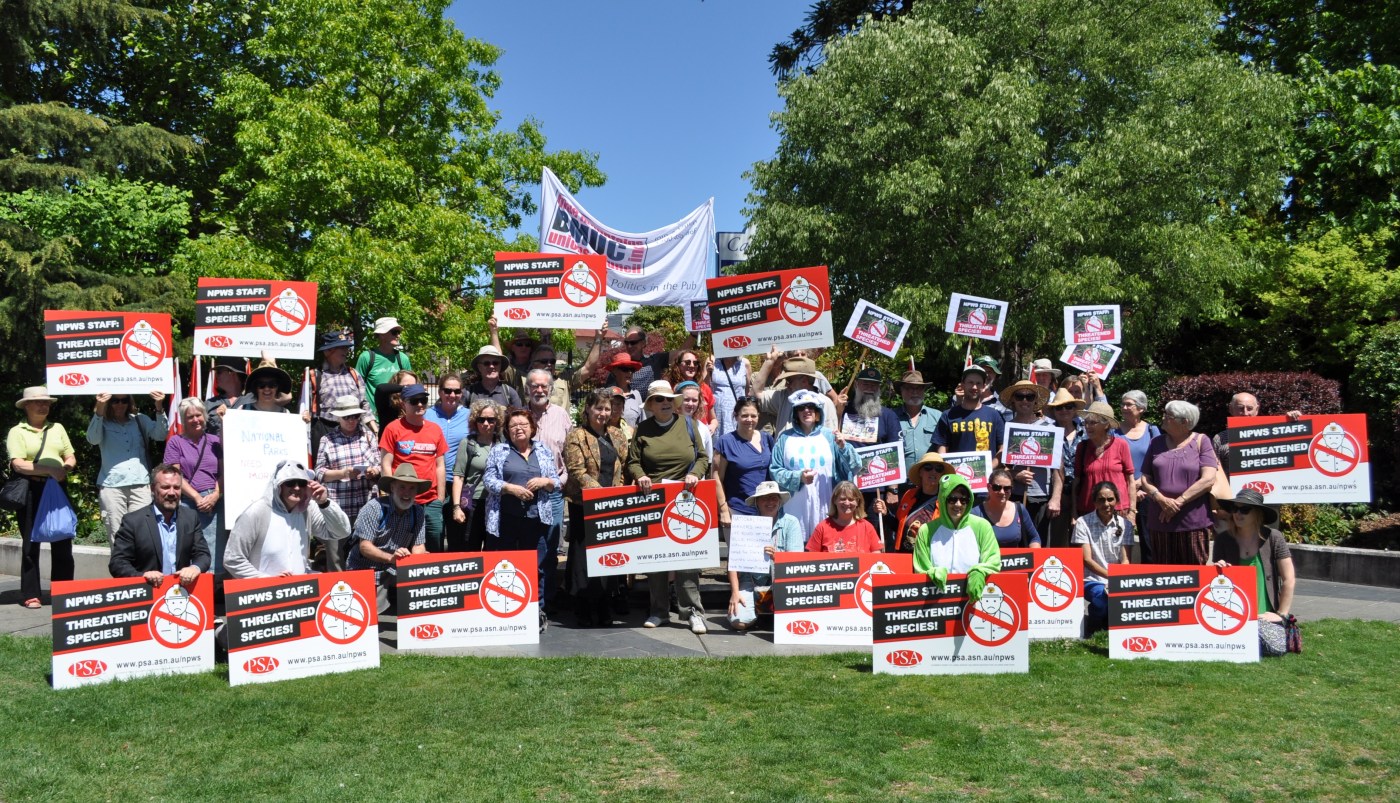
We need national parks. Primarily they exist to protect wild nature. But many of them provide wonderful opportunities for outdoor pursuits, recreation, relaxation and solitude.
But national parks need staff. To manage the land, control weeds and invasive species of animals, manage for fire, provide interpretation and education, look after visitors and park infrastructure like tracks and other facilities.
Sadly in NSW, the state government is carrying out a major ‘restructure’ of the Parks Service which, according to the Public Service Association (the public sector union representing Parks employees) “will cuts jobs and push hundreds and hundreds of years of experience out the door.”
Continue reading “NSW Parks Service staff: a threatened species?”
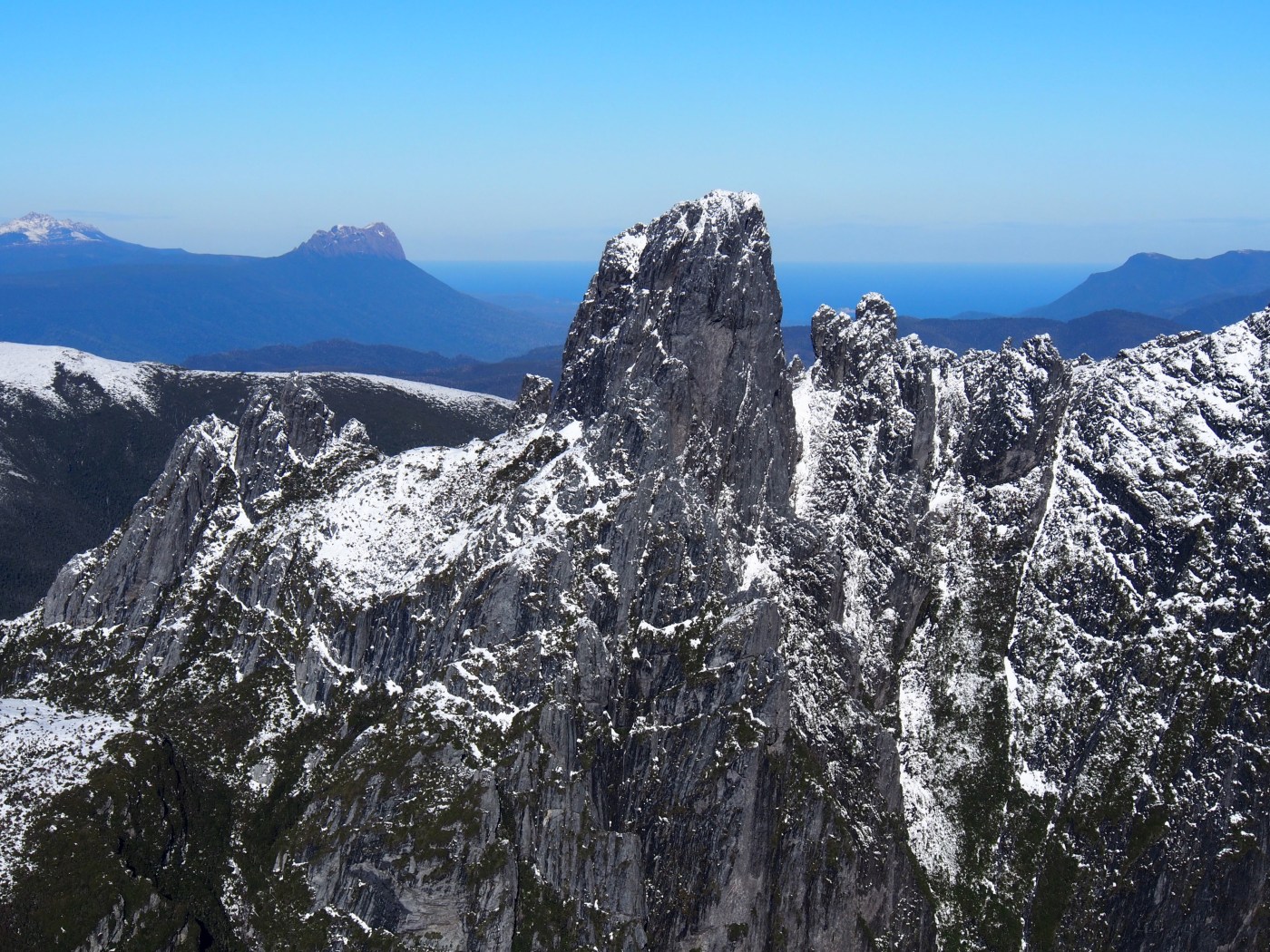
A group of investors are proposing a track to a remote wilderness lake at the base of Federation Peak in Tasmania’s South-West.
They have developed a consortium called the Geeves Effect, and are pushing for a 2.5 km track extension to ‘provide walkers with views of Lake Geeves’.
According to reports in The Mercury, they say that ‘the bushwalk could rival Cradle Mountain and Three Capes Tracks as a tourism magnet’.
The Bob Brown Foundation opposes what it calls an ‘invasion of the citadel of Tasmania’s wilderness by private enterprise using public money’, warning that it would open the door to private development.
Continue reading “New track proposed close to Federation Peak”
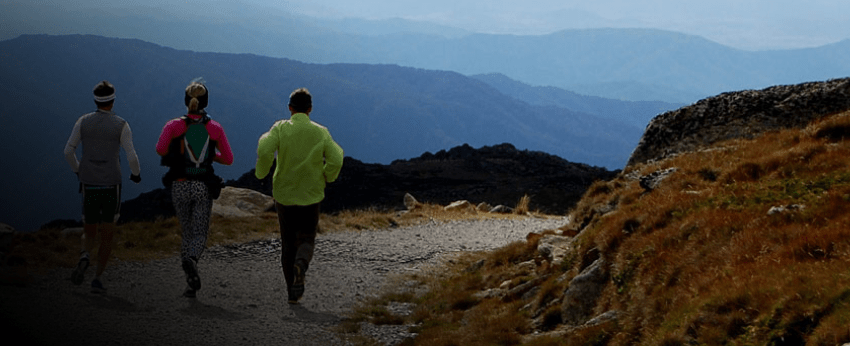
Now that we’re well and truly into trail running season I expect that lots of people who love running events are in training. It’s always good to have something to work towards. If you’ve been a bit slow off the mark, the Australian Alpine Ascent will be held in the Snowy Mountains on March 10.
Plenty of time to get in shape!
Full details below.
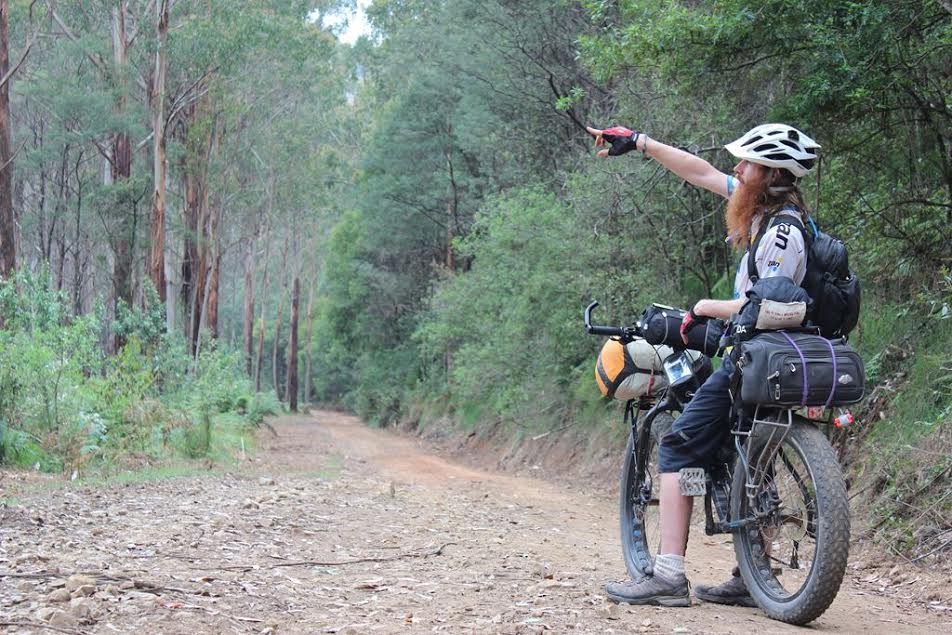
Aidan Kempster has been raising the profile of the proposal to create a Great Forest National Park through riding the trails and roads of the Central Highlands. He has been sharing his trips and insights on his website Riding for the Great Forest. He has also started to lead day rides, which are open to all people who are keen to do some MTB riding in these precious and threatened forests.
The next ride is on this Saturday (November 11) near Starlings Gap, which is near Warburton.
Continue reading “Riding for the Great Forest National Park – day ride to Starlings Gap”


 Mountain Journal
Recent Comments