This event is organised by the Friends of Baw Baw National Park, and will be on August 13.
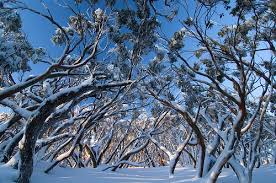
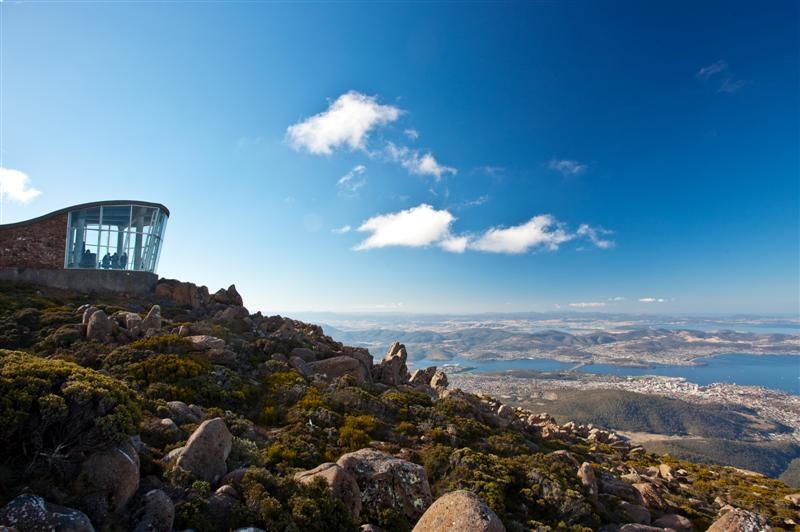
The ongoing attempt to build a cable car up the face of Mt Wellington/ kunanyi in Tasmania is at a turning point. This project would cause major visual scarring to the mountain and many localised ecological impacts. It represents an old fashioned ‘Disneyland’ approach to tourism and is widely opposed by the community in Hobart.
Mathew Groom, member for Denison and also a close friend of the cable proponent, has now released legislation which would allow for land to be acquired on Mt Wellington. This would bring the project much closer to being realised. There is a short window of time to express your concerns about this legislation. Please see below for details.
Continue reading “TAS government legislation would bring Mt Wellington/ kunanyi cable car closer”
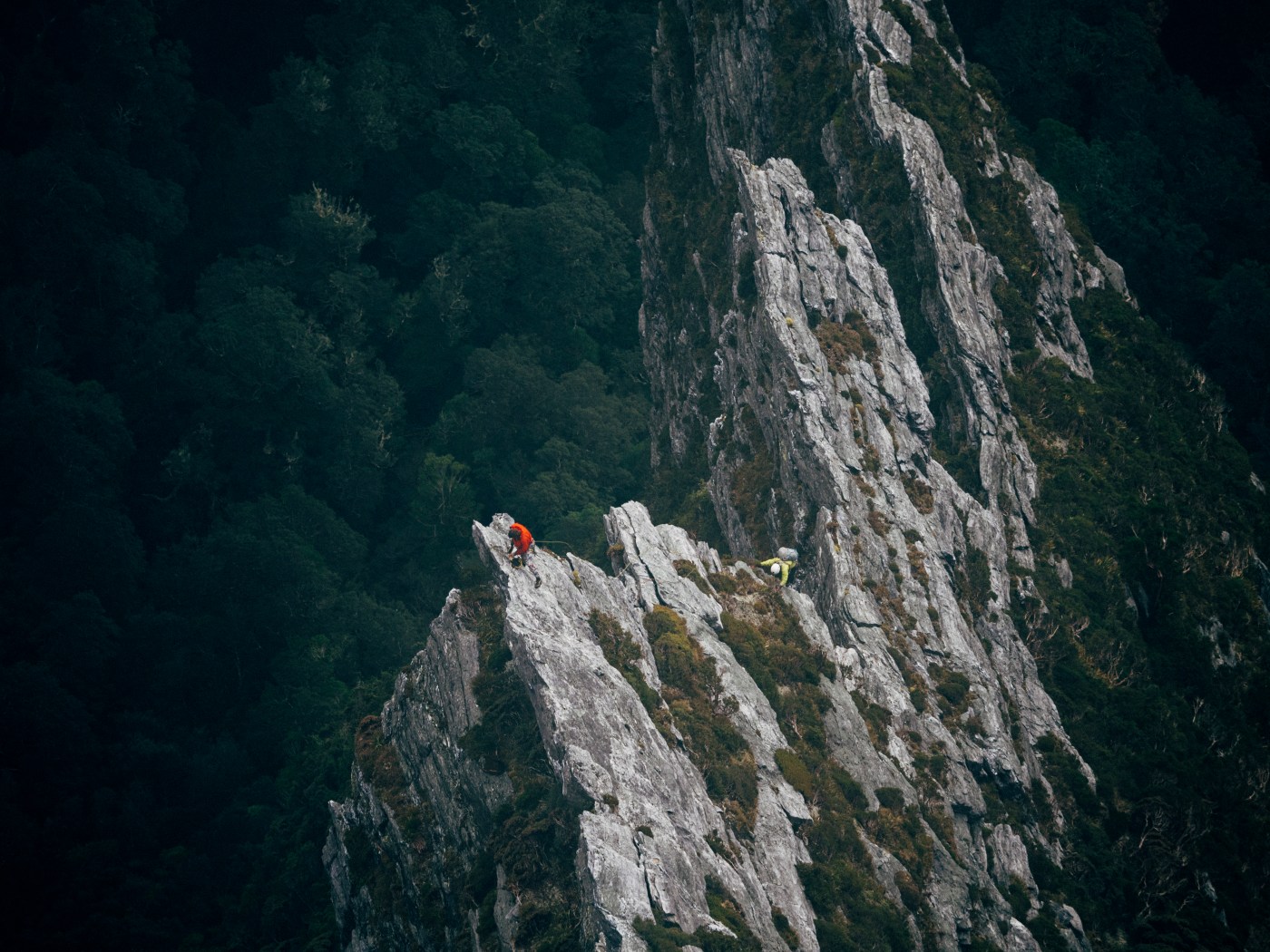
The iconic ridge on an iconic mountain – Blade Ridge on Federation Peak in south west Tasmania. Any climber who has been in there will have marvelled at that incredible spine of rock. Normally the thought of just getting to the base of the ridge through relentless scrub is enough for you to put it in the ‘Yeah. No’ category of dream trips.
But one group of climbers have been in to the Blade to climb it, in winter. They are now making a film about the trip and have launched a crowdfund campaign. Check below for full details.
We all love outdoor films: skiing and riding, climbing, paddling, walking. It’s all good. Inspiring us to get off the couch and into the Big Wild.
But women are still radically under represented in this genre of film. While the situation is slowly changing, and there are ever more outdoor films that do feature women, we still have a long way to go.
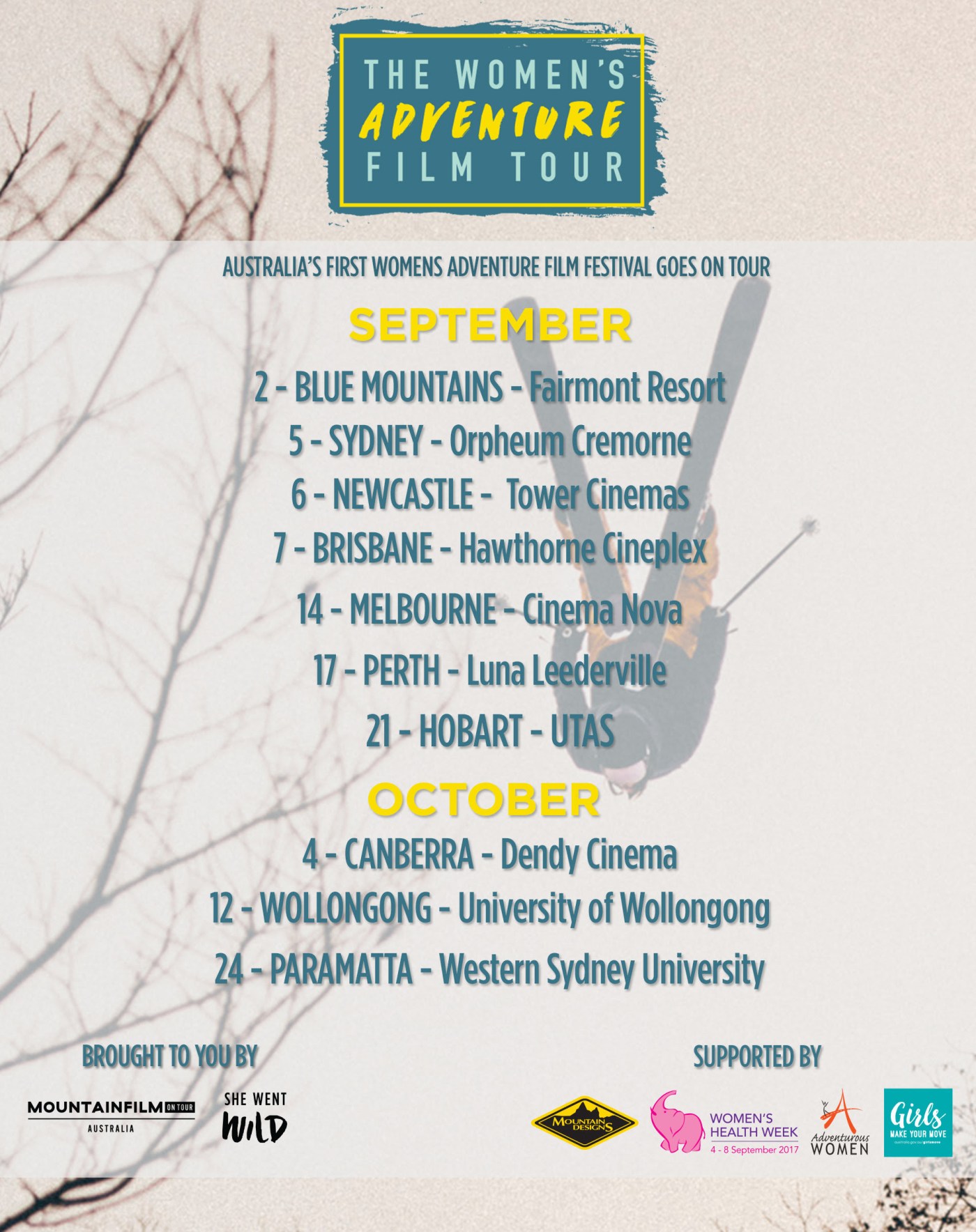
That’s why this film festival sounds so great: The Women’s Adventure film tour ‘features some of the world’s most inspiring women in adventure’. It draws on the women specific entries from the Telluride Mountain Film Festival, and is showing nationwide in ten locations in September and October.
Continue reading “Australia’s first women’s adventure film festival goes on tour”

GET HIGHER WITH JEREMY JONES
23 JUL 2017
Internationally renowned big mountain snowboarder Jeremy Jones is highly regarded for what he can do on a snowboard and now also for his important work leading the non-profit organisation “Protect Our Winters” (POW) championing awareness and action on climate change.
Jeremy is visiting Mt Buller and will present his award-winning snowboard film “Higher” on Sunday 23 July at 7.15pm. He will also speak about his passion for protecting the mountains he loves and why ‘we need winter’.
“Higher is the third in an inspiring trilogy of films that started with “Deeper” and “Further” and documents Jeremy taking on extreme snowboarding adventures deep, far and high into the mountains starting near his home in Squaw Valley, then Jackson Hole Wyoming, Alaska and Nepal.
Many snow films, including some he’s made earlier in his career, use helicopters to access the lines they ride and film. In “Higher” Jeremy climbs each peak under his own steam working with his brother Todd and Steve at Teton Gravity Research to create the film.
***The night will book out quickly with tickets on sale at the Rip Curl store and Photo Shop at Mt Buller ***
Jeremy will take part in a Q&A and talk about his snowboarding career, his work with POW and his passion for riding which has seen him create his own snowboard range and spend time riding with his wife and children. He is on holiday in Australia but accepted an invitation from his friend Tony Harrington to come and speak. Jeremy is planning a ‘ride’ day in which he looks forward to exploring Mt Buller with local boarders and experiencing snowboarding amongst the snow gums.
Protect Our Winters began ten years ago. Since founding the organisation Jeremy has grown the awareness and action of POW to include a global network of over 130,000 supporters and engaging with 60 million + snowsports enthusiasts. As Jeremy explains,
“Though we can dress up for meetings, in the end we are pro athletes, dirtbags and diehards; for us, winter is not just a passion, but a way of life. Right now, we have the luxury of worrying about how climate change might impact the outdoor industry. Right now, we get to help dictate the outcome rather than react to a foregone conclusion. If we sit on our hands for the next two decades, we won’t be worried about powder days, tourism or having fun. We’ll be worried about the stability of our environment, our jobs and our economy.”
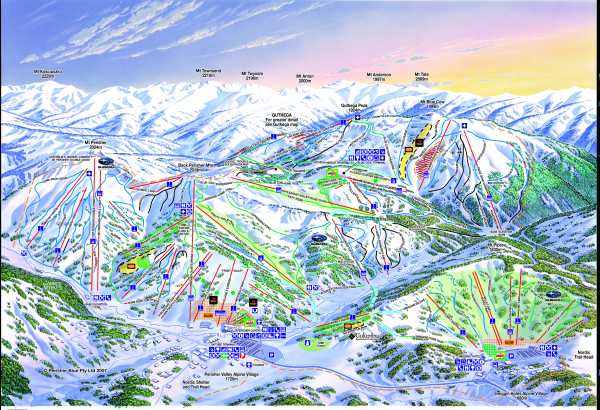
In Victoria, ski resorts operate on designated permanent Crown land reserves, each managed by a Resort Management Board appointed by, and responsible to, the Minister for Environment, Climate Change and Water. The Boards are responsible for the development, promotion, management and use of each Alpine Resort. In contrast, the resorts in NSW exist within the Kosciuszko National Park and operate through negotiating a lease with the government through the Parks Service (NPWS). They are then required to develop an environmental management system (EMS), which seeks to regulate and minimise the impacts of the operation on the natural environment.
As has been reported widely in regional media, it has been recently announced that the Parks Service has not granted any company a new head lease arrangement for Perisher Range in their recent Governance Review. Having a head lease allows the holder of the lease to then sublet to other businesses such as venues, accommodation, family lodges, etc.
This has caused a lot of anxiety among businesses, both in the park and adjacent communities who are reliant on the smooth functioning of the industry. While it is obviously essential that the conditions of the lease ensures minimal impacts on the surrounding environment, the uncertainty in terms of the future of Perisher and Charlotte Pass is very stressful for people whose livelihoods depend on these operations. One local owner said “NPWS made the announcement publicly before the stakeholders knew that it was off the table ….this means that clubs are unable to accept bookings for the following year or budget, invest or plan due to lack of vision first & foremost.”
The following article written by Steve Cuff comes from the Snowy Mountains Magazine, and provides a comprehensive overview of what the delay means for businesses (and hence the ski industry in general).
Continue reading “What is happening with the lease at Perisher?”
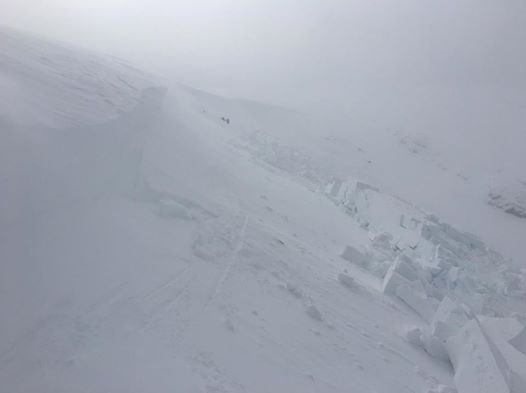
After a slow start to the winter, we’re getting some serious top up to the base in the backcountry. Whenever you get sun affected snow covered by fresh, there is a chance you will get the potential for avalanche conditions to form on any steeper slopes at higher altitudes. This week there were reports of a ‘monster avalanche’ on Mt Bogong. What makes this concerning is the fact that (as Snowsense puts it) ‘from observations at Hotham and Falls, we had no indicator that Bogong was ready to let rip’.
This highlights the need to check conditions both before you head off and while you’re out in the mountains. Luckily there is a fantastic website to help with this: brought to you by the Mountain Sports Collective.

NSW Nordic Ski Club presents the 2017 Winter Wildlands Alliance Backcountry Film Festival.
Following on from our screening last year, this year we are having an intimate screening of the Winter Wildlands, 2017, Backcountry Film Festival at the McMahons Point Community Hall, 165 Blues Point Rd, McMahons Point, on Wednesday 26, July. It is a public event open to everyone to celebrate all things snow and the human powered mountain experience.
Wednesday 26 July, 7.30pm, McMahons Point Community Hall, McMahons Point/North Sydney
All welcome.
Continue reading “Backcountry film festival Sydney July 2017”
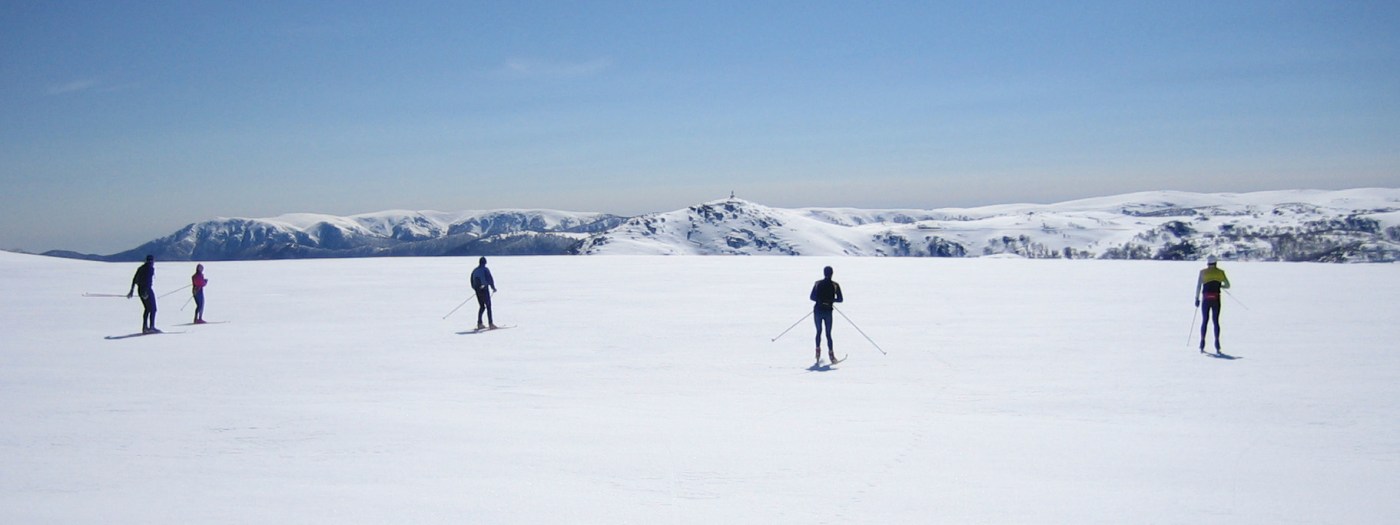
Just a reminder that the YMCA offers a great service for people interested in getting involved in cross country skiing. They are based in the XC building at Windy Corner (at the top end of the Falls Creek village).
Apart from offering a shelter for skiers, it has a cafe, and ski hire services.
It also offers
- Group and private ski lessons. clinics twice daily and daily video analysis
- Moonlight and dawn skis (weather depending)
- Day long snowshoe and ski tours to the backcountry

We’re now into early July and the only skiable ski in any of the resorts is there because of snow making. And while everyone in the ski industry knows what’s happening when it comes to climate change, they continue happily on the pathway of ‘diversification’, expanding activities in the ‘green season’ and investment in snow making equipment, to the exclusion of any meaningful action on climate change.
I always struggle to understand this. Surely any smart business can ‘walk and chew gum’ at the same time – in this case that would mean diversifying your year-round tourism ‘offerings’ while investing in snow making while also walking the talk on climate. Its also called mitigation, it means doing things like shifting your operations to using renewable energy instead of coal. What is astonishing is that there is so little meaningful action by Australian resorts.
Continue reading “The ski industry and climate change. The denial continues”

Dave Bain
This piece follows on from a previous article I wrote in 2012 for Protect Our Winters (POW) (Bain 2012). It takes a quick look at what the observed trends have been in Australian snowfalls over the past few decades. Regardless of people’s stance on climate change, these observations are a hard look at the likely future of Australia’s alpine environment, and our winter enjoyment.
Continue reading “A perspective on the future of Australian snow”
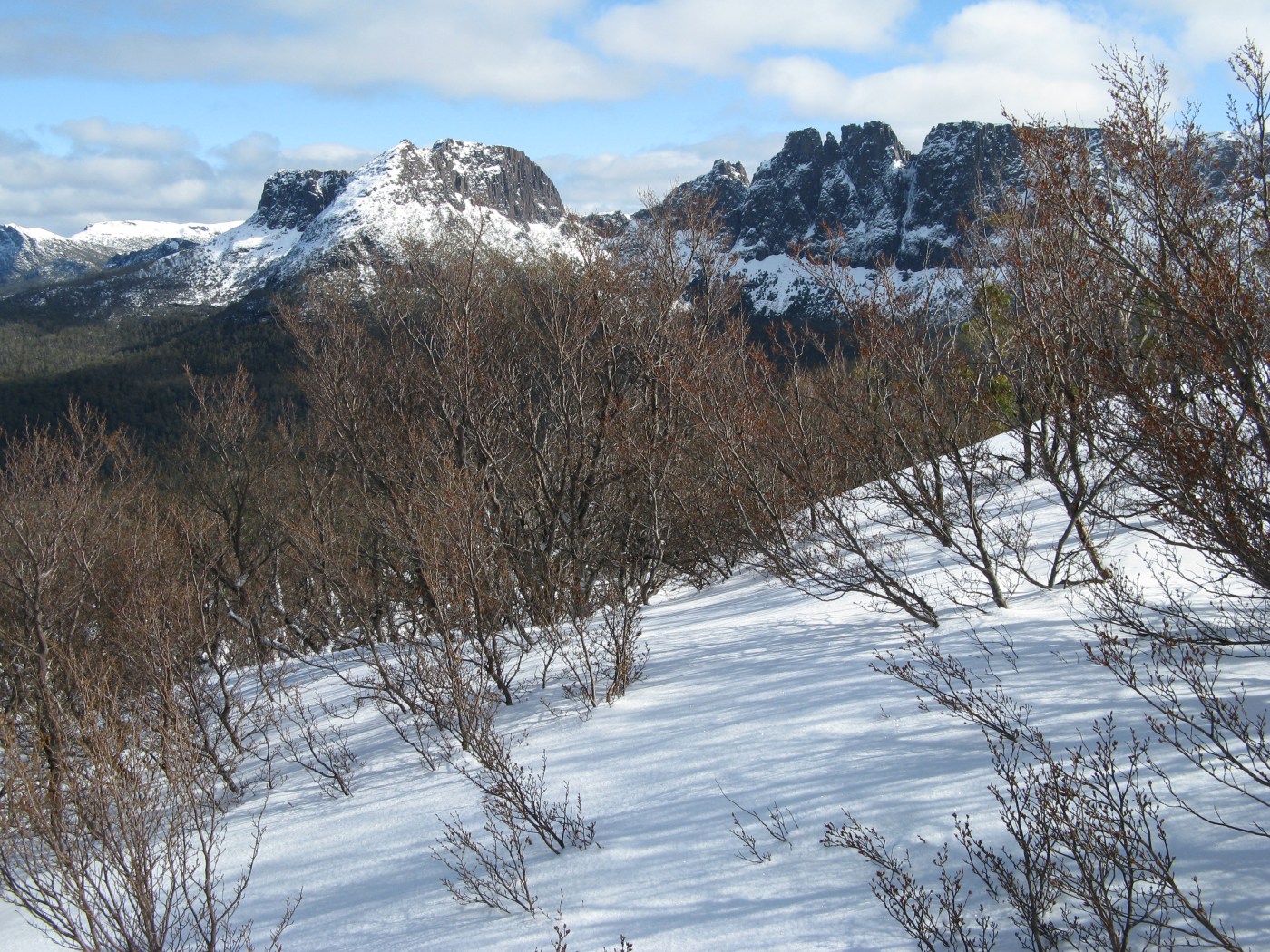
As some forecasters suggested early in the year, 2017 seems to be turning into a less than average and slightly erratic season. The ephemeral joy of winter snow seems even more fleeting than usual this year, with the lesson that you should get out and enjoy it wherever and however you can when it arrives.
The most recent fronts appear to have brought the most snow to the southern mountains of Tasmania, which also got me thinking about the ephemeral wonder of Tassie’s peaks after heavy snow.


 Mountain Journal
Recent Comments