Search

Mountain Journal

Environment, news, culture from the Australian Alps

Tag

Australian Alps

Can you help us to print and distribute mountain journal mag 2026?

We produce Mountain journal magazine once a year, and distribute 1,000 copies for free in breweries, cafes, gear shops, and info centres in valley towns and resorts between Melbourne and Canberra, plus in mountain huts across the high country. It is intended for outdoors people who love the mountains. The magazine is also produced as a PDF and freely available on the website (here).

We now have a theme for the 2026 edition: managing change in the mountains, which will aim to delve into the complex issues of new people and groups who are now visiting the mountains, and how we can welcome these groups while ensuring everyone has a good and safe time in the hills.

Now we need to find the funds to make it happen.

Continue reading “Can you help us to print and distribute mountain journal mag 2026?”
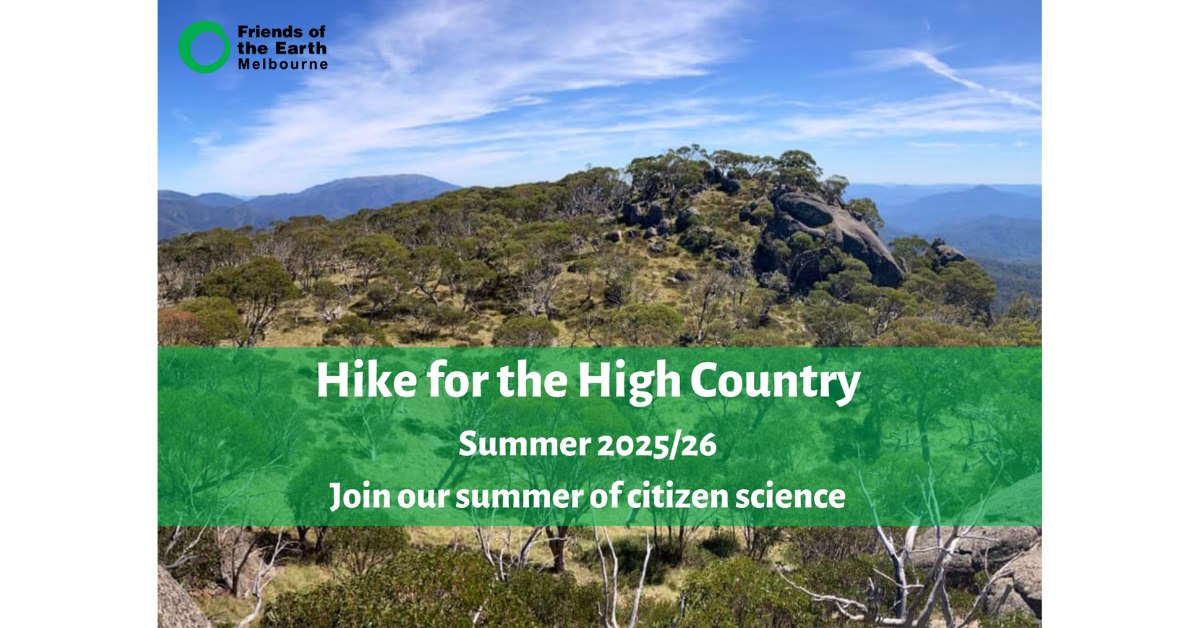
Hike for the High Country.

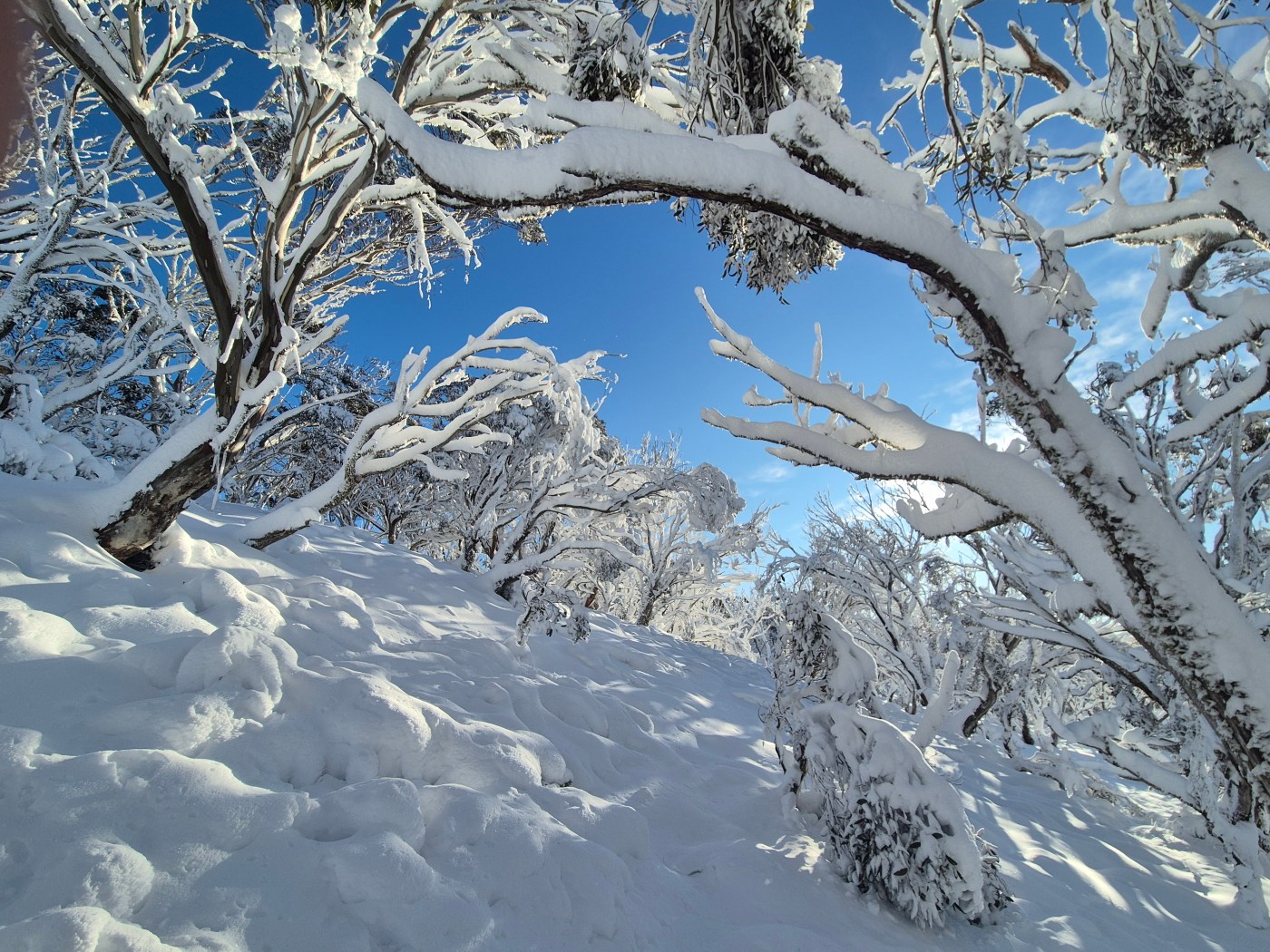
Globally, Alpine Ecosystems are in trouble. Right now our snow gums, an iconic feature of the Australian alps, are facing a mass mortality event and are at risk of ecological collapse due to dieback and the impact of repeated bush fire.

You can help save our snow gums by planning a hike through the Australian Alps this walking season.  While you are walking, record your observations of snow gum dieback and fire impact via our citizen science initiatives.

Continue reading “Hike for the High Country.”

A report from the snow gum summit

Each year it gets a little harder to ignore the impacts of climate change. For us mountain folk, the obvious signs are the more erratic winters, the dwindling snowpack, and the longer fire seasons that, increasingly, disrupt our summers.

Every natural ecosystem on the planet is being impacted by climate change. In the Australian high country, the two most obvious victims are alpine ash and snow gums. It is impossible to miss the walls of grey dead trunks and the thick and flammable regrowth as you drive up into the mountains from any valley town. Climate change is making our fire seasons longer and snow gums are increasingly being burnt beyond their ability to recover. Research from Latrobe University[1] shows that ‘long unburnt’ snow gums are now ‘exceedingly rare’ in the Victorian Alps, comprising less than 1% of snow gum forests.

And dieback is now killing thousands of trees. Dieback is a natural phenomena, caused by a native beetle. However, climate change appears to be ‘super charging’ the scale of the impact. This is because winters are shorter and warmer (meaning more beetles survive the cold months) and summers are hotter and drier (meaning trees are more water stressed and less able to produce the sap that acts as a defence against beetle infestations).

Continue reading “A report from the snow gum summit”

Mountain health snapshot

Much of the mountain country across south eastern Australia and lutruwita/ Tasmania is on protected public lands. While the ski resorts continue to intensify the impact of their existing footprint through continued building and infrastructure, across the undeveloped zones there are also a range of projects that threaten the health of ecosystems.

Seperately, each can feel insignificant. But when taken collectively the impact is enormous. This is a quick assessment of some of the big picture trends happening across the Alps and mountainous zones of Tasmania at present.

Continue reading “Mountain health snapshot”

The Bogong Moth summit

The Bogong moth (Bugung (Ngarigo), Deberra (Taungurung)) is an iconic Australian species, important to First Nations Peoples, critical to ecosystems along its migratory path and the Australian alps, and threatened with extinction. To secure the Bogong moth we need to understand its distribution and migratory flyways which is a major challenge because their distribution records span the full breadth of Australia, everywhere south of 25° latitude.

A Bogong Moth Summit is being organised and will be held in Canberra  over February 28 – 29. The summit’s primary aims are to inspire people to get involved in Bogong moth conservation and highlight their cultural and ecological importance.

Continue reading “The Bogong Moth summit”

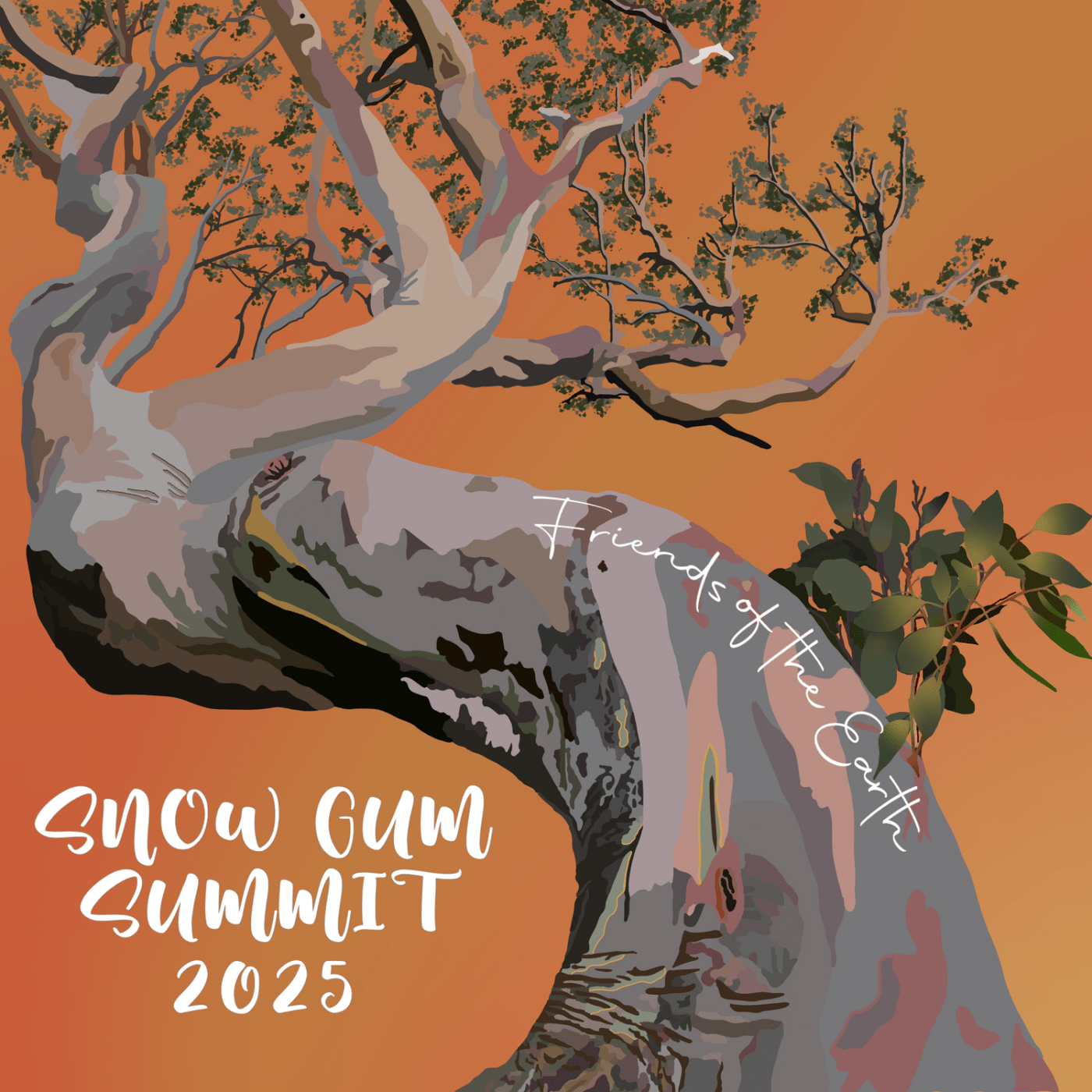
The first Snow Gum Summit

Announcement of conference: February 14 – 16, 2025

Snow Gums (Eucalyptus pauciflora) are the classic tree of the Australian High Country. They are profoundly different to the trees found in mountain areas in other parts of the world, and give a uniquely Australian sense to our high country. However, they are facing a double threat to their survival: from fire and dieback.

We are hosting a ‘snow gum summit’ which will bring together land managers and academics and anyone interested in the future of this iconic species to explore what needs to be done to ensure the survival of snow gum woodlands, and put the issue firmly on the state governments agenda.

We will be inviting First Nations people, local and state wide environmental organisations, local communities and businesses, groups active in outdoors recreation, and enthusiasts of high-elevation, forest ecosystems.  There will be presentations, workshops and field trips.

This event will happen at Dinner Plain, on GunaiKurnai Country in north eastern Victoria.

Continue reading “The first Snow Gum Summit”

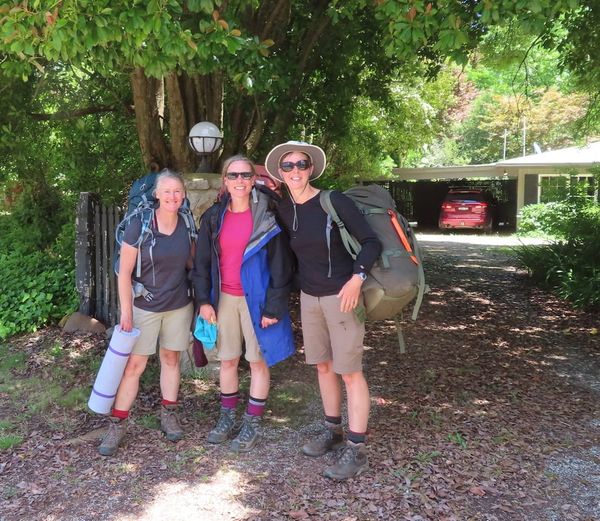
Why did you walk the AAWT?

Long distance walking tracks have a strange allure. They wind through incredible landscapes and offer us time out, an opportunity for reflection and challenge, and a chance of meeting ourselves, others and the land itself.

There are, of course, many great long distance walks in Australia. Some well known like the Overland Track in lutruwita/ Tasmania, and some less known such as the Penguin to Cradle, which starts at Bass Strait on the north coast of Tassie and allows a connection with the Overland, or the McMillans Track, which follows an old route cut through the mountains of Victoria.

Then there is the Bibbulmun Track in WA, which stretches 1,000 km from Kalamunda in the Perth Hills, to Albany on the south coast, winding through the heart of the scenic South West of Western Australia.

Of course, it is the Australian Alps Walking Track (or AAWT) that stands out as our premier long walk, stretching almost 700 kilometres from Walhalla near Victoria’s Latrobe Valley almost all the way into Canberra. Unlike many famous long distance walking tracks, the AAWT is very much a solo effort. Rather than there being mass numbers of walkers starting each day, it is possible to go for days on end without meeting another human. In some sections the track is sketchy or overgrown. The track goes through or past very few human settlements so resupplies can require a bit of work to organise.

Continue reading “Why did you walk the AAWT?”

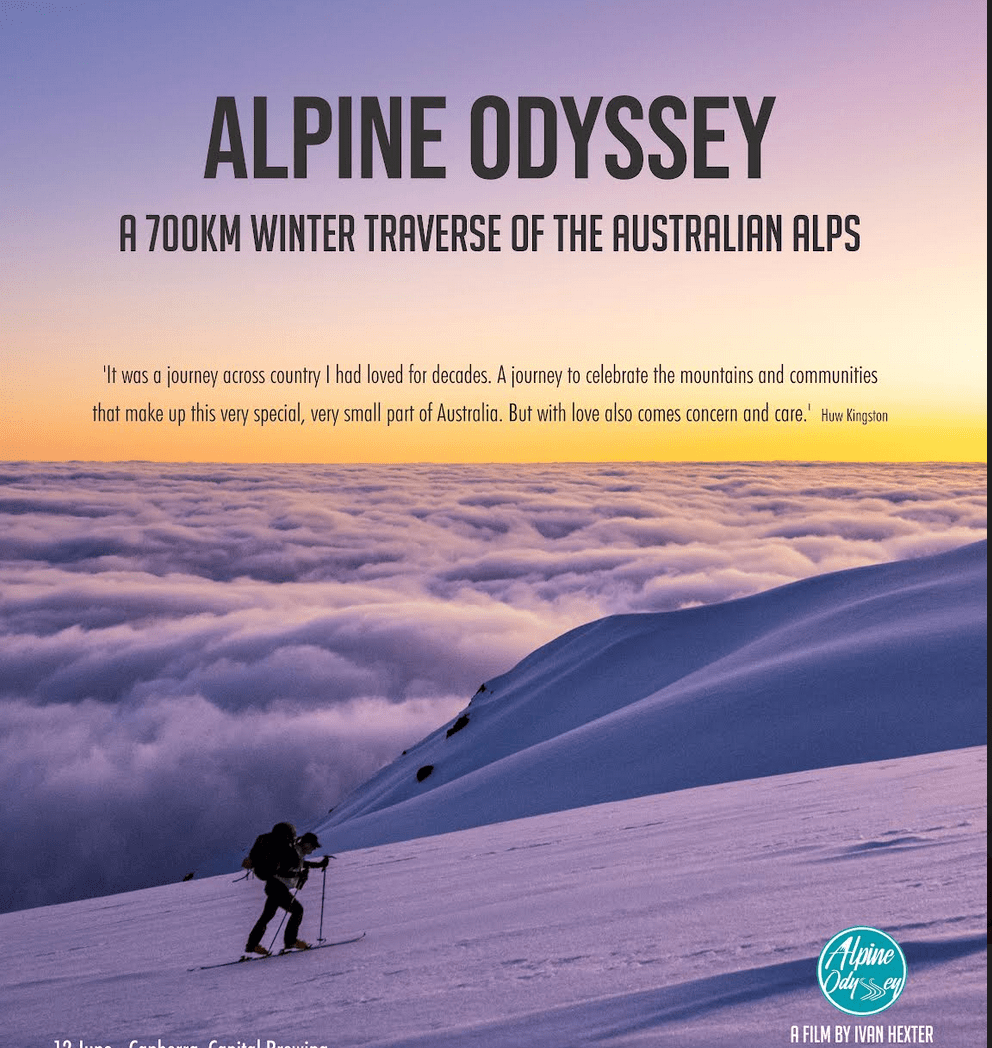
Alpine Odyssey Film – Screening Dates Announced, Bookings Open

Alpine Odyssey, a film by Ivan Hexter, tells the story of Huw Kingston’s winter 2022 journey along the 700km length of the Australian Alps, a journey he first undertook 27 years ago. His 50-day traverse also saw him skiing at each of the dozen mainland Australian snow resorts en route.

“It was a journey across country I have loved for decades” said Huw. “A journey to celebrate the mountains and communities that make up this very special, very small part of Australia. But with love also comes concern and care.”

Screenings will raise funds for Save the Children and Protect Our Winters (POW). Whilst the film will be core to each event there will be other elements to entertain and POW will also be presenting details on some of the important work they are doing here in Australia to highlight the impacts of a changing climate.

Continue reading “Alpine Odyssey Film – Screening Dates Announced, Bookings Open”

AAWT Track Angels – a solution to a long-distance problem!

Long distance walking tracks often attract kind souls who assist the walkers with food, water, beers, lifts, accommodation and other assistance. The ‘Trail Angels’ of the Pacific Crest Trail in the USA are famous for their kindness to hikers. Mick Webster describes the Track Angels of the AAWT.

This was originally published in the 2024 print edition of Mountain Journal magazine (https://themountainjournal.com/mountain-journal-magazine/), which had a series of stories about human powered crossings of the Australian Alps.

Continue reading “AAWT Track Angels – a solution to a long-distance problem!”

Mountain Journal magazine #4 now online

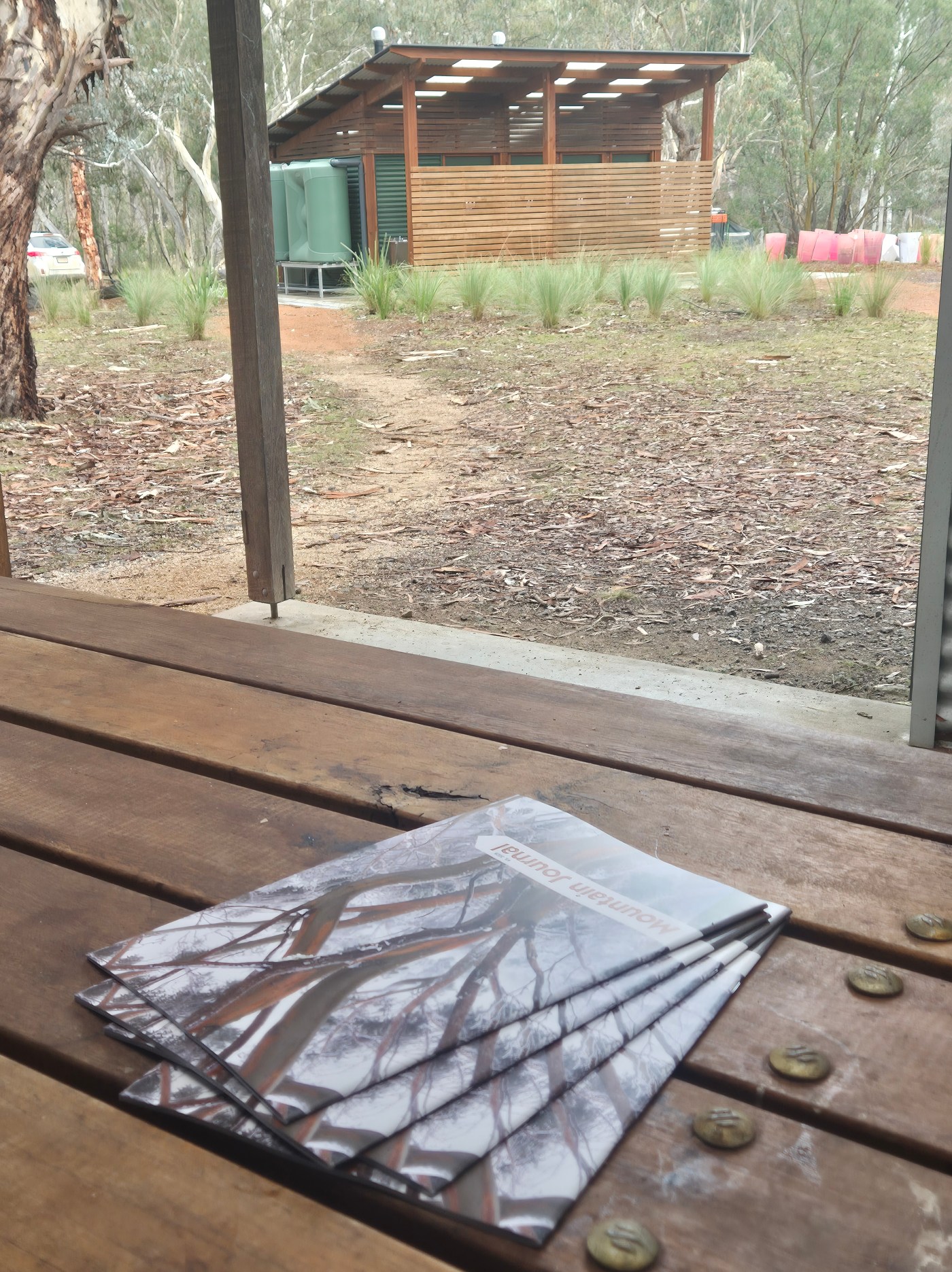
Once a year we produce the Mountain Journal magazine. It is distributed through mountain and valley towns from Melbourne to Canberra each autumn. 2024 is the fourth print edition, and the magazine is being distributed at present.

You can also enjoy this PDF of the magazine MJ4.

Continue reading “Mountain Journal magazine #4 now online”

655: FOR THE WILD

Running 655km across Australia’s toughest alpine track to save our wild places.

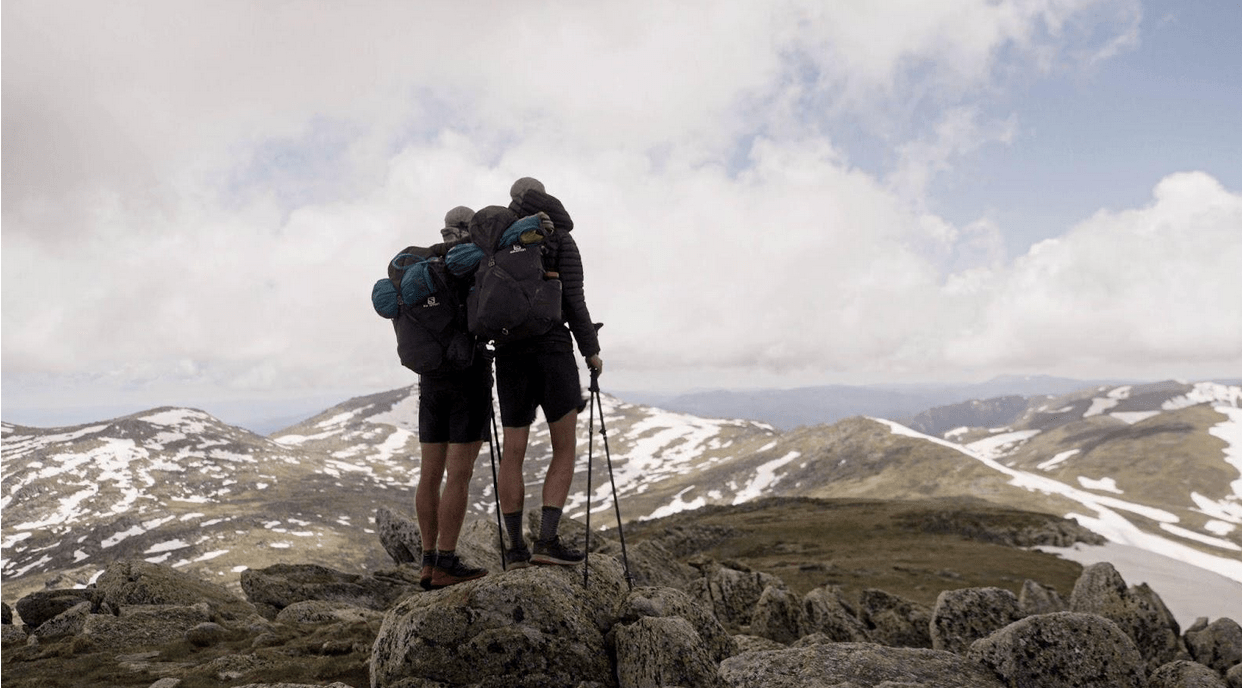
The two of us have always dreamed of running the 655km Australian Alps Walking Track (AAWT). It’s a track spoken of in a quiet reverence, by old hardened hikers who have seen it and done it all. It’s one of the country’s oldest, steeped in Indigenous and colonial history, and is as brutal as it is beautiful (and it is, above all else, beautiful). Ascending a cumulative 35,000m (approximately four times Mt Everest), the track traverses the ridgeline of the Great Dividing Range from an old gold-mining town called Walhalla (two hours’ drive from Melbourne) all the way through to Canberra. Forcing explorers to overcome the extreme heights (and depths) of the majestic Australian Alps across a typically 30 to 40-day journey, the AAWT is not a track to be trifled with.

And that’s why, one summer’s day, we set out to run it – all in an effort to save our wild places. And now we’re asking for your help to share our story.

Continue reading “655: FOR THE WILD”

The Hills Sisters Ski the AAWT

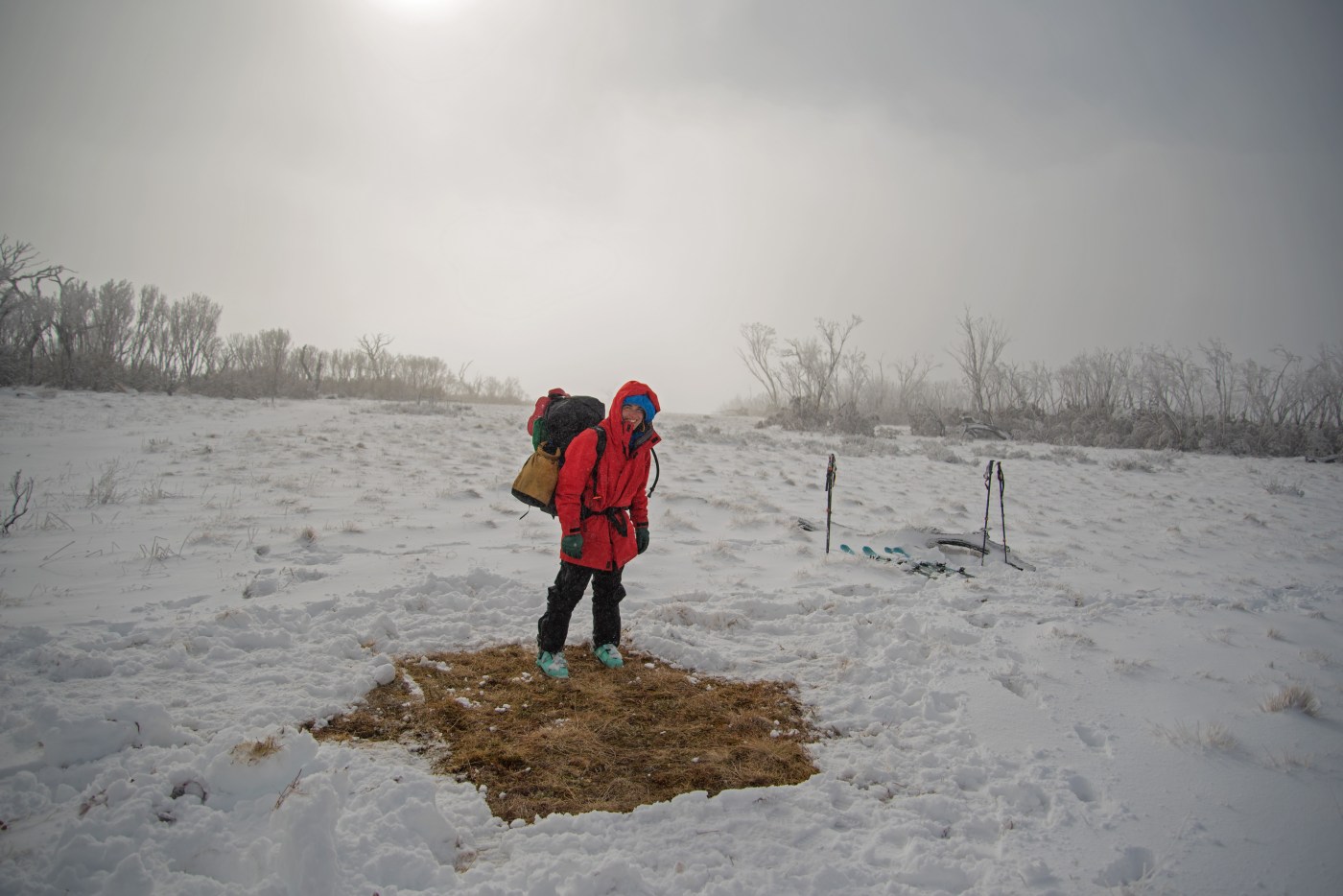
The Australian Alps Walking Track (AAWT) is the premier long distance walking track through the Australian mountains. It starts in Walhalla in Victoria, crosses the Victorian Alps and the Snowy Mountains and goes almost to the outskirts of Canberra. It is 650 to 704km in length, with an epic 28,000 metres of elevation gain during the length of the walk.

Marita Hills recounts her winter journey along the AAWT with her sister Angela.

Continue reading “The Hills Sisters Ski the AAWT”

Blog at WordPress.com.

Up ↑