Search

Mountain Journal

Environment, news, culture from the Australian Alps

Tag

environment

Native forest logging stops in VIC high country on JAN 1!

On January 1, 2024, all native forest logging on public lands in the east of the state will end. This is a wonderful win for forests, animals, landscapes and the climate, and comes after decades of hard work by many thousands of people.

In recent years Friends of the Earth (FoE) has been campaigning to protect areas of high conservation forest in the north east of the state from logging. We are proud to have played a significant role in the long campaign to gain an end to native forest logging in the east of Victoria.

Here is a brief summary of the recent campaign in the north east and the high country.

Continue reading “Native forest logging stops in VIC high country on JAN 1!”

Walker registration in remote TAS World Heritage Areas – how is the system going?

There has long been a permitting system for people wishing to walk the Overland Track in lutruwita/ Tasmania. Since 2021, there has also been a registration system for the Western and Eastern Arthurs and Mt Anne area, Lake Rhona and the Walls of Jerusalem. Many of these areas experienced visits from a record numbers of walkers during the 2022-23 season.

How is the system going? The general feedback from walkers visiting these areas is that the system is needed to manage environmental impact and crowding, but that the system itself needs to be reviewed and improved.

Continue reading “Walker registration in remote TAS World Heritage Areas – how is the system going?”

FORUM: The Future of Firefighting in Victoria

It is quite a few years ago now that I stood on the high point of Mt Blowhard, near Hotham, and watched the Dargo High Plains burning (yet again). That led me on my ‘firefighting journey’ – I went back home and joined the CFA. In the years since then I have seen the reality of more frequent fires in the mountains and the fact that sometimes we don’t have enough firefighters to stop small lightning strike fires from turning into mega blazes.

One example – a couple of lightning strikes near Mt Tabletop on December 31, 2019 (during the Black Summer) were not able to be stopped. They grew into a fire of more than 40,000 ha that threatened the township of Dinner Plain twice and homes in the Cobungra valley.

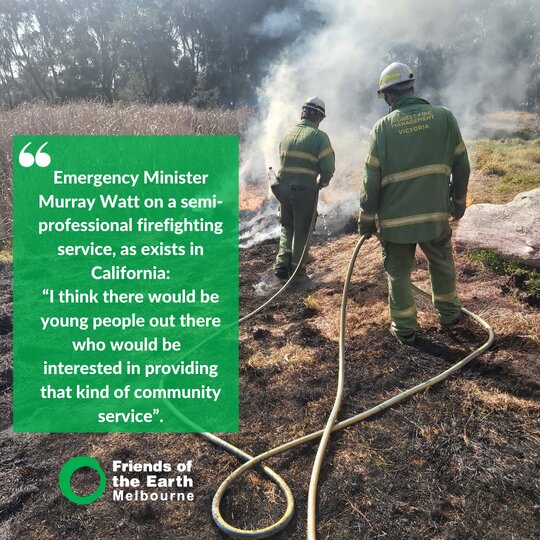
That’s where this idea came from – an additional force of remote area firefighters who can be tasked with assisting the wonderful state government firefighters employed by FFMV.

The proposal will be discussed during a free online forum being hosted on Thursday December 14 at 7pm.

Continue reading “FORUM: The Future of Firefighting in Victoria”

Victorian State of the Environment 2023 Report released

The Victorian State of the Environment (SoE) 2023 Report has been released. These are five-yearly report cards produced by the state government which measure the health of our natural environment – our land, water, air and ecosystems. The report covers three key areas:

  • the health of Victoria’s natural environment
  • the adequacy of our science
  • areas for future focus.

The Greens labelled it ‘a damning new report (which) has found Victoria’s ecosystems and threatened species are in a far more dire situation now than they were five years ago’.

They say ‘It found that biodiversity and climate change indicators were particularly bad, with more than 75% of biodiversity indicators (32 of the 42) deteriorating or unclear, and 73% of climate change health measures (11 out of 15) also deteriorating or unclear. Only 1 out of 57 were classed as good (which related to the number of Victorians taking action to protect nature)’.

While I don’t have time to do a deep analysis of the report (which is available here), a quick look at the categories related to mountain areas are all fairly depressing. In short, there are no positive trends that are obvious.

Continue reading “Victorian State of the Environment 2023 Report released”

TAS gov pushes ahead with Tyndall Range proposal

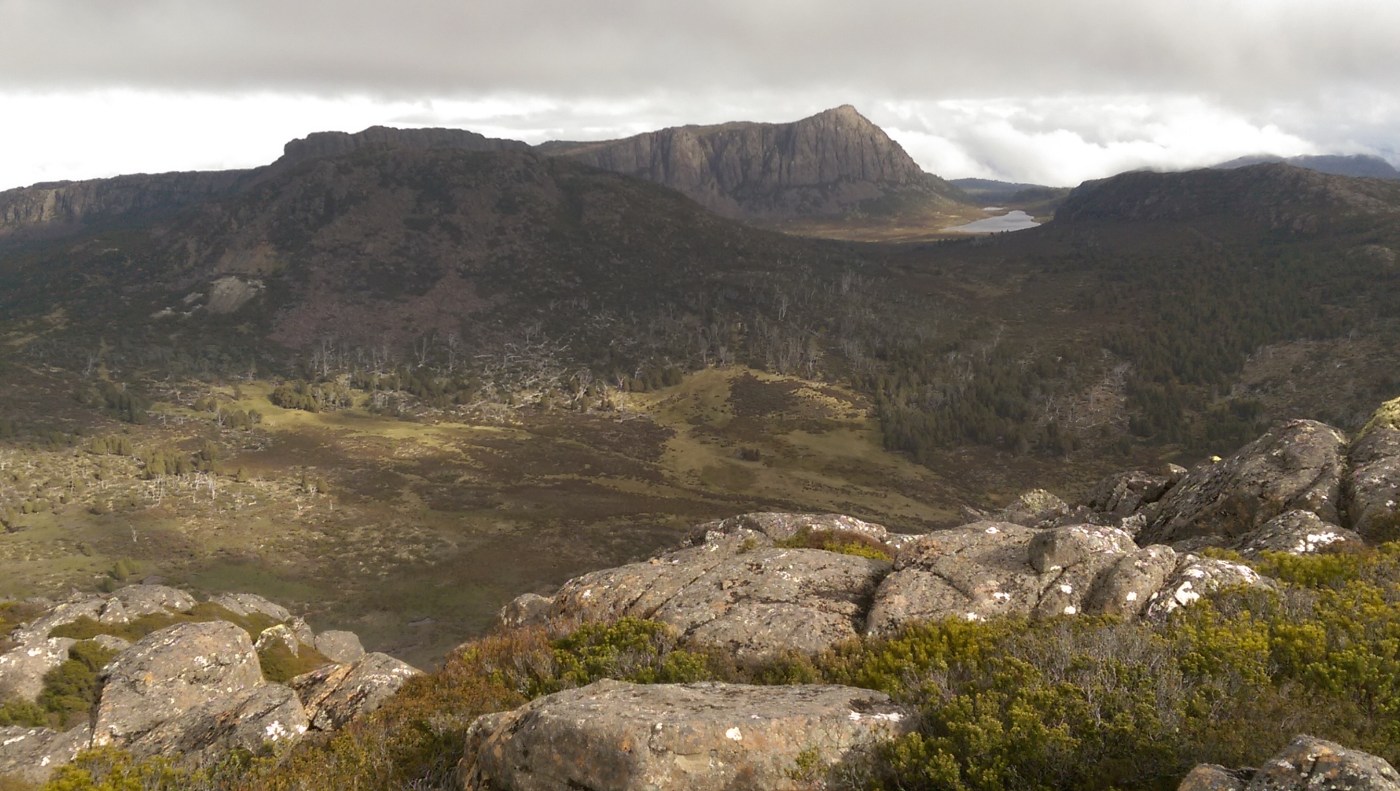
[ABOVE: do you want a privately run hut here?]

Around the country, protected areas are being threatened by the prospect of commercial development within parks. One of the long running issues has been a proposal to build an ‘iconic’ walk in the Tyndall Range in western lutruwita/ Tasmania.

The Tyndalls are a spectacular range which is tucked out of the way and currently in a wild condition, with no roads or other infrastructure on the range itself. However in 2019, the Tasmanian Liberals announced a plan to commit “up to $20 million … to deliver our next iconic multi-day, hut-based walk which will enhance the visitor economy throughout the entire region”. According to the proponent, the proposal includes the option of “a private walking company .. investing in the development of private lodges similar to that of Three Capes Track”. A subsequent Feasibility Study concluded that the proposed walk was only feasible if the then-budget of $20 million was doubled, which the government duly did.

Recently it has been made clear that the government intends to proceed with this controversial project.

Continue reading “TAS gov pushes ahead with Tyndall Range proposal”

Are we ready for the next Black Summer?

Firefighters say dry lightning has caused more than a dozen fires across Queensland this week, sparking concerns for authorities battling El Niño conditions.

As reported by the ABC, senior meteorologist Steve Hadley from the Bureau of Meteorology said dry lightning occurred when there was no significant rainfall, particularly during “overarching dry conditions”.

“Sometimes with not enough significant rainfall, of a few millimetres or more, that can mean lightning is essentially happening over drier areas and drier terrain with no rain to follow it up,” he said.

“Then you can get some fires starting from that depending on how the landscape is at that time.”

The threat from dry lightning caused fires continues to increase in mountain environments. To take one example, multiple lightning strikes across the Victorian high country on December 31, 2019 resulted in fires developing, including the 44,000 ha Cobungra fire which threatened Omeo, Anglers Rest, and Cobungra.

Continue reading “Are we ready for the next Black Summer?”

Are you suffering from Shifting Baseline Syndrome?

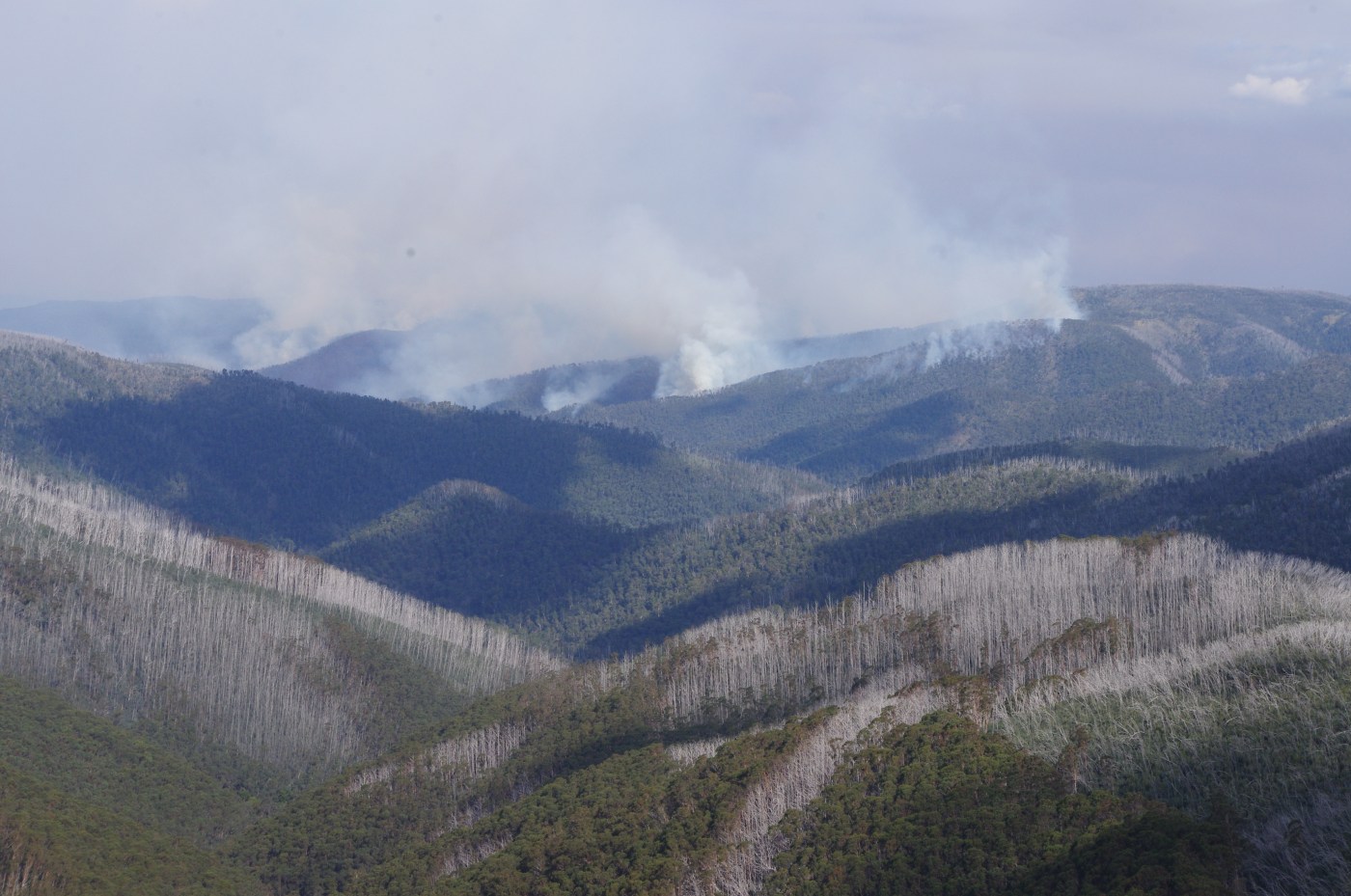
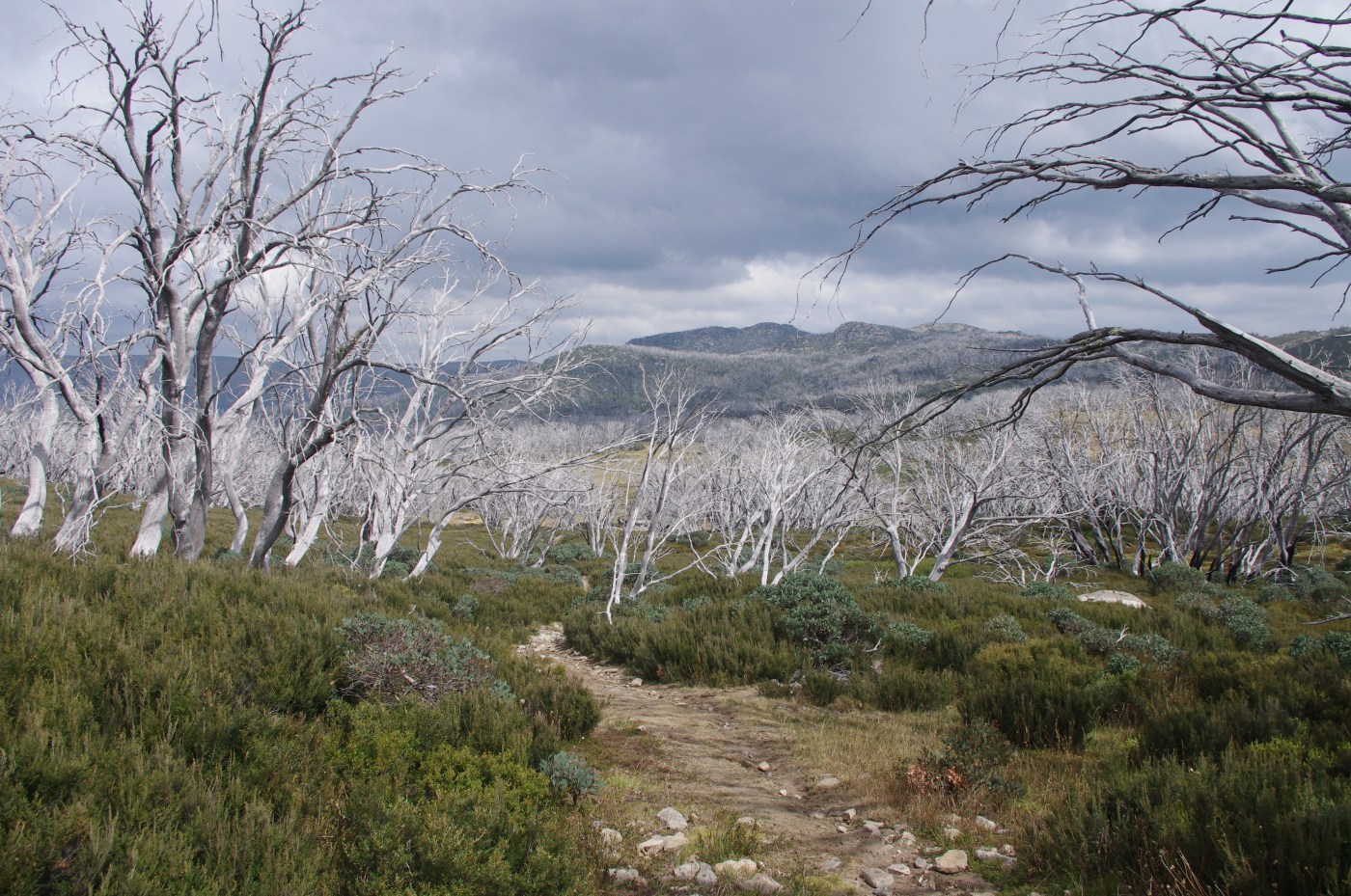
How often do you see an image or vista like this when you’re in the mountains? Whether you drive up from the valley towns through mile after mile of grey alpine ash trunks, or wander, ski or ride through the snow gum ghost forests of the high plains, you are witnessing a world that didn’t exist a generation ago.

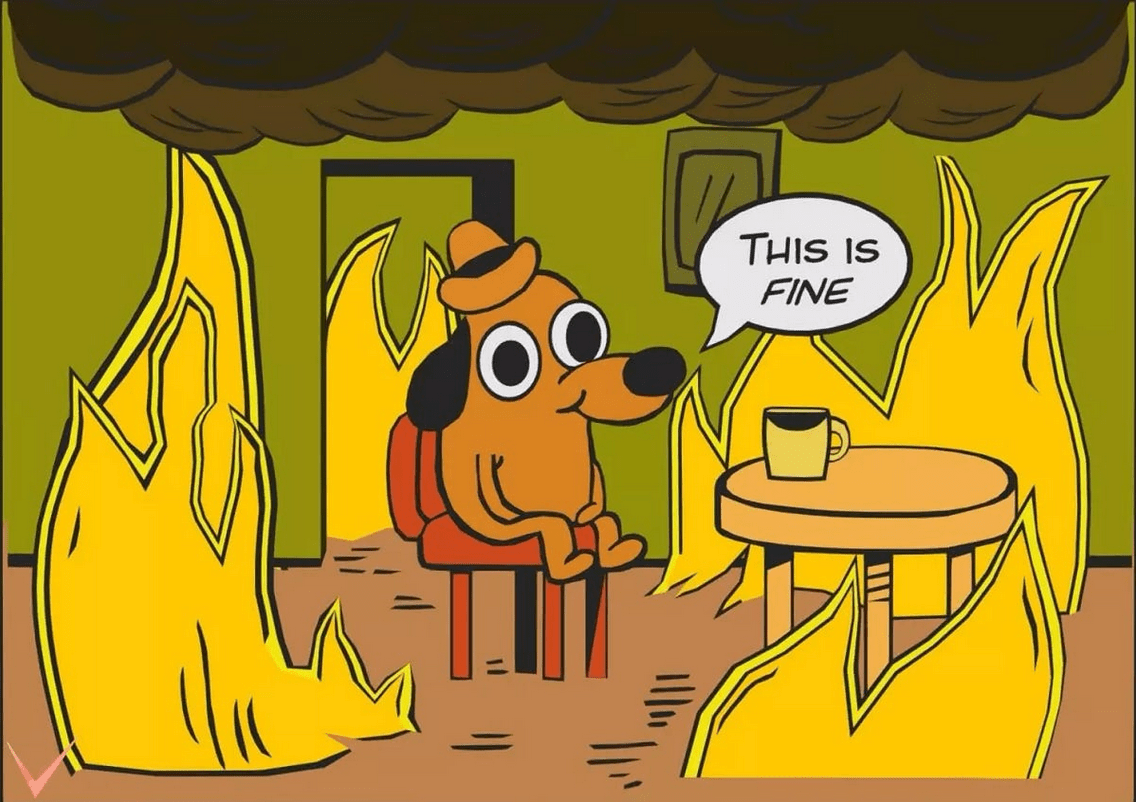
Whereas we would have infrequent hot fire in the high country in the past, now we have fire on endless repeat. The forests get younger as we get older, yet this new reality of dead trees and thick regrowth becomes understood as being ‘normal’. Many people don’t recognise that what they see as they look out from a ski resort over burnt out hills is actually ecological collapse in real time.

Are we all just witnessing a deteriorating landscape and thinking it is ‘normal’ because we don’t have a memory of what was here before?

Continue reading “Are you suffering from Shifting Baseline Syndrome?”

The Ash Forest Restoration Project

‘Ash forests’ – forest comprised of Mountain Ash, Alpine Ash, or sometimes both – are some of the most iconic forest types in Victoria, or even the world. Covering around 500,000 ha of Victoria and stretching from the Otways to the north-eastern boundary with NSW, few who spend time in these forests – like driving along the Black Spur north-east of Melbourne – are left unimpressed by these tall trees. They are also home to species like the Leadbeater’s Possum and Greater Glider.

These forests have a complex relationship with fire: these forests can live with some fire – but not too much. Scientifically known as ‘obligate seeders’, after severe bushfire, ash forests are killed, but prolifically regenerates from canopy stored seed. The important point here is that these slowly regenerating forests cannot produce seed for 20 years after they regenerate from fire. This means they are highly vulnerable to shortened fire intervals – the exact challenge that land managers in Victoria are facing with climate change.

Once a mountain ash or alpine ash forest has burnt numerous times, it may eventually fail to regenerate, which can lead to population collapse and a change of ecosystem type. This sounds simple, but ecologically, this is dramatic. A tall forest – high in carbon stocks and habitat – changes rapidly to a short shrubland or grassland.

Continue reading “The Ash Forest Restoration Project”

The elephant in the room

The Pacific Crest Trail (PCT) is a 4,200 kilometre track that runs from Mexico to Canada. Since Cheryl Strayed published her bestselling book about hiking the PCT, Wild (adapted into a movie starring Reese Witherspoon in 2014), it has become arguably the world’s best known long distance walking track. The dream of doing a long long walk through wild terrain is a dream for many people.

However:

‘Wildfires now regularly close vast sections of the trail in the late summer, and water sources in the desert and high Sierras are drying up, making remote regions virtually impassable. Hiking the trail end-to-end in one year, a bucket-list item for many long-distance backpackers, is now “almost impossible” due to climate change.’

There are many reports that numbers of walkers are down due to the current season and there being too much snow in long sections of the higher mountain areas of the route.

Wherever we are, whatever mountain range we are in, the reality of climate change gets ever harder to ignore.

Here is Australia, we have a different problem: lack of snow.

Continue reading “The elephant in the room”

Forum: Mobilising the outdoors community

The Victorian backcountry festival will be happening soon at Mt Hotham (September 1, 2, 3). Now in its 6th year, the festival offers tours, workshops, a demo village, ski in outdoor bar on a hilltop, repair cafe, avalanche safety courses, an opening night party, films and a speakers program.

You can register for the festival here. The full program will be posted on the backcountry festival home page shortly.

As part of the speakers program, there will be a great event at The General in Mt Hotham village, with presentations on how to turn concern for the mountains into meaningful action.

Continue reading “Forum: Mobilising the outdoors community”

Maisie Fawcett and her eternal legacy for Australian science

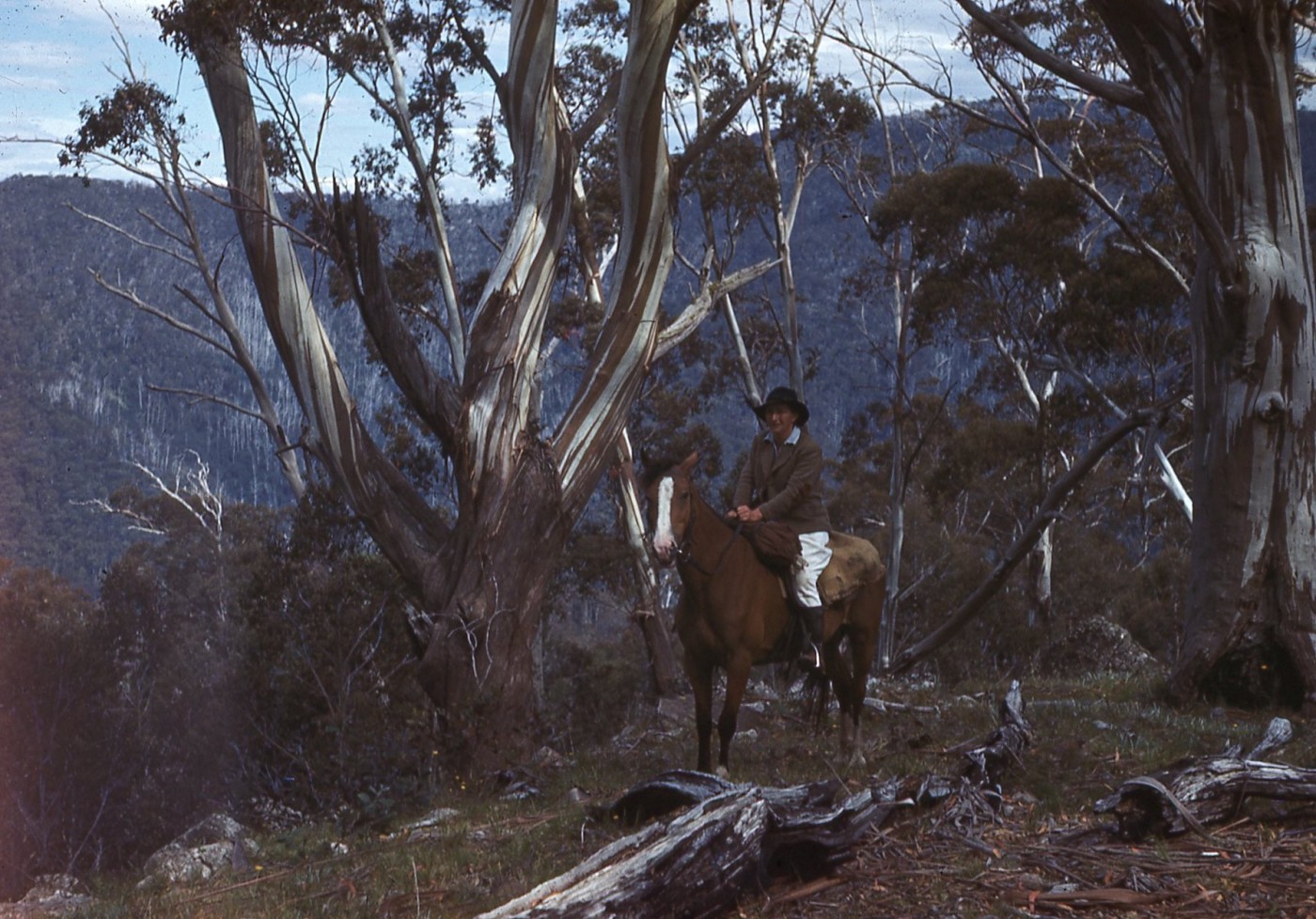
In the 2023 print edition of Mountain Journal (available as a pdf here), we acknowledged the legacy of Maisie Fawcett. Maisie was an ecological pioneer who is remembered for her ground breaking work in the Victorian high country. In this story from Karina Miotto, Latrobe University, Maisie’s legacy is considered in the broader context of her work as a woman operating in a time where society – and science – were heavily dominated by men.

A quiet achievement took place last summer in the Victorian Alps. Scientists gathered to re-measure botanical plots first set up more than 75 years ago by one of the pioneering women in science. This is the story of that woman.

Continue reading “Maisie Fawcett and her eternal legacy for Australian science”

New video celebrates alpine peatland protection

North East Victoria is home to more than 2,000 hectares of Alpine Peatlands, an endangered ecological community listed under the Environment Protection and Biodiversity Conservation Act (1999).

Alpine Peatlands, or Alpine Sphagnum Bogs and Associated Fens, are a priority ecological community for the North East Catchment Management Authority (CMA) supported through a five-year project to protect and enhance these unique environments.

This five-year, cross-regional project is coordinated by the Victorian Alpine Peatlands Project Coordinating Committee (VAPCC) and delivered in collaboration across three CMA regions (North East, East Gippsland and West Gippsland) with Parks Victoria. This project is funded by the Australian Government’s National Landcare Program.

Now a new video has been released at https://youtu.be/QmyxVs7lXHA, developed by North East CMA to mark completion of the Cross Regional Victorian Alpine Peatlands Protection Project. Partners in the video are Parks Victoria, East Gippsland CMA, West Gippsland CMA and Gunaikurnai Land and Waters Aboriginal Corporation.

Continue reading “New video celebrates alpine peatland protection”

Blog at WordPress.com.

Up ↑