Search

Mountain Journal

Environment, news, culture from the Australian Alps

Tag

environment

what would a Coalition victory mean for the Victorian Alps?

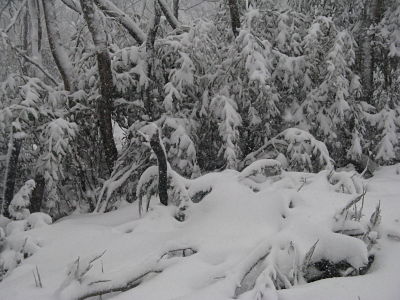
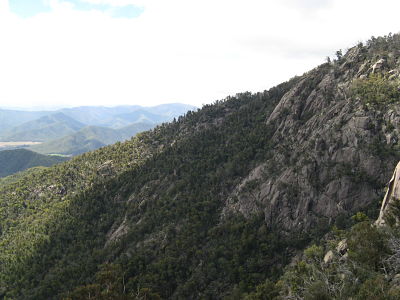
Little Mt Higginbotham, VIC

With the prospect of the Coalition taking power following yesterday’s state election it is worth taking a few minutes to think about what this might mean in terms of a change in attitude to the Victorian High Country.

The most obvious short term implication would be if the Coalition was actually able to implement its promise to return cattle to the Alpine National Park. (Phil Ingamells of the Victorian National Parks Association recently explained why this is most unlikely).

The Mountain Cattlemen’s Association of Victoria (MCAV) is hoping the Coalition will act on it’s promise to re-introduce cows to the Alpine National Park. They say this would be a good thing because “cattle grazing (is) a proven management tool to reduce fuel loads”.

You don’t have to be a genius to know that a cow, given the choice between a succulent plant and a prickly shrub, will choose to eat the former. Over time, at at scale, this drives sub alpine vegetation towards scrubbier vegetation types – which will be more flammable. ‘Alpine grazing reduces blazing’ has been consistently proven incorrect by a number of studies. There are a range of other reasons to keep cattle out of the headwaters of our most significant river systems, not least of which is water quality. Lets hope common sense will prevail on this one.

They have also announced that they would intensify logging and replace native forest ecosystems with Mountain Ash ‘plantations’.

Another, longer term issue is climate change. As we know, climate science tells us that the Alps are at grave risk from climate change unless we can greatly reduce greenhouse emissions in the near future.

The Victorian Coalition was noticeably absent from the climate change debate through most of this year, and didn’t even bother to release their climate change policy before the election.

They did release an energy policy (just 4 days out from the election) and there are various points of detail in that policy that should worry anyone who is wanting action on climate change from the Party that forms the next state government.

This includes the fact that:

  • they have provided very little detail on how Victoria might meet the existing 20% emissions reduction target,
  • there is no mention of the scale of the problem of climate change,
  • there is no direct commitment to a phase-out of Hazelwood or any other coal fired power station,
  • finally, it includes a regressive policy on wind farms.

As leader, Ted Baillieu has shown a complete lack of interest in the issue of climate change. The next few years are pivotal if the global community is to respond effectively to the threat of global warming. Victoria must do a fair share of this work. Based on their actions over the past year, it seems clear that a Coalition government would send Victoria backwards on this most pressing of issues.

In the build up to the election, environment groups released a series of scorecards assessing Party policies. In the final version, the Greens scored 93%, the ALP was next best on 52% and the Coalition was far behind on just 22%.

The scorecard can be found here.
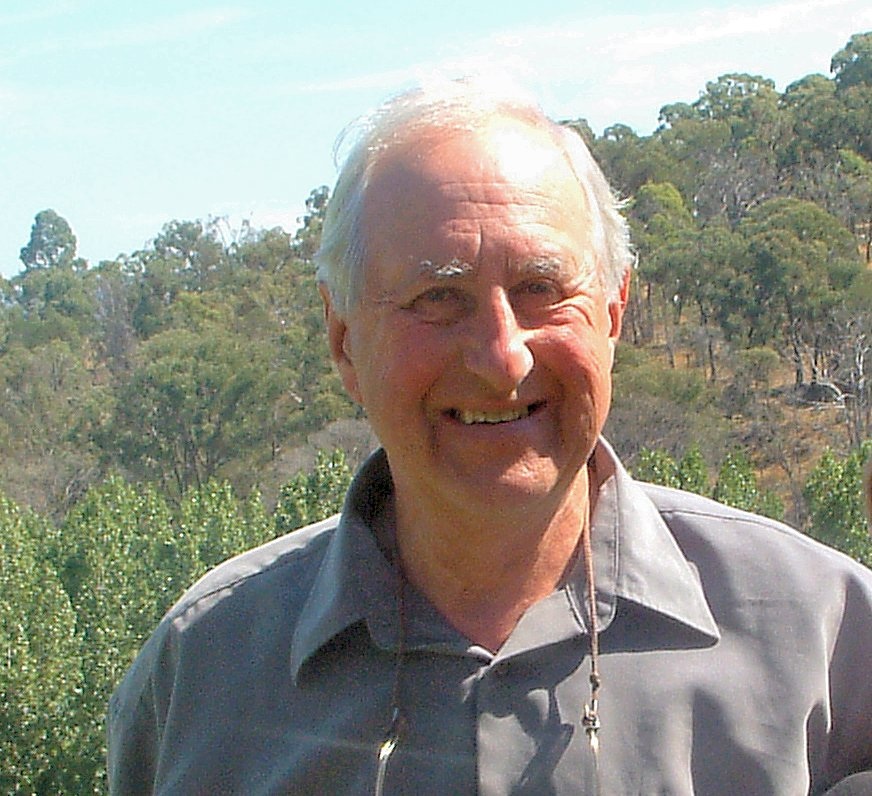
Geoff Mosley

Geoff Mosley has worked for decades to protect wild places in Australia. He helped establish wilderness zones and parks across the south east of the mainland and Tasmania, and has recently released a book on Antarctica. He is active in the field of steady state economics, a keen walker, and widely published activist and thinker.

Perhaps he is best known for his efforts to see a major national park established across the Australian Alps. Much of this vision has now been realised, although he continues to work to see an extension of the Western section of the Alpine National Park and to get World Heritage listing for the forest ecosystems of the south east corner of the country, where Gippsland and NSW meet.

Check here for an interview with Geoff.

The remarkable shrinking Alps plan!

near Wire Plain, VIC

According to Phil Ingamells, of the Victorian National Parks Association, “there has never been more hoo-haa from Parks Victoria over the development of a management plan, and never such an unpromising result, as their draft of their alpine parks management plan”.

He says that the new plan is a “new low”, delivering very little that will enhance environmental protection, despite starting the process well.

You can read his analysis here.

Draft management plan coming soon – the Vic Alps WePlan project

Information from Louise Rose (Parks Victoria), 26/04/2010.

“The Alpine Advisory Committe has met three times since being formed in October 2009, the Environment and Scientific Advisory Group has met three times and the Victorian Alpine Traditional Owner Reference Group has met six times.

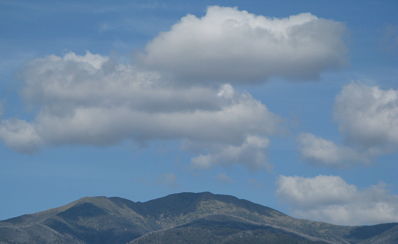
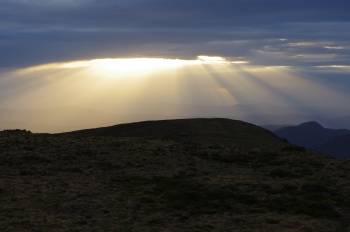
Feathertop & cloud, VIC

More than 21,000 different people have accessed wePlan Alpine and 163 people attended open houses in October 2009.

All of this input has assisted the Alpine planning team to develop a ‘work in progress’ draft plan.

This ‘work in progress’ draft plan will soon be loaded onto this website under Draft Management Plan. We’d love your input on this work in progress to help make it a final printable draft plan.”

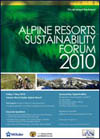
Alpine Resorts Sustainablity Forum 2010 – Friday 7 May 2010

“The Alpine Sustainability Forums are an established annual highlight of Australia’s alpine industry calendar. It is a “must attend” event for key people involved in alpine resorts across Australia. It brings together delegates from resorts across Australia to listen, workshop, and be exposed to leading edge ideas and actions”.

This year’s forum is being held at Mt Buller.

Details of the Forum, including Registration Booklet and Registration Form, are available here.

news from the alps – climate change

To borrow a phrase from TV advertising, the current edition of the Australian Alps National Parks ‘news from the alps’  newsletter is a “must see” for anyone with an interest in our alpine environments.

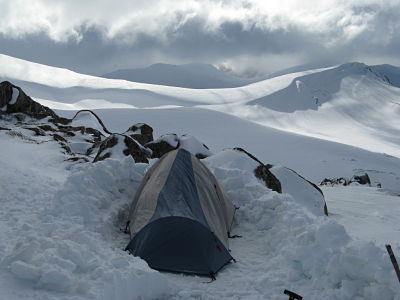
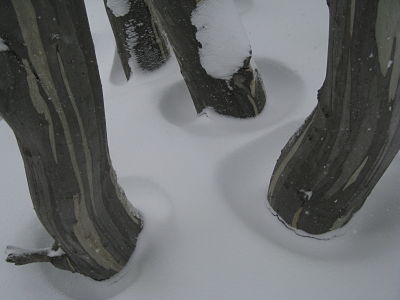
Main Range, Snowies, NSW

The theme is climate change, and the newsletter pulls together a summary of the threats – and various complications that come with these threats – facing Australia’s alpine parks as a result of global warming.

A rather sobering take home message includes the following: “no longer will we be effective in building the Alps’ resilience simply by preserving all species in their current locations, but rather we need to make space and opportunities for them to self-adapt, re-organise, move. And we need to continue our efforts to remove the pest plant and animal species from the picture as this is a stress and a threat that we can control and minimise (unlike increased fire or reduced rainfall). We need to press on with connectivity conservation, again in the interests of space and adaptive movement, and we should also be poring over maps to help us spot potential refugia to focus our efforts on – sweet spots where Mother Nature, even under the influence of climate change, is more likely to be kind to biodiversity under threat”.

Surely, as we struggle with in-action on climate change both at the national and state levels, the work being done by a range of agencies and individuals across the alps becomes ever more important. As the editor notes, the many people profiled in this edition are doing visionary and necessary work and “this will make a profoundly positive difference to what would otherwise be a confronting future”.

You can download the newsletter here.

Glen Wills logging

This stream provides water to Glen Valley Mountain Retreat. Logging is planned for the ridge immediately above it

Out beyond the Bogong High Plains, and about a 45 minute drive north of Omeo is the lovely valley of Glen Wills. This small community is increasingly gaining a reputation as a place where low impact eco tourism provides a reliable income for locals. From ski touring and walking on the High Plains to rafting on the Mitta Mitta and a range of other activities, Glen Valley is a real oasis.

We are currently working with some local land owners and tourism operators to get a number of logging coupes removed from the cutting schedule. This is partly because there will be considerable visual impacts along a section of the Alpine Walking Track (the major trail that goes from Walhalla to Canberra) and also because there are plans to harvest directly above the water supply of the Glen Wills Mountain Retreat.

Please check here for details on a letter you can send to the Minister for Climate Change and Environment, Gavin Jennings.

Many thanks.

a skyway on Mount Buffalo?

view of the south side of The Gorge, taken near one of the possible skyway routes

The Buffalo Plateau is a wonderful granite plateau that sits out to the north west from the main ranges of the Victorian Alps.
At present there is consultation going on about plans to build a ‘skyway’ up on to the Buffalo Plateau (no definite route has yet been selected).

Check here for details and a poll on whether you think it’s a good idea.

Blog at WordPress.com.

Up ↑