Search

Mountain Journal

Environment, news, culture from the Australian Alps

Tag

fire

Young and fit? Living in Melbourne and love the mountains? This one is for you

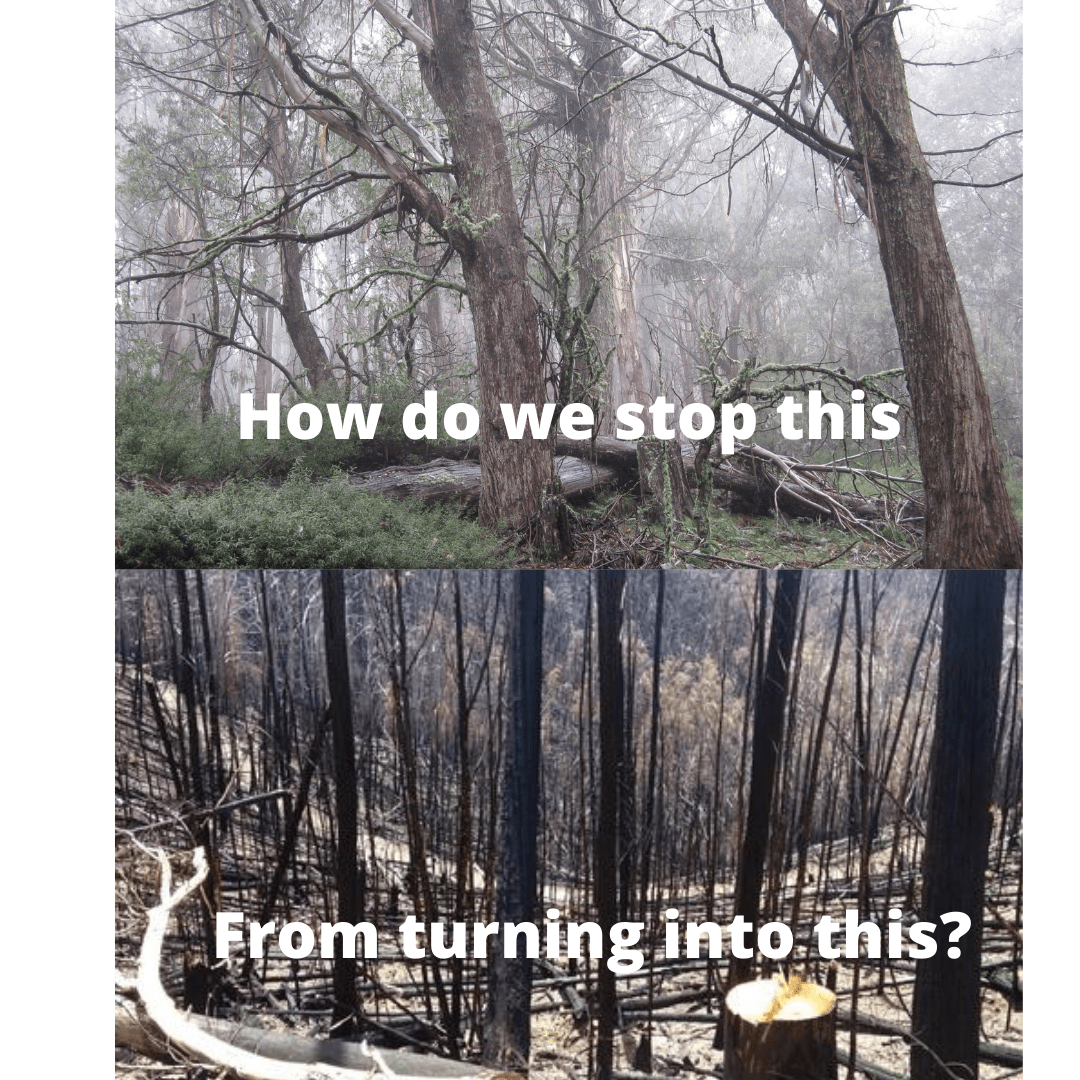
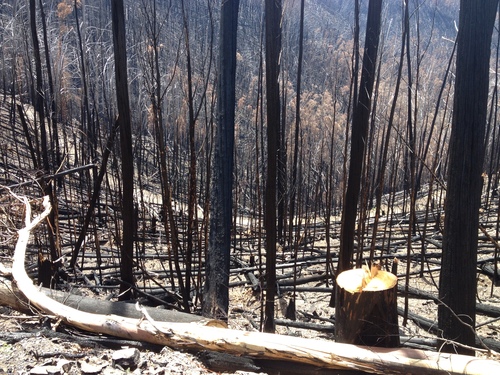
Over the past 15 years I have watched our mountain forests – alpine ash and snow gum – burn and burn. More than 90% of the Victorian distribution of snow gums has burned at least once since 2003. Climate change is creating longer and more intense fire seasons and this is changing our mountains. The world has warmed as a result of human activity and now all fire events occur in a warmer environment.

Last summer’s fires showed that we simply don’t have enough resources to fight these ‘fires of the future’.

Maybe this is where you come in.

Continue reading “Young and fit? Living in Melbourne and love the mountains? This one is for you”

Increased air capacity needed to fight the fires of the future

Over June and July 2020, Emergency Leaders for Climate Action (ELCA) hosted Australia’s first virtual bushfire and climate change summit to coordinate a national response to the Australian climate and bushfire crises. The 2020 National Bushfire and Climate Summit brought together hundreds of participants from across the country, and the world, to share their experiences, and to formulate recommendations to address the worsening risk of devastating bushfires fueled by climate change. The Australian Bushfire and Climate Plan is the culmination of that effort.

The Plan provides a broad plan and practical ideas for governments, fire and land management agencies and communities to help us mitigate and adapt to worsening fire conditions. The plan’s 165 recommendations include many measures that can be implemented right now, to ensure communities are better protected. There are a range of proposals specifically around aerial support for fighting wild fire.

Continue reading “Increased air capacity needed to fight the fires of the future”

Parliamentary Inquiry into tackling the extinction crisis in Victoria

We rely on healthy ecosystems for our survival. Victoria is the most cleared state in the country and natural ecosystems have faced centuries of land clearing, logging, invasion of invasive species and other threatening processes. The mountains that we love are already under threat from climate change: as fire seasons become longer and more intense, and as winter snowpack declines.

Now the Victorian parliament has announced an Inquiry into Ecosystem Decline. This is an important opportunity to show that the community wants to see ecosystems restored and species protected from extinction.

Please read on for ideas on how to write a submission to the Inquiry.

Continue reading “Parliamentary Inquiry into tackling the extinction crisis in Victoria”

How do we build our air capacity to fight wildfire?

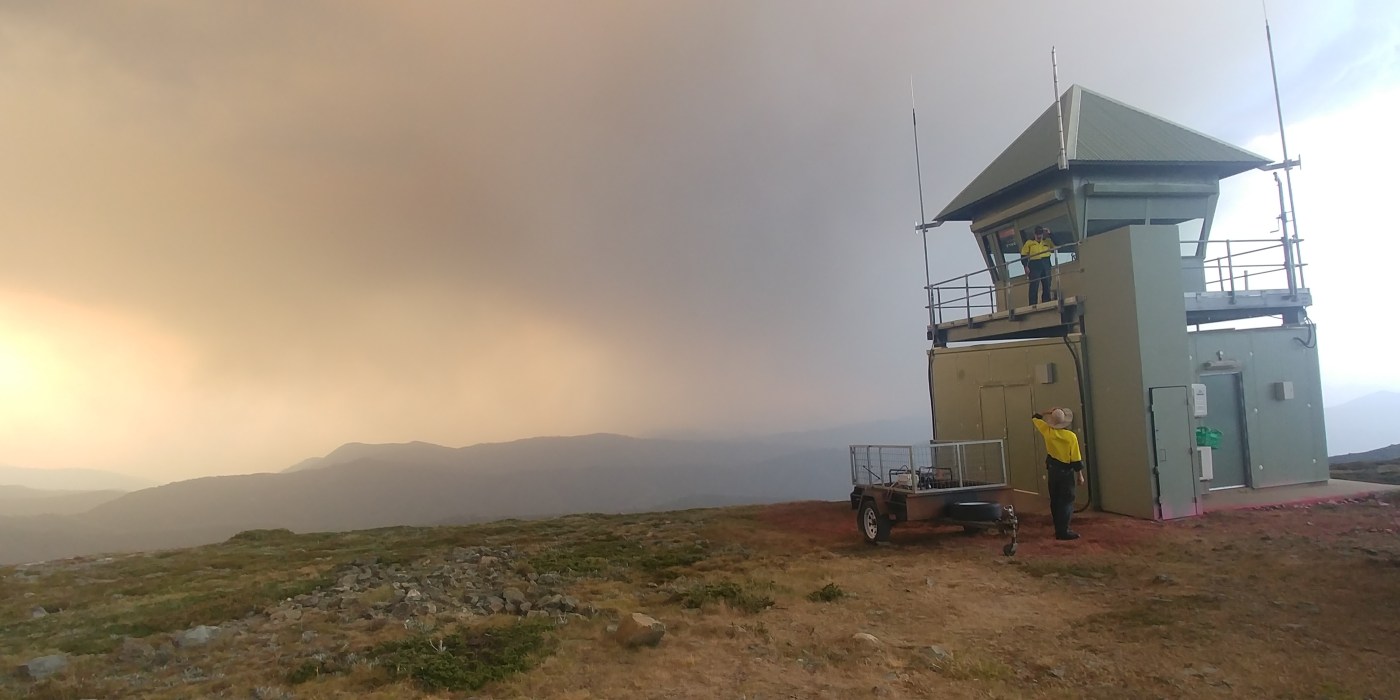
Australia just experienced its hottest, driest year on record, with fires starting in the winter months and burning in some places until early March. Thousands of volunteer and career firefighters battled these blazes. As is normal practise, states helped each other out by sharing teams and resources.

As fire seasons get longer because of climate change, the prospect of fighting local fires and also having to support other states for larger sections of the year is daunting. It is also a problem for those who have to ensure we have adequate air support to be able to fight fires. Because many of the firefighting aircraft are leased, and shared around the world, as fire seasons get longer, there will be ever more demand, and greater cost, to secure the fleet we need.

Continue reading “How do we build our air capacity to fight wildfire?”

Old forests slow fire

We know that climate change is driving longer and more intense fire seasons. We know that fuel reduction can greatly reduce the spread and intensity of wildfire. However, in extreme fire conditions, the value of fuel reduction burning is reduced, and fires will burn through almost anything, regardless of recent fuel reduction treatment an area may have had. We also know that logging will make forests more flammable because of the loss of more humid micro climates and thick growth of the seedlings that will occur after logging. But we also know that older forests are less fire prone, burn less intensely than regrowth forests, and have the ability to slow down fires as they move through the landscape.

This has been highlighted again in research called Propensities of Old Growth, Mature and Regrowth Wet Eucalypt Forest, and Eucalyptus nitens Plantation, to Burn During Wildfire and Suffer Fire-Induced Crown Death by Suyanti Winoto-Lewin, Jennifer C Sanger and James B Kirkpatrick at the University of Tasmania. It highlights the value of older forests in slowing fire. (Available here).

Continue reading “Old forests slow fire”

‘Mega’ fires more frequent in Victoria

In Victoria, the frequency of ‘mega’ fires (those greater than 100,000 hectares) has grown significantly over the past century.

  • 19th century – 2 mega fires
  • first half of 20th Century – 4 mega fires
  • 2nd half of 20th century – 7 mega fires
  • In the first 20 years of the 21st century – at least 8 mega fires

This is in spite of the huge advances we have made in fire fighting technology over the past 50 years.

Continue reading “‘Mega’ fires more frequent in Victoria”

There is only 0.47% of old growth alpine ash left in the Central Highlands

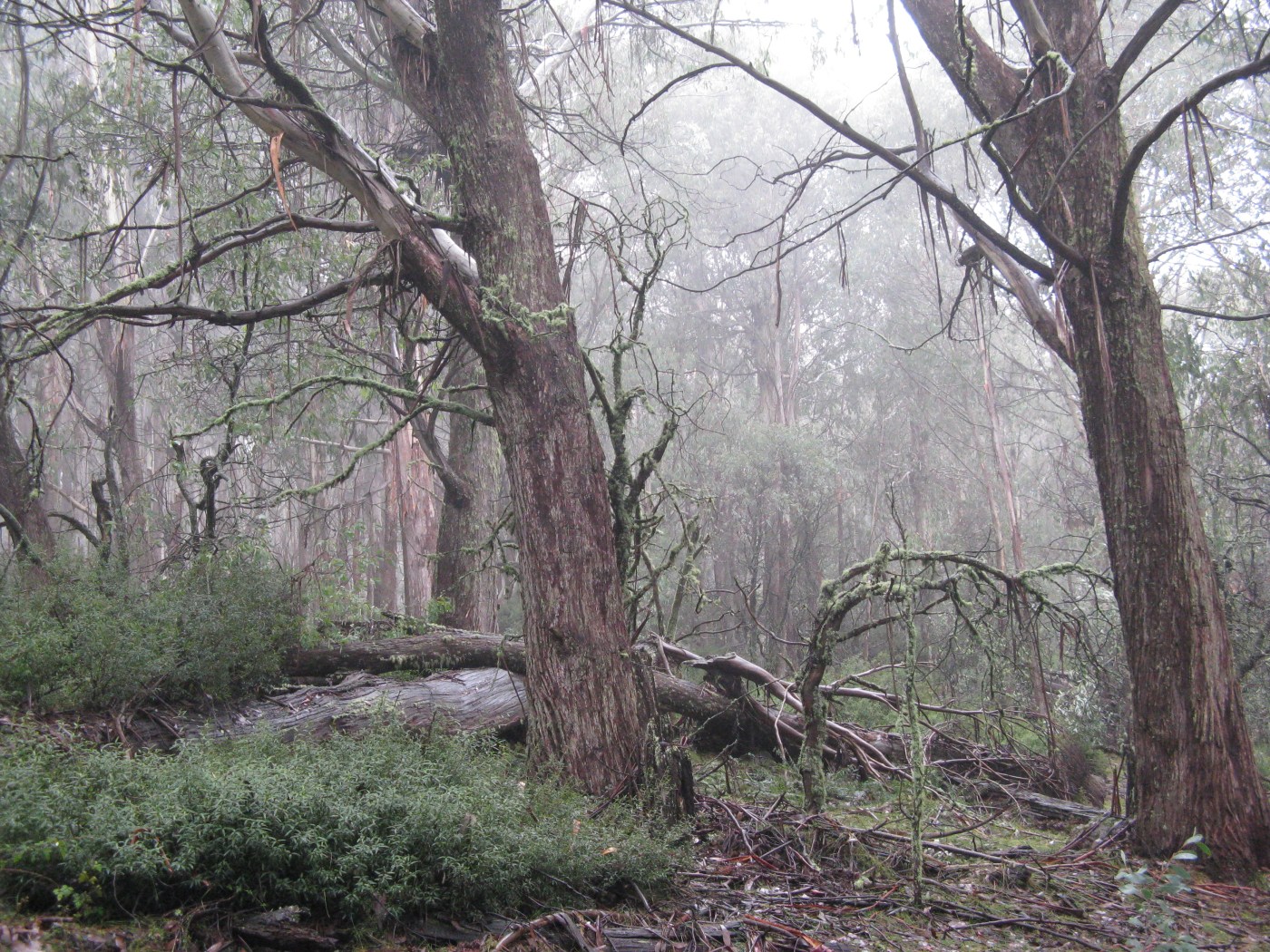
Alpine Ash, a quintessential tree of the Australian Alps, which is restricted to higher elevations, mostly between 900 m and 1,450 m in Victoria and southern New South Wales, has had 84% of it’s range burnt since 2002. Fires have burnt 84% of the bioregion’s 355,727 hectares of alpine ash forest, with 65% burnt in 2002/03 in the north of the Alps, 30% burnt in 2006/2007 in the south, and a smaller area (2%) burnt in 2009. Four per cent of the forest area was burnt twice within five years. And last summer, additional areas were burnt in the east of the state. This has led to scientists warning that large sections of Alpine Ash forests are on the verge of collapse.

And world renowned forest researcher David Lindenmayer says that only 0.47% of old growth alpine ash is left in the Central Highlands of Victoria. Let that sink in for a moment. The amount of old growth in the east and north east of the state is not known. But these areas have been heavily burnt in recent years, with ‘at least’ 10,000 ha of the forest community on the verge of collapse.

Continue reading “There is only 0.47% of old growth alpine ash left in the Central Highlands”

The O’Shannassy Catchment: ‘2/3 of the rainforest is gone’

Eleven years on from the 2009 Black Saturday fires, many landscapes are still recovering. The Central Highlands were an epicentre of old mountain ash and rainforest, but this has been steadily destroyed by decades of logging and the wild fire of 2009 burnt large sections of remaining old growth.

Prior to the 2009 fires, the O’Shannassy Catchment was a standout example of the remaining old growth of the Central Highlands. As a Designated Water Supply Catchment Area, legislated under the National Parks Act to protect water catchment and resource values, much of it is closed to the general public. Yet you could see the upper catchment from a number of vantage points, such as the road between the Lake Mountain turnoff and Camberville.

Much of it was burnt in 2009. A decade and a bit on, how is it faring?

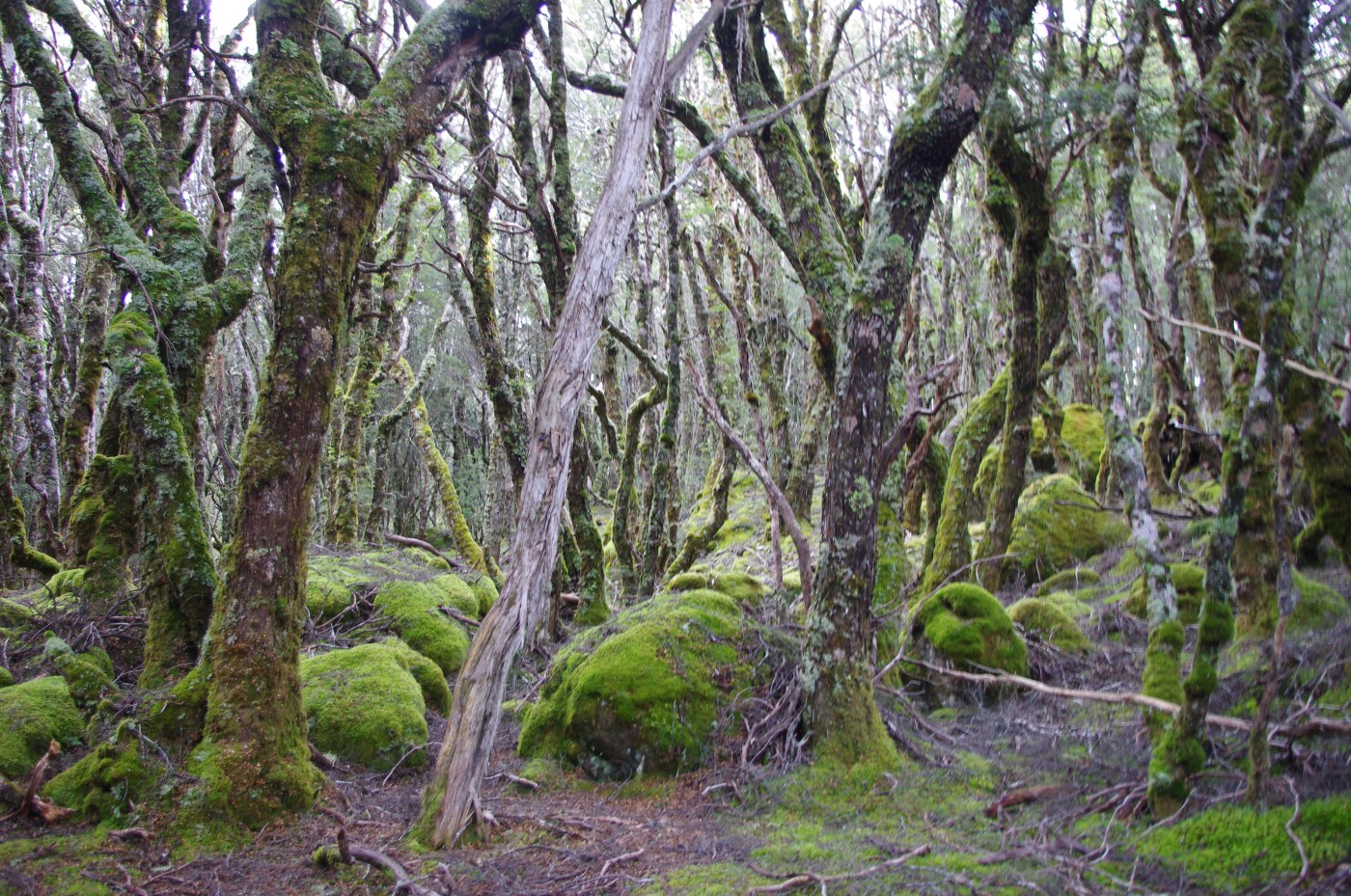
The short answer is that while the forest is recovering, in the severely burnt portion of the catchment, 96% of the original rainforest ‘could no longer be classified as such’. And, overall, the severe fire in 2009 has led to the loss of around two thirds of the Cool Temperate Rainforest previously mapped in the O’Shannassy Catchment.

Continue reading “The O’Shannassy Catchment: ‘2/3 of the rainforest is gone’”

Logging increases fire risk

For those willing to look, the evidence has been available for years: logging increases fire severity. Industry advocates continue to claim that ‘logging reduces fire risk’. But it should be obvious to any impartial observer that ‘removing large established trees actually increases the amount of flammable fuel, with unshaded stumps and new-grown saplings dried out by the sun and wind serving as ‘kindling’ for the flames’.

This has been backed up again by range of prominent scientists.

Continue reading “Logging increases fire risk”

A volunteer remote area firefighting force for Victoria

Over the past couple of years, I have been talking with various land managers and career and volunteer firefighters about whether Victoria should establish a remote area firefighting capacity of volunteer fire fighters.

NSW, the ACT and Tasmania all have volunteer forces, who support career firefighters, adding considerable capacity to firefighting efforts in remote country like national parks. The Rural Fire Service (RFS) in NSW has Remote Area Fire Teams, with around 500 active volunteer firefighters.

It is clear climate change will make fire seasons more intense and will also lead to an increase in ‘dry lightning’ strikes, which will increase the number of wildfires. The value of the NSW model is shown by the effectiveness of their teams in stopping small fires becoming blazes: for instance, in the 2018/19 fire season the Rapid Aerial Response Teams responded to 77 incidents, and were able to keep 90 percent of the fires they attended contained to less than 10 hectares in size.

I think we should create a similar group in Victoria.

Continue reading “A volunteer remote area firefighting force for Victoria”

Climate change may push some species to higher elevations

We know that climate change poses an existential threat to the mountain environments that we love. A new study reveals that mountain-dwelling plants and animals fleeing warming temperatures by retreating to higher elevations may ‘find refuge from reduced human pressure’.

Being northern hemisphere based, it is of limited value here in Australia because our habitation in, and use of, mountainous areas is very different to Europe or Asia. However, it is another reminder that, as species, move uphill as temperatures climb, there is a real risk that true alpine environments will ‘run out of mountain’ and be lost for all time.

Continue reading “Climate change may push some species to higher elevations”

The impacts of the Kosciuszko fires

The 2019-20 bushfire season is the most widespread and extreme that NSW has ever experienced. More than 5.4 million hectares burnt across NSW, including 2.7 million hectares of national park estate (up until 3 February 2020). In some regions, over 50% of the national park estate has been impacted.

Within Kosciuszko National Park, just over 231,000 ha, or 33.5% of the national park has burnt. The Adaminaby complex (which originated out of the Green Valley fire) and Pilot Lookout fires were finally declared extinguished on 16 February 2020.

The following report comes from The Resort Roundup (available here), published by the State of NSW and Department of Planning, Industry and Environment.

Continue reading “The impacts of the Kosciuszko fires”

Blog at WordPress.com.

Up ↑