Search

Mountain Journal

Environment, news, culture from the Australian Alps

Tag

fire

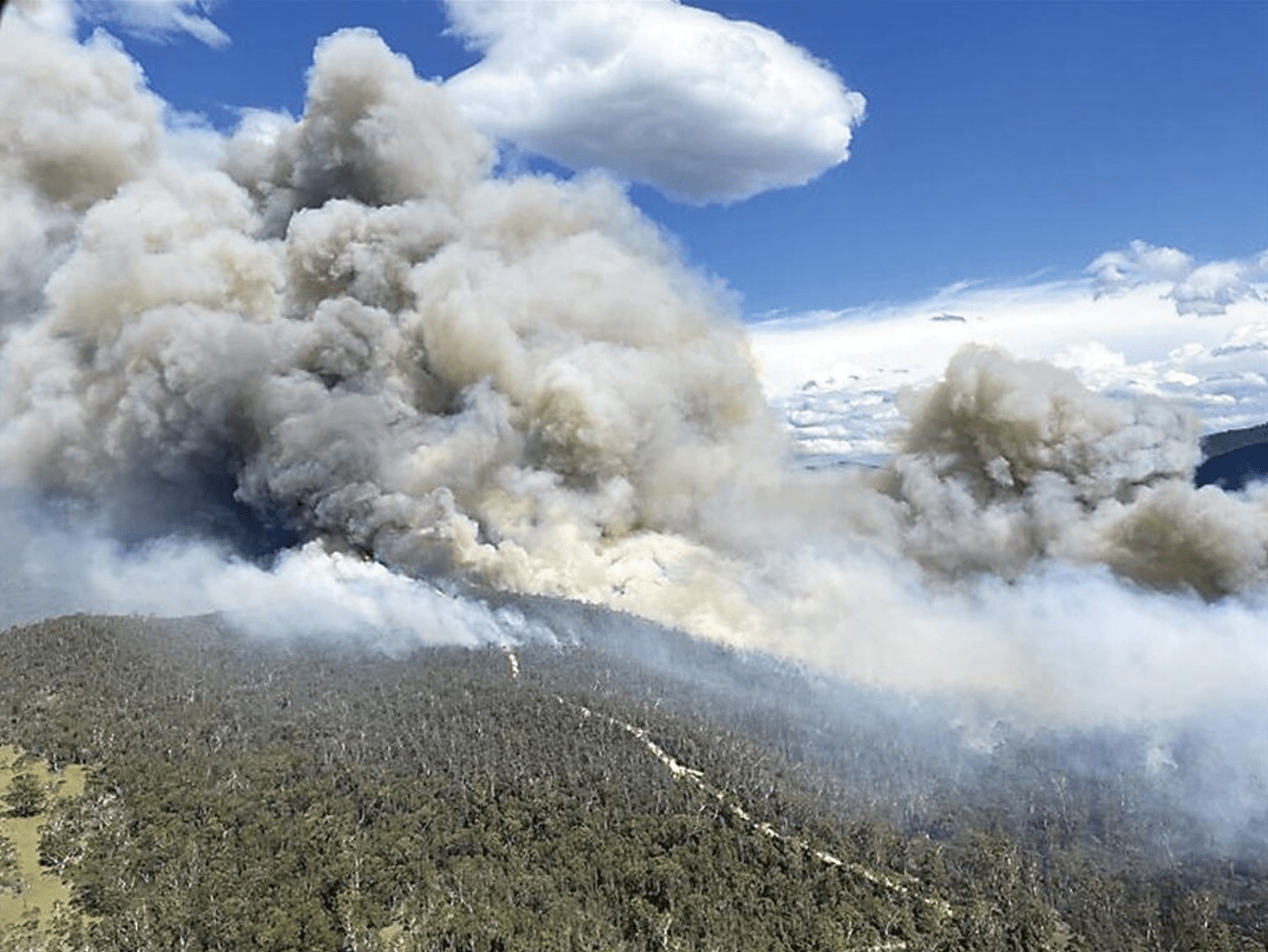
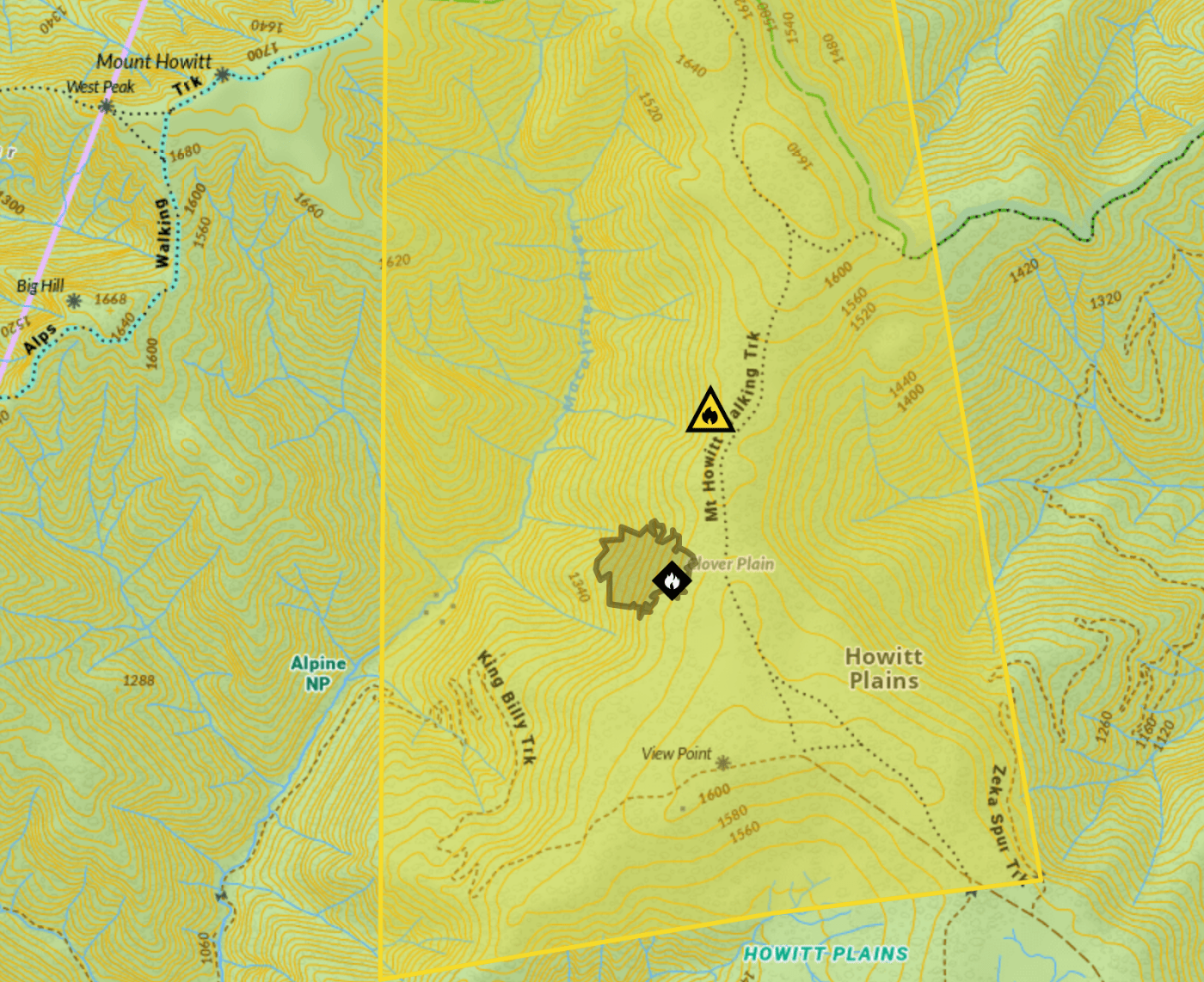
Fire near Mt Howitt

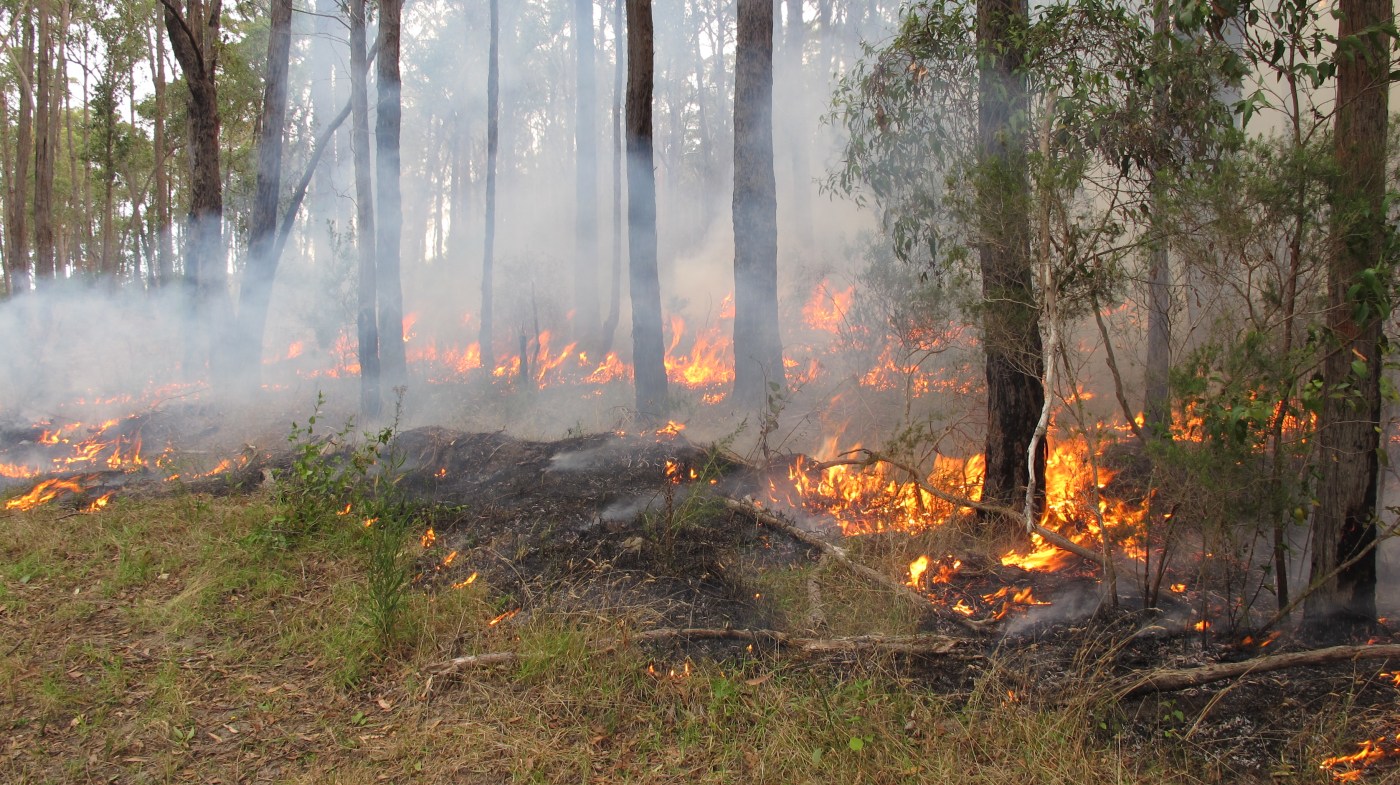
Recent dry lightning caused a number of fires across the Victorian high country. Most were quickly contained but one just north of the Howitt Plains is becoming a concern.

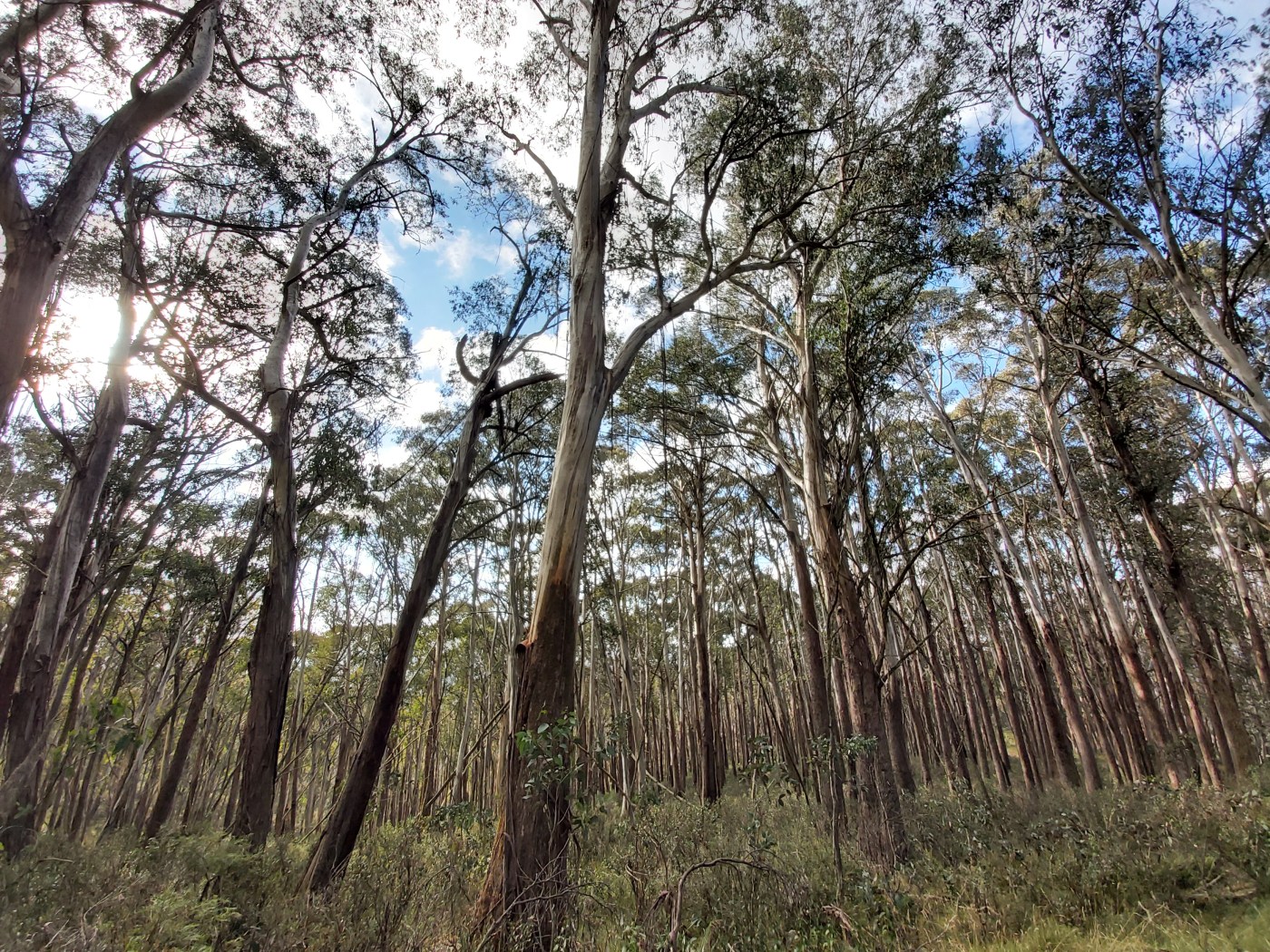
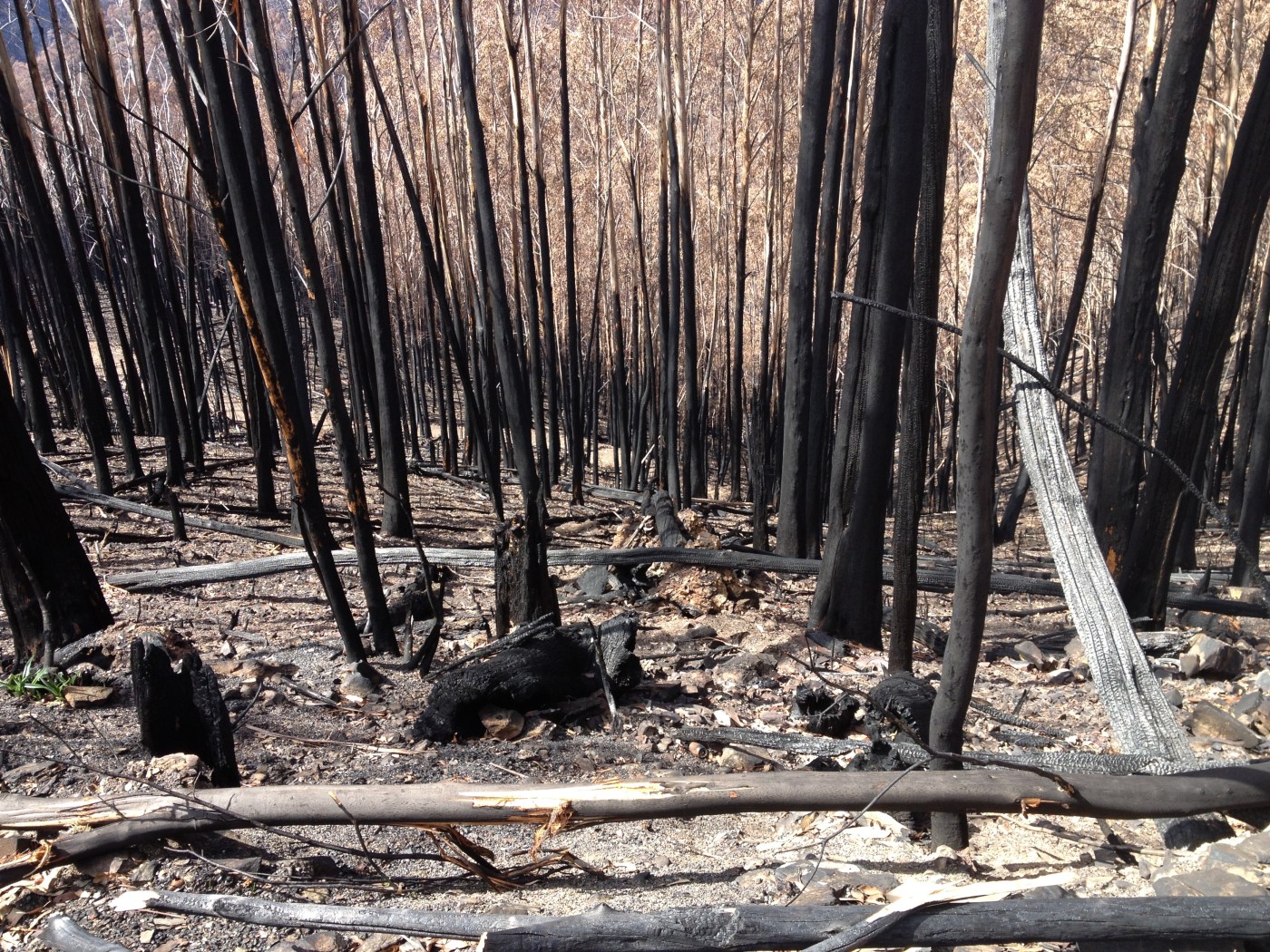
This area, of high elevation snow gum woodlands inter-spaced with grass dominated plains, has been burnt several times in recent decades, with many areas now holding thick (and highly flammable) regrowth forests. Fires in these recovering forests can lead to ecological collapse – that is, the loss of snow gum dominated forests, which are replaced by grass and shrubs. It is essential that we exclude fire from these ecosystems as they recover.

Continue reading “Fire near Mt Howitt”

A new fire fighting team for Victoria

On Tuesday November 12, lightning started a fire in remote country north of Valencia Creek in the Victorian high country.

On Wednesday November 13, two rappel crews from Forest Fire Management Victoria (FFMV) were airlifted into the Avon Wilderness to fight the fire.

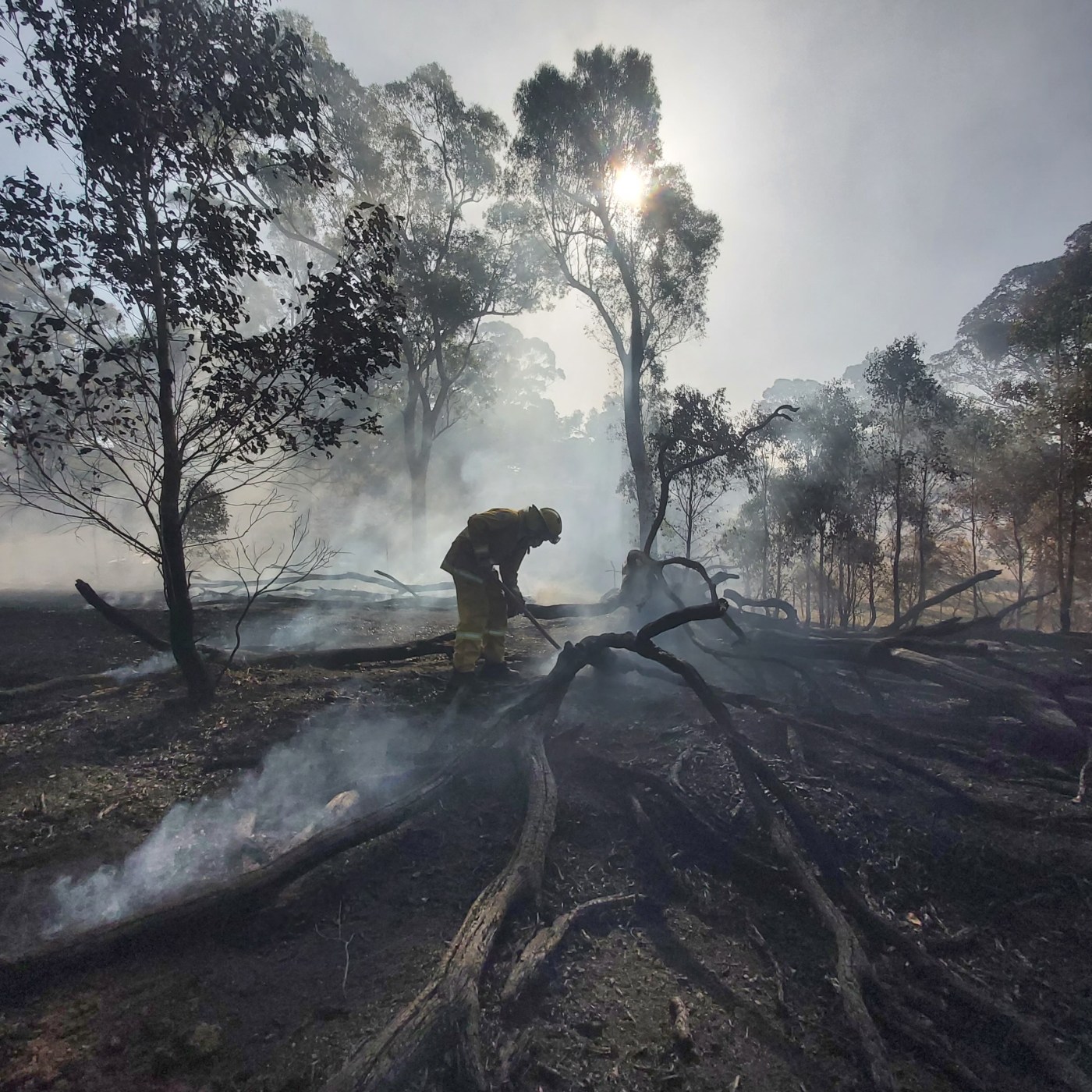
The crews created a mineral earth break around the fire and spent two days extinguishing hotspots before it was announced that the fire had been contained. In total the fire burnt around 1.3 hectares of forest. (Source: FFMV facebook).

This sort of early intervention is what is needed to stop small fires from turning into uncontrollable blazes.

Continue reading “A new fire fighting team for Victoria”

Black Summer biodiversity study suggests rethink of prescribed burns and fire management in Australia


This is not ‘new’ news. But it does add to the conversation that is underway about the role of prescribed burning (also called planned burning and fuel reduction burning) in terms of reducing fire risk.  

A new study examining plant and animal species after the Black Summer fire season has found greater biodiversity loss in areas that have been subject to frequent burning. Six ecosystems were considered, including alpine, wetland, rainforests and dry and wet eucalypt forest.

Sites with three or more fires in the 40 years leading up to the 2019–20 Black Summer were far more negatively impacted than previously unburnt areas or sites that had burnt once during that time.

Continue reading “Black Summer biodiversity study suggests rethink of prescribed burns and fire management in Australia”

What does the ‘State of the Climate’ report mean for mountain environments?

The biennial State of the Climate Report, which is produced by the CSIRO and BOM has now been released. The report draws on the latest national and international climate research, monitoring, science and projection information to describe changes and long-term trends in Australia’s climate.

Among a vast amount of information, there are some clear details relevant to mountain environments.

Continue reading “What does the ‘State of the Climate’ report mean for mountain environments?”

Have your say: the Code of Practice for Bushfire Management on Public Land

The Victorian Department of Energy, Environment and Climate Action (DEECA) is updating the Code of Practice for Bushfire Management on Public Land (the Bushfire Code), and is calling for  feedback on the draft Code.

The Bushfire Code sets out objectives for the way DEECA manages bushfire on public land, including state forests and national parks.

The current Bushfire Code is more than 10 years old. It updating it to make sure it meets modern needs and expectations.

There is an online submission process which is open until November 3.

Continue reading “Have your say: the Code of Practice for Bushfire Management on Public Land”

Dancing and the Devil Fire – understanding the long First Nations history in the Alps

Recently a friend sent me a copy of a DVD called Dancing and the Devil Fire. It was made after the terrible fires that happened in the Alps over the summer of 2002/3, when an estimated 1.7 million hectares of forest and high country was burnt.

In the aftermath of the fires, an extensive program was established to better understand the archaeological history of indigenous settlement in the high country. Many First Nations people were involved in the surveys that followed. What they found re-wrote mainstream understanding of Indigenous occupation of the high country.

Continue reading “Dancing and the Devil Fire – understanding the long First Nations history in the Alps”

State of the Environment report highlights threats to pencil pine forests

The mountains and wetter forests of lutruwita/ Tasmania are a stronghold of ancient vegetation that dates back to when the Australian continent was part of the mega continent of Gondwana.

We know that these areas of fire sensitive vegetation are at risk from changing fire regimes. We also know that climate change will bring ever more serious fire seasons, putting these remnant vegetation communities at greater risk.

The Tasmanian Planning Commission has just released the 2024 State of the Environment (SOE) Report, which, among many issues, highlights the threats posed to fire sensitive communities like the king billy and pencil pines.

Continue reading “State of the Environment report highlights threats to pencil pine forests”

The Bayindeen fire and Snow Gum forests at Mt Cole

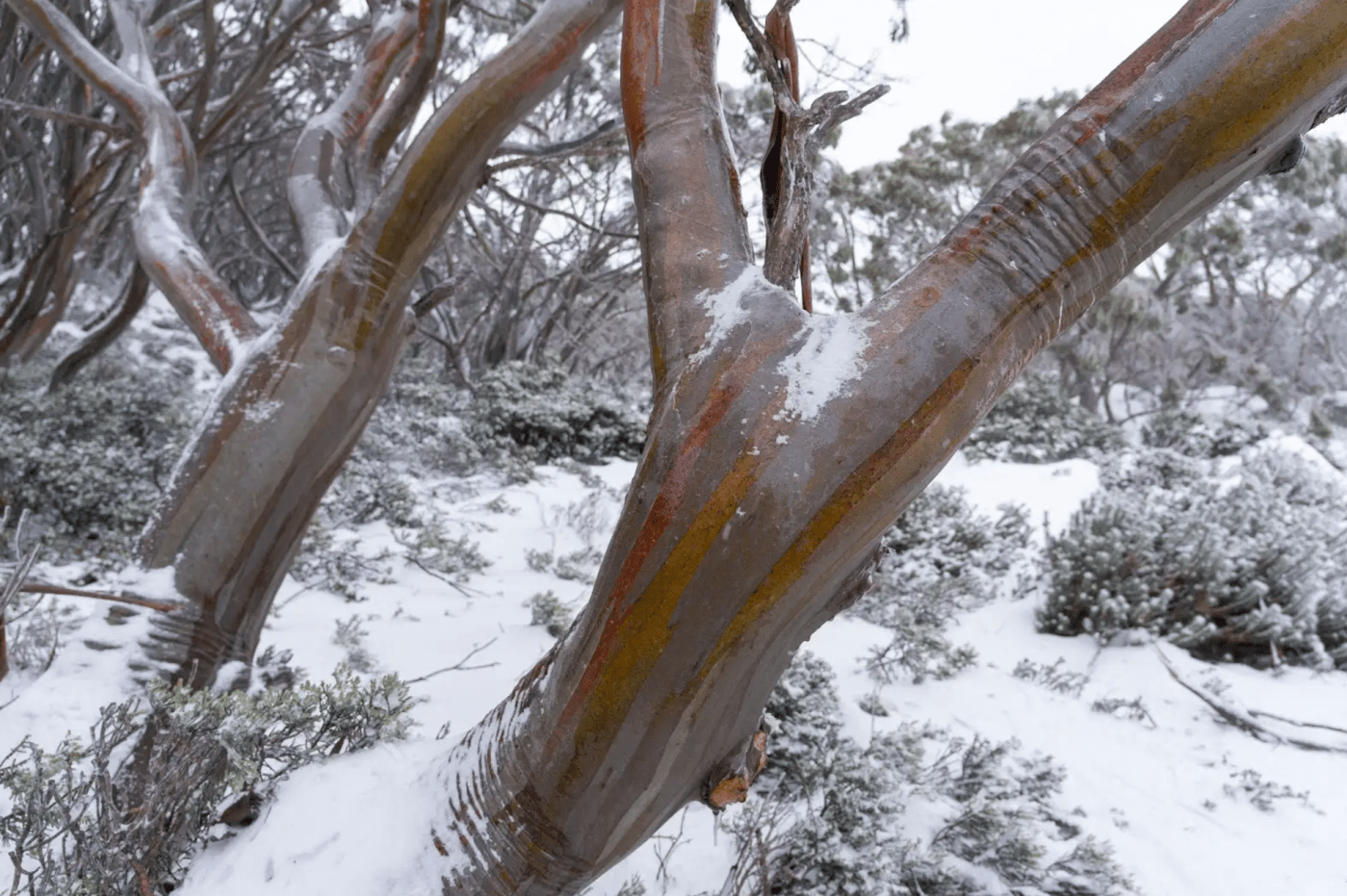
Snow gums (generally E. pauciflora ssp. Pauciflora) are the iconic tree of the Australian high country. While they are best known for their dominance of higher elevation areas in north eastern Victoria and the Snowy Mountains of southern NSW, it grows in woodland along the ranges and tablelands, in cold sites above 700 metres, in a long stretch from the far south-east of Queensland, through New South Wales, the Australian Capital Territory, and Victoria, to near Mount Gambier in South Australia and Tasmania.

Snow gums also exist as isolated pockets well away from the higher mountains. For instance there are 53 known remnant Snow Gum sites within a 40 kilometre radius of Ballarat, Victoria. A  large proportion of remnant vegetation in the area occurs as small patches or isolated paddock trees, often on private land.

However there are also some important Snow Gum forests on public land in central and western Victoria. A well known example is on the upper slopes around Mt Macedon. Although these forests were impacted by the 1983 Ash Wednesday fires, the Mount Macedon Snow Gum population have been assessed as being in relatively good health (despite a recent proposal to clear some sections of the forest around the Memorial Cross at Mt Macedon)..

There is also a really important community of Snow Gums growing across the higher hills of the Mt Cole state forest.

Continue reading “The Bayindeen fire and Snow Gum forests at Mt Cole”

Protect Our Winters report: Our Changing Snowscapes

We have known for years that climate change is reducing the overall amount of snow we receive in Australia. The snow pack has been in decline since at least 1957. We also know that the loss of snow is being felt especially at lower elevations and will have enormous impacts on the local economies that have developed around the mountains.

Today Protect Our Winters (POW) have released a comprehensive update on the threats posed by climate change – to snow pack, the mountain environment and animals who rely on a thriving ecosystem, and downstream rivers, and also the impacts on the local economies that rely on good snowfalls.

Continue reading “Protect Our Winters report: Our Changing Snowscapes”

Celebrating the survivors

Across the mountains of south eastern Australia, climate change is already driving profound change. In many places in the high country, snow gum forests are facing a double threat: dieback, caused by a native beetle is killing individual trees, and climate change driven fire regimes are devastating vast areas of forest.

Recent research by John Morgan, Michael Shackleton and Zac Walker from the Research Centre for Applied Alpine Ecology at La Trobe University highlights that ‘Long-unburnt snow gum forests (now) comprise less than 1% of snow gum forests in the Victorian Alps’.

We know that snow gums can survive fire. We also know that across the Alps snow gum woodlands are starting to collapse from too frequent fire. That’s why we have to appreciate and protect the old forests that remain.

Continue reading “Celebrating the survivors”

‘They offer great beauty. They offer shelter. They nurture us.’

Across the Australian high country, the snow gum woodlands are facing an existential threat from dieback and climate change driven fire regimes.

These threats are detailed here, as are some potential solutions.

While the loss of these forests would have major physical and ecological impacts on mountain environments, what would it mean for our personal connection to the high country? For me these trees are an essential part of life in the mountains. When I drive or walk up from the valley and have a wander among old trees, I feel like I have come home. I know these forests have been here for time beyond our imagining:

Continue reading “‘They offer great beauty. They offer shelter. They nurture us.’”

‘Long-unburnt snow gum forests are now exceedingly rare’.

Across the mountains of south eastern Australia, climate change is already driving profound change. In many places in the high country of NSW and Victoria, snow gum forests are facing a double sided threat: dieback, caused by a native beetle is killing individual trees, and climate change driven fire regimes are devastating vast areas of forest. Climate change, drought, insects and soil microbes are all thought to contribute to dieback. The spread and impacts of the beetle appear to be super charged by climate change (more beetles are surviving because of milder winters and more mortality of water stressed trees in summer).

More frequent and intense wild fire also poses an existential threat to the survival of snow gum woodlands and forests. A new report reveals the scale of the fire impact on these forests in the Victorian high country.

In the paper ‘Long-unburnt stands of snow gum (Eucalyptus pauciflora Sieber ex Spreng) are exceedingly rare in the Victorian Alps: implications for their conservation and management’, John Morgan, Michael Shackleton and Zac Walker from the Research Centre for Applied Alpine Ecology at La Trobe University highlight that ‘Long-unburnt snow gum forests (now) comprise less than 1% of snow gum forests in the Victorian Alps. We identify where long-unburnt snow gum stands persist in the Victorian Alps and outline why management intervention is necessary to protect unburnt refuges and, more broadly, to allow mature/adult stands (such as occur on the Baw Baw Plateau) to develop into future old forests’.

Continue reading “‘Long-unburnt snow gum forests are now exceedingly rare’.”

Blog at WordPress.com.

Up ↑