Search

Mountain Journal

Environment, news, culture from the Australian Alps

Tag

fire

The Ash Forest Restoration Project

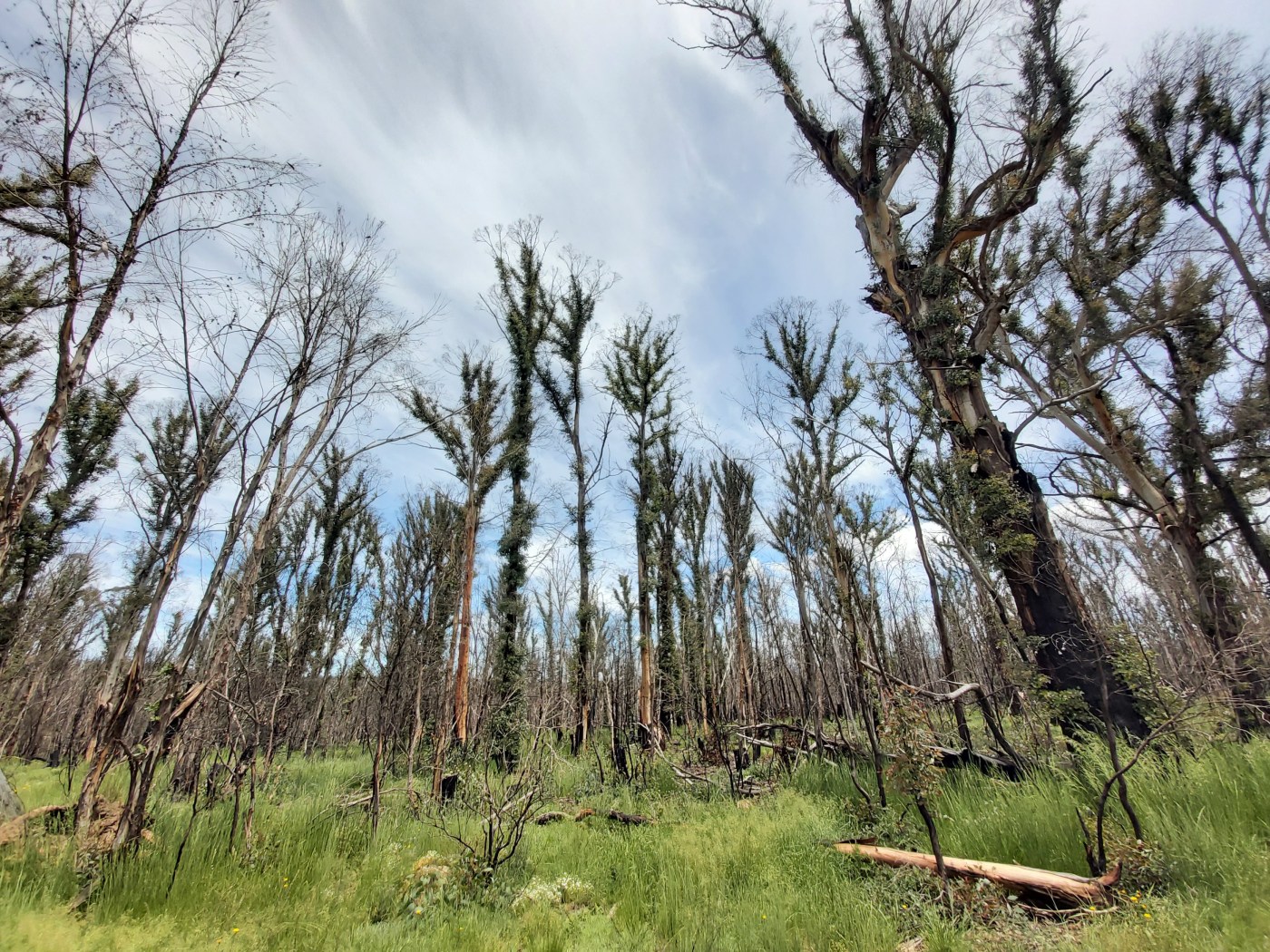
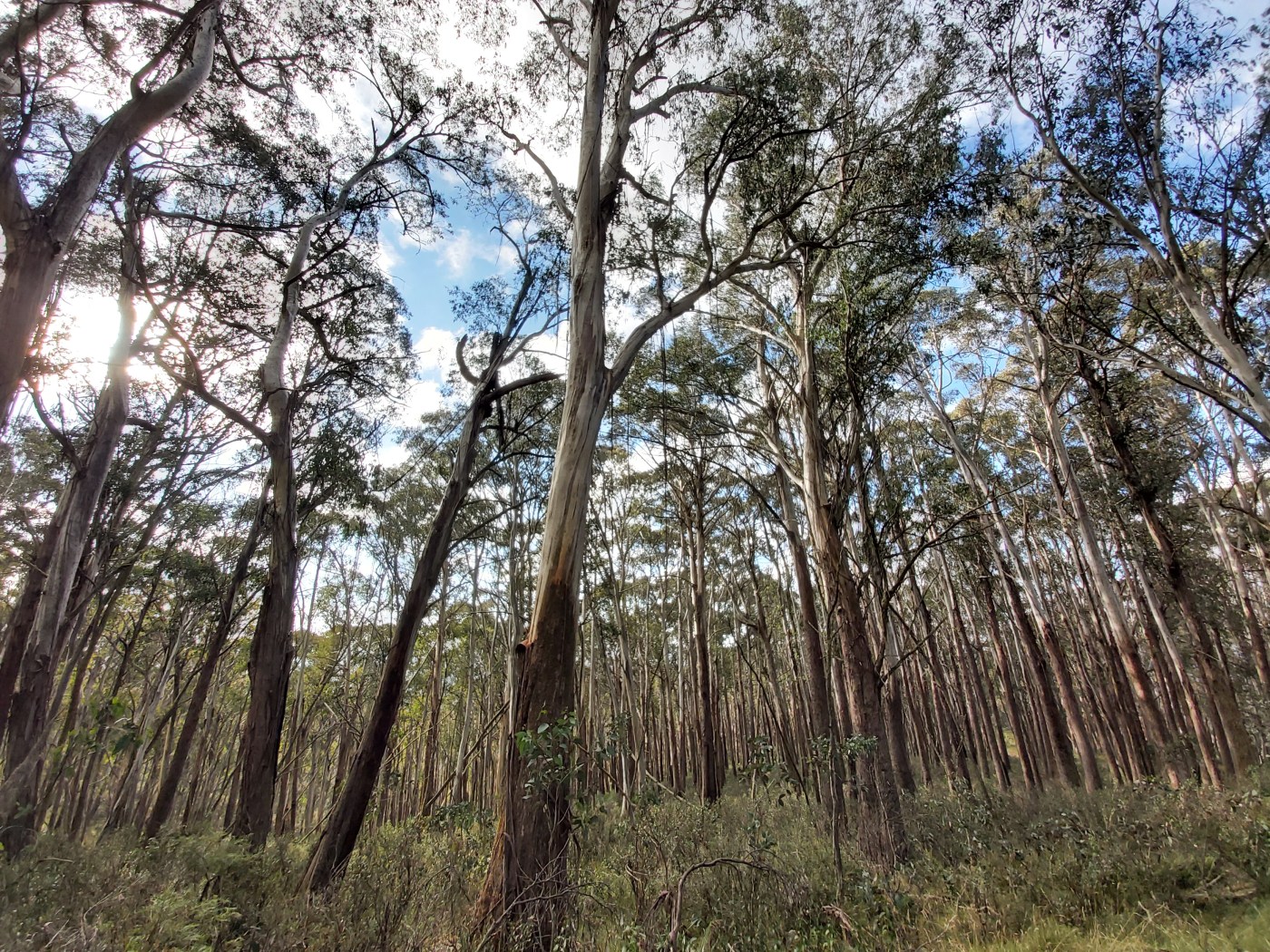
‘Ash forests’ – forest comprised of Mountain Ash, Alpine Ash, or sometimes both – are some of the most iconic forest types in Victoria, or even the world. Covering around 500,000 ha of Victoria and stretching from the Otways to the north-eastern boundary with NSW, few who spend time in these forests – like driving along the Black Spur north-east of Melbourne – are left unimpressed by these tall trees. They are also home to species like the Leadbeater’s Possum and Greater Glider.

These forests have a complex relationship with fire: these forests can live with some fire – but not too much. Scientifically known as ‘obligate seeders’, after severe bushfire, ash forests are killed, but prolifically regenerates from canopy stored seed. The important point here is that these slowly regenerating forests cannot produce seed for 20 years after they regenerate from fire. This means they are highly vulnerable to shortened fire intervals – the exact challenge that land managers in Victoria are facing with climate change.

Once a mountain ash or alpine ash forest has burnt numerous times, it may eventually fail to regenerate, which can lead to population collapse and a change of ecosystem type. This sounds simple, but ecologically, this is dramatic. A tall forest – high in carbon stocks and habitat – changes rapidly to a short shrubland or grassland.

Continue reading “The Ash Forest Restoration Project”

Post fire recovery of Pencil Pines at Lake Mackenzie

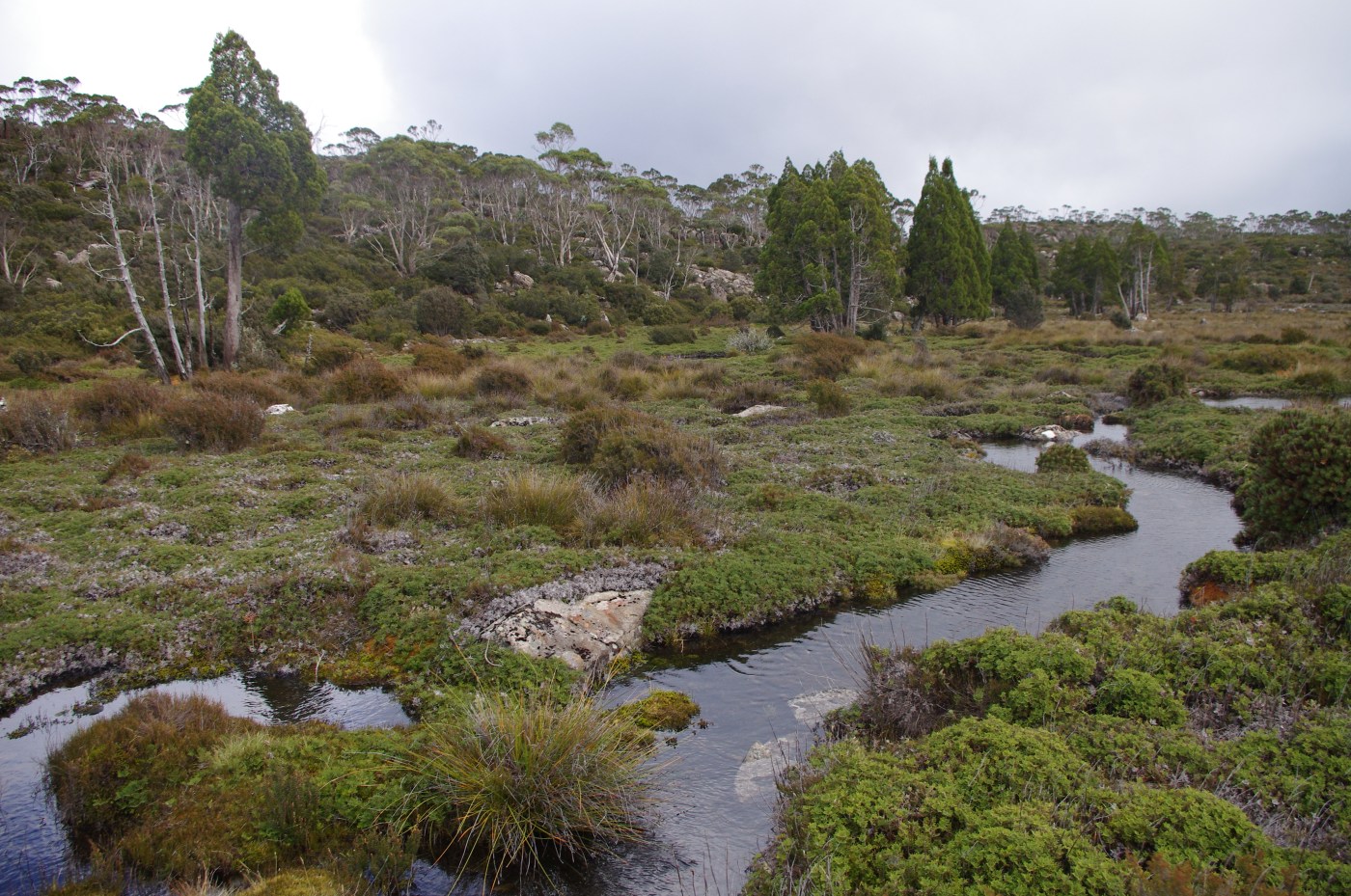
Back in 2016, lightning storms ignited a number of fires in central and western lutruwita/ Tasmania, which turned into large scale events that ‘threatened the core refugia of Gondwanan vegetation, particularly the largest stands of the endemic conifer Athrotaxis cupressoides’ (Pencil Pines). Pencil Pines are already limited to very small areas of Tasmania. Burnt Pencil Pines are unlikely to recover ‘given their slow growth, limited seedling establishment and projections of increased fire weather and lightning ignitions associated with drier soils.’

Although the climate of western Tasmania has not changed very much, as yet, as a result of global warming, the incidence of dry lightning strikes has increased markedly from last century to the present. Therefore these type of lightning caused fires are expected to increase. This could put the very survival of Pencil Pine communities at risk.

One of the fires that created greatest concern started near Lake Mackenzie, on the north western end of the Central Plateau. Significant areas of Pencil Pines were burnt.

With scattered groves of Pines burnt, and unlikely to recover without some form of intervention, what are our options?

Seven years on from the fires, research from the University of Tasmania, shows what is being done to assist recovery.

Continue reading “Post fire recovery of Pencil Pines at Lake Mackenzie”

“Ecological collapse is likely to start sooner than previously expected”

The Guardian recently reported that ecological collapse is likely to start sooner than previously expected, according to a new study that models how tipping points can amplify and accelerate one another.

Based on these findings, the authors warn that more than a fifth of ecosystems worldwide, including the Amazon rainforest, are at risk of a catastrophic breakdown within a human lifetime.

“It could happen very soon,” said Prof Simon Willcock of Rothamsted Research, who co-led the study. “We could realistically be the last generation to see the Amazon.”

The research was published on Thursday in Nature Sustainability.

Here in Australia we are starting to witness tipping points, where specific ecosystems are being pushed beyond their capacity to recover from impacts like fire, then experiencing ecological collapse whereby an existing system – for instance an alpine ash forest – collapses and is replaced by something else (in the case of alpine ash it might be a mix of grass and shrubs).

Continue reading ““Ecological collapse is likely to start sooner than previously expected””

Road tripping close to home

I spent May on a slow roadtrip from the northern Snowy Mountains to Mt Hotham. Lots of days out of the car – camping, walking, doing a few overnighters – including a quick trip into Mt Jagungal. I arrived in the mountains as the early May snowfalls started to settle and was blessed with more than 2 weeks of bluebird skies, with remnant snow on the higher peaks, frosty mornings (-4 to -8oC in the northern Snowies) and absolute silence. I think in the first week I spoke with three people, and had most campsites to myself.

It was wonderful to get reacquainted with the long, glorious snow plains and intact forests of the northern Snowies, the wonderful higher alpine zones of the central Snowies (that area from Kiandra to the Schlink Pass) and back in my usual stomping grounds of the Main Range (with the obligatory camp at Island Bend).

Continue reading “Road tripping close to home”

Fighting fires in the mountains – could city people be part of the answer?

The Climate Council says that Australia faces ‘unprecedented grassfires next summer ‘supercharged’ by global heating’. Fuel loads that increased after heavy rain are now drying out and creating ‘powder keg’ conditions for future fires. While the mountains of the south east have had a number of mild summers with very limited fire activity, we know that next summer could be different if El Nino conditions return. In lutruwita/ Tasmania, dry conditions in the west have led to a number of significant fires this summer.

We know that climate change is making fire seasons longer and more intense, and that there are many things we must do to respond to these threats, around fire fighting capacity, community resilience, and ensuring our homes and cities are ready for the climatic changes that are already underway. People living in mountain communities and valley towns know the impacts of these changes very well – the fires of 2019/20 shut down many areas for months, with massive environmental and economic damage.

Continue reading “Fighting fires in the mountains – could city people be part of the answer?”

A rescue plan for the Snow Gums

The first time I skied in the backcountry in the Rocky Mountains in Colorado, I was shocked by the dieback of pine trees. While I had read a lot about the beetle that is devastating a lot of the conifer forests in that part of the world, it was a shock to see it running through entire hillsides. Even in the glorious deep powder of a northern winter, I was reminded of the terrible ecological changes that are rippling through ecosystems across the planet.

Back home I was familiar with a similar pattern. Across the mountains that I love I could see the Alpine Ash in freefall as more frequent fires were starting to see local collapse of Ash communities. More regular and intense fires has led to loss of seedlings before they can produce seed. The situation is so dire that the Victorian government has an aerial seeding program to try and keep Ash populations viable.

Meanwhile, at higher elevations in the snow gum country, a double sided threat is charging through the forests: dieback, caused by a native beetle is killing individual trees, while climate change driven fire regimes were devastating vast areas of the high country.

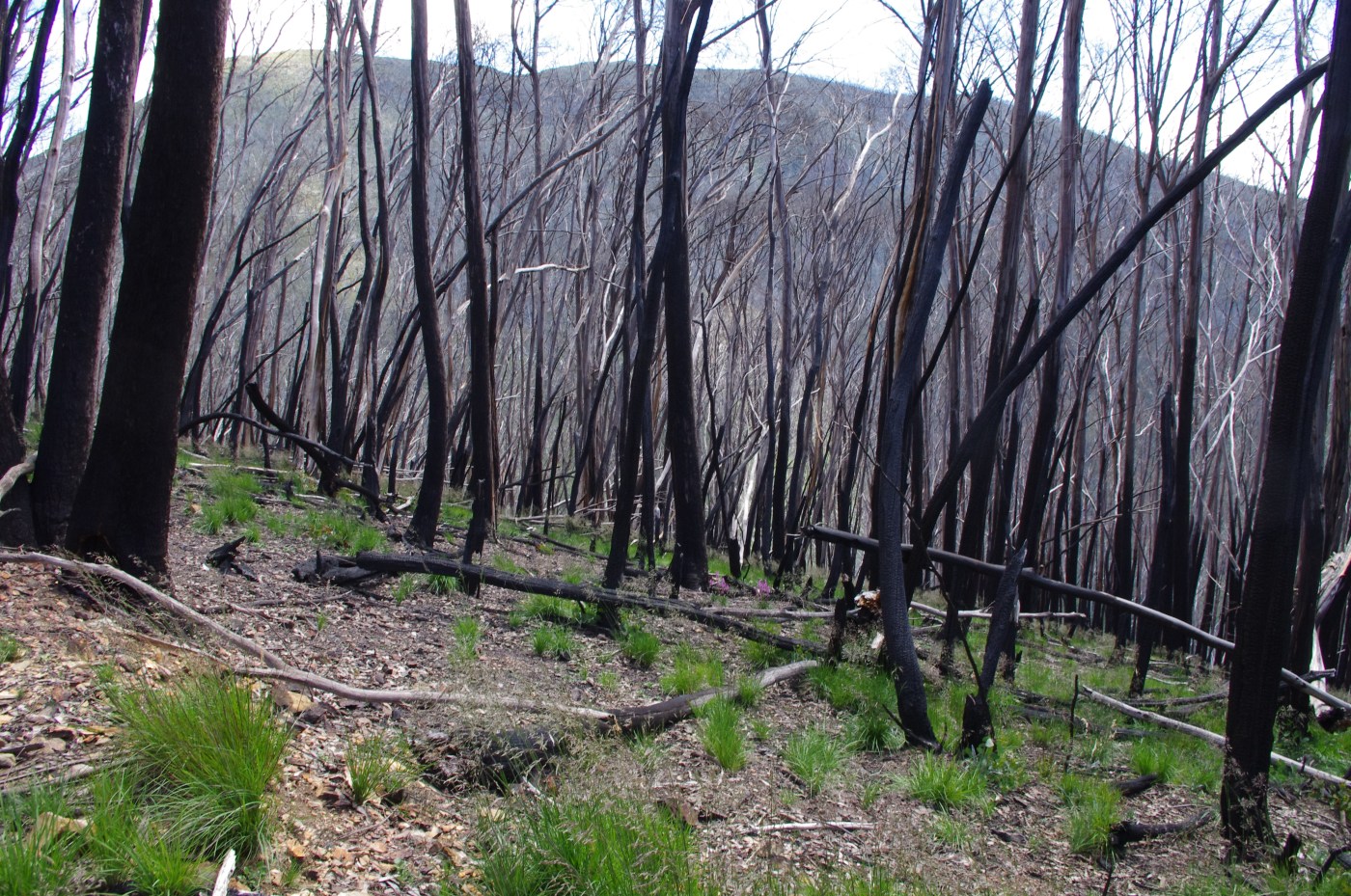
Once you see these changes, you can’t unsee them. The endless stands of grey dead trunks. The loss of the old trees. The thickets of flammable regrowth. Every trip to the mountains reminds you that we are seeing ecological collapse in real time.

Continue reading “A rescue plan for the Snow Gums”

20 years on from the 2003 Alpine fires.

It is 20 years since the 2003 Alpine fires tore through much of the Victorian high country.

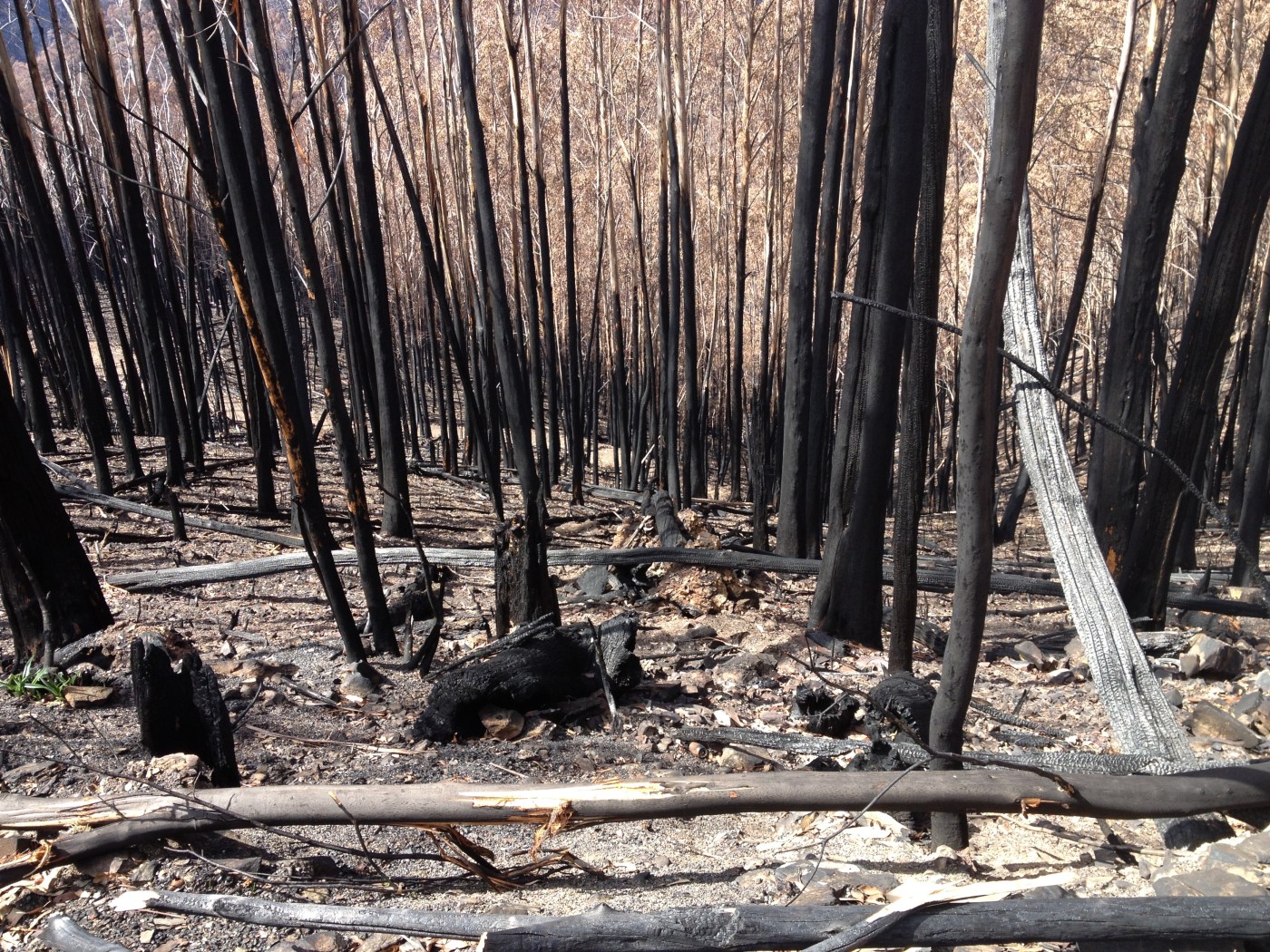
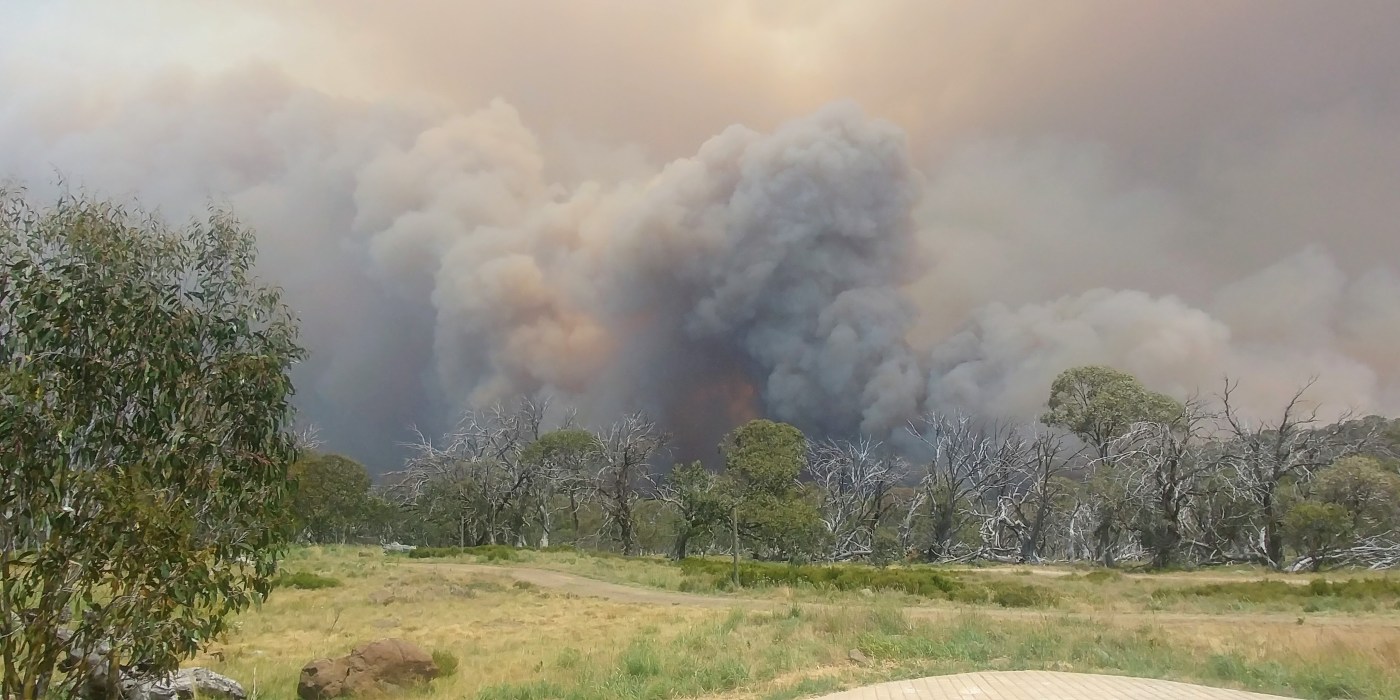
On 8 January 2003, lightning strikes ignited 87 fires, 8 of which would join to form the largest fire in Victoria since the 1939 Black Friday bushfires, burning through 60% of the Alpine National Park.

For more than 40 days, several high country townships, including Mt Hotham and Dinner Plain, were under threat from a fire that would ultimately burn 1.3 million hectares, destroying 41 homes and upwards of 9,000 livestock.

According to Forest Fire Management Victoria (FFMV), emergency workers and volunteers from across 35 agencies, including more than 4,000 firefighters, helped protect community, landscapes and property over that summer. There is a great set of images from the fires on the FFMV facebook page.

Since that time, fire has become more common in the high country. A lot has changed since then, both in terms of how we fight fires, and the resources we have available to do so.

Continue reading “20 years on from the 2003 Alpine fires.”

Quantifying the climate cost of the Black summer fires

We know that climate change is resulting in increased fire severity and extent in Australia’s temperate Eucalyptus forests. While Eucalyptus forest communities are generally adapted to the presence of fire and in some instances need irregular fires, as the gap between fires become shorter and fires become more severe, there are obvious biodiversity impacts. For instance, forests are already changing – especially the alpine ash and snow gums, which are in a state of decline and even ecological collapse in many parts of the high country.

There is also the question of the how carbon released during these fires adds further fuel to climate change. While the general understanding is that carbon lost to the atmosphere during a fire is drawn down again in subsequent regrowth, is climate driven fire seasons causing more carbon to be lost into the atmosphere, thereby making climate change worse?

New research (Tree mortality and carbon emission as a function of wildfire severity in south-eastern Australian temperate forests, to be published in the journal Science of the Total Environment a summary is available here) considers these issues and fills some significant gaps in our knowledge about the links between fire and its contribution to climate change.

Continue reading “Quantifying the climate cost of the Black summer fires”

Seminar – Climate change, fire and the Victorian Alps

A report from the ‘Climate change and the Victorian Alps – preparing for the fires of the future’ seminar, which was held as part of the speakers program for the 2022 Victorian backcountry festival at Mt Hotham on September 2.

Speakers included an academic, a local landcare representative, Parks Victoria and DELWP.

Continue reading “Seminar – Climate change, fire and the Victorian Alps”

Where are the old snow gums?

Snow Gums (Eucalyptus pauciflora and related species) are the classic alpine tree of the High Country, generally growing at heights between 1,300 and 1,800 metres asl. Anyone who has visited the Australian High Country will know – and probably love – these trees.

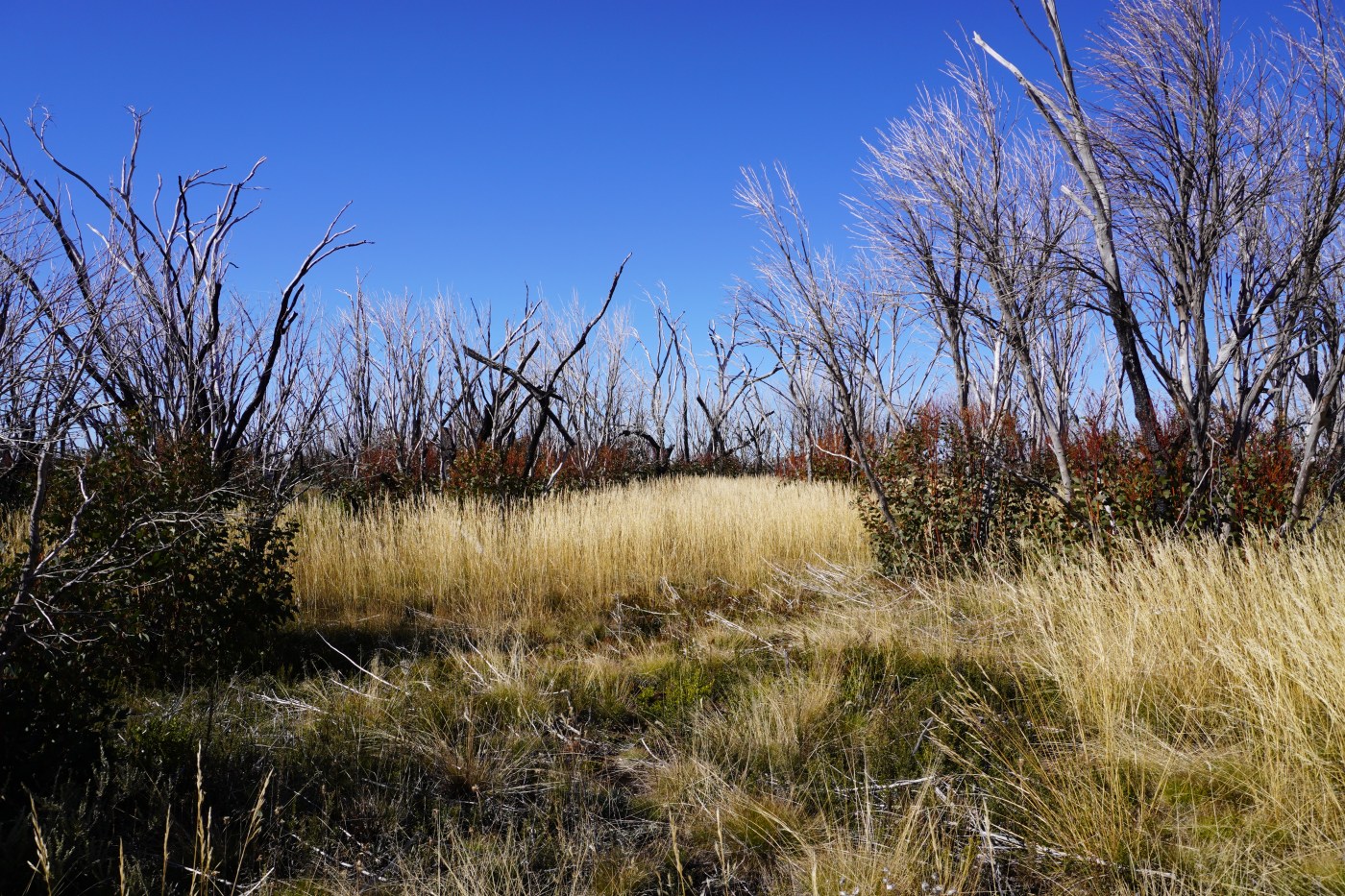
In recent decades, wildfire has been devastating huge areas of the Snow Gum forests, with significant fires in the Victorian High Country in 1998, 2002/3, 2006/7, 2013 and 2019/20. More than 90% of Snow Gum habitat has been burnt at least once in the last 20 years.

The species can survive fire. However, climate change driven fire seasons are leading to more frequent fire, which is causing more death of trees and changes to forest structure. In some instances, localised collapse of Snow Gum woodlands is now being observed. As climate scientist Michael Mann describes it, we are now seeing climate change play out in real time.

We must ask whether we are now seeing the start of the collapse of Snow Gum woodlands, one of Victoria’s iconic vegetation communities.

Continue reading “Where are the old snow gums?”

The multiple threats to the survival of snow gums

For years now, Mountain Journal has posted about the multiple threats posed to our mountain environments which link back to climate change, including increased frequency of fire, higher temperatures, more frequent drought, and more impact from dieback (which is a natural phenomenon which is being super charged by global heating). These have also been documented in the Friends of the Earth report An Icon at Risk.

Its always good to see mainstream news coverage of these threats.

Genelle Weule, writing for ABC Science, has written an indepth piece which covers these threats.

Continue reading “The multiple threats to the survival of snow gums”

As the northern hemisphere burns, what are the lessons for Australia?

The northern hemisphere summer has been terrible. Heat waves have killed many thousands, from Iran and India to Portugal and France. Flash flooding has closed the Grand Canyon, while ‘Lake’ Mead, a massive dam on the Colorado River, is almost empty. Across the northern hemisphere, from Siberia and Alaska to normally temperate countries like England and even Ireland there have been devastating wild fires.

Droughts, which are exacerbated by a warming climate, are making wildfires more frequent, destructive, and harder to fight in many places. Firefighters in temperate countries are often not equipped or trained in dealing with landscape scale fires. There are not prepared for potentially months long seasons. In one month, wildfires tore through Portugal, Spain, France, England and Germany, which had all seen record-high temperatures. Greece and Turkey also burnt. This challenged the fire fighting capacity in each country. For instance, in mid August, a wildfire broke out in France’s Gironde region. The fire grew to more than 15,000 acres in a short time and 8,000 people were evacuated. Local firefighting capacity was overwhelmed. Firefighters from a number of countries, including Sweden and Italy, were mobilised to support local efforts.

[Header image: Geoffrey Browne]

Continue reading “As the northern hemisphere burns, what are the lessons for Australia?”

Blog at WordPress.com.

Up ↑