Search

Mountain Journal

Environment, news, culture from the Australian Alps

Tag

forests

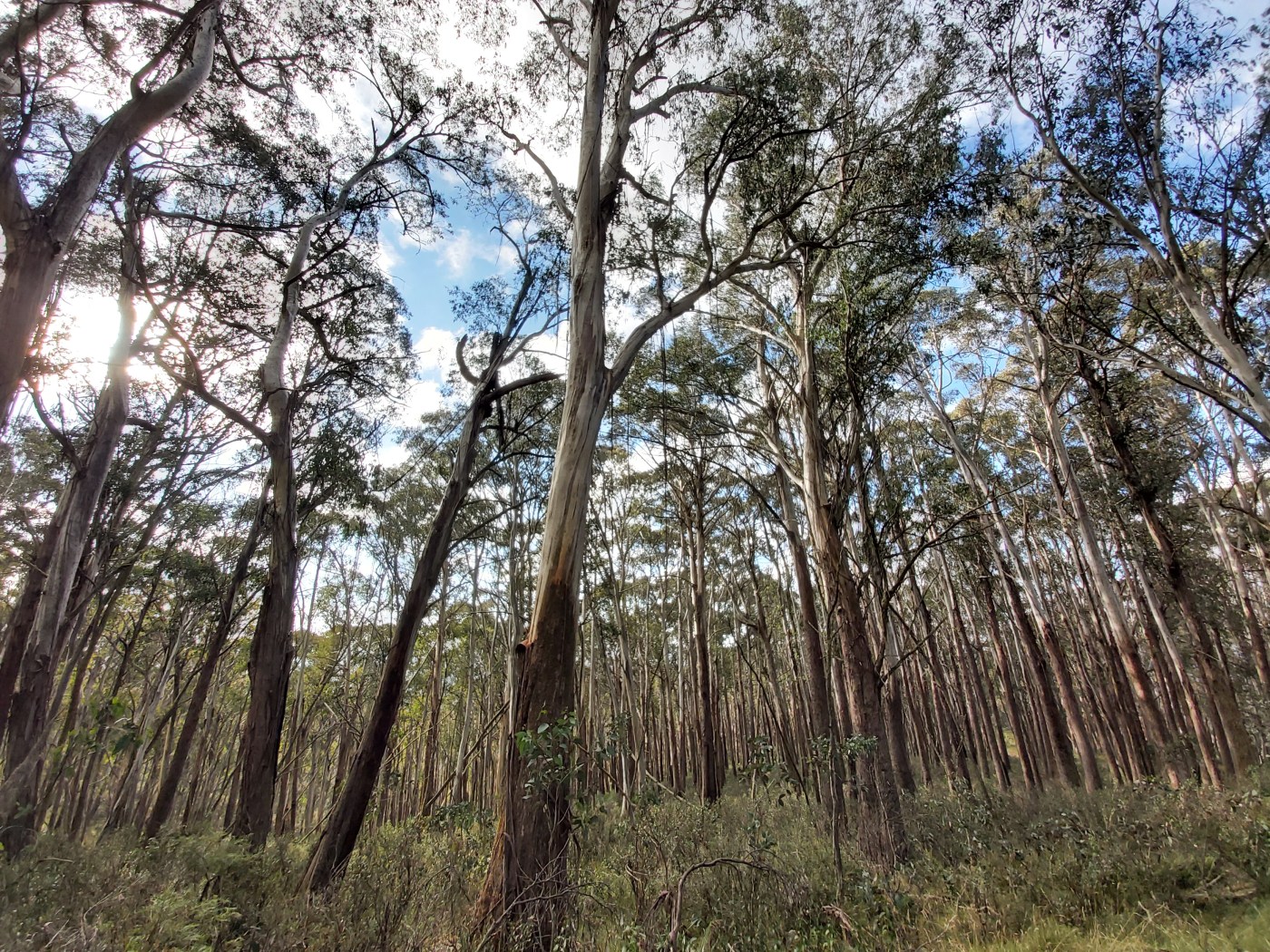
What next after the logging? Have your say

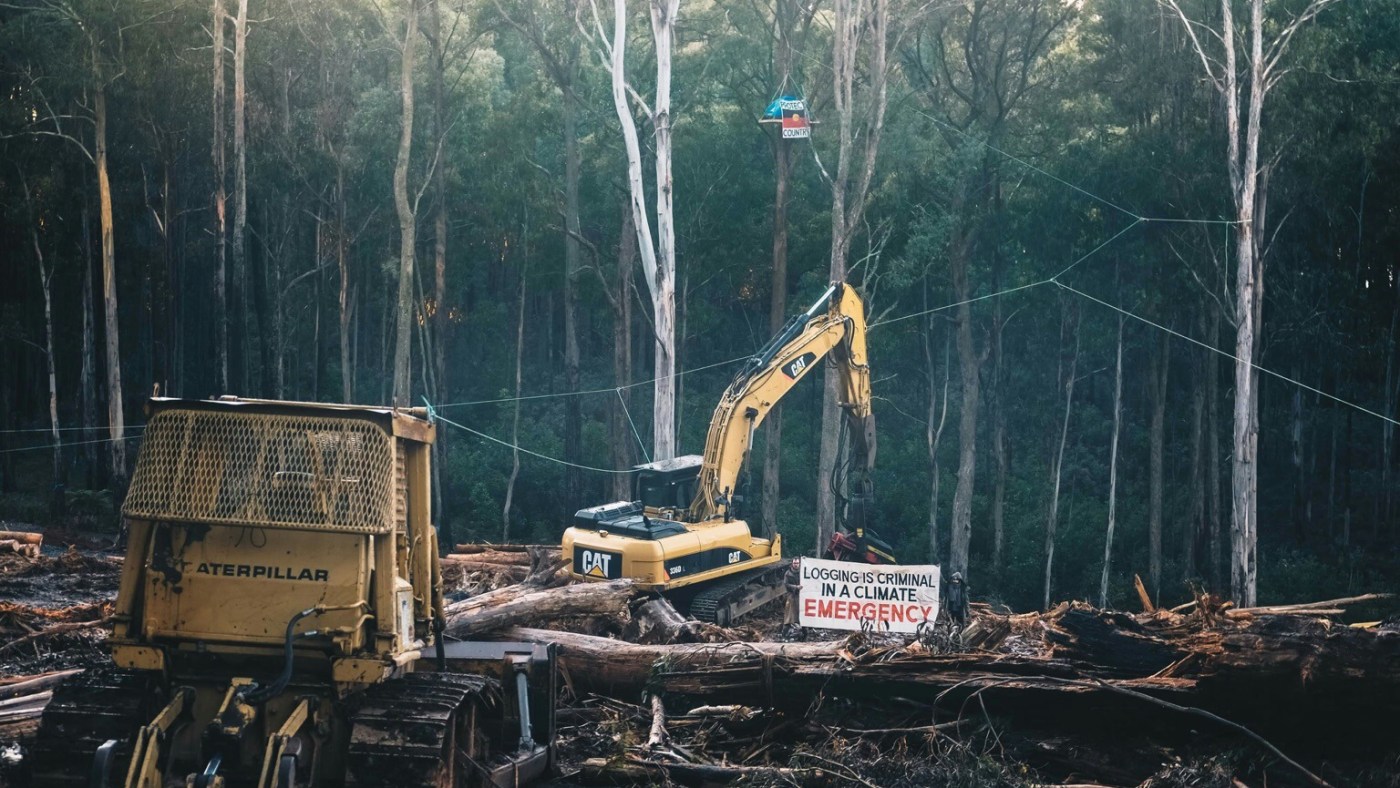
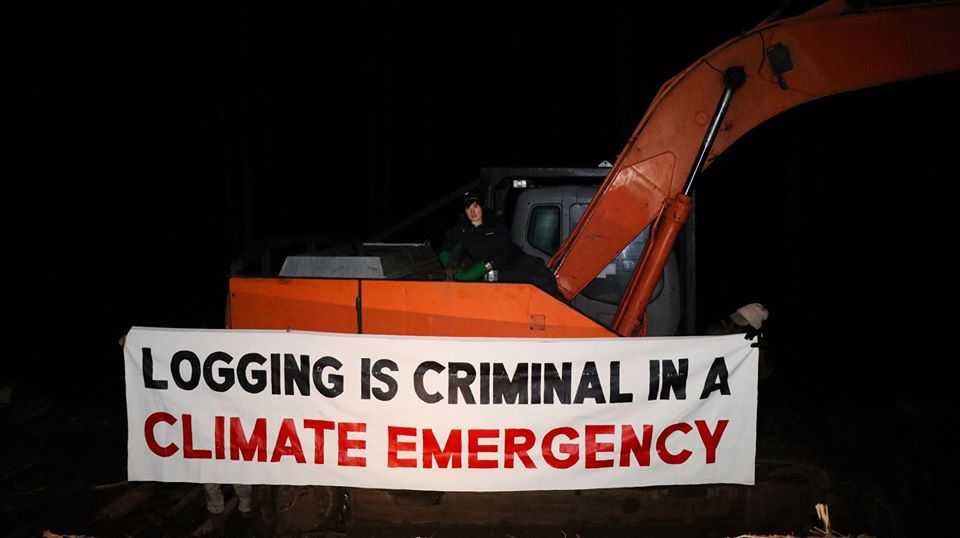
On January 1, 2024, all native forest logging on public lands in the east of the state of Victoria ended. This is a wonderful win for forests, animals, landscapes and the climate, and comes after decades of hard work by many thousands of people.

After a long wait, the state government has now announced the consultation process for making a decision about how these forests should be managed in the future. This is a once in a lifetime opportunity to influence the way Victoria’s forests are cared for into the future. Fill out this short survey as part of the Great Outdoors Taskforce’s engagement on the future of state forests.

Continue reading “What next after the logging? Have your say”
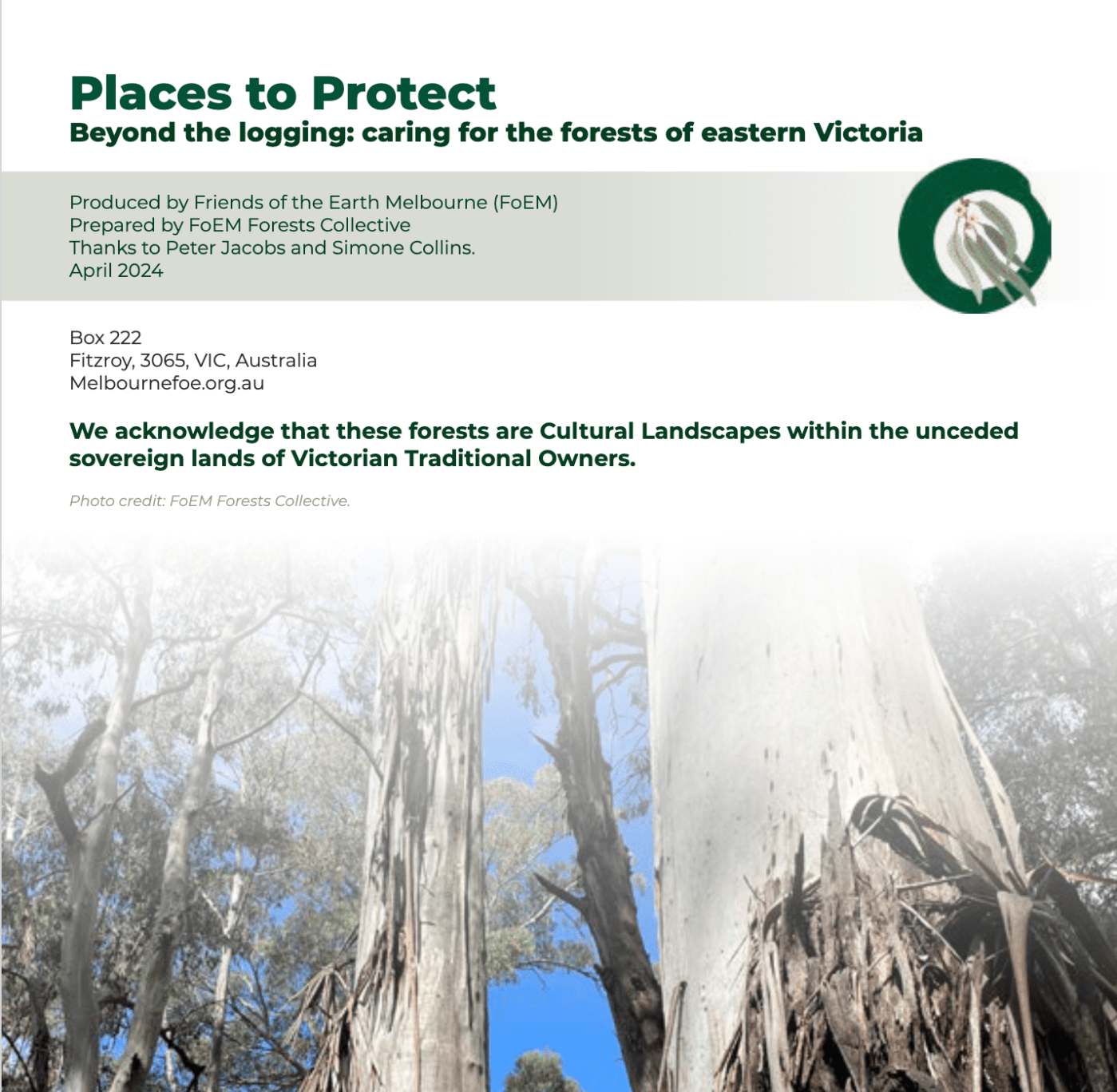
After the logging: what areas must we protect?

In May 2023, the Victorian government announced that logging of native forests on public land would end in the state by January 1, 2024. This was six years ahead of the planned end of logging and was welcomed by environmental groups and ecologists.

The government announced that there would be a process for the community to contribute to decision making about future forest management, and the Eminent Panel for Community Engagement commenced its community engagement program to look into possible management options for forests in Victoria’s Central Highlands.

In July 2024, consultation on the Central Highlands closed. The Eminent Panel is currently preparing its recommendations to government on the future use and management of these forests. These are expected to be announced before the end of the year.

The next stage: the north east and Gippsland

On 1 April 2024 the Victorian Government announced the next stage in process for determining the future of Victoria’s state forests, with the appointment of a ‘Great Outdoors Taskforce’.

Continue reading “After the logging: what areas must we protect?”

Protect Our Winters report: Our Changing Snowscapes

We have known for years that climate change is reducing the overall amount of snow we receive in Australia. The snow pack has been in decline since at least 1957. We also know that the loss of snow is being felt especially at lower elevations and will have enormous impacts on the local economies that have developed around the mountains.

Today Protect Our Winters (POW) have released a comprehensive update on the threats posed by climate change – to snow pack, the mountain environment and animals who rely on a thriving ecosystem, and downstream rivers, and also the impacts on the local economies that rely on good snowfalls.

Continue reading “Protect Our Winters report: Our Changing Snowscapes”

Logging impacts mountain areas in southern lutruwita/ Tasmania

Liam Oakwood reports on the scale of logging in areas next to mountain ranges in southern lutruwita/ Tasmania. As he notes: ‘In the shadow of the mountain ranges of the deep South a steady defence of life on Earth is being mounted’.

Continue reading “Logging impacts mountain areas in southern lutruwita/ Tasmania”

Native forest logging stops in VIC high country on JAN 1!

On January 1, 2024, all native forest logging on public lands in the east of the state will end. This is a wonderful win for forests, animals, landscapes and the climate, and comes after decades of hard work by many thousands of people.

In recent years Friends of the Earth (FoE) has been campaigning to protect areas of high conservation forest in the north east of the state from logging. We are proud to have played a significant role in the long campaign to gain an end to native forest logging in the east of Victoria.

Here is a brief summary of the recent campaign in the north east and the high country.

Continue reading “Native forest logging stops in VIC high country on JAN 1!”

Tourism & outdoor industry stands up for forests

The forests of north east Tasmania are like nowhere else on Earth. From the glacial refugia forests of the Blue Tier holding the tallest flowering plants on earth, to the Gondwanic remnant forests around the Blue Derby mountain bike trails, these forests are under increasing threat from logging.

The campaign to protect these forests in recent times has been driven by locals involved in ecotourism and outdoor adventures like mountain bike riding. It has been a great example of people standing up for the places that they love.

Last week, more than 160 other tourism bodies, signed an open letter to the State Premier, the Minister for Tourism, Hospitality and Events and the Minister for Climate Change regarding the economic and environmental implications of logging carbon-rich Gondwana remnant forests in the North-East of Tasmania. These forests are within proximity of the world-famous Blue Derby bike tracks.

Continue reading “Tourism & outdoor industry stands up for forests”

Chasing Giant Trees in lutruwita/ Tasmania

Carl Hansen and Jan Corigliano report on a recent mission to catalogue newly discovered forest giants.

This story first appeared in the Mountain Journal print magazine for 2021 (available here).

The tallest and biggest living things in the world are trees. While the biggest and tallest are the well-known Coast Redwoods of California, the towering Mountain Ash (Eucalpytus Regnans) of Victoria and Tasmania have largely escaped the limelight, despite being the tallest trees in the southern hemisphere.

In the Tasmanian Wilderness World Heritage Area, to the west of the Florentine River in the vicinity of McLeod’s Creek, grows a patch of extremely tall forest unmatched in extent and integrity in Australia. Remote, rugged and barely visited by Europeans, it contains 29 LiDAR-identified “‘hits’ over 85 meters tall. In recent years, the advent of LiDAR (a 3D scan of tree heights from a small plane) has uncovered many previously undiscovered giant trees. But what’s shown on LiDAR doesn’t always stack up with what’s on the ground, so ground surveys must be done in order to see how big the trees really are.

Continue reading “Chasing Giant Trees in lutruwita/ Tasmania”

Bushfire review is a chance to protect Alpine Ash forests

In March 2020, just a few months after the devastating 2019/2020 Black Summer bushfires, state and federal governments rolled over the controversial Regional Forest Agreements (RFAs) which give logging an exemption from federal environment laws.

A new clause has been introduced where a significant event (like the 2019/2020 bushfires) can trigger a Major Event Review (MER).

The review was announced last year, but since then logging in critical habitat for threatened species has continued, and there have been no changes to logging schedules. The review is now open to public consultation and submissions will be accepted until 31 August 2021.

You can find out more about this review here.

Continue reading “Bushfire review is a chance to protect Alpine Ash forests”

Finding hope among the old trees

I don’t know about you, but my wanders in the mountains are often dominated by grief as I see places I love burnt beyond recognition. I’ve spent way too much time looking at burnt forests lately (for instance the Tabletop fire), and the realisation that as I get older, the forests are getting younger has been hard to accept.

More than 90% of snow gum woodland in Victoria has burnt at least once in the last 20 years, and we are down to a fragment of remaining old mountain forests (estimates are that we only have 0.47% of old growth alpine ash left in Victoria). Most people who are paying attention will see what’s going on, and experiencing solastalgia (the distress specifically caused by environmental change and climate change) is both natural and normal. But it can be hard to stay positive in the face of grinding and overwhelming change. And many of us, especially if we live in the bush or mountains, hold fear about the ever more intense fire seasons.

But there is so much wonderful country that remains, and we know that, given time, alpine ash and snow gum forests will recover (if we can keep the fires out until they mature).

Continue reading “Finding hope among the old trees”

Forest protests continue to ramp up in Victoria and NSW

For the last few months there have been sustained, decentralised protests happening against logging operations in Victoria. Check here for some notes on previous actions. It has continued today (June 29) with protests in the Black Range, Toolangi, Lakes Entrance Mt Disappointment and the Pyrenees State Forest, with a symbolic connection to protests being held in NSW.

Continue reading “Forest protests continue to ramp up in Victoria and NSW”

‘Logging operations shut down in Big Pats Creek, Warburton, Kinglake ranges and Baw Baw’

Logging continued in many places around the country during the COVID-19 lock down. Environmental activists and locals concerned about logging operations were disciplined and largely stayed at home during the pandemic.

Now, this long wait has overflowed into action. In Tasmania, people have occupied trees in forest being cut near Mt Field. On the south coast of NSW, the community of Manyana is opposing the destruction of unburnt forest for a housing development, and now actions have happened across the Central Highlands of Victoria. This follows sustained action by locals at Big Pats Creek near Warburton.

Continue reading “‘Logging operations shut down in Big Pats Creek, Warburton, Kinglake ranges and Baw Baw’”

A 170 km long firebreak in East Gippsland?

The ABC is reporting that ‘fire-affected communities in eastern Victoria are calling for a permanent firebreak running 170 kilometres along both sides of the Princes Highway to the New South Wales border’.

Continue reading “A 170 km long firebreak in East Gippsland?”

Blog at WordPress.com.

Up ↑