Search

Mountain Journal

Environment, news, culture from the Australian Alps

Tag

land management

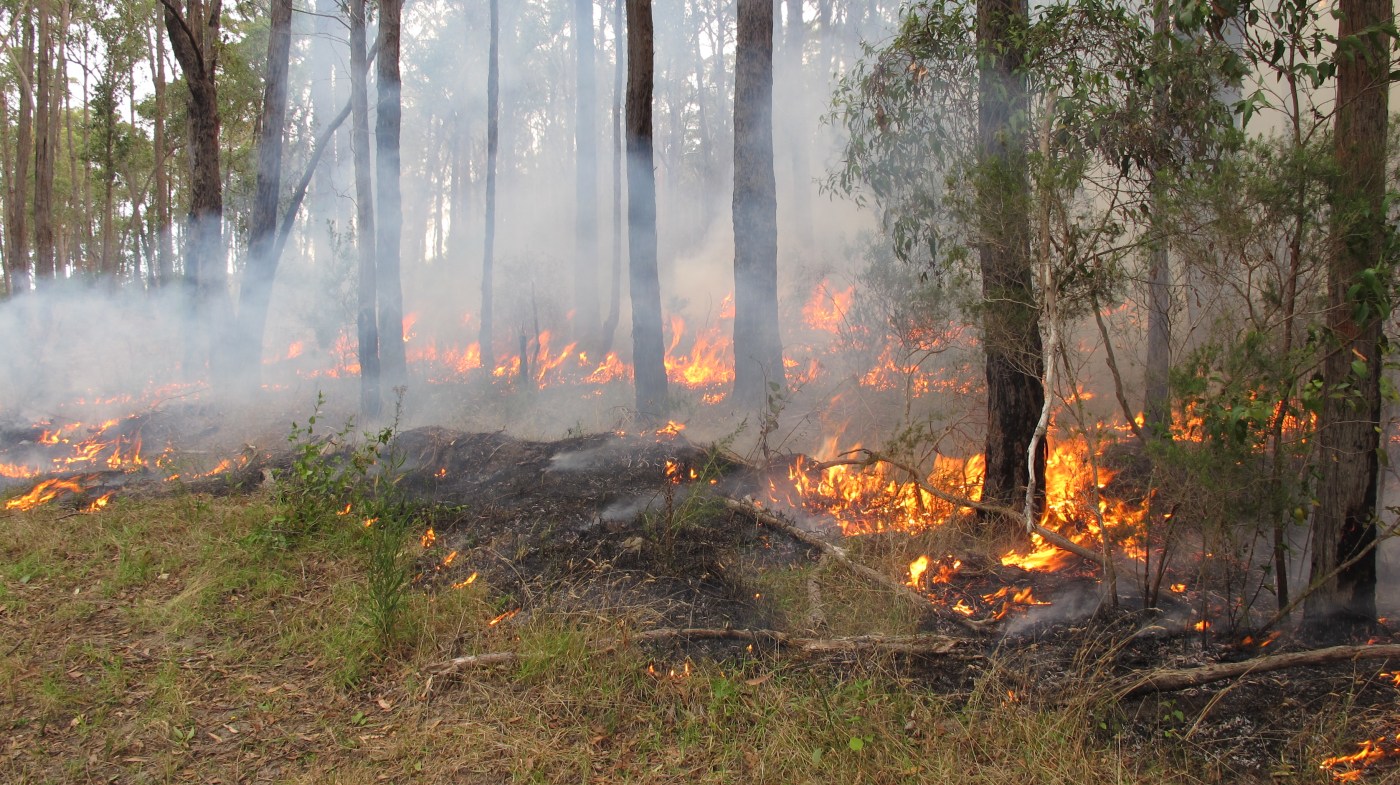
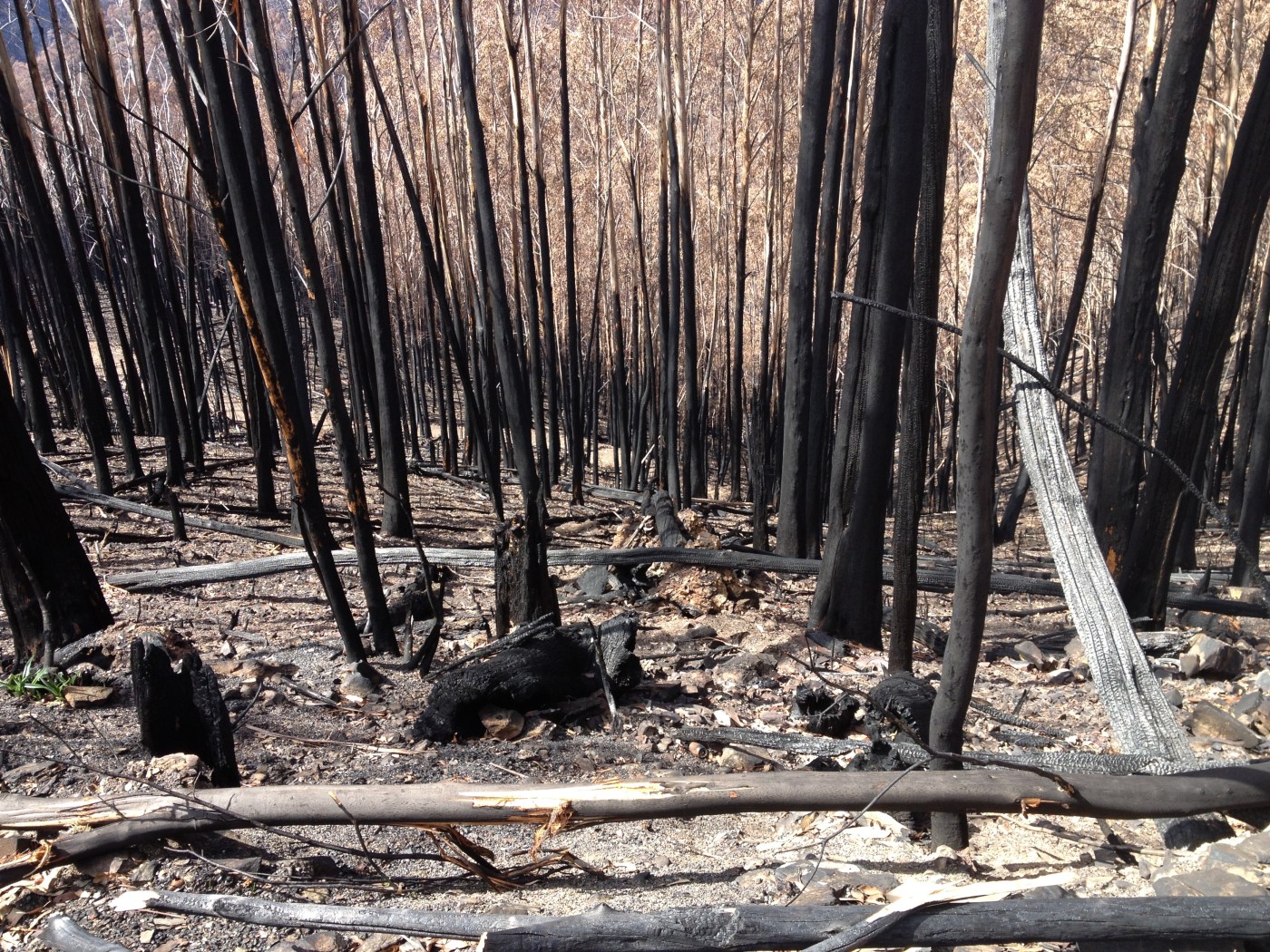
Black Summer biodiversity study suggests rethink of prescribed burns and fire management in Australia


This is not ‘new’ news. But it does add to the conversation that is underway about the role of prescribed burning (also called planned burning and fuel reduction burning) in terms of reducing fire risk.  

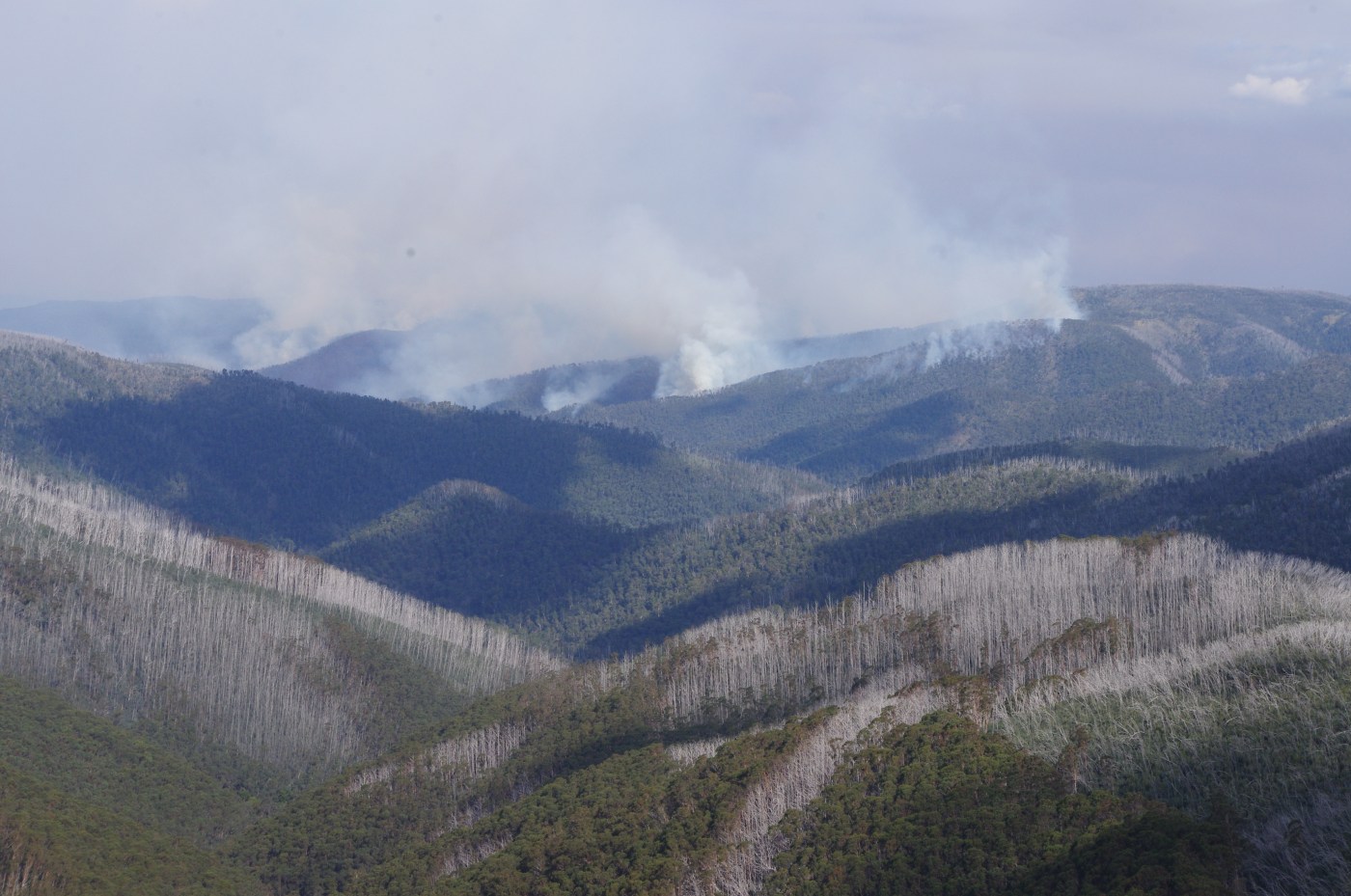
A new study examining plant and animal species after the Black Summer fire season has found greater biodiversity loss in areas that have been subject to frequent burning. Six ecosystems were considered, including alpine, wetland, rainforests and dry and wet eucalypt forest.

Sites with three or more fires in the 40 years leading up to the 2019–20 Black Summer were far more negatively impacted than previously unburnt areas or sites that had burnt once during that time.

Continue reading “Black Summer biodiversity study suggests rethink of prescribed burns and fire management in Australia”

Have your say: the Code of Practice for Bushfire Management on Public Land

The Victorian Department of Energy, Environment and Climate Action (DEECA) is updating the Code of Practice for Bushfire Management on Public Land (the Bushfire Code), and is calling for  feedback on the draft Code.

The Bushfire Code sets out objectives for the way DEECA manages bushfire on public land, including state forests and national parks.

The current Bushfire Code is more than 10 years old. It updating it to make sure it meets modern needs and expectations.

There is an online submission process which is open until November 3.

Continue reading “Have your say: the Code of Practice for Bushfire Management on Public Land”

The first Snow Gum Summit

Announcement of conference: February 14 – 16, 2025

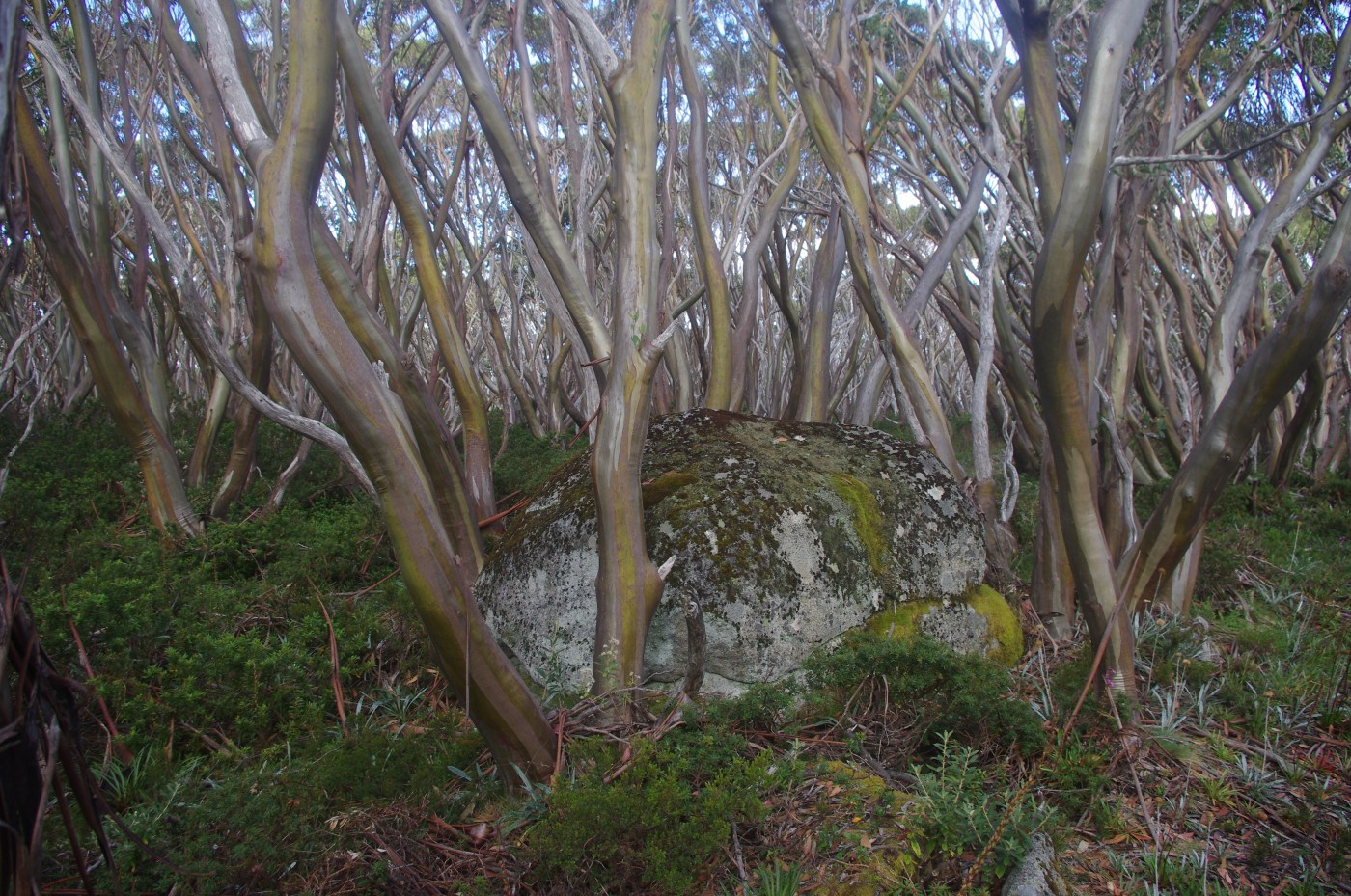
Snow Gums (Eucalyptus pauciflora) are the classic tree of the Australian High Country. They are profoundly different to the trees found in mountain areas in other parts of the world, and give a uniquely Australian sense to our high country. However, they are facing a double threat to their survival: from fire and dieback.

We are hosting a ‘snow gum summit’ which will bring together land managers and academics and anyone interested in the future of this iconic species to explore what needs to be done to ensure the survival of snow gum woodlands, and put the issue firmly on the state governments agenda.

We will be inviting First Nations people, local and state wide environmental organisations, local communities and businesses, groups active in outdoors recreation, and enthusiasts of high-elevation, forest ecosystems.  There will be presentations, workshops and field trips.

This event will happen at Dinner Plain, on GunaiKurnai Country in north eastern Victoria.

Continue reading “The first Snow Gum Summit”

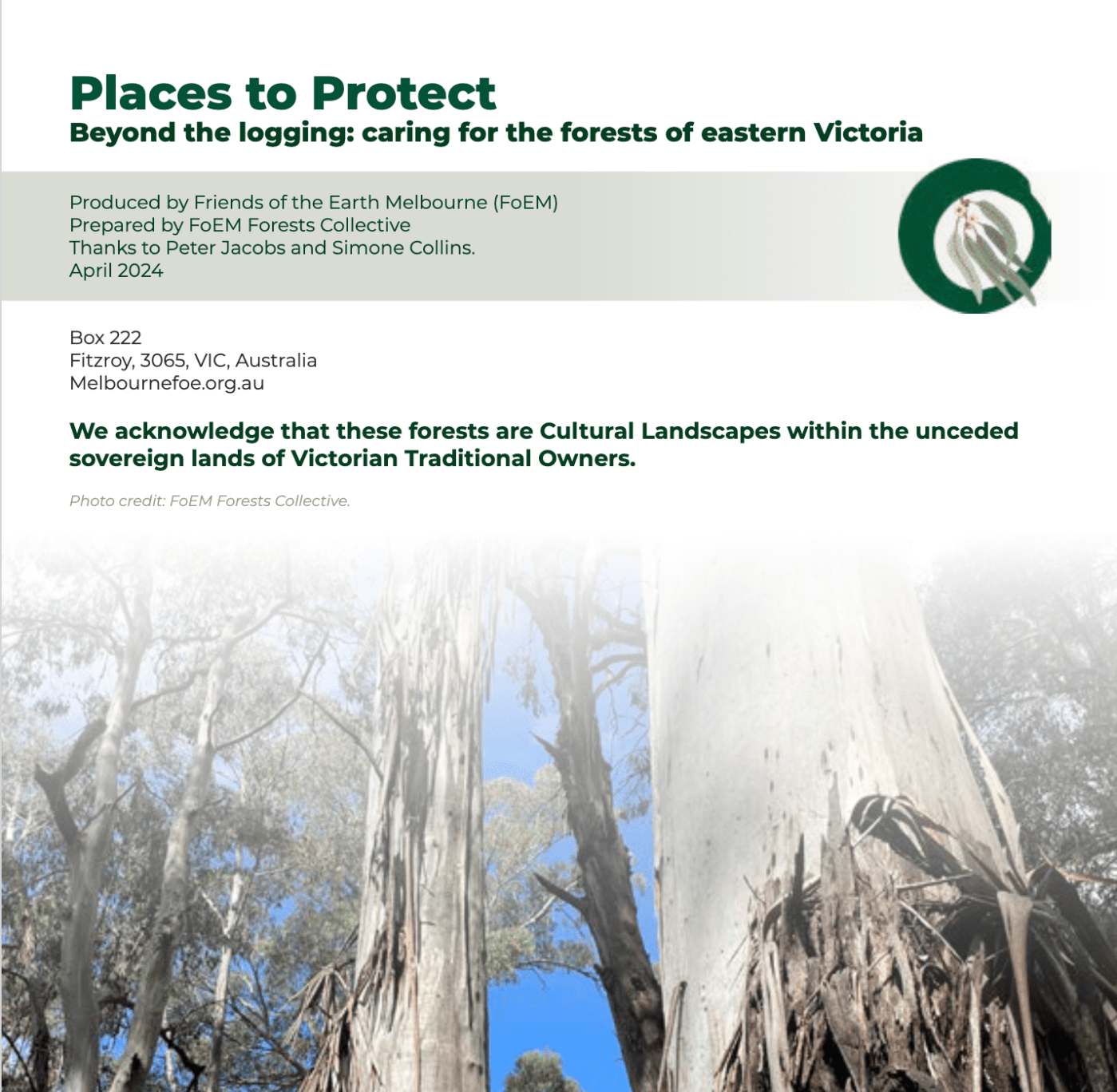
After the logging: what areas must we protect?

In May 2023, the Victorian government announced that logging of native forests on public land would end in the state by January 1, 2024. This was six years ahead of the planned end of logging and was welcomed by environmental groups and ecologists.

The government announced that there would be a process for the community to contribute to decision making about future forest management, and the Eminent Panel for Community Engagement commenced its community engagement program to look into possible management options for forests in Victoria’s Central Highlands.

In July 2024, consultation on the Central Highlands closed. The Eminent Panel is currently preparing its recommendations to government on the future use and management of these forests. These are expected to be announced before the end of the year.

The next stage: the north east and Gippsland

On 1 April 2024 the Victorian Government announced the next stage in process for determining the future of Victoria’s state forests, with the appointment of a ‘Great Outdoors Taskforce’.

Continue reading “After the logging: what areas must we protect?”

Protect Our Winters report: Our Changing Snowscapes

We have known for years that climate change is reducing the overall amount of snow we receive in Australia. The snow pack has been in decline since at least 1957. We also know that the loss of snow is being felt especially at lower elevations and will have enormous impacts on the local economies that have developed around the mountains.

Today Protect Our Winters (POW) have released a comprehensive update on the threats posed by climate change – to snow pack, the mountain environment and animals who rely on a thriving ecosystem, and downstream rivers, and also the impacts on the local economies that rely on good snowfalls.

Continue reading “Protect Our Winters report: Our Changing Snowscapes”

BTAC gets to work on the AAWT

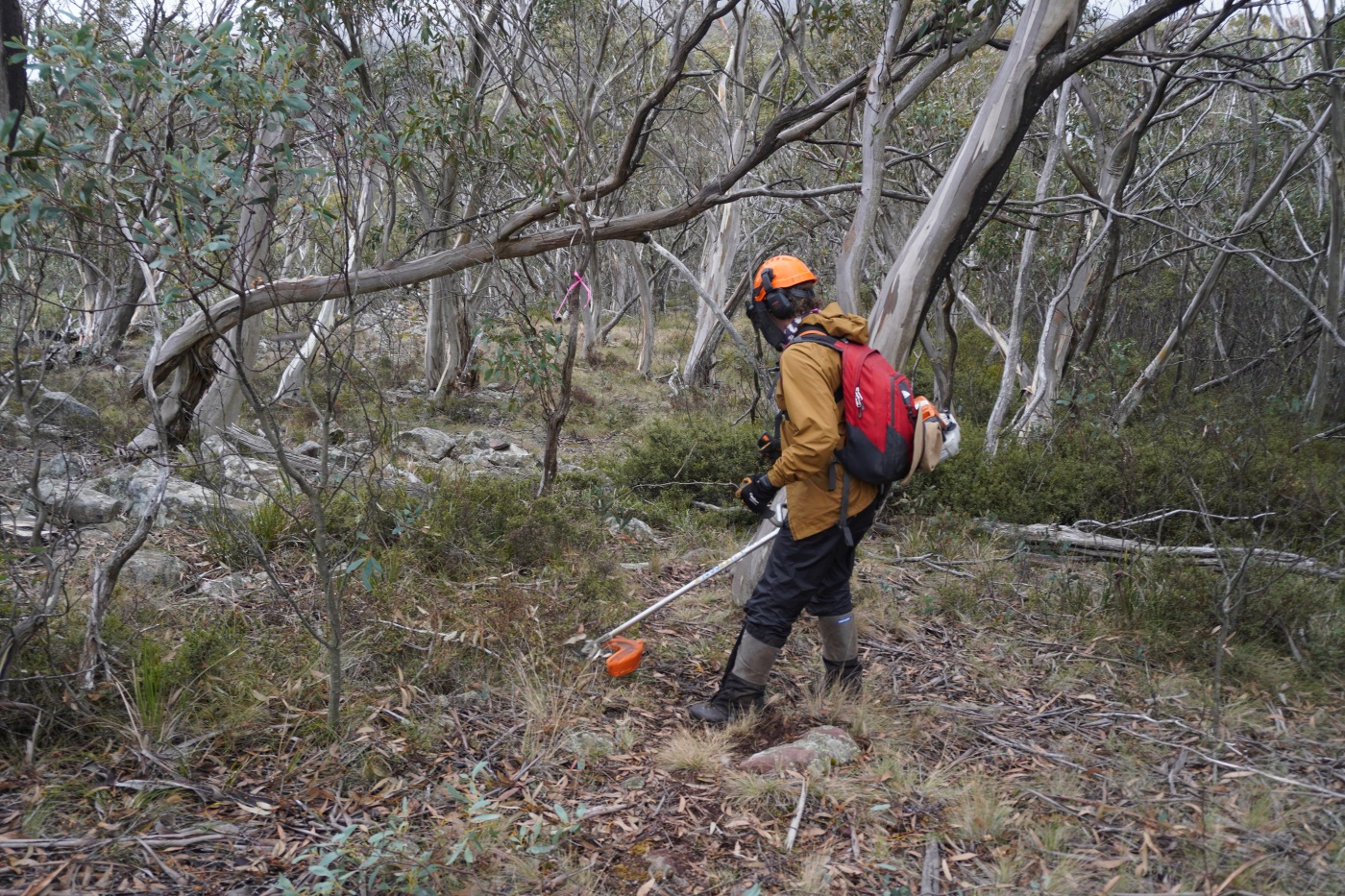
If you have ever wandered on a walking track in the mountains, you have enjoyed the fruits of someone else’s labour. Walking tracks are cultural artifacts that allow us to access the forests, mountains and rivers that we love. Often they follow earlier paths: settlers followed First Nations routes out of Gippsland into the high country. Miners and graziers cut rough tracks into the gold diggings. Sometimes these turned into commerce highways as large population centres grew around the diggings. Nowadays the foot tracks in the high country are all about recreation.

But with increasing fires across the mountains, many tracks can become crowded out through a mass of regrowth. And as trees killed in bushfires start to collapse, many tracks become crossed by fallen logs and the tracks become multiple braids, often ending in dead ends, making navigation difficult and increasing the likelihood of walkers becoming lost. Land management authorities have limited funds to maintain the trail network and have many demands on their time.

Continue reading “BTAC gets to work on the AAWT”

Mountain Journal magazine #4 now online

Once a year we produce the Mountain Journal magazine. It is distributed through mountain and valley towns from Melbourne to Canberra each autumn. 2024 is the fourth print edition, and the magazine is being distributed at present.

You can also enjoy this PDF of the magazine MJ4.

Continue reading “Mountain Journal magazine #4 now online”

Plibersek puts NSW on notice over feral horse numbers

In the long running campaign to have the NSW government do something about the huge number of feral horses that are causing damage in the Kosciuszko National Park, recent efforts to reduce horse numbers has been welcomed by environmentalists.

Figures announced by the NSW government on 29th January show that 3,530 feral horses have been removed from Kosciuszko since the Plan’s commencement – by re-homing, removal to knackery, aerial and ground shooting, and shooting in yards. However, the Federal Environment Minister Tanya Plibersek has announced that she may intervene to ensure a ‘zero-tolerance approach’ to feral horses in the park if the environmental impacts remain too high.

Continue reading “Plibersek puts NSW on notice over feral horse numbers”

Native forest logging stops in VIC high country on JAN 1!

On January 1, 2024, all native forest logging on public lands in the east of the state will end. This is a wonderful win for forests, animals, landscapes and the climate, and comes after decades of hard work by many thousands of people.

In recent years Friends of the Earth (FoE) has been campaigning to protect areas of high conservation forest in the north east of the state from logging. We are proud to have played a significant role in the long campaign to gain an end to native forest logging in the east of Victoria.

Here is a brief summary of the recent campaign in the north east and the high country.

Continue reading “Native forest logging stops in VIC high country on JAN 1!”

FORUM: The Future of Firefighting in Victoria

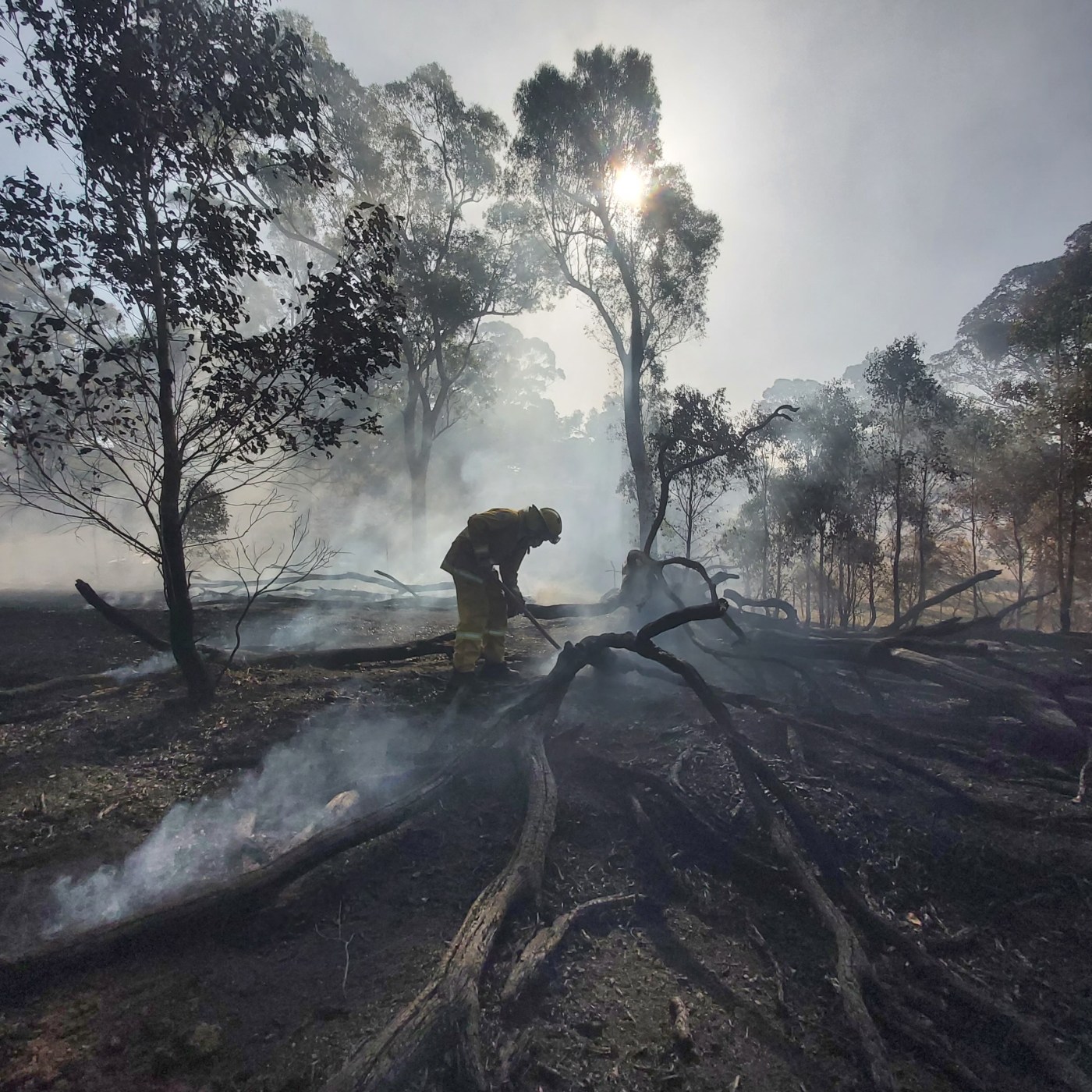
It is quite a few years ago now that I stood on the high point of Mt Blowhard, near Hotham, and watched the Dargo High Plains burning (yet again). That led me on my ‘firefighting journey’ – I went back home and joined the CFA. In the years since then I have seen the reality of more frequent fires in the mountains and the fact that sometimes we don’t have enough firefighters to stop small lightning strike fires from turning into mega blazes.

One example – a couple of lightning strikes near Mt Tabletop on December 31, 2019 (during the Black Summer) were not able to be stopped. They grew into a fire of more than 40,000 ha that threatened the township of Dinner Plain twice and homes in the Cobungra valley.

That’s where this idea came from – an additional force of remote area firefighters who can be tasked with assisting the wonderful state government firefighters employed by FFMV.

The proposal will be discussed during a free online forum being hosted on Thursday December 14 at 7pm.

Continue reading “FORUM: The Future of Firefighting in Victoria”

Victorian State of the Environment 2023 Report released

The Victorian State of the Environment (SoE) 2023 Report has been released. These are five-yearly report cards produced by the state government which measure the health of our natural environment – our land, water, air and ecosystems. The report covers three key areas:

  • the health of Victoria’s natural environment
  • the adequacy of our science
  • areas for future focus.

The Greens labelled it ‘a damning new report (which) has found Victoria’s ecosystems and threatened species are in a far more dire situation now than they were five years ago’.

They say ‘It found that biodiversity and climate change indicators were particularly bad, with more than 75% of biodiversity indicators (32 of the 42) deteriorating or unclear, and 73% of climate change health measures (11 out of 15) also deteriorating or unclear. Only 1 out of 57 were classed as good (which related to the number of Victorians taking action to protect nature)’.

While I don’t have time to do a deep analysis of the report (which is available here), a quick look at the categories related to mountain areas are all fairly depressing. In short, there are no positive trends that are obvious.

Continue reading “Victorian State of the Environment 2023 Report released”

Are we ready for the next Black Summer?

Firefighters say dry lightning has caused more than a dozen fires across Queensland this week, sparking concerns for authorities battling El Niño conditions.

As reported by the ABC, senior meteorologist Steve Hadley from the Bureau of Meteorology said dry lightning occurred when there was no significant rainfall, particularly during “overarching dry conditions”.

“Sometimes with not enough significant rainfall, of a few millimetres or more, that can mean lightning is essentially happening over drier areas and drier terrain with no rain to follow it up,” he said.

“Then you can get some fires starting from that depending on how the landscape is at that time.”

The threat from dry lightning caused fires continues to increase in mountain environments. To take one example, multiple lightning strikes across the Victorian high country on December 31, 2019 resulted in fires developing, including the 44,000 ha Cobungra fire which threatened Omeo, Anglers Rest, and Cobungra.

Continue reading “Are we ready for the next Black Summer?”

Blog at WordPress.com.

Up ↑