Search

Mountain Journal

Environment, news, culture from the Australian Alps

Tag

public lands

AI and fire fighting. What’s going on?

Whether it is in a national park or other public land, a paddock or a house fire, one of the most important aspects of stopping fires is to get on to them quickly. The sooner that firefighters arrive, the smaller the fire will be and the easier it is to contain. In Victoria, one of the ways we try to keep fires small during high fire danger days is by launching aircraft as soon as a fire is detected. Often aircraft can then get on scene and start to contain the fire before local brigades arrive. This system (called pre-determined dispatch or PDD) was developed as part of the  response to the Victorian Bushfire Royal Commission (VBRC), and was based on a model used in a number of other states. Under PDD, fire fighting aircraft are mobilised as soon as a call out occurs for local fire brigades with a trigger needed to authorise the launch of aircraft.

Other ways we get onto fires quickly includes things like deploying remote area firefighters onto new start fires, inserting rappel crews from helicopters, and sending multiple vehicles at the same time to ensure there are enough resources to tackle the fire. We use real time analysis of satellite images and on some days put aircraft up for surveillance (rather than firefighting) purposes. There is lots of chatter about using drones that could carry water or fire retardant that could be sent to put out small new start fires. And of course, we have traditionally relied on staffed fire lookout towers to spot fires while they are small.

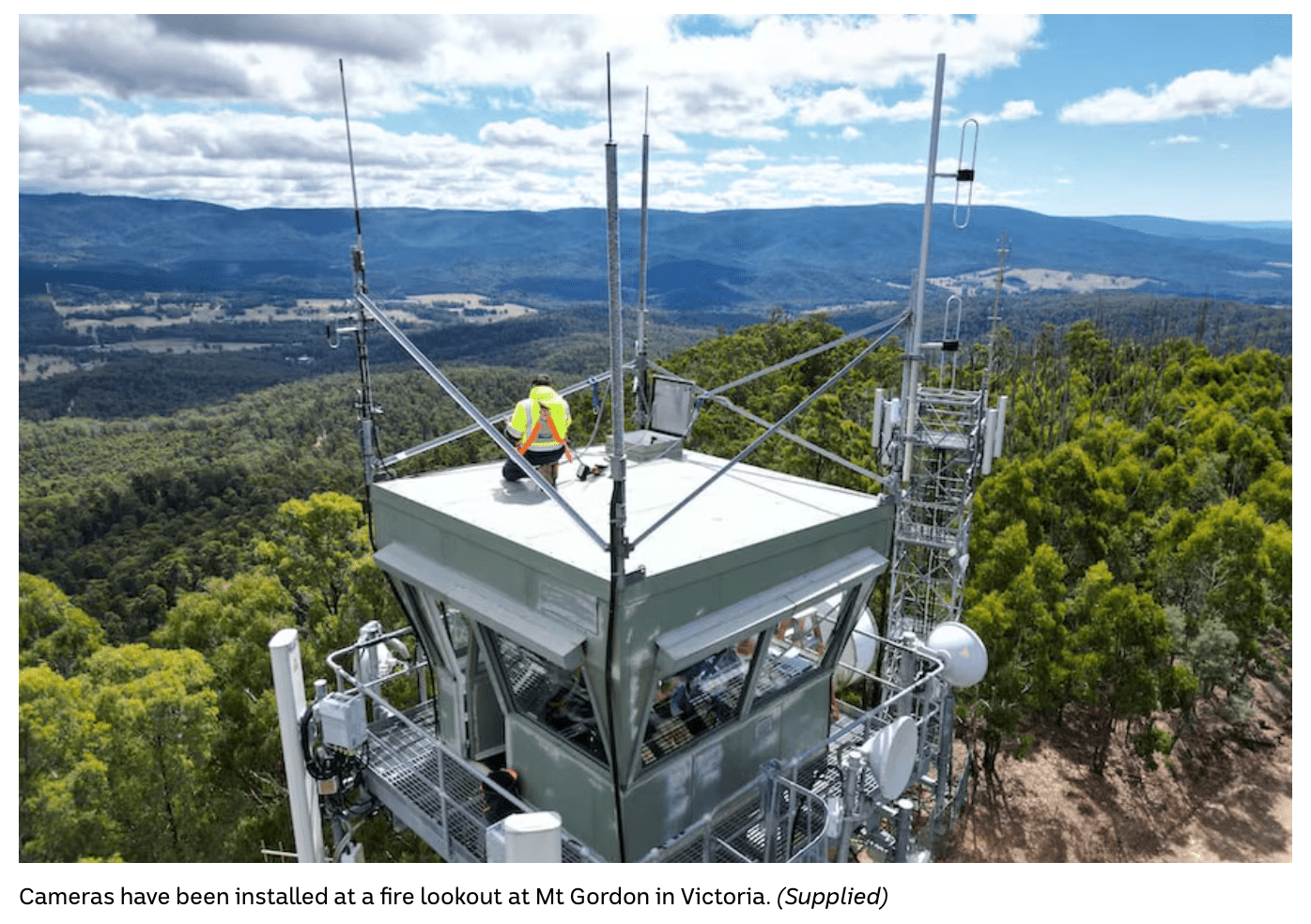
In recent years Artificial Intelligence (AI) has been billed as being a new option for spotting new start fires quickly.

Continue reading “AI and fire fighting. What’s going on?”

‘Deputy premier’s attack on NSW parks service condemned’

As the long debate over management of wild horse populations continues, the NSW deputy premier John Barilaro has launched an extraordinary attack on the state’s National Parks and Wildlife Service and NSW environment minister Matt Kean.

Campaign group Reclaim Kosci has condemned the comments and says that there is a risk that the public debate could be reduced to a ‘slanging match on talkback radio’ rather than a mature, policy focused conversation.

Continue reading “‘Deputy premier’s attack on NSW parks service condemned’”

Malbena Rally: Rewild Launceston!

The long campaign against commercial tourist developments in national parks and World Heritage Areas continues.

A flash point  in this campaign is the ‘eco tourism’ development planned for Lake Malbena will introduce ‘helicopter tourism’ to the central plateau of Tasmania. Approvals have been ‘waved through’ by the federal government, and then been bogged down in legal processes.

To highlight opposition to ‘helicopter tourism’, The Wilderness Society and Walkers and Fishers Against Helicopter Access Tasmania have organised a rally in Launceston on Sunday April 5.

Continue reading “Malbena Rally: Rewild Launceston!”

Is road safety work also ‘logging by stealth’?

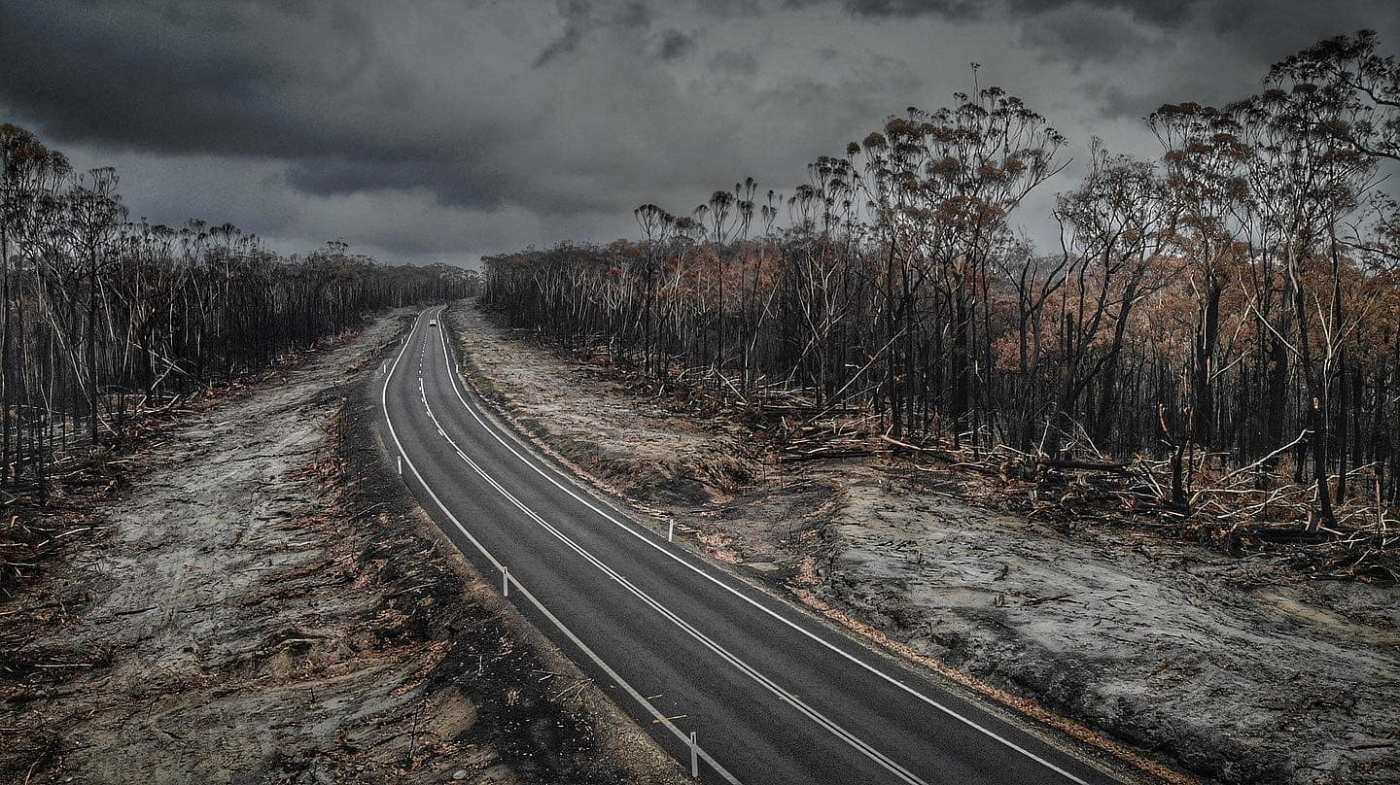
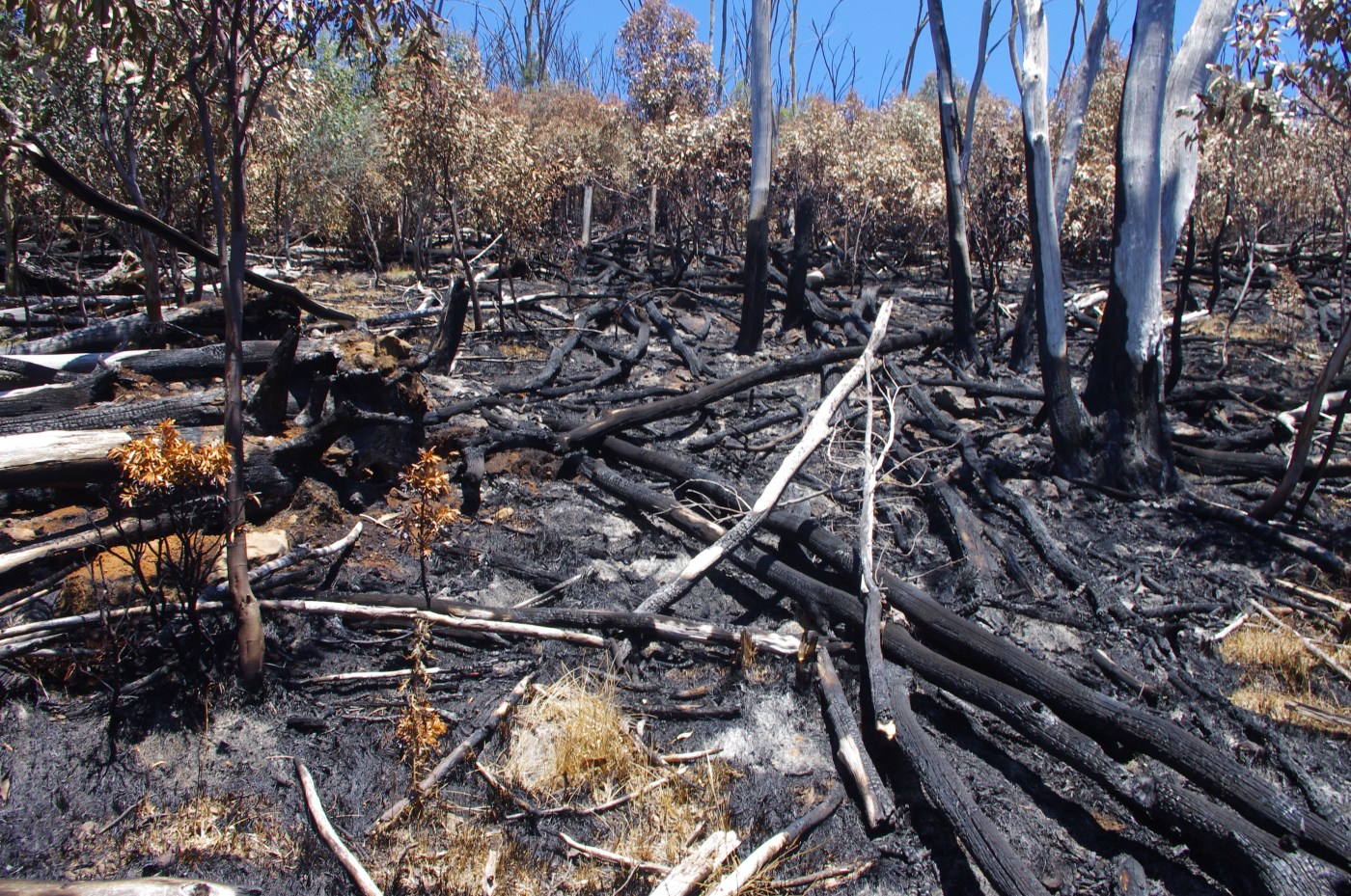
Following this summer’s devastating fires in East Gippsland, it has taken enormous effort by the authorities to get roads re-opened and made safe. Removal of many thousands of fire affected trees is essential for the safety of road users. However, the scale of the clear felling of large habitat trees occurring along thousands of kilometres of East Gippsland’s roads has disturbed many people.

Residents describe ‘unprecedented clearing’ occurring around Buchan, Black Mountain, Combienbar, Orbost, Goongerah, Cann River, Mallacoota, Cape Conran, state forests inland from Bairnsdale, along the Great Alpine Way and many other fire affected roads in East Gippsland.

Continue reading “Is road safety work also ‘logging by stealth’?”

Does Victoria need a new remote area volunteer firefighting force?

On New Year’s Eve, December 31, 2019, a front brought a smattering of rain across the Victorian mountains, barely enough to damp down the dust. But the associated lightning storm started dozens of new fires in a long belt from Mt Buller to the NSW border.

Forest Fire Management crews swung into action and many of these were quickly put out. Aerial bombing dealt with others. But there were simply too many, and some grew into massive blazes, including the fires that went on to devastate the forests and landscapes of East Gippsland in coming weeks.

This raises the question: Do we need a new remote area volunteer firefighting force in Victoria who could help suppress lightning strike fires before they take off?

Continue reading “Does Victoria need a new remote area volunteer firefighting force?”

Parks Victoria seeks feedback on wild horse removal program

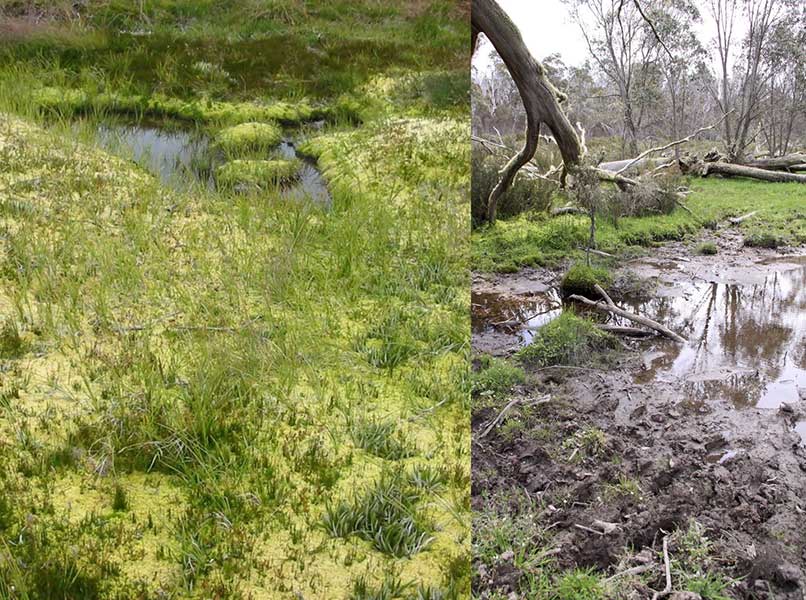
Feral horse levels in the Alpine National Park are at critical levels. Their hard hooves cause serious damage to the sensitive alpine environment. Without intervention, their impacts will cause severe long-term harm to the park’s special endangered native alpine wildlife and plant species.

Parks Victoria (PV) is expanding it’s horse removal program in the Eastern Alps and seeks your feedback. Feedback closes on 2 February.

Continue reading “Parks Victoria seeks feedback on wild horse removal program”

Victorian Government moves on invasive animals

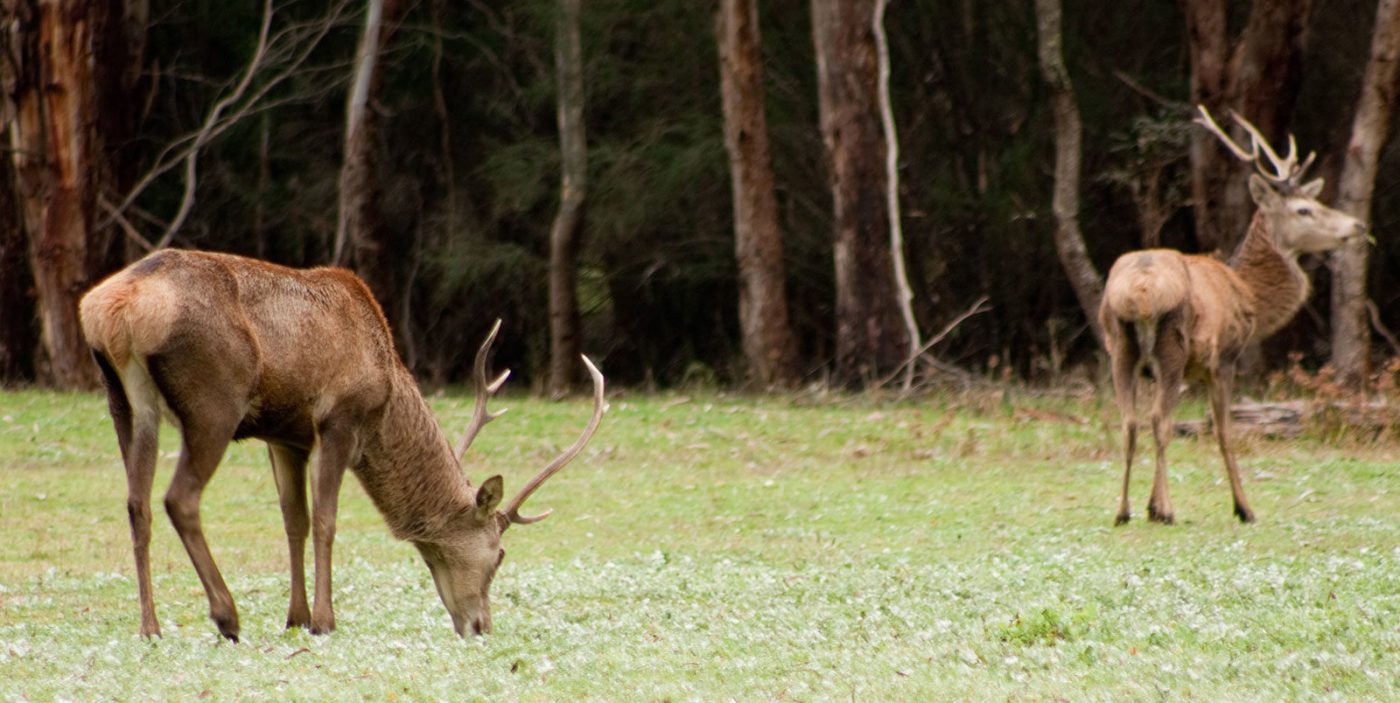
Wild deer cause massive damage across the Alps and many other forested parts of south eastern Australia. The Victorian Government has accepted most of the recommendations of a parliamentary inquiry into the Control of Invasive Animals on Crown Land. Significantly, the government has acknowledged that recreational hunting is generally an ineffective means of invasive animal control and announced that feral cats will be declared pest animals on public land, allowing more effective control programs.

Continue reading “Victorian Government moves on invasive animals”

The Empire strikes back

Fossil fuel interests are one of the forces behind the backlash against pro-environment outdoor brands

It is hardly news to note that President Trump has launched a significant and sustained attack on the environment. Apart from withdrawing from the international climate change agreement, winding back support for renewable energy, seeking to open up new sections of the Arctic to fossil fuel production, he has cut federal protection for major federal reserves (for a good summary of his actions so far check this page).

This wind back has been strongly opposed by environmental groups and First Nations. Many sectors of business are also taking the unusual step of getting active. For instance, recently 350 companies wrote to the President, urging him to abandon his attempt to reduce protection to iconic and much loved landscapes across the USA.

In recent weeks the President has radically reduced the size of Utah’s Bears Ears and Grand-Staircase Escalante national monuments.

Continue reading “The Empire strikes back”

Blog at WordPress.com.

Up ↑