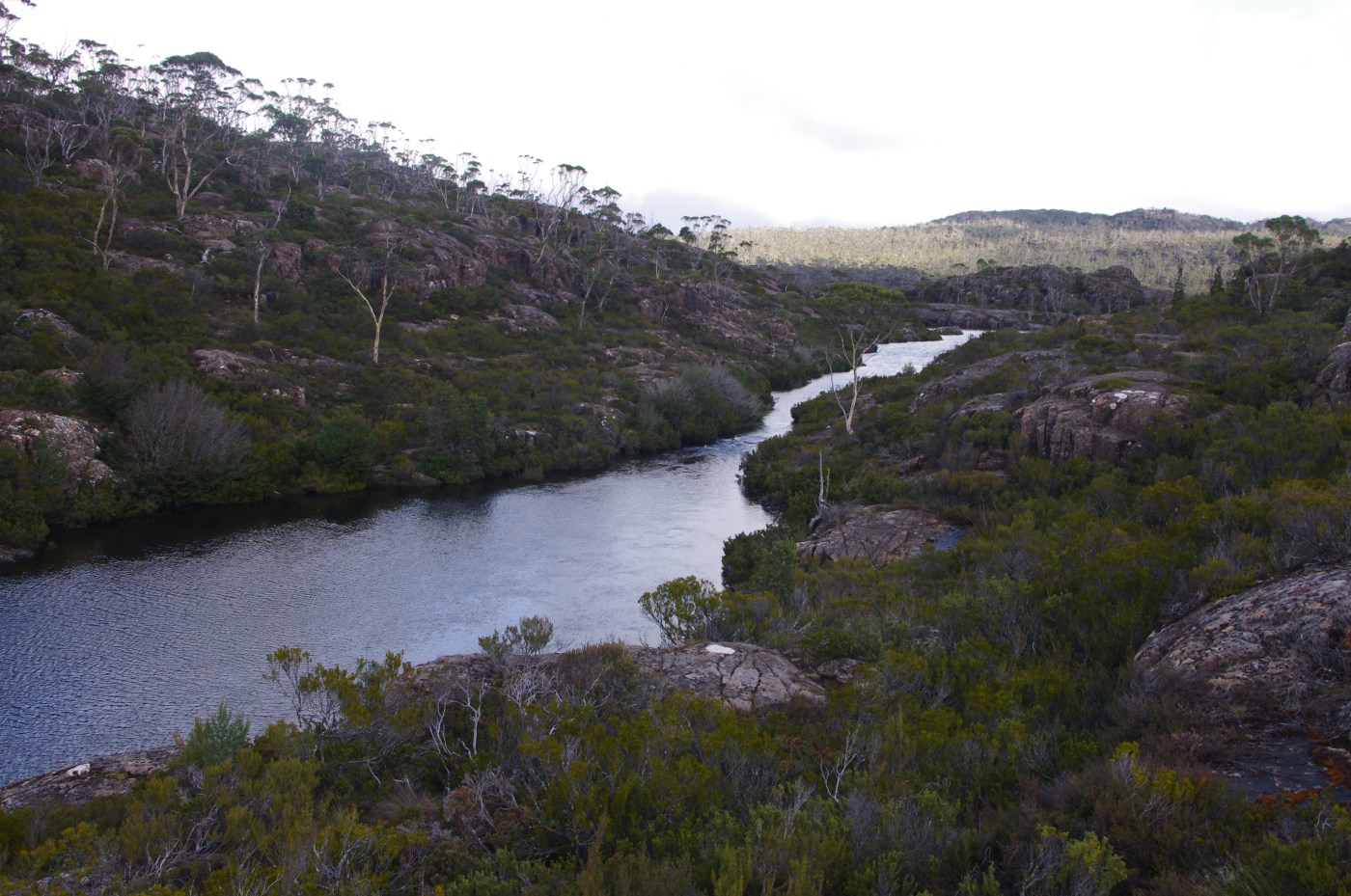
In March this year, I sat on the summit of one of my favourite hills, Mt Blowhard, and watched the fires just to the south, which were in the Dargo River valley and burning up onto the Dargo High Plains. Already a mosaic of burnt and reburnt forest, now characterised by the grey trunks of burnt trees, I knew that this would be another wave of impact on these mountain forests. Some parts of north east VIC have now burnt more than three times in a bit over a decade. Scientists warn about the loss of alpine ash and snow gum if the frequency of fire continues to increase.
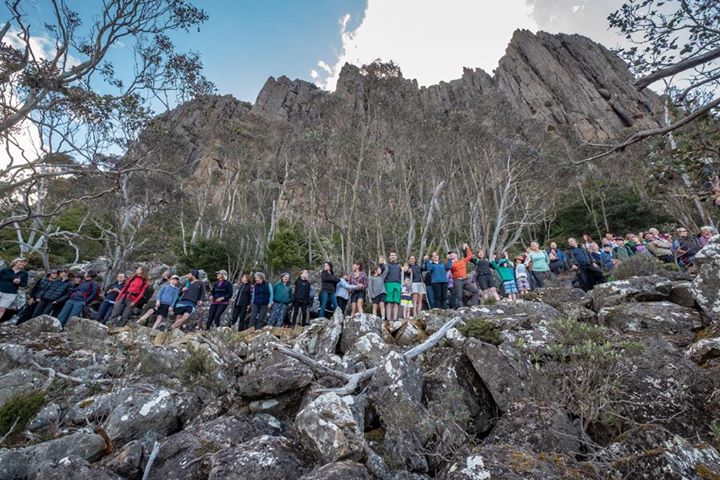
On Sunday October 7, around 140 enthusiastic and energetic walkers participated in the ‘Hands Across the Organ Pipes’ action – saying we love the Organ Pipes as they are and NO to a cable car.
After more than 5,000 people rallied against the cable car last May, its great to see the sustained activity of local residents against this unpopular development.
Photographer: Kim Walls.
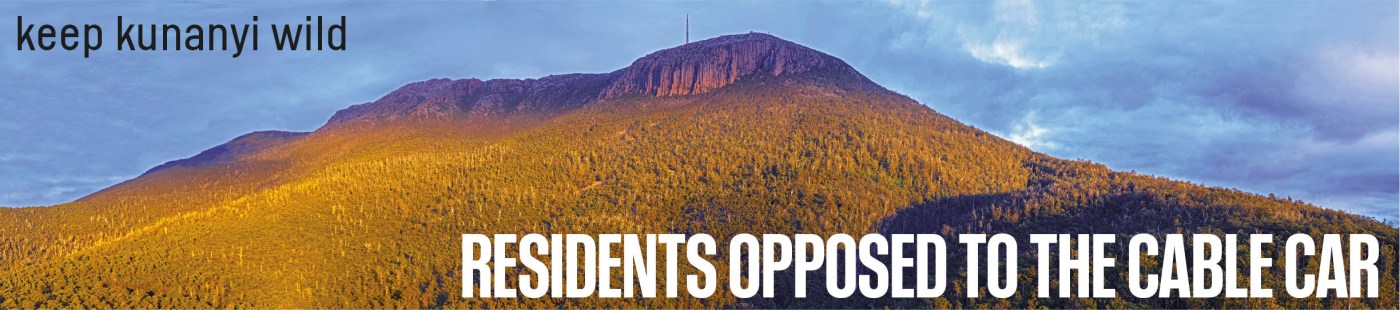
Mountain Journal has been reporting on the proposal to build a cable car up the face of kunanyi/ Mt Wellington for several years. The community resistance to this plan has been solid, determined and strategic. Local residents group Residents Opposed to the Cable Car (ROCC) have organised a walk and action to celebrate the beauty of the mountain, to be held on Sunday OCT 7.
Continue reading “Hands across the Organ Pipes – walk and action, OCT 7”
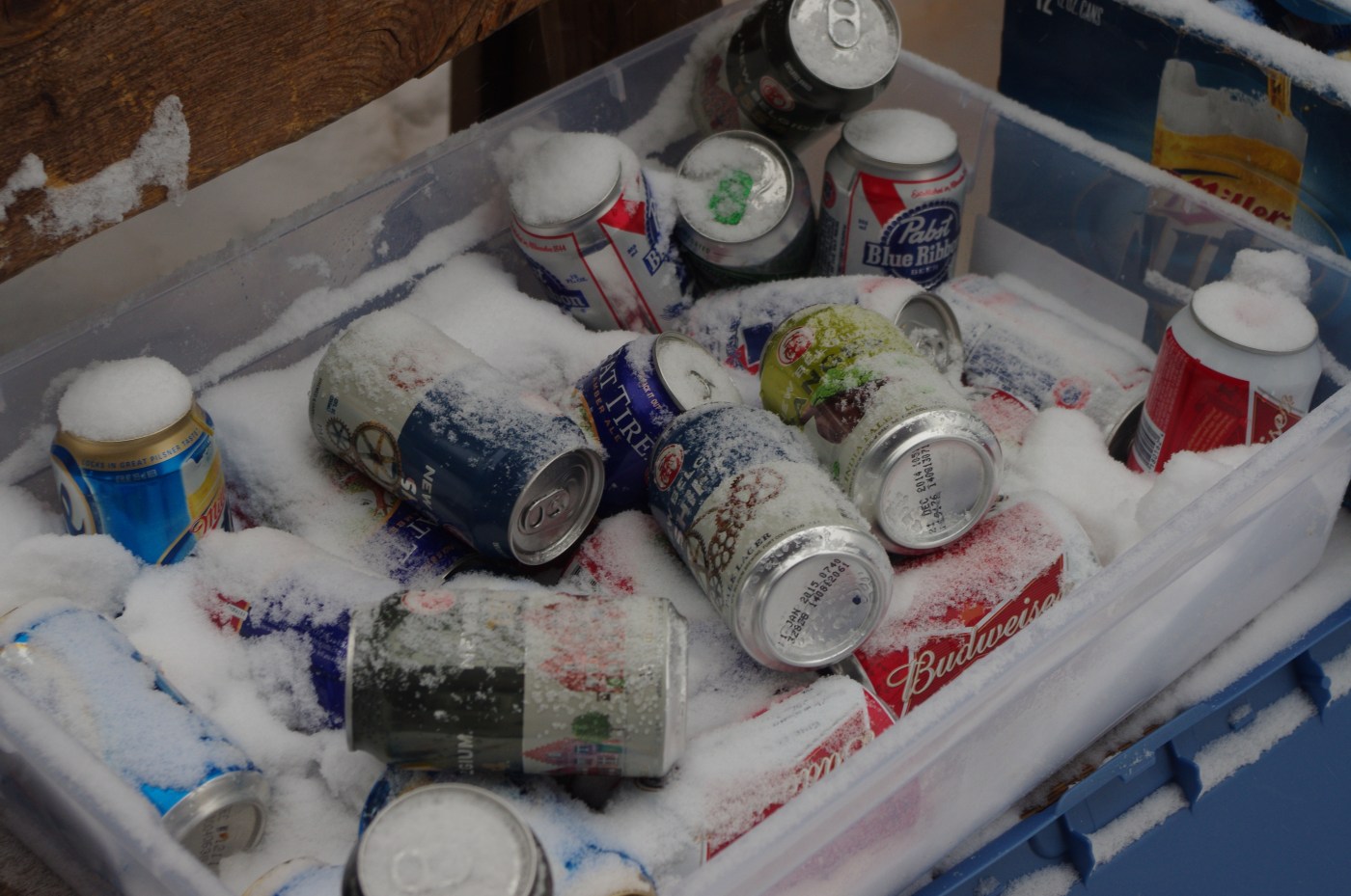
Whenever I head into the Ducane Range in the southern end of the Cradle Mountain Lake St Clair national park, I always stash a couple of beers under some rocks in the river at Narcissus hut, where the hikers ferry drops you. There are few things better than a swim and a cold beer after four or five days of camping, hiking and climbing in beautiful mountains.
I have to confess that the best beer I ever drank (so far, anyway) was at Uncle Buds hut, at about 3,400 metres in the central Rockies. It was my first overnight trip in winter in Colorado. It’s a long approach around a lake, then a long climb up a ridge, and it was a perfect, mild sunny winters day, but slow going as we broke trail through fresh snow. We got to the hut and Donny produced some beers, including a classic US dirtbag brew, a PBR, and we sat on the verandah looking at the highest peaks in the state as the sun slid behind Galena Peak. We skied some insanely good powder the next day, but that’s another story.
There’s nothing quite like a beer after a long days ski, ride, hike, climb or paddle. And of course, if you’re out bush or in the hills under your own steam, that means cans. Which recently got me thinking about the environmental impact of cans vs bottles.
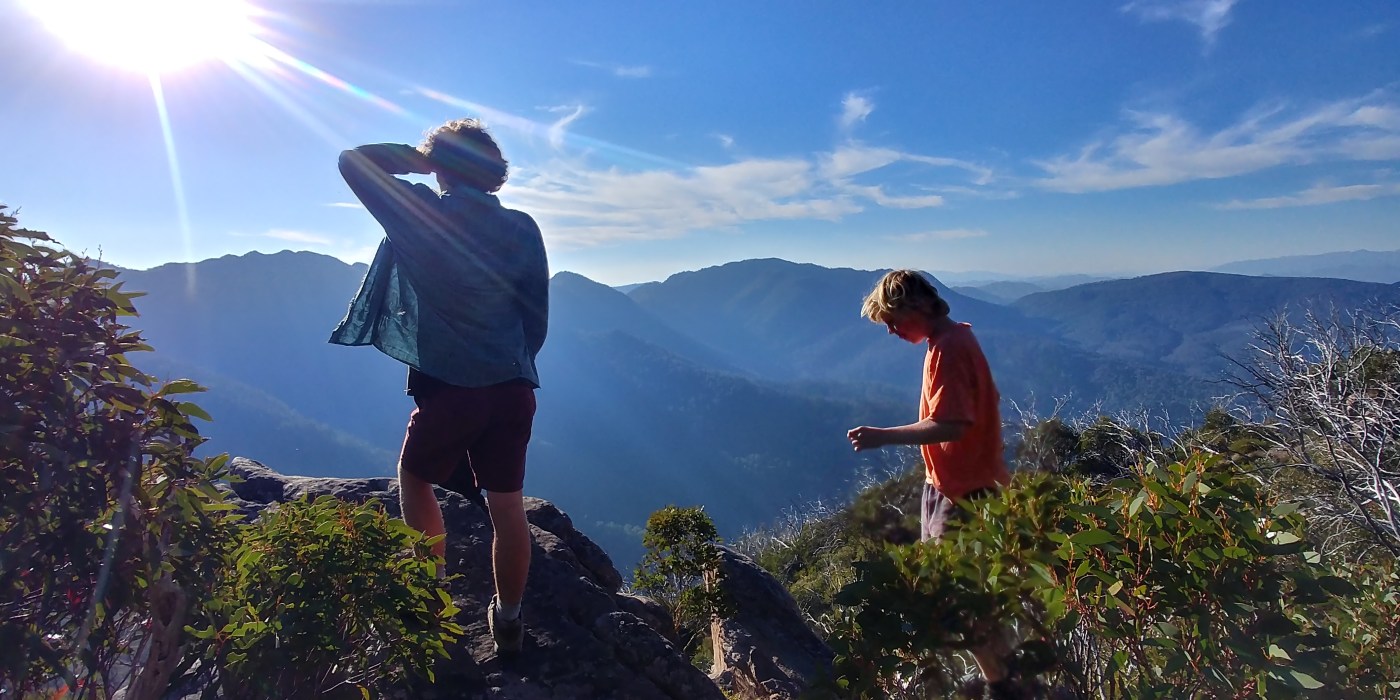
The primary purpose of this website is to celebrate the mountains of south eastern Australia and Tasmania. This includes getting out and enjoying them – walking, skiing, riding, climbing, paddling, or simply just taking it easy. I have a deep belief that getting people out into wild nature makes them more likely to feel engaged in protecting wild ecosystems.
There has been some interesting conversations of late about whether this assumption is actually correct.
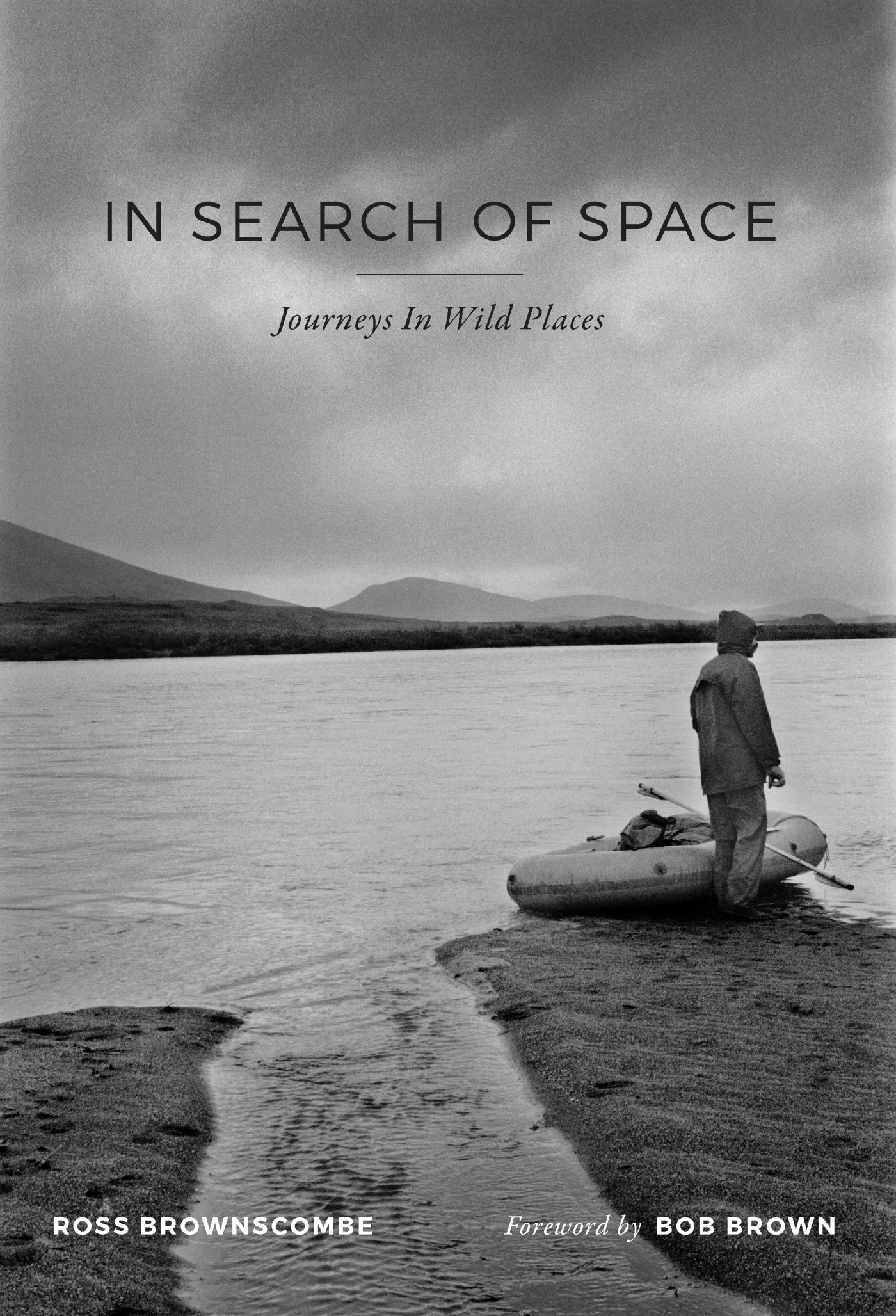
In the introduction to In Search of Space, Journeys in Wild Places, Ross Brownscombe points out that ‘nature writing’ which ‘explores the poetry and magic of wild places’ has not developed into a strong tradition in Australia. Compared to North America and the UK this is certainly correct, and true writers in this genre are few and far between.
This book is a great addition to the library of nature writing that Australia has produced. There is a review here.
Lamont magazine is only in its second edition but it already feels like it has become an institution in the Australian alpine community. Issue #2 is now available free at a wide range of city and mountain outlets (check here for locations) and has a great cross section of stories, largely focused on people who have turned their passion for the mountains into lifelong connection.

I first learnt of Peter through his Ngarak Press, which published a wide range of books on local issues and had a real bioregional feel to it’s approach. His regional histories and materials on indigenous peoples in Gippsland and what we would now call the Frontier Wars changed the way many people look at the occupation of the east of the state and the mountains above Gippsland. His bookstores in Ensay and Swifts Creek were real institutions. While now mostly focused on climate change, he continues to be a significant historian for the region, having lifted the lid on the many massacres which happened during and after occupation.
You can read the profile here.
Lately I have been experiencing extreme Solastalgia – ‘psychic or existential distress caused by environmental change’. I see it in the burnt out snow gum trunks on The Razorback (burnt three times in a decade). I see it in longer fire seasons and more erratic winters. I see it in the summer baked woodlands around my home in Central Victoria. I see it in the receding glaciers and icesheets.
Some days I feel inconsolable. As a day to day activist, I work as hard and as strategically as I can to get real protections in place, but I know that all my efforts are just about slowing down the reality of what is coming … and no matter what you achieve, its never enough. This week I heard a Coalition politician, Matthew Canavan, talk about ‘beautiful’ coal and how we need to dig more coal and drill more gas, and I had one of those dark nights of the soul moments where I felt that we’ve already gone off the cliff – that we are well and truly fucked. There is such obstinate, wilful ignorance about climate change by people like Matthew and so many of those who are in charge of our governments, such powerful vested interests blocking action, and such ecological destruction locked into the momentum of our high consumption lifestyles. It seems quite beyond hope.
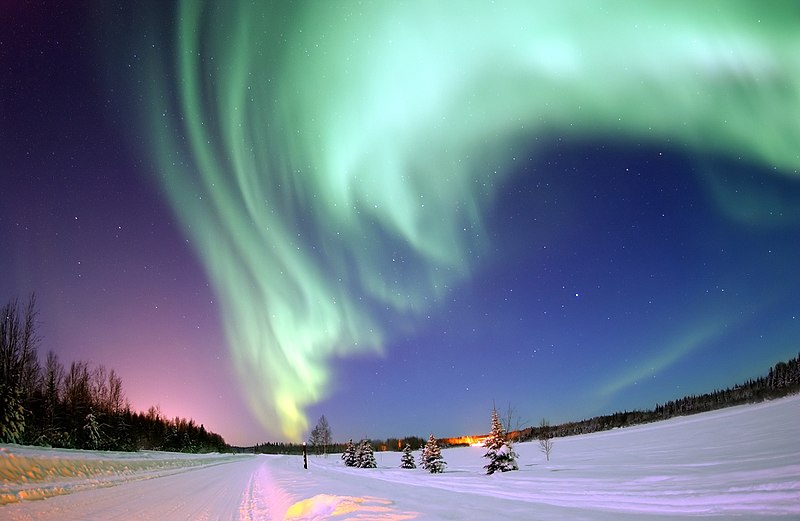
Sometimes it’s heartening just to be reminded that there are many other people who are also paying attention and taking action. This reflection on the changing face of Alaska really struck a deep note with me. I made my first journey to Alaska when I was 20 and fell into the deep, wild beauty of that place. It was like a lucid dream, and I felt drawn into the mountains and the silence. This piece by composer John Luther Adams is heartbreaking. He asks what will fill that space in our humanness when the cold and wild Alaska is gone? I don’t just want to reflect on what we are losing. I also want to fight for what we still have. He reminds us of our shared complicity in the world we are creating. I fully agree with John: “We must find new ways of living on this Earth. The changes we make must be profound. They must be worldwide. And they must happen now”.
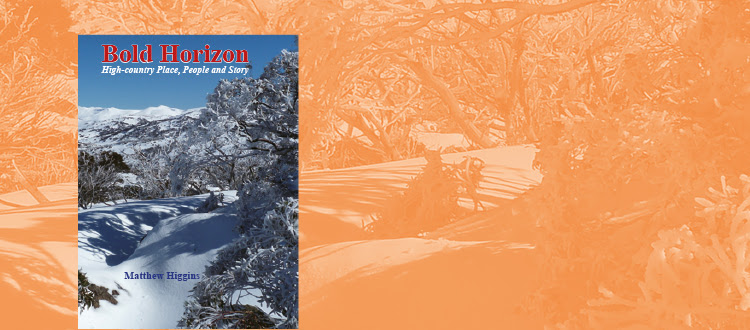
High-country Place, People and Story
by Matthew Higgins
Canberra, April 11.
What is it like in Australia’s high country? Matthew Higgins takes readers into this challenging environment to tell a unique story through words and pictures. Starting with his own experience, Higgins then profiles a range of mountain people from stockmen to Indigenous park rangers to tourism operators and more — each touched by this picturesque, bold landscape in different ways.

We have ‘adopted’ the Mountain Pygmy–possum as the symbol for the first Victorian backcountry festival.
Like our snowfields, this small, mouse-sized nocturnal marsupial is unique. And just as our alpine areas are threatened by climate change, the possum is now listed as being Critically Endangered because of a range of threats to the species survival.
As part of the festival, we will be raising funds for efforts to protect the possum.
For details on the festival program (being held at Falls Creek over the weekend of September 1 and 2) please check here.
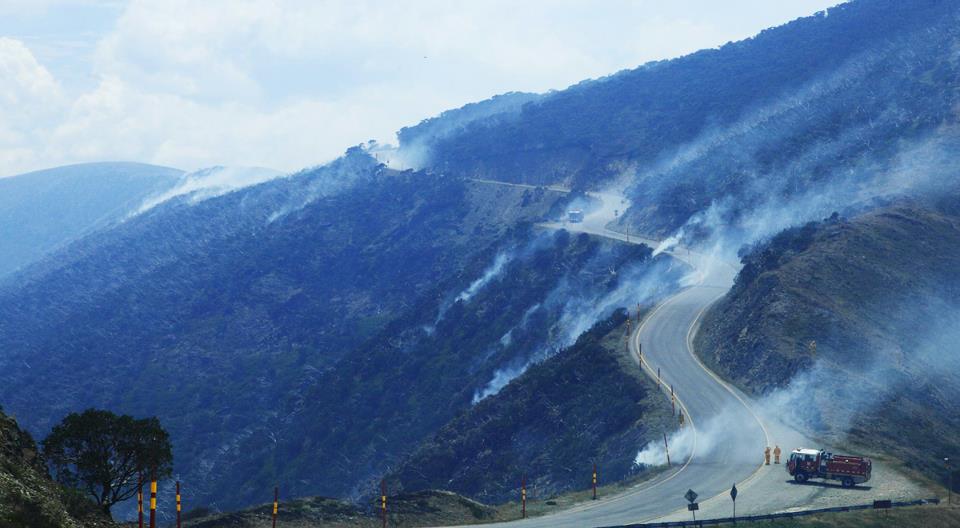
Every time I drive up the hill from Harrietville to Mt Hotham, I feel a strange mix of joy and sadness. Its always good to get back into the mountains. But those burnt out alpine ash forests break my heart.
People will often say ‘fire has always been part of the landscape’. True. But that misses the point that fire intensity and frequency is already increasing as we lurch into the climate change influenced future. In my lifetime it has already transformed many of the landscapes I know and love best. What will the coming decades bring?


 Mountain Journal
Recent Comments