Search

Mountain Journal

Environment, news, culture from the Australian Alps

Tag

Snowy Mountains

Electricity agency admits using herbicide in Kosciuszko national park

The following comes from the Sydney Morning Herald and Age newspapers, journalist is Ben Cubby. March 30, 2012
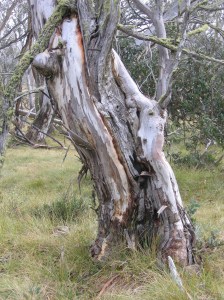
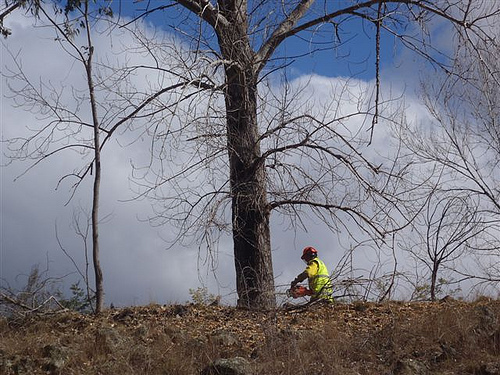
THE state electricity agency TransGrid has admitted its contractors sprayed herbicide across a swathe of wilderness in the Kosciuszko National Park, scarring the landscape and killing thousands of alpine plants.

Patches along a 17-kilometre stretch of power line, amounting to about 20 hectares, were affected by the herbicide, and the NSW Office of Environment and Heritage is investigating the electricity agency.

Contractors were undertaking ”routine vegetation management” on behalf of TransGrid along the route of the transmission line in rugged country between Khancoban and the Guthega ski fields last year, when an ad hoc decision was made to spray the area without approval.

In December, National Parks and Wildlife Service staff spotted what one described as a ”moonscape” of dead vegetation in some areas. TransGrid had not reported the herbicide use to government agencies.

It is not the first time TransGrid has been caught destroying vegetation in the area’s protected wilderness. In 2001, it was found to have mown down trees along cable routes in the Brindabella, Namadgi and Kosciuszko national parks, and was eventually fined $130,000.

This week the electricity agency said it had approval to clear some vegetation from around the power line but conceded herbicide should not have been used.

”TransGrid acknowledges … its contractor undertook vegetation management using a method which was not approved under the specifications of the [environmental impact assessment],” a spokeswoman said.

”TransGrid has investigated the incident and is working closely with the NSW National Parks and Wildlife Service and the NSW Office of Environment and Heritage to implement a specific and targeted rehabilitation plan.”

The agency said about 2 per cent of the area, which forms a corridor about 17 kilometres long and 60 metres wide, was affected. No threatened species of plant or animal was affected, it said.

The National Parks and Wildlife Service said it was contemplating further action.

”NPWS considers vegetation damage of this type to be a serious potential breach of the National Parks and Wildlife Act and regulations,” said the regional manager, Dave Darlington.

”NPWS asked TransGrid for a comprehensive report into the incident and for their remediation proposals … the report forms part of the investigation by NPWS into the Transgrid incident and that investigation is ongoing.”

Bogong Moth migration

Image: CSIRO

I keep hearing reports of Bogong Moth’s moving through Canberra, and thought I would add this link to a great overview of this iconic species.

Bogong Moths, Agrostis infusa, migrate over 1,000 km each year from the black soil plains of Queensland and western NSW to the Australian Alps, seeking refuge from the summer heat. Along the way, they travel by night and then in the morning, drop down to the ground to rest in the shade during the day.

This article was written by Abbie Thomas and is available here.

‘Tourism hope for ancient Aboriginal pathway’

crossing the headwaters of the Snowy River

This news report comes from the ABC.

Tourism hope for ancient Aboriginal pathway

Traditional owners from the New South Wales south east have completed a major on-ground survey of an ancient Aboriginal pathway.

The Bundian Way stretches 300km from Mt Kosciuszko to Fisheries Beach, near Eden.

A team of 20 people have walked the track this week to explore the potential for a new tourism venture.

The Project Officer with the Eden Local Aboriginal Land Council, John Blay, says it has a lot to offer.

“It’s like thousands of backyards one after another,” he said.

“There are so many different places along the route.

“It was amazing to find massive yam gardens in wild country as well as along the Monaro.

“The beauty of some of those landscapes across the Monaro is awesome, just as when you come down into the coastal forests.

“It’s quite wonderful what you get to see.”

More rare possums found in Snowies

The following report comes from the ABC.

Mountain Pygmy-possum (Burramys parvus). Source: Department of the Environment and Heritage

The surprise discovery of a rare possum colony in the New South Wales Snowy Mountains has been hailed as a major step forward in the study of the species.

An Ecologist, Doctor Linda Broome, has surveyed the animals for 25 years, and has found 59 Mountain Pygmy Possums at Cabramurra, north of Thredbo.

Dr Broome says they are 30km north of existing colonies, at an altitude 450m lower than previously thought possible.

She says the find was possible through advanced technology.

“The beauty of what we have now, compared to 20 years ago, is we’ve got a good geographic information system with all the aerial satellite photos,” Dr Broome said.

“We can look at the aerial photos and scan in.

“I did that, and low and behold, there was a huge boulder field outside Cabramurra.

“I thought ‘wow, that’s where we should be looking’.”

Main Range outing

So, with spring cover holding across a fair bit of the main range and recent top ups, it seems the seasons not totally finished yet. Some very recent images from Bruce Easton, of Wilderness Sports in Jindabyne.

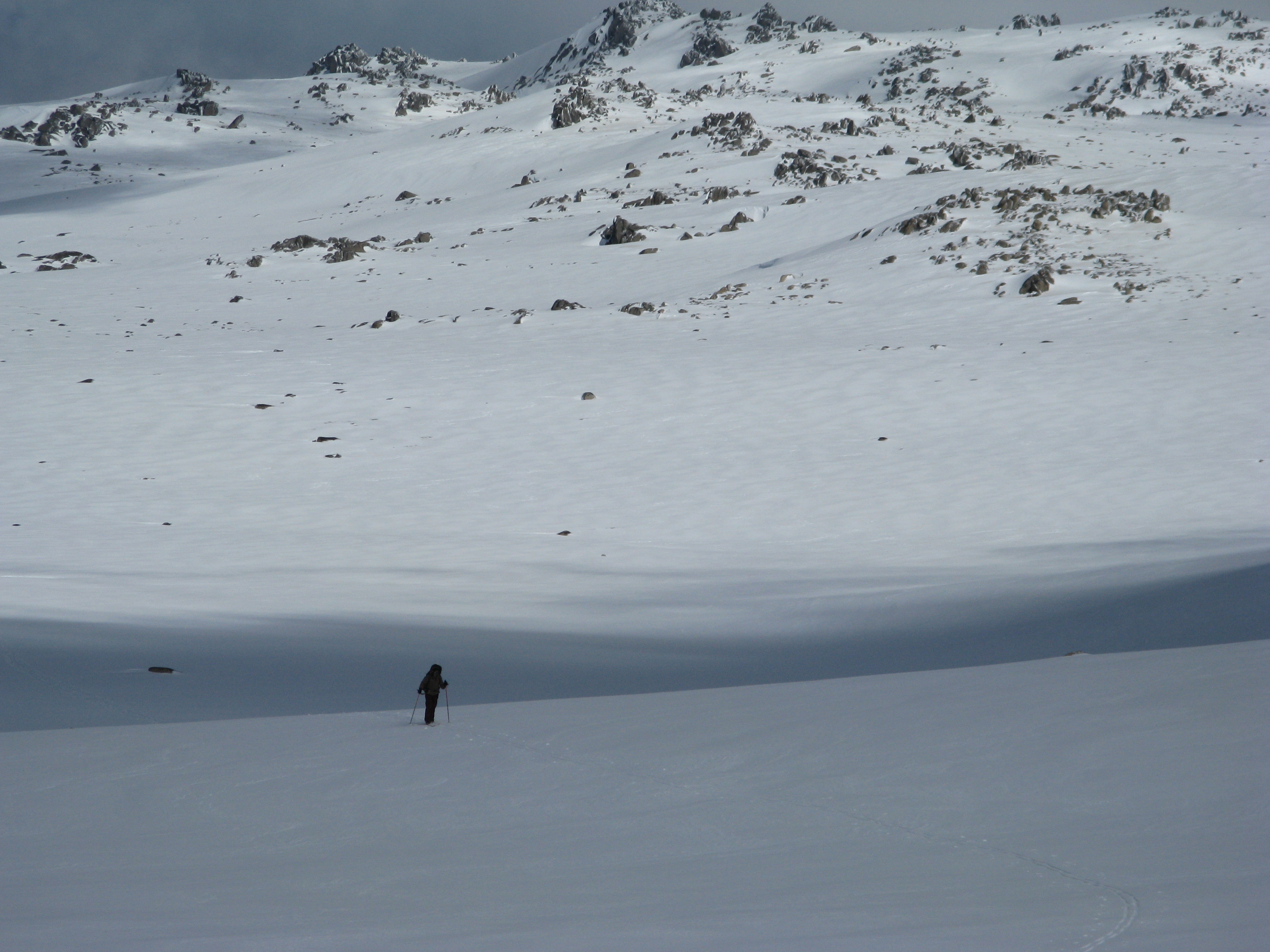
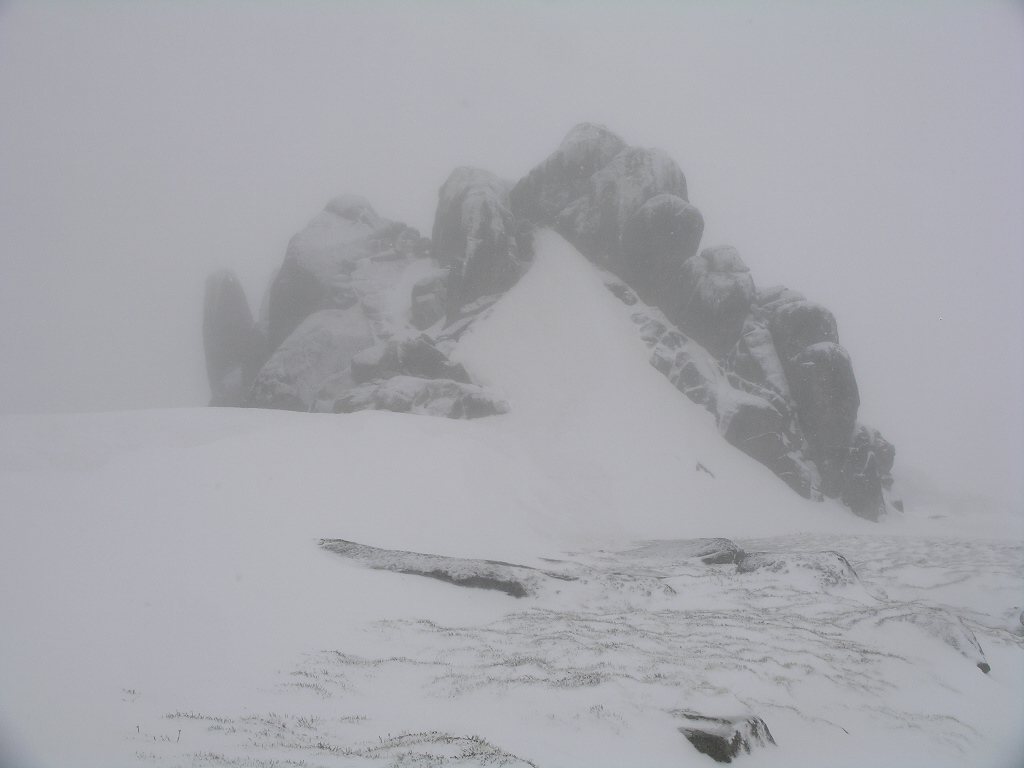
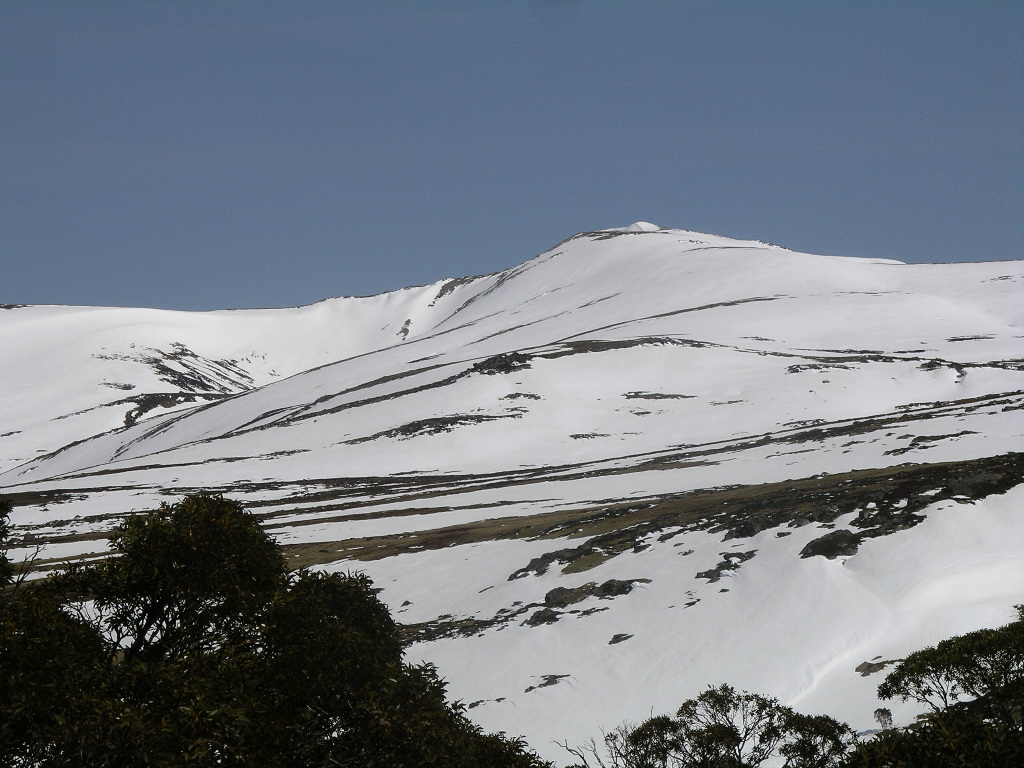
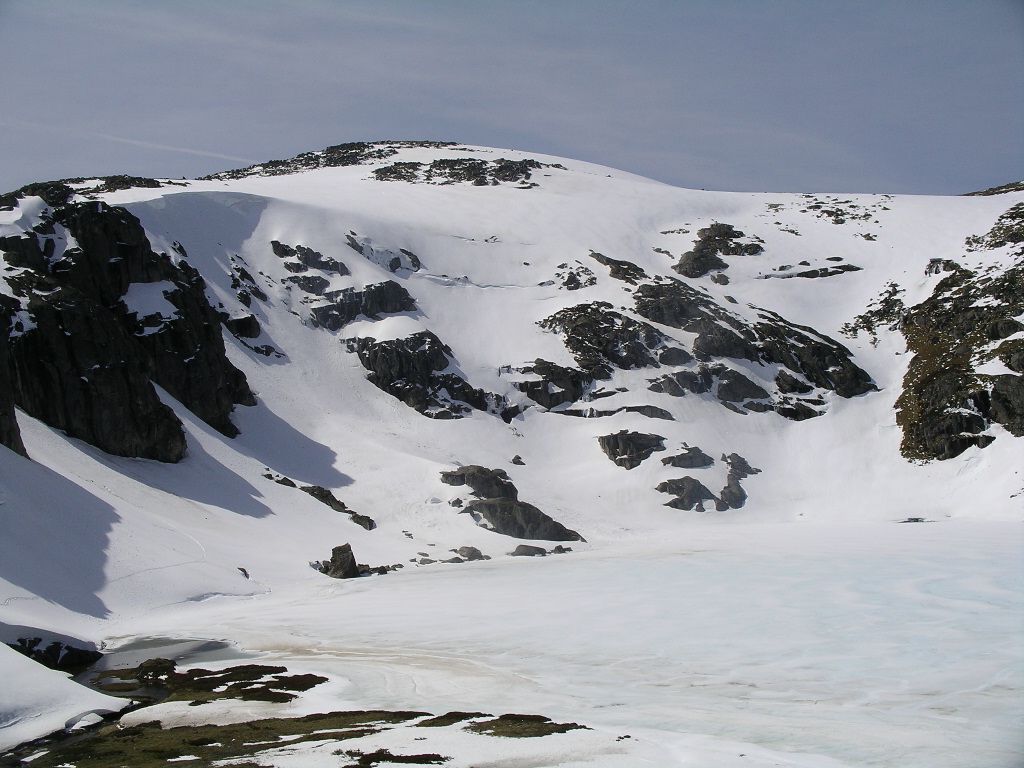
“Went out Wednesday for the day to Blue Lake to do some ‘gear testing’ and photos and the snow was really good. On the way out walked about a kilometre before putting skis on. On return skied to around 200 metres of the Snowy River ford with a shorter walk….The glacial lakes are all still completely covered with snow/ice”.

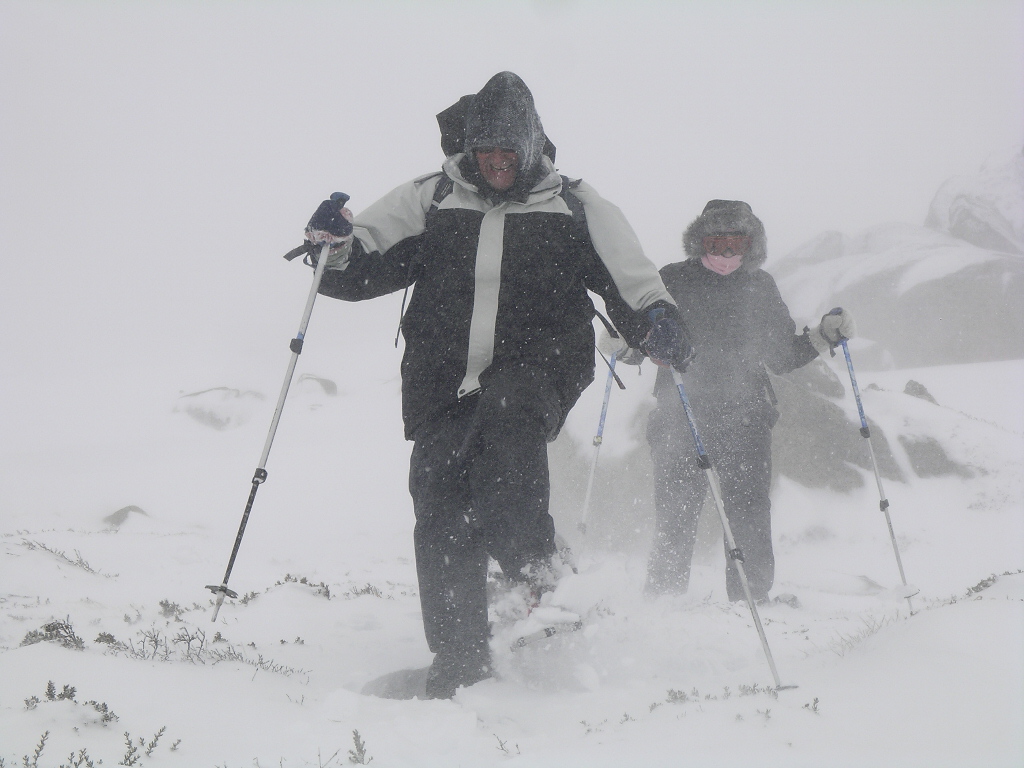
snowshoe tour to Kosciuszko, Saturday (16/10)

To contact Bruce:
bruce@wildernesssports.com.au
http://www.wildernesssports.com.au

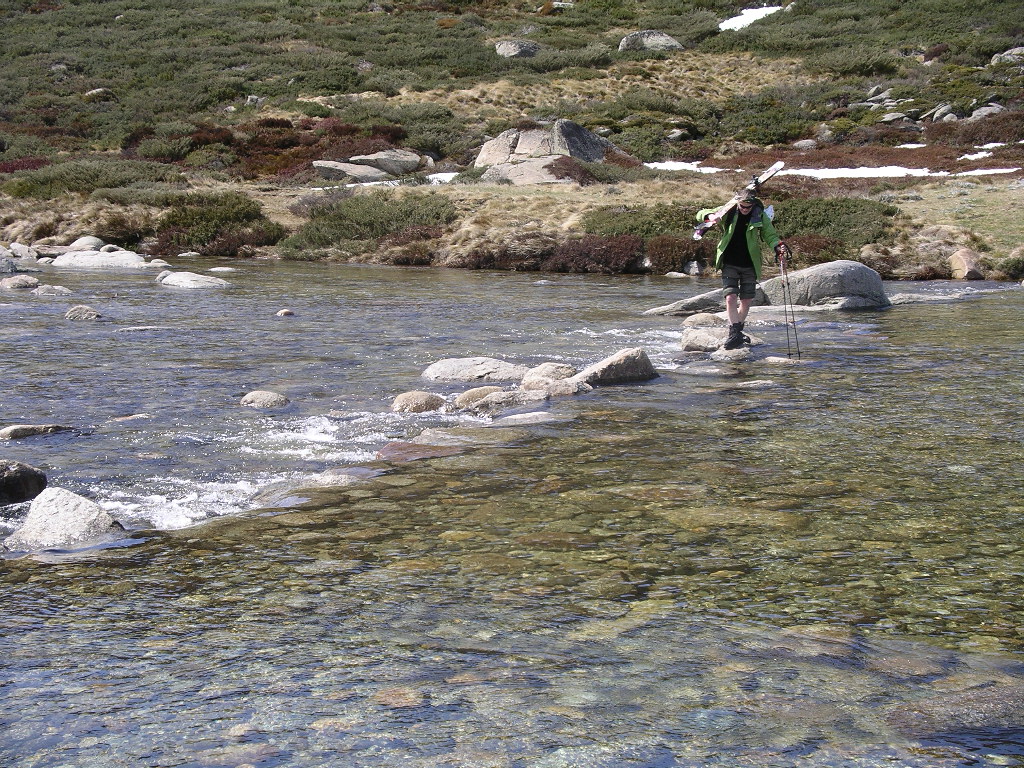
crossing the Snowy River


Blue Lake

Geoff Mosley

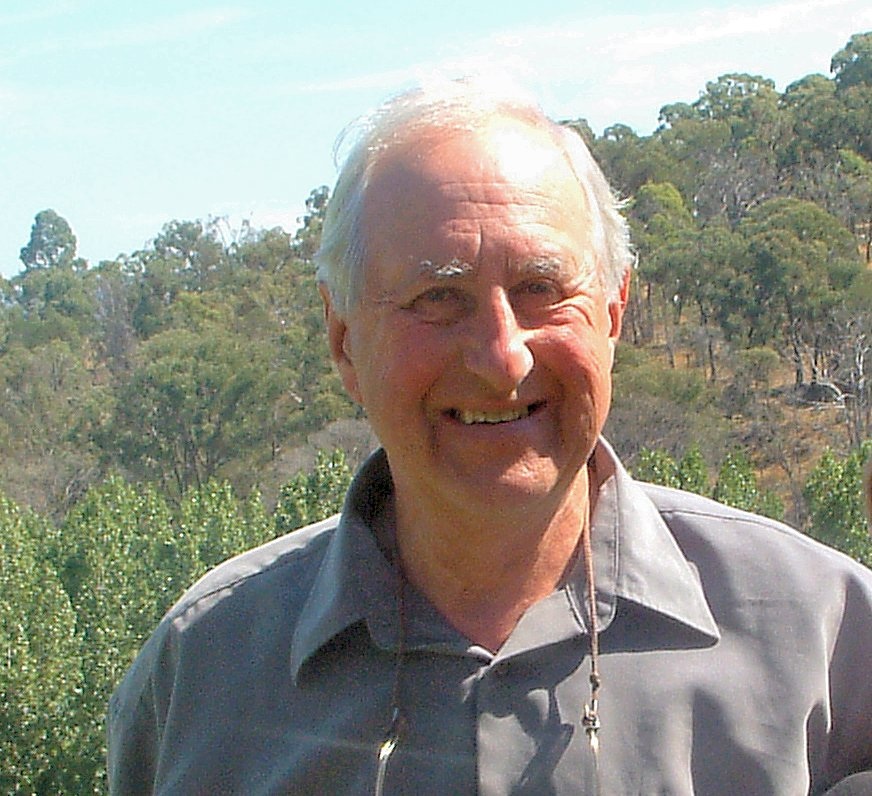
Geoff Mosley has worked for decades to protect wild places in Australia. He helped establish wilderness zones and parks across the south east of the mainland and Tasmania, and has recently released a book on Antarctica. He is active in the field of steady state economics, a keen walker, and widely published activist and thinker.

Perhaps he is best known for his efforts to see a major national park established across the Australian Alps. Much of this vision has now been realised, although he continues to work to see an extension of the Western section of the Alpine National Park and to get World Heritage listing for the forest ecosystems of the south east corner of the country, where Gippsland and NSW meet.

Check here for an interview with Geoff.

Everest women’s seven summits eco-action tour

In July 2010 a team of nine Nepali women have begin the first international leg of a tour that will see them climb seven of the highest peaks on each of the seven continents. On successfully climbing all seven summits they will be setting a world record for being the largest team to do so.

The team will be using their expedition to highlight the urgent issue of climate change, and they are currently in Australia.

Check here for extra information and itinerary.

Elizabeth MacPhee, Tumut, NSW

Liz at Deep Creek, a rehab site near the Tooma dam in Kosciuszko National Park

Elizabeth MacPhee has been working across the Australian Alps for two decades, and has a life long commitment to helping repair degraded ecosystems in the Alps. She is Rehabilitation Officer with the Department of Environment, Climate Change & Water, in NSW.

The Parks Service are doing great work on rehabilitation in the Kosciuszko National Park, and her work has been pivotal in this. For the past 5 years she has been working on the former construction sites of the Snowy Hydro-electric scheme.

Check here for a profile and interview on her work

Blog at WordPress.com.

Up ↑