Search

Mountain Journal

Environment, news, culture from the Australian Alps

Tag

Tasmania

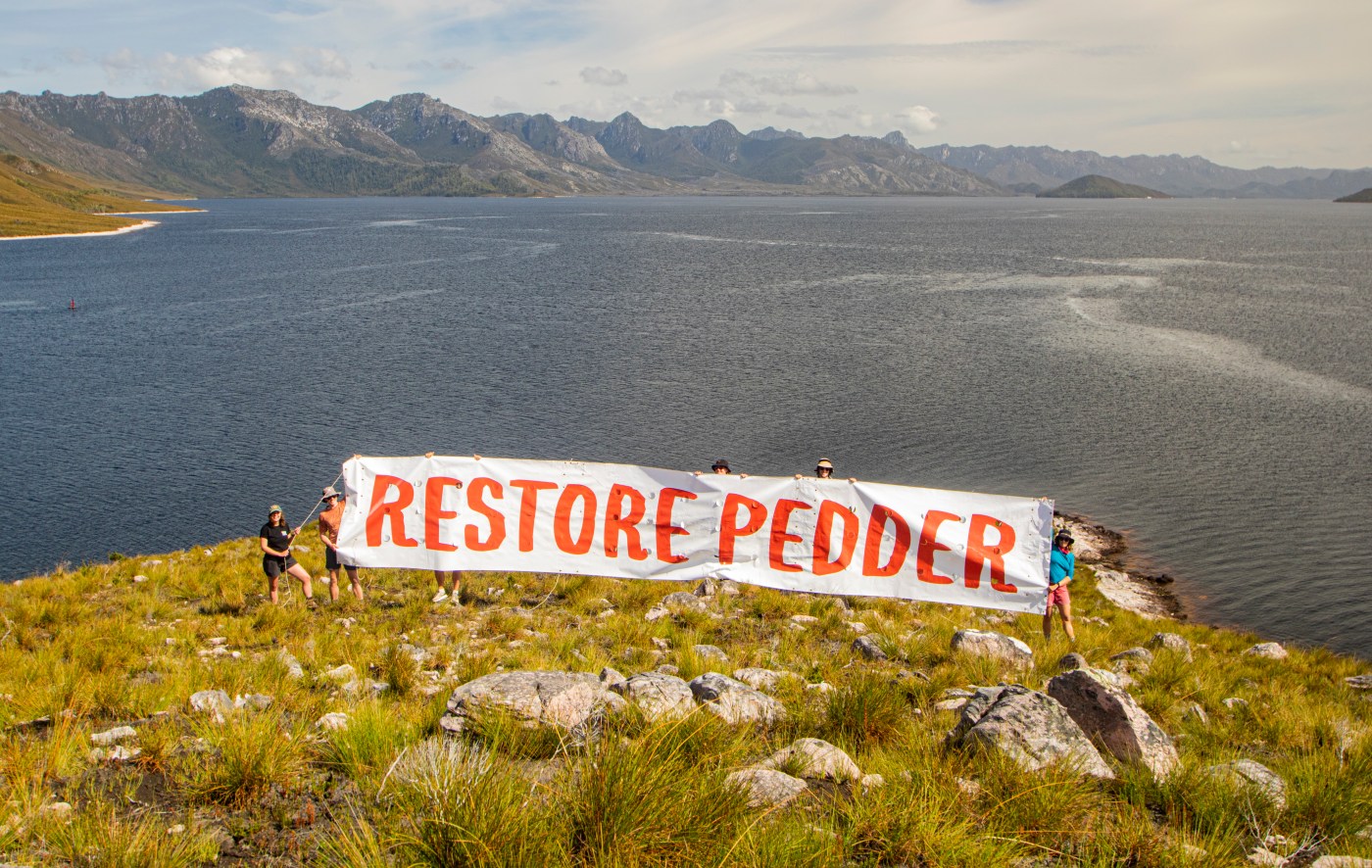
2024 is a pivotal year in determining Lake Pedder’s future

In 1972 the original Lake Pedder was flooded to create an auxiliary Hydro storage impoundment, sparking national outcry and international criticism. Since the controversial flooding, there have been growing calls to restore the original Lake. Hence the present-day human-made Pedder Impoundment is contained within the Tasmanian Wilderness World Heritage Area (TWWHA) boundaries, with the intent of eventual restoration. That time has come.

2024 is shaping up to be a pivotal year in determining Lake Pedder’s future. A federal government decision will be made in the coming 12 to 18 months; to either set about planning the restoration of Lake Pedder or invest in massive high-risk dam works that will maintain the flooding of Pedder for another 40 to 50 years.

Continue reading “2024 is a pivotal year in determining Lake Pedder’s future”

Walker registration in remote TAS World Heritage Areas – how is the system going?

There has long been a permitting system for people wishing to walk the Overland Track in lutruwita/ Tasmania. Since 2021, there has also been a registration system for the Western and Eastern Arthurs and Mt Anne area, Lake Rhona and the Walls of Jerusalem. Many of these areas experienced visits from a record numbers of walkers during the 2022-23 season.

How is the system going? The general feedback from walkers visiting these areas is that the system is needed to manage environmental impact and crowding, but that the system itself needs to be reviewed and improved.

Continue reading “Walker registration in remote TAS World Heritage Areas – how is the system going?”

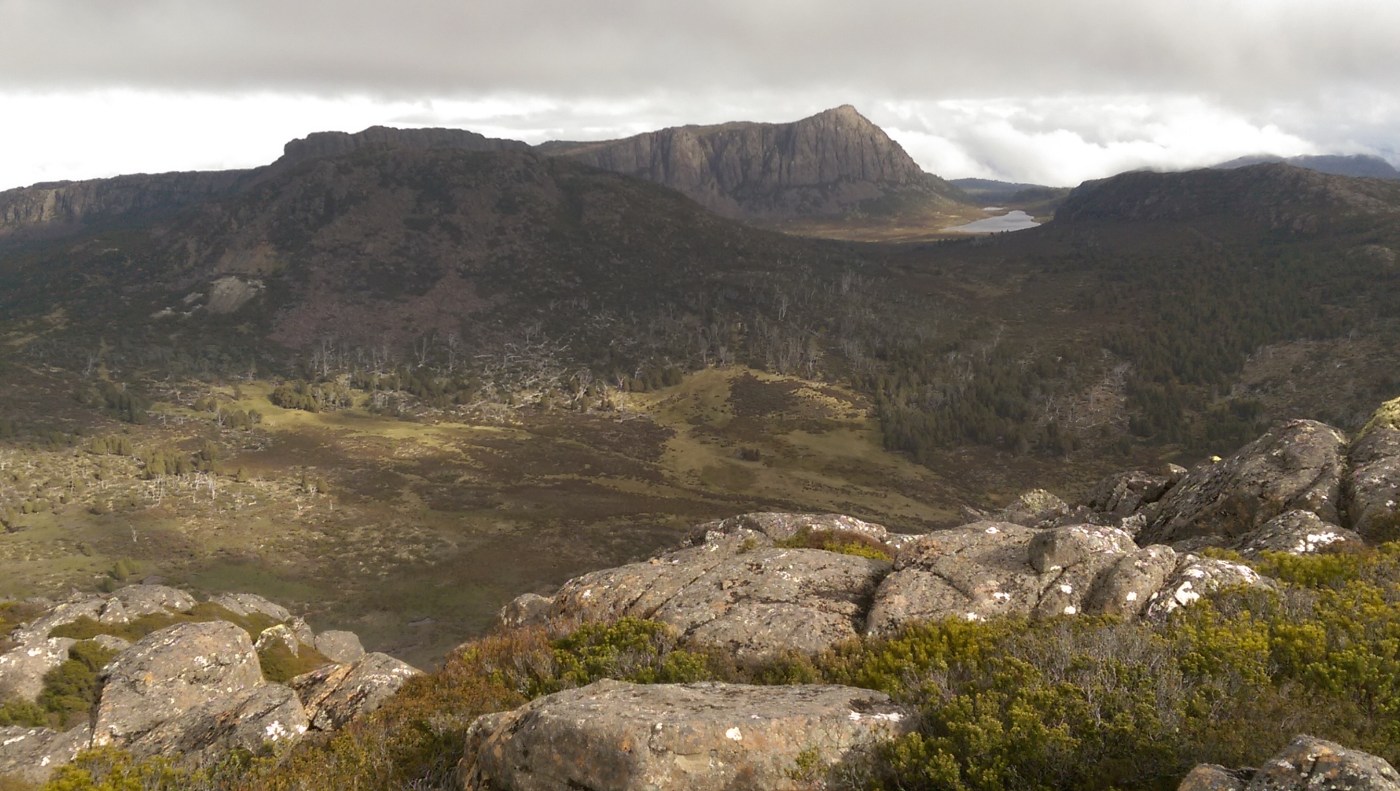
TAS gov pushes ahead with Tyndall Range proposal

[ABOVE: do you want a privately run hut here?]

Around the country, protected areas are being threatened by the prospect of commercial development within parks. One of the long running issues has been a proposal to build an ‘iconic’ walk in the Tyndall Range in western lutruwita/ Tasmania.

The Tyndalls are a spectacular range which is tucked out of the way and currently in a wild condition, with no roads or other infrastructure on the range itself. However in 2019, the Tasmanian Liberals announced a plan to commit “up to $20 million … to deliver our next iconic multi-day, hut-based walk which will enhance the visitor economy throughout the entire region”. According to the proponent, the proposal includes the option of “a private walking company .. investing in the development of private lodges similar to that of Three Capes Track”. A subsequent Feasibility Study concluded that the proposed walk was only feasible if the then-budget of $20 million was doubled, which the government duly did.

Recently it has been made clear that the government intends to proceed with this controversial project.

Continue reading “TAS gov pushes ahead with Tyndall Range proposal”

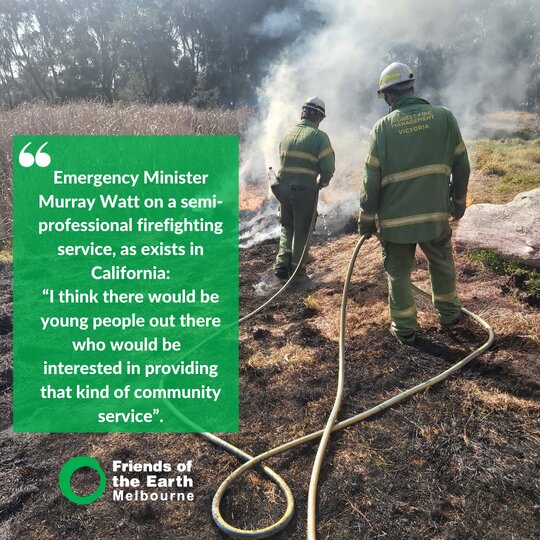
Are we ready for the next Black Summer?

Firefighters say dry lightning has caused more than a dozen fires across Queensland this week, sparking concerns for authorities battling El Niño conditions.

As reported by the ABC, senior meteorologist Steve Hadley from the Bureau of Meteorology said dry lightning occurred when there was no significant rainfall, particularly during “overarching dry conditions”.

“Sometimes with not enough significant rainfall, of a few millimetres or more, that can mean lightning is essentially happening over drier areas and drier terrain with no rain to follow it up,” he said.

“Then you can get some fires starting from that depending on how the landscape is at that time.”

The threat from dry lightning caused fires continues to increase in mountain environments. To take one example, multiple lightning strikes across the Victorian high country on December 31, 2019 resulted in fires developing, including the 44,000 ha Cobungra fire which threatened Omeo, Anglers Rest, and Cobungra.

Continue reading “Are we ready for the next Black Summer?”

Where did winter go?

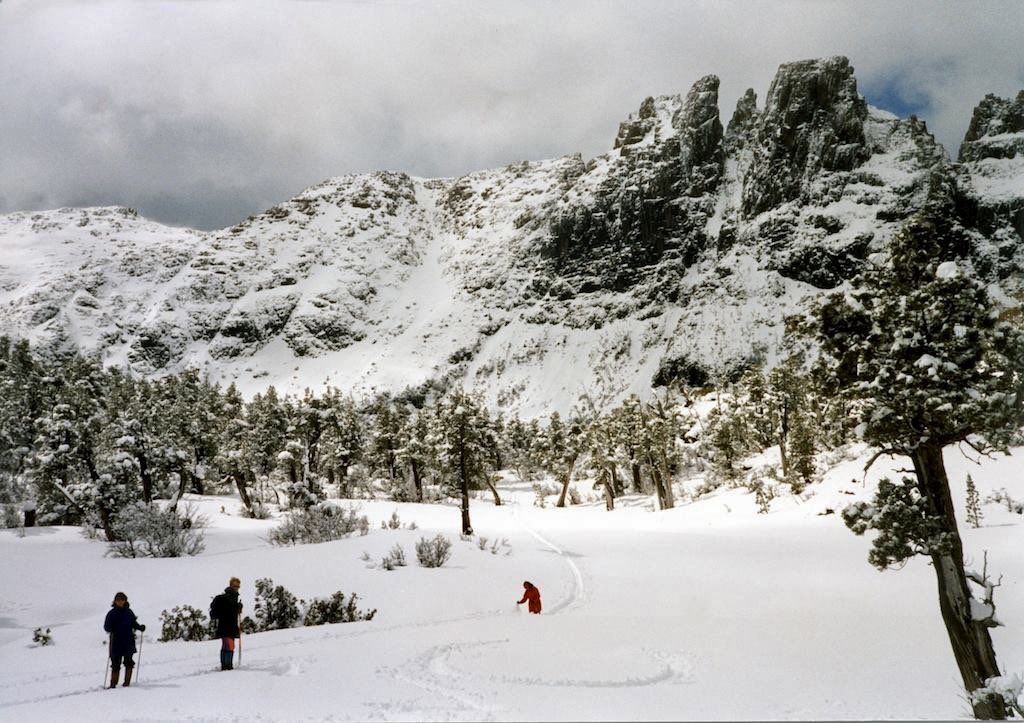
The winter of 2023 will be remembered as one of the saddest in Australian snow history. It started early, tapered off, then came back in with a vengence, but then disappeared again. All ski resorts closed early. lutruwita/ Tasmania fared even worse than the mainland, with no really solid snowfalls through the entire winter.

Here, John McLaine reflects on winters past.

Continue reading “Where did winter go?”

‘Fire regimes around Australia shifted abruptly 20 years ago’

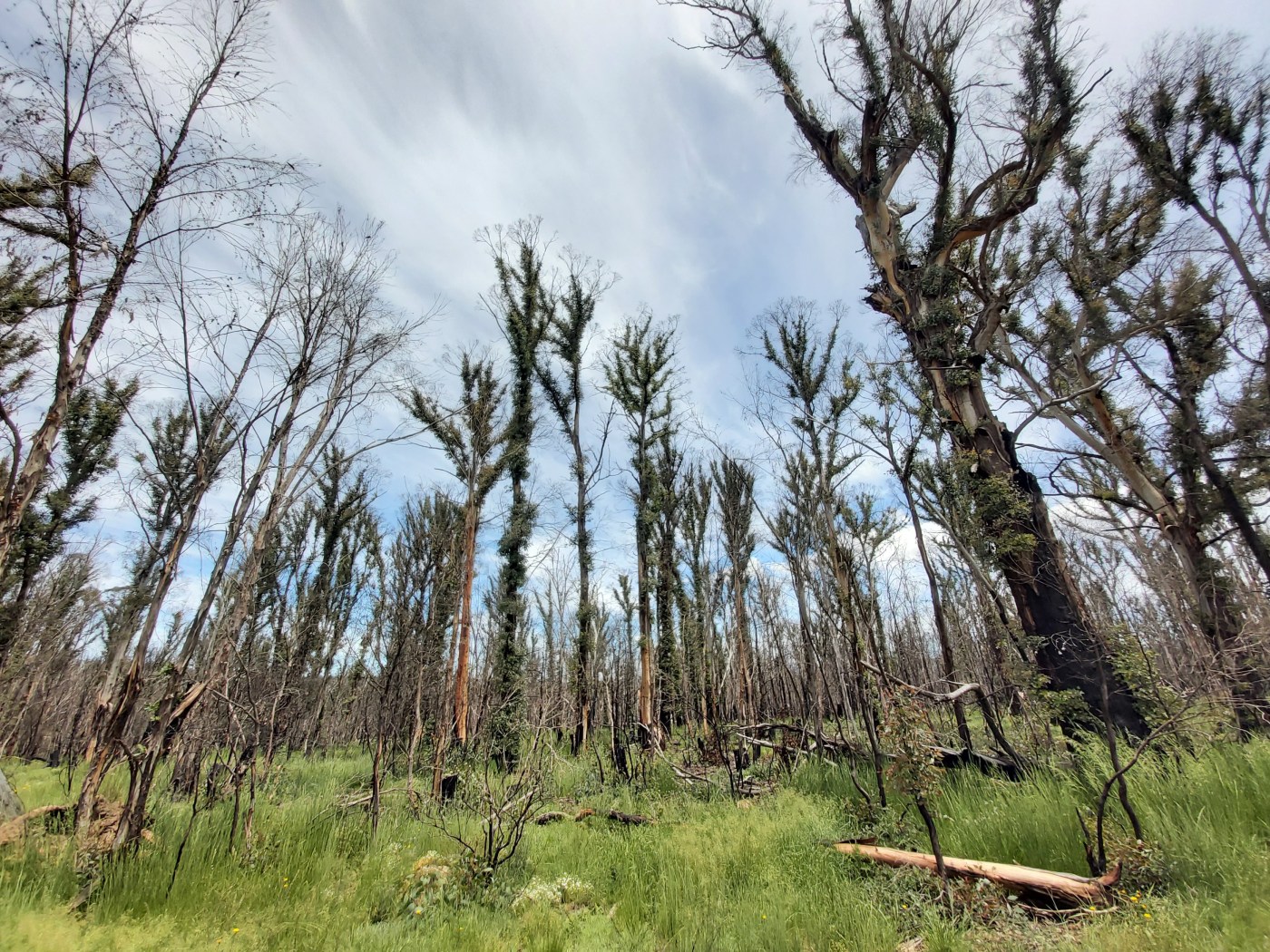
Widespread wildfires in early 2016 caused devastating damage across large areas of the Tasmanian World Heritage Area, including significant sections of vegetation which is not fire adapted, such as Pencil Pine forests.

At the time, and in follow up investigations, it became clear that increased fire risk due to climate change posed an existential threat to these vegetation types. Then additional research confirmed that there was a trend towards more extreme fire seasons. Some researchers suggested that we reached a ‘tipping point’ sometime around the year 2000 and that, since then, there has been an increase in the number of lightning-caused fires and an increase in the average size of the fires, “resulting in a marked increase in the area burnt”.

On the mainland, fires increased significantly from about the same time. There were major fires in the Victorian high country in 1998, 2002/3, 2006/7, 2013 and 2019/20. Fires are becoming more common and more intense across the Alps.

It turns out that something similar was happening around the country. Fire regimes around Australia shifted abruptly 20 years ago.

Continue reading “‘Fire regimes around Australia shifted abruptly 20 years ago’”

Lower elevation resorts rapidly becoming non viable under climate change impacts

We know that climate change is reducing the overall amount of snow we receive in Australia. The snow pack has been in decline since at least 1957. We also know that the loss of snow is being felt especially at lower elevations.

This is certainly being experienced this winter, where places like Tasmania and lower resorts like Mt Selwyn have had almost no snow.

Continue reading “Lower elevation resorts rapidly becoming non viable under climate change impacts”

Post fire recovery of Pencil Pines at Lake Mackenzie

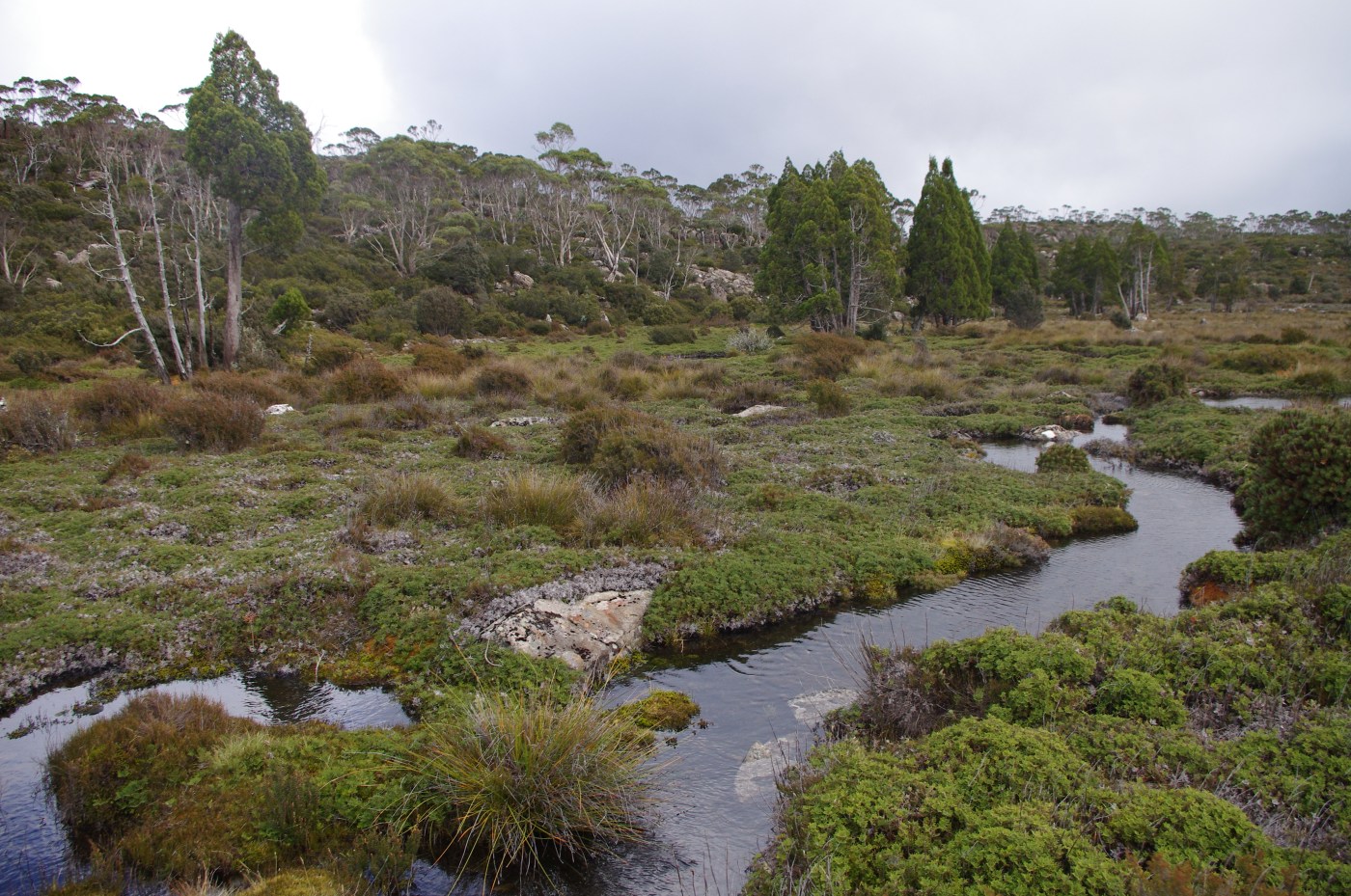
Back in 2016, lightning storms ignited a number of fires in central and western lutruwita/ Tasmania, which turned into large scale events that ‘threatened the core refugia of Gondwanan vegetation, particularly the largest stands of the endemic conifer Athrotaxis cupressoides’ (Pencil Pines). Pencil Pines are already limited to very small areas of Tasmania. Burnt Pencil Pines are unlikely to recover ‘given their slow growth, limited seedling establishment and projections of increased fire weather and lightning ignitions associated with drier soils.’

Although the climate of western Tasmania has not changed very much, as yet, as a result of global warming, the incidence of dry lightning strikes has increased markedly from last century to the present. Therefore these type of lightning caused fires are expected to increase. This could put the very survival of Pencil Pine communities at risk.

One of the fires that created greatest concern started near Lake Mackenzie, on the north western end of the Central Plateau. Significant areas of Pencil Pines were burnt.

With scattered groves of Pines burnt, and unlikely to recover without some form of intervention, what are our options?

Seven years on from the fires, research from the University of Tasmania, shows what is being done to assist recovery.

Continue reading “Post fire recovery of Pencil Pines at Lake Mackenzie”

A zip line on kunanyi/ Mt Wellington?

Tasmania/ lutruwita is blessed with hundreds of mountains and mountain ranges (the ‘Abels’). Although generally lower than the high country of south eastern Australia, they tend towards the rocky and sheer, and many have wonderful summits. Some, like Frenchmans Cap, Federation Peak and Mt Geryon, are impressive rocky mountains. But sadly, successive state governments and developers have spent years obsessing over building things on many mountain tops.

From the long campaign to halt a cable car up the main face of kunanyi/ Mt Wellington, to the proposal for a Gondola up along Cradle Valley to Dove Lake and the short lived idea of constructing a cable car up Mt Roland, the mountaintops have long been an allure to those who want to convert beauty into profit. There are even plans for a cable car up Mt Owen, on the west coast.

Now, a tourism ‘entrepreneur’ wants to build what he says would be “the longest, fastest and highest zip-line in the Asia-Pacific” on the mid slopes of kunanyi/ Mt Wellington. 

Continue reading “A zip line on kunanyi/ Mt Wellington?”

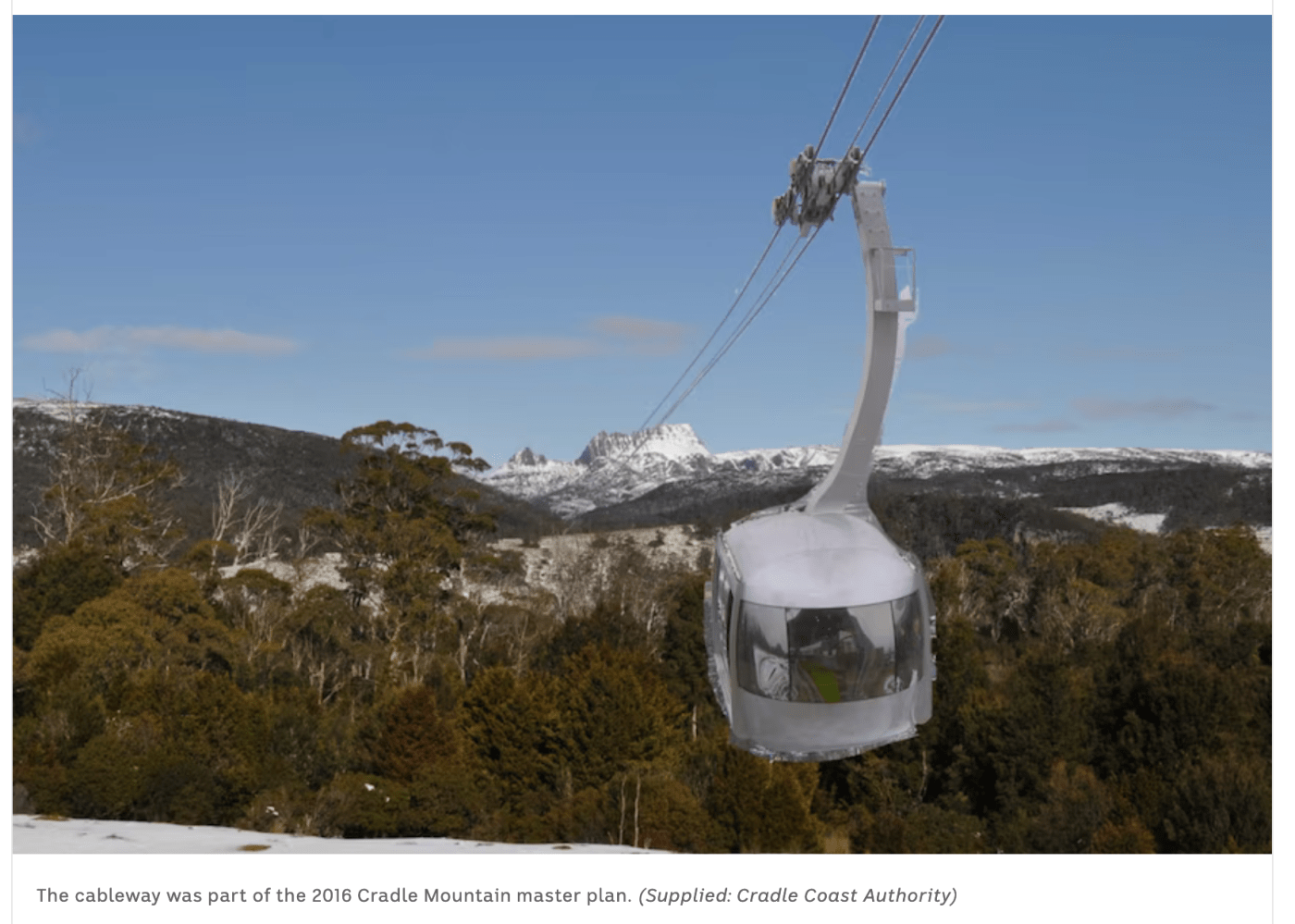
Good news: the Commonwealth has withdrawn federal funding for the Cradle Valley Cableway.

Sometimes stupid ideas just won’t die. Especially if they have big money or political influence behind them. Just look at the endless debate about developing a domestic nuclear power industry in Australia, which is constantly pushed and platformed by conservative politicians and the Murdoch press. Its just not going to happen, but they just can’t let it go.

It’s the same with proposals for commercial development within national parks and other important conservation reserves. The public don’t support these proposals, yet some governments keep pushing the development agenda. The Tasmanian government is an especially bad ‘repeat offender’. They actively promote bad projects like new commercial huts at places like Lake Malbena on the Central Plateau, the cable car on kunanyi/ Mt Wellington and the cableway at Cradle Valley.

In some welcome news, it was revealed in Senate Estimates that the Commonwealth has withdrawn federal funding for the Cradle Valley Cableway. As noted by Greens MP Nick McKim, “The project never stacked up, and never had a social license. It was simply a pipe-dream of the develop-at-all-costs brigade, and a lazy attempt at pork barrelling. Its cheerleaders should be ashamed of themselves.”

Continue reading “Good news: the Commonwealth has withdrawn federal funding for the Cradle Valley Cableway.”

Logging and riding don’t mix

Nature based tourism is an enormous part of the economy of many regional centres. Skiing, mountain bike riding, bushwalking, bird watching, camping, paddling, trail running all provide a growing part of the local economies of towns across the country where there are public lands with opportunity for adventure.

Sadly, logging and destructive land activities impact on many areas. The fact is that people don’t want to walk or ride through a logging coupe or open cut. But logging currently threatens a number of important nature and outdoor tourism activity.

Continue reading “Logging and riding don’t mix”

Alpine time in Tasmania

What’s not to love about lutruwita/ Tasmania? Mild climate, wild landscapes, endless mountains, remarkable forests, wonderful rivers. If you love the higher alpine country, and rocky peaks, there is so much to do, and so many places to visit.

But compared with the high country of NSW and Victoria, you generally need to do some work to get into the alpine zones. There are few easy 2WD roads to get up high, like the tourist road up kunanyi/ Mt Wellington, the road over the Central Plateau past yingina/ the Great Lake, the Ben Lomond plateau, the road to Lake Mackenzie and so on.

But in most places you do need to walk and climb to get to treeline and above. That’s one of the things that makes these places so special. I recently had the chance to get back to Mt Rufus, a peak in the south of the Cradle Mountain Lake St Clair national park, which has an elegant long alpine ridge that leads to incredible views of the west, south west and central mountains.

Continue reading “Alpine time in Tasmania”

Blog at WordPress.com.

Up ↑