Search

Mountain Journal

Environment, news, culture from the Australian Alps

Tag

Victorian Alps

Are you suffering from Shifting Baseline Syndrome?

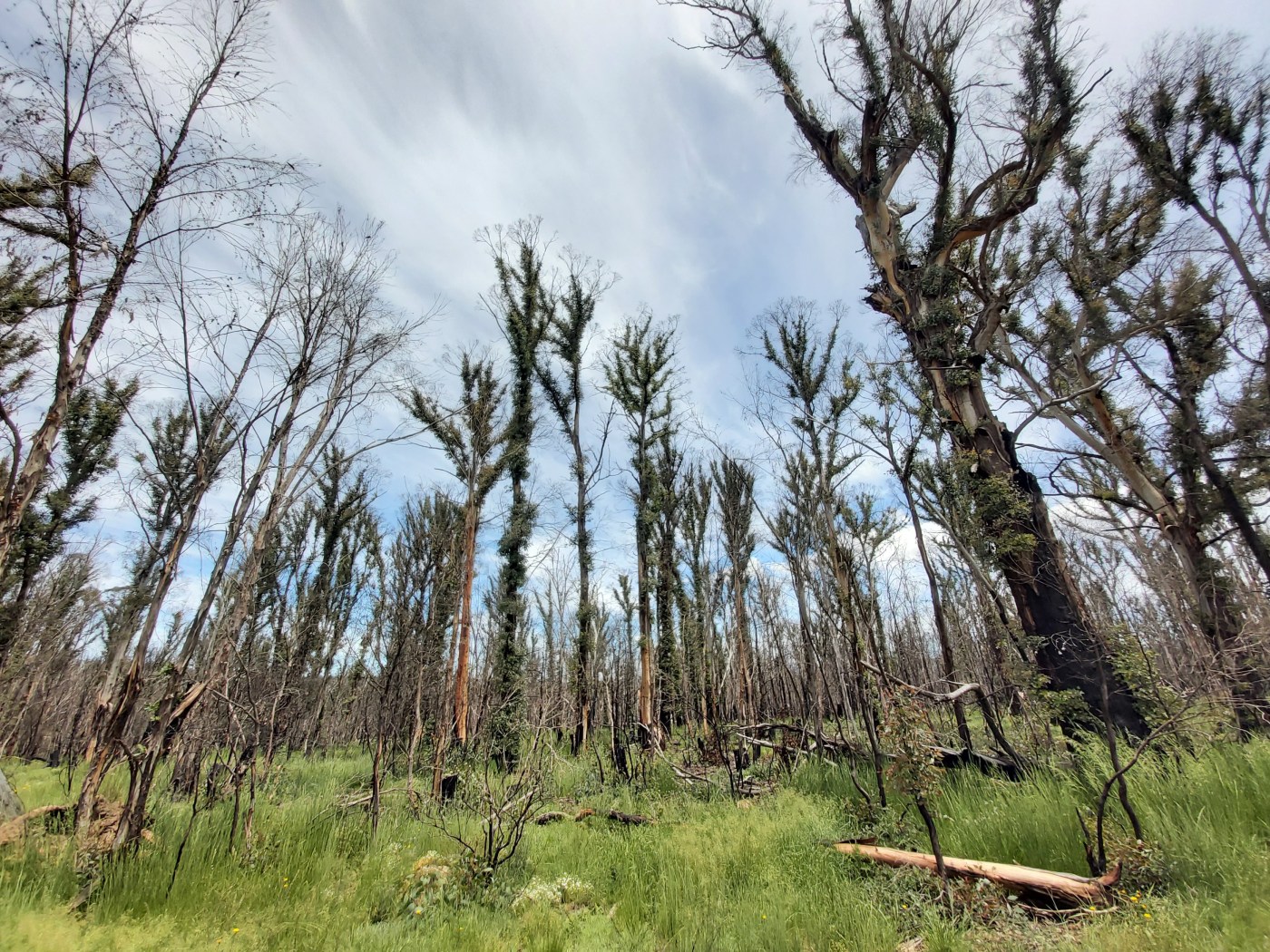
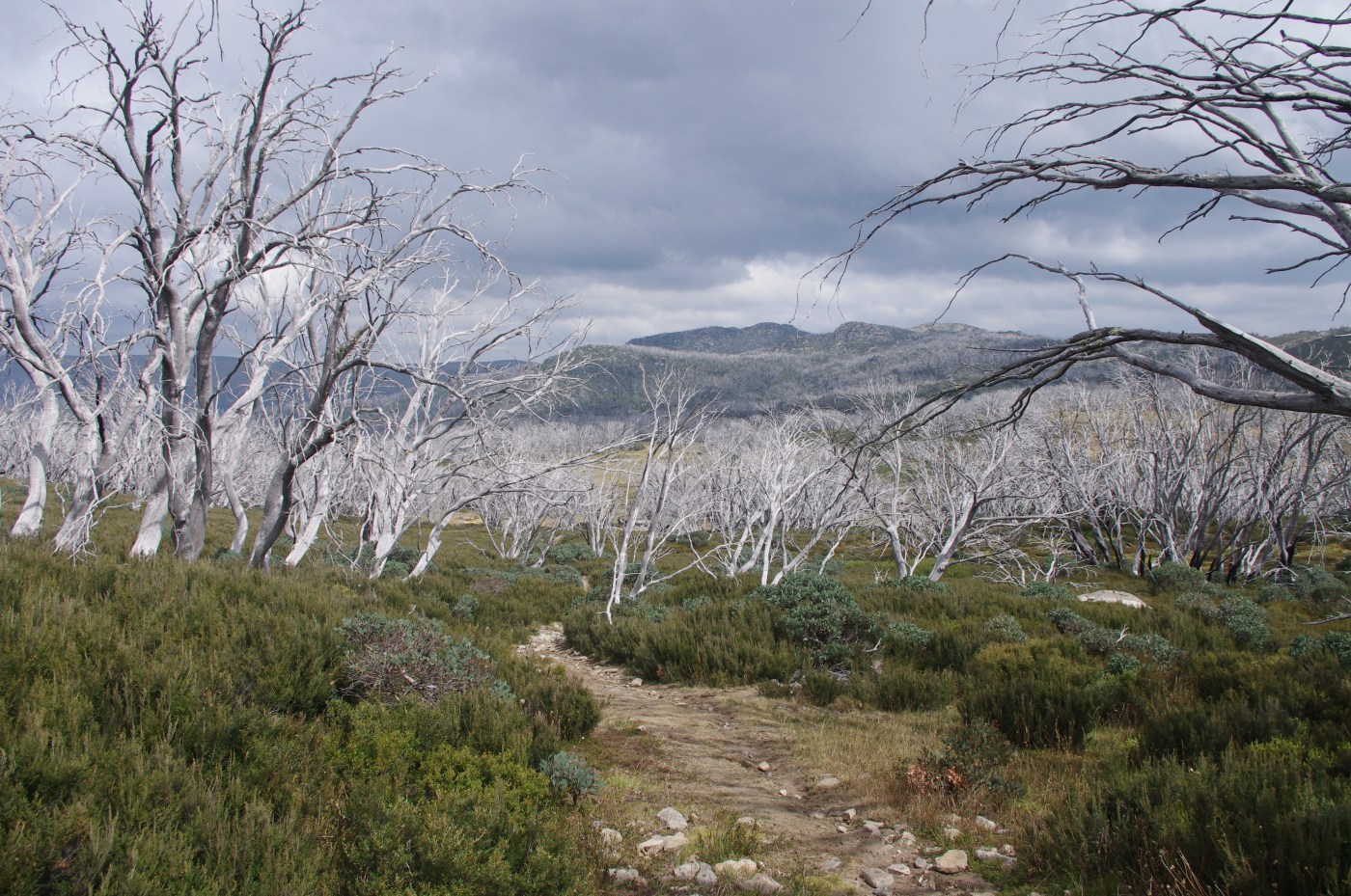
How often do you see an image or vista like this when you’re in the mountains? Whether you drive up from the valley towns through mile after mile of grey alpine ash trunks, or wander, ski or ride through the snow gum ghost forests of the high plains, you are witnessing a world that didn’t exist a generation ago.

Whereas we would have infrequent hot fire in the high country in the past, now we have fire on endless repeat. The forests get younger as we get older, yet this new reality of dead trees and thick regrowth becomes understood as being ‘normal’. Many people don’t recognise that what they see as they look out from a ski resort over burnt out hills is actually ecological collapse in real time.

Are we all just witnessing a deteriorating landscape and thinking it is ‘normal’ because we don’t have a memory of what was here before?

Continue reading “Are you suffering from Shifting Baseline Syndrome?”
Mountain Ash at risk of collapse. Same as Alpine Ash.

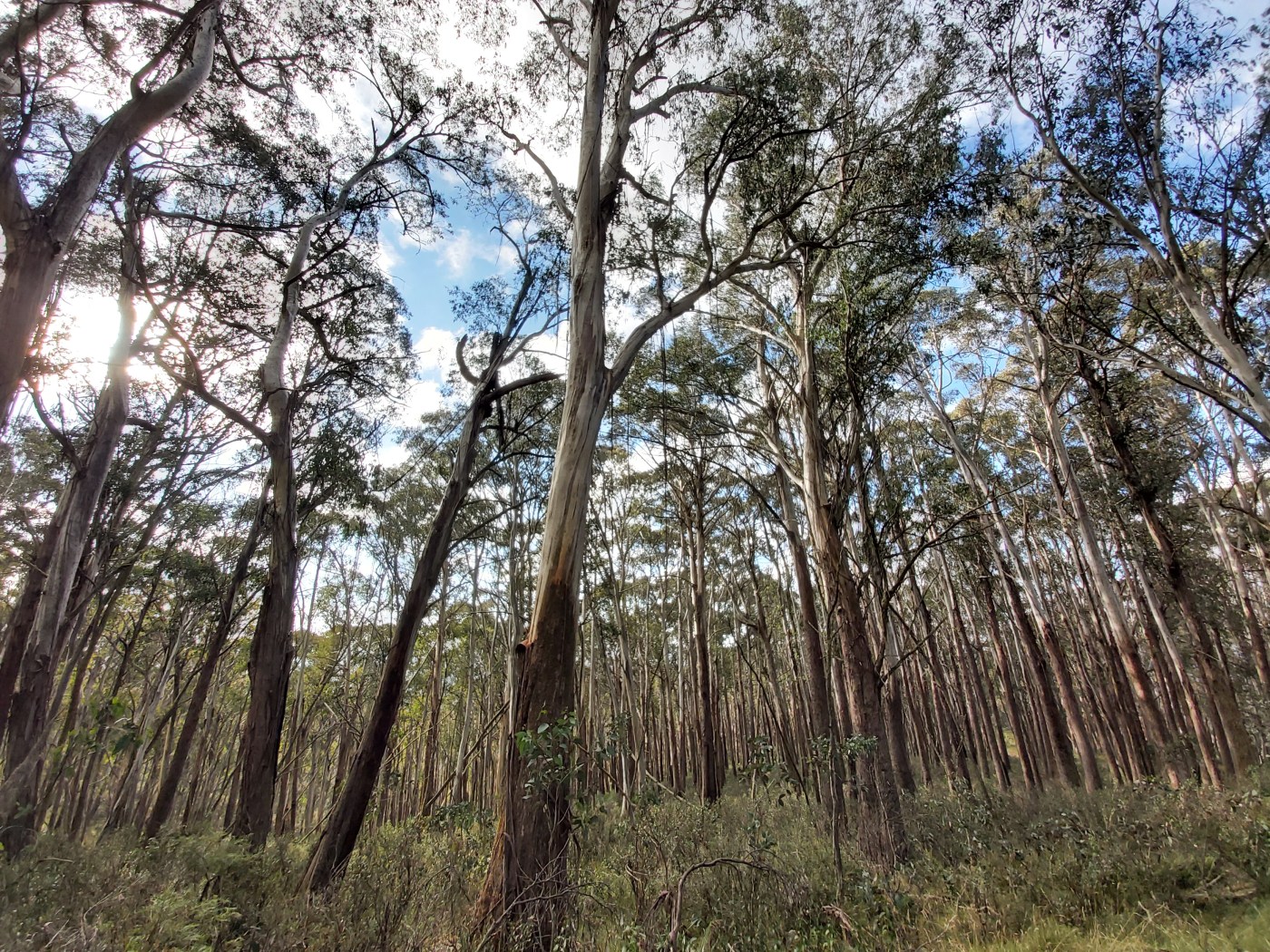
For the past decade, Mountain Journal has posted regular stories about the fact that Alpine Ash communities are facing the prospect of ecological collapse – that is, the loss of these forests and their conversion to something else – most likely a grassy and scrubby system perpetually stuck in a loop of fire followed by rapid development of flammable regrowth, followed by fire.

The Alpine Ash is closely related to the better known Mountain Ash which. New research says that the threats faced by Mountain Ash are significant enough for the species to be listed as threatened under national legislation. We would agree and argue that the Alpine Ash communities need the same level of recognition.

Continue reading “Mountain Ash at risk of collapse. Same as Alpine Ash.”

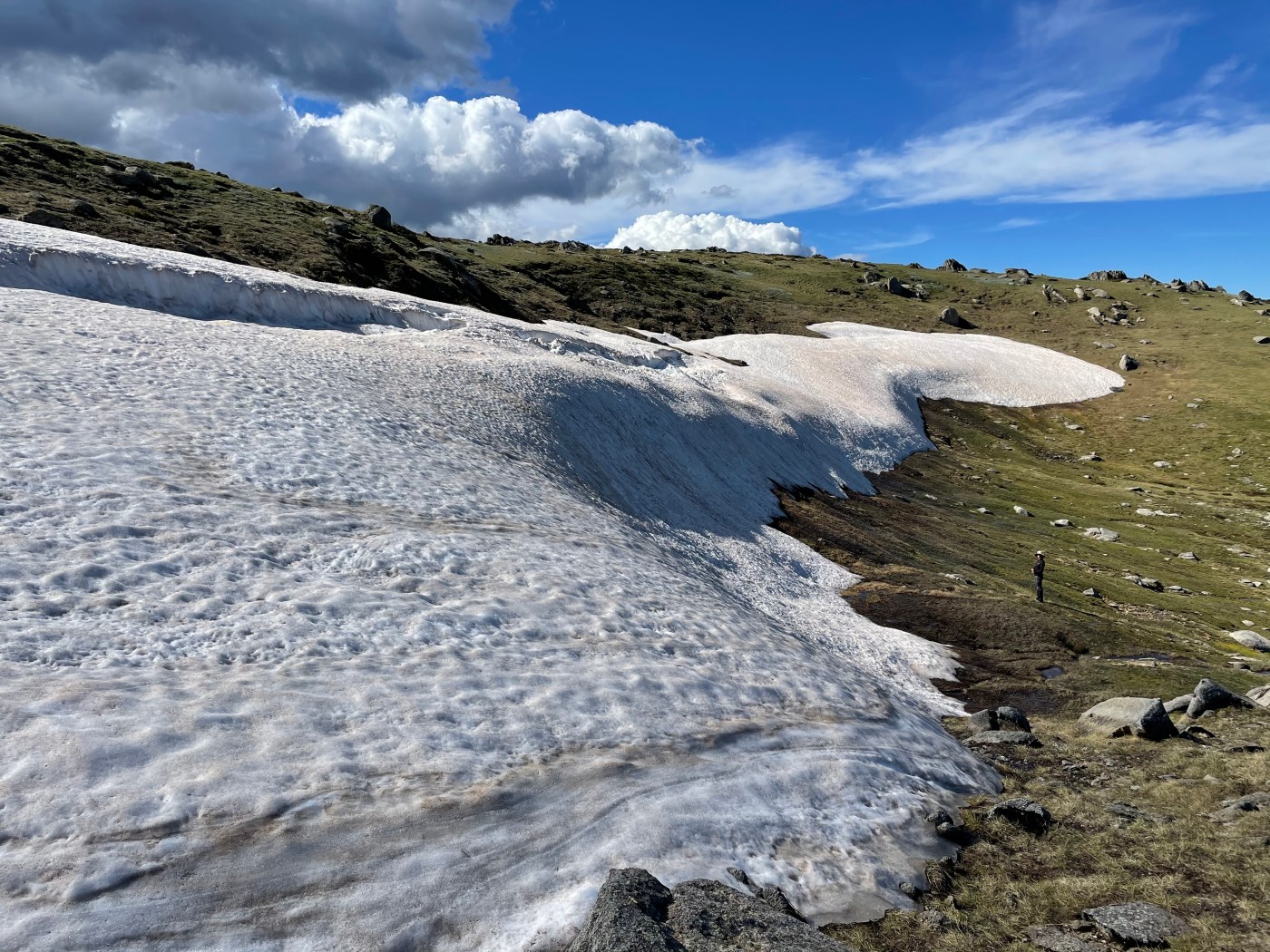
Alpine snowpatch plant communities being lost to climate change

Snowpatch plant community distribution and composition are strongly tied to the duration of long-lasting snow cover in alpine areas; they are vulnerable to global climatic changes that result in warmer temperatures and longer growing seasons.

Given the very small areas of alpine terrain in Australia, these communities are already very limited in their distribution. New research shows that Snowpatch plant community identity is being lost. In terms of their structure and composition, they are transitioning to woody communities rather than herbfields full of small plants. The loss of late-lying snow is likely to be the main reason for this change, as shorter periods of time where the communities are covered by snow allows woody plants to move into areas where late snow typically excluded them previously.

Continue reading “Alpine snowpatch plant communities being lost to climate change”

‘Fire regimes around Australia shifted abruptly 20 years ago’

Widespread wildfires in early 2016 caused devastating damage across large areas of the Tasmanian World Heritage Area, including significant sections of vegetation which is not fire adapted, such as Pencil Pine forests.

At the time, and in follow up investigations, it became clear that increased fire risk due to climate change posed an existential threat to these vegetation types. Then additional research confirmed that there was a trend towards more extreme fire seasons. Some researchers suggested that we reached a ‘tipping point’ sometime around the year 2000 and that, since then, there has been an increase in the number of lightning-caused fires and an increase in the average size of the fires, “resulting in a marked increase in the area burnt”.

On the mainland, fires increased significantly from about the same time. There were major fires in the Victorian high country in 1998, 2002/3, 2006/7, 2013 and 2019/20. Fires are becoming more common and more intense across the Alps.

It turns out that something similar was happening around the country. Fire regimes around Australia shifted abruptly 20 years ago.

Continue reading “‘Fire regimes around Australia shifted abruptly 20 years ago’”

The Ash Forest Restoration Project

‘Ash forests’ – forest comprised of Mountain Ash, Alpine Ash, or sometimes both – are some of the most iconic forest types in Victoria, or even the world. Covering around 500,000 ha of Victoria and stretching from the Otways to the north-eastern boundary with NSW, few who spend time in these forests – like driving along the Black Spur north-east of Melbourne – are left unimpressed by these tall trees. They are also home to species like the Leadbeater’s Possum and Greater Glider.

These forests have a complex relationship with fire: these forests can live with some fire – but not too much. Scientifically known as ‘obligate seeders’, after severe bushfire, ash forests are killed, but prolifically regenerates from canopy stored seed. The important point here is that these slowly regenerating forests cannot produce seed for 20 years after they regenerate from fire. This means they are highly vulnerable to shortened fire intervals – the exact challenge that land managers in Victoria are facing with climate change.

Once a mountain ash or alpine ash forest has burnt numerous times, it may eventually fail to regenerate, which can lead to population collapse and a change of ecosystem type. This sounds simple, but ecologically, this is dramatic. A tall forest – high in carbon stocks and habitat – changes rapidly to a short shrubland or grassland.

Continue reading “The Ash Forest Restoration Project”

VIC backcountry festival powers ahead despite low snow

Despite sad snow conditions, the 6th Victorian backcountry festival will happen over three days in early September.

It will happen in and around the Mt Hotham resort, with all the usual components of the festival that we love – the tours, workshops, repair café, demo village, speakers program and outdoor bar. This year we have two festival hubs – The General, plus the Last Run Bar.

Please register for the festival here (you need to register to be able to book tours). Check below for full details.

Continue reading “VIC backcountry festival powers ahead despite low snow”

Maisie Fawcett and her eternal legacy for Australian science

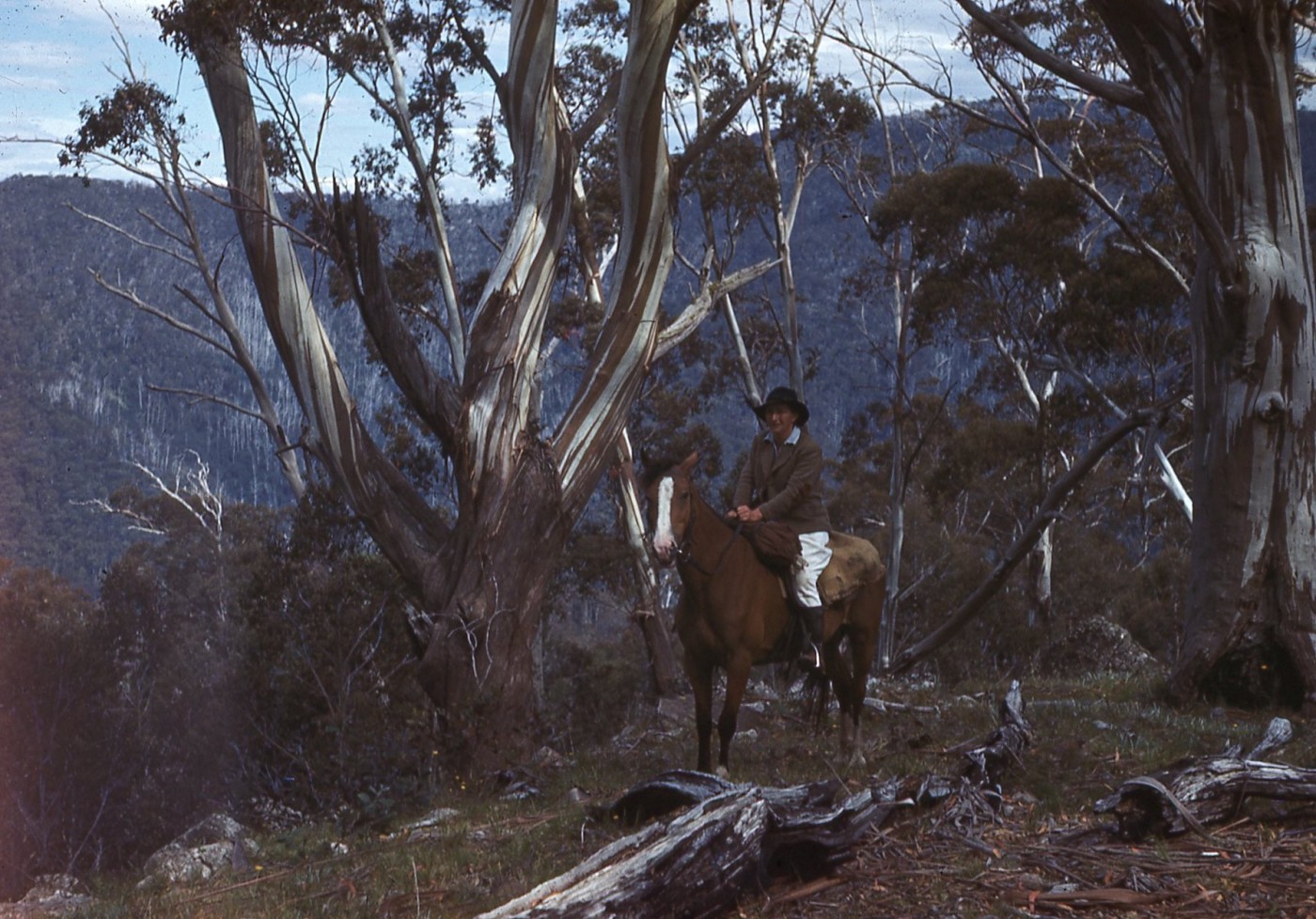
In the 2023 print edition of Mountain Journal (available as a pdf here), we acknowledged the legacy of Maisie Fawcett. Maisie was an ecological pioneer who is remembered for her ground breaking work in the Victorian high country. In this story from Karina Miotto, Latrobe University, Maisie’s legacy is considered in the broader context of her work as a woman operating in a time where society – and science – were heavily dominated by men.

A quiet achievement took place last summer in the Victorian Alps. Scientists gathered to re-measure botanical plots first set up more than 75 years ago by one of the pioneering women in science. This is the story of that woman.

Continue reading “Maisie Fawcett and her eternal legacy for Australian science”

Lower elevation resorts rapidly becoming non viable under climate change impacts

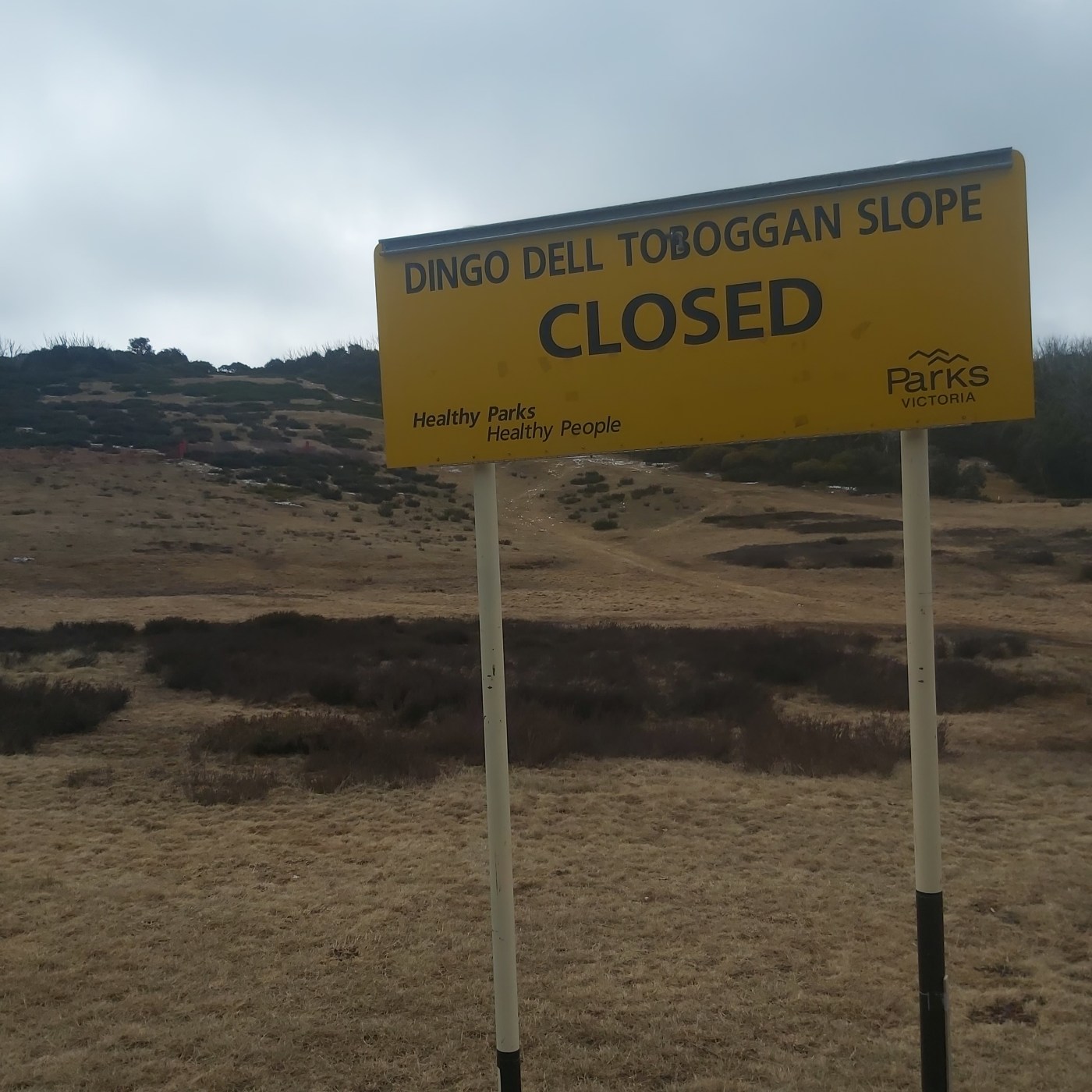
We know that climate change is reducing the overall amount of snow we receive in Australia. The snow pack has been in decline since at least 1957. We also know that the loss of snow is being felt especially at lower elevations.

This is certainly being experienced this winter, where places like Tasmania and lower resorts like Mt Selwyn have had almost no snow.

Continue reading “Lower elevation resorts rapidly becoming non viable under climate change impacts”

Last minute logging still possible at Mt Stirling?

The announcement that native forest logging will end in eastern Victoria on January 1, 2024 is great news for the forests of the high country.

We wrote a brief piece explaining the implications of the announcement here.

As we noted in that story, this means the state will be spared another six years of intensive logging and allow us to start the generations long work of restoring a landscape that has been deeply impacted by intensive logging and repeat fires in recent decades.

However, significant areas of the high country are still included in an updated Timber Release Plan (TRP) which could be logged before the January 1 cutoff date.

We are watching a number of key areas, including Mt Stirling, the headwaters of the Little Dargo, and Mt Wills area to ensure that no last minute ‘cut and run’ logging occurs.

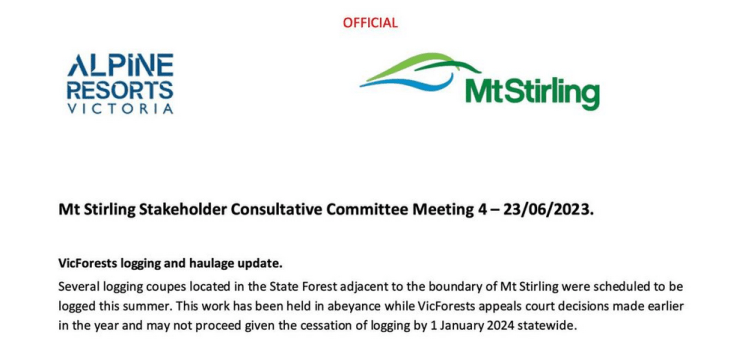
It is good to note that Alpine Resorts Victoria is saying that proposed logging at Mt Stirling ‘may not proceed given the cessation of logging by January 1, 2024’.

Screen Shot 2023-07-26 at 11.06.43 am

The road to the planned coupes on Mt Stirling will be closed until the end of winter. But if you are up in the mountains, please keep an eye open for any last minute logging. And let us know if you see anything: cam.walker@foe.org.au

There are details on our core areas of concern here.

New video celebrates alpine peatland protection

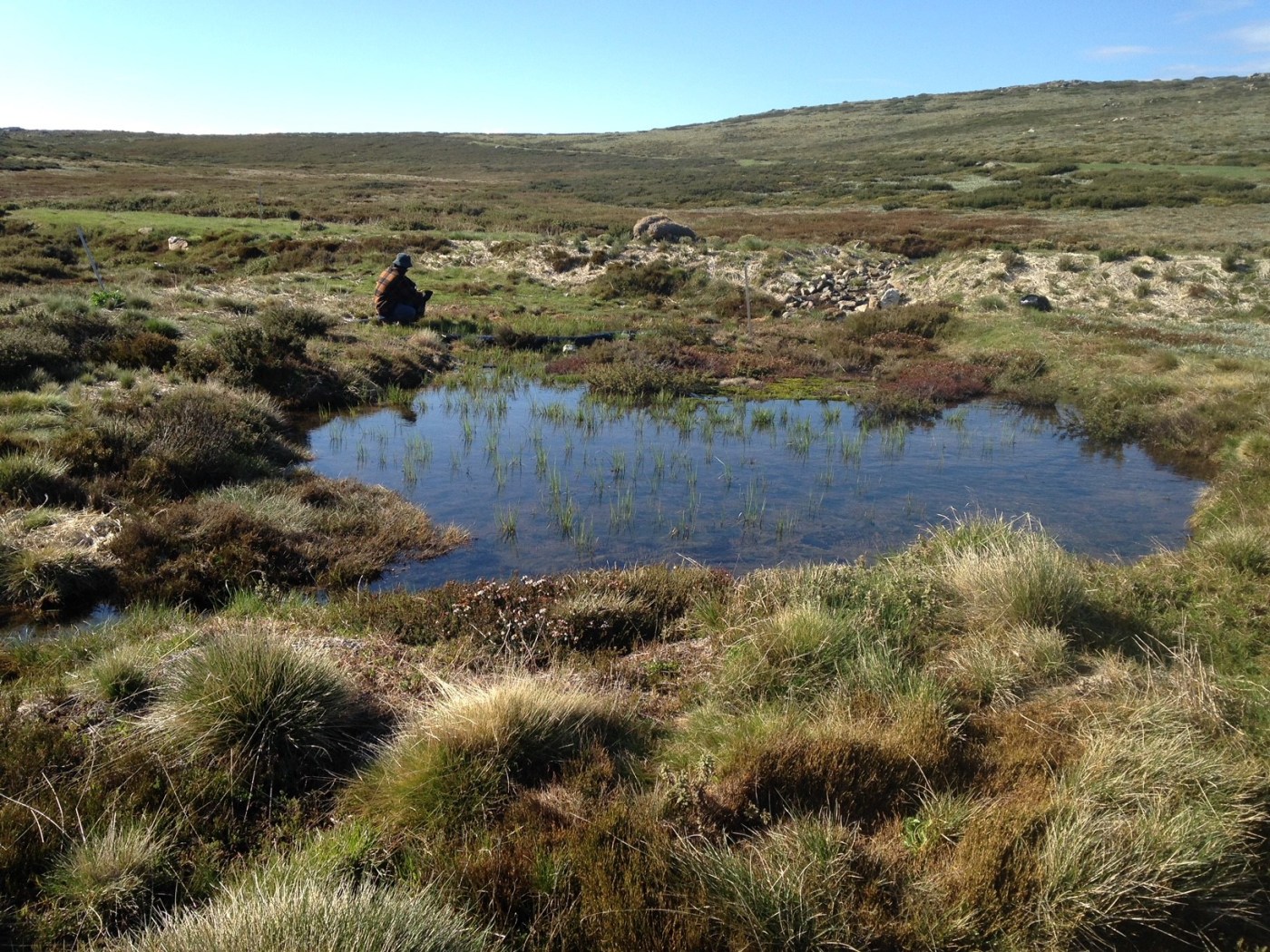
North East Victoria is home to more than 2,000 hectares of Alpine Peatlands, an endangered ecological community listed under the Environment Protection and Biodiversity Conservation Act (1999).

Alpine Peatlands, or Alpine Sphagnum Bogs and Associated Fens, are a priority ecological community for the North East Catchment Management Authority (CMA) supported through a five-year project to protect and enhance these unique environments.

This five-year, cross-regional project is coordinated by the Victorian Alpine Peatlands Project Coordinating Committee (VAPCC) and delivered in collaboration across three CMA regions (North East, East Gippsland and West Gippsland) with Parks Victoria. This project is funded by the Australian Government’s National Landcare Program.

Now a new video has been released at https://youtu.be/QmyxVs7lXHA, developed by North East CMA to mark completion of the Cross Regional Victorian Alpine Peatlands Protection Project. Partners in the video are Parks Victoria, East Gippsland CMA, West Gippsland CMA and Gunaikurnai Land and Waters Aboriginal Corporation.

Continue reading “New video celebrates alpine peatland protection”

Gunaikurnai to jointly manage Baw Baw, Alpine and other high country parks

On 26 October 2018 the Victorian Government, the Taungurung Land and Waters Council Aboriginal Corporation (TLaWCAC), and the Taungurung Traditional Owner group signed a number of agreements under the Traditional Owner Settlement Act 2010 (Vic), which means that ownership of nine Victorian parks and reserves, including Mt Buffalo National Park and a section of the Alpine National Park, and up to five ‘surplus’ public land parcels have been transferred to the Taungurung Traditional Owner Group.

It should be noted that there is an ongoing territorial dispute between the Taungurung people and clans that identify as Ngurai Illum Wurrung, Waywurru and Dhudhuroa, and has the potential to affect the state’s treaty negotiations. This impacts the agreement in the east of the area, which includes Mt Buffalo and the Alpine national park.

It has now been announced that Gunaikurnai Land and Waters Aboriginal Corporation (GLaWAC) has been ‘re-negotiat(ing) the Gunaikurnai Recognition Settlement Agreement with the State of Victoria’, and ‘we’re excited by the addition of four new joint managed parks as part of our Early Outcomes package’.

Continue reading “Gunaikurnai to jointly manage Baw Baw, Alpine and other high country parks”

Last minute threat to the Little Dargo, Mt Wills and other mountain forests

The recent announcement that native forest logging will end in eastern Victoria on January 1, 2024 is great news for the forests of the high country.

We wrote a brief piece explaining the implications of the announcement here.

As we noted in that story, this means the state will be spared another six years of intensive logging and allow us to start the generations long work of restoring a landscape that has been deeply impacted by intensive logging and repeat fires in recent decades.

However, the state logging agency VicForests has just released an updated Timber Release Plan (TRP) which has many coupes in the high country and north east which could be logged before the January 1 cutoff date.

Continue reading “Last minute threat to the Little Dargo, Mt Wills and other mountain forests”

Blog at WordPress.com.

Up ↑