Search

Mountain Journal

Environment, news, culture from the Australian Alps

Tag

Victorian Alps

Christa Treasure speaks out on the need to protect the Little Dargo

As has been reported on Mountain Journal many times, a precious remnant of unburnt forest on the eastern side of the Dargo High Plains is in imminent danger of being logged. What makes this place so special is that it sits within the headwaters of the upper Little Dargo River and is completely free of roads. It has survived recent fires in the area, but will be devastated by the plan to cut 11 coupes within the upper valley. This could happen as soon as spring 2022.

A spirited campaign by locals and environmental campaigners has seen the state’s logging agency (VicForests) announce that it will not proceed with controversial plans to push a logging road through a section of the Alpine national park. Now the call is focusing on getting the remaining coupes removed from the logging schedule.

This is an unusual campaign because it draws together a mountain grazing family with environmental campaigners. The Treasure family have grazed cattle on the Dargo High Plains and surrounding areas for five generations. Christa Treasure talks about the historical and cultural significance of the area to her and the Treasure family and how logging will devastate this history.

Continue reading “Christa Treasure speaks out on the need to protect the Little Dargo”
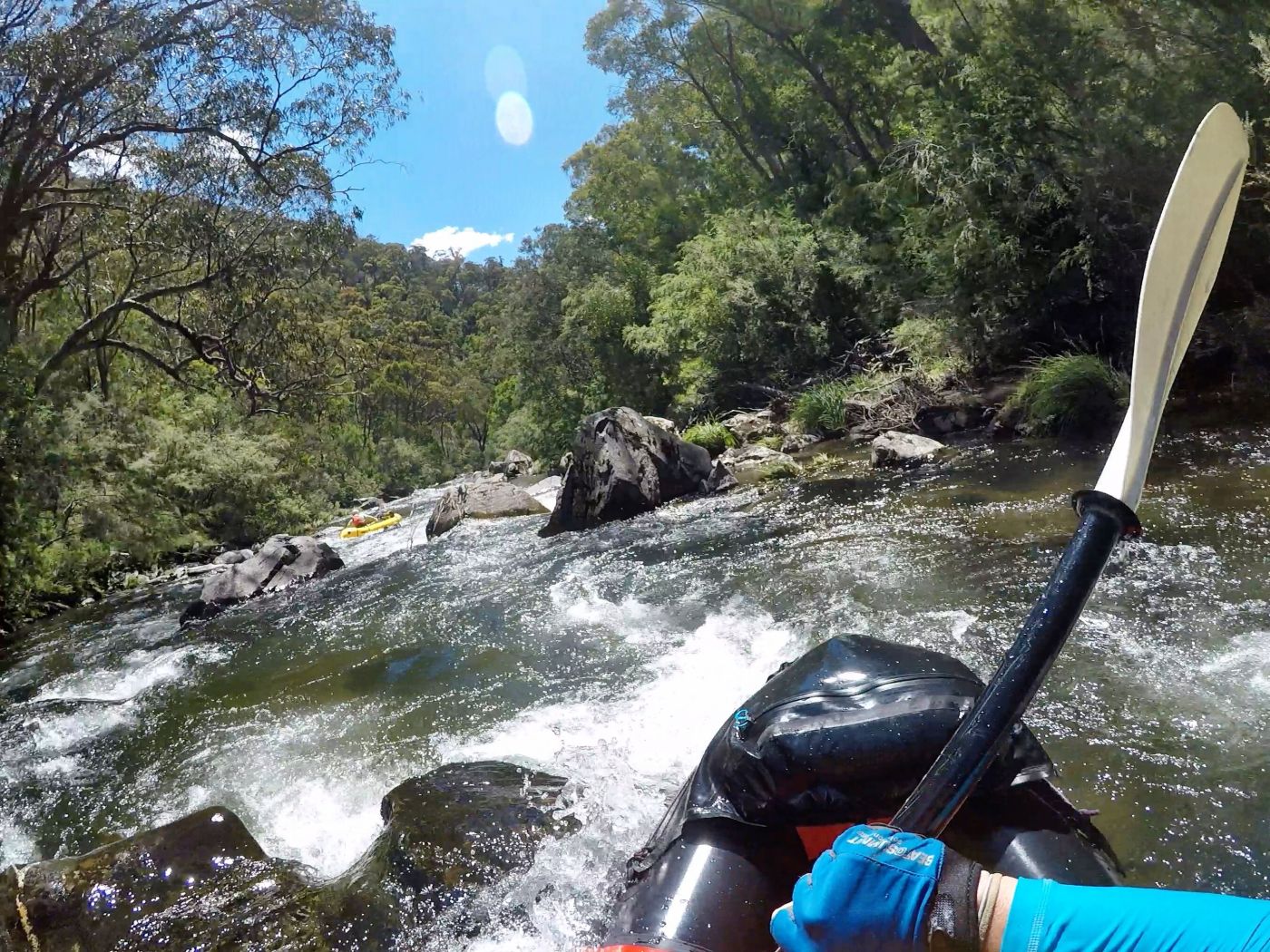
A pack raft descent of the Dargo River

This is one of the lead stories in this year’s Mountain Journal magazine. It is about an expedition to packraft the Dargo River in the Victorian Alps.

Content by Daniel Sherwin. Intro by Kelly van den Berg.

Continue reading “A pack raft descent of the Dargo River”

Mt Wills – a precious sub alpine plateau in need of protection

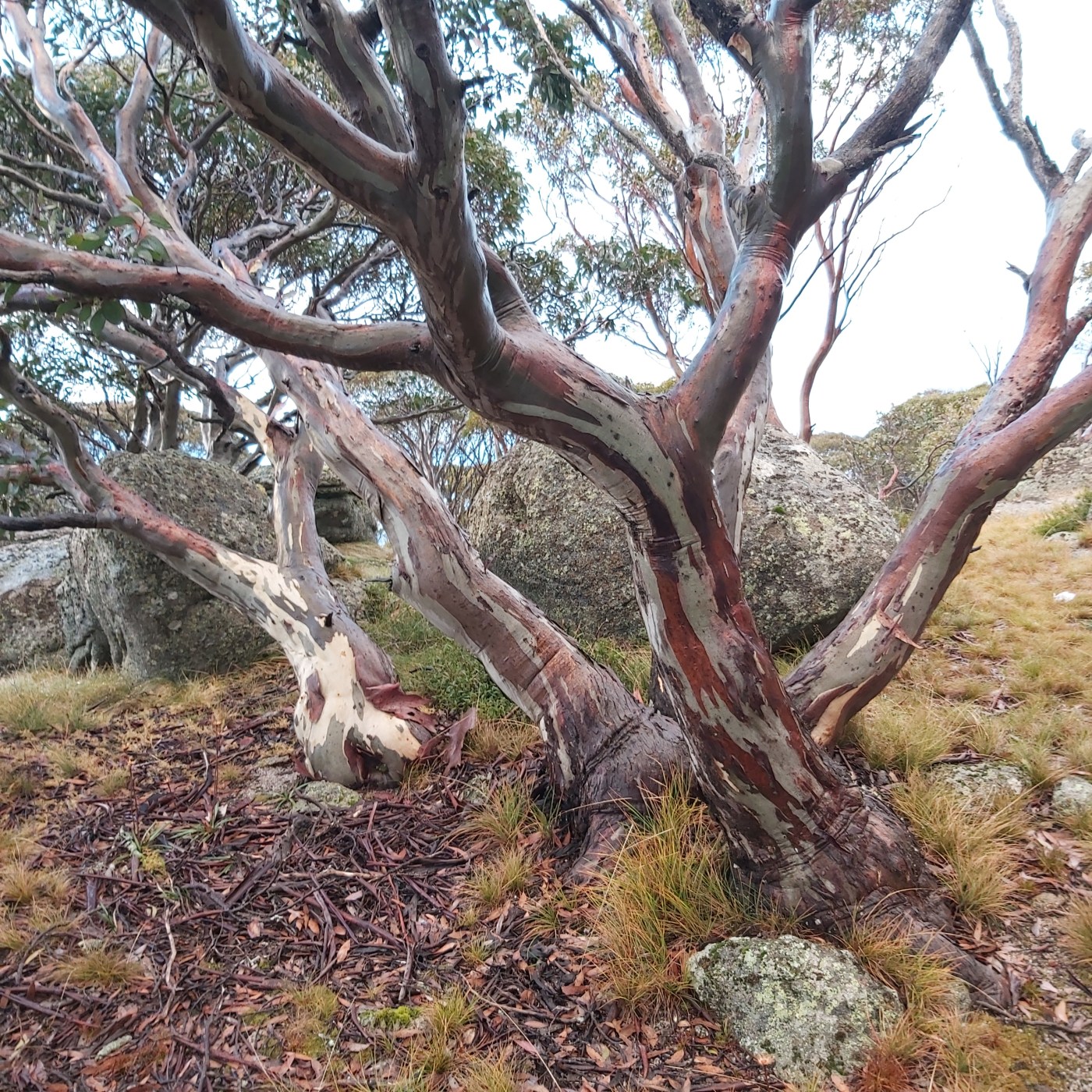
As we waited for the snow to arrive last week, it seemed like the right time for the annual pilgrimage to Mt Wills. I have often written about what a special mountain it is, tucked away behind the eastern fall of the Bogong High Plains and Mt Bogong (named Warkwoolowler in the Waywurru and Dhudhuroa languages). I love that strange hut on the little summit plateau, the grassy meadows with old snow gums scattered everywhere,  the endless rock outcrops and rocky escarpment on the east side.

Mt Wills is a classic ‘island in the sky’ of isolated snow gum woodland. While it is connected by a long and high ridge back to Bogong, mostly the land falls away to deep river valleys and forests initially dominated by Alpine Ash. It feels like a small sub alpine sea poking out into the upland valleys of the eastern Alps. I love the silence and perspective back to other mountains. But what really draws me back year after year are the ancient snow gums.

Continue reading “Mt Wills – a precious sub alpine plateau in need of protection”

There is still time to protect the Little Dargo

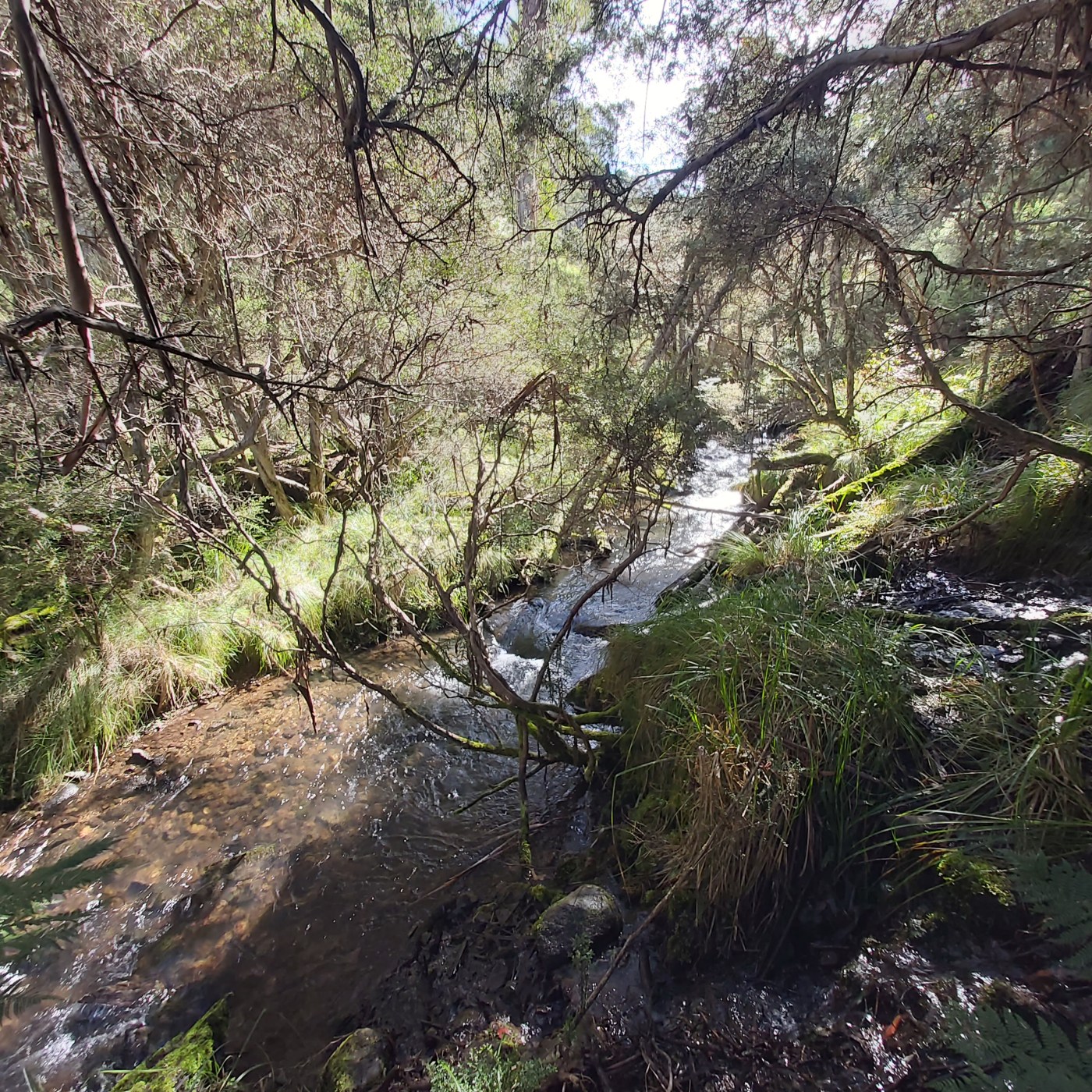
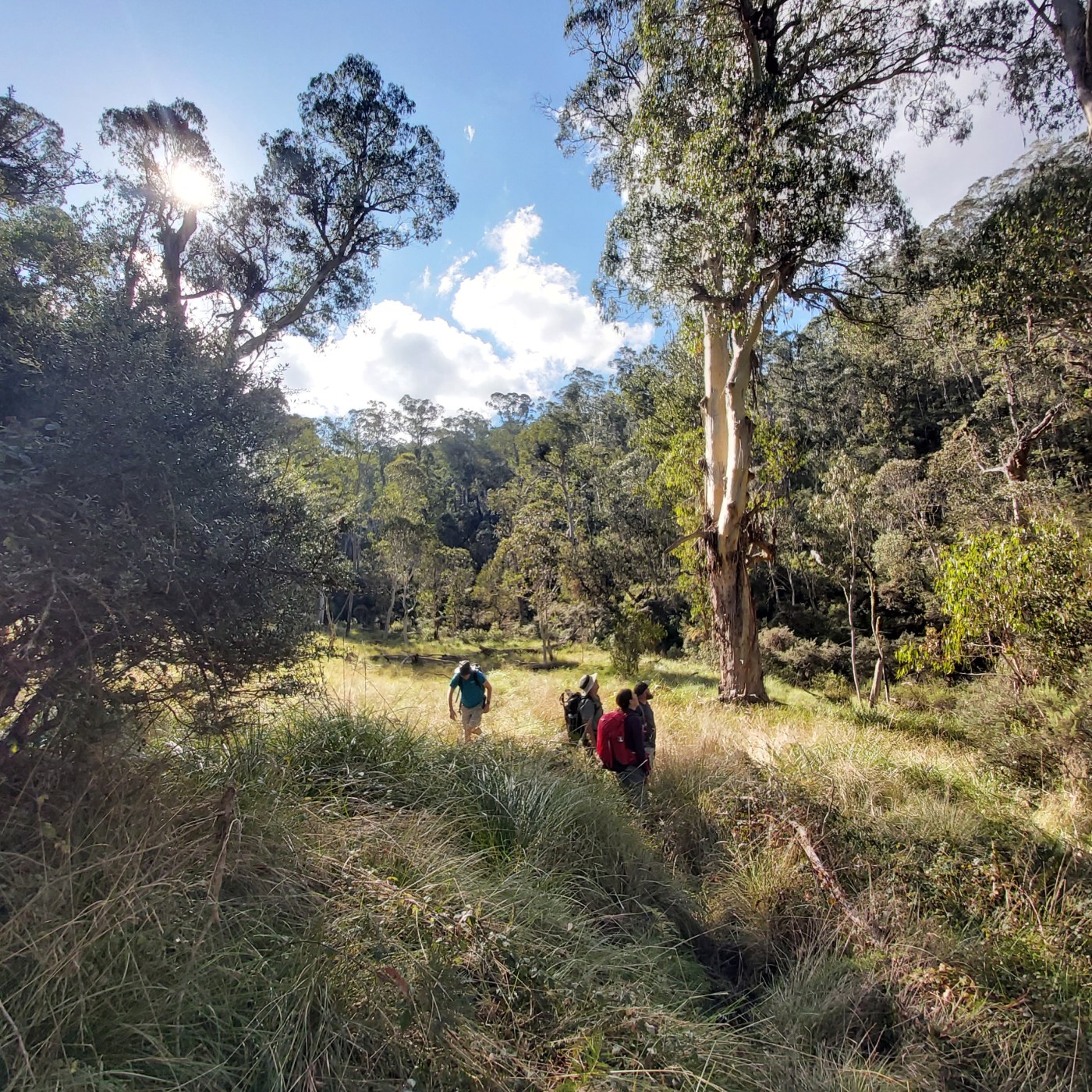
The fires of 2019/20 burnt huge areas of north eastern Victoria. The remaining unburnt forests are more important than ever. One of these areas lies in the headwaters of the Little Dargo River, just south of Mt Hotham. It is a pristine area, without roads, and containing mature forest, much of it dominated by Alpine Ash. It is an area of state forest that lies right next to the Alpine National Park.

The state government logging agency, VicForests, intends to log a total of 11 “coupes”, or sections, of mature forest in the upper Little Dargo River, probably this spring. These coupes are located in a series of clusters, where separate sections of bush will be harvested, creating a large zone of cleared land over time. Extensive roading networks will be needed to access the coupes.

One coupe has already been logged. The remaining coupes have not yet been scheduled for harvesting. There is still time to stop this ecological disaster – if we act now.

Continue reading “There is still time to protect the Little Dargo”
Fires are getting worse. We need extra firefighting capacity to stop small ones becoming blazes

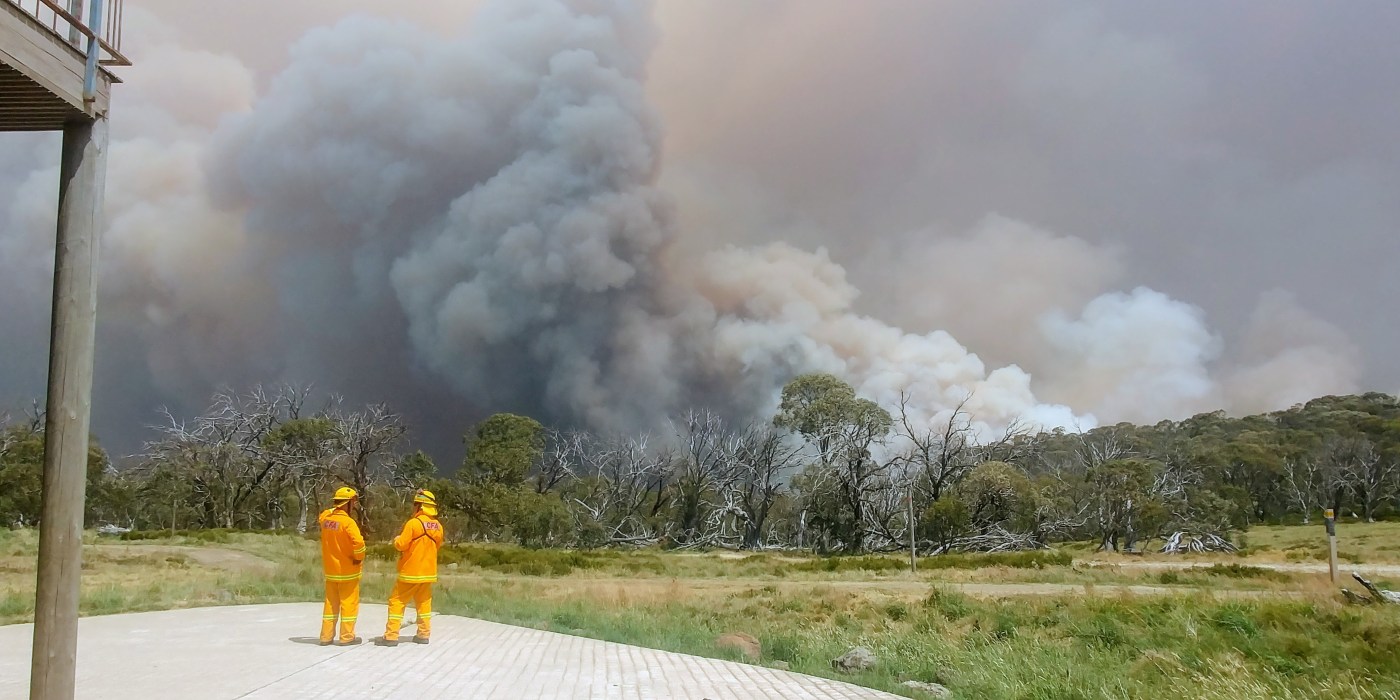
As we head towards winter, now is the time to think about next summer and the fires that may come after two wet, mild years. There are many things we need to do to be ready for the climate change driven fires of the future. Here is one of them: Victoria should set up a volunteer remote area firefighting team, which can work alongside the government paid fire crews. This would increase our capacity to stop lightning strikes from turning into massive blazes. It’s a good idea. It just needs a bit of political will and money to make it happen.

Continue reading “Fires are getting worse. We need extra firefighting capacity to stop small ones becoming blazes”

The Little Dargo: a pristine catchment threatened by logging

The state government logging agency, VicForests, intends to log a total of 11 “coupes”, or sections, of mature forest, much of it dominated by Alpine Ash, in the headwaters of the Little Dargo River. This area of state forest in north east Victoria  lies right next to the Alpine National Park. These coupes are located in a series of clusters, where separate sections of bush will be harvested, creating a large zone of cleared land over time.

This area is especially important because the upper catchment of the Little Dargo is in a pristine condition, without roads. It has not been burnt in recent decades, whereas much of the surrounding area has been devastated by repeat fires.

At this point it is very difficult to get in to the upper Little Dargo catchment. However, a rough route has recently been opened into the area to allow visitors to see the area before logging starts.

Continue reading “The Little Dargo: a pristine catchment threatened by logging”

Guided walk to the Little Dargo River

The fires of 2019/20 burnt huge areas of north eastern Victoria. The remaining unburnt forests are more important than ever. One of these areas lies in the headwaters of the Little Dargo River, just south of Mt Hotham. It is a pristine area, without roads, and containing mature forest, much of it dominated by Alpine Ash. It is an area of state forest that lies right next to the Alpine National Park.

The state government logging agency, VicForests, intends to log a total of 11 “coupes”, or sections, of mature forest in the upper Little Dargo River, probably this spring. These coupes are located in a series of clusters, where separate sections of bush will be harvested, creating a large zone of cleared land over time. Extensive roading networks will be needed to access the coupes.

One coupe has already been logged. The remaining coupes have not yet been scheduled for harvesting. There is still time to stop this ecological disaster – if we act now.

Join us for a walk to experience the beauty that is the Little Dargo.

Sunday April 24, 10 am – 3pm.

Continue reading “Guided walk to the Little Dargo River”

Yet another warning that we need to act now to protect forests from climate change-driven fire

According to a report released by the United Nations Environment Program and environmental not-for-profit organisation GRID-Arendal, as climate change continues to destablise global weather patterns, we can expect up to 50% more wildfires by the turn of the century.

This will impact on us locally and the mountain forests we love.

One example of this is Alpine Ash forests, which have been heavily impacted by fire in recent decades. The same threats are starting to cause local collapse of Snow Gum woodlands.

Continue reading “Yet another warning that we need to act now to protect forests from climate change-driven fire”

‘Citizen science’ field trip investigates loss of Snow Gums

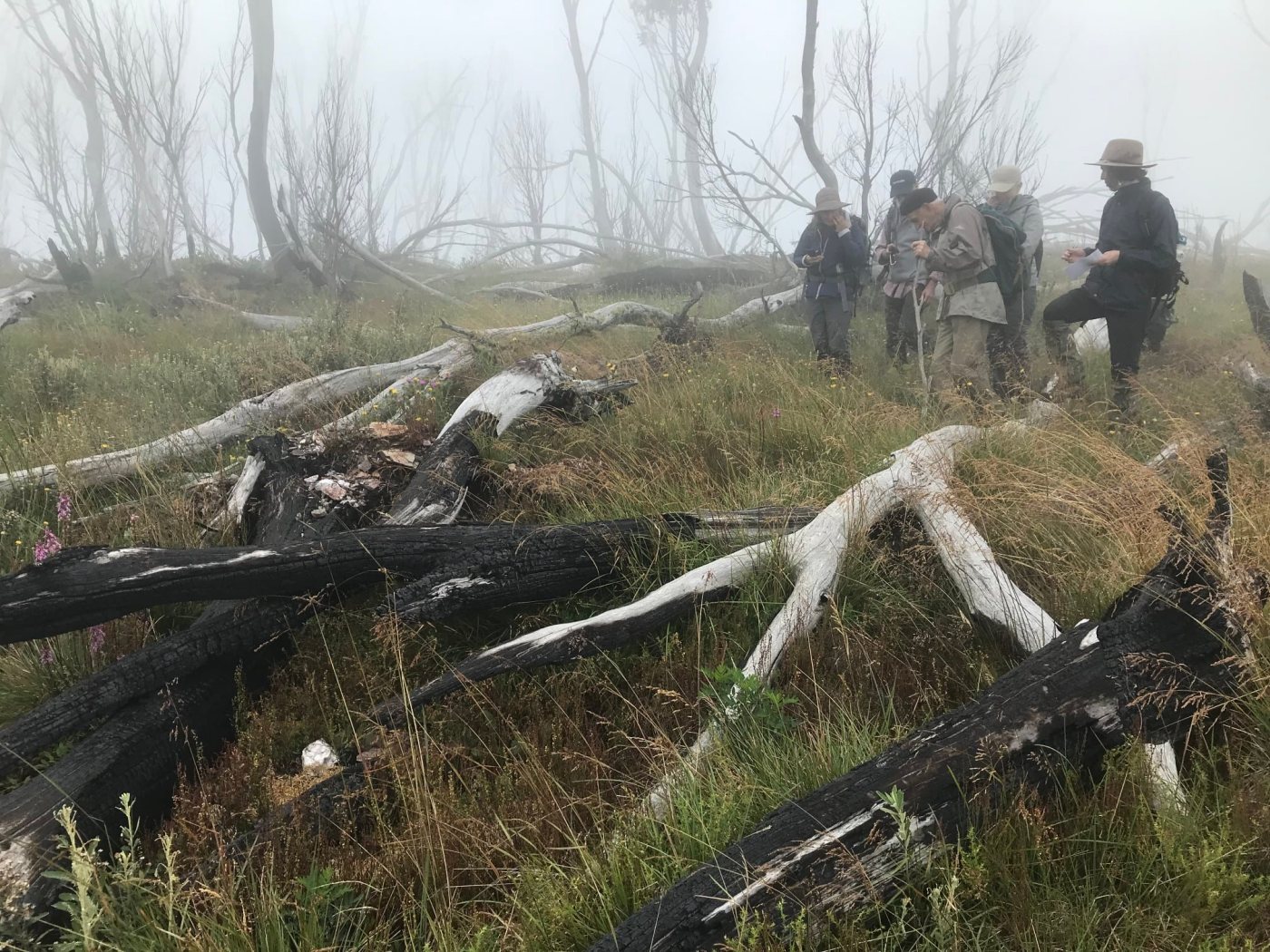
Friends of the Earth recently held its first citizen science fieldtrip to map areas of Snow Gum forests in the Victorian mountains. These forests are largely protected in national parks but are threatened by climate driven fire regimes and dieback, which is caused by a native beetle.

We checked sites on the northern end of the Dargo High Plains, which is roughly south of the Hotham ski resort. We visited areas that have been burnt multiple times in recent years. This has resulted in the death of many parent trees, and then loss of the seedlings and resprouting that happened after the first fire. We were pleased to see that, after two mild and wet summers, seedlings have finally started to grow in sections of these burnt forests.

While these forests will recover from fire, climate change is making fires more frequent and this is leading to local loss of Snow Gum woodlands.

Continue reading “‘Citizen science’ field trip investigates loss of Snow Gums”

Help identify and report Snow Gum dieback

Snow gums are experiencing dieback in Kosciuszko National Park, largely because of the impacts of the native longicorn (or ‘longhorn’) beetle. These beetles prefer to lay their eggs on moisture-stressed trees and, in warmer weather, the longicorn beetle can hatch and grow up to 75% faster. It is understood that climate change is helping the spread of dieback because of background warming.

Now dieback is being seen more frequently in the mountain forests of Victoria.

Jessica Ward-Jones, a PhD student at the Fenner school, is part of a group researching snow-gum dieback, and is asking for people visiting the mountains to send in details of sightings of dieback affected trees.

Continue reading “Help identify and report Snow Gum dieback”

‘Wildfires, deforestation and global heating turn 10 Unesco forests into carbon sources’

A recent report looked into the impacts of climate change and other human activity on protected areas. It was pretty much as you would expect – these areas, protected because of their special values, are now at risk. According to various media stories (for instance this one in The Guardian) ‘Forests in at least 10 Unesco world heritage sites have become net sources of carbon since the turn of the millennium due to wildfires, deforestation and global heating’.

While this report takes a global perspective, it does contain details on two Australian systems – the Greater Blue Mountains Area and Tasmanian World Heritage Area – there are also some details relevant more broadly to protected areas in mountain areas of south eastern Australia.

Continue reading “‘Wildfires, deforestation and global heating turn 10 Unesco forests into carbon sources’”

Giving back to the Alps

Most of Australia’s High Country is now protected in parks. While there are significant pressures on many of these – for instance plans for a major expansion of commercial development in Kosciuszko national park, and tourism development in wild areas in lutruwita/ Tasmania – there is also the existential threat posed by climate change.

On a day to day basis our parks are generally underfunded and so the Parks Services struggle to deal with invasive species and the impacts of tourism. We need to increase funding across the board for our parks services.

There are also many options to directly support the ecological integrity of our mountain areas through hands on volunteer work. As author Alice Walker puts it nicely, ‘Activism is my rent for living on the planet’, and there are many ways to get involved in hands on efforts in and around the Alps. Here are a few ideas.

Continue reading “Giving back to the Alps”

Blog at WordPress.com.

Up ↑