Search

Mountain Journal

Environment, news, culture from the Australian Alps

Tag

walking

The Soul of Walking

All of us are drawn to nature. For some people, that might be a pleasant view of a park from a window. For others it might be an epic paddling trip down a river through a wilderness area. It’s a deep need we all feel in some way. But as there are ever more people on the planet, and more people wanting to go walking and exploring wild areas, the impact of exploring adds up.

Informal trail networks can become degraded from over use, and the untracked zones shrink a bit every year as more people visit the wild places. It’s a dilemma for land managers and also for all of us who love to explore these places.

In this article, Josh Hamill explores the question of how recreational hiking can coexist with the preservation of wilderness areas (he describes wilderness as ‘nature as it is’).
Continue reading “The Soul of Walking”

‘It was hard, beautiful, scary, mountainous and stunning’. A journey along the AAWT

The 2024 edition of the Mountain Journal magazine (available here), had a focus on human powered crossings of the Australian Alps. Of course many of these focused on the Australian Alps Walking Track (AAWT). Since then, more people have been sending stories about their journey along the AAWT. It has been wonderful to hear about their experience along the trail: the challenges, the special times, the hardships and lessons learnt.

This is from Tanya Deer and is her tale of walking the AAWT with her husband in January 2023. There are some lovely reflections and a good reminder that the AAWT is a trip that is well outside regular walking: its multiday nature allows you to go deep as you travel through an ever changing landscape: ‘I am full of gratitude for the experience, for those I love, for my body and for the environment I am in’.

Continue reading “‘It was hard, beautiful, scary, mountainous and stunning’. A journey along the AAWT”

Wild Places and the social media ‘positive feedback loop’

I have lost track of the number of times I have stumbled into one of those ‘instagram is killing the places we love’ conversations but, after a busy summer in the mountains, its hard to ignore the ever growing numbers of people out on the trails.  I saw this recently in Outside magazine:

If you’ve talked to any longtime outdoor enthusiasts in the last few years, you’ve probably heard some grumbling about how crowded the campsites are and how difficult it’s become to find trailhead parking. And they’ve probably attributed the uptick in popularity of outside activities to social media, where widely shared photos of beautiful sites draw crowds.

Continue reading “Wild Places and the social media ‘positive feedback loop’”

Why did you walk the AAWT?

Long distance walking tracks have a strange allure. They wind through incredible landscapes and offer us time out, an opportunity for reflection and challenge, and a chance of meeting ourselves, others and the land itself.

There are, of course, many great long distance walks in Australia. Some well known like the Overland Track in lutruwita/ Tasmania, and some less known such as the Penguin to Cradle, which starts at Bass Strait on the north coast of Tassie and allows a connection with the Overland, or the McMillans Track, which follows an old route cut through the mountains of Victoria.

Then there is the Bibbulmun Track in WA, which stretches 1,000 km from Kalamunda in the Perth Hills, to Albany on the south coast, winding through the heart of the scenic South West of Western Australia.

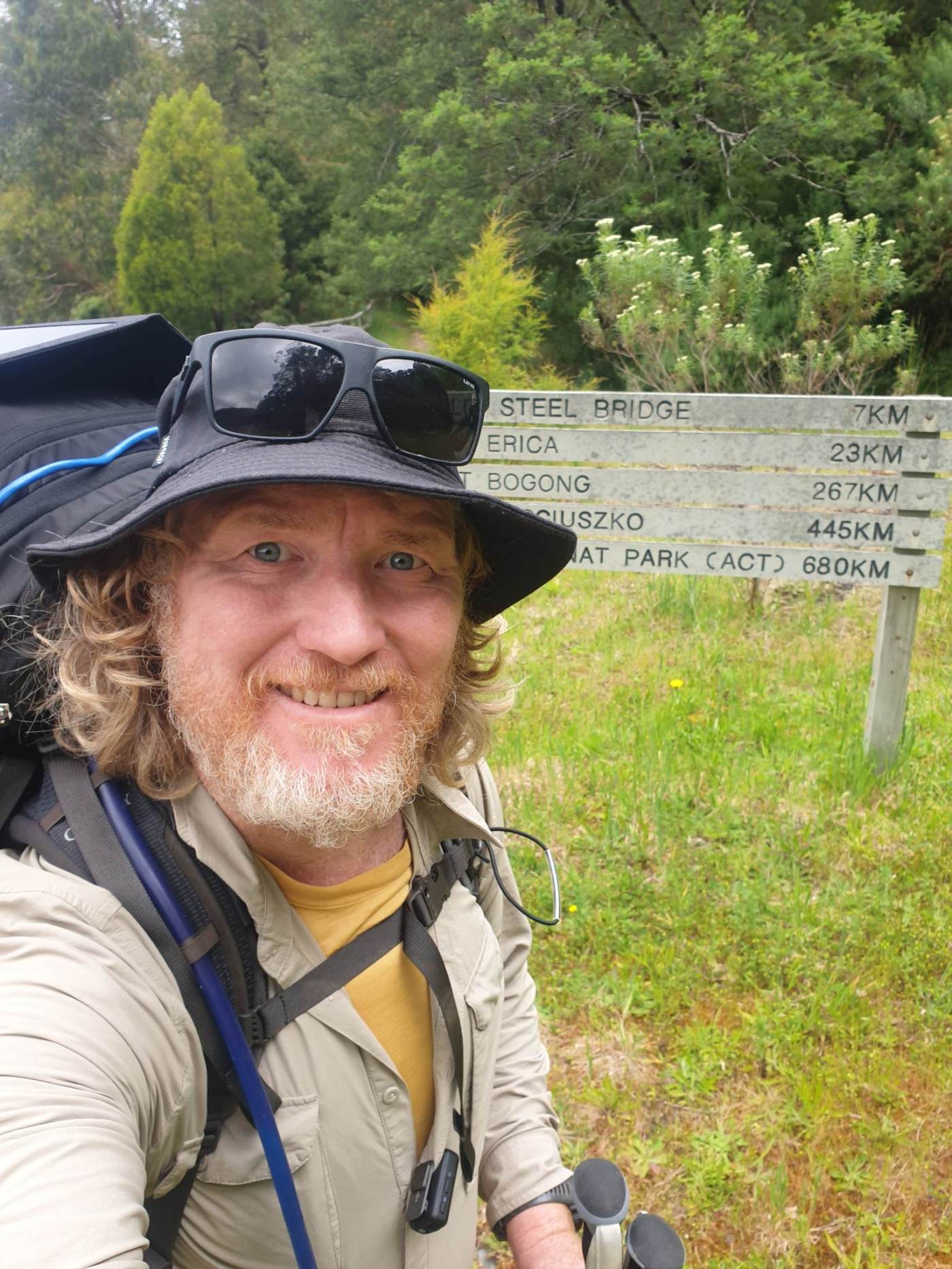
Of course, it is the Australian Alps Walking Track (or AAWT) that stands out as our premier long walk, stretching almost 700 kilometres from Walhalla near Victoria’s Latrobe Valley almost all the way into Canberra. Unlike many famous long distance walking tracks, the AAWT is very much a solo effort. Rather than there being mass numbers of walkers starting each day, it is possible to go for days on end without meeting another human. In some sections the track is sketchy or overgrown. The track goes through or past very few human settlements so resupplies can require a bit of work to organise.

Continue reading “Why did you walk the AAWT?”

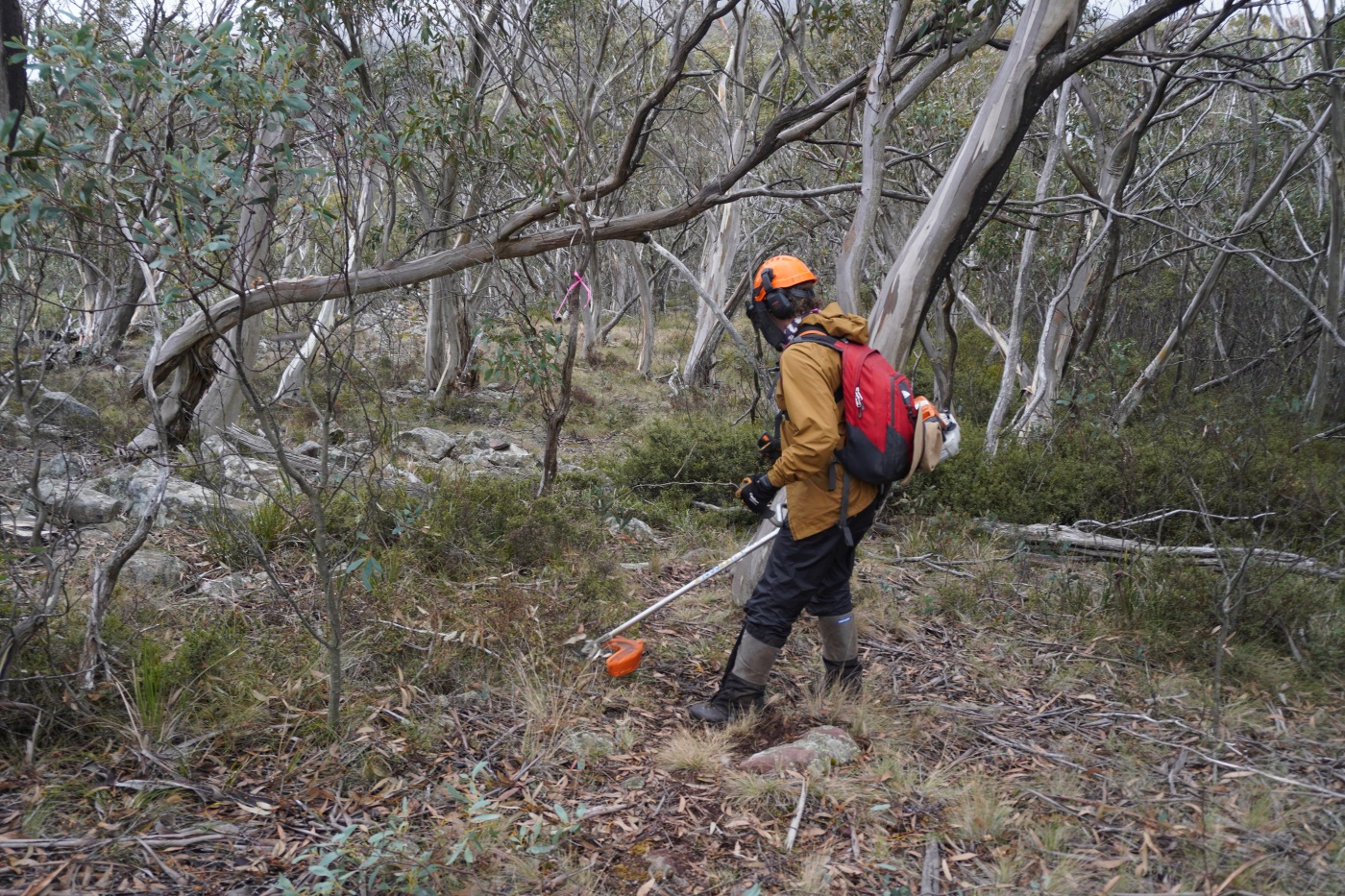
BTAC gets to work on the AAWT

If you have ever wandered on a walking track in the mountains, you have enjoyed the fruits of someone else’s labour. Walking tracks are cultural artifacts that allow us to access the forests, mountains and rivers that we love. Often they follow earlier paths: settlers followed First Nations routes out of Gippsland into the high country. Miners and graziers cut rough tracks into the gold diggings. Sometimes these turned into commerce highways as large population centres grew around the diggings. Nowadays the foot tracks in the high country are all about recreation.

But with increasing fires across the mountains, many tracks can become crowded out through a mass of regrowth. And as trees killed in bushfires start to collapse, many tracks become crossed by fallen logs and the tracks become multiple braids, often ending in dead ends, making navigation difficult and increasing the likelihood of walkers becoming lost. Land management authorities have limited funds to maintain the trail network and have many demands on their time.

Continue reading “BTAC gets to work on the AAWT”

AAWT Track Angels – a solution to a long-distance problem!

Long distance walking tracks often attract kind souls who assist the walkers with food, water, beers, lifts, accommodation and other assistance. The ‘Trail Angels’ of the Pacific Crest Trail in the USA are famous for their kindness to hikers. Mick Webster describes the Track Angels of the AAWT.

This was originally published in the 2024 print edition of Mountain Journal magazine (https://themountainjournal.com/mountain-journal-magazine/), which had a series of stories about human powered crossings of the Australian Alps.

Continue reading “AAWT Track Angels – a solution to a long-distance problem!”

The centenary Perrins Bluff pilgrimage

Perrins Bluff is a remote peak in the Cradle Mountain-Lake St Clair National Park in lutruwita/ Tasmania.

Tabatha Badger reflects on a journey to the mountain made by Florence Perrin in 1920. Perrins Bluff is a remote peak only visible from one tiny stretch of the Overland Track. In January 1920 Florence Perrin, her husband George, and friend Charlie Macfarlane were guided to the region by legendary bushman Paddy Hartnett. Florence embarked on annual walking trips with Paddy and was the first female, since colonisation, to summit several peaks including Mount Ossa, the highest in Tasmania. But it was their 14-day expedition in 1920 that made a mark in Lutruwita/Tasmania’s history.

Continue reading “The centenary Perrins Bluff pilgrimage”

655: FOR THE WILD

Running 655km across Australia’s toughest alpine track to save our wild places.

The two of us have always dreamed of running the 655km Australian Alps Walking Track (AAWT). It’s a track spoken of in a quiet reverence, by old hardened hikers who have seen it and done it all. It’s one of the country’s oldest, steeped in Indigenous and colonial history, and is as brutal as it is beautiful (and it is, above all else, beautiful). Ascending a cumulative 35,000m (approximately four times Mt Everest), the track traverses the ridgeline of the Great Dividing Range from an old gold-mining town called Walhalla (two hours’ drive from Melbourne) all the way through to Canberra. Forcing explorers to overcome the extreme heights (and depths) of the majestic Australian Alps across a typically 30 to 40-day journey, the AAWT is not a track to be trifled with.

And that’s why, one summer’s day, we set out to run it – all in an effort to save our wild places. And now we’re asking for your help to share our story.

Continue reading “655: FOR THE WILD”

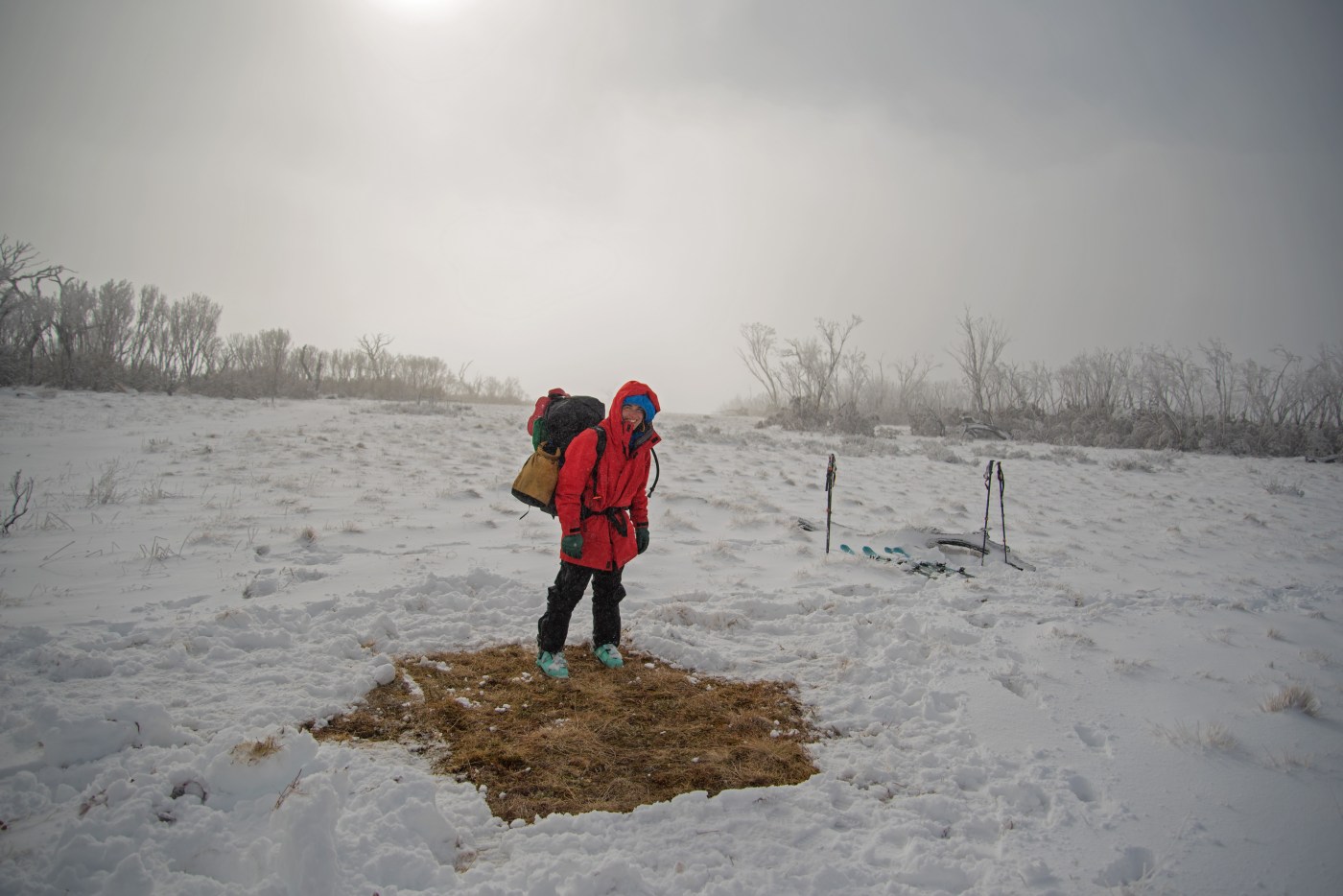
The Hills Sisters Ski the AAWT

The Australian Alps Walking Track (AAWT) is the premier long distance walking track through the Australian mountains. It starts in Walhalla in Victoria, crosses the Victorian Alps and the Snowy Mountains and goes almost to the outskirts of Canberra. It is 650 to 704km in length, with an epic 28,000 metres of elevation gain during the length of the walk.

Marita Hills recounts her winter journey along the AAWT with her sister Angela.

Continue reading “The Hills Sisters Ski the AAWT”

Walker registration in remote TAS World Heritage Areas – how is the system going?

There has long been a permitting system for people wishing to walk the Overland Track in lutruwita/ Tasmania. Since 2021, there has also been a registration system for the Western and Eastern Arthurs and Mt Anne area, Lake Rhona and the Walls of Jerusalem. Many of these areas experienced visits from a record numbers of walkers during the 2022-23 season.

How is the system going? The general feedback from walkers visiting these areas is that the system is needed to manage environmental impact and crowding, but that the system itself needs to be reviewed and improved.

Continue reading “Walker registration in remote TAS World Heritage Areas – how is the system going?”

Alpine time in Tasmania

What’s not to love about lutruwita/ Tasmania? Mild climate, wild landscapes, endless mountains, remarkable forests, wonderful rivers. If you love the higher alpine country, and rocky peaks, there is so much to do, and so many places to visit.

But compared with the high country of NSW and Victoria, you generally need to do some work to get into the alpine zones. There are few easy 2WD roads to get up high, like the tourist road up kunanyi/ Mt Wellington, the road over the Central Plateau past yingina/ the Great Lake, the Ben Lomond plateau, the road to Lake Mackenzie and so on.

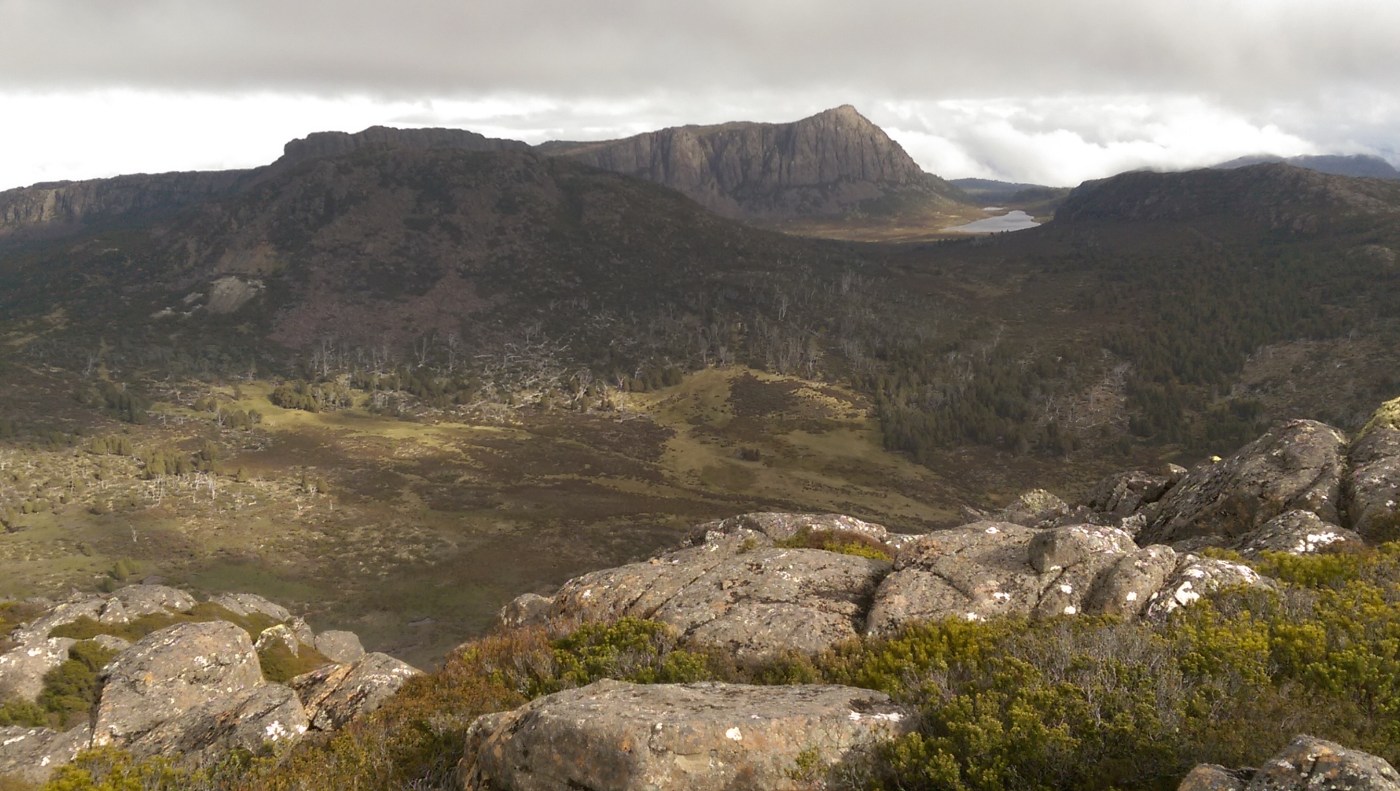
But in most places you do need to walk and climb to get to treeline and above. That’s one of the things that makes these places so special. I recently had the chance to get back to Mt Rufus, a peak in the south of the Cradle Mountain Lake St Clair national park, which has an elegant long alpine ridge that leads to incredible views of the west, south west and central mountains.

Continue reading “Alpine time in Tasmania”

A long, slow wander along the Australian Alps Walking Track

Many mountain people will know Josh Kynaston for the music he plays with his partner Evie as the duo Life Dreamers. They are regulars at many venues across the valley towns and mountains of north eastern Victoria. Joshua loves music. And walking in the hills. He has a plan to combine the two passions – doing a slow traverse of the Australian Alps Walking Track (AAWR) in late 2022, starting at the southern end. And writing new songs and maybe an album as he goes.

Continue reading “A long, slow wander along the Australian Alps Walking Track”

Blog at WordPress.com.

Up ↑