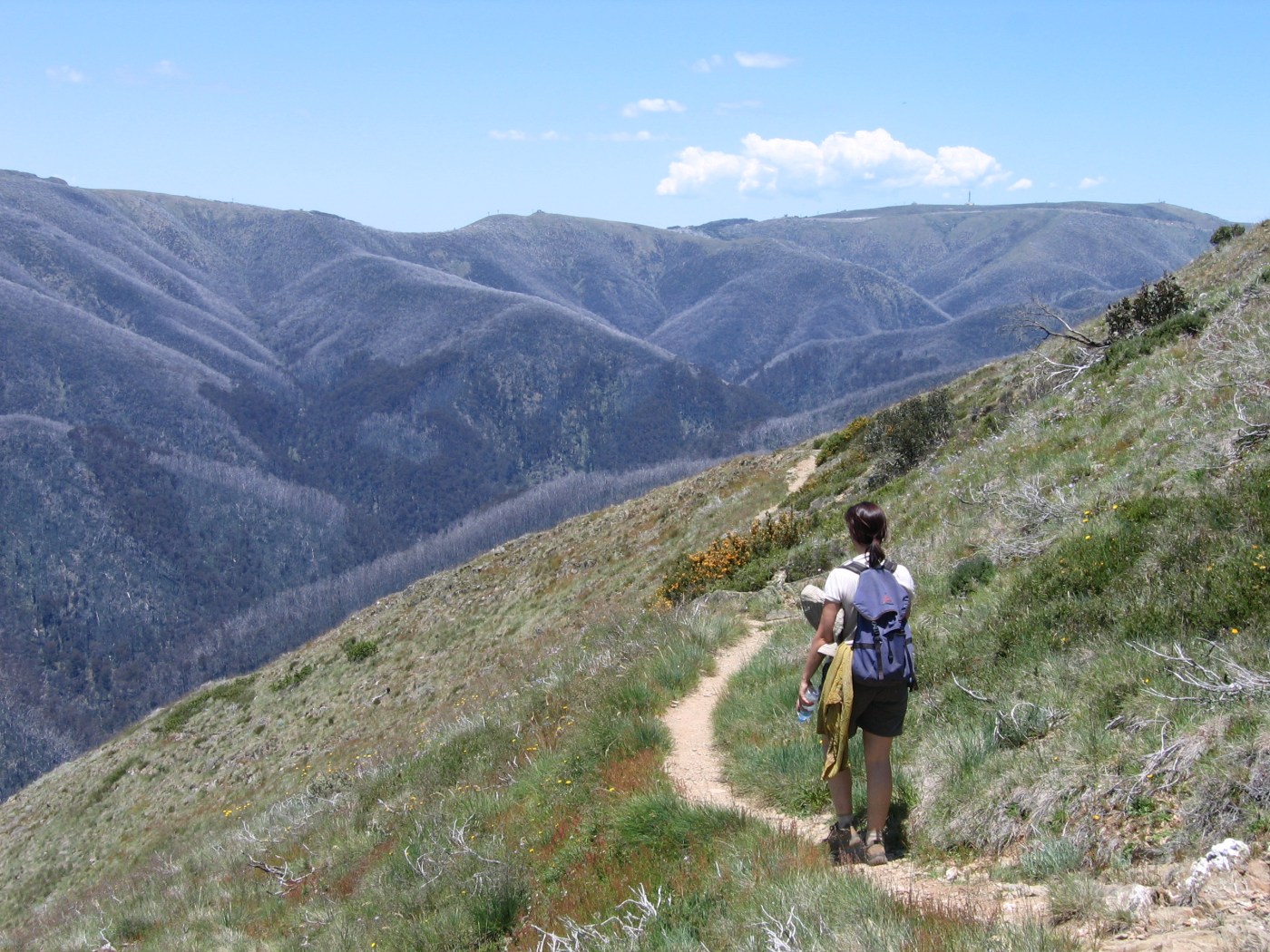
For anyone who spends time out in nature walking, skiing, climbing, riding, or paddling, it’s always interesting to see who else is out there (separate story coming on this soon). But another aspect of this is how many people are out there. The following excerts come from a longer article on the High Country News (HCN) website by Christopher Ketcham. HCN is based in Colorado.
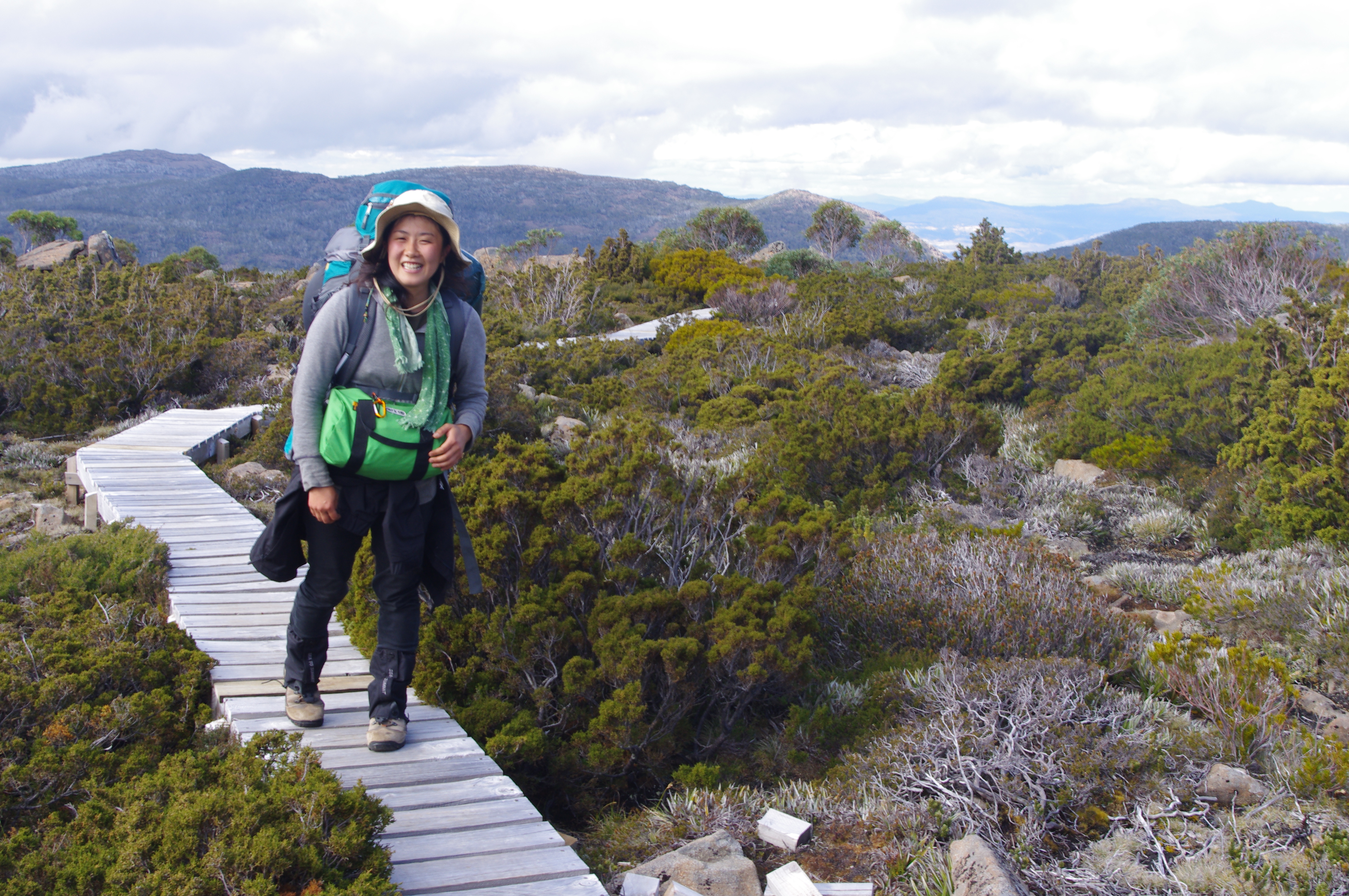
The premise of the story is that fewer younger people are taking up multi day walking. Various reasons are put forward, including the fact that as a (potentially) low consumption activity there is less reason for the outdoor industry to promote it compared with more gear dependent activities like skiing.
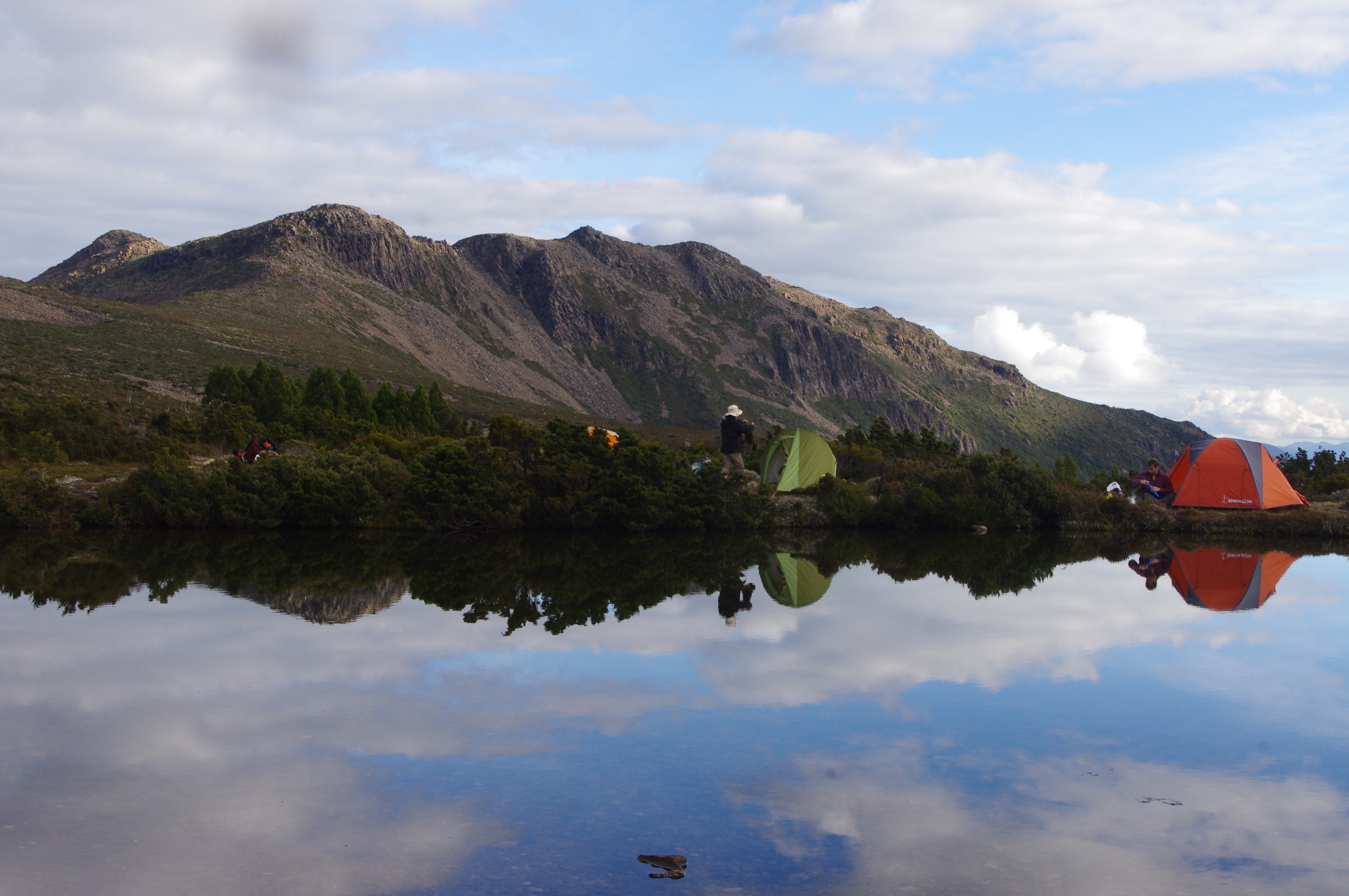 Another one is the fact that backcountry ‘culture’ is less significant now and seen as being old fashioned. Christopher quotes a 62 year old backcountry guide who says “the Boomers of the 1960s and 1970s “led the exodus into the backcountry” and that having the knowledge and experience of being outdoors in wild places was something that was more appreciated for people of that generation.
Additionally, it is suggested that the increased focus on, and obsession with, technology and new gear that many people have nowdays may be working against attracting young people to walking/ hiking.
Personally, I feel like I see a good mix of people out on the trails, and am often impressed by how many families are out on overnight hikes. But I’d be interested in your thoughts as well.
Excerts from the story:
Even in Moab, Utah – the so-called “Adventure Capital of the World” – where I used to live and to which I return every year for a month or so to reconnoiter the sun-smashed redrock desert, I find that almost no one I know who is 40 or younger goes backpacking.
Chris Doyle, executive director of the Adventure Travel Trade Association, describes “a well-known trend” in outdoor gear sales, wherein day packs take an increasing share of the pack market while technical overnight packs are a declining percentage of total sales. “The same is true for heavy, extended-trip boots versus light boots,” says Doyle. “This is all part of a trend towards ‘Done in a day’ that reflects consumers’ continued interest in outdoor adventures, but they prefer to be in their own bed or another comfortable spot (hotel or lodge) at night.”
Aging backpackers like Egan of course mourn the consequences of the death or decline of what they like to do. But the issue is more serious than that. I believe that our 21st century civilization will miss the radical encounter with the non-human: the visceral experience of days in wilderness alone, in vast and complex natural systems not controlled by humans, not arranged entirely for human convenience, not plagued by human noise. This matters more than ever at a time when our natural systems, on a planetary scale, appear to be in full rebellion against human convenience.
In the sum up, Christopher cites the intrinsic value of being outdoors in nature. It made me think of the work of Richard Louv who wrote Last Child in the Woods and naturalist and writer David Gilligan.
The best action we can take to keep our kind of outdoor rec alive: Go backpacking. Demonstrate it and celebrate it, “not as a mere sport or plaything excursion,” as John Muir advised, “but to find the law that governs the relations subsisting between humans and nature.” Or as Abbey wrote: “We are committed, my legs and I; there is no turning back. I shoulder the pack, resume the trek, the step-by-step progress into … an infinite regress. … I am the tortoise.”




 Mountain Journal
Leave a comment