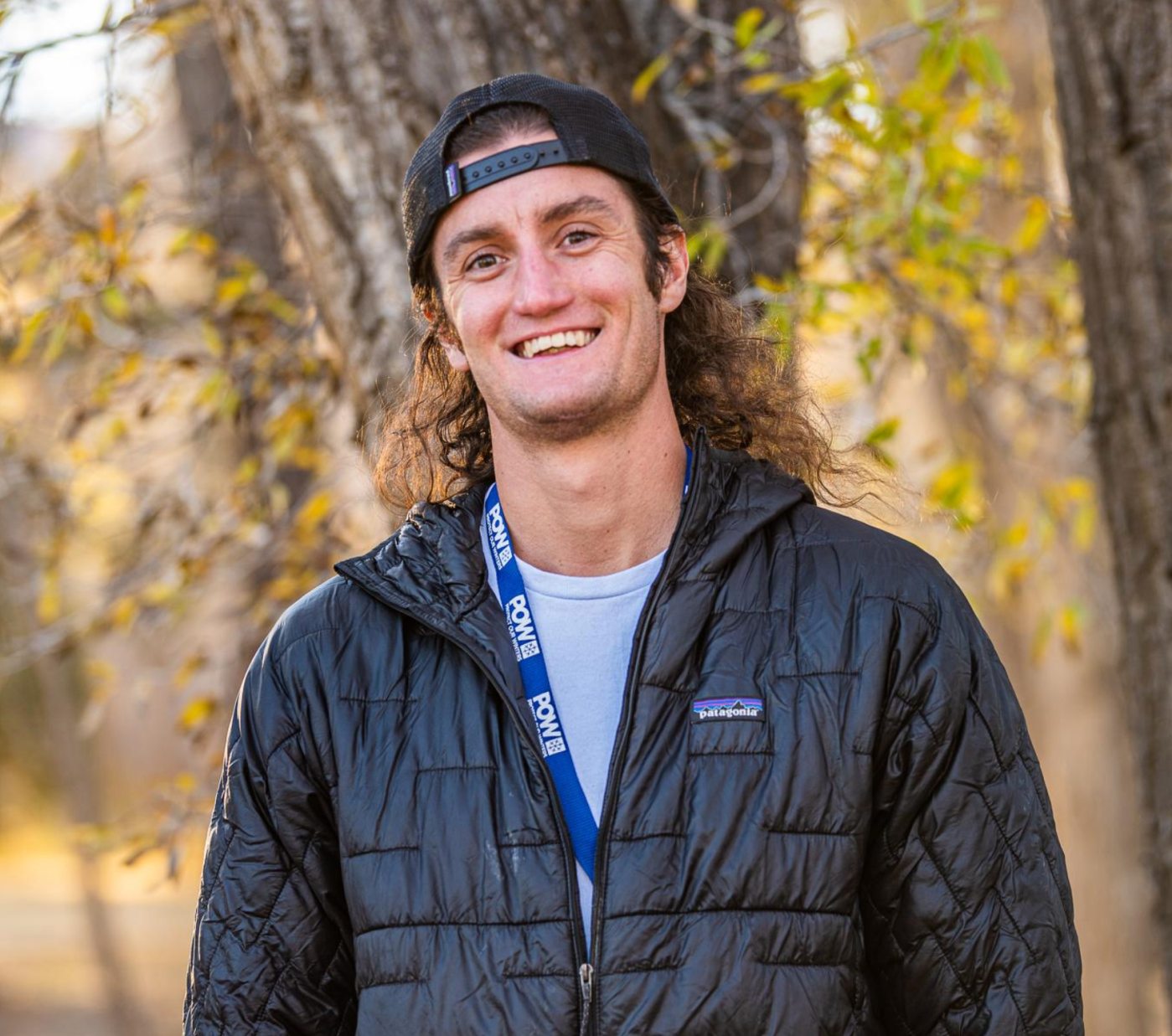
Connor Ryan is a Hunkpapa Lakota skier based in Colorado. Prominent for his work with Natives Outdoors and his film Spirit of the Peaks (and more recently his series called the New Radical), he is a strong native voice in what is still largely a community dominated by Anglo people.
Recently while speaking at a conference organised by the Winter Wildlands Alliance he was asked for his thoughts about how environmental advocates can become better story tellers.
His response really resonated with me.
‘I have experienced the dichotomy of living in two cultures (native and mainstream)
One problem (for the mainstream ski community) is that we lack a culture beyond consumerism, for the most part, (which is) not because of the fault of the hearts involved in that culture. We are all reaching for the best thing that we have
But the thing about culture is that it is an intergenerational gift
Our Lakota creation story comes with obligations
And we share that story
It exists as a fact in our mind – that We come from this place
But maybe more important is that it brings all of the rules and conditions that come with having a common narrative and what we collectively aspire to.
Someone recently said to me:
We have enough stoke in the backcountry
Stoke is not what we have a shortage of
So how do I get these people who are so stoked to give a shit? (about the mountains)
‘For me, coming from one cultural context that I have experienced I know that we are focused within Lakota culture on ensuring that we care enough so that the 7 generations after us can live
There is a great cultural responsibility that is tied into your life at all times. In every decision you make, you should ask whether this a decision that perpetuates life, or not?
That is the basis of our decision making culturally
It really changes the framework through which you see the world
I think that so many of us can feel our desire for that through being in these places (mountains)
You go out and you feel it and I know … that we (the dominant culture) doesn’t have the language for explaining it – we don’t have the ceremony for it, we don’t have the context to make that real to ourselves
I think that story telling is the bridge between the cultures – that way for us to say: ok lets put the emphasis on something that we are all feeling out here when we are in the mountains
But we have lacked the ability, or not celebrated our ability, to talk about these things for a long time now
I think that when we look at look at this question: What is our most popular media in skiing? Its been this story:
Fire up the helicopter, turn on the Metallica, get straight to the top of the line
Lets demolish this place, lets shred as hard as we can, crack some beers afterwards
We’re shooting shotguns into a bonfire …
(This is all shit that is in real ski movies)
But how many of us actually feel that way about our ski day?
So why are you paying to go see that movie?
Its this thing of understanding the tools and mechanisms that are around us. We can support new media and empower people to write new stories and celebrate different things.
And we are all consumers within this industry. So, if you like what happens in The 50 Project or The Spirit of the Peaks way better than that other stuff, then lets be really intentional about the stories we chose to perpetuate within in our sport
Its about what we decide to celebrate
If you are someone who’s approach is ‘If all I do is ski in my own backyard, my own zone, my hill, this is enough for me forever’, then OK, I feel that way so often
I don’t need the whole world, and so if that’s the story that you want to see: about a guy who is really connected to the place where he lives and his backyard that he loves the most, then lets advocate for those sort of stories over the this one – which is dominant:
I’ve got to fly this helicopter across the world
To the spiniest spine in all of Alaska
Even though I have no cultural context or environmental context or reason to be here
And then at the end I’m going to slap a POW sticker on it and we’re going to hope its good enough
No. Lets demand more collectively – lets hold people to the standard that we want to hold ourselves, especially in the space of story telling
Because it’s our common narrative that’s going to determine where we go in the future
That’s always how cultures have always operated
As a culture that is so consumerist, its easy for us to get removed from the fact that we have the compass and steering wheel – its up to us to determine where we want to go.
(Taken from the WWA Trail Break podcast, slightly edited for brevity. This podcast was recorded at the WWA Grassroots Advocacy Conference. This section starts at about 1.11 hour into the podcast).
You can read about Connor’s work with POW here.
HEADER IMAGE: Protect our Winters.





 Mountain Journal
Leave a comment