Search

Mountain Journal

Environment, news, culture from the Australian Alps

Author

Cam Walker

I work with Friends of the Earth, and live in Castlemaine in Central Victoria, Australia. Activist, mountain enthusiast, telemark skier, volunteer firefighter.

Mountain Cattlemens disendorsement a good thing for MP?

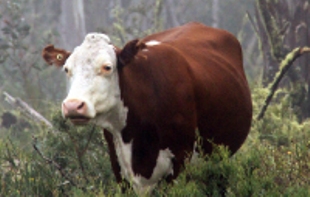
Image: National Trust

The Australian Electoral Commission has just declared the outcome for the Federal Seat of McEwen, in central eastern Victoria.

During the election campaign, the Mountain Cattlemen’s Association came out against the sitting Member, Rob Mitchell, because he opposed cattle grazing in the Alps.

In response, Mr Mitchell said:

“The Mountain Cattlemens Association of Victoria is a small group of people who have historically enjoyed something that few Australians have – free access to public assets to help build their wealth.”

“While we respect and admire their history and their traditions, it’s no longer possible to allow such a small group – mostly wealthy beef producers – to continue grazing cattle in areas that belong to the public, current and future generations.”

Mr Mitchell said there were many “intelligent, rational” reasons to keep cattle out of sensitive alpine ecosystems and noted NSW had decided to stop mountain cattle grazing in the late 1960s.

The Victorian Coalition is in thrall to the mountain cattlemen (as shown recently by them creating an advisory group on the Alpine Park stacked with grazing and pro-grazing interests). The state government was widely criticised for putting its political allegiance with the cattlemen ahead of good policy development in crafting its ‘fuel reduction’ grazing program, which was subsequently stopped after intervention by the federal government . As was reported in The Age, the government pushed ahead with its controversial grazing trial despite being told by Parks Victoria that no “scientific, social or economic evidence existed to support it”.

It would be worth the state government taking note of the fact that in spite of a nation wide swing against the ALP in the election, pro-grazing views within the electorate were not able to affect Mr Mitchell.


In an interesting side note, Victorian Liberal MP Donna Petrovich had resigned from state Parliament to stand against Rob Mitchell in the September election. She holds a regressive position on a range of climate related issues, including supporting continued use of coal and opposing wind energy.

On wind

In Hansard, Ms Petrovich raises various issues about what she sees as the ‘problems’ with wind energy: issues of reliability of wind, health risks, visual impacts.

Ms Petrovich is concerned that the previous government did not consult with the community over wind farm policy (yet she consistently refused to say who the Coalition consulted with in framing their policy).

She says that the No Go zones that block wind energy from much of the state were ‘carefully’ selected where communities ‘on the whole have told us that they are not appreciative of wind farms’. In the same speech she only mentioned anti-wind groups as being the groups she had worked with in forming her opinion rather than the broader community.

She endorses the Coalition’s anti wind policy VC82: ‘The position the government has come to is one that I am proud of.’ (Hansard, 12/10/11).

On coal she says:

The Coalition looks towards the effectiveness and abundance of brown coal as a means to provide a reliable source of energy for Victorians”. (Hansard October 11, 2011).

 

Is alpine grazing back on the agenda?

Shortly after the election of the Coalition to power, the Mountain Cattleman’s Association of Victoria (September 17, 2013) issued a call for the new Federal government to overturn the current ban on grazing in the Alpine Park in Victoria.

Cattle-dont-belong-in-national-parks-their-National-ParksIn response, a spokesperson for Gippsland MHR Darren Chester said the federal government would “look at the issue should the state government put it forward”.

“Darren is still fully supportive (of cattle grazing) and we would be happy to take it to the party room if and when it happens.”

Such an action would be consistent with Mr Abbott’s intention to get rid of ‘green tape’ (ie, environmental protections), thereby removing the federal government from involvement in most key environmental decision making processes. It was only intervention by the previous Minister for the Environment, Tony Burke, that saw the removal of the cattle after they were introduced by the Victorian government.

If this troubles you, please contact the new Minister for the Environment, Greg Hunt, making it clear you would not support such a move.

E: greg.hunt.mp@aph.gov.au

Website: www.greghunt.com.au

Twitter: https://twitter.com/greghuntmp

Possible tweet:

Congratulations to new Enviro Minister @GregHuntMP Darren Chester says Gov will look at ending grazing ban. No cattle in the Alpine Park.

Facebook: https://www.facebook.com/greg.hunt.mp

Backcountry film festival, Falls Creek

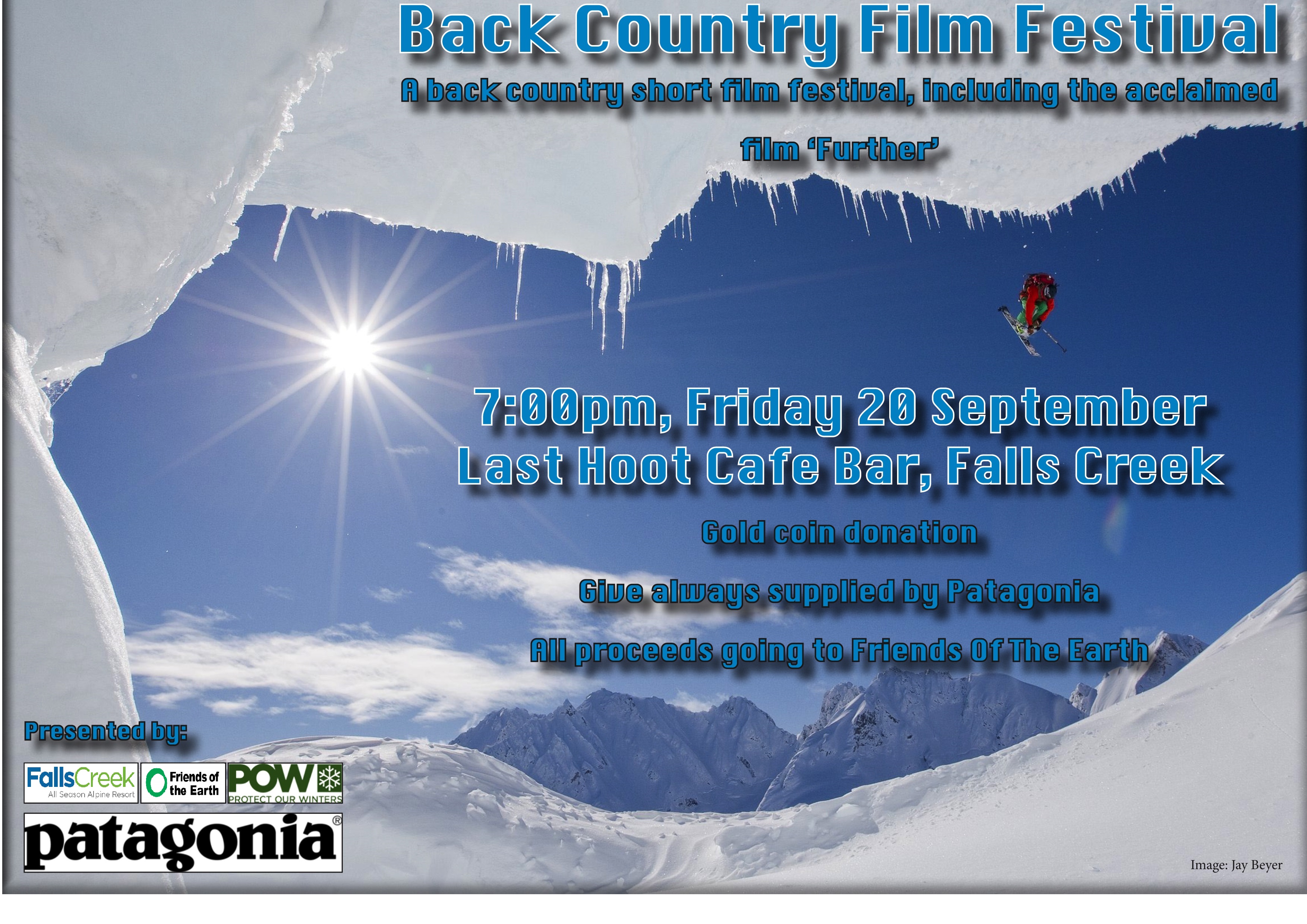
Back Country at FallsThere is one last showing for 2013 – at Falls Creek, on friday September 20 at 7pm.

Many thanks to Brett Lemin for organising the evening, and to Falls Creek resort management for support, the Last Hoot cafe bar for hosting, and Patagonia for the give-aways.

Check here for details on the films shown in this years festival.

Splitfest at Mt Hotham

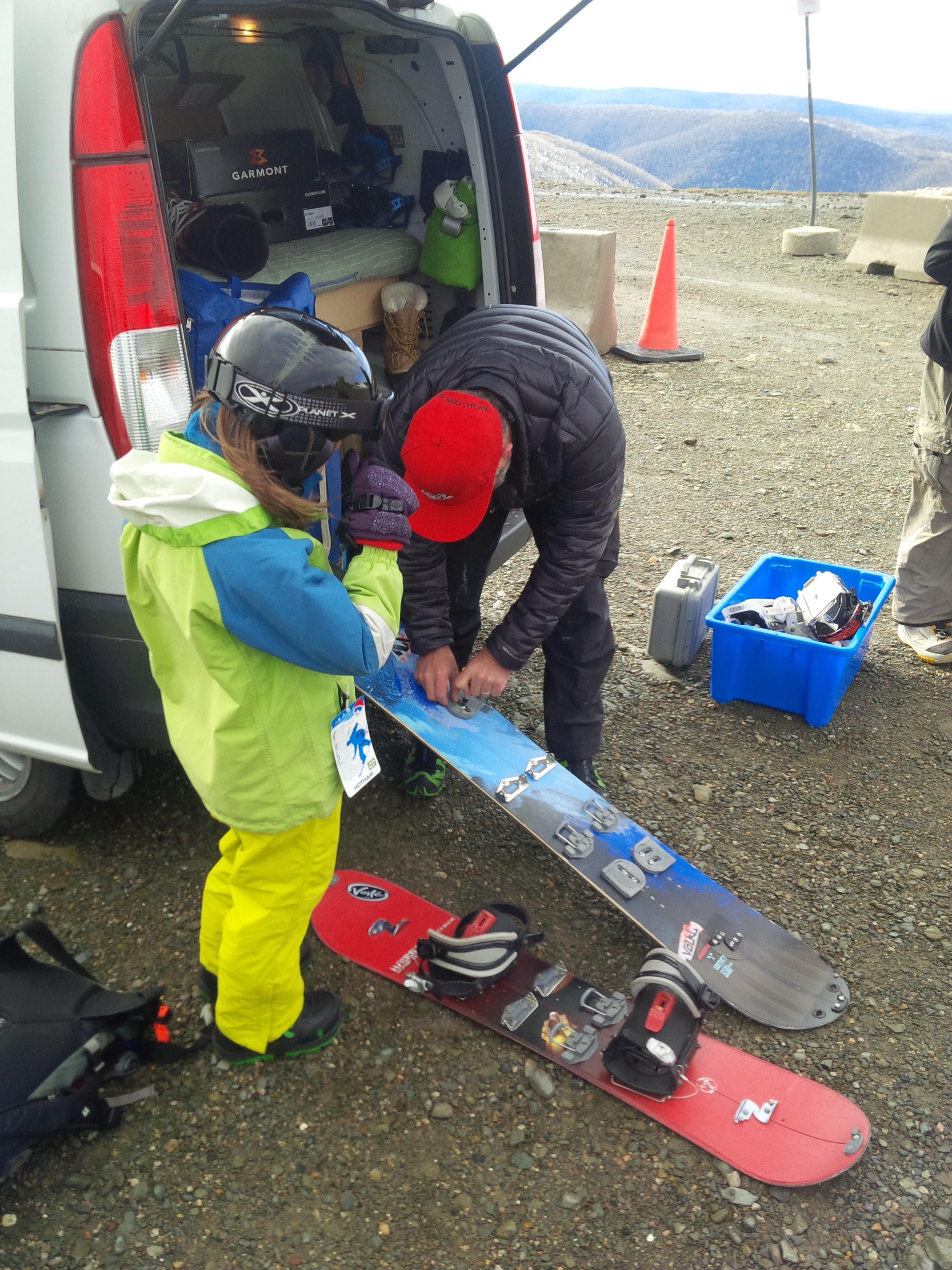
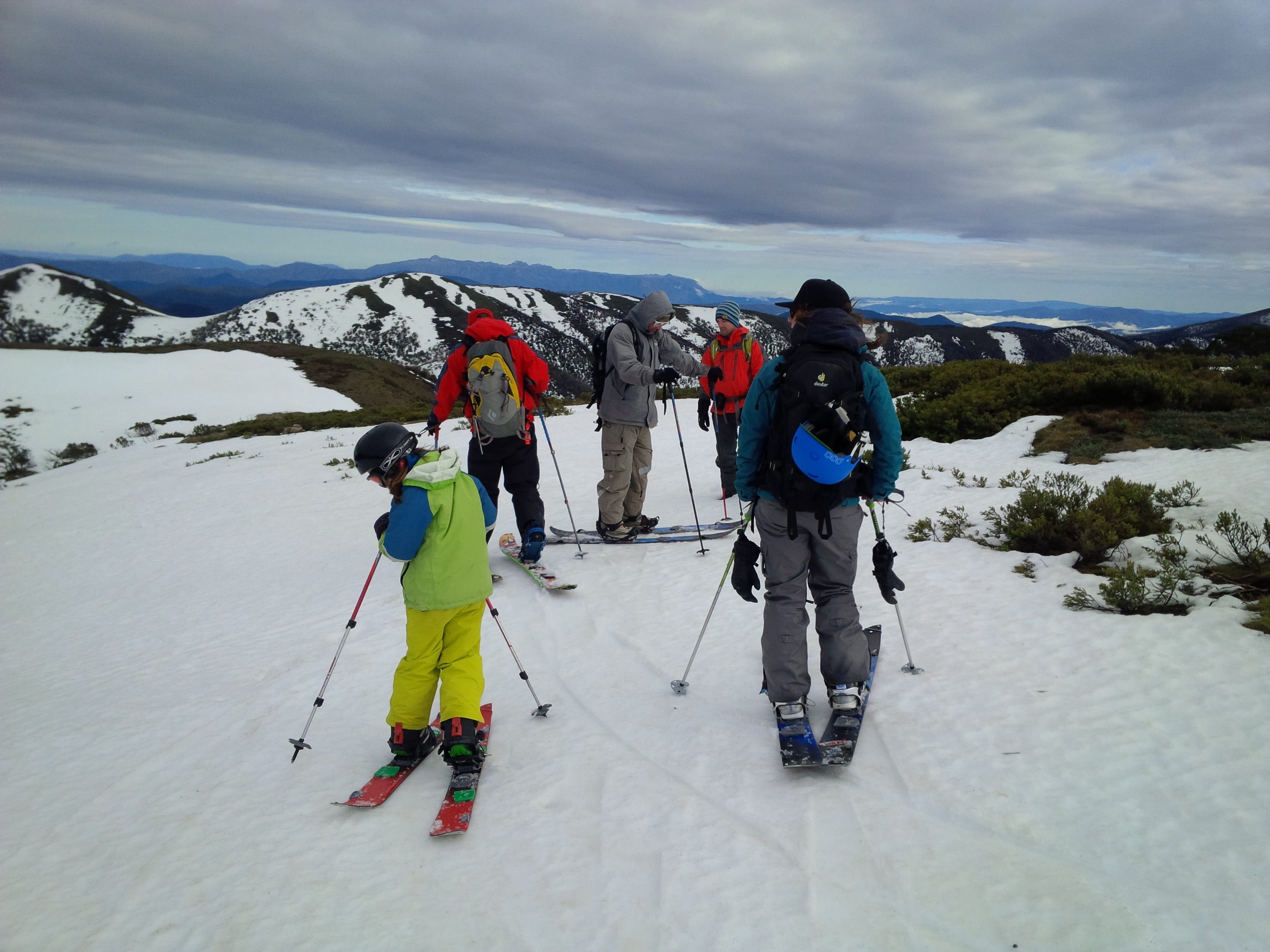
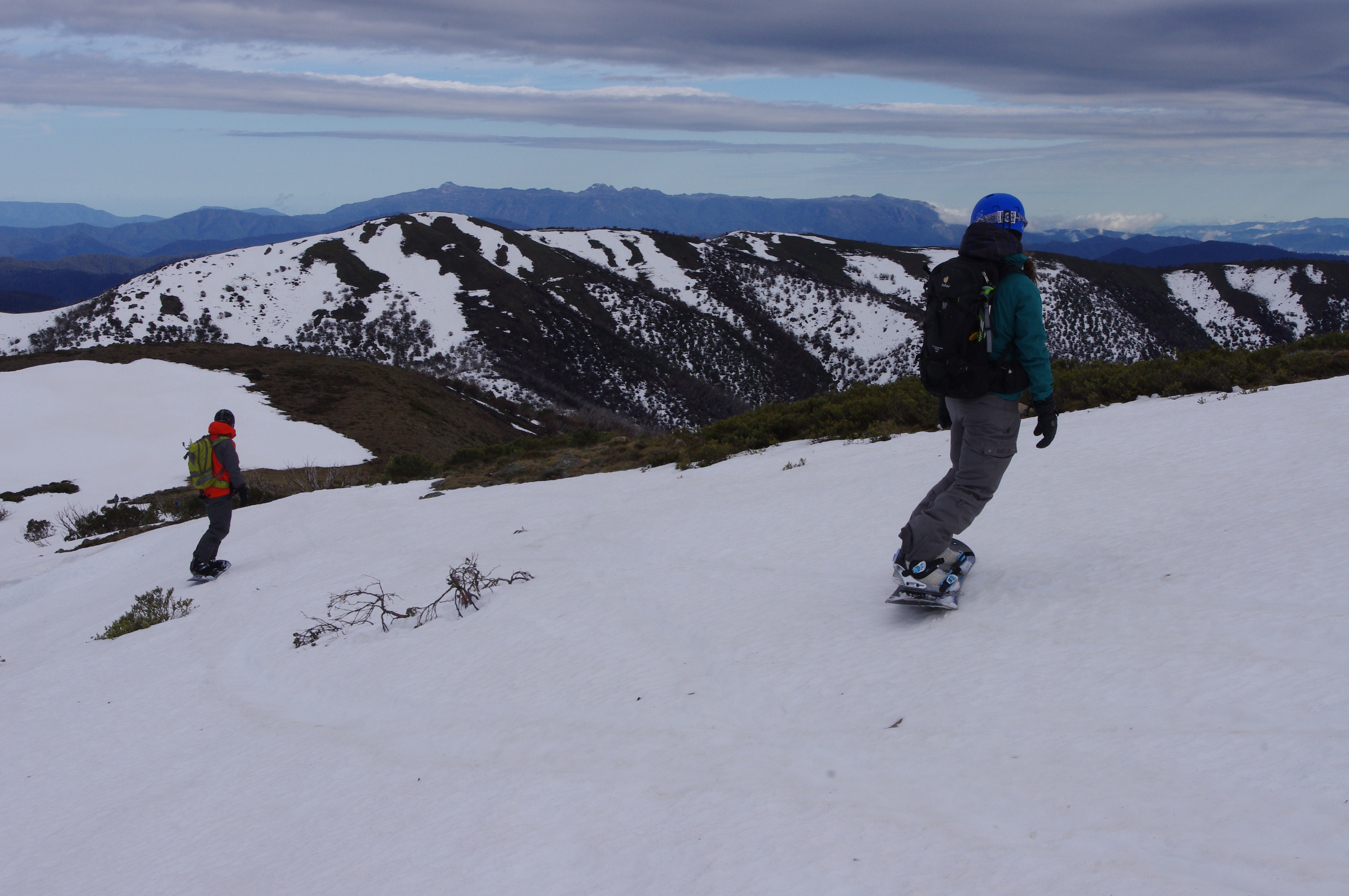
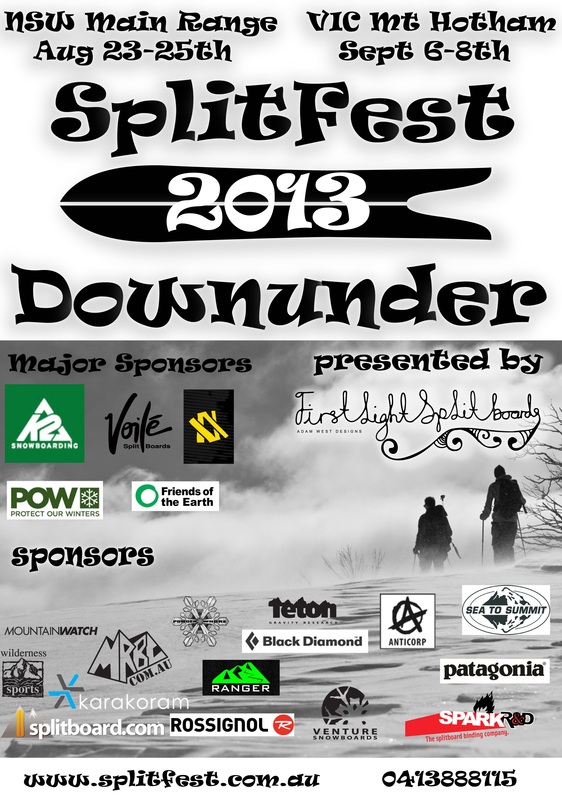
First Light Boards brought the splitboard festival to Victoria for the first time, with an event at Mt Hotham last weekend.

Things kicked off with a showing of the Backcountry film festival at The General on friday night.

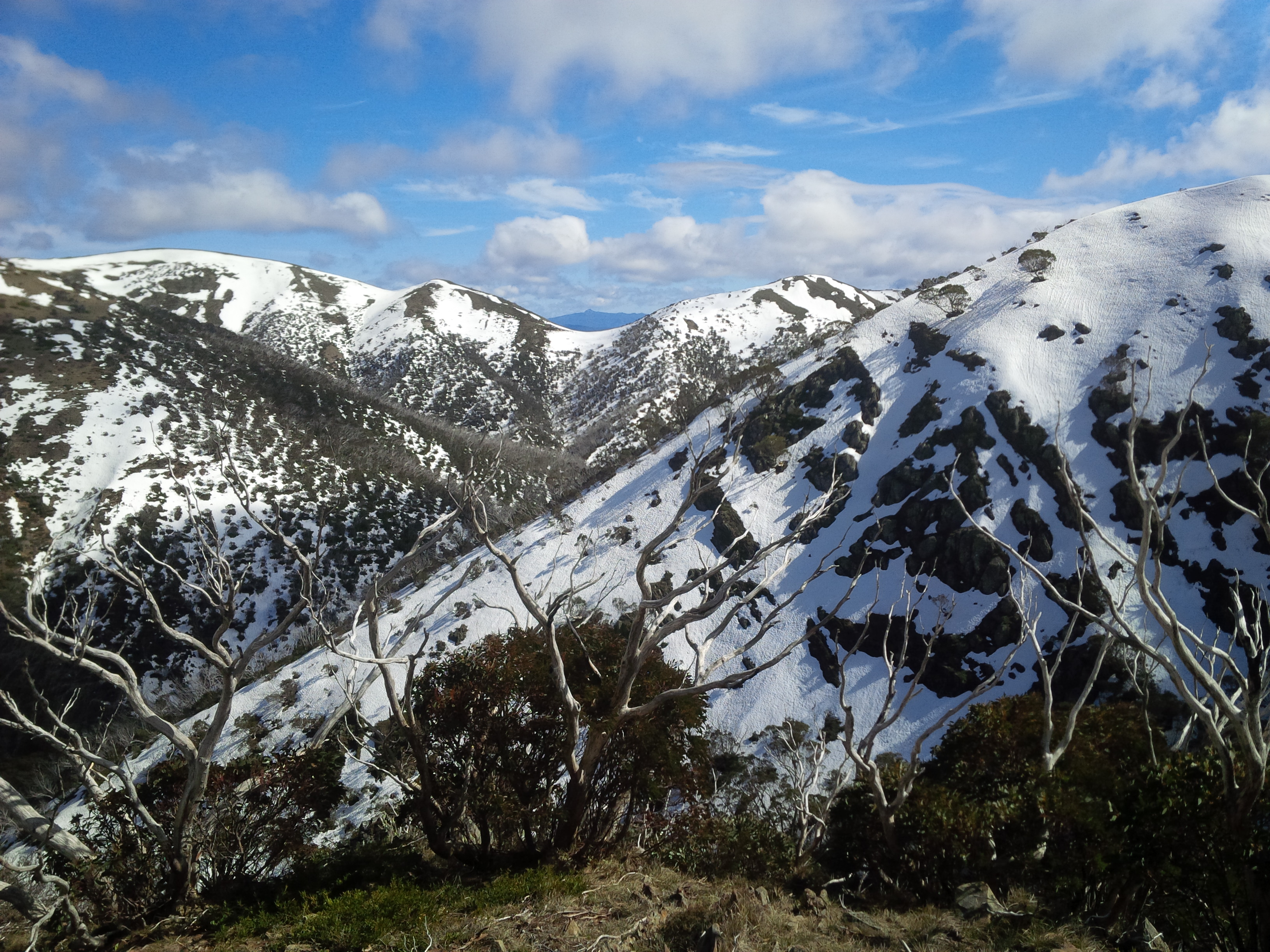
On saturday morning a small but enthusiastic group meet at Mt Loch carpark before heading out to do some runs at Eagle Ridge, then had a long walk out to Mt Loch and Machinery Spur to check the runs.

To go on the mailing list for next year’s festivities, please check here.

IMG_00000903IMG_00000908IMG_00000920IMGP5874

a proposal for the ‘Great Forest’ national park

Victoria’s Great Forest Experience – Melbourne’s New Playground

Baw Baw plateau
Baw Baw plateau

Just 60 kilometre’s East of Melbourne there grows some of the tallest tree’s on earth. In their high canopy a plethora of gliders, owls and the tiny Leadbeater’s Possum dwells. These forests have flourished along the great divide under rich rainfall patterns and provide most of Melbourne’s drinking water.  The forests been scientifically shown to be the most carbon rich forests on earth due to their cooler climate and epic growth heights.

The new Great Forest National Park is a proposal to create a two tiered park system for bush users and bush lovers alike that protects and maintains this important ecosystem function. The park stretches from the Kinglake National Park right through to the Baw Baw’s and to the North East up to Eildon. The park will host a range of activities such as bike riding, bushwalking, bird walking, 4wd driving, camping, zip line tours and more.

This proposal comes from Healesville Environment Watch, My Environment and Friends of Leadbeatters Possum.

Further details here.

Back country film festival & Splitboard festival, Mt Hotham

8238024_origThe back country film festival has another showing, planned as part of the 2nd Splitboard festival.

September 6 – 8.

After hosting the inaugural event in the Snowy Mountains in 2012, FirstLight Snowboards are bringing the splitboard festival to Victoria over the weekend of September 6 til 8.

Over the weekend there will be demo boards and rental gear available to those who need it. Jump on board and meet some new touring partners, the more the merrier!

This is a free event, there are no guides so you must be able to make your own terrain decisions.

FirstLight ask that people register for the festival. Details here.

In addition to the on-snow activity, the film festival will be showing on friday September 6. At The General Hotel, Mt Hotham, starting at 6. This night will have raffles and give aways, an intro to what is happening with the split board festival, and lots of fun.

Further details here.


benefit at Dinner Plain

On saturday August 24 there is a fund raiser event to raise cash for the further development of the mountain bike and walking trails around Dinner Plain.

Please see the poster for full details.DP benefit


new resorts sustainability initiative in the US

I know I should probably stop bagging out our local ski resorts for being useless on climate change, but there are so many inspiring examples from overseas that show what is possible with a little bit of vision.

The following is an announcement about a new collaboration between an alliance of US-based mountain resorts, and Protect Our Winters.

The announcement is vague on the details of exactly what the alliance will do, and highlights ‘cross promotion’ opportunities, but at least it seems intent on putting climate change on the agenda for each of the resorts, and mentions advocacy as one of the activities that will be undertaken.

Aspen-Snowmass-1The Mountain Collective, an alliance of independent mountain resorts, and Protect Our Winters (POW) are proud to announce a new and innovative partnership with the mission of uniting the winter sports community on the important issue of climate change. Both groups have worked independently to promote this environmental cause, and this collaboration will make an even bigger impact.

Protect Our Winters is the environmental center point of the winter sports community’s fight against climate change.  The Mountain Collective is comprised of six iconic destinations representing the core of the skiing and snowboarding world including Alta, Aspen/Snowmass, Jackson Hole, Mammoth Mountain, Snowbird, Squaw Valley/Alpine Meadows, and Whistler Blackcomb. Together, POW and these high profile resorts can impact the entire community and industry with incredible effectiveness.

“Through this groundbreaking partnership, The Mountain Collective has re-defined what a pass should be.  It not only represents access to six world-class destinations, but the foresight to realize that climate change is a threat to our sport and with that access, comes a responsibility to protect it for the long term,” said POW’s Executive Director Chris Steinkamp.

“Partnering with a leading organization like POW serves to reinforce The Mountain Collective as the most forward-thinking alliance of its kind,” said Christian Knapp, vice president marketing, Aspen Skiing Company. “Together we can leverage the power of our brands to promote meaningful climate advocacy that resonates with mountain resorts and snow sports enthusiasts alike.”

The partnership will include ongoing advocacy and cross-marketing initiatives, education and community outreach to raise awareness and promote environmental sustainability.  Additionally, POW members who purchase a Mountain Collective Pass will receive a year’s subscription to Powder magazine, and anyone who purchases a new Mountain Collective Pass will be offered a free one-year membership to POW.

The Impact of Climate Change on Winter Sports

The last decade was the warmest on record [NOAA, 2010]. Fewer ski days would not only reduce enjoyment for skiers, boarders and other winter sports enthusiasts, but also cause significant economic impact to an industry that supports 965,000 people and contributes $66 billion to the U.S. economy alone [OIA 2006, 2012]. Without action to reduce emissions, scientists predict that by 2039 the Northeast ski season will last less than 100 days and the probability of being open by Christmas will decline below 75% [Scott et al. (2008)].

less snow – less skiers

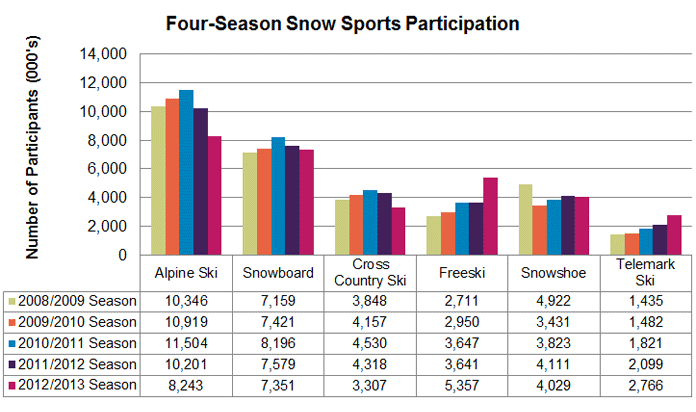
chart_072913The following figures from Snowsports Industries America are some analysis of the most recent Northern hemisphere winter. The short message is that overall visitation to resorts is down slightly against recent years.

The report notes that “snowfall got a late start this season, really getting underway after the Christmas holiday. The lack of early season snow affected all snow sports except freeski and telemark.” With climate change predicted to increasingly impact on snow quantity, we keep getting glimpses of possible futures under global warming scenarios – of later and more erratic winters.

Here in Australia, we have had a very erratic winter so far, with good snowfalls being followed by heavy rainfall and warm conditions. In the VIC alps we lost almost the entire snowbase in mid July after solid falls early in the month. Just a few degrees in temperature can make all the difference to whether precipitation comes as rain or snow. And as the report Caring for our Australian Alps Catchments found, the Alps face an average temperature rise of between 0.6 and 2.9 degrees by 2050, depending on how much action the international community takes to combat climate change.

There are a range of reasons why people might ski or board, or do something else, and lift prices and overall costs of being in a resort is a big one. But poor snow conditions is another obvious one. Just ask anyone who manages accommodation in the Alps and they will tell you that snow falls correlate with booking trends. With less reliable snow, people are likely to do something else, or go overseas if they can afford to do so. Climate change impacts are a factor we ignore at our peril.

In the US there is a strong movement within the snowsports community which is working to encourage people and governments to act on climate change. Protect our Winters is the best known of these. You do have to wonder why the community here has been so slow to respond, and why we have so few prominent people speaking out? The one industry initiative Keep Winter Cool has dwindled off in recent years as resorts focus their attention on rebranding themselves as year round destinations. In climate change terms, this is called ‘adaptation’. But without ‘mitigation’ – action to reduce emissions, we seem doomed to the type of futures forecast in reports like Caring for our Australian Alps Catchments.

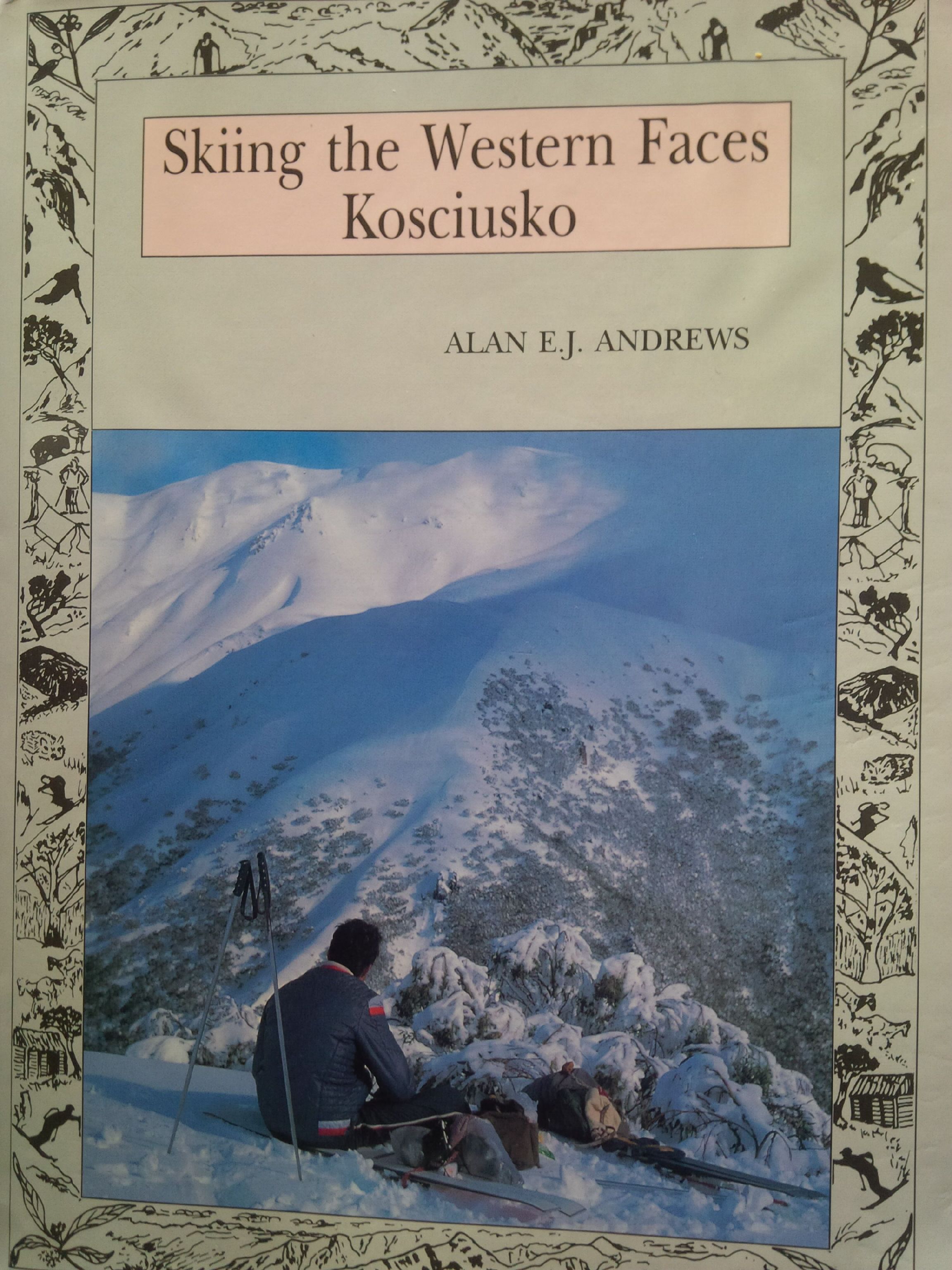
Skiing the Western Faces Kosciusko

mapAnyone with an interest in skiing or boarding steeper lines on the Main Range of the Snowy Mountains will love this book. I can’t believe that it took 20 years from its publication before I heard of this wonderful book.

I was skiing with my friend Peter this winter and as we talked of the backcountry trips we had done and wanted to do, the western slopes of the Snowies came up. He mentioned Alan Andrews ‘classic’ Skiing the Western Faces Kosciusko, describing it as the Bible of skiing in the area, and providing the ‘tick list’ for anyone interested in  the many lines that come off the western side of the highest peaks of the Main Range.

Two weeks later I was the proud owner of a copy, a publication of Canberra based Tabletop Press, which has an impressive collection of mountain themed books in its stable.

As Alan describes in the introduction, the book is not so much a guide to skiing the western slopes as ‘a companion volume that might instil in you or remind you of its joys’.

Check here for a review and details on buying the book.

Mountain Journal on Facebook

day 3 cairnIts winter, which means I am distracted by all things snow. I am also aware of a huge number of things that are happening around and in the mountains and just don’t have the time to post on them all.

So, finally, there is a mountain journal facebook page.

The plan is to use it mainly for alerts about other people’s events or items. Please feel free to post and ‘like’ on the page.

You can find it here.

Pro-cattle grazing members dominate alpine committee

Now here’s a surprise, the state government has stacked the new Alpine Advisory Committee dominated with pro-cattle-grazing members. 

Published by the Victorian National Parks Association, August 2013

Image: VNPA
Image: VNPA

Victoria’s environment minister Ryan Smith has appointed a new Alpine Advisory Committee dominated by pro-cattle-grazing members, including MLC for Eastern Victoria and vocal cattlemen supporter Phil Davis MP.

The committee’s task is to review the long-running Alpine National Park draft management plan, which has yet to be released for public comment.

Some commentators see this as the first step towards a bid to try once again to reintroduce cattle grazing to the park, particularly if there is a change of government federally.

A representative of the Prospectors and Miners Association is also included.

The environment minister seems to have mistakenly signed off on the Mountain Cattlemen’s Association Christmas card list, instead of appointing an independent advisory committee.

No nature conservation groups are represented.

Who is on the commitee?

Chair: Ewan Waller.
Members: Philip Davis, David Packham, Peter Attiwill, Russell Mullett, Ronald Moon, Walter Wright, Mervyn McGuire, Geoffrey Burrowes, Stephen Dingwall, Andrew Dwyer, Christopher Commins, Christa Treasure, Trudy Anderson and Peter Roper.


The following information comes from the Weekly Times and highlights the heavy weighting towards grazing and other extractive interests.

The committee is being chaired by former Department of Sustainability fire chief Ewan Waller who revealed its scope allows them to give advice on forest and crown land in the high country as well as national parks.

Members include two former Mountain Cattlemen’s Association presidents Ensay’s Chris Commins and Glenaladale’s Christa Treasure and another MCAV member Neville Wright of Bobinwarrah plus Alpine Shire Mayor and Tawonga producer Peter Roper, and Trudy Anderson of Benambra.

Also appointed were retired CSIRO scientist and former forest chief David Packham along with retired forest ecologist Peter Attiwill, both known advocates for greater planned burning.

The Man from Snowy River film producer and Mansfield farmer Geoffrey Burrowes has also been selected and the tourism industry is represented by Andrew Dwyer of Jamieson and outback adventurer Ronald Moon.

Other members are Eastern Region MLA Philip Davis, Prospectors and Miners Association representative Stephen Dingwall, recreational fishing advocate Mervyn McGuire, indigenous consultants Russell Mullett.

Blog at WordPress.com.

Up ↑