Search

Mountain Journal

Environment, news, culture from the Australian Alps

Author

Cam Walker

I work with Friends of the Earth, and live in Castlemaine in Central Victoria, Australia. Activist, mountain enthusiast, telemark skier, volunteer firefighter.

Alphutte – still alpine vandals

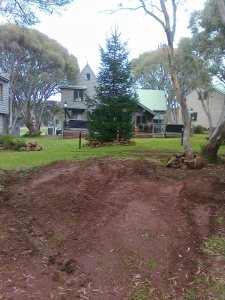
We have previously pointed out that the Alphutte pizza restaurant at Dinner Plain destroyed all the remnant indigenous groundcover on their property last autumn.

Sadly, they continue their irresponsible behaviour, planting out various exotics, including herbs and succulents, on their property, which have the potential to go wild.

Dinner Plain village is an enclave of private land within the Alpine National Park, about 10 kilometres from Mt Hotham. Despite local Council requiring people to use indigenous species in any plantings, a growing number of residents are choosing to ignore this requirement.

It’s a shame that people who are lucky enough to have access to such a beautiful mountain environment are happy to put potential environmental weeds into the local habitat.

If this concerns you, you may want to avoid Alphutte when you visit Dinner Plain. Local café Mountain Kitchen sells indigenous plants, which are also available via the Alpine Shire.

Climate Change and the Ski Industry – an Australian perspective

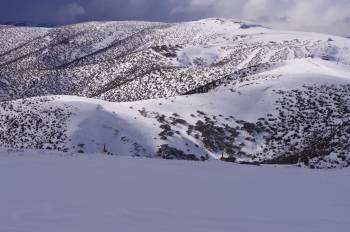
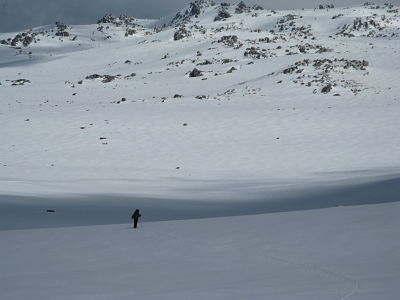
Mt Loch, VIC

This article was written by David Bain orignally published as the first of the Global Snapshot series, bi-weekly essays written by Protect Our Winters (POW) supporters, which give their local perspective of climate change.

The home of our snow industry is a unique and highly specialised sensitive alpine environment. So sensitive is much of our alpine environment that motorised vehicles of any kind are basically not allowed outside of the resort boundaries.

This environment is unique partly as a result of the old age of the mountains and lack of mountain building, being in the middle of a continental plate. Only minor glacial activity has occurred, being last present between 10,000 and 30,000 years ago. The total area of the true alpine environment (above the tree line) is small, approximately only 770 km2, which is found as a series of ‘islands’ on top of mountains within a sub-alpine ‘sea’. In the order of some 6,500 km2 of alpine and sub-alpine areas annually receives some snowfall. Our endemic alpine species have largely evolved in isolation from other continents and often on isolated mountain tops only tens of kilometres apart.

The essay is available here.

Electricity agency admits using herbicide in Kosciuszko national park

The following comes from the Sydney Morning Herald and Age newspapers, journalist is Ben Cubby. March 30, 2012
THE state electricity agency TransGrid has admitted its contractors sprayed herbicide across a swathe of wilderness in the Kosciuszko National Park, scarring the landscape and killing thousands of alpine plants.

Patches along a 17-kilometre stretch of power line, amounting to about 20 hectares, were affected by the herbicide, and the NSW Office of Environment and Heritage is investigating the electricity agency.

Contractors were undertaking ”routine vegetation management” on behalf of TransGrid along the route of the transmission line in rugged country between Khancoban and the Guthega ski fields last year, when an ad hoc decision was made to spray the area without approval.

In December, National Parks and Wildlife Service staff spotted what one described as a ”moonscape” of dead vegetation in some areas. TransGrid had not reported the herbicide use to government agencies.

It is not the first time TransGrid has been caught destroying vegetation in the area’s protected wilderness. In 2001, it was found to have mown down trees along cable routes in the Brindabella, Namadgi and Kosciuszko national parks, and was eventually fined $130,000.

This week the electricity agency said it had approval to clear some vegetation from around the power line but conceded herbicide should not have been used.

”TransGrid acknowledges … its contractor undertook vegetation management using a method which was not approved under the specifications of the [environmental impact assessment],” a spokeswoman said.

”TransGrid has investigated the incident and is working closely with the NSW National Parks and Wildlife Service and the NSW Office of Environment and Heritage to implement a specific and targeted rehabilitation plan.”

The agency said about 2 per cent of the area, which forms a corridor about 17 kilometres long and 60 metres wide, was affected. No threatened species of plant or animal was affected, it said.

The National Parks and Wildlife Service said it was contemplating further action.

”NPWS considers vegetation damage of this type to be a serious potential breach of the National Parks and Wildlife Act and regulations,” said the regional manager, Dave Darlington.

”NPWS asked TransGrid for a comprehensive report into the incident and for their remediation proposals … the report forms part of the investigation by NPWS into the Transgrid incident and that investigation is ongoing.”
backcountry film festival

2012 season

Mt Feathertop

Winter Wildlands Alliance created the Backcountry Film Festival in 2005 to help grassroots and professional filmmakers to show audiences their love of the winter outdoors.

Since then, the annual festival has been shown in more than 30 towns and cities, and raised thousands of dollars to help efforts to preserve our winter environment.

The festival highlights the fun and magic of the winter backcountry. At the same time, it raises funds to help grassroots groups to continue to protect wild areas.

The Melbourne showing is being held in early May.

Full details here.

Mountaineer Lincoln Hall dies, aged 56

The following comes from AAP.

Image: AAP

Australian mountain climber Lincoln Hall has died from mesothelioma. He was 56.

The world-renowned mountaineer, who was a member of the 1984 first Australian Everest expedition, died “peacefully” in a Sydney hospital yesterday, Simon Baulderstone, chairman of the Australian Himalayan Foundation, said.

A well-known writer and adventurer, Hall lived in the Blue Mountains and was a founding director of the Australian Himalayan Foundation.

He was best known for his miraculous survival after he became confused and collapsed near the summit of Mt Everest on May 25, 2006. A rescue attempt was made by sherpas, but they were told to leave Hall and return to camp for the night. Hall’s expedition team released a statement to his friends and families the following morning that he had died on the mountain. Incredibly, he was found alive by another team after 12 hours exposed on the mountainside.

“Sitting to our left, about two feet from a 10,000 foot drop, was a man,” UK climber Myles Osborne said. “Not dead, not sleeping, but sitting cross-legged, in the process of changing his shirt. “‘I imagine you’re surprised to see me here,’ he said.

“Now, this was a moment of total disbelief to us all. Here was a gentleman, apparently lucid, who had spent the night without oxygen at 8600m, without proper equipment and barely clothed. And alive.” The team stayed with Hall until a rescue team of 12 sherpas arrived to help him to safety.

Hall became a celebrity on his arrival back home, featuring in several documentaries and writing a book about his ordeal, Dead Lucky.

He is survived by his wife and two sons.

Mountain journal turns two

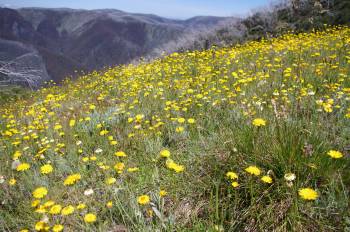
wildflowers on The Twins, VIC

Another year has zipped by in a blur. I have to say I have really enjoyed writing for the journal these past 12 months. Trying to keep regular posts going means I track lots of the media from around the Alps and this has been giving me a sense of what’s happening right across the mountains, rather than just the corners I mostly hang out in.

As we start to ease into autumn, I feel grateful that we have had another mild summer with no major fires. Last winter started strong but dwindled off to a whimper. The summer flowers have been amazing, and I feel lucky to have been out in some great country, slowly filling the gaps in my experience ‘map’ of the Alps.

The following is a reflection on what’s been popular on the site, and some of the issues that have affected the Alps over the past year.

Buffalo National Park closed by landslide

The following comes from the Border Mail, journalist SARAH DEAN. Photo: Tara Ashworth.

Students down as national park closed

Image: Tara Ashworth, Border Mail

A GROUP of school children stuck on Mount Buffalo after a landslide have been able to travel home this morning after a night spent on the peak.

Quick work by roads crews this morning saw a section of rock debris blocking Mount Buffalo Road to be blasted away allowing vehicles to descend from the peak.

The students from a Mansfield high school, some sightseers and a ranger were able to drive through a gap between boulders which fell on to the road about midday yesterday.

A VicRoads spokeswoman said the road not been closed from the bottom of the mountain and Parks Victoria had shut Mount Buffalo National Park for the weekend.

Works crews will continue to assess the best method to clear the boulders.

The students were among visitors forced to spend last night on the mountain after 300mm of rain this week triggered the landslide.

Machinery from Tallangatta was brought in late yesterday to start work on clearing the road.

Victoria seeks review of alpine grazing ban

The following comes from ABC Gippsland.

Image: The Age

The Victorian Government wants to continue the trial to see if it reduces the bushfire fuel load.

The Victorian Government has asked the Federal Court to review the decision by the Federal Environment Minister, Tony Burke, to ban alpine cattle grazing.

The State Government wants to continue with a trial of grazing in the Alpine National Park to reduce bushfire fuel load.

Earlier this month, Mr Burke stopped the trial, saying it would damage the park’s heritage values.

Victorian Environment Minister, Ryan Smith, says he wants the decision tested in the Federal Court. Victorian Environment Minister, Ryan Smith, says he wants the decision tested in the Federal Court.

The Victorian National Parks Association (VNPA) has described the challenge as a waste of time and money.

Phil Ingamels from the VNPA says the State Government still has not come up with a design for the grazing experiment.

“They’ve never answered the question why this can’t be done outside the national park, where, if they had a design, if there was a good reason to do it it, could easily be done outside the national park,” he said.

“The whole thing is just getting sillier and sillier.”

The Australian Alps, a powerful teacher

Headwaters of the Snowy River

The following comes from the Australian Alps national parks Co-operative Management Program.

“The Australian Alps Education Kit is designed for students, teachers and anyone else keen to learn about this spectacular region of Australia. These educational materials form an organised resource focusing on iconic, awe-inspiring and accessible areas within the Australian Alps.

The contents range from the resilient yet fragile plant communities that grow in the harsh alpine environment, to thecultural impact of the Snowy Mountains Hydro-electricity Scheme; and from the First People’s connection with the mountain landscape to the Alps’ cycles of weather and climate”.

You can find the kit here.

There is a sheet on Aboriginal people and the alps available here.

Lake Mountain music festival

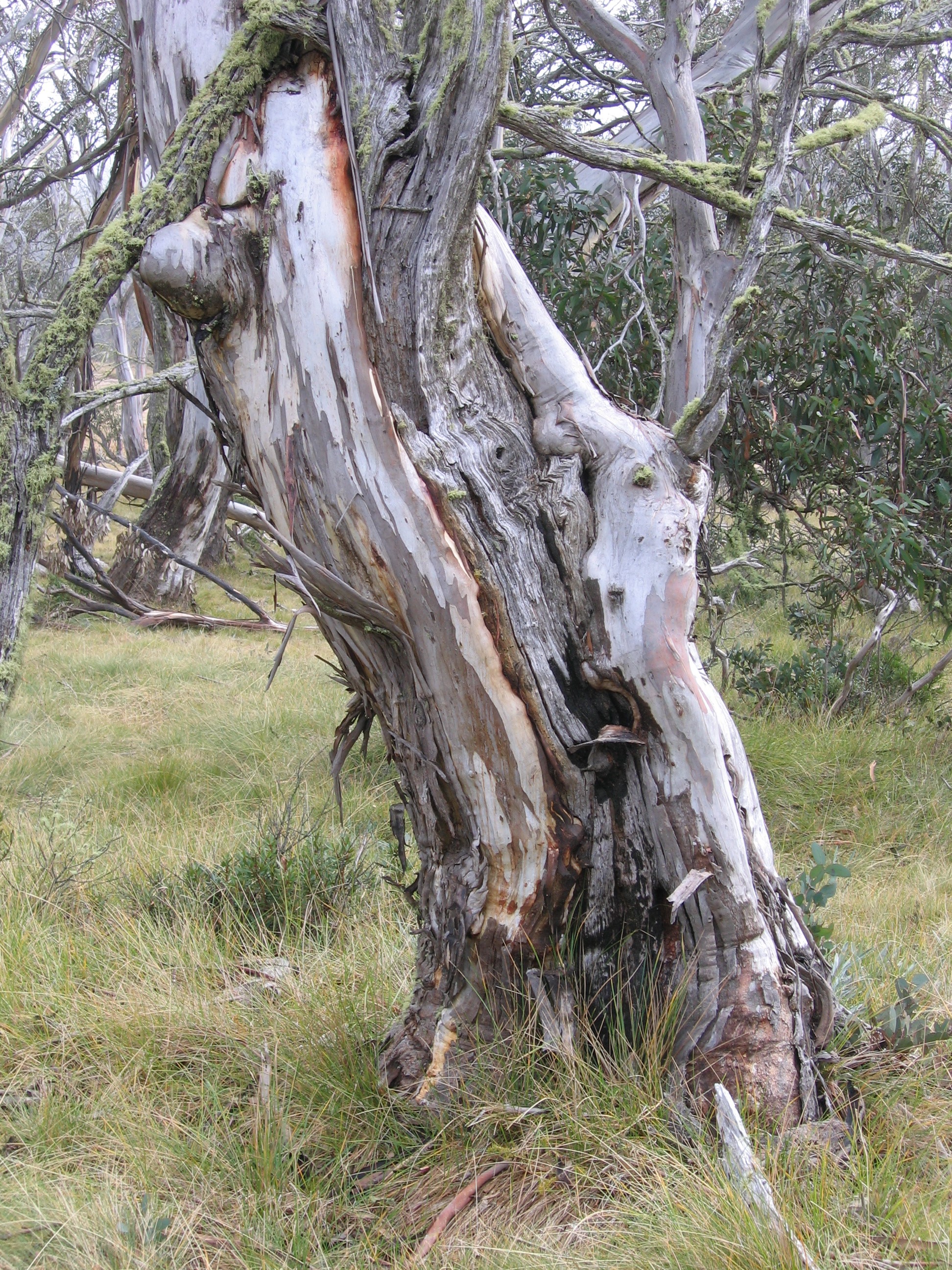
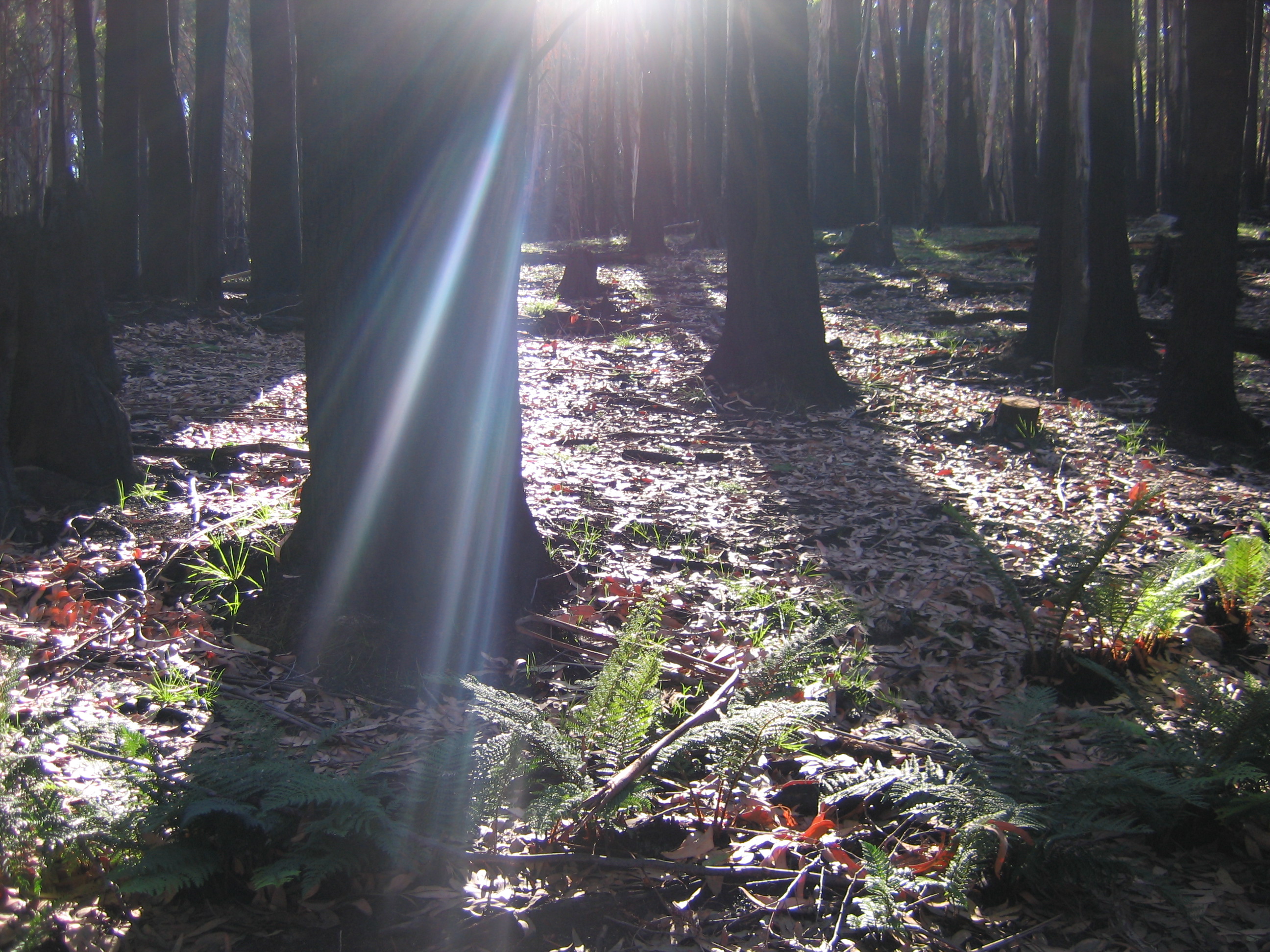
burnt snow gums

From the Lake Mountain Alpine Resort:

“Get out your dancing shoes and head to Lake Mountain over the Labour Day March weekend – when the Mountain will hold the “Thank You Victoria Lake Mountain Music Festival” on Sunday March 11, 2012 to thank Victorians for their contribution to the mountain’s recovery from the 2009 Black Saturday bushfires”.

“The festival, featuring performances by artists including Deb Conway & Willy Zygier, is an opportunity for Victorians who donated to the Black Saturday Appeal to see how the mountain has recovered – and experience the range of new summer activities”.

“Lake Mountain Alpine Resort is back in business – and bigger and better than ever – with new summer activities including dune buggies and flying foxes, a new function centre and an action packed winter planned for 2012”.

(I’ll save my tirade about the stupidity of having dune buggies on the mountain for another day …)

Full details here.

Water bomber called in for Mount Buller fire

After the 2003 fires, Mt Stirling. Photo: Tali Walker


Its been a wonderfully quiet summer so far in terms of bush fire across the alps. Lets hope it stays that way.

This report comes from ABC News.

An aerial water bomber is being used to control a fire near Mount Buller.

The DSE says smoke might be visible in nearby towns including Mirimbah, Mount Buller, Sawmill Settlement and Merrijig.

It is believed the fire started last night and may have been caused by lightning.

The CFA website reports the fire as being 5km SE of Sawmill Settlement, in the Round Hill area, of 2ha size, and under control as of this afternoon.

Will cattle grazing continue in Victoria’s Alpine National Park?

UPDATE: On tuesday January 31, Federal Environment Minister Tony Burke banned cattle grazing in the state’s Alpine National Park.

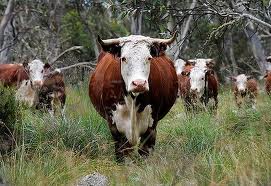
Mr Burke rejected the state government’s proposal to reintroduce 400 cattle into the park to graze for up to five months a year for five years.

He said his decision was based on departmental advice that cattle grazing would damage the pristine environment, rather than his own personal opposition to the proposal.

‘Mountain cattlemen ignore history in claiming their place in the Alps’. Maybe it’s time to remember some of the other voices of the mountains? Article available here.

The following comes from ABC Rural.

Image: VNPA

Cattlemen says it’s almost too late to put cattle into Victoria’s Alpine National Park this summer.

It’s been two weeks since Federal Minister for Environment, Tony Burke, was expected to make a decision on whether farmers can resume a cattle grazing trial in the Park.

Mark Coleman, president of the Mountain Cattleman’s Association, says the situation has become too caught up in politics and Minister Burke needs to make a decision.

“I believe that the fate of that alpine area rests at his feet and next time we do get a major holocaust through there where our complete ecosystems are completely wiped out from these super hot fires.

“I just hope he’ll be accountable for that till the day he dies.”

Personally I love the statement from the MCAV that “the situation has become too caught up in politics”. Its been about politics from day 1, and the MCAV were quite happy to ‘secretly’ put cattle back in the Park and be involved in ‘politics’ when it suited them. Yet suddenly they’re concerned about politics coming into play – sounds like a case of the ‘Pot calling the Kettle Black’.

Article: Another reminder that alpine grazing is just about politics.

Blog at WordPress.com.

Up ↑