Search

Mountain Journal

Environment, news, culture from the Australian Alps

Author

Cam Walker

I work with Friends of the Earth, and live in Castlemaine in Central Victoria, Australia. Activist, mountain enthusiast, telemark skier, volunteer firefighter.

Save our snow climate data – we won!

The following information come from Protect Our Winters (POW) Australia.

After POW alerted the winter snowsports community to the fact that that the frequency of snow data collection at Spencers Creek in the Snowy Mountains has decreased in recent years, Jeremy Kinley, Acting Manager of water for Snowy Hydro, has confirmed that “we have agreed that we will commit to more regular measurements at Spencers Creek from next year onward.”

The data on snowpack collected by Snowy Hydro provides our best snapshot of snow pack over time. Earlier in the year, POW reported that:

‘Data collected in 2022 was sparse in comparison to previous years, with only four records collected from 1st of May to 31st of July. This is a reduction of over 60% compared to the average of the previous decade (2012-2021). 

‘Snowy Hydro explained their reduction in data collection in 2021 as a means to avoid sending staff to remote locations in poor weather conditions.

POW launched a campaign to get Snowy Hydro to continue recording their valuable data on a weekly basis from the first snowfall throughout the season. This campaign has been a success. Congratulations to everyone involved.

FORUM: The Future of Firefighting in Victoria

It is quite a few years ago now that I stood on the high point of Mt Blowhard, near Hotham, and watched the Dargo High Plains burning (yet again). That led me on my ‘firefighting journey’ – I went back home and joined the CFA. In the years since then I have seen the reality of more frequent fires in the mountains and the fact that sometimes we don’t have enough firefighters to stop small lightning strike fires from turning into mega blazes.

One example – a couple of lightning strikes near Mt Tabletop on December 31, 2019 (during the Black Summer) were not able to be stopped. They grew into a fire of more than 40,000 ha that threatened the township of Dinner Plain twice and homes in the Cobungra valley.

That’s where this idea came from – an additional force of remote area firefighters who can be tasked with assisting the wonderful state government firefighters employed by FFMV.

The proposal will be discussed during a free online forum being hosted on Thursday December 14 at 7pm.

Continue reading “FORUM: The Future of Firefighting in Victoria”

Victorian State of the Environment 2023 Report released

The Victorian State of the Environment (SoE) 2023 Report has been released. These are five-yearly report cards produced by the state government which measure the health of our natural environment – our land, water, air and ecosystems. The report covers three key areas:

  • the health of Victoria’s natural environment
  • the adequacy of our science
  • areas for future focus.

The Greens labelled it ‘a damning new report (which) has found Victoria’s ecosystems and threatened species are in a far more dire situation now than they were five years ago’.

They say ‘It found that biodiversity and climate change indicators were particularly bad, with more than 75% of biodiversity indicators (32 of the 42) deteriorating or unclear, and 73% of climate change health measures (11 out of 15) also deteriorating or unclear. Only 1 out of 57 were classed as good (which related to the number of Victorians taking action to protect nature)’.

While I don’t have time to do a deep analysis of the report (which is available here), a quick look at the categories related to mountain areas are all fairly depressing. In short, there are no positive trends that are obvious.

Continue reading “Victorian State of the Environment 2023 Report released”

A visit to the ghost forests of the High Country

Friends of the Earth has been focusing on threats to the higher elevation forests of north east Victoria for the last three years. With the welcome announcement that native forest logging will end in the east of the state on January 1, 2024, our focus will now be largely on ensuring all ecosystems in the region are protected from the impacts of climate change.

In the case of snow gum woodlands, this means gaining a better understanding of the state of these systems, and how they are being impacted by more frequent fire and dieback caused by the Longicorn beetle. As part of this process FoE has been leading a series of guided walks and citizen science fieldtrips to a range of areas in the Victorian high country.

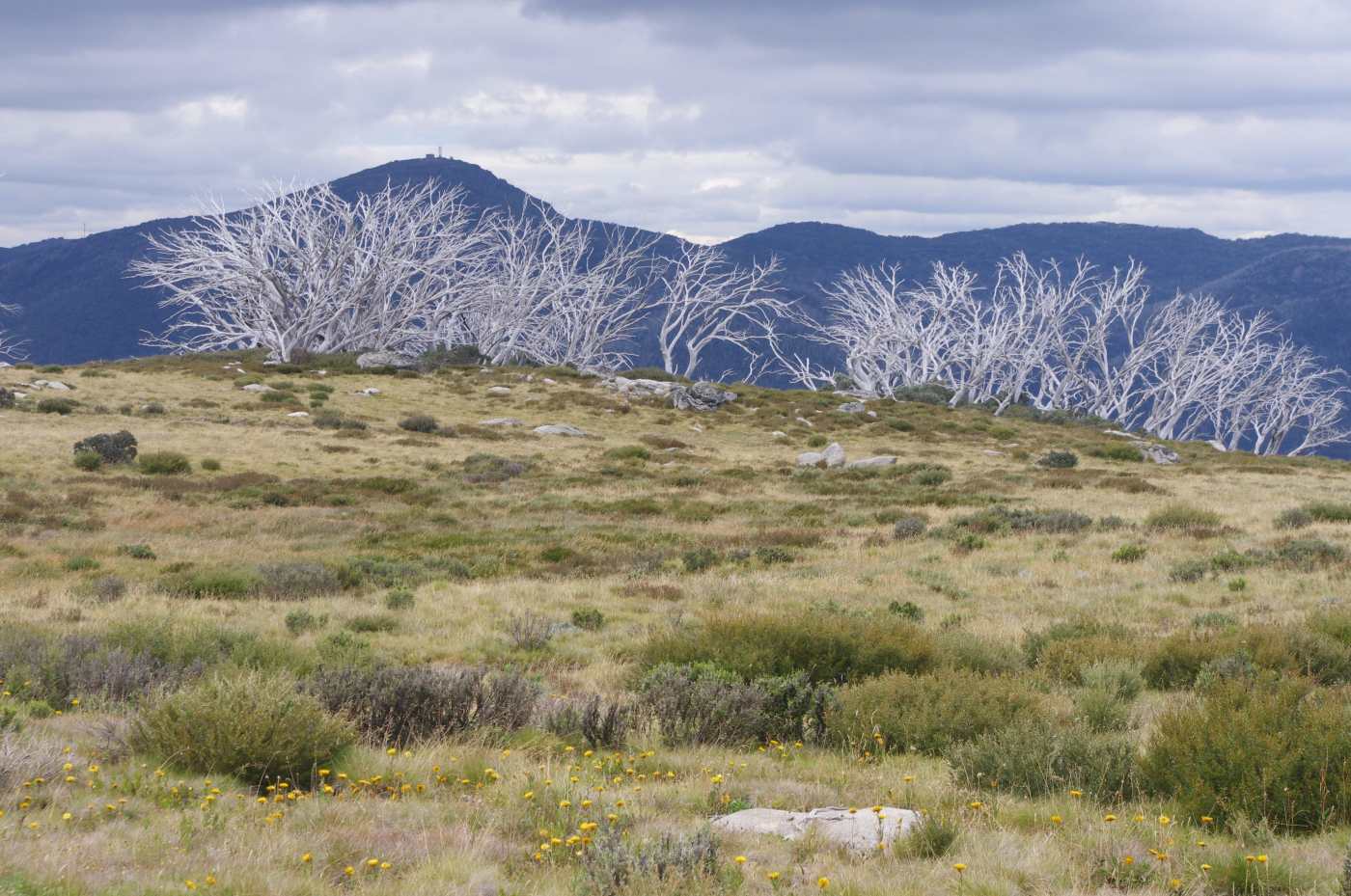
The next trip will be in early March 2024, to see the recovering snow gum woodlands on the north western edge of the Bogong High Plains. These forests have been negatively impacted by repeat wildfires, leading to widespread distribution of ‘ghost forests’: areas of burnt and dead woodlands with dense thick and highly flammable regrowth, and localised ecological collapse.

Continue reading “A visit to the ghost forests of the High Country”

Bright housing estate update

As reported previously on Mountain Journal, many regional areas are in danger of being ‘developed to death’ as people move from major cities, seeking a Tree or Sea Change. This is playing out in many areas, including Bright in north eastern Victoria, where there is a subdivision and development plan that is currently being considered by the Alpine Council. This has been opposed by many residents in Bright.

In an update to this campaign, the Alpine Shire Council is now recommending that a sub-division permit which will see the destruction of two of Bright’s heritage trees be approved at next week’s Council meeting.

Continue reading “Bright housing estate update”

Summer podcasts for your next roadtrip

If you’ve got a bit of spare time, or need to do a long drive, and are looking for some outdoors content to listen to, here are a few ideas.

Continue reading “Summer podcasts for your next roadtrip”

Backcountry film festival – Melbourne, 2024

Date claimer / Call out for local films

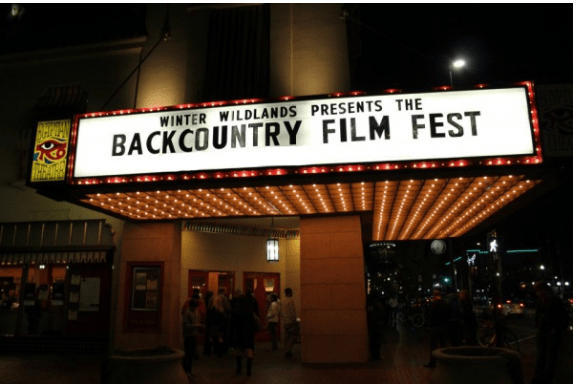
Each year the Backcountry film festival (BCFF) celebrates the connection between humans and wild winters. It is a ‘collage of human-powered stories and backcountry-inspired experiences. Backcountry Film Festival ignites wild conversations and inspires action to communities that celebrate the present while looking towards the future’.

For more than 10 years, Friends of the Earth has held the BCFF in Melbourne before winter. The 19th Annual Backcountry Film Festival is screening documentaries and ski movies about athletic pursuit in the mountains, artistic vision, friendship, and how the snowsports community is adapting to a changing environment.

In 2024 we will again co-host the Melbourne screening with the RMIT Outdoors Club. We are looking at dates in late April or early May.

We are looking for some short Australian made backcountry films to be included as part of the evening. Yes, 2023 was grim. But if you have a film you would like to see screened at the festival before an enthusiastic audience, please get in touch: cam.walker@foe.org.au

Continue reading “Backcountry film festival – Melbourne, 2024”

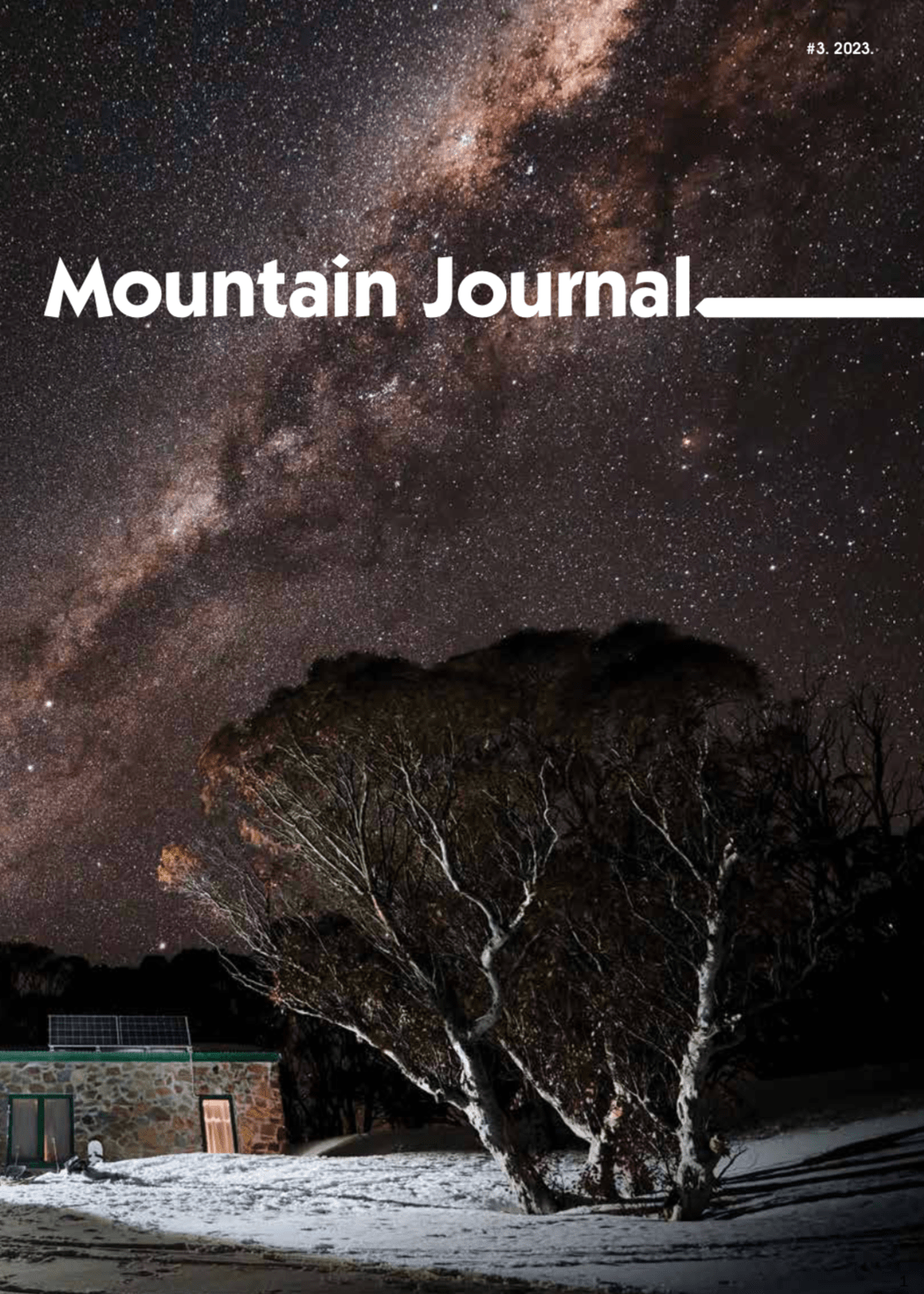
Call out for MJ magazine #4

Mountain Journal magazine comes out once a year and is a free journal that is distributed throughout mountain and valley towns from Melbourne to Canberra. Now in it’s fourth year, this is a call out for contributions for the 2024 edition.

You could either contribute to the cover theme (mountain icons), one of the regular sections (see below), images for a photo essay, or an image for use on the cover.

Contributions would be needed by January 20, 2024.

Continue reading “Call out for MJ magazine #4”

TAS gov pushes ahead with Tyndall Range proposal

[ABOVE: do you want a privately run hut here?]

Around the country, protected areas are being threatened by the prospect of commercial development within parks. One of the long running issues has been a proposal to build an ‘iconic’ walk in the Tyndall Range in western lutruwita/ Tasmania.

The Tyndalls are a spectacular range which is tucked out of the way and currently in a wild condition, with no roads or other infrastructure on the range itself. However in 2019, the Tasmanian Liberals announced a plan to commit “up to $20 million … to deliver our next iconic multi-day, hut-based walk which will enhance the visitor economy throughout the entire region”. According to the proponent, the proposal includes the option of “a private walking company .. investing in the development of private lodges similar to that of Three Capes Track”. A subsequent Feasibility Study concluded that the proposed walk was only feasible if the then-budget of $20 million was doubled, which the government duly did.

Recently it has been made clear that the government intends to proceed with this controversial project.

Continue reading “TAS gov pushes ahead with Tyndall Range proposal”

Are we ready for the next Black Summer?

Firefighters say dry lightning has caused more than a dozen fires across Queensland this week, sparking concerns for authorities battling El Niño conditions.

As reported by the ABC, senior meteorologist Steve Hadley from the Bureau of Meteorology said dry lightning occurred when there was no significant rainfall, particularly during “overarching dry conditions”.

“Sometimes with not enough significant rainfall, of a few millimetres or more, that can mean lightning is essentially happening over drier areas and drier terrain with no rain to follow it up,” he said.

“Then you can get some fires starting from that depending on how the landscape is at that time.”

The threat from dry lightning caused fires continues to increase in mountain environments. To take one example, multiple lightning strikes across the Victorian high country on December 31, 2019 resulted in fires developing, including the 44,000 ha Cobungra fire which threatened Omeo, Anglers Rest, and Cobungra.

Continue reading “Are we ready for the next Black Summer?”

Are you suffering from Shifting Baseline Syndrome?

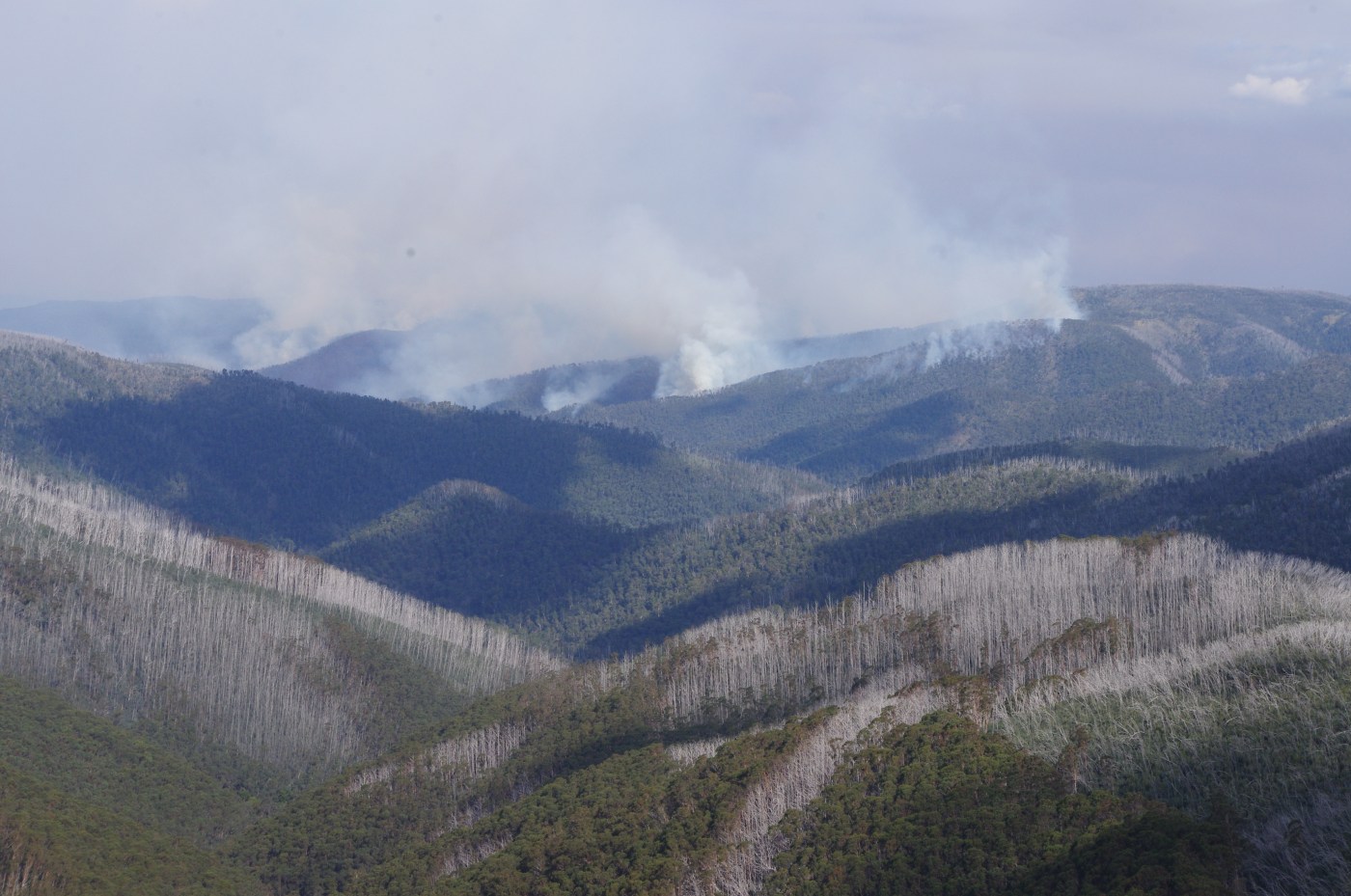
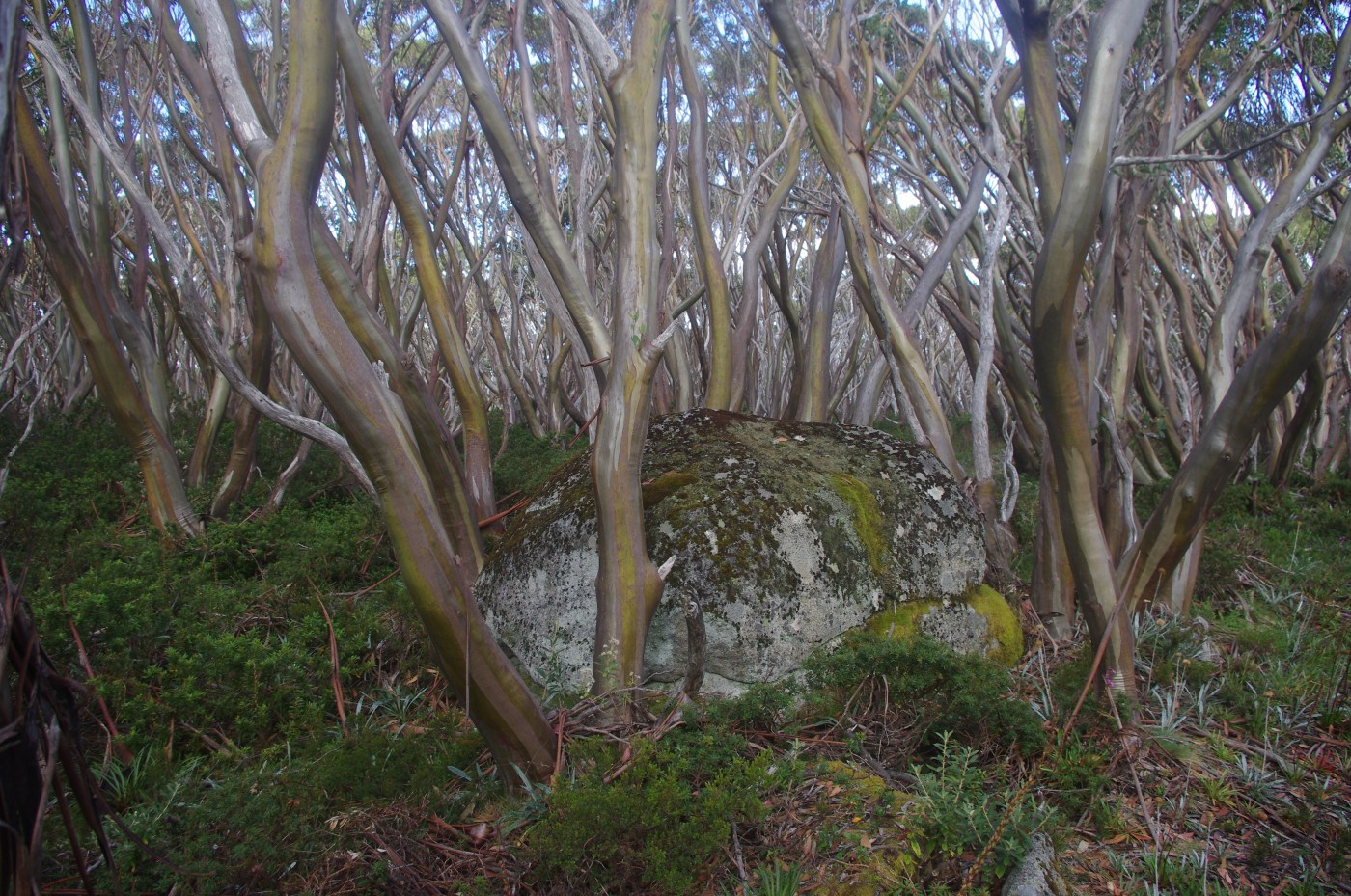
How often do you see an image or vista like this when you’re in the mountains? Whether you drive up from the valley towns through mile after mile of grey alpine ash trunks, or wander, ski or ride through the snow gum ghost forests of the high plains, you are witnessing a world that didn’t exist a generation ago.

Whereas we would have infrequent hot fire in the high country in the past, now we have fire on endless repeat. The forests get younger as we get older, yet this new reality of dead trees and thick regrowth becomes understood as being ‘normal’. Many people don’t recognise that what they see as they look out from a ski resort over burnt out hills is actually ecological collapse in real time.

Are we all just witnessing a deteriorating landscape and thinking it is ‘normal’ because we don’t have a memory of what was here before?

Continue reading “Are you suffering from Shifting Baseline Syndrome?”

When will the snow industry get its act together?

All snow lovers know how bad last winter was. As Mountain Watch noted in it’s end of season wrap, it was one ‘that went out with a whimper, ending two weeks early for most resorts thanks to a low snow year, above average temps and hot northwest winds and the fastest meltdown in memory’.

How to summarise the 2023 season? Given the slow start, early finish, three-week ice age during July, spring temps and hardly any snow in August and summer temps in September it’s fair to say, as far as the snow totals and snow quality goes, the 2023 season was pretty bad’.

Of course we will continue to have good and bad winters (and fingers crossed for 2024!).  But we also know that climate change is reducing the overall amount of snow we receive in Australia. The snow pack has been in decline since at least 1957. How grim it gets will depend on how the world responds to the threat of climate change now.

Continue reading “When will the snow industry get its act together?”

Blog at WordPress.com.

Up ↑