Search

Mountain Journal

Environment, news, culture from the Australian Alps

Author

Cam Walker

I work with Friends of the Earth, and live in Castlemaine in Central Victoria, Australia. Activist, mountain enthusiast, telemark skier, volunteer firefighter.

Mountain Ash at risk of collapse. Same as Alpine Ash.

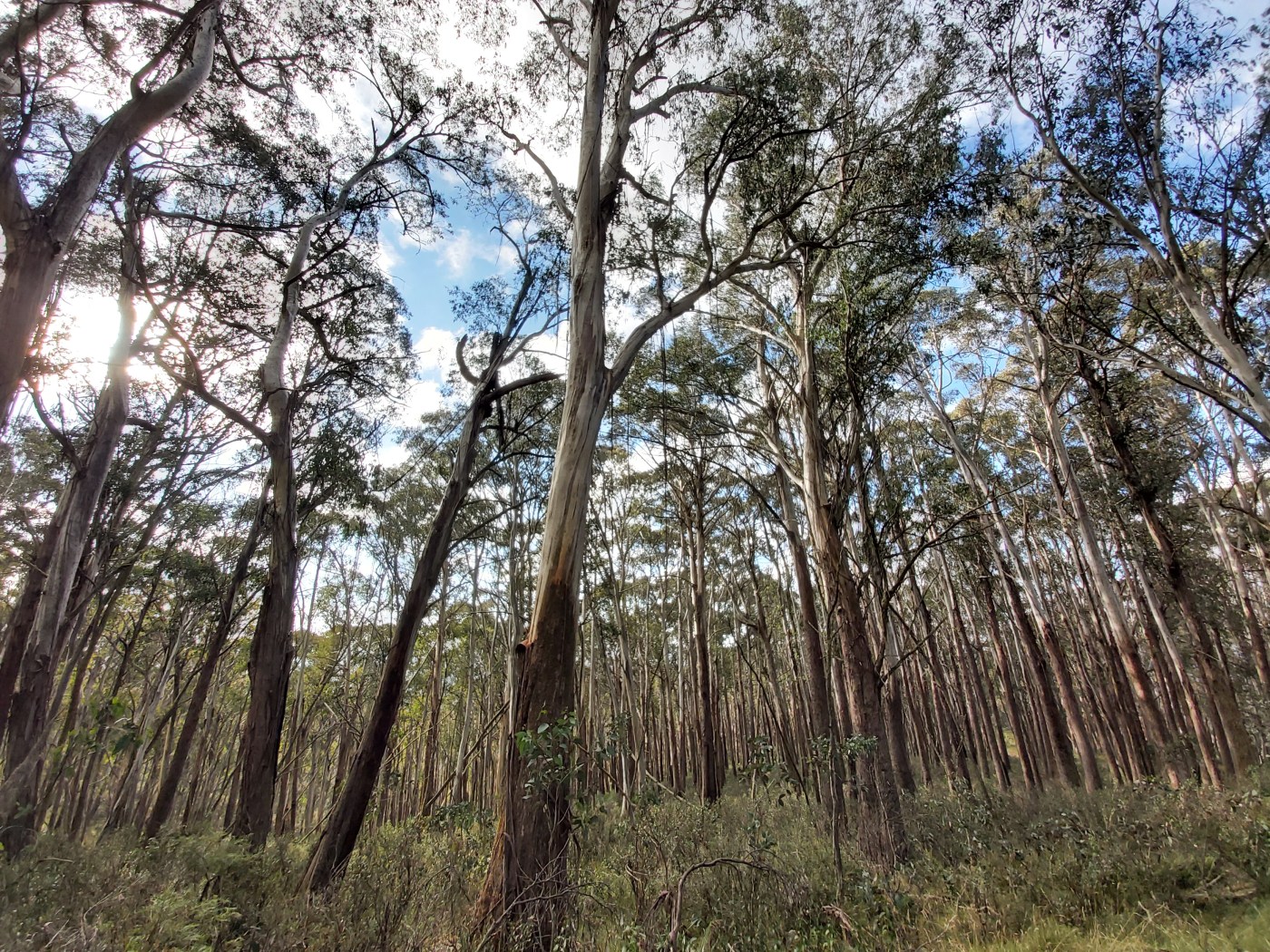
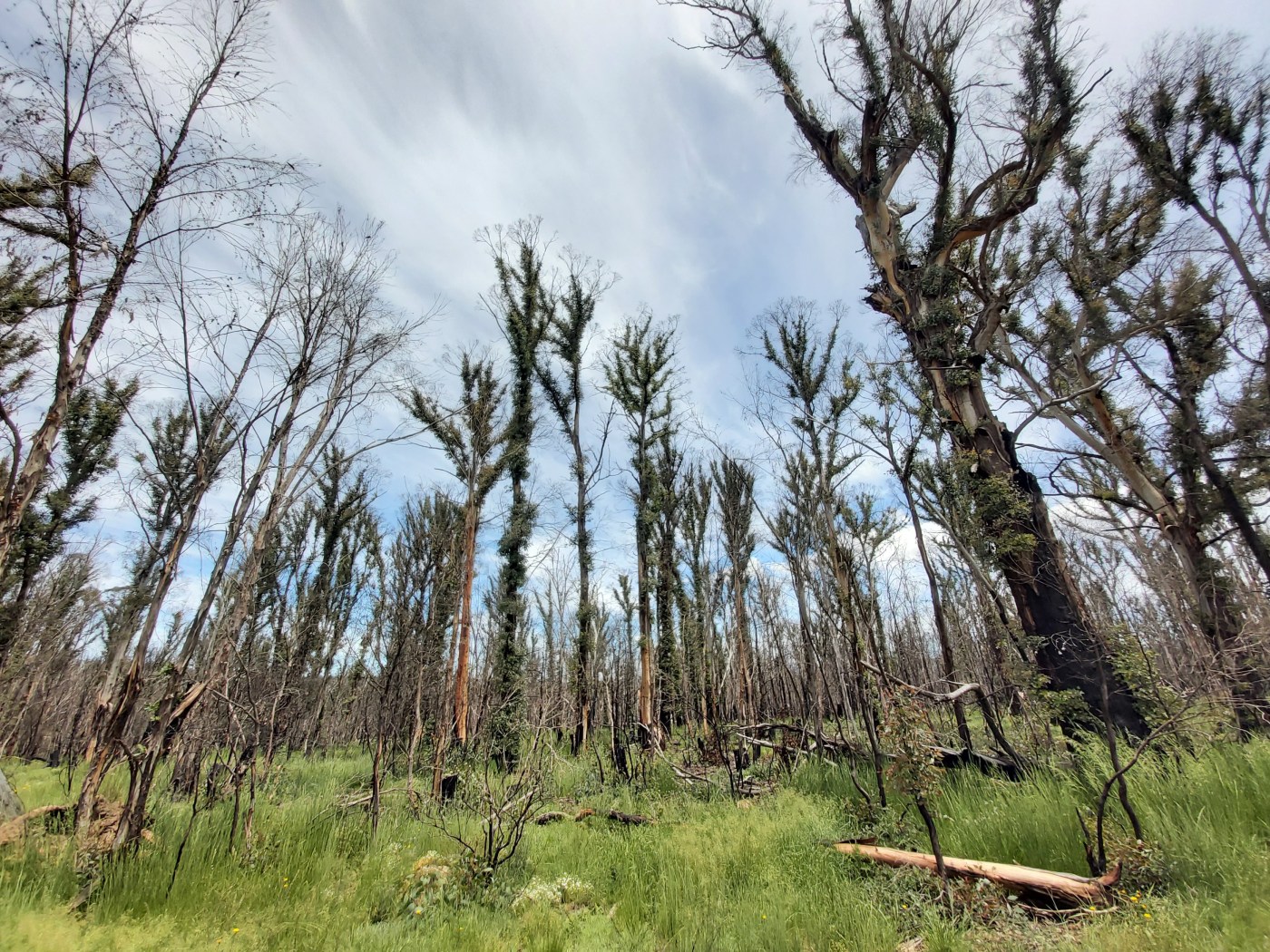
For the past decade, Mountain Journal has posted regular stories about the fact that Alpine Ash communities are facing the prospect of ecological collapse – that is, the loss of these forests and their conversion to something else – most likely a grassy and scrubby system perpetually stuck in a loop of fire followed by rapid development of flammable regrowth, followed by fire.

The Alpine Ash is closely related to the better known Mountain Ash which. New research says that the threats faced by Mountain Ash are significant enough for the species to be listed as threatened under national legislation. We would agree and argue that the Alpine Ash communities need the same level of recognition.

Continue reading “Mountain Ash at risk of collapse. Same as Alpine Ash.”

Alpine snowpatch plant communities being lost to climate change

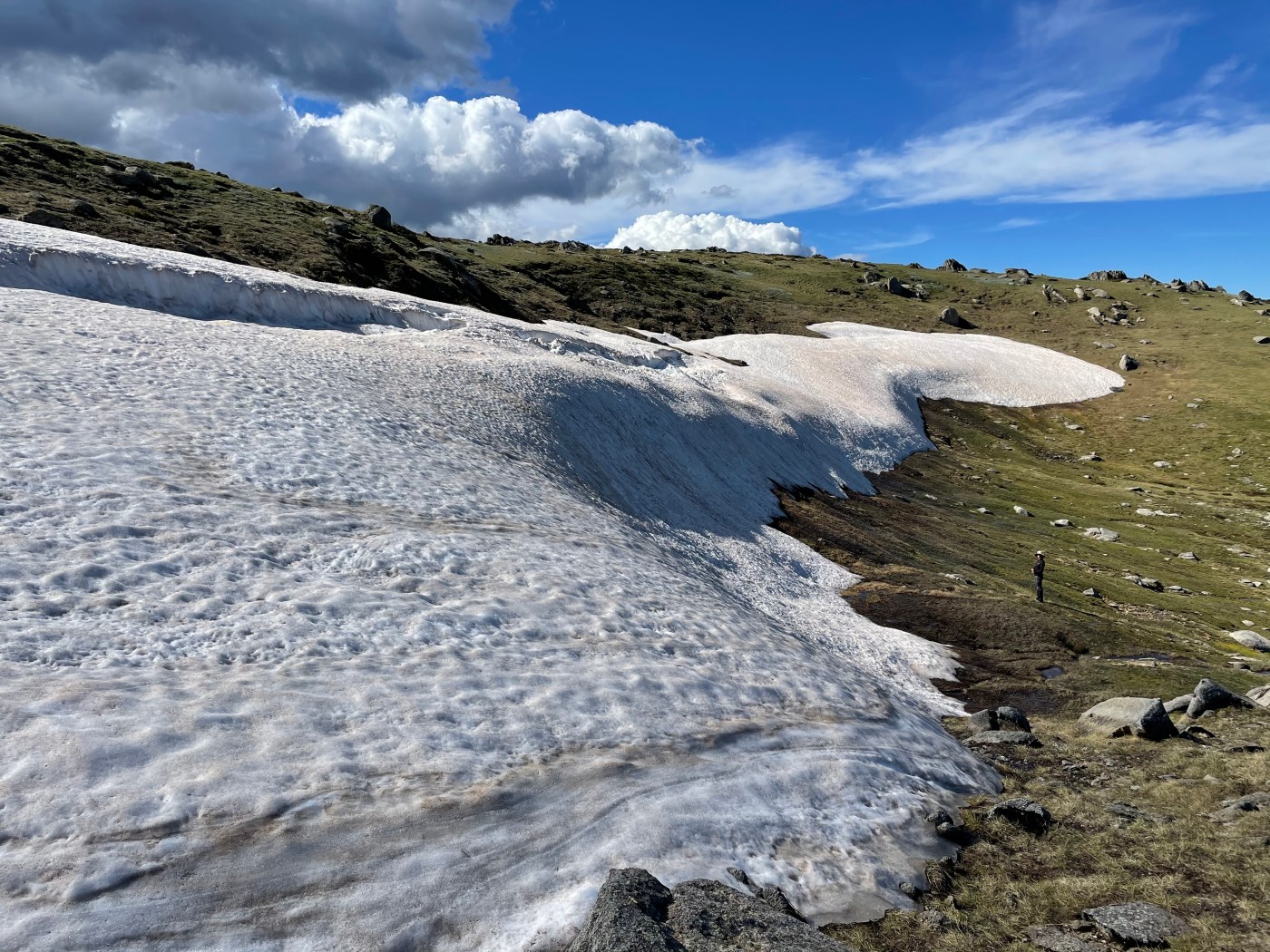
Snowpatch plant community distribution and composition are strongly tied to the duration of long-lasting snow cover in alpine areas; they are vulnerable to global climatic changes that result in warmer temperatures and longer growing seasons.

Given the very small areas of alpine terrain in Australia, these communities are already very limited in their distribution. New research shows that Snowpatch plant community identity is being lost. In terms of their structure and composition, they are transitioning to woody communities rather than herbfields full of small plants. The loss of late-lying snow is likely to be the main reason for this change, as shorter periods of time where the communities are covered by snow allows woody plants to move into areas where late snow typically excluded them previously.

Continue reading “Alpine snowpatch plant communities being lost to climate change”

Loving the Vic Alps- FoEM X Patagonia event

Join the Friends of the Earth Melbourne forests campaign at Patagonia Melbourne for an evening to hear all about our Alpine campaign and where to next.

We’ve been raising awareness through community events about the special Alpine regions, highlighting the incredible outdoor and nature values that are at risk due to the impacts of logging.
With the state government’s recent announcement that it will end logging by Jan 1 2024, there is now a good chance that we can expand protections for these areas, safeguarding their future and adequately addressing the needs of vulnerable ecosystems in a rapidly changing climate.

There is still much to do: we will need to listen deeply to the aspirations of First Nations people, influence government decisions in coming months, and continue our advocacy and citizen science work in the high country.

Please join us on October 11 to be educated and inspired to take action to protect the mountains and forests that we all love.

The evening features some great short films and updates on what’s happening in the Alps.

  • Campaigning in the high country. Alana Mountain is a forests campaigner with Friends of the Earth. She has been working to see high country forests protected from logging.

    Image: Alana in the Vic high country
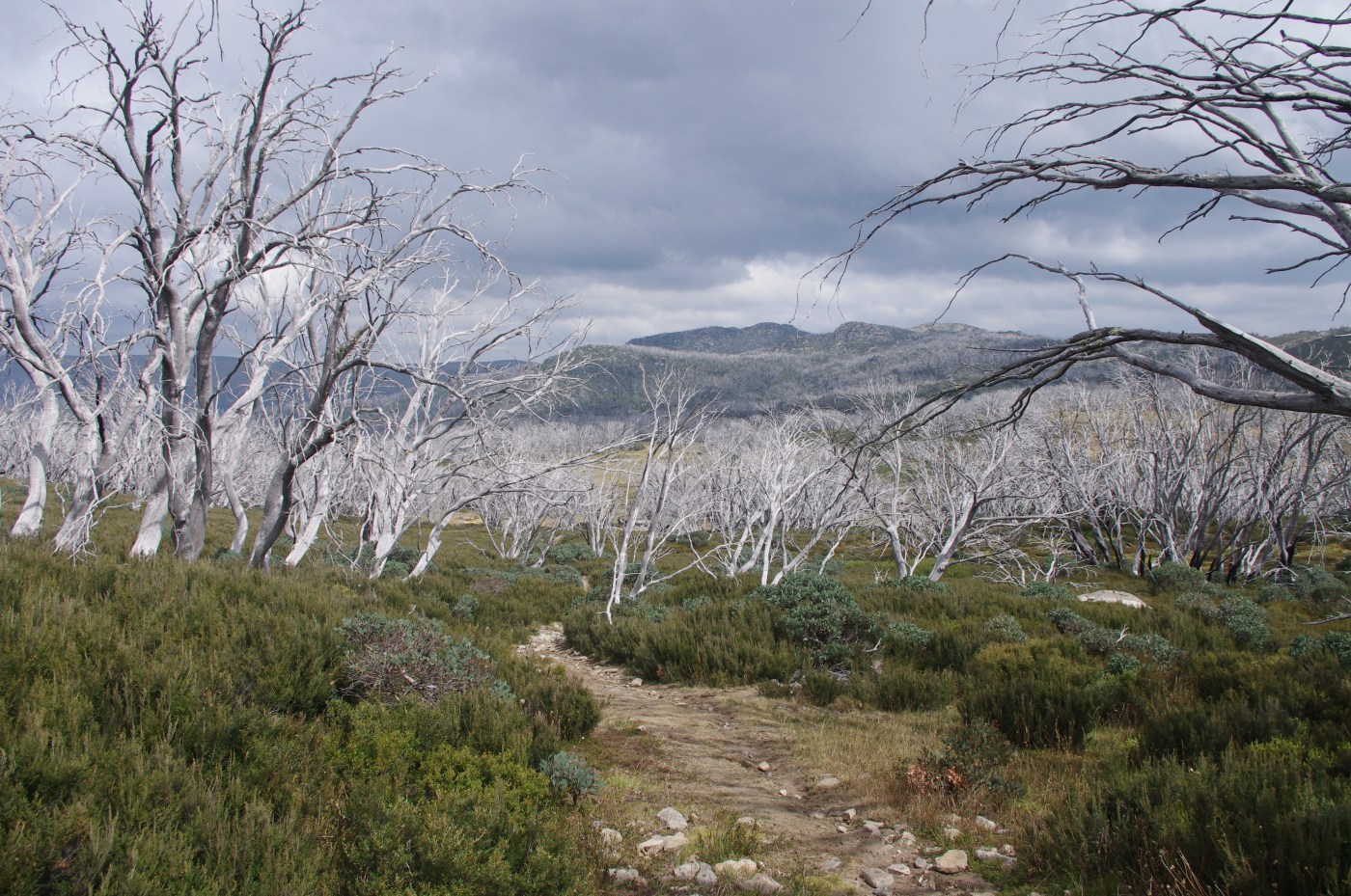
  • The nature of Australia’s high mountains are changing. Recent, repeated landscape-scale fires have burnt much of the subalpine forests dominated by Snow gum. Long-unburnt forests are now exceedingly rare. John will identify where long-unburnt Snow gum persists in the Victorian Alps and outline why management intervention is necessary to protect these unburnt refuges.

John Morgan is a plant ecologist from La Trobe University who has a passion for documenting high mountain floras, their dynamics over long timescales, and how they are faring in the face of invasive animals, less snow and increasing frequency of fires.

John_Morgan.jpg

Image: John Morgan

The Australian Alp – Taylor Bennie-Faull

Mt Feathertop’s striking beauty holds a special place in the hearts of the Australian backcountry snow community. As one of the only mountains here that resembles its northern hemisphere counterparts, The Australian Alp tells a story of the profound impact it’s had on a group of keen explorers.

Taylor is a documentary filmmaker based out of Melbourne who seeks to empower viewers through connecting them to the deeper emotions of storytelling. He’s been active in outdoor sports from a young age which has fostered his love for the  natural world and ways to reduce ecological footprints. His aspiration is to use his documentaries as a means to engage others with the environment.

This gorgeous 12 minute film is a homage to one of our favourite mountains.

Screen_Shot_2023-09-30_at_5.05.41_pm.png

Cam Walker from Friends of the Earth will open the evening. Cam has been working on a range of issues in the Alps for many years, and co-write the Icon at Risk report which outlines threats to the Alps. He recently wrote this piece for the Patagonia blog Roaring Journal.

Screen_Shot_2023-09-28_at_4.57.46_pm.png

Register your attendance, see you there!

This is a free event but we ask you to rsvp for catering purposes.

https://www.melbournefoe.org.au/foem_alpine_event_patagonia
Continue reading “Loving the Vic Alps- FoEM X Patagonia event”

Where did winter go?

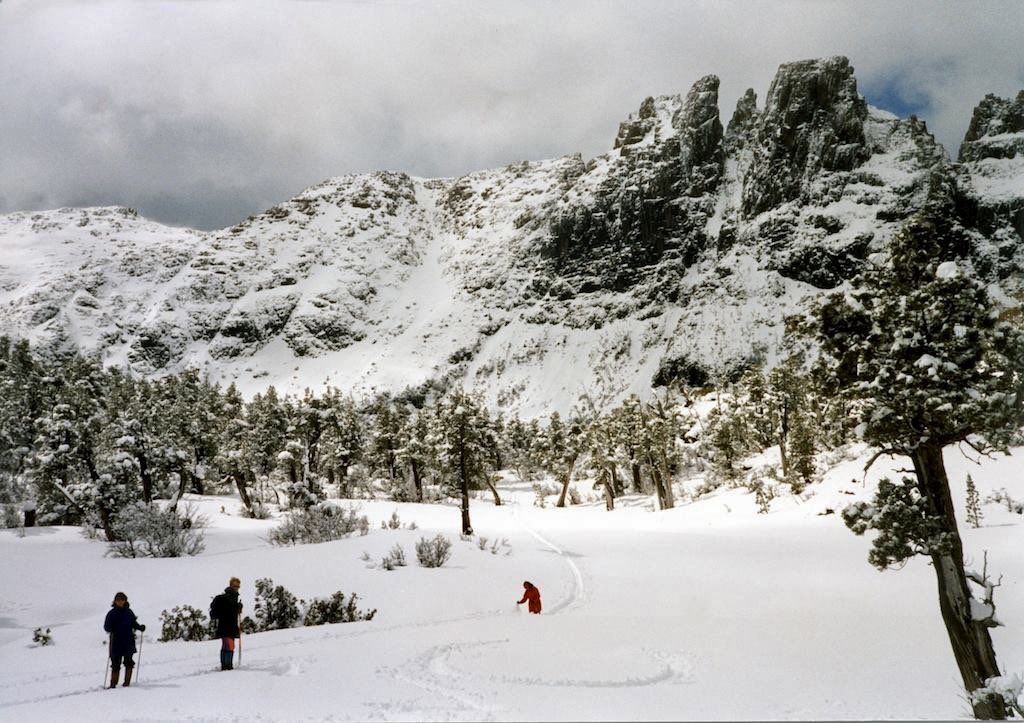
The winter of 2023 will be remembered as one of the saddest in Australian snow history. It started early, tapered off, then came back in with a vengence, but then disappeared again. All ski resorts closed early. lutruwita/ Tasmania fared even worse than the mainland, with no really solid snowfalls through the entire winter.

Here, John McLaine reflects on winters past.

Continue reading “Where did winter go?”

Call out for backcountry films for BCFF 2024

The Backcountry Film Festival (BCFF) is produced each year by the Winter Wildlands Alliance, WWA (based in the USA) as a celebration of the human-powered winter experience and a gathering place for the backcountry snow sports community.

The Melbourne screening is co-hosted by RMIT Outdoors Club and Friends of the Earth, and is generally held in early May.

WWA produces a fantastic line up of films, generally from the northern hemisphere. At the Melbourne screening we are also keen to showcase locally made backcountry films (last years saw a screening of Racha, about a trip to Georgia, and The Australian Alp, a wonderful homage to Mt Feathertop.

If you are planning to produce a film from this winter and would like to screen it to an enthusiastic backcountry crowd at the 2024 BCFF, please get in touch.

Cam.walker@foe.org.au

‘Fire regimes around Australia shifted abruptly 20 years ago’

Widespread wildfires in early 2016 caused devastating damage across large areas of the Tasmanian World Heritage Area, including significant sections of vegetation which is not fire adapted, such as Pencil Pine forests.

At the time, and in follow up investigations, it became clear that increased fire risk due to climate change posed an existential threat to these vegetation types. Then additional research confirmed that there was a trend towards more extreme fire seasons. Some researchers suggested that we reached a ‘tipping point’ sometime around the year 2000 and that, since then, there has been an increase in the number of lightning-caused fires and an increase in the average size of the fires, “resulting in a marked increase in the area burnt”.

On the mainland, fires increased significantly from about the same time. There were major fires in the Victorian high country in 1998, 2002/3, 2006/7, 2013 and 2019/20. Fires are becoming more common and more intense across the Alps.

It turns out that something similar was happening around the country. Fire regimes around Australia shifted abruptly 20 years ago.

Continue reading “‘Fire regimes around Australia shifted abruptly 20 years ago’”

The Ash Forest Restoration Project

‘Ash forests’ – forest comprised of Mountain Ash, Alpine Ash, or sometimes both – are some of the most iconic forest types in Victoria, or even the world. Covering around 500,000 ha of Victoria and stretching from the Otways to the north-eastern boundary with NSW, few who spend time in these forests – like driving along the Black Spur north-east of Melbourne – are left unimpressed by these tall trees. They are also home to species like the Leadbeater’s Possum and Greater Glider.

These forests have a complex relationship with fire: these forests can live with some fire – but not too much. Scientifically known as ‘obligate seeders’, after severe bushfire, ash forests are killed, but prolifically regenerates from canopy stored seed. The important point here is that these slowly regenerating forests cannot produce seed for 20 years after they regenerate from fire. This means they are highly vulnerable to shortened fire intervals – the exact challenge that land managers in Victoria are facing with climate change.

Once a mountain ash or alpine ash forest has burnt numerous times, it may eventually fail to regenerate, which can lead to population collapse and a change of ecosystem type. This sounds simple, but ecologically, this is dramatic. A tall forest – high in carbon stocks and habitat – changes rapidly to a short shrubland or grassland.

Continue reading “The Ash Forest Restoration Project”

The elephant in the room

The Pacific Crest Trail (PCT) is a 4,200 kilometre track that runs from Mexico to Canada. Since Cheryl Strayed published her bestselling book about hiking the PCT, Wild (adapted into a movie starring Reese Witherspoon in 2014), it has become arguably the world’s best known long distance walking track. The dream of doing a long long walk through wild terrain is a dream for many people.

However:

‘Wildfires now regularly close vast sections of the trail in the late summer, and water sources in the desert and high Sierras are drying up, making remote regions virtually impassable. Hiking the trail end-to-end in one year, a bucket-list item for many long-distance backpackers, is now “almost impossible” due to climate change.’

There are many reports that numbers of walkers are down due to the current season and there being too much snow in long sections of the higher mountain areas of the route.

Wherever we are, whatever mountain range we are in, the reality of climate change gets ever harder to ignore.

Here is Australia, we have a different problem: lack of snow.

Continue reading “The elephant in the room”

VIC backcountry festival powers ahead despite low snow

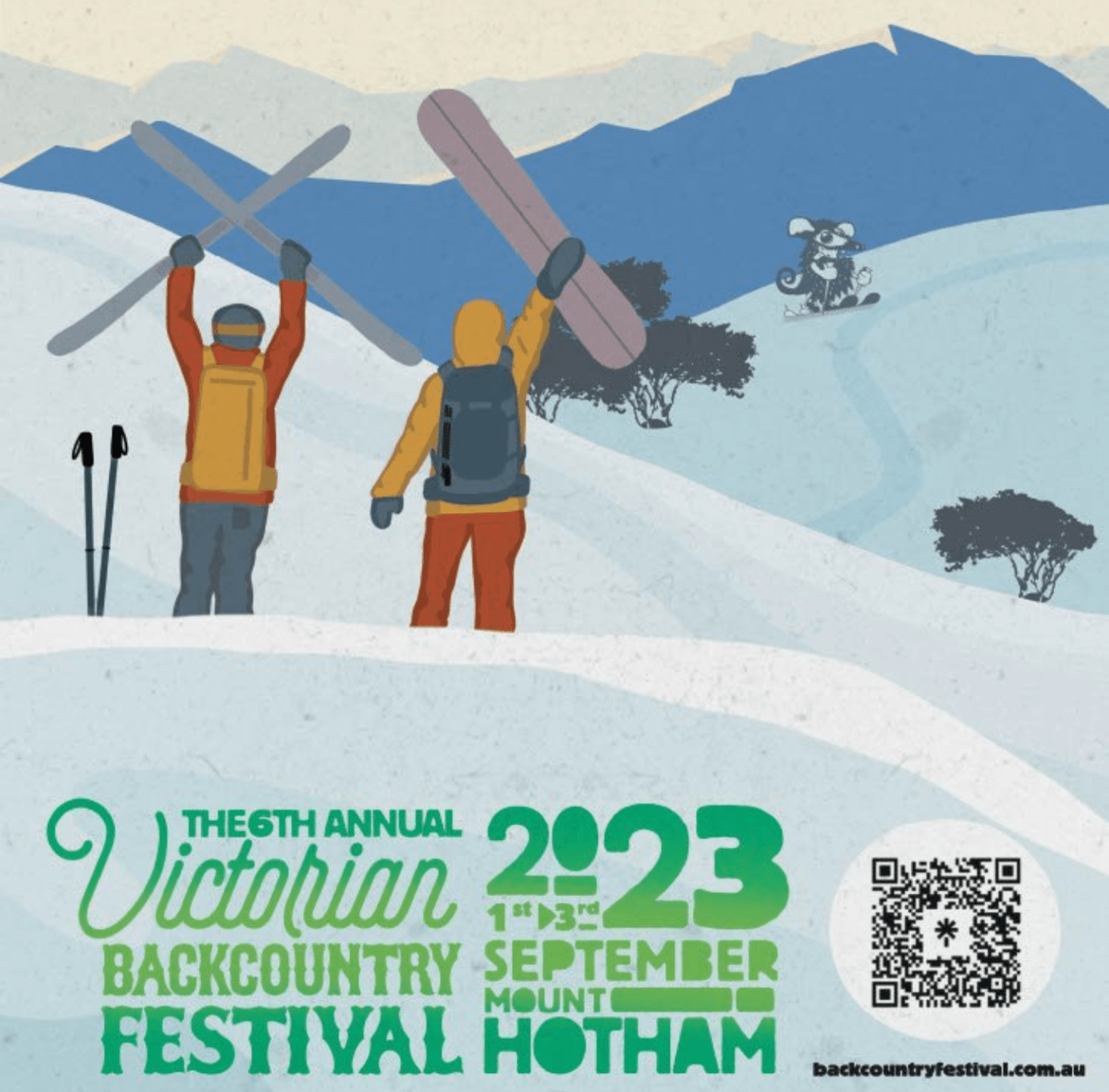
Despite sad snow conditions, the 6th Victorian backcountry festival will happen over three days in early September.

It will happen in and around the Mt Hotham resort, with all the usual components of the festival that we love – the tours, workshops, repair café, demo village, speakers program and outdoor bar. This year we have two festival hubs – The General, plus the Last Run Bar.

Please register for the festival here (you need to register to be able to book tours). Check below for full details.

Continue reading “VIC backcountry festival powers ahead despite low snow”

Save the Snowies!

The NSW government is one step away from allowing aerial control of feral horses in Kosciuszko National Park. After years of delay, and continued growth in horse populations, this is huge news and a crucial step for our threatened native wildlife and the fragile alpine ecosystems they call home.

Continue reading “Save the Snowies!”

Forum: Mobilising the outdoors community

The Victorian backcountry festival will be happening soon at Mt Hotham (September 1, 2, 3). Now in its 6th year, the festival offers tours, workshops, a demo village, ski in outdoor bar on a hilltop, repair cafe, avalanche safety courses, an opening night party, films and a speakers program.

You can register for the festival here. The full program will be posted on the backcountry festival home page shortly.

As part of the speakers program, there will be a great event at The General in Mt Hotham village, with presentations on how to turn concern for the mountains into meaningful action.

Continue reading “Forum: Mobilising the outdoors community”

Maisie Fawcett and her eternal legacy for Australian science

In the 2023 print edition of Mountain Journal (available as a pdf here), we acknowledged the legacy of Maisie Fawcett. Maisie was an ecological pioneer who is remembered for her ground breaking work in the Victorian high country. In this story from Karina Miotto, Latrobe University, Maisie’s legacy is considered in the broader context of her work as a woman operating in a time where society – and science – were heavily dominated by men.

A quiet achievement took place last summer in the Victorian Alps. Scientists gathered to re-measure botanical plots first set up more than 75 years ago by one of the pioneering women in science. This is the story of that woman.

Continue reading “Maisie Fawcett and her eternal legacy for Australian science”

Blog at WordPress.com.

Up ↑