Search

Mountain Journal

Environment, news, culture from the Australian Alps

Author

Cam Walker

I work with Friends of the Earth, and live in Castlemaine in Central Victoria, Australia. Activist, mountain enthusiast, telemark skier, volunteer firefighter.

Walks, forums, ecological restoration in north east VIC

There are a number of environmental events being planned for mid November in north east Victoria.

In mid November Friends of the Earth will be hosting walks on the Buffalo plateau and the following day Protect Our Winters and Upper Ovens Landcare will co-host a planting day, followed by a film night in Bright.

Continue reading “Walks, forums, ecological restoration in north east VIC”

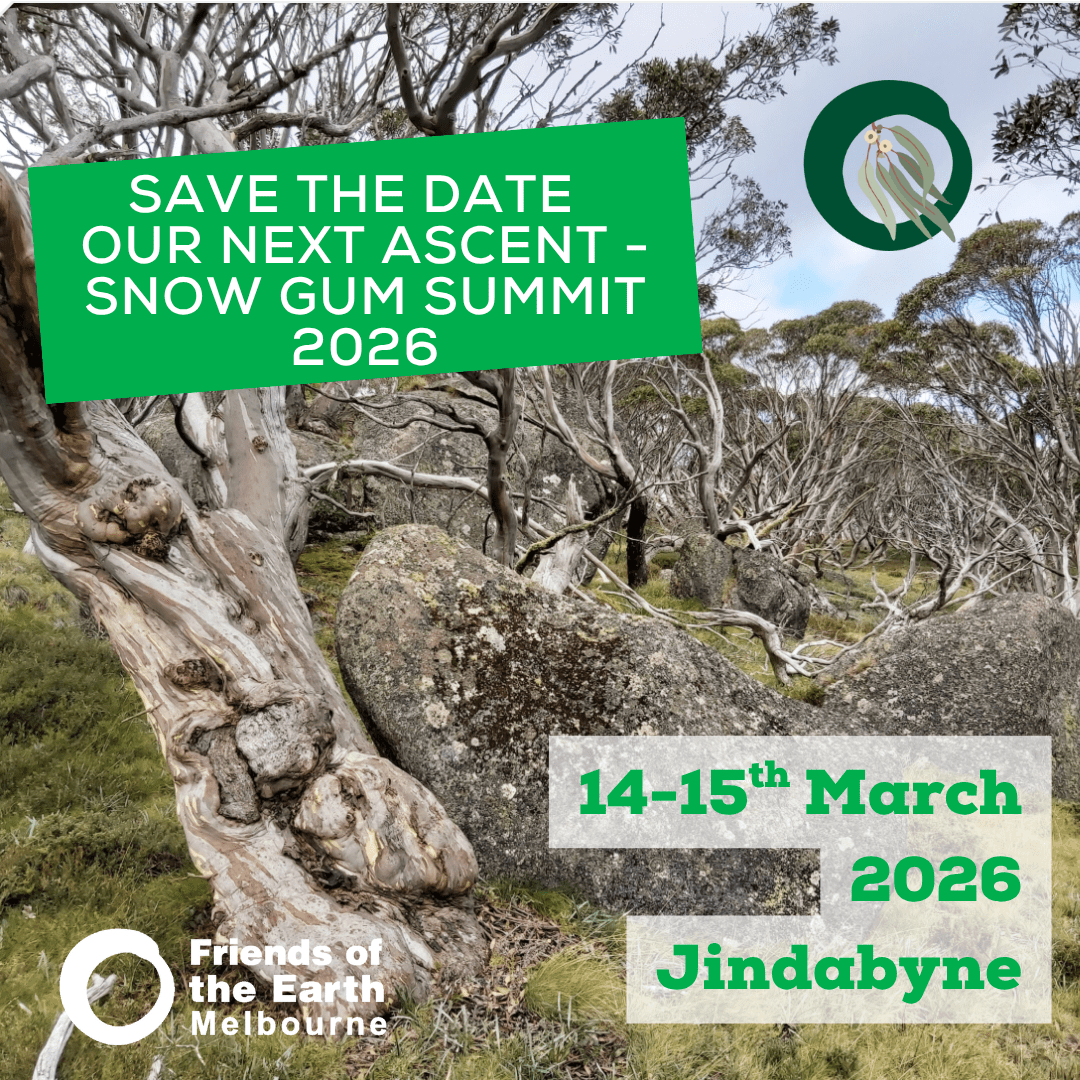
Snow Gum Summit will return in 2026

Snow Gum Summit – Next Ascent: Protecting Alpine Landscapes

Friends of the Earth Melbourne is excited to share that we are organising a second Snow Gum Summit, which will take place in March 2026 on Ngarigo Country in Jindabyne. The Summit will bring people together from across the Australian Alps bioregion spanning Victoria, NSW and the ACT, to address the threats facing these iconic landscapes we all know and love.

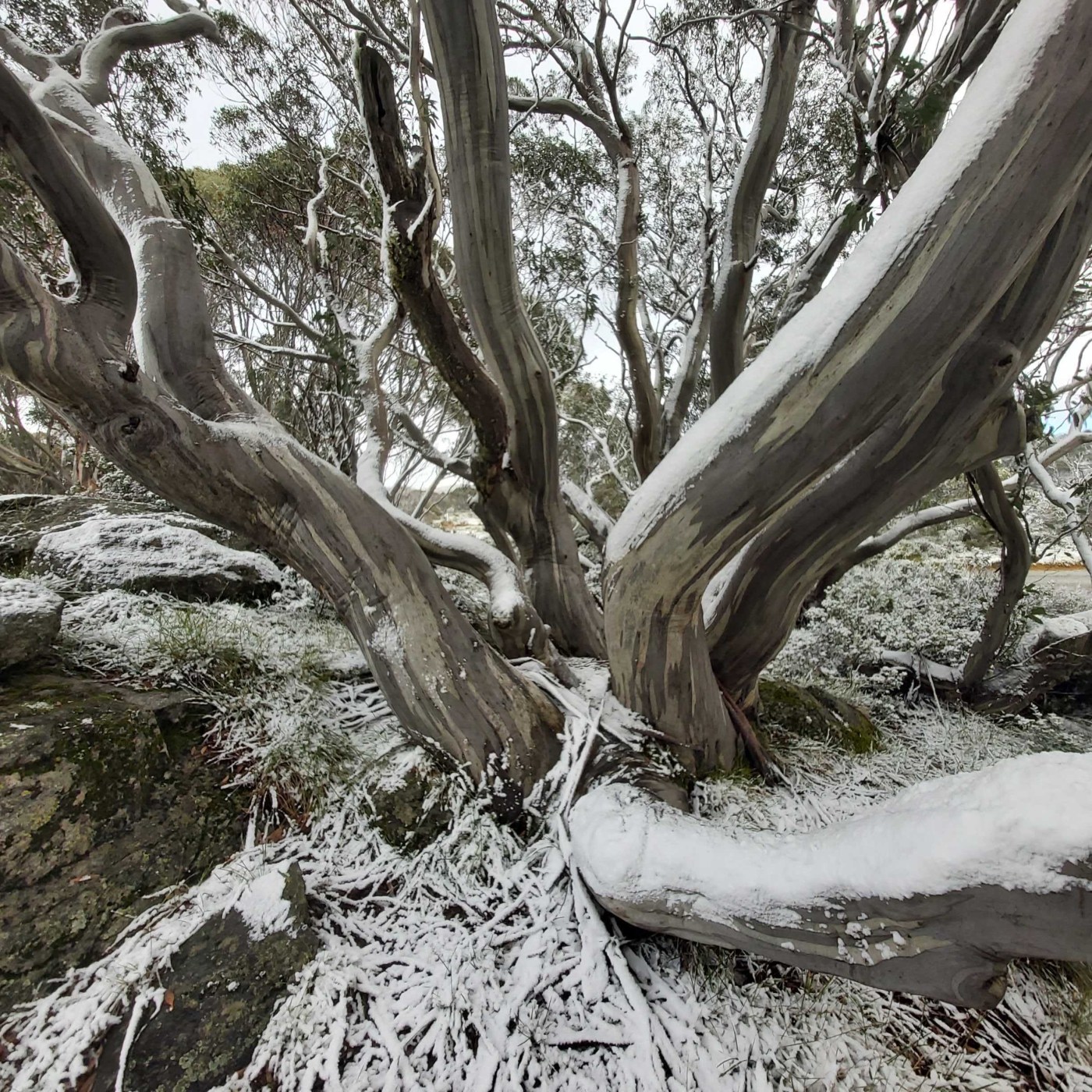
Snow gum forests and woodlands are under accelerating stress from climate change, fire, and beetle-driven dieback. The widespread dieback is equivalent to that of a mass bleaching event of the Great Barrier Reef. Without bold interventions, these ecosystems face ecological collapse within our lifetimes.

The summit will happen over the weekend of March 14 and 15.

Continue reading “Snow Gum Summit will return in 2026”

FFMV fleet ‘offline’: what does this mean for the high country?

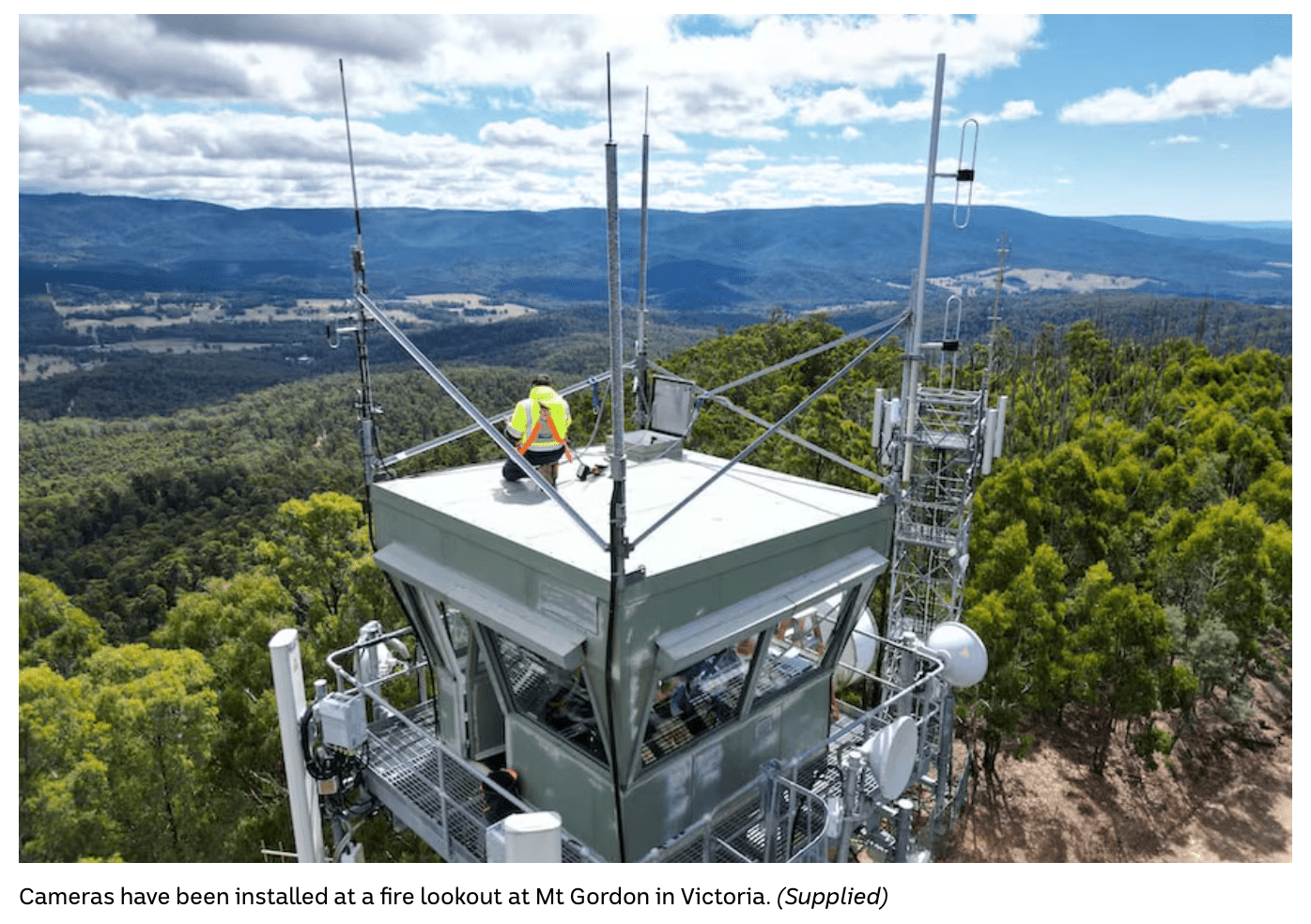
DEECA and Forest Fire Management Victoria have grounded the entire ultra-light firefighting fleet in Victoria just weeks before fire season commences.

Forest Fire Management Victoria (FFMVic) and the Department of Environment, Energy, and Climate Action (DEECA) have grounded their fleet of 290 Mercedes-Benz G-Wagons and 59 Unimogs. According to reporting from the ABC this was due to safety concerns. There are reports of cracking in the chassis of G-Wagons.

What will this mean for fire fighting in the high country?

Continue reading “FFMV fleet ‘offline’: what does this mean for the high country?”

Oregon ash. Whitebark Pine. Ponderosa pine. The Cider Gum. All heading in the same direction.

One of the regular themes here at Mountain Journal is the threats posed to mountain environments by climate change (also called global heating). Climate change is already impacting all ecosystems in the mountains, and we have been seeing declining snow pack since at least 1957. Longer droughts, more intense fires, warmer temperatures, species moving to higher elevations. The impacts are quantifiable and incredibly depressing.

While this information is readily available, there is a strange denial that exists in large parts of the outdoors and mountain communities and certainly in the snow industry. And many others, who are willing to acknowledge what is happening, seem unwilling to commit either time or money to reduce the impacts of climate change. When we have a normal(ish) sort of winter as we experienced in 2025, the snow and mainstream media herald it as a ‘bumper’ winter.

Continue reading “Oregon ash. Whitebark Pine. Ponderosa pine. The Cider Gum. All heading in the same direction.”

Hike for the High Country.

Globally, Alpine Ecosystems are in trouble. Right now our snow gums, an iconic feature of the Australian alps, are facing a mass mortality event and are at risk of ecological collapse due to dieback and the impact of repeated bush fire.

You can help save our snow gums by planning a hike through the Australian Alps this walking season.  While you are walking, record your observations of snow gum dieback and fire impact via our citizen science initiatives.

Continue reading “Hike for the High Country.”

Screening of ‘Liquid Heart’ in Melbourne

We’re bringing ‘Liquid Heart’ to Melbourne!

Liquid Heart is a film that shifts the narrative.

The film demonstrates the power of collaboration led by Nature with First Nations voices, grassroots communities, practitioners and land managers in healing Country to restore balance to one of Australia’s most loved yet fragile landscapes—the Australian Alps.

The story of our natural world doesn’t have to be doom and gloom; it can be one of hope, resilience and regeneration.

Continue reading “Screening of ‘Liquid Heart’ in Melbourne”

Winter 2025

Many of us were shocked last winter when the season basically stopped in August. While bad winters will become more common under climate change scenarios, and yes – we have always had good and bad seasons, the abrupt end was hard for people who were planning trips later in the season (and of course terrible for local and on-mountain businesses and staff).

This winter has been so much better – more like a ‘normal’ winter although with obviously less snow at lower elevations. It certainly delivered the snow we all needed after several grim seasons.

Continue reading “Winter 2025”

Good news – protection for snow gums gets closer

As you will know, winning a significant campaign can take years of work. I am really pleased to be able to tell you about some great developments on snow gums that we have recently helped achieve.

You may recall that Friends of the Earth (FoE) started working in the Victorian high country in 2021 because there was very limited forest campaign work going on in the north east at the time, and many dire threats of logging in special forests. We released the Icon at Risk report, which made it clear snow gum forests are facing an existential threat from climate change driven fire and expanded impact of dieback. We campaigned for an end to logging in the high country, and developed a rescue plan for snow gum forests.

During the campaign, we have had to deal with three different environment ministers on these issues. Each time we needed to get the new minister and their staff up to speed on the issue, then encourage them to act.

In February this year we hosted the first ever snow gum summit, which allowed us to build the profile of the campaign and give the government more detail about how they need to respond to protect snow gum forests.

And now, after four years of consistent work, we have some great news.

Continue reading “Good news – protection for snow gums gets closer”

Winter 2025: was it good, average, or an exception?

We’re getting close to October and there is still excellent snow cover across the higher elevations of the Australian high country. After several ‘ordinary’ winters, we really needed this one. Businesses were struggling, workers were facing short seasons and snow lovers were generally depressed. So, 2025 has been the boost we all needed.

I have raved a lot on the website about what a great winter it has been and the snow media has wheeled out the superlatives to describe good snow falls and solid snow pack. Its been truly fantastic.

However, we do also need to remember an important fact. 2025 was not spectacular. It was an average version of what winter should be in the Australian mountains. And sadly, it was an increasingly rare winter – one that started early and maintained good snow pack across higher elevation through to the ‘formal’ end of the season – but which is rapidly becoming unusual, rather than regular.

Continue reading “Winter 2025: was it good, average, or an exception?”

National Climate Risk Assessment – what it means for mountain environments

The National Climate Risk Assessment (the National Assessment) was released this week. Prepared by the Australian Climate Service, it aims to provide an assessment of risk across 8 key systems and 11 regions on the continent, prioritising key risks both within each system and across systems.

This approach aims to provide an understanding of who or what might be at risk from a changing climate, across different areas of the country and paints a national picture for decision makers, to help them prioritise adaptation actions.

A key finding is that Australia’s climate is already changing and will continue to change into the future. The country is likely to experience more intense and extreme climate hazards, and in some cases in areas where people and places haven’t experienced these hazards before.

It is a complex document and while it doesn’t specifically focus on mountain areas, many references are relevant to the mountainous region of the south east and lutruwita/ Tasmania. Risks from climate change include increased stress from higher temperatures, increased fire risk and continued decline in snow pack.

Continue reading “National Climate Risk Assessment – what it means for mountain environments”

Wollangarra open day 2025

The Wollangarra outdoor education centre is located on a river flat beside the Macalister River in the foothills of the Victorian high country. It is a long established and much loved institution which has offered many thousands of young people incredible experiences in the outdoors. Wollangarra survives and thrives because of the community around it. Over the first weekend in October it holds its annual Open Day, which in 2025 will be held on October 4.

Wollangarra offers a hands-on approach to learning about life, leadership, and environmental care. On its website they say ‘here, young people find a welcoming community that values hard work, simple living, and connection to the land’. This is reflected in the events that happen on the open day (a report from the 2024 event can be found here).

It’s a bit of an outing to get there for most people but definitely worth the effort.

Check the Woll website for details and to get tickets.


Letting go of the wilderness. Holding on to the Wild

As the process of a Treaty between First Peoples and the state of Victoria gets closer to agreement, I keep wondering about what it will all mean for the lands that we love. With an end to native forest logging, there has been two largely parallel processes underway. On the one hand, environmentalists have been pursuing their vision of larger national parks. On the other hand, First Nations people are asserting their rights to manage their traditional Country.

As a society, we really haven’t grappled with the changes in power that is currently underway in Victoria. These are a few of the complex thoughts and feelings that I have been sitting with in recent months.

Continue reading “Letting go of the wilderness. Holding on to the Wild”

Blog at WordPress.com.

Up ↑