Search

Mountain Journal

Environment, news, culture from the Australian Alps

Author

Cam Walker

I work with Friends of the Earth, and live in Castlemaine in Central Victoria, Australia. Activist, mountain enthusiast, telemark skier, volunteer firefighter.

20 years on from the 2003 Alpine fires.

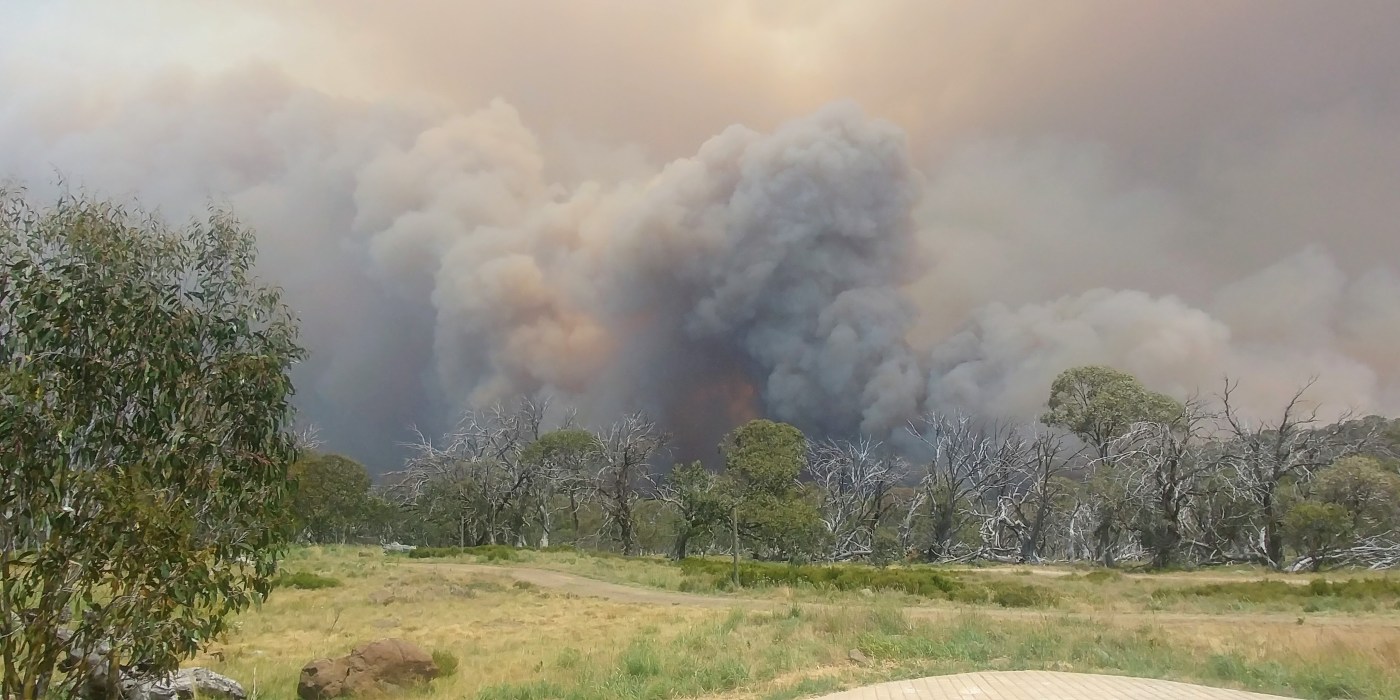
It is 20 years since the 2003 Alpine fires tore through much of the Victorian high country.

On 8 January 2003, lightning strikes ignited 87 fires, 8 of which would join to form the largest fire in Victoria since the 1939 Black Friday bushfires, burning through 60% of the Alpine National Park.

For more than 40 days, several high country townships, including Mt Hotham and Dinner Plain, were under threat from a fire that would ultimately burn 1.3 million hectares, destroying 41 homes and upwards of 9,000 livestock.

According to Forest Fire Management Victoria (FFMV), emergency workers and volunteers from across 35 agencies, including more than 4,000 firefighters, helped protect community, landscapes and property over that summer. There is a great set of images from the fires on the FFMV facebook page.

Since that time, fire has become more common in the high country. A lot has changed since then, both in terms of how we fight fires, and the resources we have available to do so.
Continue reading “20 years on from the 2003 Alpine fires.”

Mountain Journal turns 13

Crikey. What happened to 2022? Seemed like it went forever, yet it also felt like a blur as it rushed past.  A mild summer, a wild rollercoaster of boom and bust winter, then a wet spring. Here is the annual review.

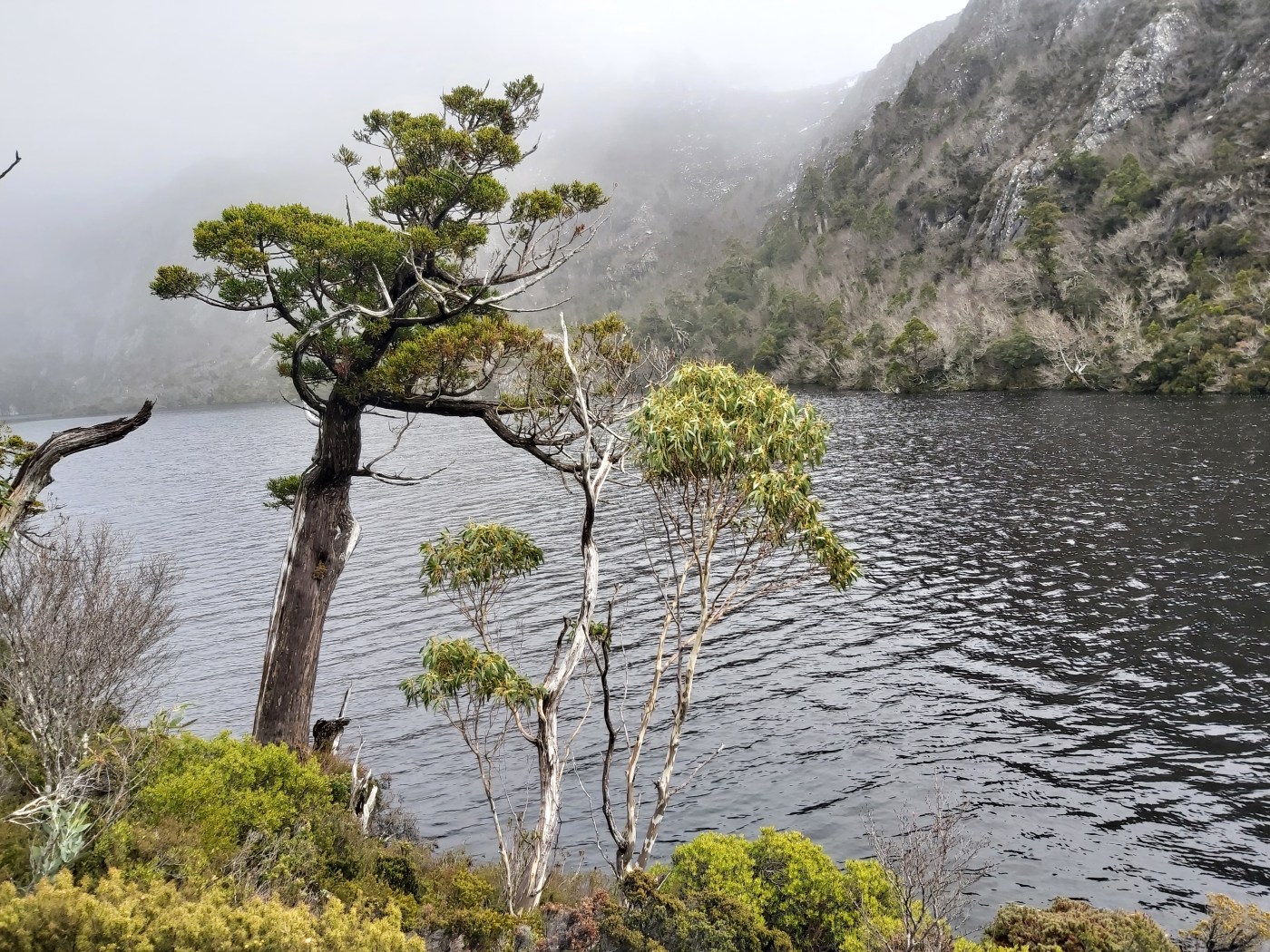
Alpine time in Tasmania

What’s not to love about lutruwita/ Tasmania? Mild climate, wild landscapes, endless mountains, remarkable forests, wonderful rivers. If you love the higher alpine country, and rocky peaks, there is so much to do, and so many places to visit.

But compared with the high country of NSW and Victoria, you generally need to do some work to get into the alpine zones. There are few easy 2WD roads to get up high, like the tourist road up kunanyi/ Mt Wellington, the road over the Central Plateau past yingina/ the Great Lake, the Ben Lomond plateau, the road to Lake Mackenzie and so on.

But in most places you do need to walk and climb to get to treeline and above. That’s one of the things that makes these places so special. I recently had the chance to get back to Mt Rufus, a peak in the south of the Cradle Mountain Lake St Clair national park, which has an elegant long alpine ridge that leads to incredible views of the west, south west and central mountains.

Continue reading “Alpine time in Tasmania”

‘A brief story of a remarkable Historical gathering’

Mountain Journal has published a number of stories in recent years about the fact that Jaithmathang Original Country elders are returning to the mountains to reconnect with their Yerto (meaning land/country high up).

As Jaithmathang Senior Elder, Loreman and Songman, Goengalla Jumma Myermyal Minjeke said in 2021, “in 1830 there was a population of more than 600 Jaithmathang Original People living in our isolated pristine Yerto Alpines, in our Mountain Ranges and on our fertile High Plains Country”. 

“By the early 1850s our population was decimated and there were only a handful of our people left; there was the arrival and occupation by pastoralists and miners, and then the numerous massacres and killings. The last few Jaithmathang who were left were removed away from our Country to other surrounding settlements”.

Now reconnection is happening. This story comes from Karina Miotto and Goengallayin Jumma Jumma.

Continue reading “‘A brief story of a remarkable Historical gathering’”

International Mountain Day, 2022

International Mountain Day has its roots in 1992, when the adoption of Chapter 13 of Agenda 21 “Managing Fragile Ecosystems: Sustainable Mountain Development” at the United Nations (UN) Conference on Environment and Development put a milestone in the history of mountain development.

It is celebrated each year on December 11.

Continue reading “International Mountain Day, 2022”

A long, slow wander along the Australian Alps Walking Track

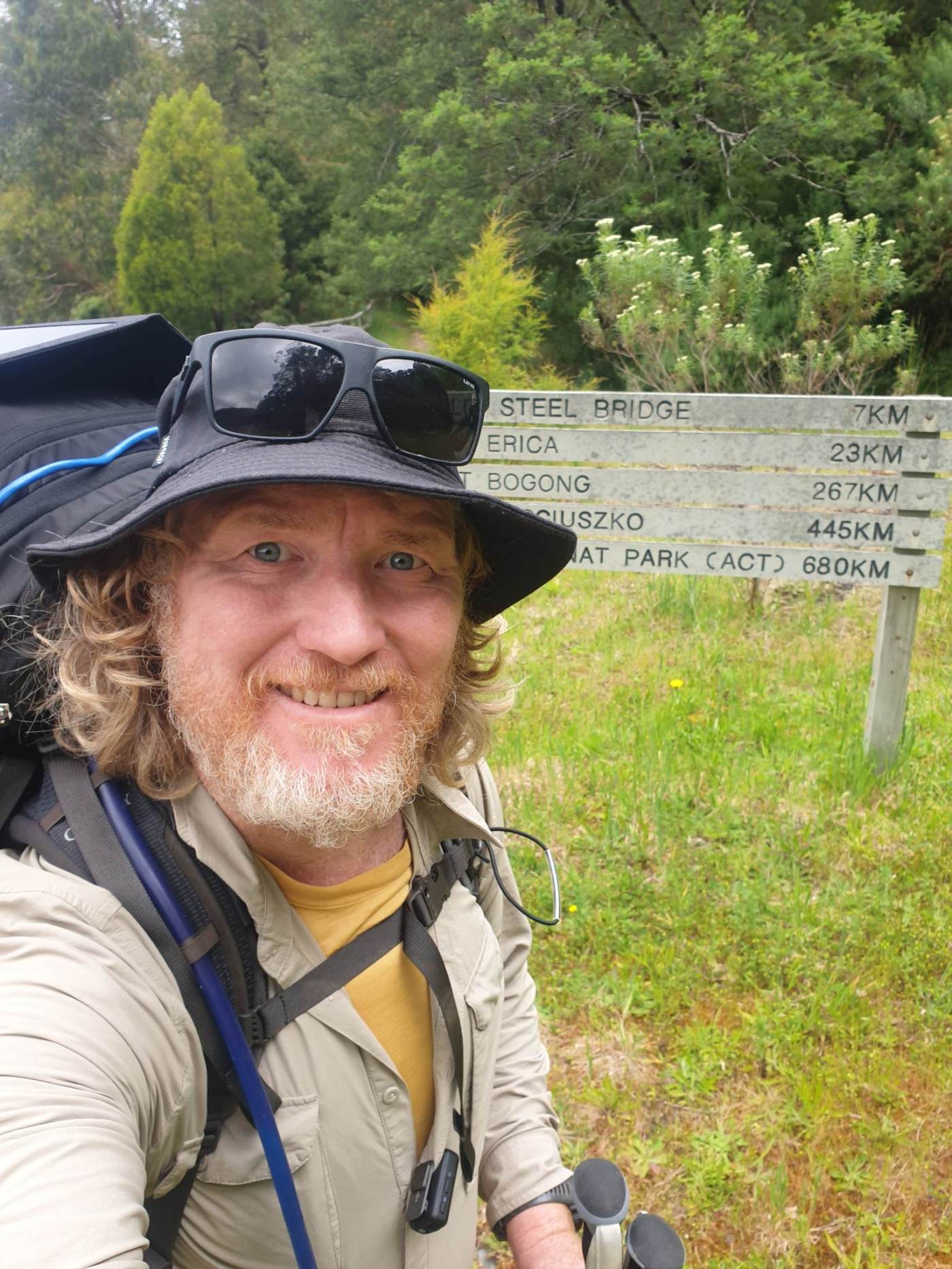
Many mountain people will know Josh Kynaston for the music he plays with his partner Evie as the duo Life Dreamers. They are regulars at many venues across the valley towns and mountains of north eastern Victoria. Joshua loves music. And walking in the hills. He has a plan to combine the two passions – doing a slow traverse of the Australian Alps Walking Track (AAWR) in late 2022, starting at the southern end. And writing new songs and maybe an album as he goes.

Continue reading “A long, slow wander along the Australian Alps Walking Track”

Logging will damage the Epic Alpine Ride at Mt Stirling

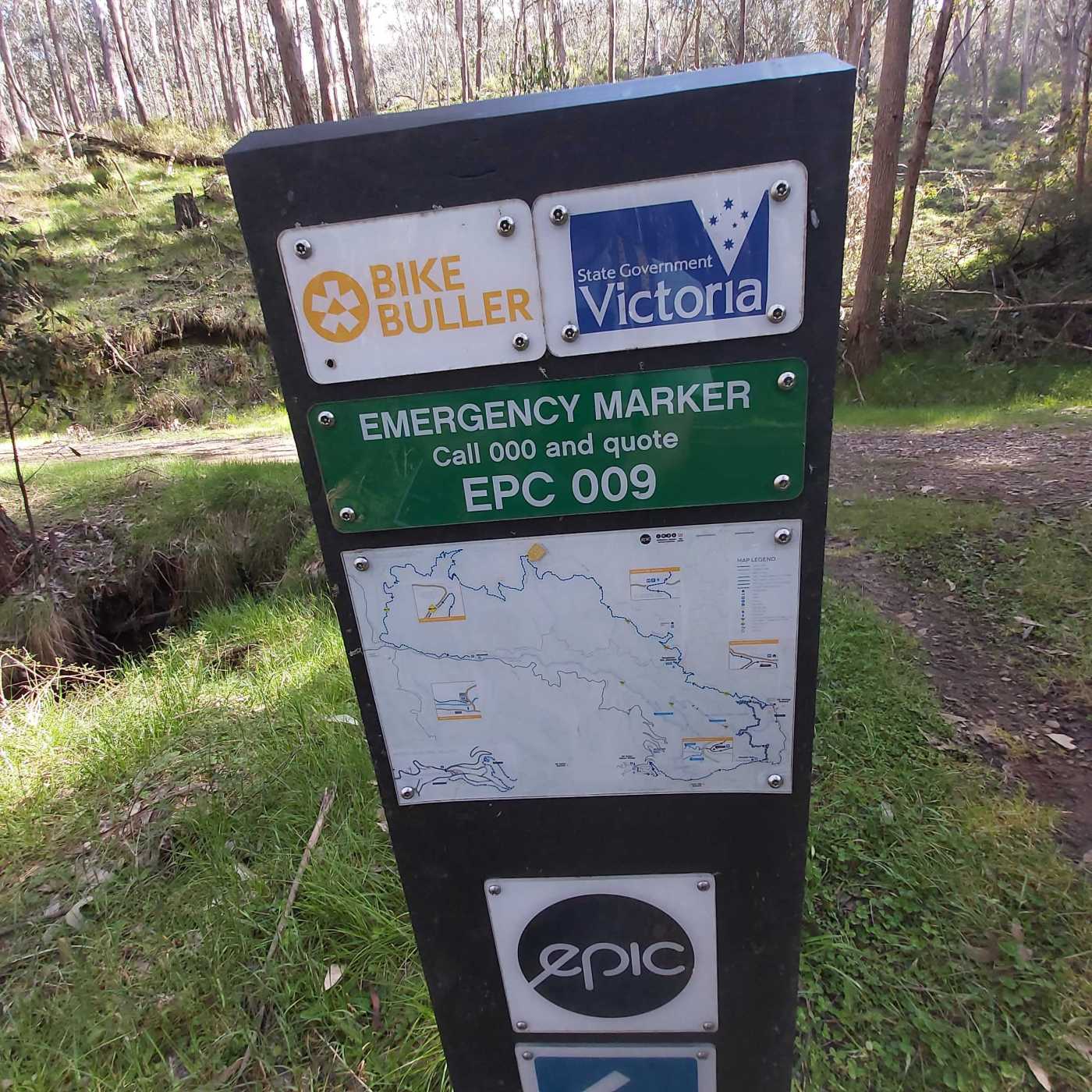
Mt Buller and Mt Stirling are famous for the fantastic bike trails that exist on both mountains. The Australian Alpine Epic route is described as ‘one of only a handful of IMBA Epic accredited trails in the world, the Australian Alpine Epic is a unique, tough and exhilarating journey’. It climbs onto Mt Stirling from the Delatite Valley before heading north past Mt Winstanley.

Sadly, now sections of the Epic ride will be directly impacted by logging operations on Mt Stirling – unless we stop it.

A large area around Mt Stirling is expected to be clear fell logged soon (starting any week now), including several coupes that will directly impact the Alpine Epic ride.

Continue reading “Logging will damage the Epic Alpine Ride at Mt Stirling”

Join us for a walk up Mt Bogong/ Warkwoolowler to oppose logging of mountain forests

Victoria’s highest mountain, Bogong (Warkwoolowler in the Waywurru and Dhudhuroa languages) is protected in the Alpine National Park. It sits high above the town of Mount Beauty and is a drawcard for hikers, skiers and backcountry snowboarders. There are no roads on the mountain, and access is slow because of the steep climb up from the valley. It is an alpine wonderland of wildflowers in summer and deep snow in winter.

However, surrounding areas continue to be logged. And now a series of logging coupes are proposed along the Australian Alps Walking Track (AAWT) between Bogong and Mt Wills. Additionally, a coupe is planned in the headwaters of the Mitta Mitta River, a major river which starts on the Bogong High Plains.

If this concerns you, please join us for a walk to Mt Bogong on Friday January 20. We will walk up Staircase Spur. We will take a group photo with banner on the summit as part of our campaign to build awareness about this new threat to mountain forests.

Continue reading “Join us for a walk up Mt Bogong/ Warkwoolowler to oppose logging of mountain forests”

Is this the summer you do the AAWT?

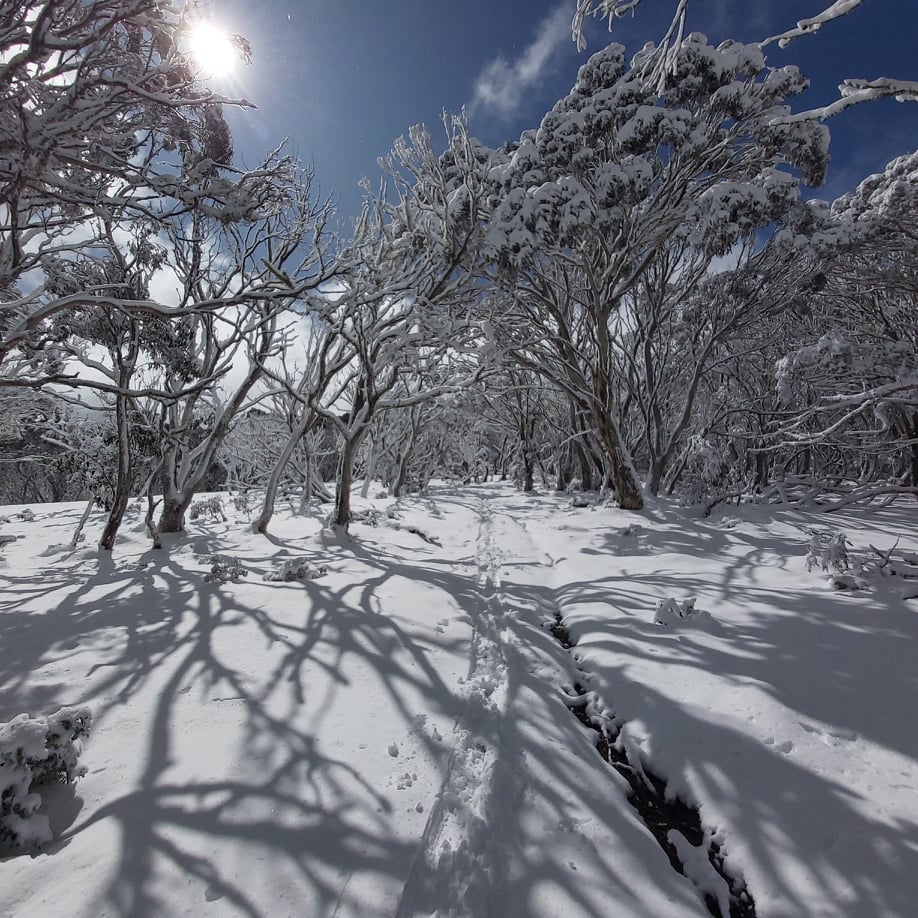
Its walking season. And people are getting out, despite some crazy weather. A friend has just left on the Australian Alps Walking Track (AAWT). Another is about to leave. A work mate is planning to walk it in autumn.  And I am seeing many posts from people who were out on the track during recent epic snowfalls. It seems like our premier long distance trail is getting a lot of love at present.

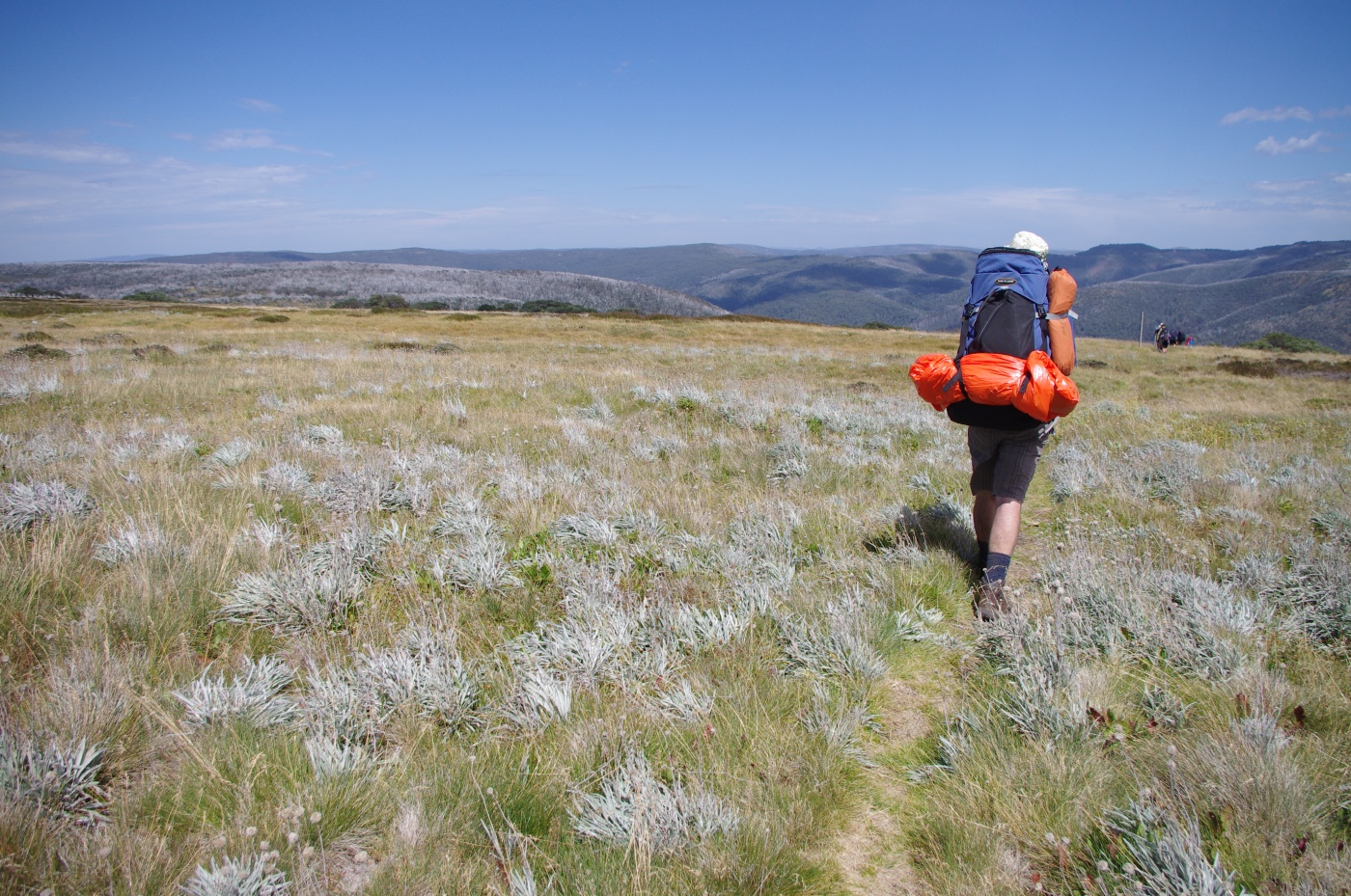
Many of the usual issues will remain, like sections that are hard to find in the hill and valley country in the south (although in early 2023, the section of the AAWT from Mt Sunday to Low Saddle, which has been problematic for walkers for some time has now been cleared by volunteers from Bushwalking Victoria). In the northern end, the heavy rains are making it hard to do river crossings in places like the Murrumbidgee and Eucumbene rivers and Morass Creek. Fire regrowth in some areas is also making for some hard navigation. And the road from Mt Beauty to Falls Creek will be closed through summer, making support and food drops on the Bogong High Plains slightly more problematic (you can reach the High Plains via Omeo). Because of heavy rains, there are many local road closures in the mountains.

But, as always it is a great adventure.

Continue reading “Is this the summer you do the AAWT?”

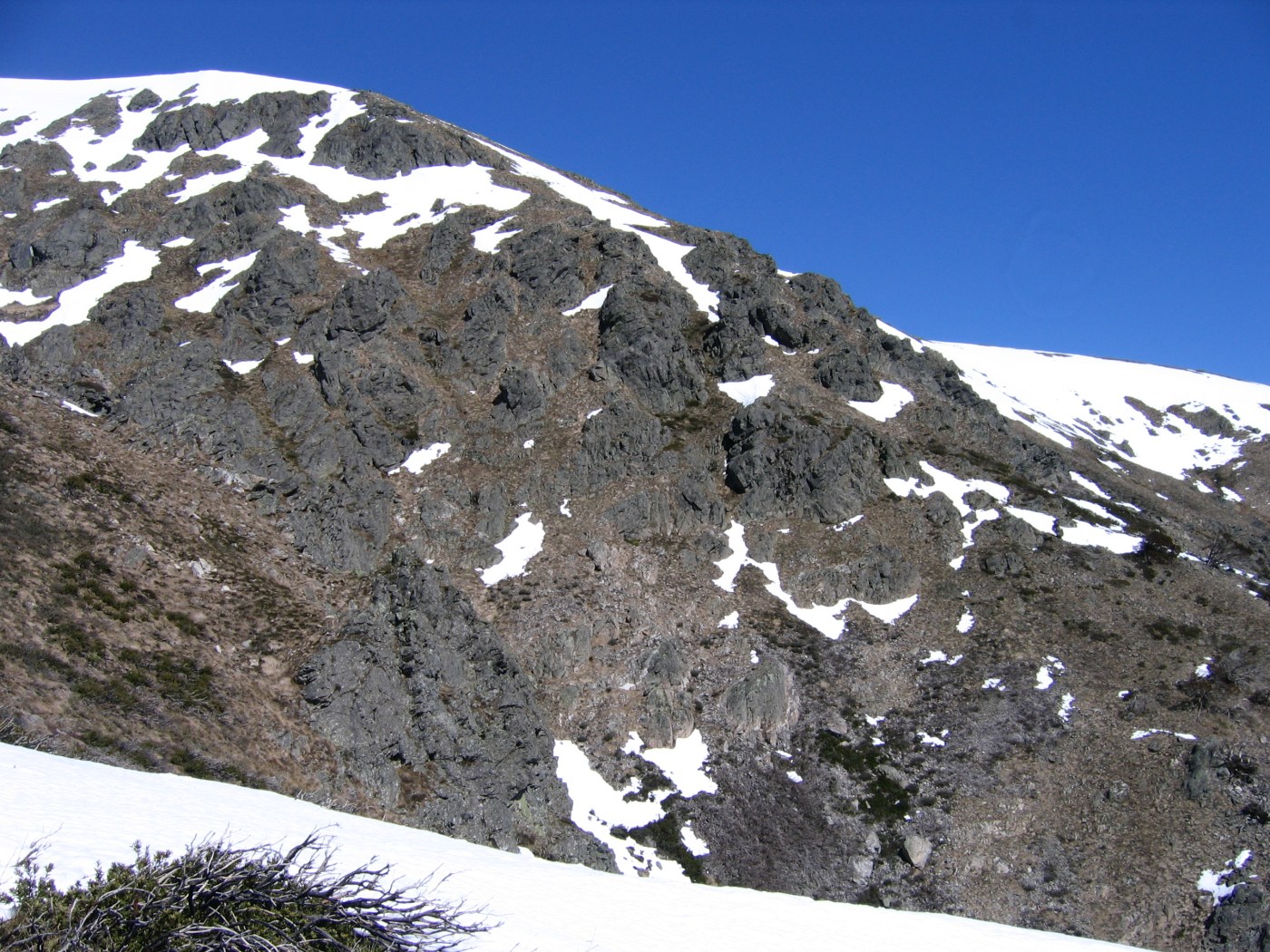
Climate change is driving fire and reducing snow pack

The country’s climate has warmed on average by 1.47C since national records began in 1910, according to the new State of the Climate report released earlier this week.

It reinforces what we already know about climate change impacts on mountain environments:

  • Since the 1950s, extreme fire weather has increased and fire seasons are starting sooner and ending later. We can see the impacts of this in burnt out snow gum woodlands and alpine ash forests in a state of ecological collapse.
  • Snow depth, snow cover and number of snow days have decreased in alpine regions since the late 1950s. (This decline has been known and reported on for years).

Continue reading “Climate change is driving fire and reducing snow pack”

The UpSide of a wet spring: lots of river running

What a spring. The rains and flooding just keep on going. It’s been snowing in the high country. Many events are being cancelled or rained out (luckily the recent Rogaining Victoria event at Mt Stirling dodged most of the rain), and Falls Creek is isolated from Mt Beauty until next year. Many dirt roads are impassable and there is widespread damage to the road network. On the plus side we won’t be facing fires in the high country any time soon, but its currently not great walking, riding or camping weather.

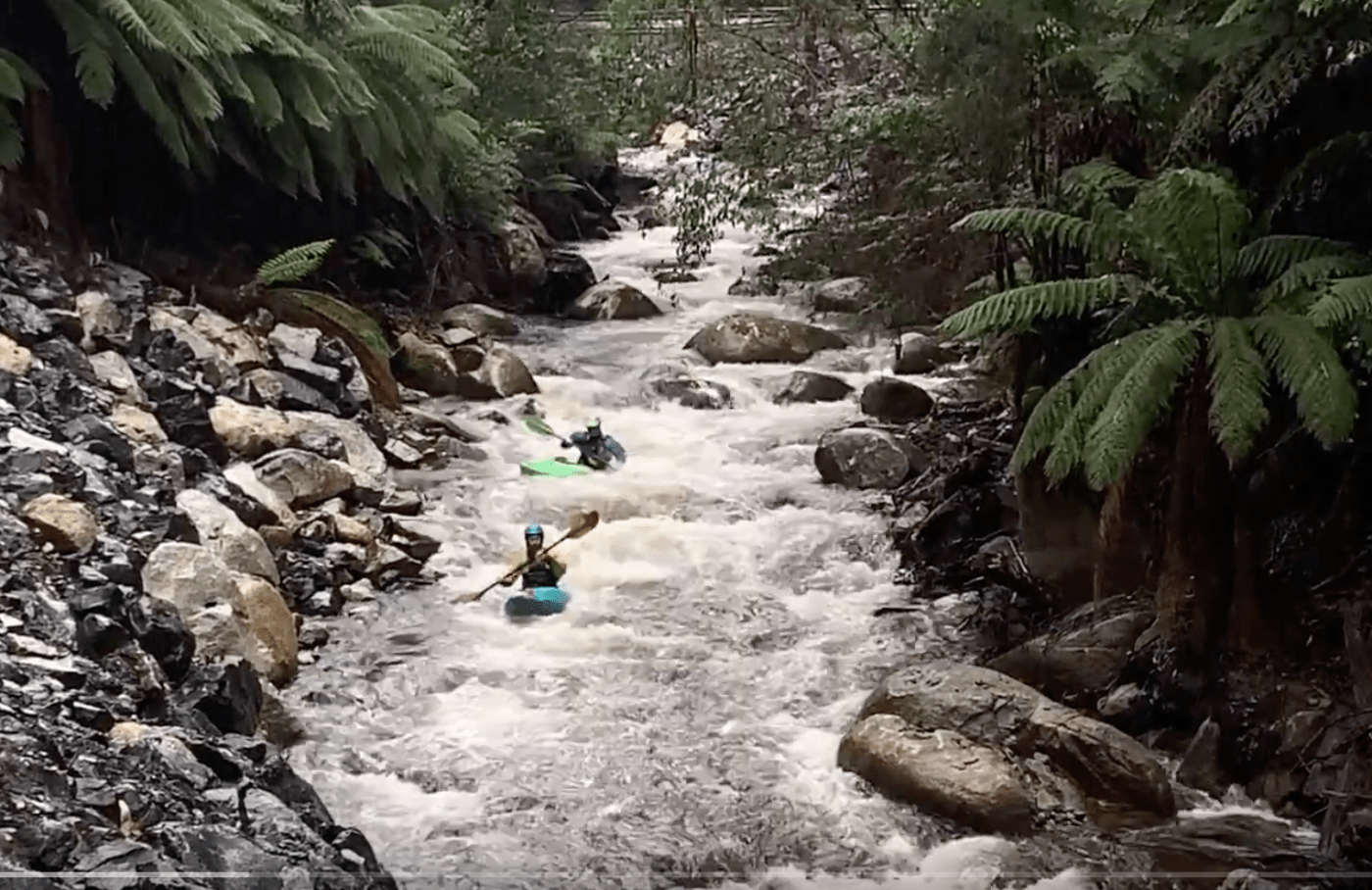
But there is one group who’s happy this spring: the paddling community. With epic conditions in our river valleys, even smaller streams are currently able to be paddled.

Continue reading “The UpSide of a wet spring: lots of river running”

Logging at Mt Stirling – what’s at stake?

With news that logging could commence on Mt Stirling as soon as this week, Friends of the Earth (FoE) activists visited the mountain over the weekend of November 18 – 20. Assisted by Friends of Mt Stirling and the Victorian National Parks Association, we visited most of the planned coupes and carried out night time surveying for threatened animal species in a number of them.

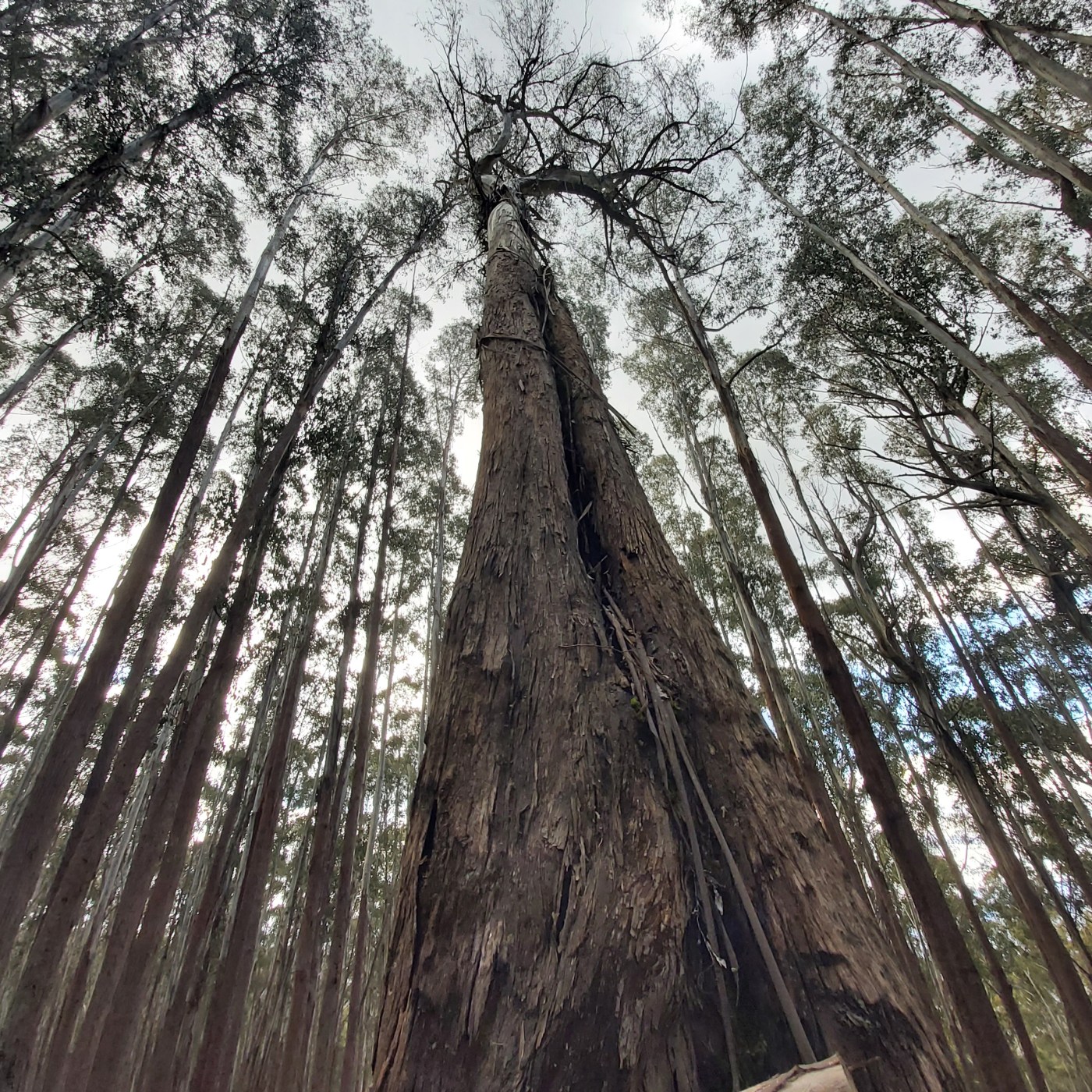
What we found was a rich diversity of forests and ecosystems, from mid elevation mixed species forests, areas dominated by alpine ash, and in the higher Number 3 area, proposed coupes that were a mix of older snow gums intermixed with alpine ash. While we did not spot either Greater Glider or Yellow-bellied Gliders (YBG), we found forests within the coupes with likely habitat for these species and an active YBG feed tree.

Continue reading “Logging at Mt Stirling – what’s at stake?”

Blog at WordPress.com.

Up ↑