
In a significant move, volunteers with the Country Fire Authority (CFA) in north east Victoria have called for a halt to planned fuel reduction burns in the Strathbogie Ranges. Mountain Journal has previously reported on community calls to halt the burns because of the likely ecological impacts.
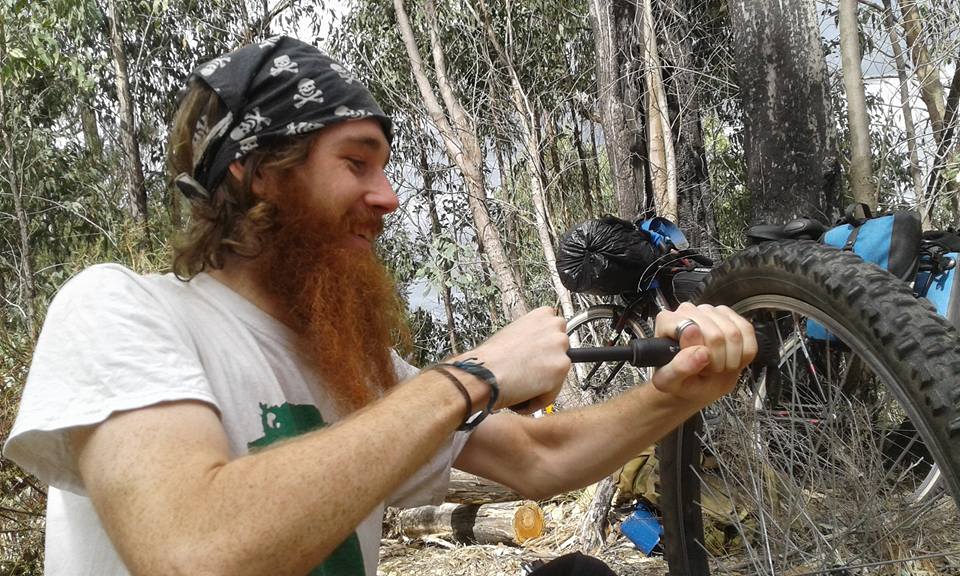
This is a novel way of raising awareness about the proposal for the Great Forest National Park – riding a bike through the forests and posting updates about the amazing things and places to be found in the Central Highlands.
The following comes from Aidan Kempster, writing on their Chuffed page.
Continue reading “Riding for the Great Forest National Park”
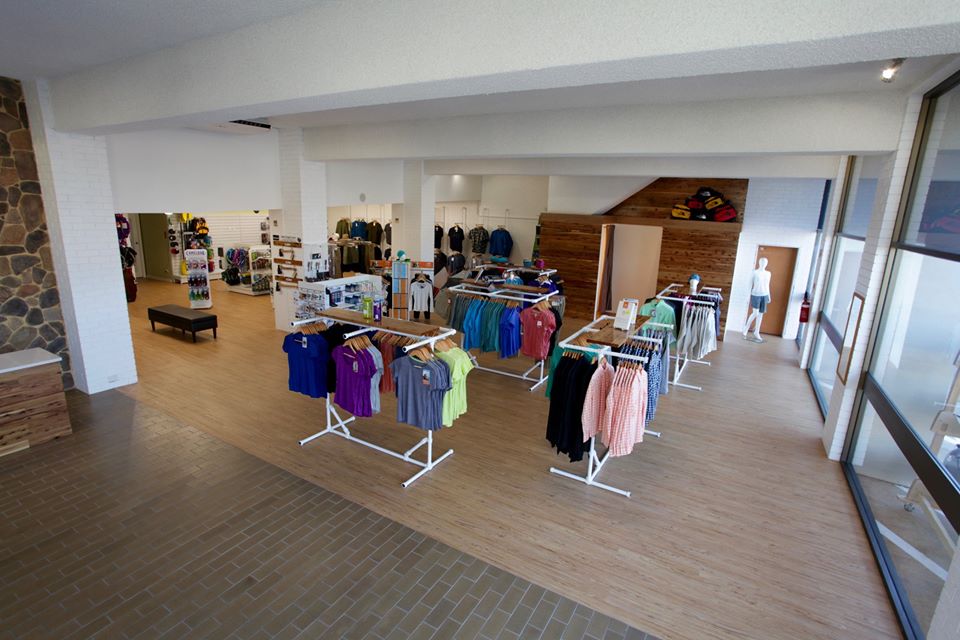
Anyone who has been involved in small scale retail knows how hard it is to get a new business going. In the realm of outdoor gear, there is the move to online buying and the threat posed by the large chains, who can sell goods at greatly reduced prices, and who have deep pockets for sourcing stock. Being in a small town adds to the challenge of making a new business economically viable.
Tom’s Outdoors is a recent venture, based in Tumut, in the western foothills of the Snowy Mountains.
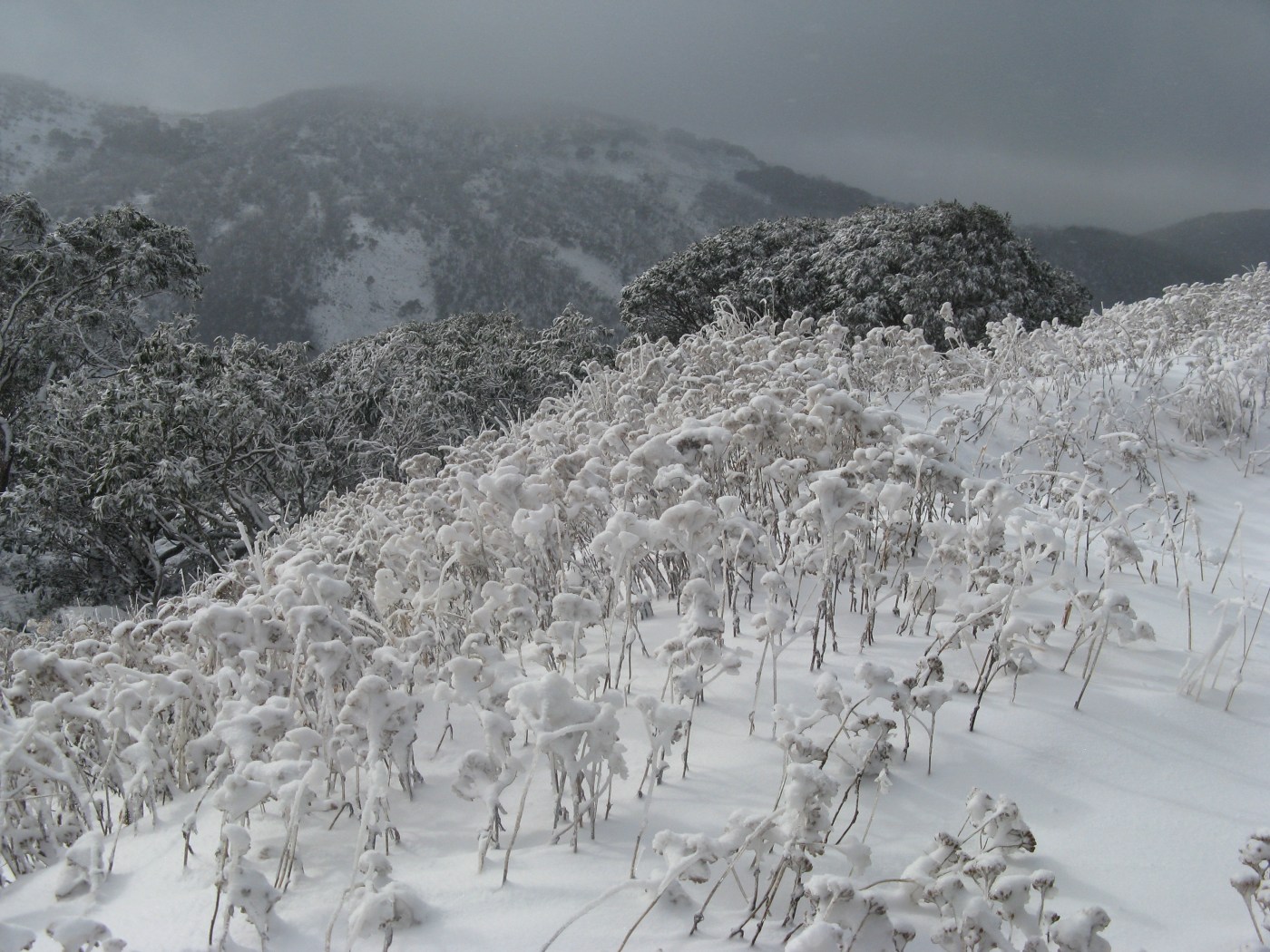
It’s April: two months til winter… Which gets us all thinking about what type of season it will be.
Most Australian snow enthusiasts know about The Grasshopper, who writes snow forecasts for MountainWatch (‘resident meteorology sensei’ at MountainWatch).
The first prediction for 2016 has arrived.
Continue reading “The Grasshopper prediction for winter 2016”
The Victorian Walking festival starts on April 1 and goes until May 8.
You can choose walks by date, theme or region. There are walks in Melbourne and regional VIC plus lots of specialised themes like night walking, food culture, natural history, etc.
The following information comes from the organiser, Stephen Ingrouille
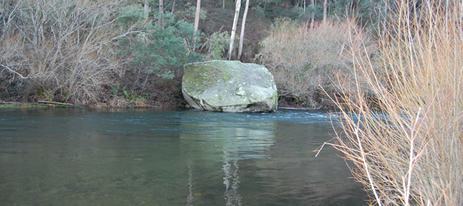
The following report outlines the excellent weed removal and restoration of indigenous species which has been happening along the West Kiewa River in the section above and around Mt Beauty in north east Victoria.
It comes from the Department of Environment, Land, Water and Planning.

It’s autumn, so it must be time for the annual reflection on Mountain Journal.
Fires in Tasmania, unprecedented heating of the planet, a good winter, fewer direct threats to the Alps, but the slow burn of climate change …
You can read the reflection here.
The following comes from the Victorian government:
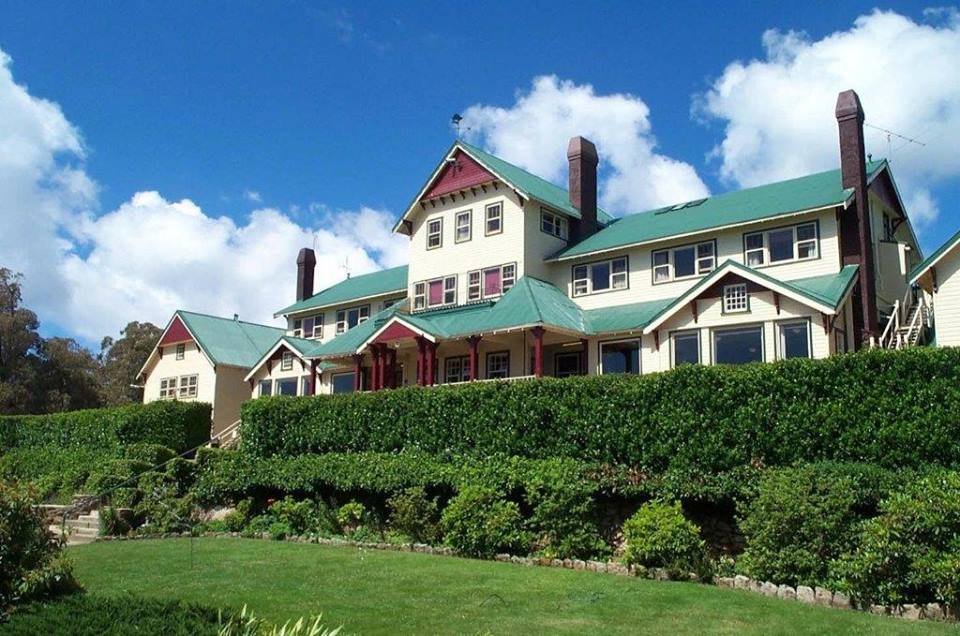
The Andrews Labor Government today announced the newly appointed members of the Mount Buffalo Destination Advisory Group, which will work with Parks Victoria to identify future tourism options for the Mount Buffalo Chalet.
The advisory group was established to consider future options for the Chalet so it can stay safe and secure for generations to come.
Continue reading “Works Begin To Preserve Mount Buffalo Chalet”

Following the hottest ever February on record across the globe, and an extremely hot, dry March in north-east Victoria, Euroa Environment Group has called for an immediate halt to planned burning and logging this year of some of the last stands of mature native forest left in the Strathbogie Ranges.
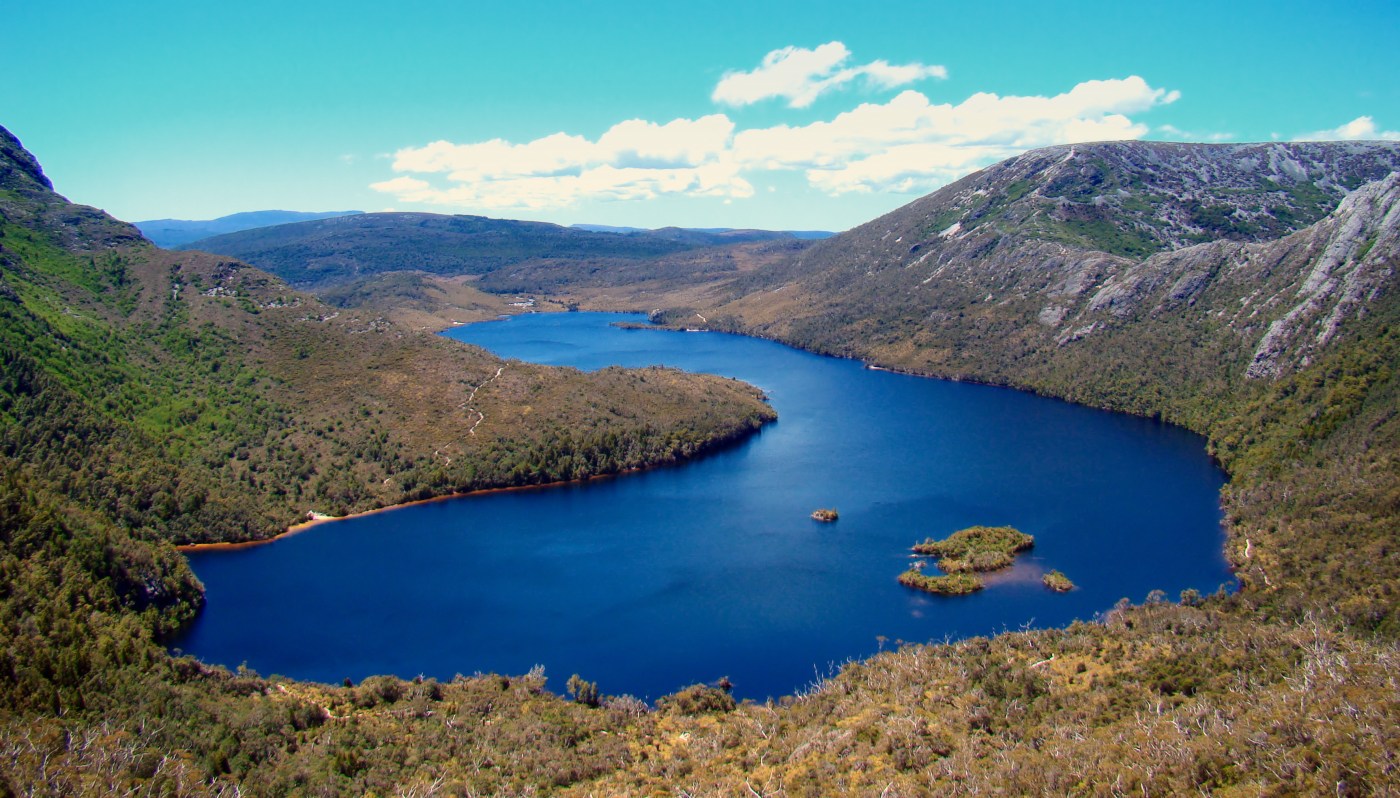
Mountain Journal recently reported on the new master plan that was being developed to improve the ‘tourism experience’ at the north end of the Cradle Mountain Lake St Clair National Park. Yes, I’m a grumpy old bushwalker who goes to Cradle Valley because it’s the access point for miles of terrain, rocky mountains, alpine moors and fantastic walking, rather than because I expect a ‘world class tourism experience’ in a national park.
But I do understand that many people expect first class facilities and that’s where the sheer numbers of visitors are. With Cradle Valley visitation declining, it was deemed that something had to be done, and so we have the release of the new master plan for the area, developed by the Cradle Coast Authority, which hopes to increase visitor numbers by 60,000 to 80,000 a year.
Continue reading “The ‘Cradle Mountain Visitor Experience Master Plan’”
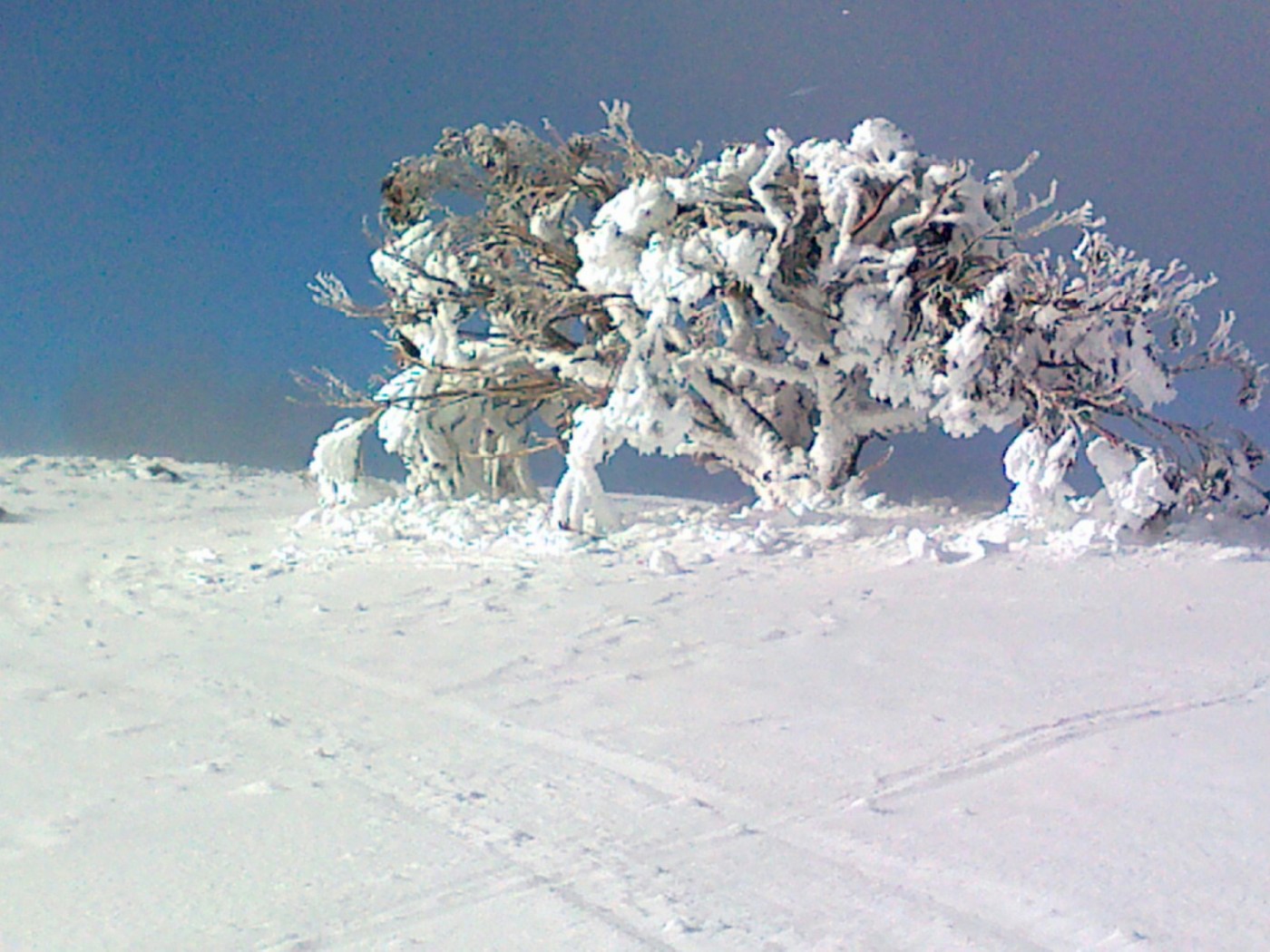
If you’ve ever walked up Mt Stirling, its very hard to miss the ‘Stirling tree’ – a lone snow gum that stands towards the south peak of the mountain and is visible from the four wheel drive track that passes over the summit.
I often sit by the tree and never fail to be amazed by how many 4WD’s drive over the mountain, without the occupants ever stopping, let alone walking around. The views from Mt Stirling are superb, sitting in a huge ring of mountains that stretch from Mt Skene around to Howitt, all the way across to Buffalo Plateau. The tree draws your gaze and is a popular spot for many walkers as they wander around the summit area.

Saturday April 30 at 7.30pm.
The NSW Nordic Ski Club is hosting a screening of the Backcountry Film Festival – this Film Festival features 9 short snow and ski films selected by the American Winter Wildlands Alliance. The Festival is renowned for its mix of professional and grassroots films, from well-known filmmakers who search backcountry corners across the globe to submit their best work to first-timers who take a video camera out on their weekend excursions.


 Mountain Journal
Recent Comments