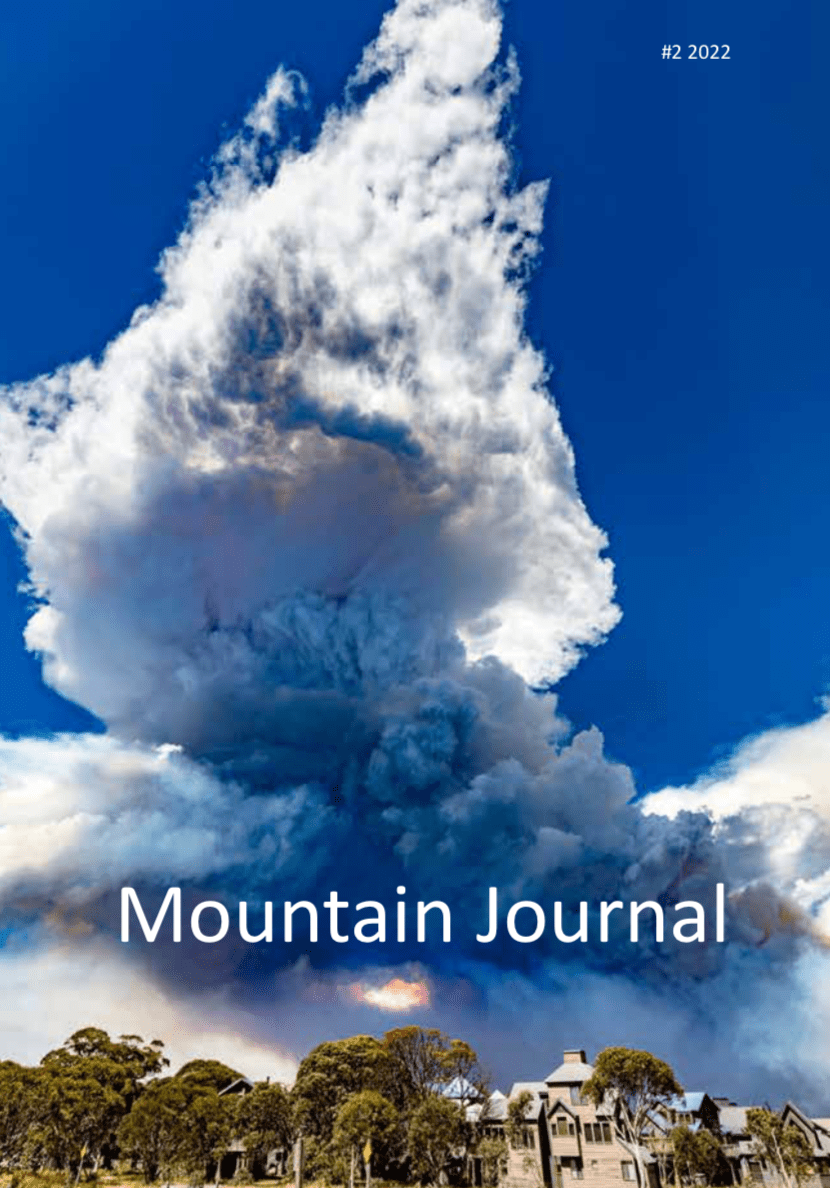
For the second year, we have produced a print version of a magazine, based on content from the Mountain Journal website. In 2022, the magazine is a collaboration with Mandy Lamont of Lamont magazine. Distribution of magazines across mountain towns and resorts starts on June 7.
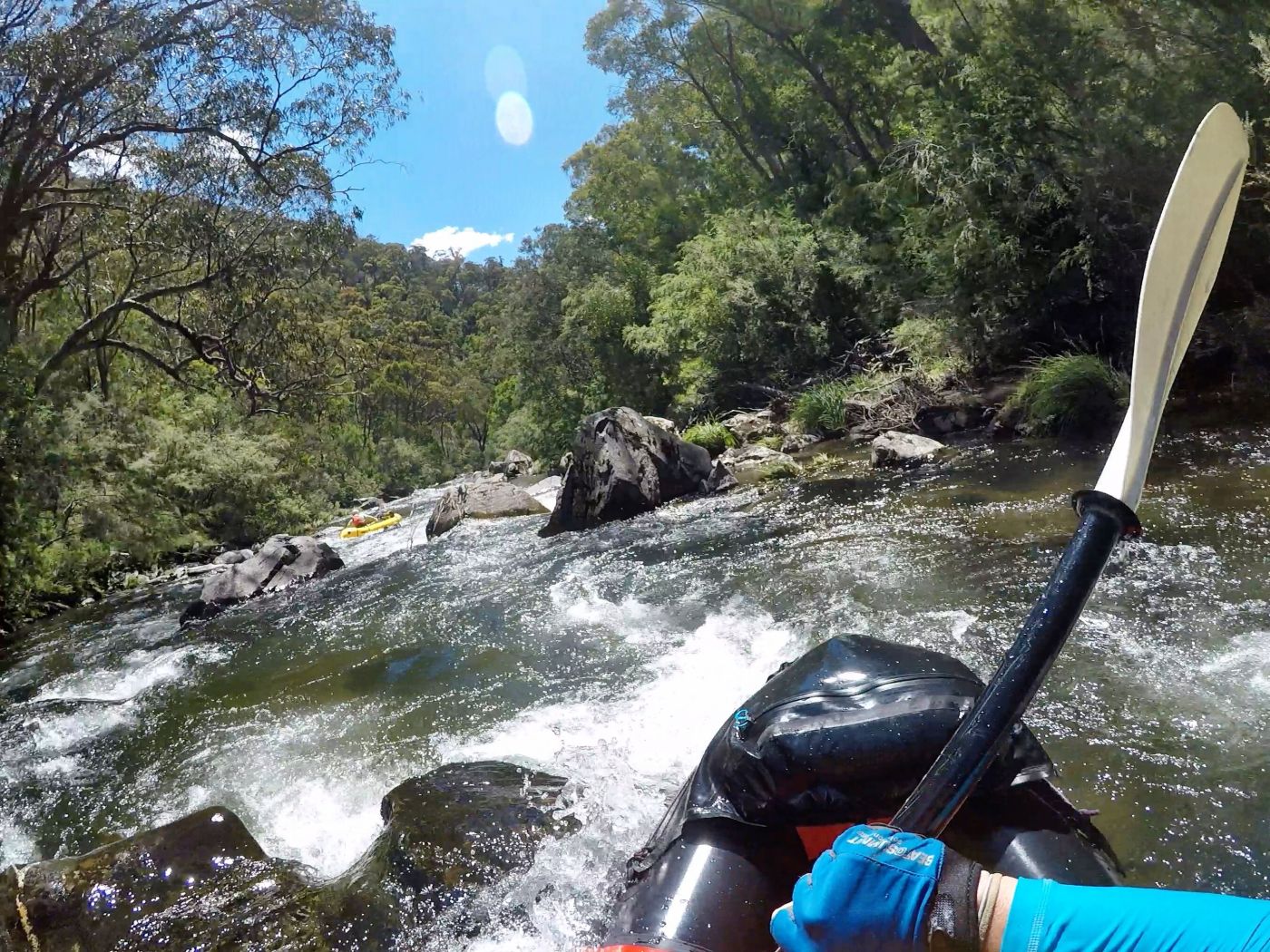
This is one of the lead stories in this year’s Mountain Journal magazine. It is about an expedition to packraft the Dargo River in the Victorian Alps.
Content by Daniel Sherwin. Intro by Kelly van den Berg.
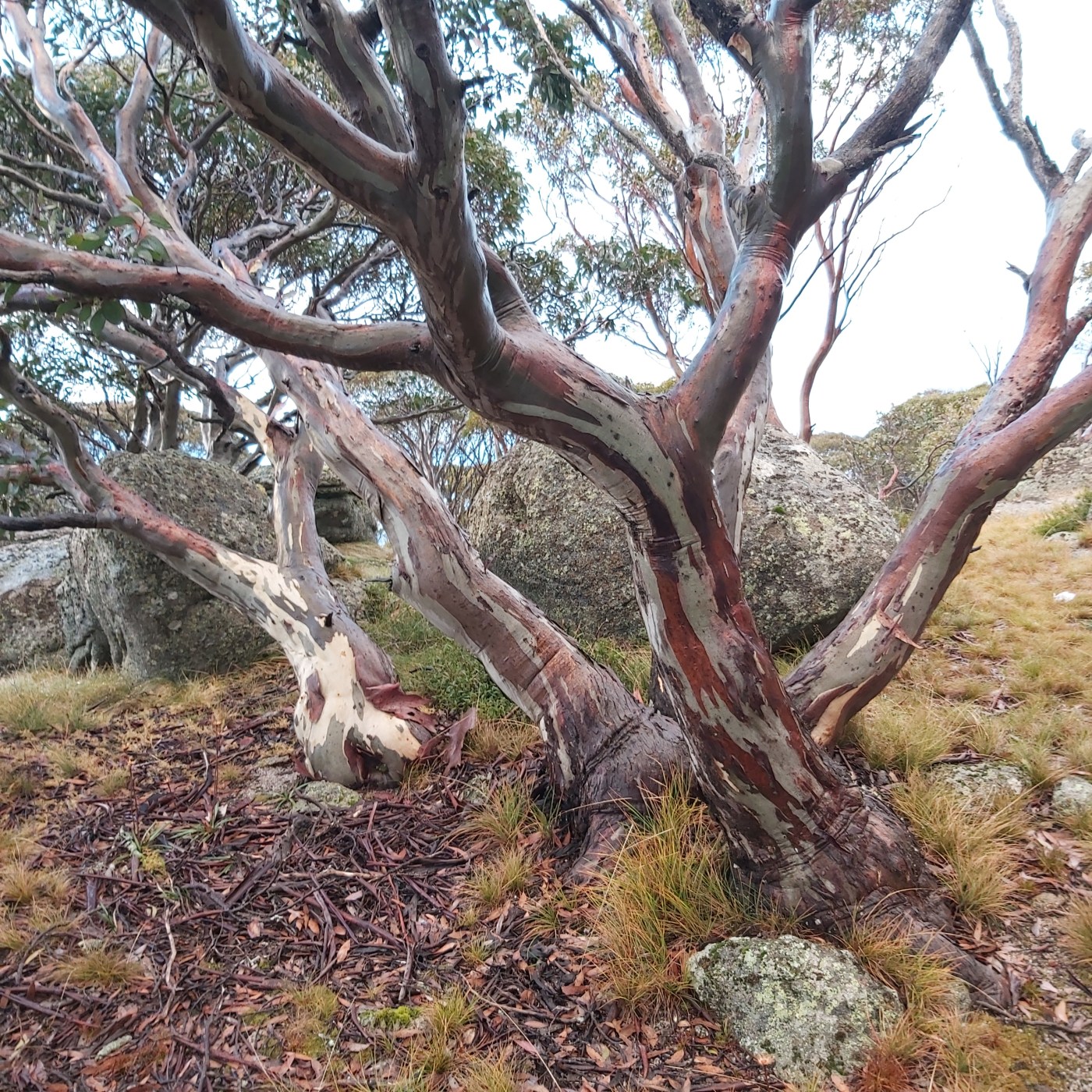
As we waited for the snow to arrive last week, it seemed like the right time for the annual pilgrimage to Mt Wills. I have often written about what a special mountain it is, tucked away behind the eastern fall of the Bogong High Plains and Mt Bogong (named Warkwoolowler in the Waywurru and Dhudhuroa languages). I love that strange hut on the little summit plateau, the grassy meadows with old snow gums scattered everywhere, the endless rock outcrops and rocky escarpment on the east side.
Mt Wills is a classic ‘island in the sky’ of isolated snow gum woodland. While it is connected by a long and high ridge back to Bogong, mostly the land falls away to deep river valleys and forests initially dominated by Alpine Ash. It feels like a small sub alpine sea poking out into the upland valleys of the eastern Alps. I love the silence and perspective back to other mountains. But what really draws me back year after year are the ancient snow gums.
Continue reading “Mt Wills – a precious sub alpine plateau in need of protection”
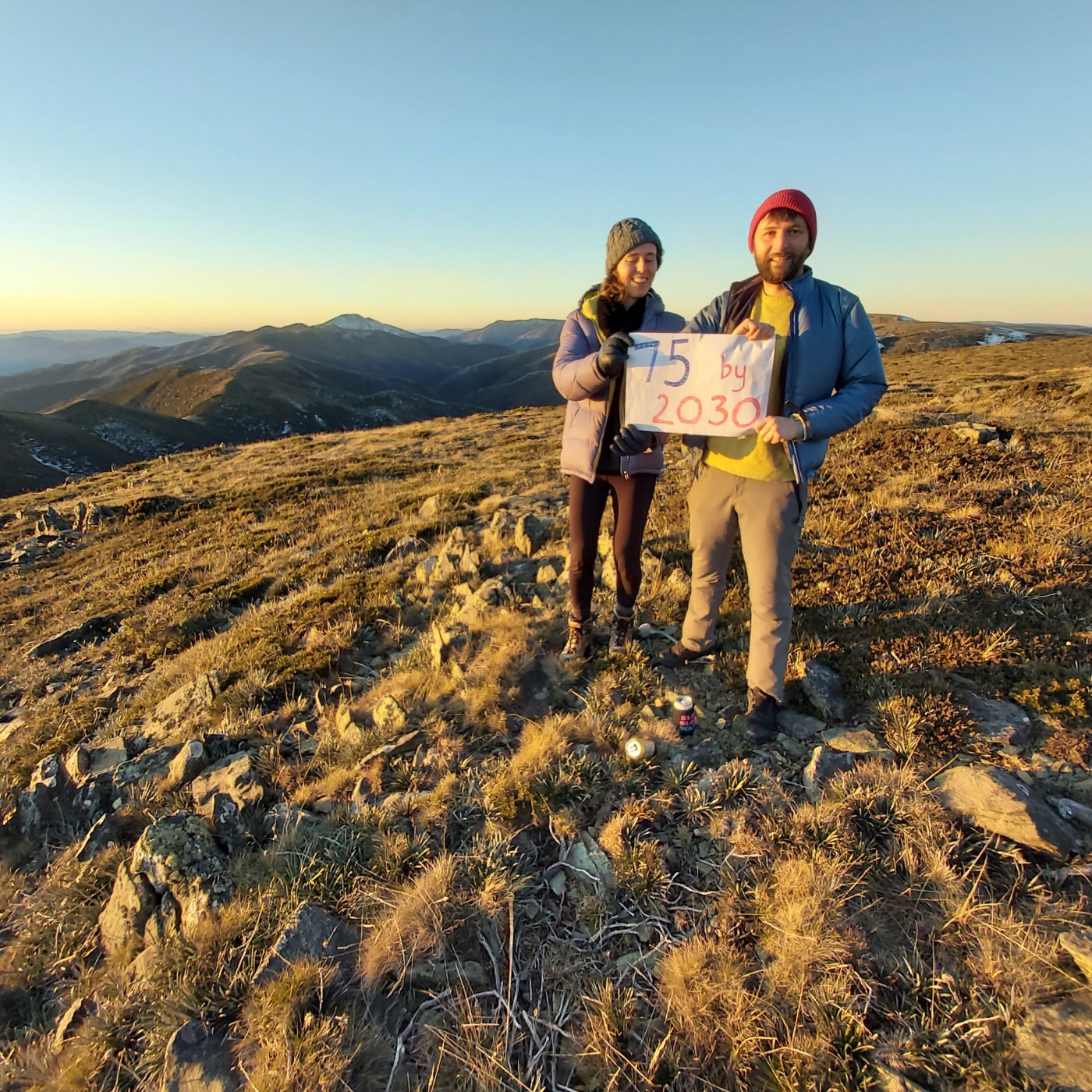
We’re ready for winter.
And We’re ready for climate action.
Join our actions over opening weekend (Saturday June 11).
We all know that winter is in trouble. Cold powder and snow pack are in decline. We have a window of opportunity to protect winter. But we need to act now.
Continue reading “POW actions to mark Opening weekend – please join in”
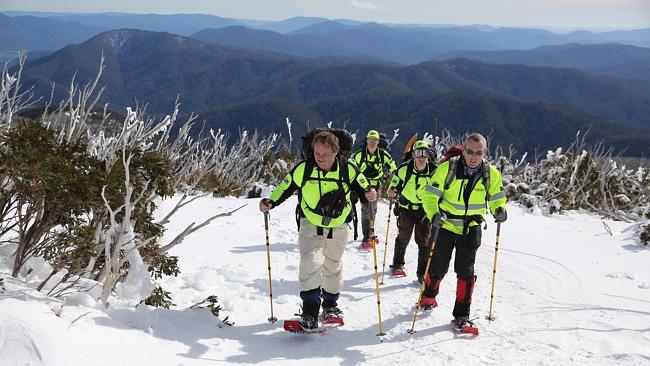
If you get lost in the mountains, one of the groups likely to be called in to find you will be Bush Search and Rescue (BSAR). BSAR is a dedicated volunteer search and rescue group active in the state of Victoria, and is a division of Bushwalking Victoria Inc.
BSAR participates in land-based search and rescue activities for persons lost in bush and alpine areas, in conjunction with and under direction from the Victoria Police Search and Rescue Squad.
Mountain Journal is presenting a series of stories on people who are Giving Back to the mountains and the mountain community. This first in the series features the words of BSAR volunteer Warren Sanders, better known as ‘Sheepy’.
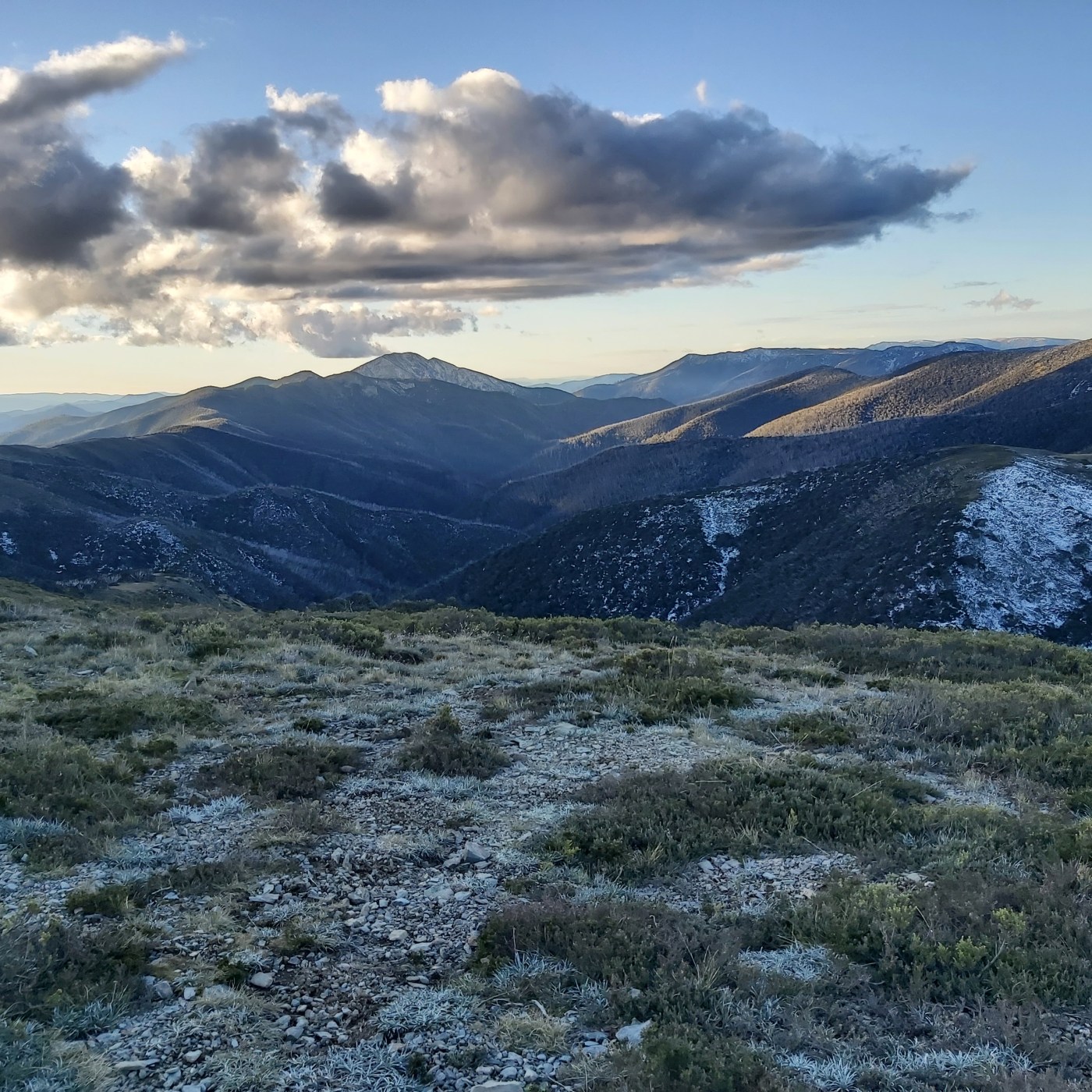
There were some snowfalls across the Alps last week, and now snow lovers are getting excited about an incoming air mass that could start to deliver significant snowfalls over the weekend or in to next week. As always, the hype probably outweighs the reality. But to be a skier or rider in Australia is to be an eternal optimist.
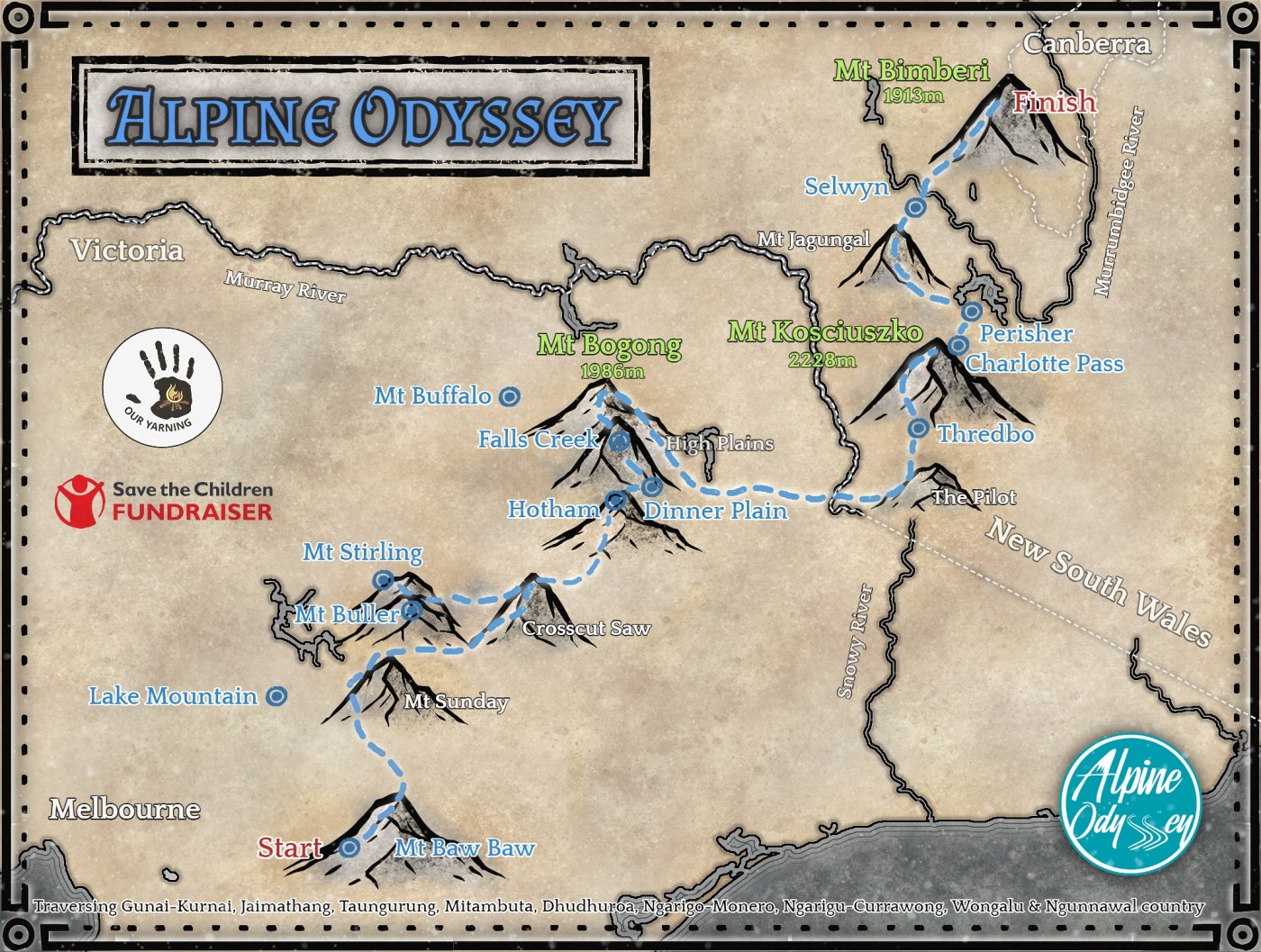
In a journey expected to take some 50 days, Huw Kingston will ski the 600 km length of the Australian Alps this winter and, along the way, ski at each of the 12 snow resorts in Victoria and NSW. His Alpine Odyssey aims to raise $50,000 for Save the Children’s Our Yarning project.
Starting in late July, Huw will traverse some of the most rugged country in Australia, diverting to ski at Lake Mountain, Mt Baw Baw, Mt Stirling, Mt Buller, Mt Hotham, Dinner Plain, Falls Creek, Mt Buffalo, Thredbo, Charlotte Pass, Perisher and finally Selwyn Snow Resort, reopening this season after having been devastated in the Black Summer fires.
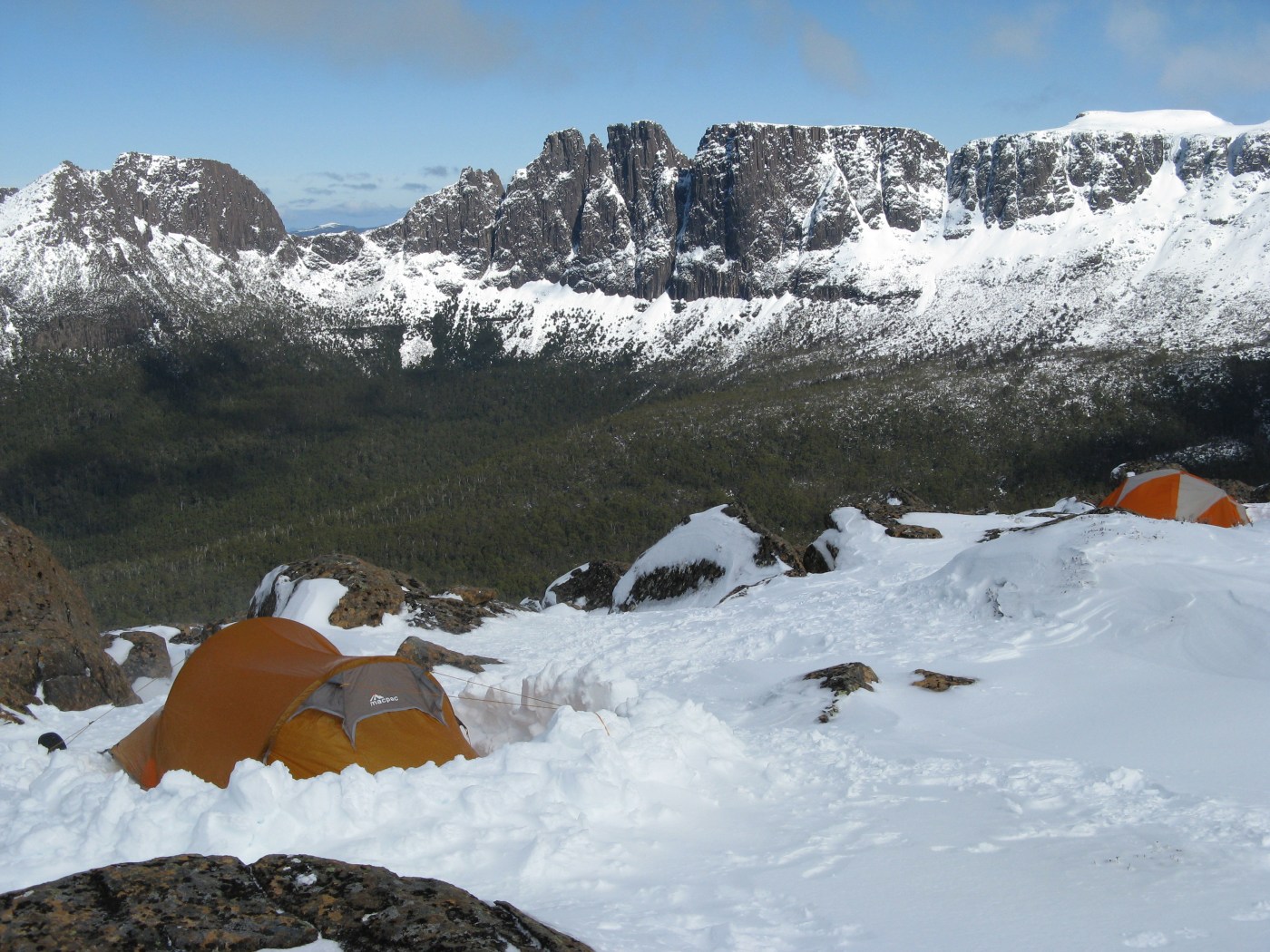
Anyone who is paying attention can see the changes that are already happening in the Australian mountains. Apart from the environmental costs of global heating, there are massive economic impacts as tourism dependent towns and resorts are disrupted. But there is also a huge cost for recreation. For many of us, the mountains are our ‘heart place’ where we go to ski, ride, paddle, climb and walk. The mountains are a place for camping, for sitting by a river, to recharge. What happens when climate change disrupts our ability to get into the Alps?
Continue reading “Is Tasmanian snowpack the future of skiing in Australia?”

We all know that climate change poses an existential threat to mountain environments. For instance, the most recent report from the Intergovernmental Panel on Climate Change (IPCC) makes it clear there are serious threats to animals and vegetation across Australian mountain environments.
Climate change is a global problem and requires a global response. All countries must do their part to reduce emissions. It is the same at the state level (especially given the failure of the federal Coalition to act on climate change). There is an important opportunity to influence the Victorian government on its emission reduction targets. But we have less than a week to do so.
Continue reading “A chance to influence Victoria’s climate policy”

It’s getting cold and the snow is starting to fall. Winter lovers are getting excited for a big winter. So it’s perfect timing for the release of a new backcountry safety film. The Australian Ski Patrol Association (ASPA) has launched its revamped SnowSafe website, which includes a new backcountry safety film and other videos.
Continue reading “New Australian Ski Patrol Association backcountry safety film released”
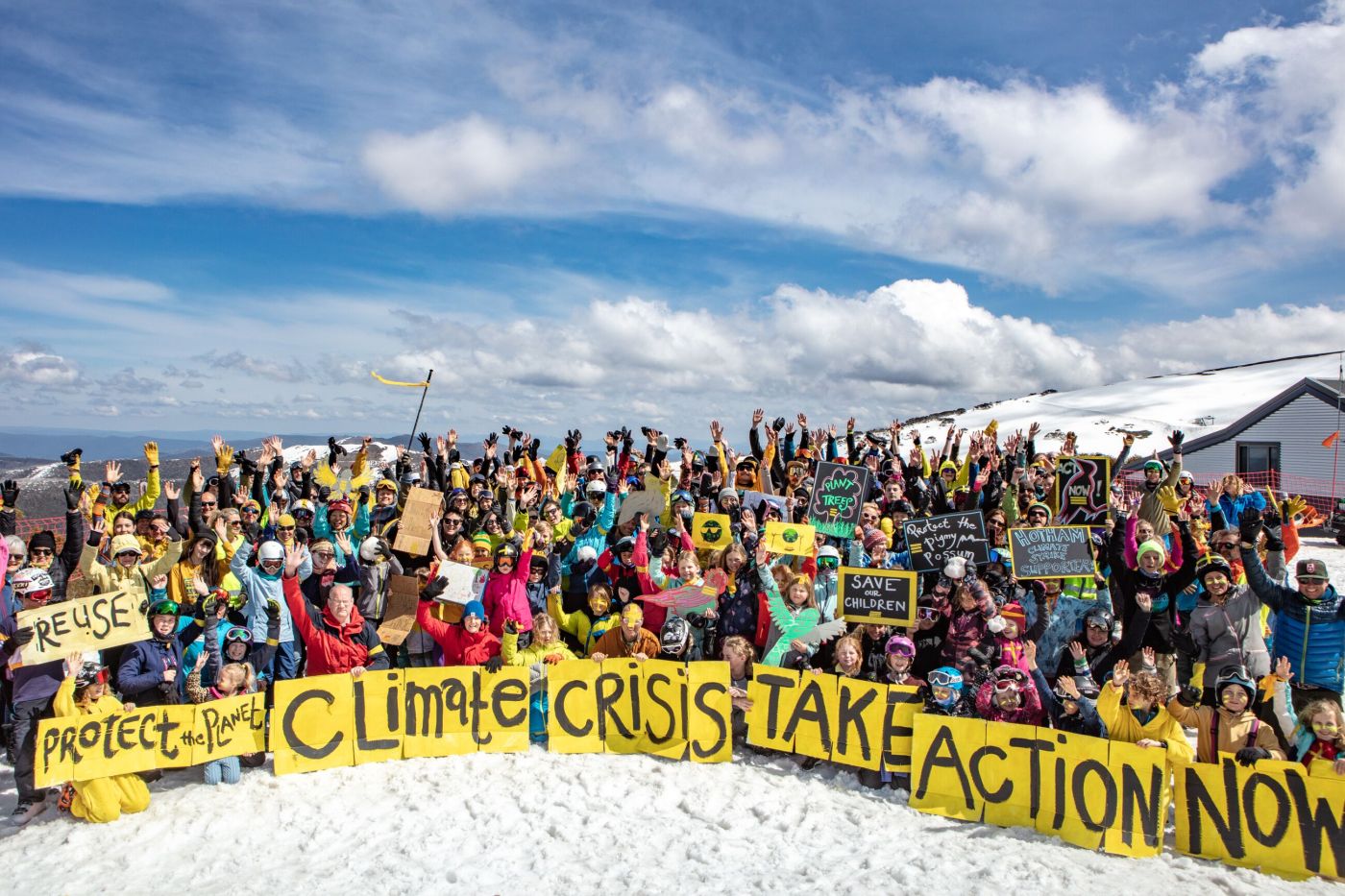
Global temperatures have risen about 1C since 1900, overwhelmingly due to greenhouse gas emissions. In Australia, the average increase has been 1.4C. It has been linked to unprecedented bushfires, rainfall events that have caused catastrophic flooding and four mass coral bleaching on the Great Barrier Reef since 2016. Skiers and riders know that this has already had a negative impact on our snowpack, which has been in decline since the 1950s.
We know that national leadership on climate change has faltered under the Coalition. The federal election is an important opportunity to demand that all parties commit to decisive action to reduce emissions, and hence play our part in protecting winter.
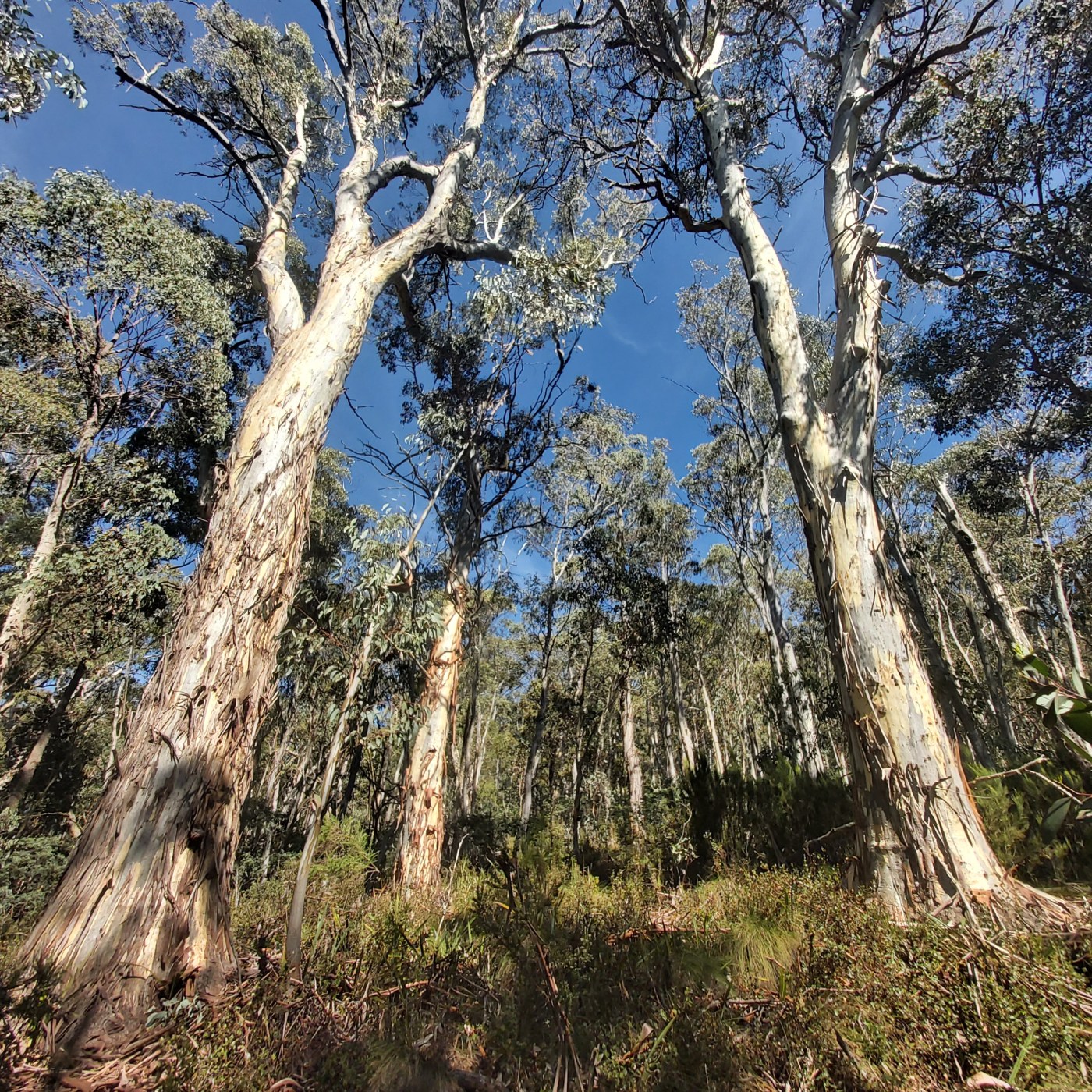
The unburnt areas of the Victorian high country are increasingly rare and incredibly precious.
One of these areas lies in the headwaters of the Little Dargo River, just south of Mt Hotham. It is a pristine area, without roads, and containing mature forest, much of it dominated by Alpine Ash.
The state government logging agency, VicForests, intends to log a total of 11 “coupes,” or sections, of mature forest in the upper Little Dargo River, probably this spring.
This morning, ABC Radio National described the alliance that has formed to protect the Little Dargo River and surrounding areas.


 Mountain Journal
Recent Comments