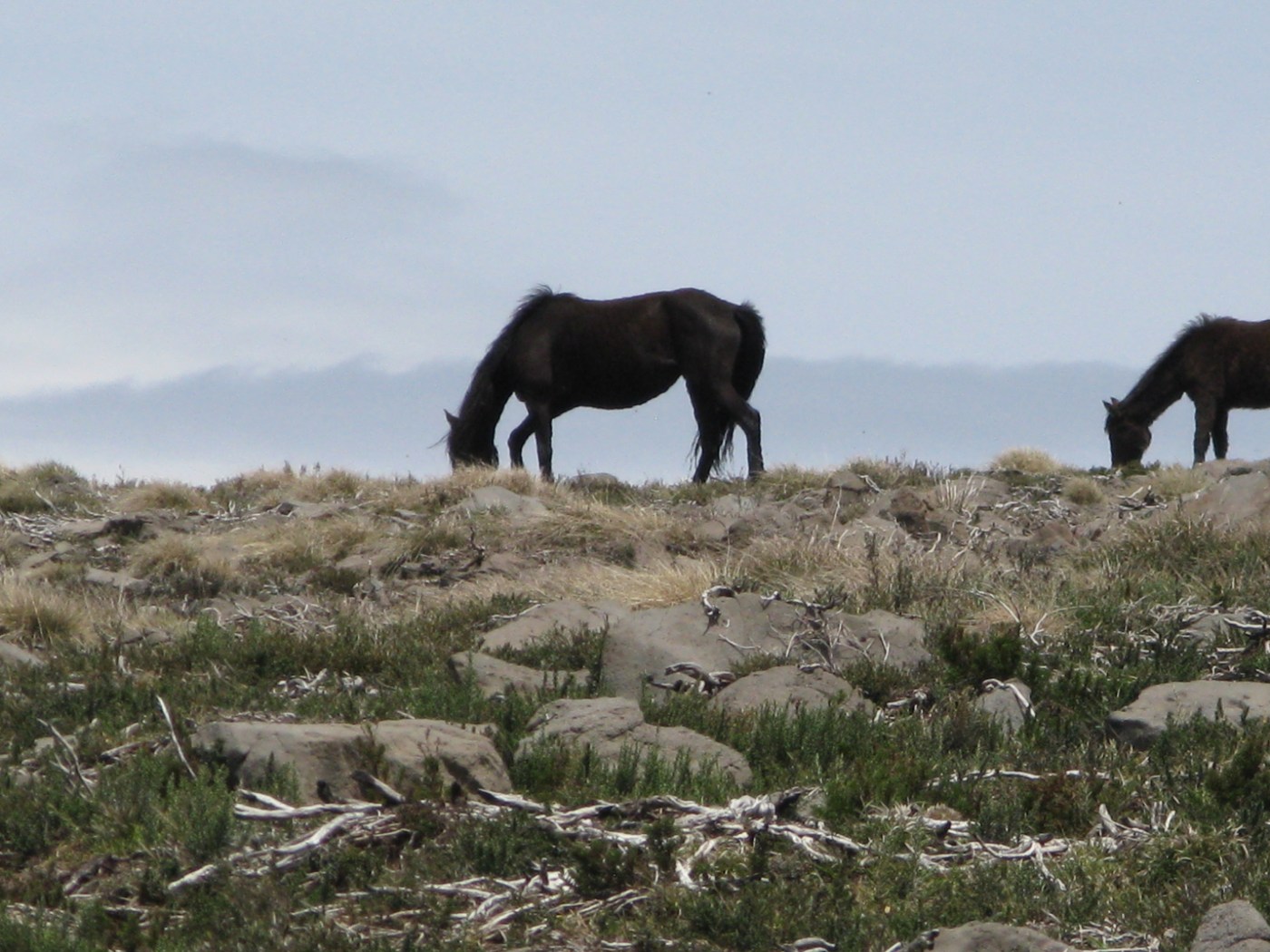
In a significant outcome, The Australian Brumby Alliance (ABA) has lost a long-running Federal Court case against Parks Victoria. The ABA had objected to plans to cull feral horses in the Victorian Alps. Parks Victoria will now begin culling horses in the alps, where horse numbers have soared over the past five years.

Back in 2003, massive bushfires exposed a rich Aboriginal heritage across the Victorian Alps. 1.1 million hectares of land was burnt, and it led to the discovery of huge numbers of artefacts and sites linked to indigenous habitation of the High Country.
As one example, at the Dinner Plain airport site, on the high ridgeline that leads from Mt Hotham to Cobungra, and which is recognised as an ancient travel and trade route, more than 46,000 artefacts were found. As a result of the fires removing so much vegetation, in total 350 new sites were found across 14 alpine areas in Victoria. This sparked a rethink of how First Nations people had lived in the Alps.
It highlighted the fact that life in the alps was good pre invasion: as an archeologist said at the time, “people were up here eating very, very well’. Foods included bogong moths, daisy yams, emus, kangaroos, wallabies and lots of fruits and berries. As a result, large numbers of people lived in the high country during the summer months. It also highlighted the number of travel routes into the mountains from surrounding low land areas and the fact that people lived for much of the year in some high elevation sites.
The fires of 2019/20 also burnt large areas of the high country, and will have exposed additional artefacts.
Continue reading “Aboriginal Artefacts and What to do When you Find Them”

For those willing to look, the evidence has been available for years: logging increases fire severity. Industry advocates continue to claim that ‘logging reduces fire risk’. But it should be obvious to any impartial observer that ‘removing large established trees actually increases the amount of flammable fuel, with unshaded stumps and new-grown saplings dried out by the sun and wind serving as ‘kindling’ for the flames’.
This has been backed up again by range of prominent scientists.
Yes, many of us are getting a bit stir crazy after weeks at home.
And every snow addict in the country is frothing to get up to the mountains after that incredible dump of powder.
We’re all seeing those videos and pics of our mates getting first tracks.
It’s hard to stay the course and stay at home.
But our actions now will have a real impact on government decisions about whether to allow resorts to open this winter.
Continue reading “If we stay at home, we might get a ski season.”
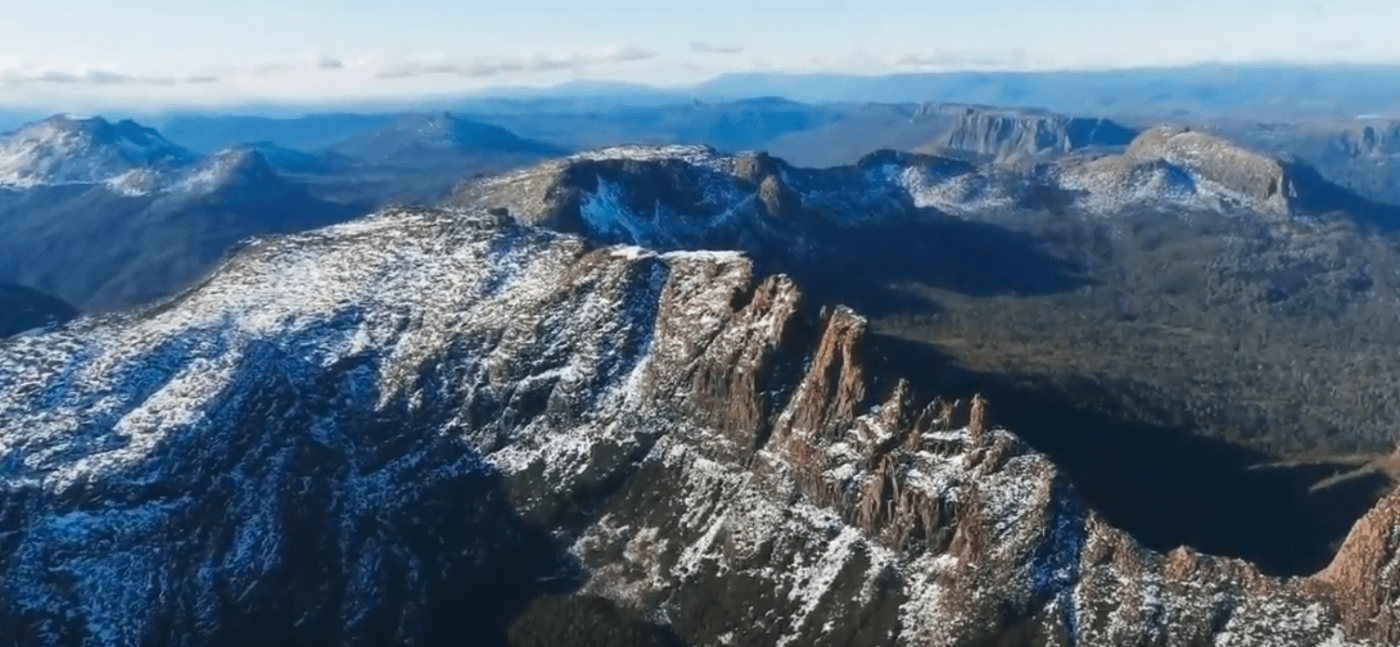
These images were taken from a lovely 46 minute video of ‘a flight over the Tasmanian Highlands on a mostly sunny autumn afternoon’ from Gary J McArthur (whose account is called Wandering Foxbat). This film is available here. He posts many great videos of flying over Tasmania.
He flies over Mt Roland, down along the western edge of the Central Plateau to the Ducane Range, then north to Cradle Mountain.
I couldn’t resist taking a few images from the video of some of my favourite peaks.
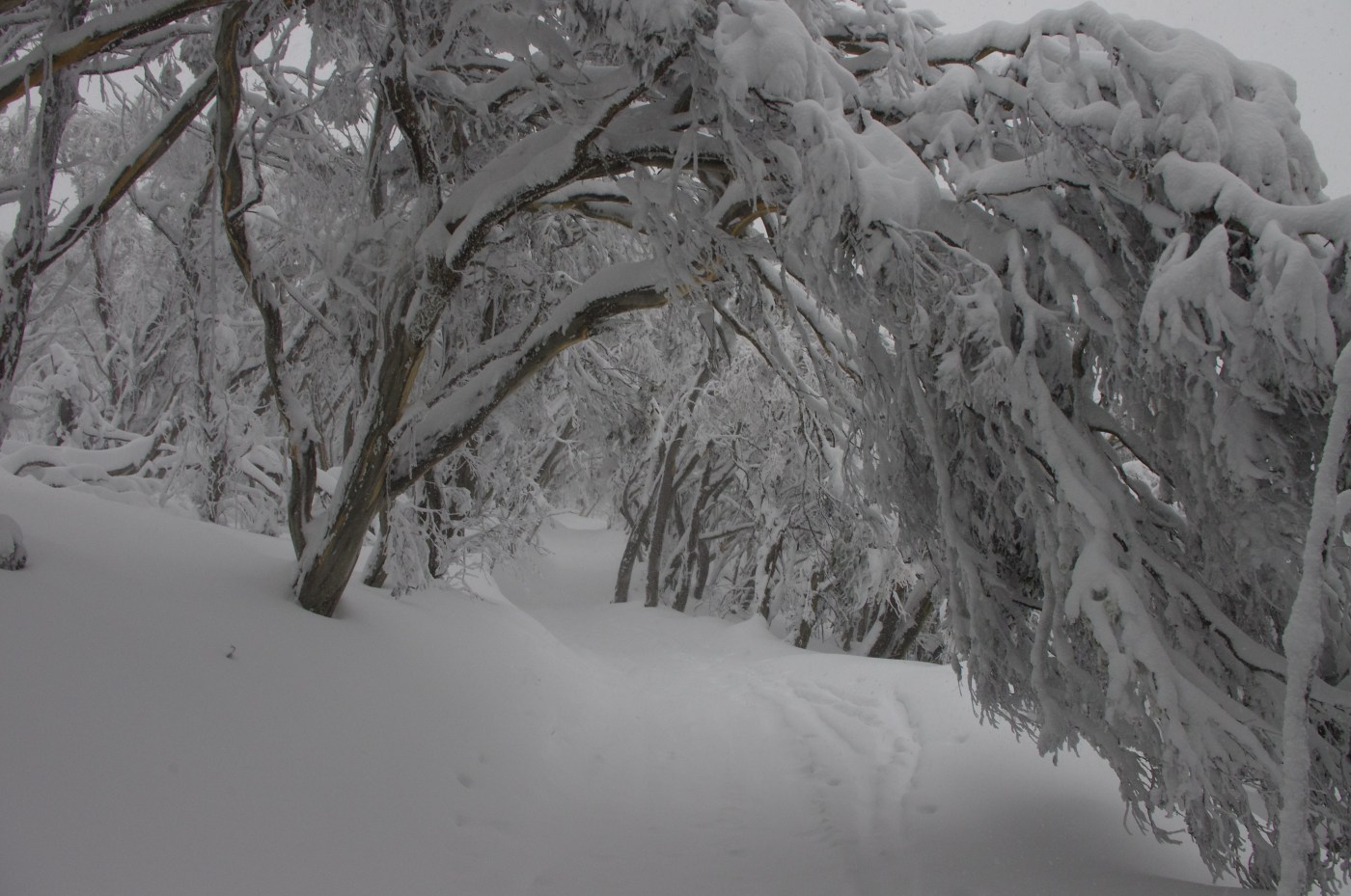
This current burst of cold has certainly made the conversation about ski season more real. Many of us are expecting an announcement – at least in Victoria – by mid May (the 11th is the date that the Victorian government will announce what next for the society wide lock down). The NSW police commissioner has said the state’s restrictions on outdoor movements and public gatherings would remain in force for at least 90 days, but that he was hopeful of being able to relax them beyond that date: 29 June.
For business operators, international instructors, local staff, and all snow lovers the wait is agonising.
I recently posted a poll on twitter, asking what people thought would happen this winter: a full ski season. Late start. Or no season at all – with or without the option of backcountry skiing. It was a small group that responded, but around 2 thirds felt there would be no season.
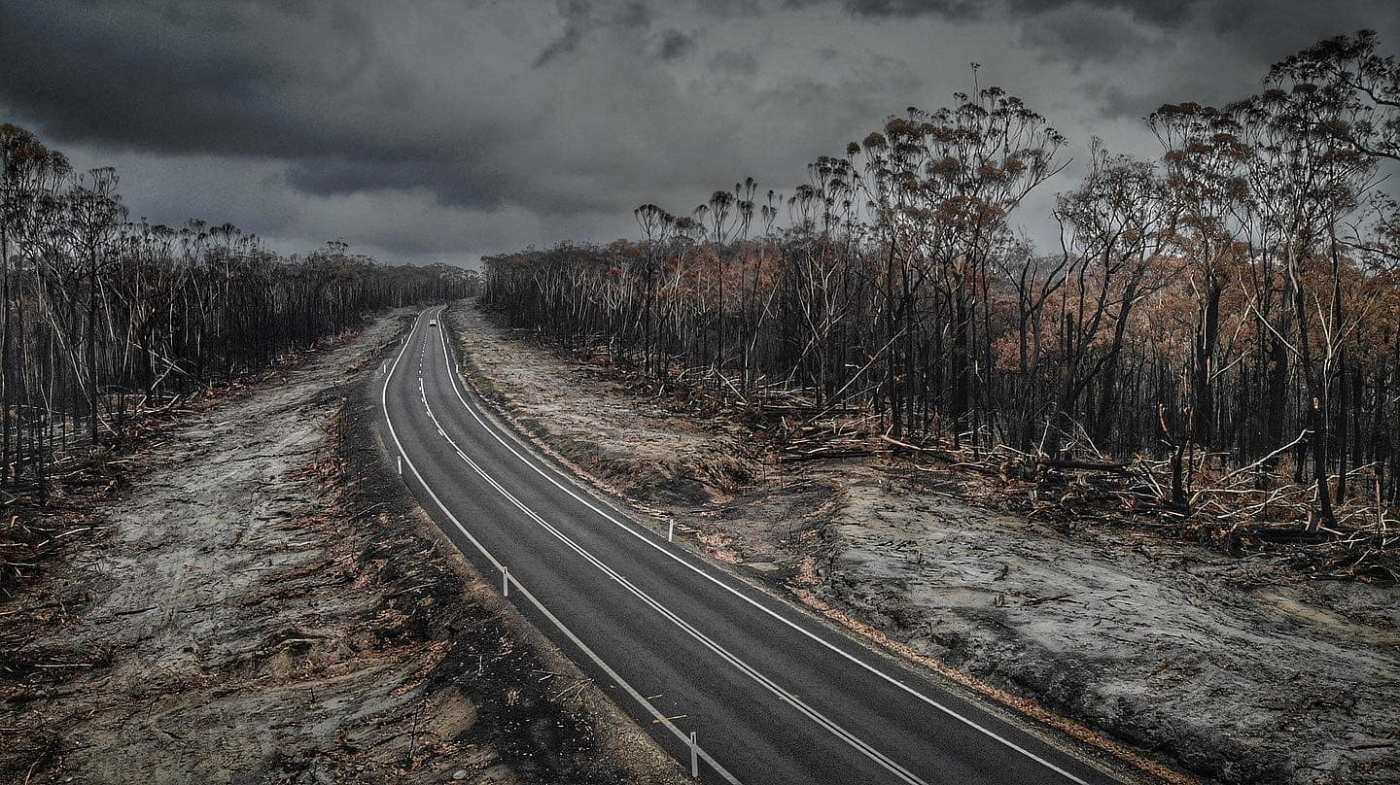
The ABC is reporting that ‘fire-affected communities in eastern Victoria are calling for a permanent firebreak running 170 kilometres along both sides of the Princes Highway to the New South Wales border’.
Continue reading “A 170 km long firebreak in East Gippsland?”

Over the past couple of years, I have been talking with various land managers and career and volunteer firefighters about whether Victoria should establish a remote area firefighting capacity of volunteer fire fighters.
NSW, the ACT and Tasmania all have volunteer forces, who support career firefighters, adding considerable capacity to firefighting efforts in remote country like national parks. The Rural Fire Service (RFS) in NSW has Remote Area Fire Teams, with around 500 active volunteer firefighters.
It is clear climate change will make fire seasons more intense and will also lead to an increase in ‘dry lightning’ strikes, which will increase the number of wildfires. The value of the NSW model is shown by the effectiveness of their teams in stopping small fires becoming blazes: for instance, in the 2018/19 fire season the Rapid Aerial Response Teams responded to 77 incidents, and were able to keep 90 percent of the fires they attended contained to less than 10 hectares in size.
I think we should create a similar group in Victoria.
Continue reading “A volunteer remote area firefighting force for Victoria”
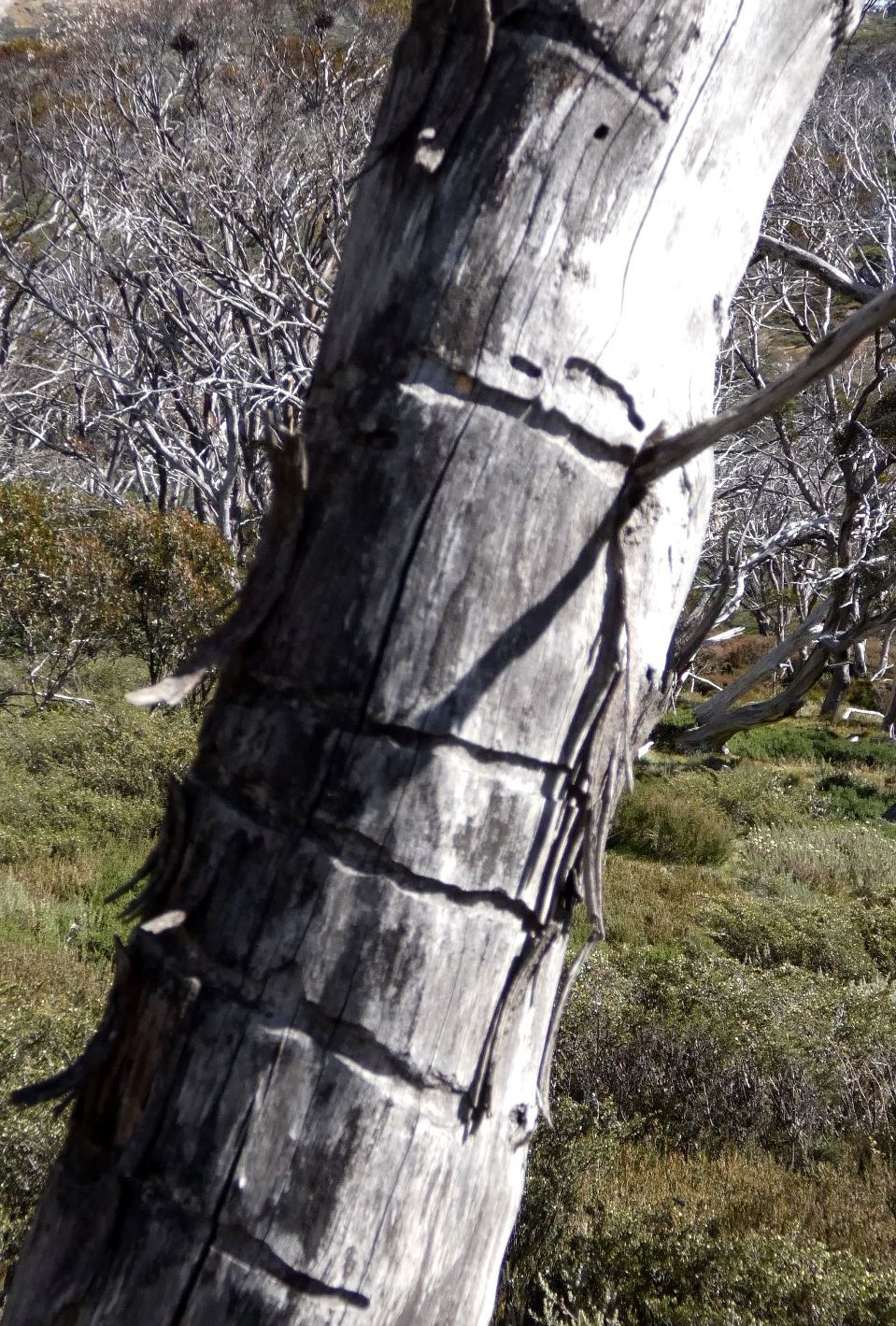
Snow gums are experiencing dieback in Kosciuszko National Park, largely because of the impacts of the native longicorn (or ‘longhorn’) beetle. These beetles prefer to lay their eggs on moisture-stressed trees and, in warmer weather, the longicorn beetle can hatch and grow up to 75% faster (reports here). This has been linked to climate change because of warmer temperatures in alpine areas.
So far, impacts seem to be limited to areas in the Snowy Mountains among two distinct subspecies of snow gum – in the Guthega and Perisher areas and parts of Thredbo.
This is an update on the research into the impacts of dieback in these areas.
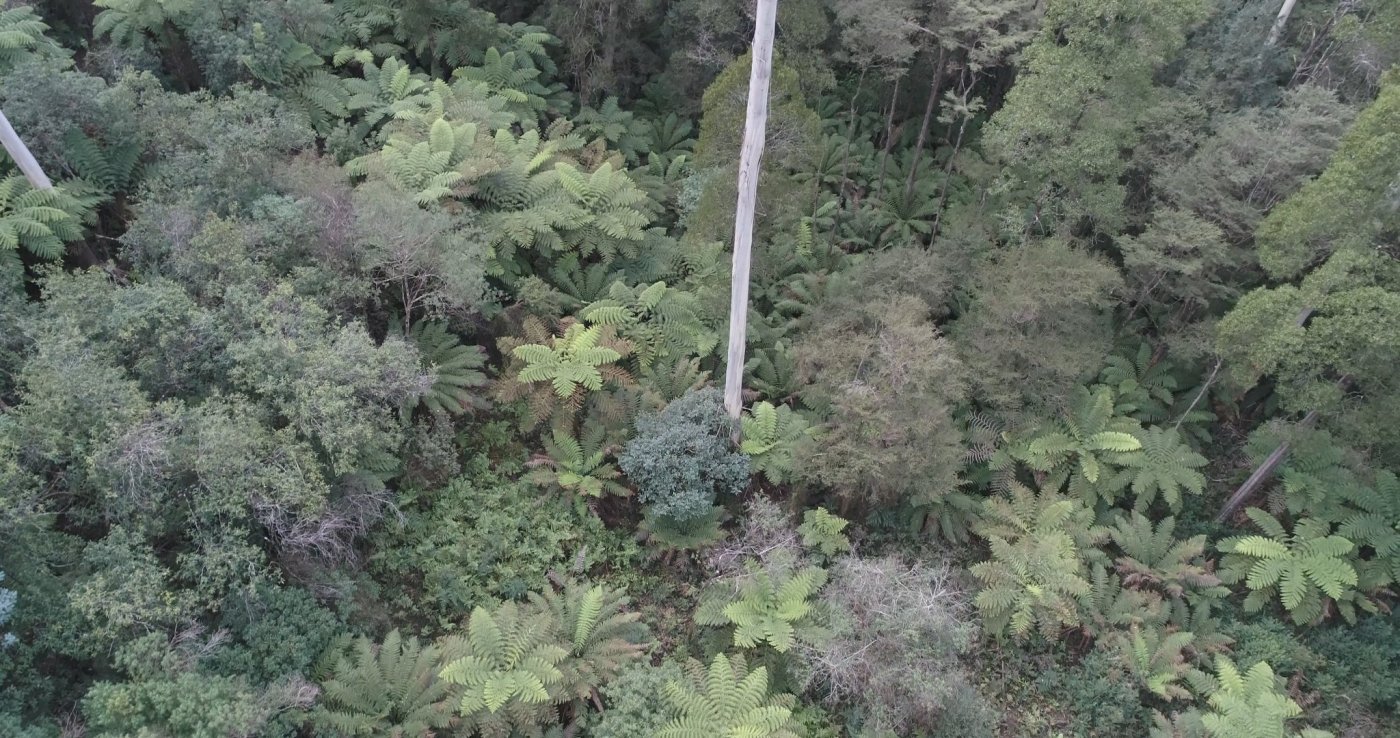
Local group Protect Warburton Ranges (facebook page here) have expressed alarm that a planned clearfelling operation near the town will threaten local water security.
This area is being logged at present (May 2020). Most recent updates at the top, please scroll down for background information.
Continue reading “Clearfell logging near Warburton will ‘threaten town’s water security’”
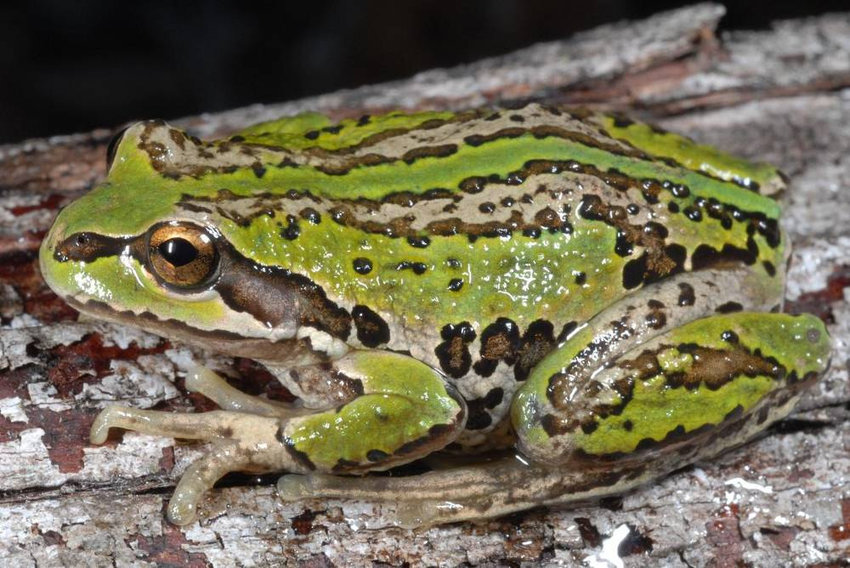
We know how devastating last summer’s fires were on local economies across the country. The ecological impact becomes ever more clearly understood, although some on ground research has been slowed due to the COVID-19 pandemic.
In February 2020, the Federal Environment Department released an initial list of threatened ecological communities which have more than 10% of their estimated distribution in areas affected by bushfires in southern and eastern Australia between 1 July 2019 and 11 February 2020. What are the known impacts in mountain environments?
Continue reading “What mountain species were impacted by last summer’s fires?”
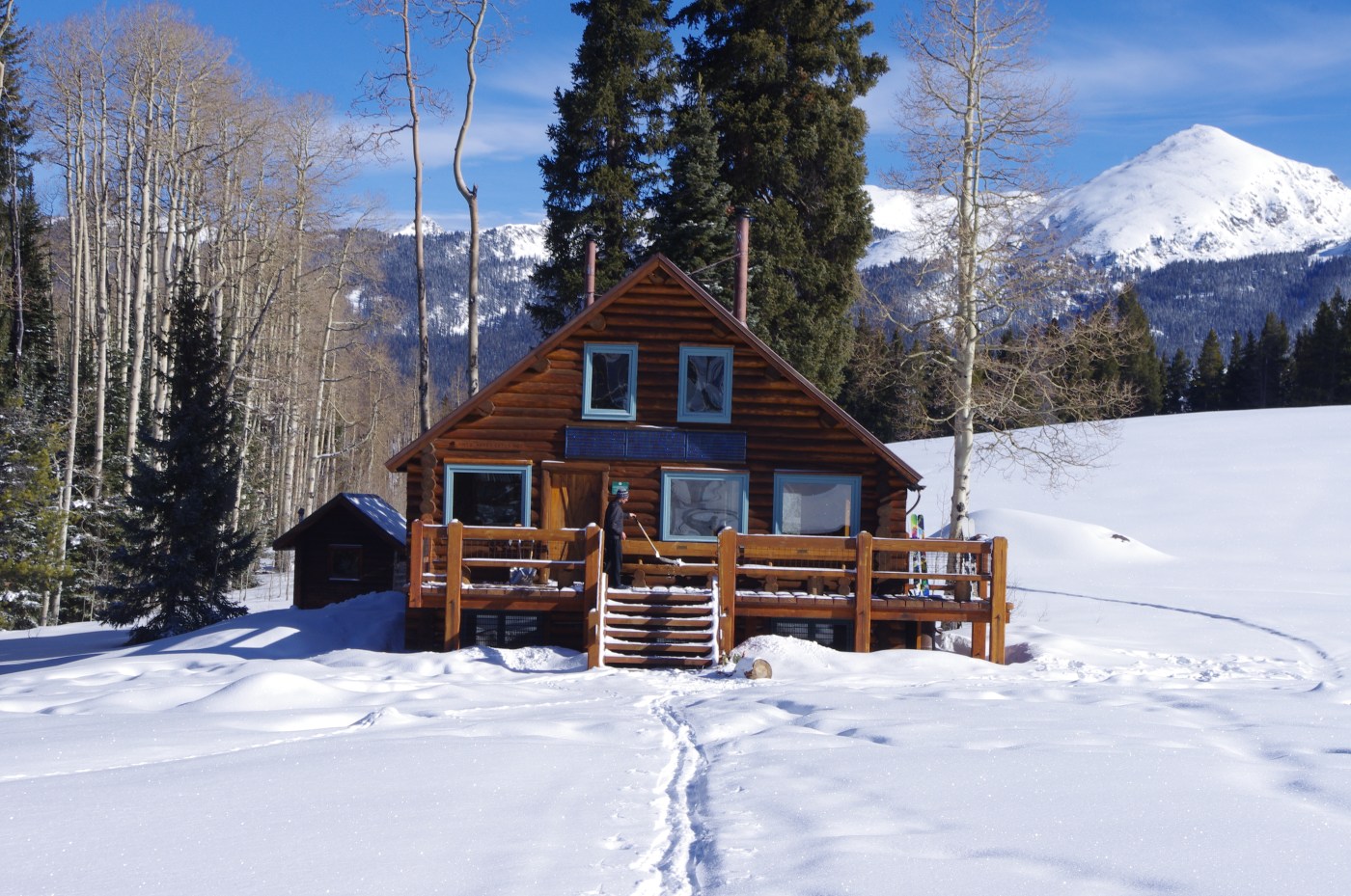
Some highlights from MJ’s stories during April 2020. More fire news than I expected, with some reflections on the impacts of last summer and post logging burning in full swing. Plus new research into alpine zones and efforts to help Alpine Ash forests recover through aerial seeding. And Mountain Cosmos – a website dedicated to podcasts about the mountain life.


 Mountain Journal
Recent Comments