Search

Mountain Journal

Environment, news, culture from the Australian Alps

New ‘iconic’ walk with private huts planned for Tasmania’s Tyndall Range

Tasmanian premier Will Hodgman has announced that ‘Tasmania’s wild West Coast has been chosen as the preferred location for our Next Iconic Walk’.

The area selected is the remote and wild Tyndall Range. This ‘iconic walk’ will be similar to the Overland and Three Capes Tracks, where private hut networks have been built. The Range is known for its rock climbing on conglomerate cliffs up to 300m in height, glacial lakes and alpine areas and ‘out of the way’ nature.

The government says “A signature Liberal election commitment, up to $20 million will be invested to deliver our next iconic multi-day, hut-based walk which will enhance the visitor economy throughout the entire region”. According to the proponent, the proposal includes the option of “a private walking company .. investing in the development of private lodges similar to that of Three Capes Track”.

Continue reading “New ‘iconic’ walk with private huts planned for Tasmania’s Tyndall Range”

Snow gum die back linked to climate change

Many people know the story of the Pine beetle which has been devastating huge areas of forest across North America because of climate change.

In brief, the mountain pine beetle’s ability to survive and multiply rapidly is highly sensitive to temperature and precipitation. Warmer average temperatures allow pine beetles to complete their life cycle in just one year instead of two. Rising minimum temperatures in the Colorado Rockies have allowed more beetles to survive the winter and from 2009 to 2010, mountain pine beetle activity increased more than 10-fold, infesting 200,000 acres (80,000 hectares) on the Front Range, and killing off millions of hectares of trees in North America.

There is a similar scenario emerging in Australia’s mountain forests, although it is much less known.

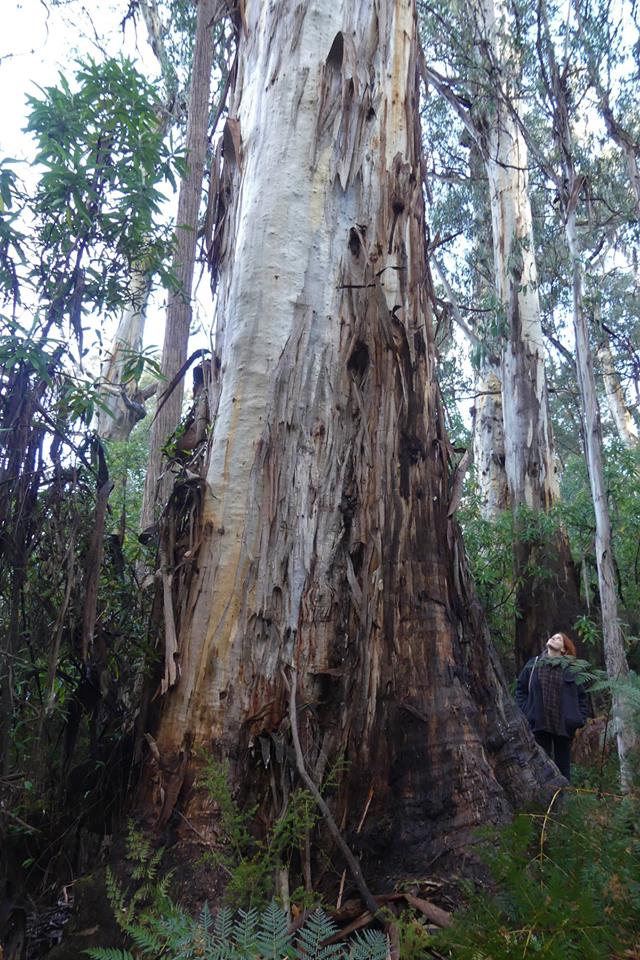
Snow gums are experiencing dieback in Kosciuszko National Park, largely because of the impacts of the native longicorn (or ‘longhorn’) beetle. These beetles prefer to lay their eggs on moisture-stressed trees and, in warmer weather, the longicorn beetle can hatch and grow up to 75% faster.

According to work published in the Resort Roundup winter 2019 edition (produced by the NSW government), ‘reduced snowfall, high summer temperatures such as January 2019 where temperatures at Thredbo top station were 4.4oC above average, and a reduction in autumn rainfall mean that snow gums are under much greater moisture stress than in the past.’ This means that larger beetle populations are causing more frequent dieback of some snow gum trees.

So far, impacts seem to be limited to areas in the Snowy Mountains among two distinct subspecies of snow gum – in the Guthega and Perisher areas and parts of Thredbo. The main species affected is Eucalyptus niphophila. Additionally, the population of Weeping snow gum Eucalyptus lacrimans in the Long Plain area appears to be significantly impacted by longicorn beetle. At this point it does not seem that the infestation is affecting the widespread E. pauciflora subsp. pauciflora.

Apart from the visual and ecological impacts of losing these important trees, increased dieback will lead to an increase in fire risk in alpine resorts and other areas within Kosciuszko National Park. With increasing climate change, it is expected that the longhorn beetle will continue to increase in numbers and therefore its associated impacts on snow gums will also become more extensive.

This is yet another compelling reason for us to be taking serious action to respond to climate change!

Continue reading “Snow gum die back linked to climate change”

Photographs by David Rosendale

Photographer David Rosendale returns to exhibit at Falls Creek with selected prints from his year long study of seasonal change, “The Fall”, with new and unreleased works spanning the years 2016 – 2019.

This Exhibition represents work produced whilst Artist in Residence at Falls Creek in 2017 and beyond, a perpetual commitment and study of the Victorian Alpine landscape.

The exhibition runs from 23 – 25 August 2019.

Continue reading “Photographs by David Rosendale”

Sydney UNDERFROG documentary screening

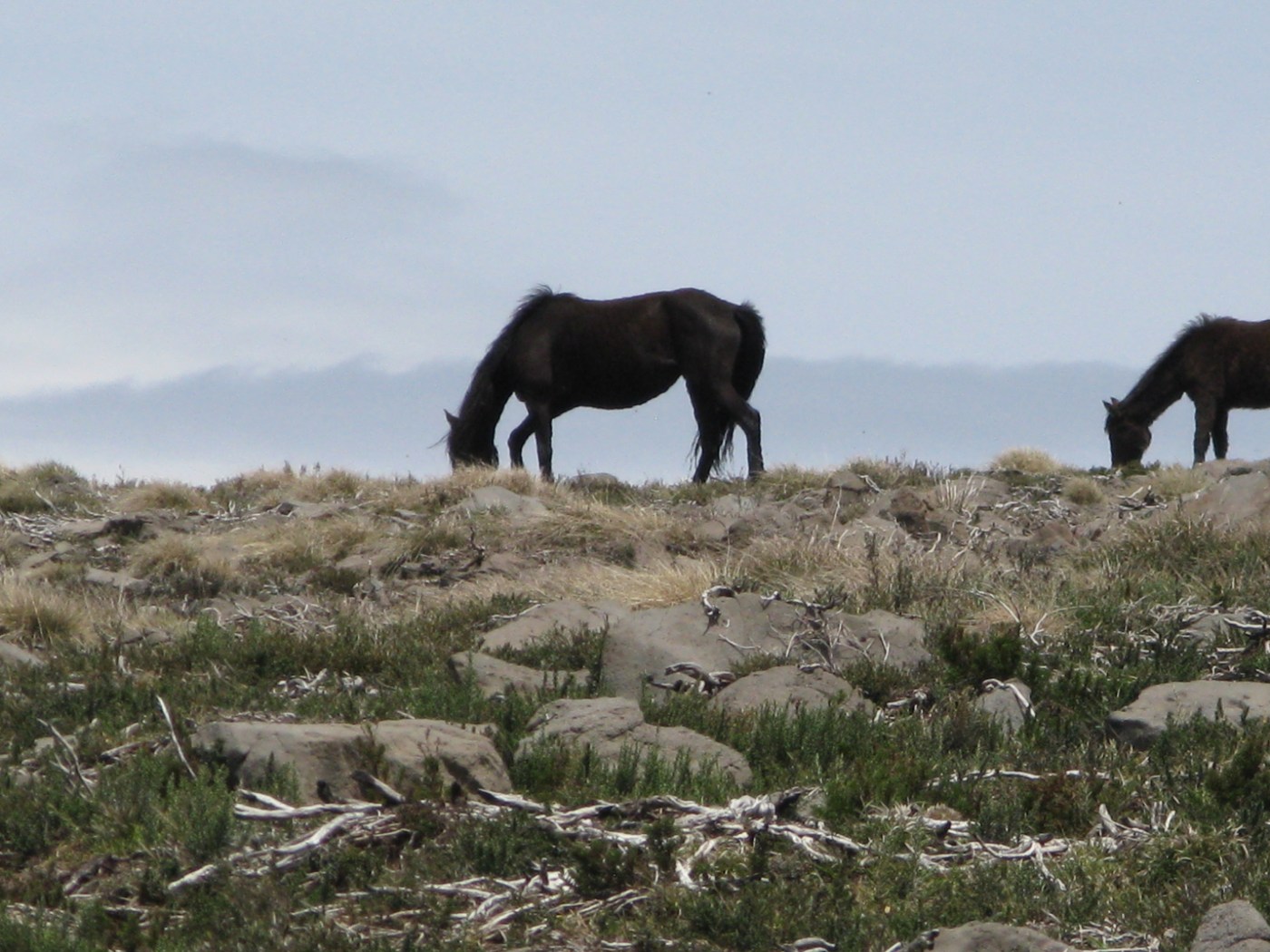
NSW Nordic Ski Club and Reclaim Kosci are co-hosting a screening of “Underfrog” on Wednesday July 24. The night will be used to increase raise awareness of the feral horse issue in the Snowy Mountains and raise funds for Reclaim Kosci to continue their work. Everyone is welcome. Doors open at 7:00pm for a 7:30pm start. Donations are optional. The film is suitable for all ages.

Continue reading “Sydney UNDERFROG documentary screening”

Environmental week at Thredbo

Environmental week is an annual event that happens at Thredbo resort in NSW which is ‘dedicated towards driving awareness to our guests, community and beyond about all of our environmental initiatives in place and what we can all be doing as a community to protect winter and Thredbo’.

It will happen from July 22 – 28, and features talks and presentations, a hike to Mt Kosciuszko, and a fund raiser for tree planting.

Continue reading “Environmental week at Thredbo”

Winter is back! Be careful out there.

Woo hoo! Winter is back! Finally, good conditions in the backcountry. But with heavy snowfalls that have accumulated on almost non existent base, and high winds moving snow around onto the leeward side of slopes, take care out there.

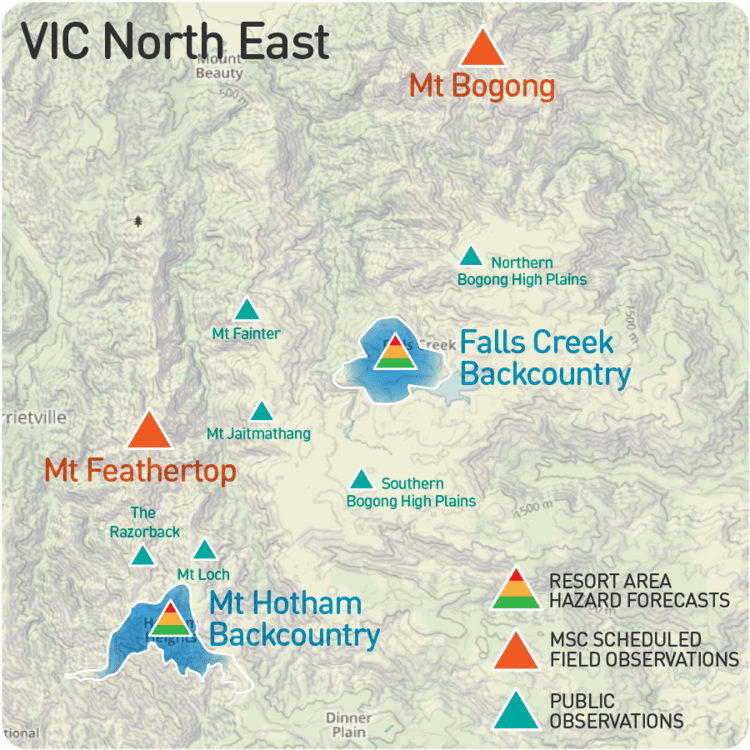
Mountain Sports Collective (MSC) reports that ‘the rate of accumulation, particularly on aspects lee to the north west is a problem. A considerable wind slab avalanche hazard exists as observed at both Falls Creek and Mt Hotham resorts and believed to be widespread particularly in the alpine (above 1650m)’.

These conditions exist across the Alps.

Check here for the MSC Backcountry conditions bulletins before heading out.

MSC says: ‘Conservative terrain choices are advised for travelers in the backcountry for the foreseeable future’.


Thredbo is powered by Renewable Energy

Climate change poses an existential threat to winter as we know it. It  is already having a negative impact on Australia’s mountain ranges (for instance, snow pack has been in decline since the late 1950s). It will also impact on the businesses that rely on good winter snow. At present the Australian snow industry generates more than $1.8 billion a year and employs more than 18,000 people. Yet under current greenhouse scenarios, climate change could cut Australia’s ski season by more than two months. If we don’t start to slow down climate change, it means the end of skiing as we currently know it.

There are three response which are required to this threat if ski resorts want to have a hope of long term viability: they need to act to mitigate (or reduce) their greenhouse gas emissions). They need to adapt to the changes that are already locked in (for instance through investing in snow making equipment or highlighting their ‘green season’ activities). And hopefully they will also use their business and political power by advocating for all levels of government to take meaningful action on climate change.

In what is being described as ‘an Australian snow industry first’ (1), Thredbo resort in NSW has announced that it has signed a deal that will ensure that ‘all its major resort operations are now powered by renewable energy’ provided by Red Energy.

Continue reading “Thredbo is powered by Renewable Energy”

‘You can’t be what you can’t see’

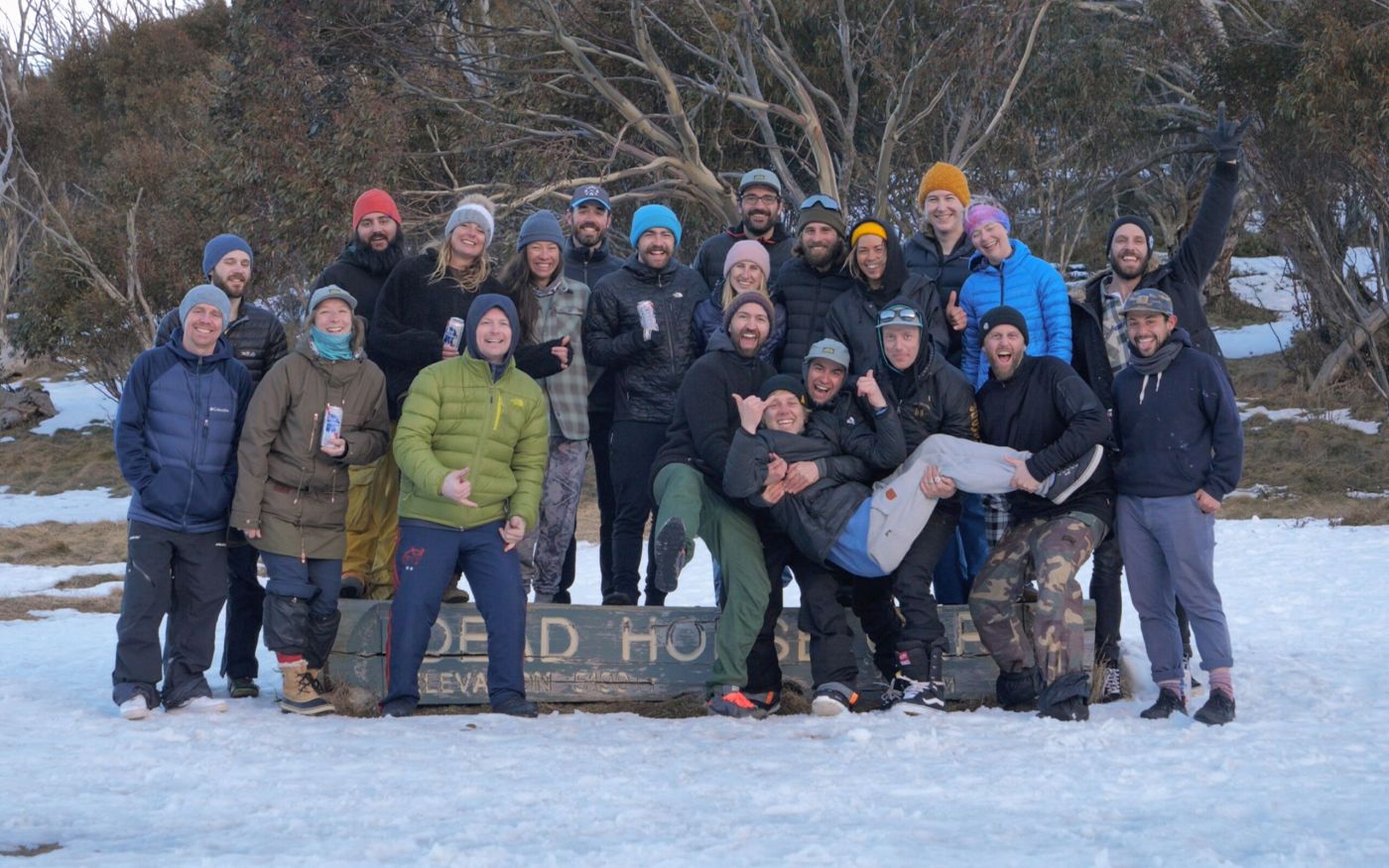
The backcountry scene still tends to be quite ‘bloke heavy’: a lot of the people involved in BC riding and skiing tend to be white males. While demographics are changing in the resorts, with a wider range of people visiting than in previous decades, this has also been noticeable in the backcountry community. There are lots of women and gender diverse people who are out there, and as with the festival last year, we want to provide a platform for a diversity of voices in the program for the VIC backcountry festival, which will happen at Mt Hotham over the weekend of September 7 and 8..

As former Olympic skier Katya Crema said last year: ‘You can’t be what you can’t see’. We have worked to ensure a range of voices, including women, are strongly represented in the program. Here are some highlights:

Continue reading “‘You can’t be what you can’t see’”

Report shows destruction of Greater Glider habitat

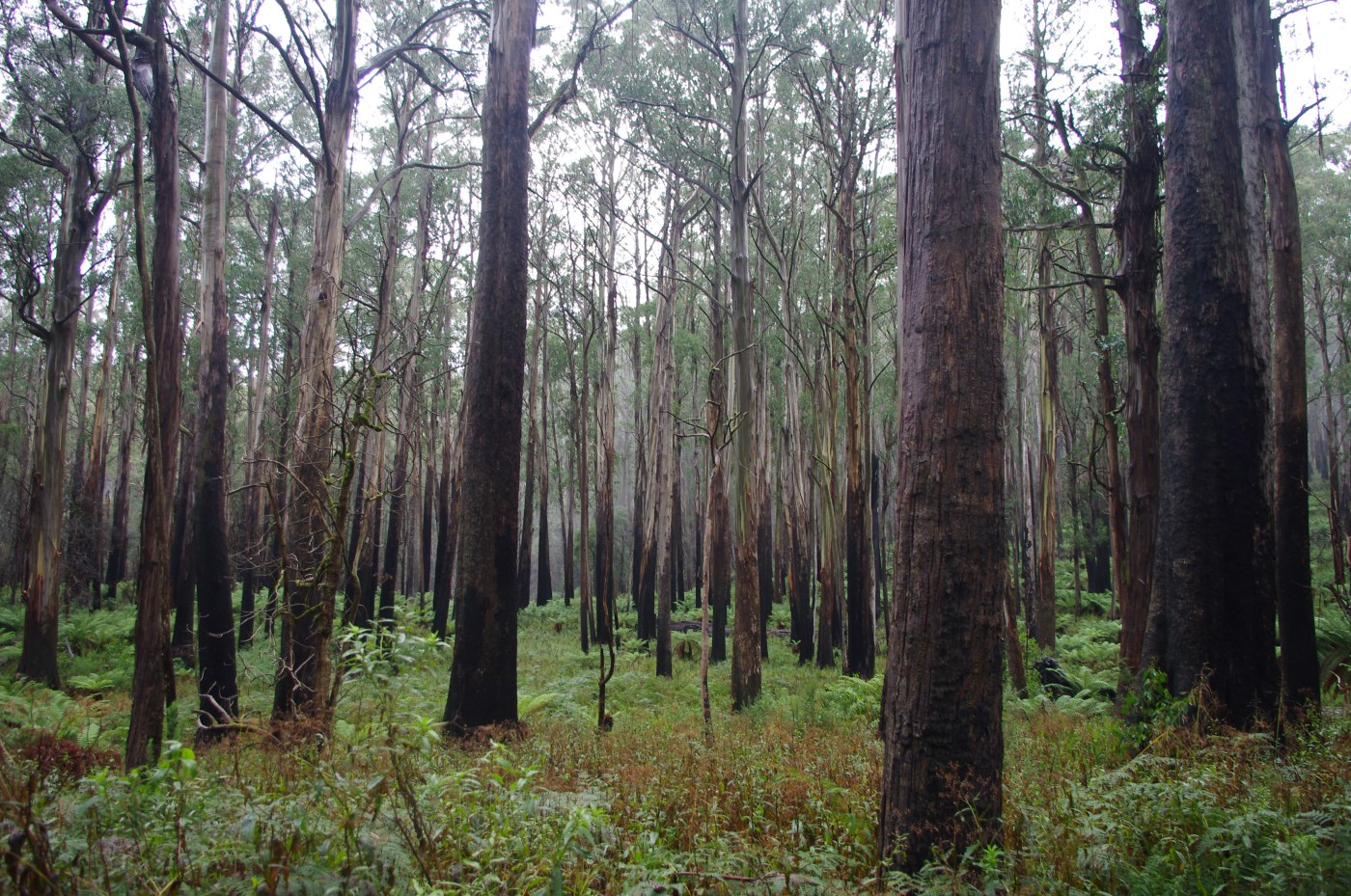
A new report from Goongerah Environment Centre (GECO) has been published which documents logging of more than 600 hectares of Greater Glider habitat in East Gippsland since the species was listed as vulnerable under Victorian legislation in June 2017.

Gliding towards extinction – an investigation into Greater Glider habitat logged since the species was listed as threatened under the Flora and Fauna Guarantee Act highlights how government inaction and failing environmental laws are having dire consequences for forest dependent threatened species in Victoria.

Continue reading “Report shows destruction of Greater Glider habitat”

Backcountry festival will be epic

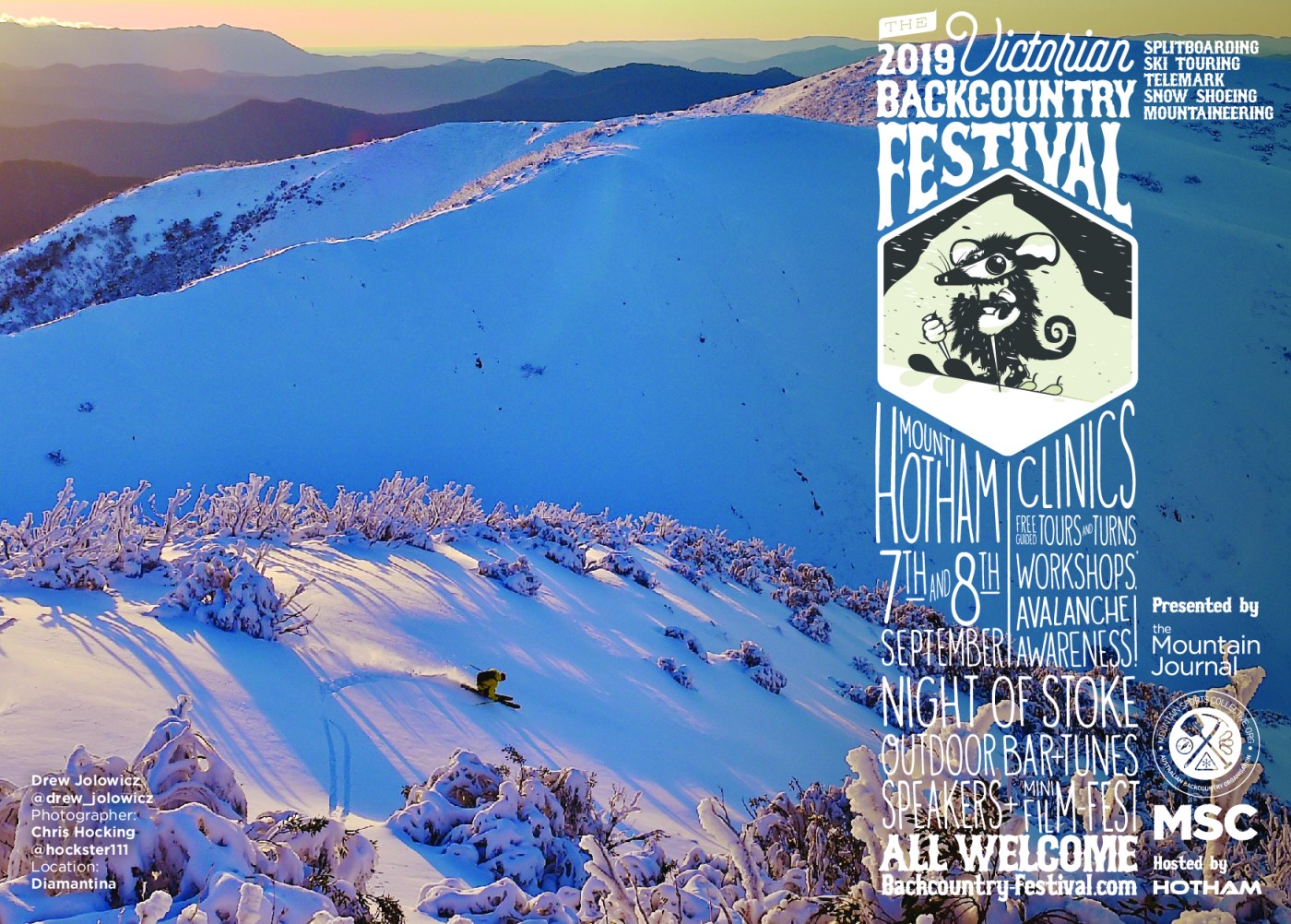
The second Victorian backcountry festival will happen at Mt Hotham over the weekend of September 7 and 8. The program now has 28 sessions on offer. Most are free. They cover everything from cross country and tele skiing, split boarding, alpine touring, to avalanche safety, snow shoeing and fat tyre bikes.

Continue reading “Backcountry festival will be epic”

Avalanche Training Australia

Avalanche Training Australia (ATA) is the Australian arm for avalanche training courses of Whiteroom in Australia. ATA as a brand is new over the past few years but Whiteroom has been running courses in Australia for many years.

Avalanche Training Australia is licensed by Avalanche NZ to offer accredited 2-day Avalanche Awareness and 4-day Backcountry Avalanche Avoidance courses during the Australian winter.

Continue reading “Avalanche Training Australia”

This is what climate change looks like

Yes, Australia does have erratic winters.

Yes, the forecast was suggesting that the season would start late and be mediocre to average.

And yes, we just had two awesome winters, so we would have been very lucky to have three in a row.

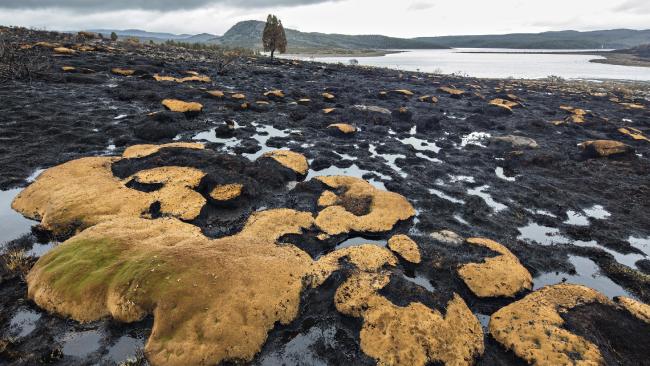
But the first month of winter 2019 has been the sort of winter you would expect under climate change scenarios.

Continue reading “This is what climate change looks like”

Blog at WordPress.com.

Up ↑